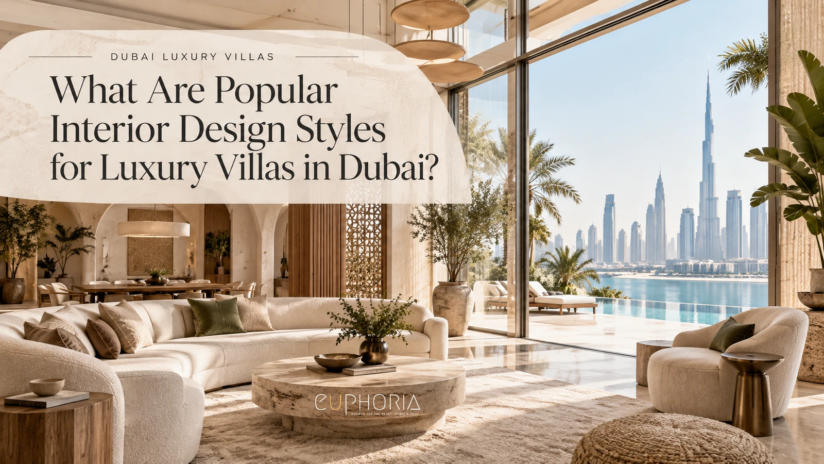
Villa Interior Design trends in 2026 are moving away from statement-first design and toward homes that feel better once daily life begins. A villa should still create a strong first impression, but the real success shows up later: cooler rooms, easier maintenance, better privacy, smoother hosting, and spaces that make everyday routines feel effortless. Forward-looking interior design companies in Dubai are already building these priorities into new villa briefs.
This shift is happening across coastal villas, city residences, desert homes, and private estates, with coastal interior design Dubai villas focusing more on airflow, light materials, and humidity-resistant finishes. At the opposite end of the spectrum, Ottoman opulence interiors show how layered luxury still holds its place in Dubai villas.
In warmer regions, including the UAE, shade, AC zoning, dust-resistant finishes, and durable materials need more attention. The larger idea is global: a trend should improve the way the home works, not only the way it photographs.
Continue reading to browse 25 visual-led villa interior design trends for 2026. After the ideas, you will also find a short checklist to help you decide which ones suit your home, climate, lifestyle, and long-term plans.
1. Build Your Facade To Block Heat Before It Enters

Image Source: Digs Magazine
Controlled glazing, deep roof lines, recessed windows, and shaded openings help a villa stay cooler before the air conditioning has to work harder. This is why desert homes like Richard Neutra’s Kaufmann Desert House in Palm Springs still feel relevant today. The house keeps a strong modern profile, but its low horizontal form, outdoor connection, and shaded edges show how architecture can respond to heat without losing elegance.
Use glass where it frames the best views. If it sits under direct sun for most of the day, shade or screens should come before more glass.
2. Cover Your Outdoor Space So It Actually Gets Used

Image Source: Boutique Homes
Indoor-outdoor living remains one of the most loved villa interior design trends in 2026, but the usable version needs shade. Covered terraces, pergolas, matching floor levels, outdoor fans, privacy planting, and evening lighting can turn a patio or pool edge into a true extension of the home.
The goal is not simply to add bigger openings. It is to make the outdoor edge feel connected, shaded, and comfortable enough to use without thinking twice.
Start with the shaded transition. The doors, flooring, fans, and lighting can follow once that outdoor edge is usable.
3. Plan A Courtyard To Bring Light In Without Losing Privacy

Image Credit: MORIQ
Courtyards bring daylight, greenery, and fresh air into the centre of a villa without exposing family spaces to the street or nearby homes. This makes them one of the most useful villa layout ideas for dense neighbourhoods, warm climates, and homes that need a stronger sense of retreat.
A courtyard should never feel like a decorative empty box. Place it where it brings soft light into rooms you use often, such as corridors, dining spaces, and family lounges, while still protecting the home from direct views.
Place the courtyard where it can brighten spaces you use often, such as corridors, dining areas, or family lounges.
4. Choose Materials That Make A Room Feel Expensive Without Trying

Image Source: Manomin Resawn Timbers
Quiet luxury is shaping many luxury villa interiors in 2026. Warm neutrals, natural stone, solid wood, brushed metals, linen textures, and layered lighting create refinement without heavy decoration. This direction works because the room feels considered, not styled for one quick visual moment.
Keep the palette quiet, then let the quality of the stone, timber, metal, and lighting do the work.
For homeowners who prefer a richer aesthetic, drawing structural and tactile inspiration from high-end commercial concepts like The Fifth Element Café, richness can be introduced through detailed woodwork, layered textiles, and statement lighting while still maintaining balance.
5. Replace Flat Paint With Surfaces That Change With The Light

Image Credit: Gonzalo Viramonte
Texture-led walls are becoming a major part of villa interior design trends. Limewash, textured plaster, stone cladding, wood panels, woven wall finishes, and soft fabrics give rooms depth without relying on bold colour. They also make large walls feel less empty.
Choose one or two large surfaces for texture. When every wall competes, the room loses the calm feeling this trend is meant to create.
6. Soften Your Villa With Curves And Arched Details

Image Source: Villa Mairea
Curved kitchen islands, arched thresholds, rounded sofas, oval mirrors, softened pool edges, and curved stair details make large villas feel less rigid. That is why a home like Villa Mairea still feels warm within modern architecture: timber details, crafted surfaces, and softer forms keep the space human. In a villa, curves work best when they improve movement, comfort, or the way furniture sits in a room.
Use curves where they soften circulation, seating, or edges people touch. Random arches can quickly feel decorative.
7. Integrate Smart Technology So Nothing Can Be Seen

Image Source: Pinterest
Smart villa design feels most luxurious when the technology is quiet. Lighting scenes, AC zoning, motorised curtains, irrigation, security, access control, and whole-home audio should be planned into the architecture so panels, wires, sensors, and speakers do not interrupt the walls. Villa Tugendhat was doing this far ahead of its time with comfort systems and electrically operated windows built into the house. The point still holds: technology should serve the home quietly.
One clear interface is usually better than several apps that nobody wants to manage daily.
8. Design The Master Suite As A Private Recovery Zone

Image Source: The Rock Villa
The master suite is becoming more personal and restorative. Garden views, a reading corner, acoustic separation, a walk-in wardrobe, a spa bathroom, and softer lighting can make the bedroom feel like a private daily retreat. This is one of the strongest modern villa interior design ideas for long-term comfort.
The suite should support real routines, such as reading, dressing, bathing, resting, or starting the day slowly.
9. Build A Bathroom That Performs As Well As It Looks

Image Credit: Boys Play Nice
Spa bathrooms are still trending, but the smarter version focuses on use first. Walk-in showers, double vanities, anti-slip flooring, concealed storage, mirror lighting, drainage, and ventilation matter as much as the stone, tub, or glass partition. Plan storage, ventilation, drainage, and cleaning access before falling in love with the stone or glass.
10. Create An Outdoor Kitchen Your Guests Actually Gather Around

Image Credit: Nicole Hollis Studio
Outdoor kitchens are one of the most practical villa outdoor design upgrades for homeowners who host often. A barbecue station, weather-resistant cabinetry, a sink, a refrigerator, task lighting, and a covered dining table can make outdoor meals feel effortless.
Keep it close enough to the main kitchen so food, drinks, and cleanup move easily.
11. Give Double-Height Rooms The Acoustic Treatment They Need

Image Credit: Nour El Refai
Double-height living rooms create scale, but they need comfort planning. Tall curtains, large rugs, acoustic panels hidden behind wall cladding, layered lighting, scaled furniture, and separate cooling zones keep the room from feeling hollow or difficult to use.
The height should be approved with the cooling and sound plan, not separately.
12. Hide Storage And Service So The Home Stays Visually Calm

Image Source: H&H Cabinets
Invisible storage is one of the most valuable villa interior design trends in 2026 because it keeps large homes calm, organised, and easy to live in. Flush cabinetry, concealed pantries, service kitchens, laundry rooms, staff routes, and hidden utility zones keep the main spaces clear without reducing function.
Plan storage and service routes early, before the room layout becomes difficult to change.
13. Make The Family Lounge Work For Every Hour Of The Day

Image Source: Ministry of Villas
The best family lounges feel relaxed without becoming messy or undefined. Acoustic separation, modular seating, hidden equipment storage, layered lighting, and durable finishes let the same room support movie nights, work calls, children, reading, and casual hosting.
Give the lounge flexible zones instead of fixed labels so it can change with the family, especially in multifunctional spaces UAE villas where one room often supports work, entertainment, and daily living.
A flexible lounge also pairs well with minimalist villa design ideas because the room stays useful without looking crowded.
14. Reference Arabic Heritage Through Architecture, Not Decoration

Image Source: Loci Architecture & Design
Modern Arabic villa design works best when heritage is felt through space, shade, privacy, and filtered light rather than heavy ornament, which is why Arabian style interior ideas today focus more on architecture than surface decoration
Lima Villa in Dubai is a useful example because its courtyard and mashrabiya screens control views, bring in light, and protect privacy at the same time. That is the kind of regional reference that feels current.
Use heritage through proportion, shade, material, and light. That feels more lasting than surface decoration.
15. Invest In Sustainability That Lowers Your Ownership Effort

Image Source: Boca Do Lobo
Sustainable upgrades work best when they improve comfort and reduce running pressure. Insulation, efficient AC or heating systems, LED scene lighting, solar water heating, low-flow fixtures, durable finishes, and low-maintenance landscaping offer practical value without making the villa harder to manage.
The best sustainable choices reduce energy use, upkeep, replacement cost, or all three.
16. Turn Your Staircase Into The First Thing People Remember

Image Credit: Pablo Garcia Esparza
A staircase can become the moment that gives the villa its identity, but it has to work inside the daily movement of the home. Villa W in Andorra uses the staircase as part of the interior journey, with its form changing as the house moves through different levels. In a luxury villa, that same idea can be translated through floating treads, curved plaster, stone steps, warm timber, or soft step lighting.
Make the staircase memorable, but keep grip, lighting, child safety, and maintenance in the conversation.
17. Give The Majlis Its Own Zone And Keep It Genuinely Private

Image Source: Bold Bespoke Design
A modern majlis should feel generous, private, and comfortable. Layered rugs, deep seating, dimmable lighting, acoustic separation, and direct access from the entry help guests circulate without crossing family zones. The same principle works for formal lounges in global luxury villas.
Let guests feel looked after without making the family side of the home feel exposed.
18. Add A Second Kitchen So Hosting Stays Relaxed

Image Source: Eggersmann USA
A service kitchen keeps the show kitchen calm while larger prep, aromatic cooking, and post-dinner cleanup happen out of sight. This is a practical choice for large families, frequent hosts, and villas where the main kitchen opens toward dining or living areas.
Use the second kitchen to support hosting and everyday cooking, not to create another unused room.
This is also where modular kitchen planning becomes useful, because prep, storage, and movement matter as much as the visible finish.
19. Furnish And Light Your Poolside Like An Outdoor Room

Image Credit: Conde Nast Traveller
Poolside areas are becoming more intentional. Shaded seating, outdoor rugs, side tables, cabanas, privacy planting, low-glare landscape lighting, and weather-resistant fabrics can make the pool edge feel like a finished outdoor room rather than a leftover deck.
Plan shade, furniture, lighting, and privacy together so the poolside feels like a proper outdoor room.
20. Choose Landscaping That Looks Sharp Without Constant Attention

Image Source: Design Miami
Low-maintenance landscaping does not have to mean plain landscaping. It means choosing plants, stone, gravel, trees, and irrigation around the climate you actually live in. Frey House II in Palm Springs is a good reminder of this mindset because the home was planned around its hillside site and sun exposure. The garden should feel like it belongs to the land, not like it was imported from a completely different climate.
Choose plants and surfaces for the climate you have. A garden that fights the weather will always need more attention.
21. Layer Your Lighting Instead Of Relying On One Grand Piece

Image Source: Boca do Lobo
Layered lighting is one of the most important villa interior design trends because it changes how every material reads. Cove lights, wall washers, step lights, pendants, picture lights, floor lamps, and scene controls let the same room feel bright in the morning and intimate in the evening.
Think in scenes: morning brightness, dinner mood, quiet evenings, and practical task lighting.
22. Design Your Wardrobe Like A Boutique You Use Every Morning

Image Source: Vimercati Classic Furniture
Boutique-style wardrobes combine display and order. Lit shelves, glass-fronted sections, closed cabinetry, island drawers, full-length mirrors, vanity corners, and hidden laundry access make the wardrobe feel refined without turning daily dressing into a maintenance task.
A mix of display and closed storage usually feels more relaxed than fully open shelving.
23. Build A Cinema Room The Family Uses Every Week

Image Source: Villa Sangkachai
Home cinemas are moving toward lounge-level comfort. Deep recliners or modular sofas, acoustic panels, hidden speakers, scene lighting, soft flooring, and a small snack counter make the room useful beyond special movie nights. Design it for an ordinary weekday, not only for a rare movie night.
Treat this as a home theatre design decision from the start, with seating, acoustics, lighting, and screen placement planned together.
24. Use Natural Stone In The Moments Where It Genuinely Lands

Image Source: Arch Daily
Natural stone feels strongest when it is used with restraint. Instead of wrapping every surface, use marble, travertine, limestone, or quartzite where the eye naturally pauses: a foyer wall, fireplace, kitchen island, vanity, or stair landing. Villa Air in Tunis does this with travertine and timber, creating warmth and texture without making the entire villa feel heavy.
Use stone where people see it, touch it, or pass it often enough to appreciate it.
25. Make Your Entry Foyer Earn Its Square Footage Every Day

Image Credit: Trent Bell
A good foyer sets the tone and supports daily arrival. A stone or wood floor, sculptural lighting, a console, art, mirror panels, indoor greenery, and concealed shoe or bag storage can make the entry feel composed without wasting space.
The foyer should welcome guests, but it also needs to handle shoes, bags, keys, and daily movement.
For a more polished arrival, think of it as entryway design for villas, where storage, lighting, and first impressions have to work in one short sequence.
Before You Approve A Villa Trend, Check These 6 Things

Any of these villa design trends can work beautifully. Before approving one, pause for a quick reality check, so the idea supports daily life instead of quietly adding extra work later:
1. Climate check: Will it increase heat gain, glare, or cooling load?
2. Cleaning check: Will it show dust, fingerprints, watermarks, or outdoor residue every day?
3. Privacy check: Will it expose family spaces to neighbours, guests, staff movement, or street views?
4. Acoustic check: Will it create an echo or send noise between floors and rooms?
5. Service check: Can cooking, laundry, deliveries, cleaning, and storage move smoothly in the background?
6. Correction check: Can it be changed later without opening walls, floors, ceilings, or MEP work?
How To Choose The Right Villa Interior Design Trends

Not all 25 trends belong in one home, and that is where the design becomes personal. The right mix depends on the site, climate, family habits, hosting style, service flow, and long-term plans. Use this short framework before finalising the direction.
Step 1: Map Daily Life Before Choosing A Visual Direction
Start with how the household works: family size, guest frequency, work-from-home needs, children, elders, staff movement, cooking style, and privacy expectations. These answers usually remove trends that only look attractive on paper. For what these trends cost to execute, see this honest breakdown of villa interior design in Dubai.
Step 2: Spend More Where Quality Is Felt Every Day
Prioritise lighting, flooring, door hardware, taps, joinery, storage, climate control, and frequently touched surfaces. Luxury is experienced through repeated daily contact with more than one dramatic feature.
Step 3: Commit To One Main Style
Choose a clear base such as contemporary minimalist, modern tropical, Mediterranean warm modern, quiet luxury, contemporary classic, or modern Arabic. Secondary influences can then come through materials, lighting, textiles, and decor.
Step 4: Price Maintenance Before Approving The Aesthetic
Outdoor kitchens, water features, living walls, high-gloss lacquer, full glass facades, and complex smart systems need service planning. The goal is not to avoid them, but to know what they require.
Step 5: Plan Room Dimensions Around Furniture And Behaviour
A room can look generous on paper and still feel awkward once built. Ceiling height, furniture scale, daylight, storage, and acoustic comfort all need to work together. Room size should support behaviour, not just look large on drawings.
Step 6: Choose Sustainability By What It Saves You
Insulation, efficient cooling or heating, LED scene lighting, solar water heating, durable finishes, and low-maintenance planting often deliver the most practical long-term value.
Once you start saving ideas, it helps to step back and check which design language actually suits your lifestyle. Our guide on choosing the right villa design style walks through that process in more detail.
Villa Design Trend Decision Table
Use this quick reference to compare the most requested trends against comfort, use, and maintenance. In hot or coastal locations, give extra attention to shade, material durability, and service access.
| Trend | Best For | Check First | Fit |
| Climate-smart facade | Sunny or exposed plots | Glazing, shading, facade material | Excellent |
| Shaded indoor-outdoor living | Homes with gardens, pools, or terraces | Shade depth, airflow, privacy | Excellent |
| Courtyard layout | Privacy-focused family homes | Drainage, planting, light direction | Very Good |
| Quiet luxury materials | Long-term luxury homes | Durability and supplier quality | Excellent |
| Hidden smart home | Large or tech-led homes | System integration and updates | Very Good |
| Wellness suite | Primary bedroom upgrades | Ventilation, acoustics, storage | Excellent |
| Outdoor kitchen | Frequent hosts | Weatherproofing and service access | Very Good |
| Double-height living | Statement living areas | Acoustics, cooling, furniture scale | Good |
| Invisible storage | Busy family homes | Early layout planning | Excellent |
| Sustainable upgrades | Long-term ownership | Upfront cost and lifetime savings | Excellent |
The trends worth choosing are the ones you stop noticing
The villa interior design trends that hold their value in 2026 are not always the loudest ones. They are the decisions that make a home cooler, quieter, more private, better organised, and easier to enjoy after handover. Shaded outdoor rooms, hidden storage, climate-smart facades, wellness suites, layered lighting, and flexible family spaces all sit in that stronger category.
A villa that ages well is not built by adding every trend. It is built by choosing ideas that match the site, climate, family rhythm, and how the home will be used across the year. For a villa or renovation brief that needs this level of planning, talk to the euphoria interior design team before the design direction is locked
Key Takeaways
- Villa design trends in 2026 are moving toward comfort, privacy, climate response, and long-term value.
- Shaded outdoor spaces, courtyards, and low-maintenance landscaping make villa living more usable year-round.
- Quiet luxury materials, textured walls, and selective natural stone create a refined look without feeling overdone.
- Smart home systems work best when lighting, cooling, security, and curtains are integrated invisibly.
- Wellness suites, spa bathrooms, walk-in wardrobes, and family lounges are becoming key lifestyle upgrades.
- Not every trend belongs in every villa. Choose only the ideas that suit your layout, climate, maintenance comfort, and daily routine.
Read more about the millennial grey look for added inspiration.
We go deeper into the best villa communities in Dubai in a dedicated guide.