Have you gone into your newly designed space and felt that sinking feeling? When you find out that your so-called dream interior is a nightmare to maintain? You’re not alone. The interior design market in the UAE is estimated to expand at a rate of 4.66 billion USD above 3.35 billion USD in the period between 2024-2029, as the recent market analysis shows. However, with this costly expenditure more interior design regrets.
The problem is that these interior design regrets are based on losing the true linkage between aesthetics and reality in terms of living. We are carried along by the trends, and we do not even pause to think: Will I really want to keep this?
Continue reading to learn how to avoid interior design regrets with the help of expert advice on how to create strong and stylish, and useful designs that legitimately belong in your home.
10 things you regret paying for interior design regrets
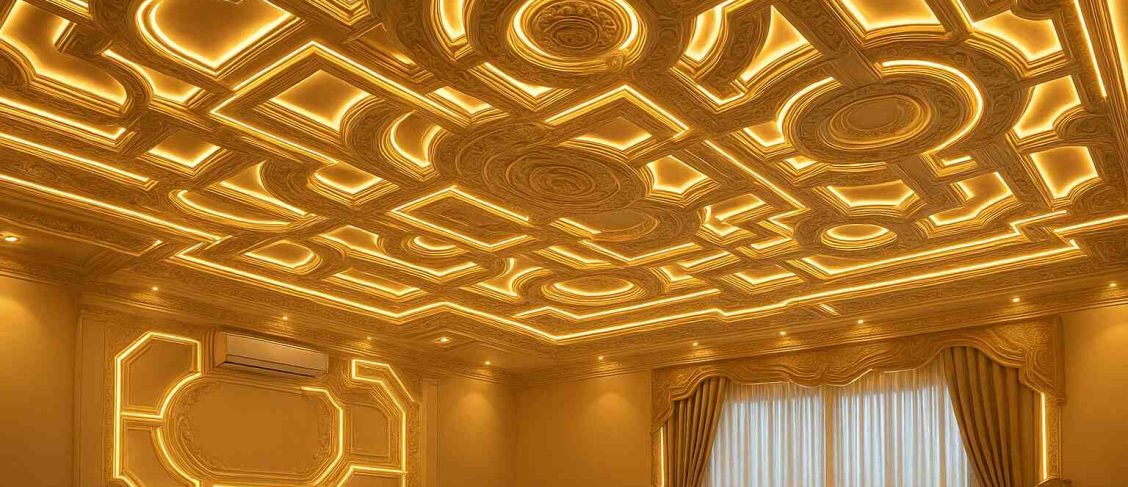
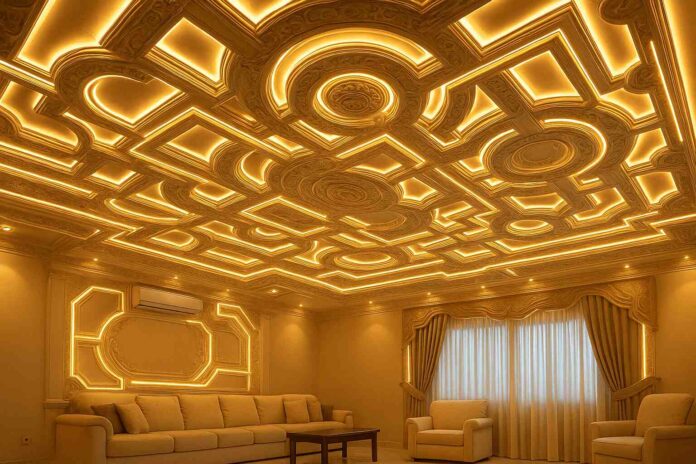
1. Over The Top Ceilings interior design with Gypsum and LED Everywhere
It is not so cool to walk into a place that looks like a spaceship. The intricate gypsum ceilings are over-designed and put in place with LED strips everywhere; this creates visual clutter to the point of overwhelmingness. Dubai interior design experts state that statement ceilings are in; however, restraint between a statement ceiling and a disaster is slight.
The upkeep is in itself a nightmare. The intricate cleaning of the gypsum work takes professional assistance, and it is a fortune to change tens of LED strips. This is among those interior design regrets where less is more.
2. Unnecessarily Designed Built-ins, Not Leaving Any Flexibility
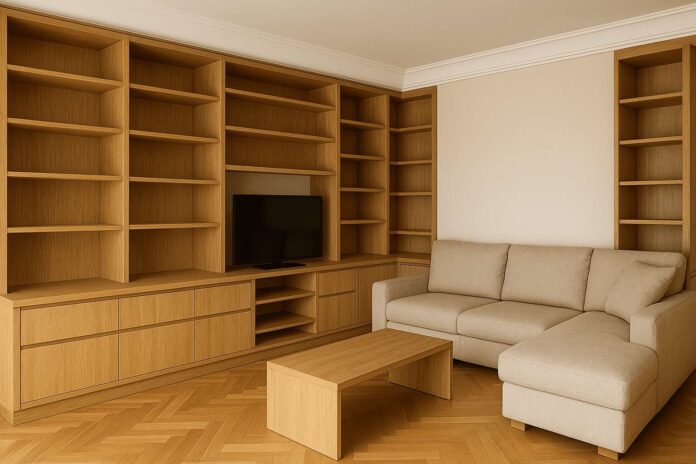
Built-in furniture appears to sound like a smart measure of space until the time you wish to change anything. All those things must be adhered to the wall, and this will be the same design permanently. According to Riccardo Vicarelli Architects, design decisions are being sought after in Dubai in ways that benefit the actual human population and not just one of the aesthetic benefits.
Apartment and modular furniture floorings will go hand in hand as you will be able to adjust the spaces according to your needs. These interior design regrets provide a very costly lesson on the importance of being flexible with things rather than making a more lasting aesthetic decision.
3. Designer Chairs That Are Beautiful but Uncomfortable
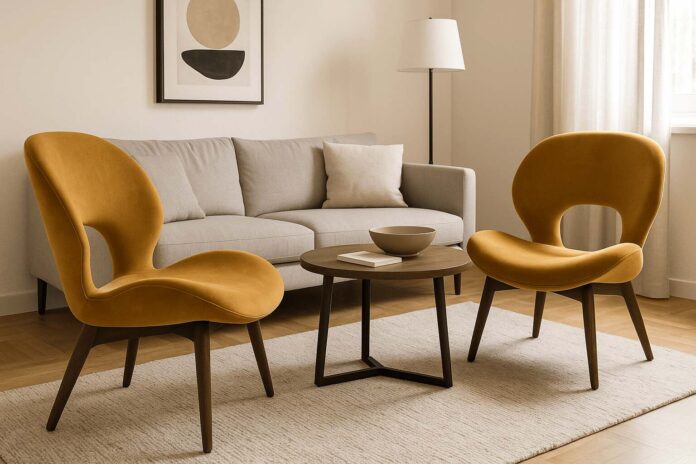
The showroom chair was unbelievable in that sculpture. However, you sit and spend five minutes in it and find out it is a torture machine camouflaged as a piece of furniture. Quality design, according to the experts in the field of luxury interior design in Dubai, is the integration of aesthetics and functionality.
These interior design regrets are more frustrating since they are so easily avoided. Never purchase anything until you test it out beforehand, no matter how pretty it is. Unless you can sit comfortably for at least 30 minutes, do not buy it.
4. Neglecting Storage and the Preoccupation with Aesthetics Interior Design
The space is beautiful in photographs, but what about putting anything? When you put more focus on design rather than storage, the result is a room that is stunning but unable to be inhabited. VEM Interiors notes that it is a problem when a room is filled to the end, as this leaves the room congested, but they are also facing the congestion issue when a room has no storage whatsoever.
A smart storage idea to organize your small space is the use of concealed storage as a part of the design. Ottoman storage, bed drawers, and multifunctional furniture offer the required storage without.
5. Purchasing New Over Refurbishing or Repurposing
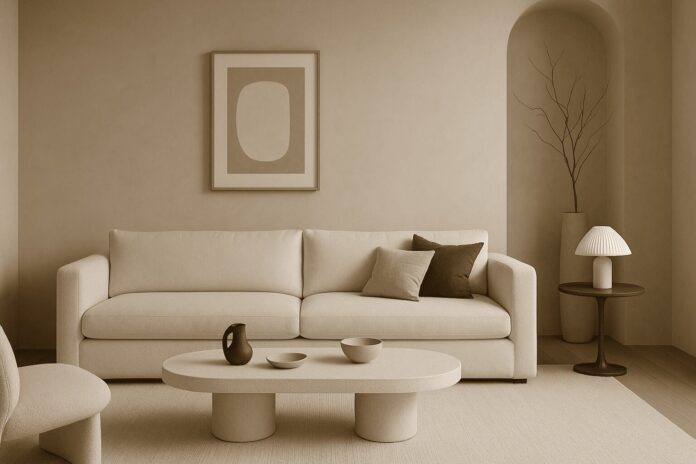
There is so much glamour in newness. However, it is pointless to neglect pieces that can be refinished to save money and opportunities. Dubai is determined to maintain green living, according to market analysis, and interior design trends have started revolving around the concept.
Such interior design regrets are especially on the occasions when you find out that you are indebted to yourself hundreds of thousands of dollars to replace furniture that was actually in perfect condition, but only required a makeover. An aged but high-quality item may be more durable than a new product, particularly when it comes to modern furniture, transcending the emphasis on cost-efficiency instead of lasting durability.
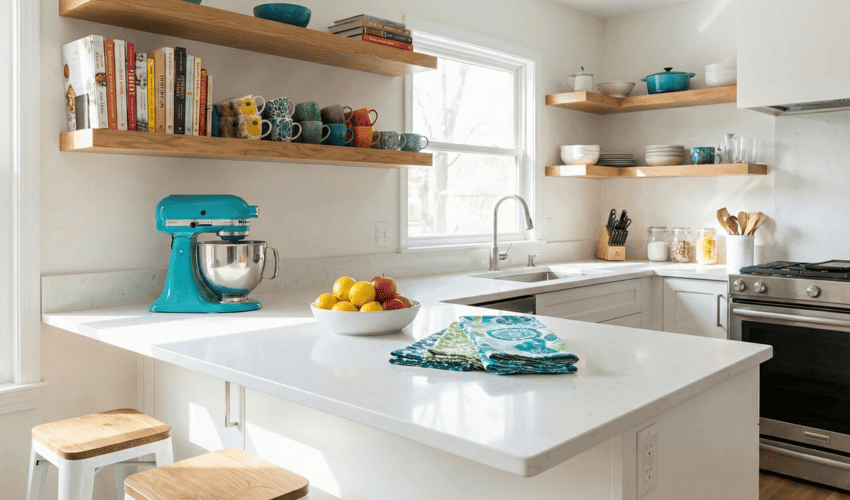
6. Open Shelves in the Kitchen Making Endless Dust and Fingerprints
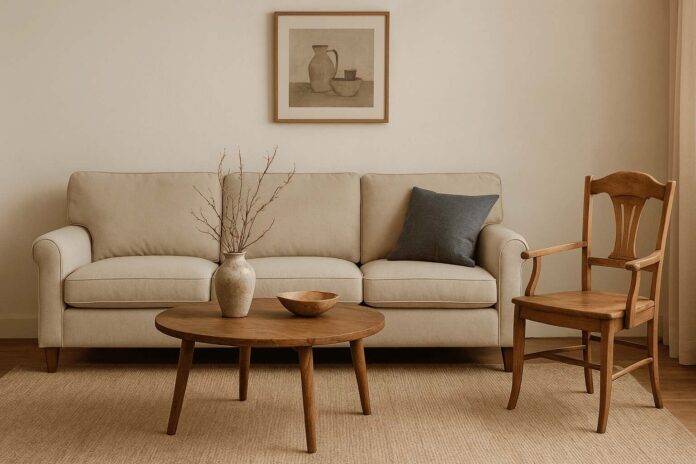
Open shelving is so beautiful in well-styled pictures. In reality? It’s a maintenance nightmare. Cleaning experts suggest that things on open shelves must be wiped at least once every two weeks. According to design professionals, open shelves near cooking come together and accumulate dust and grime that are difficult to move.
These interior design regrets teach how to remember that real maintenance is a factor in design decisions. In the event that you like the open outlook, you can reduce it to space not around cooking areas, or you can have glass-fronted cabinets instead.
7. Excess Decorations all Over That Clutter up the Space
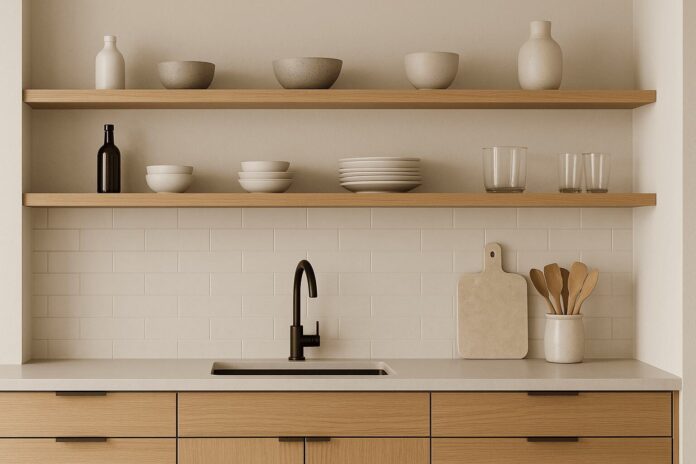
Accessories beautify spaces to a point of excess. Design experts argue that too much decor in the rooms makes the spaces look messy and not deliberately created. Every ornamental object must be cleaned and maintained.
These interior design regrets prove that less is more, as far as curation is concerned. Get fewer, significant objects that really add value to your space. The negative space is equally significant as decoration.
8. Fashionable Items That Wear Out Their Welcome in a Single Season
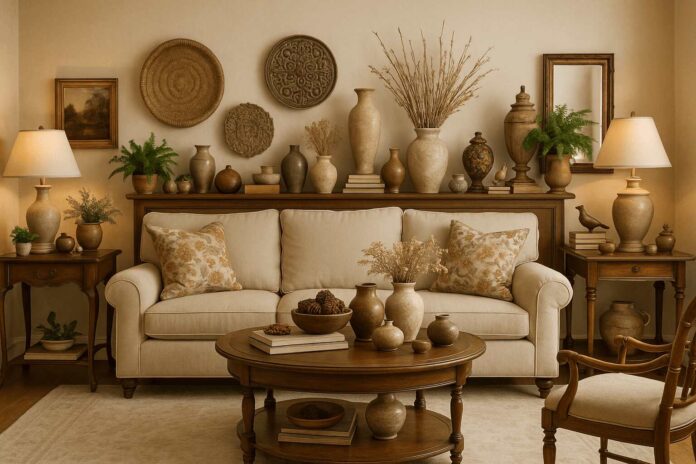
That fashionable item appeared to be obligatory at the time of purchase. A season afterward, it becomes outdated, and you are stuck with it. It is popularized by the renovation experts that when permeated by the hottest trends, one is bound to regret it once the trends disappear.
These interior design regrets cost a great deal when you are always changing items to match the trend. Rather invest in classic basics and supplement them with cheaper, trendy accessories that you can readily replace.
9. Accent Walls Everywhere Making Small Spaces Busy
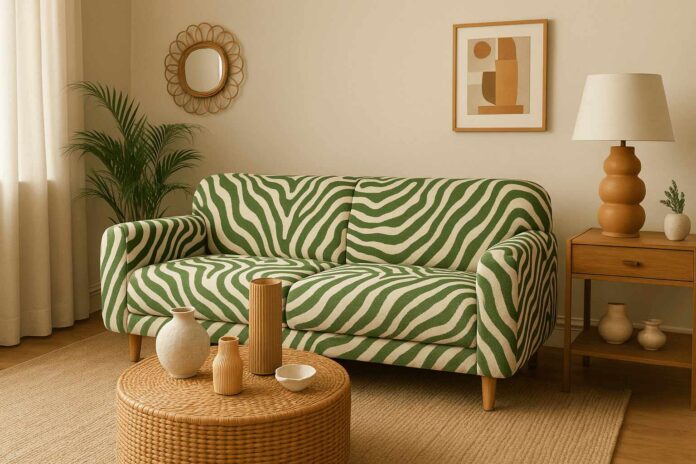
Accent walls are effective, that is, when used conceptually. but putting them into all the rooms makes a visual bed lamming rather than fascination. Interior design experts claim that not all rooms require an accent wall, and excessive installation of such an effect creates claustrophobic rooms.
These design interior regrets show just how even the good elements of design may become problematic when overused. Keep strategic and pick one or two accent walls and leave the rest of the areas to breathe.
10. Trying To Keep It Like a Showroom Impeccable
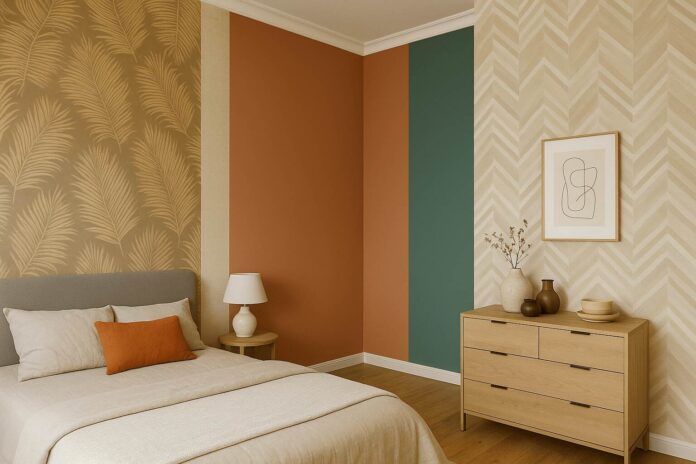
Furniture sets of perfect matches appear foolproof. However, when it all works out too correctly, your house has a touch of a furniture showroom with a luxurious bed. This is according to design professionals who consider matching to be cohesive, but it lacks personality and warmth in the end.
These interior design regrets show that the idea that perfection is not necessarily the best. Combine fashion and aesthetic, time periods, and materials on purpose. The tiny imperfection brings about the warmth and personality that the perfect sets will never attain.
Solutions
Easy Ceiling Design with Less-is-More Things
Rather than heavy use of gypsum scenery, select a single piece of statement-level design large object, a plain tray ceiling, or an individual piece of the architecture. What to look into is ceiling designs in particular areas and not cover the whole ceiling-this will be a contrast of visual interest without feeling clutched in a limited space. Only a recessed cove light at the sides gives understated definition and offers a simple and clean centre.
On lighting, interior designers suggest ambient lighting coupled with accent and task lights using simple lighting structures instead of LED lights over all surfaces. The lighting warmth is an important factor in creating the appropriate atmosphere. Warmer colours (2700K-3000K) are best used in residential since it gives comfort and relaxation thus lifting the space making it inviting and cozy. Cooler and warmer colour should be avoided because contrary to what one might think, this destroys the overall look and presents conflicting colours. This avoids regrets when it comes to interior designing as well as the feeling of visual interest.
Go with neutral ceiling treatments that are not going to look out of date. Minimal, good lighting outmuscles overzealous LED lights regularly. Your ceiling must not rival your space, but rather should be complementary to your space.

Select Modular Furniture and Freestanding Furniture
Use modular systems that can be pulled to pieces and reassembled. Modular furniture decreases the need to use a fixed cost, as demonstrated in industry analysis, as it improves flexibility and well as adjusting to the changes. In the case of built-ins, you have to look at something flexible, such as modular shelving systems or adjustable panels which can be redone when your needs shift, giving the solid framework of built-ins the flexibility of freestanding pieces.
Whether it is a freestanding piece that eliminates the need to spend a lot of money on renovations of an interior to allow one to redesign and avoid interior design regrets when you realize you need things to be different. Quality freestanding furniture accompanies you to new homes and gives room for refreshments when you feel like it. Such flexibility is priceless, particularly because the needs vary so often across various life periods.
Test Furniture Properly Before Buying
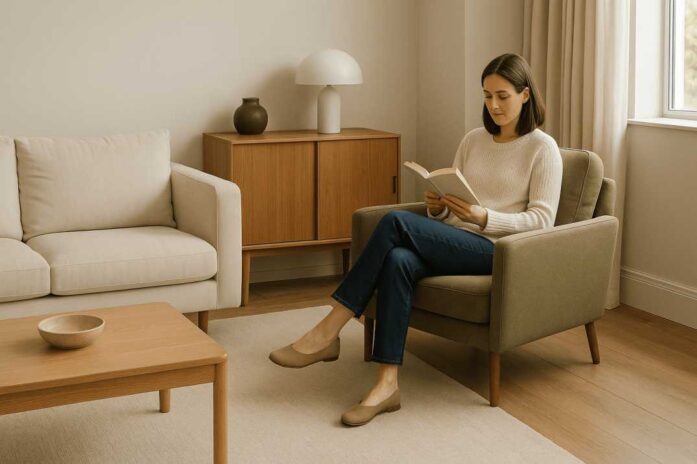
Always sit in the seat before purchasing it. Bring a book to the showroom when necessary. Experts say that beautiful furniture should also be usable and comfortable. Test in several positions: upright, lounging, leaning.
Quality furniture is a combination of beauty and ergonomics. This basic testing will guard against costly interior design regrets with respect to beautiful pieces that you never get around to using, since they are not comfortable.
Incorporate Smart, Hidden Storage Solutions
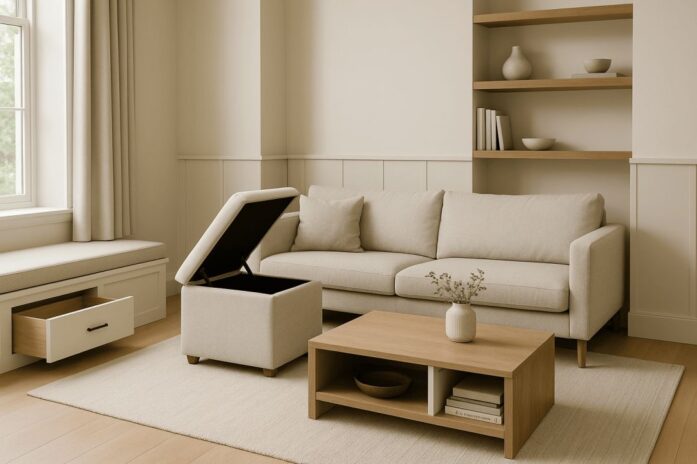
Beauty and functionality merge through the introduction of storage in the design features. Experts support the idea that multi-functional furniture, such as storage ottomans or beds that have built-in drawers, can offer the required storage without showing much clutter.
Examples of seamless storage are concealed wardrobes with choice doors that merge with the wall, creating a continuous and unbroken appearance and providing as much storage space as possible. This solves the interior design regrets of beautiful spaces that you cannot live in.
Take into account a list of integrated solutions that resemble elements of design (i.e., window seat with storage compartments on the bottom, floating shelves with hidden cabinets, or built-in coffee tables with storage notches). The necessity is disguised in smart design.
Mix New Pieces with Refinished Treasures
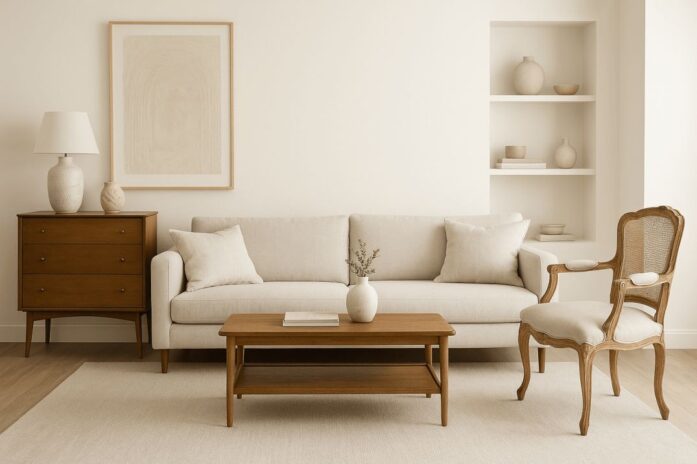
Examine some of the pieces before purchasing new ones. This is because, according to the trends of sustainability that are increasingly becoming relevant in Dubai, refinishing and repurposing decrease the amount of waste as they build unique spaces. Good old furniture tends to outshine the new ones, and all that they require is a new coat to appear unbelievable.
Refining by professionals is much less than new furniture. This will help avoid interior design regrets about spending money unwisely, after having missed any chances to buy items with character that modern furniture lacks.
Refinishing processes such as reupholstering the chairs and re-painting them in a new contemporary colours or polishing the surface on the veneer materials can totally change the old pieces into an eye-catching centre-piece. Refining by professionals is much less than new furniture. This will help avoid interior design regrets about spending money unwisely, after having missed any chances to buy items with character that modern furniture lacks.
Apply Closed Cabinets or use a Glass-Fronted Alternative
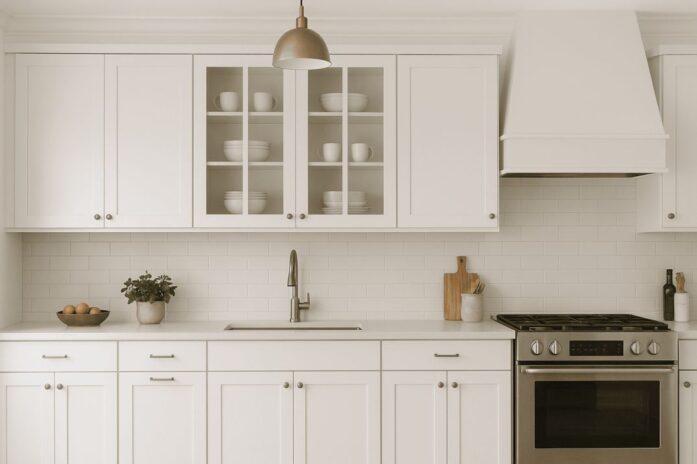
In case you are fond of the ease of access of open shelving, bargain with glass-fronted cabinets. These display materials have no dust buildup, as per design experts. Continue to have daily dishes rotating inside the dishwasher, and save glass cabinets for storing.
Where storage is mostly functional, opting to go with closed cabinets that save much time in cleaning is essential. This eliminates interior design regrets on how to waste your weekend cleaning up dusty dishes rather than having fun in your kitchen.
Intentionalistically Curate Accessories
Will the principle of less is more be taken seriously? Select what has a purpose and that provides an improvement to your room instead of crowding the walls. Going by best practices in interior design, the negative space enables the selected pieces to shine without overloading the eye.
Odd numbers are best with decor- combination of 3-5 pieces produces visual balance and harmony and one focal piece per wall is a good choice, rather than overloaded space. Your accessories should be edited regularly, and any pieces that are not useful to your space should be removed. This avoids interior design regrets of an untidy space that needs continuous cleaning and never feels serene and unified.
Spend on Classics, Bang on the Fashy Accent
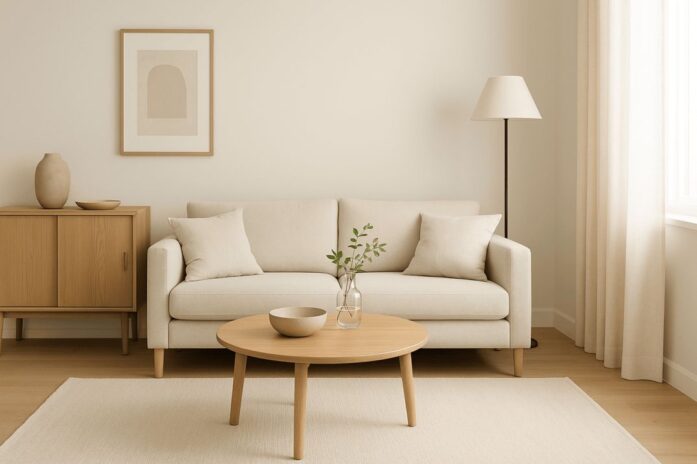
Construct your design using the old timeless designs that are not dated. Based on market research that highlights minimalistic designs in the luxury real estate in Dubai, there is relevance in the minimalistic lines and a neutral colour palette devoted to fads. Other classic design features would be wooden floors, which are warm and classy, whose use of marble, and its absence of trendiness, brings about class and richness.
And neutral colours, which keep adorning a room instead of being fashionable and thus becoming soon obsolete. Bring in the contemporary style with the cheaper, readily replaceable accents-pillows, throws, and little trifles. This is a tactic that avoids interior design regrets with expensive, trendy items that are out of fashion after a few months. You have the freedom of style without making major purchases every now and then.
Accent Walls should be used with care and deliberation
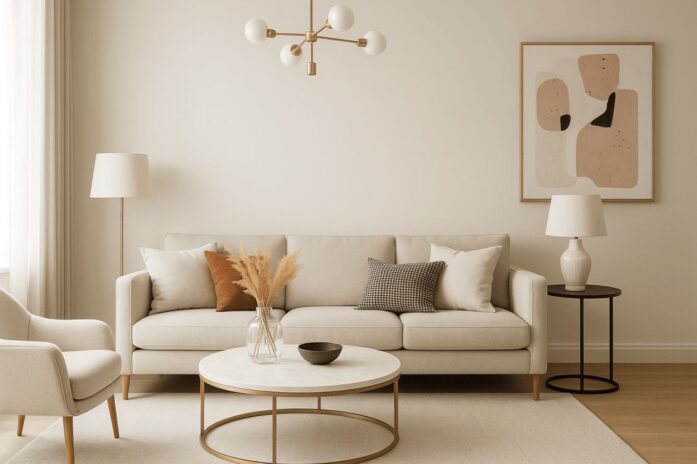
Select strategic acoustical walling in a single open area. This, according to the principles of design, forms concentrations in spaceless areas without crowding out smaller ones.
Accent walls should be agreed upon in bigger rooms only in small apartments, since they will not contribute towards crowding the space. Strategic restraint avoids interior design regrets of a bombardment of visual chaos. One effective utterance defeats several rival points of focus at any given moment.
Mix Styles, Textures, and Eras Intentionally
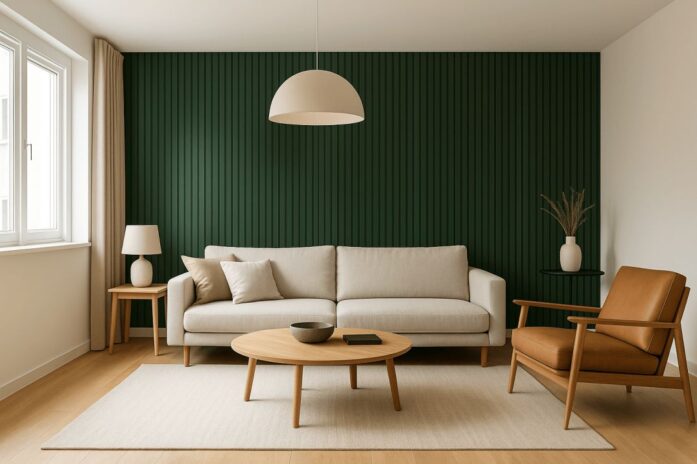
Make the place comfortable by combining furniture and ornaments. Mix contemporary and rediscoveries, replace smooth surfaces with rough textures, and mix metal and wood. By design philosophy, the homes would be personal and welcoming in the sense that they represent the acquired experiences as opposed to the perfection in a showroom.
There should be no fear of being imperfect, but learn to accept it. The slight differences from the characters were perfectly missing in the sets. This avoids interior design regrets on cold and impersonal interiors that will never be called home.
Final Thoughts
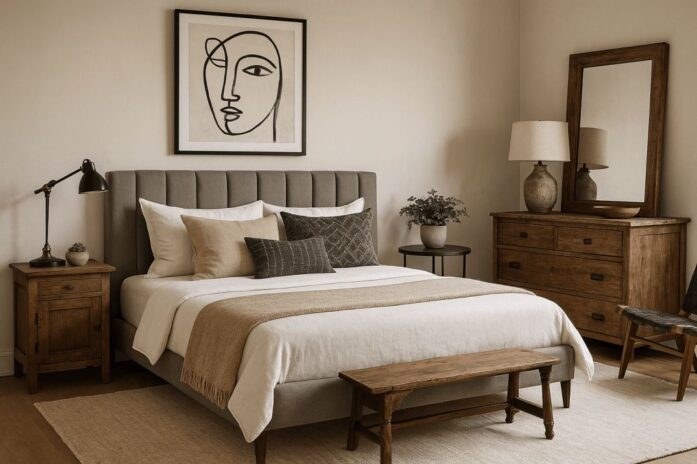
During interior design, there is a need to balance between aesthetics and the practical real-life of living. As we have discussed in the usual interior design regrets, the trendy is easily converted into a maintenance nightmare or costly remedies. As UAE homeowners spend billions of dollars having their interiors designed annually, they have to plan carefully.
Solutions such as minimized ceilings, furniture fashioned in modules as well and efficient storage preserve beauty while aiding in the reality of everyday existence. As per the projections in the market, with the integration of the technology, there is a balance that exists between the convenience and the aesthetics. These are the options that make interior design regrets a thing of the past and help to make the areas really habitable.