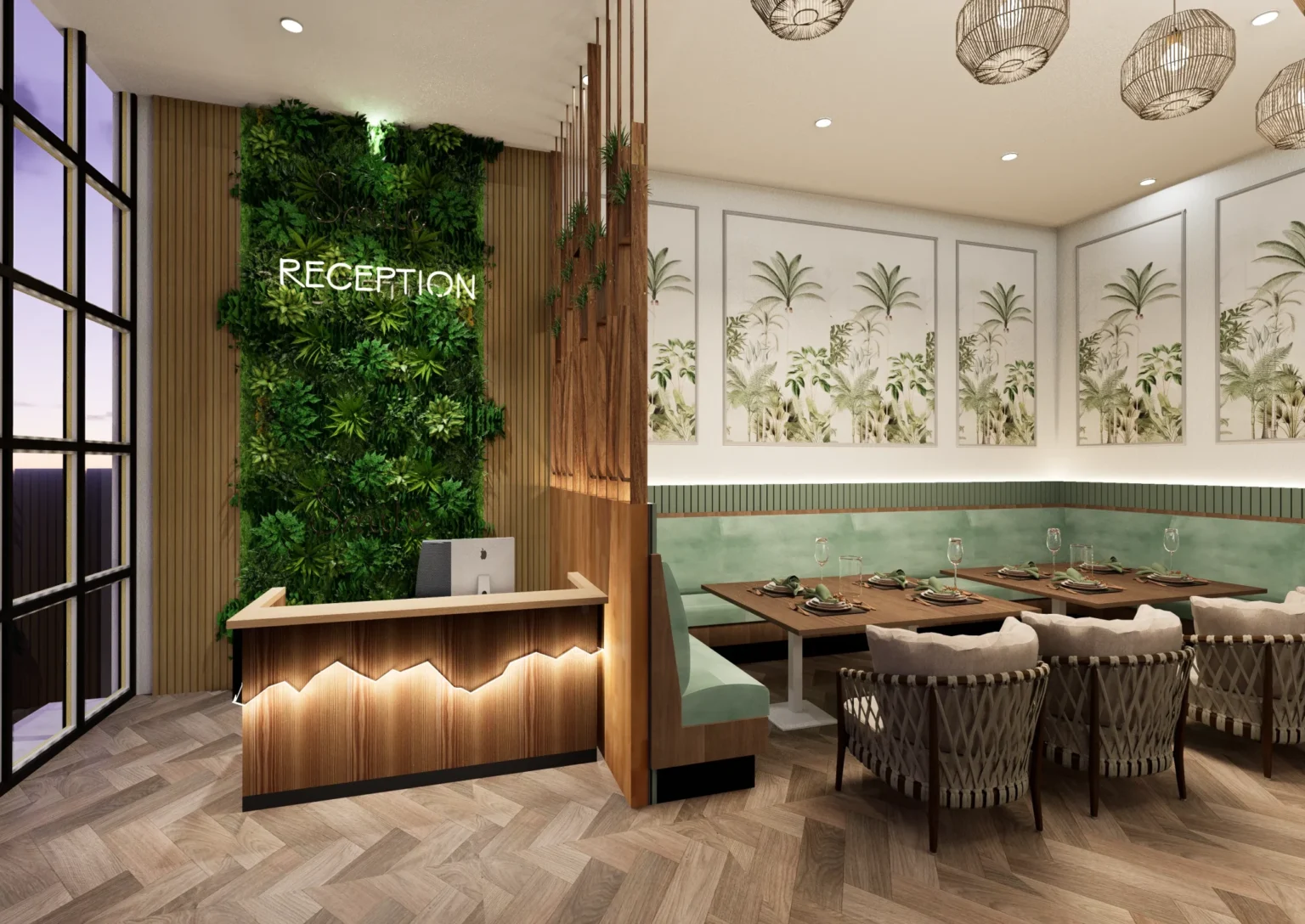
Industrial Interior Design Service in Dubai
An industrial interior design service in Dubai that understands spatial philosophy, acoustic engineering, and the material discipline that separates genuine industrial character from its derivative imitation across restaurants, offices, retail, and residential.
Industrial Spaces Designed in Dubai
ISO Certified Design Process
Years Industrial Interior Design Expertise
Zone by Zone
A curated look inside the industrial interiors we have designed in Dubai, where every space reflects functionality, bold character, and intentional design details.
01
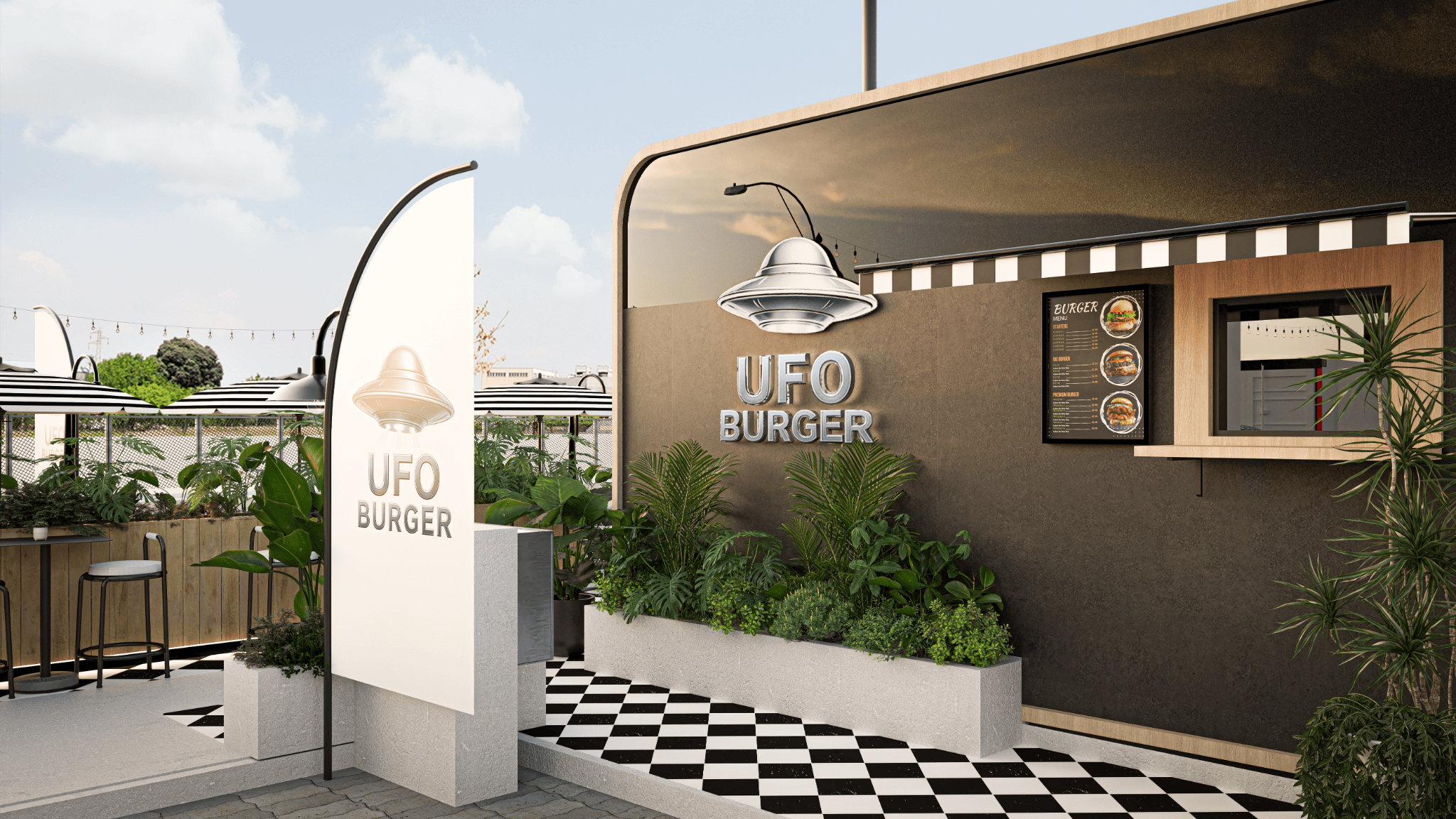
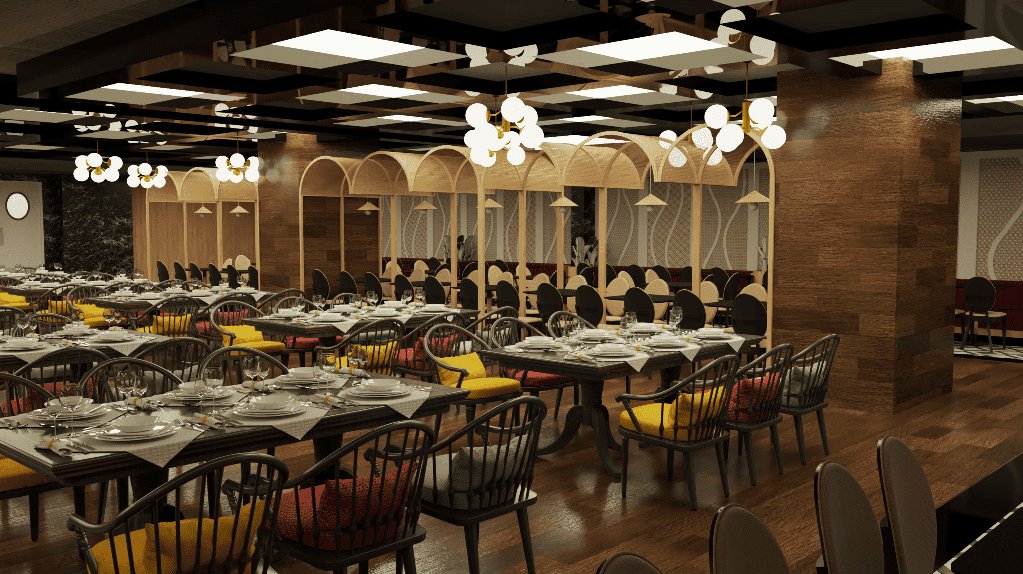
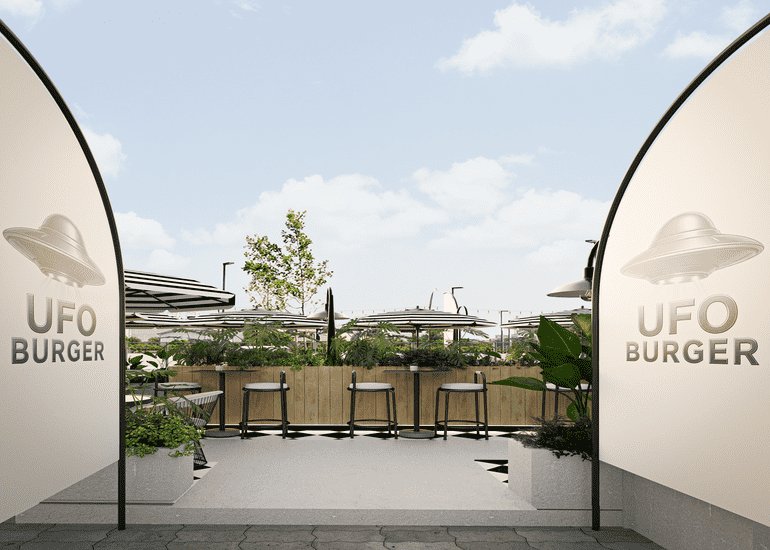
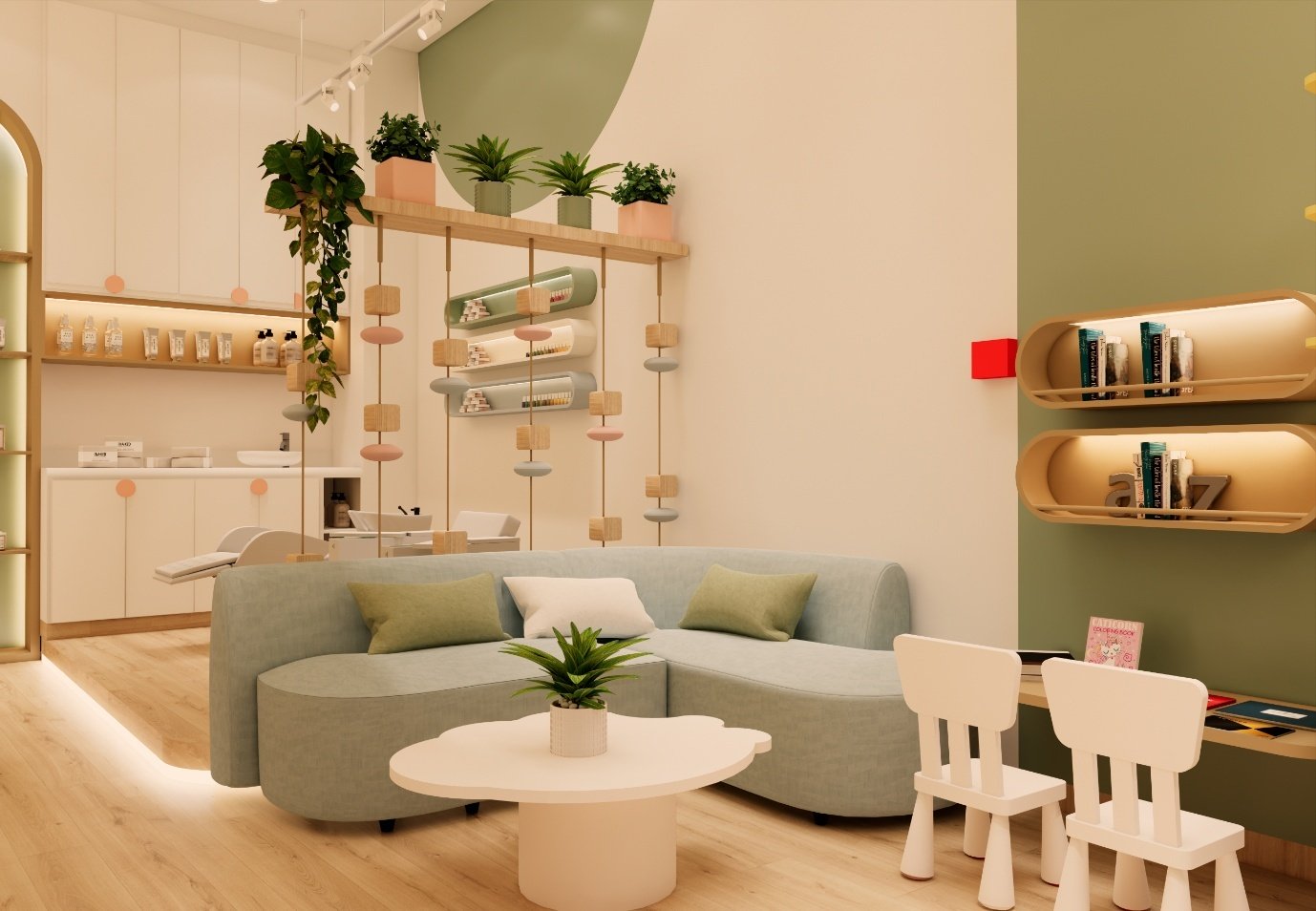
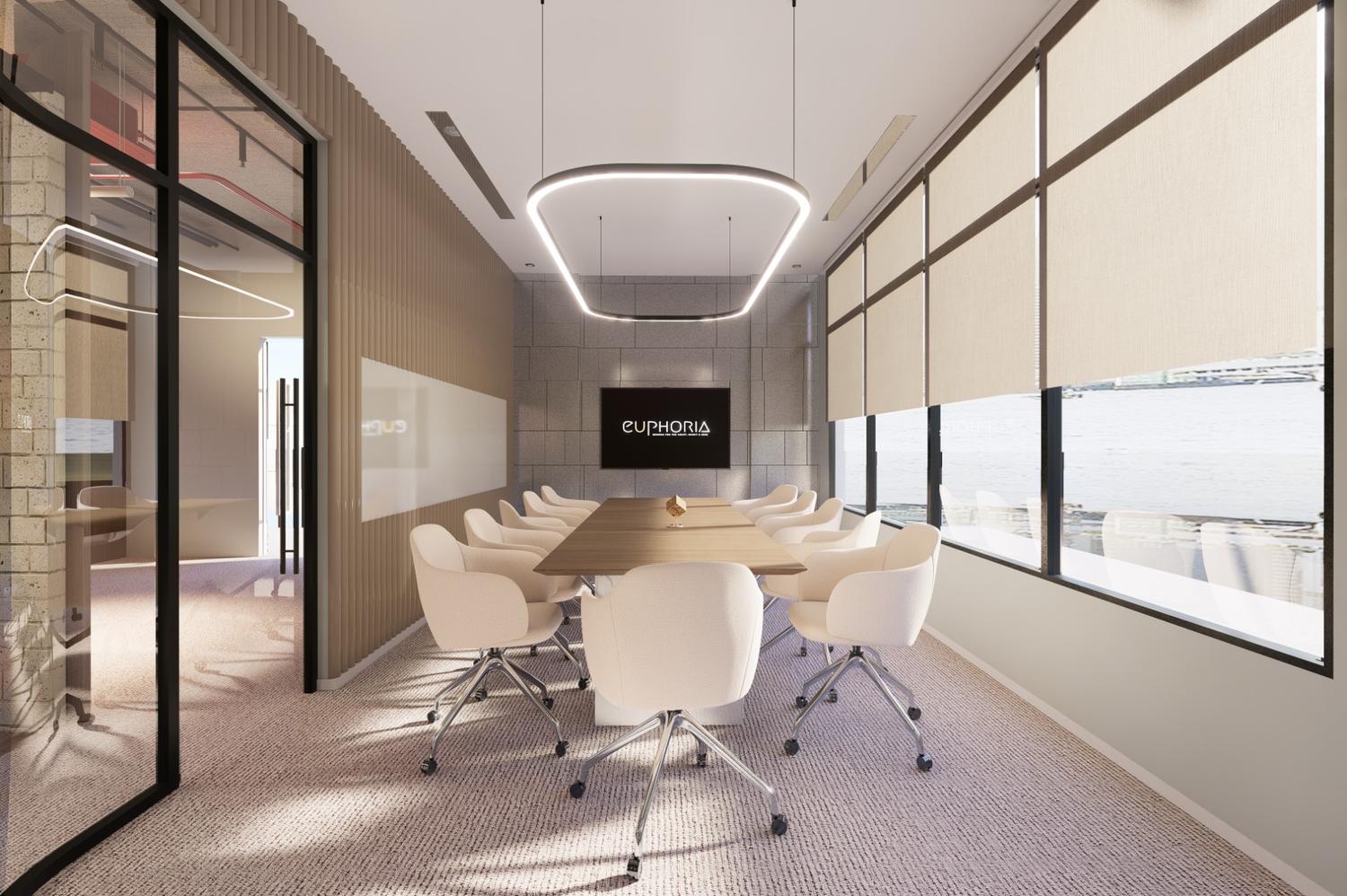
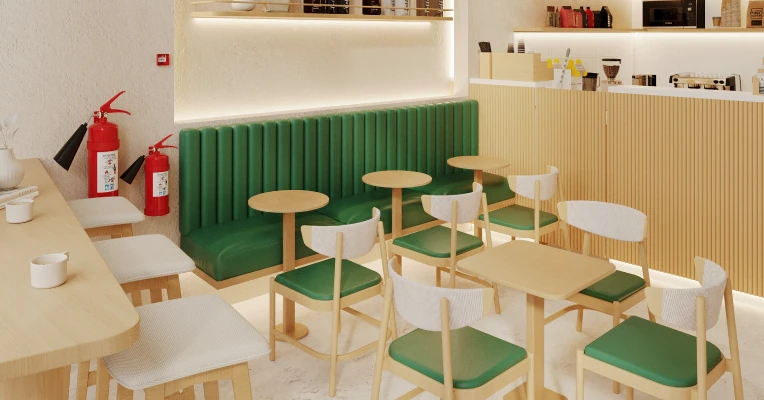
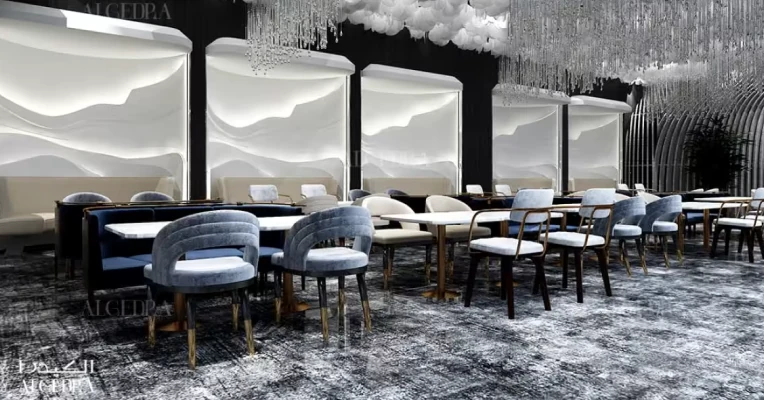
Pallavi Dining, Confidential. 1834 sqft
02
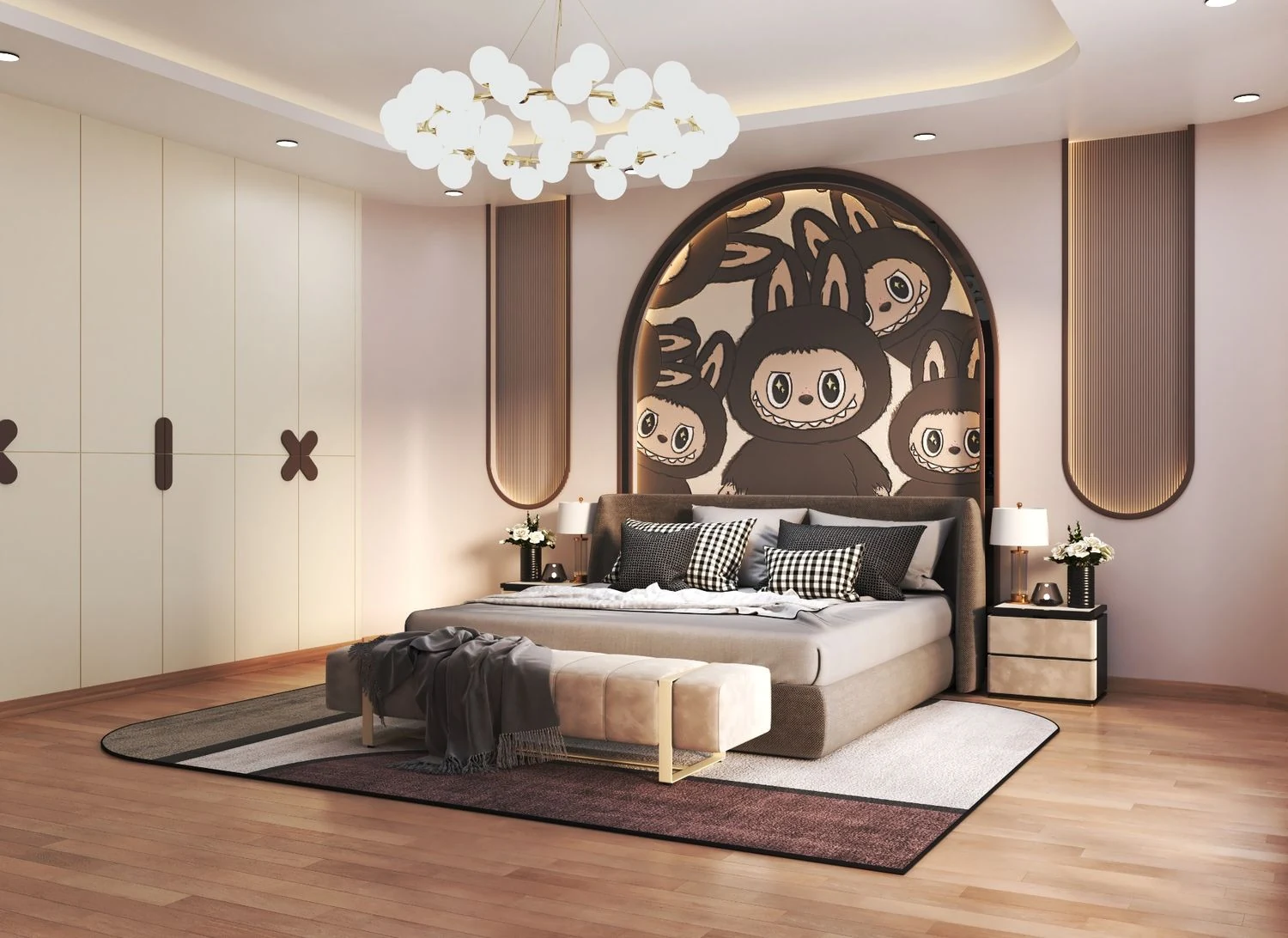
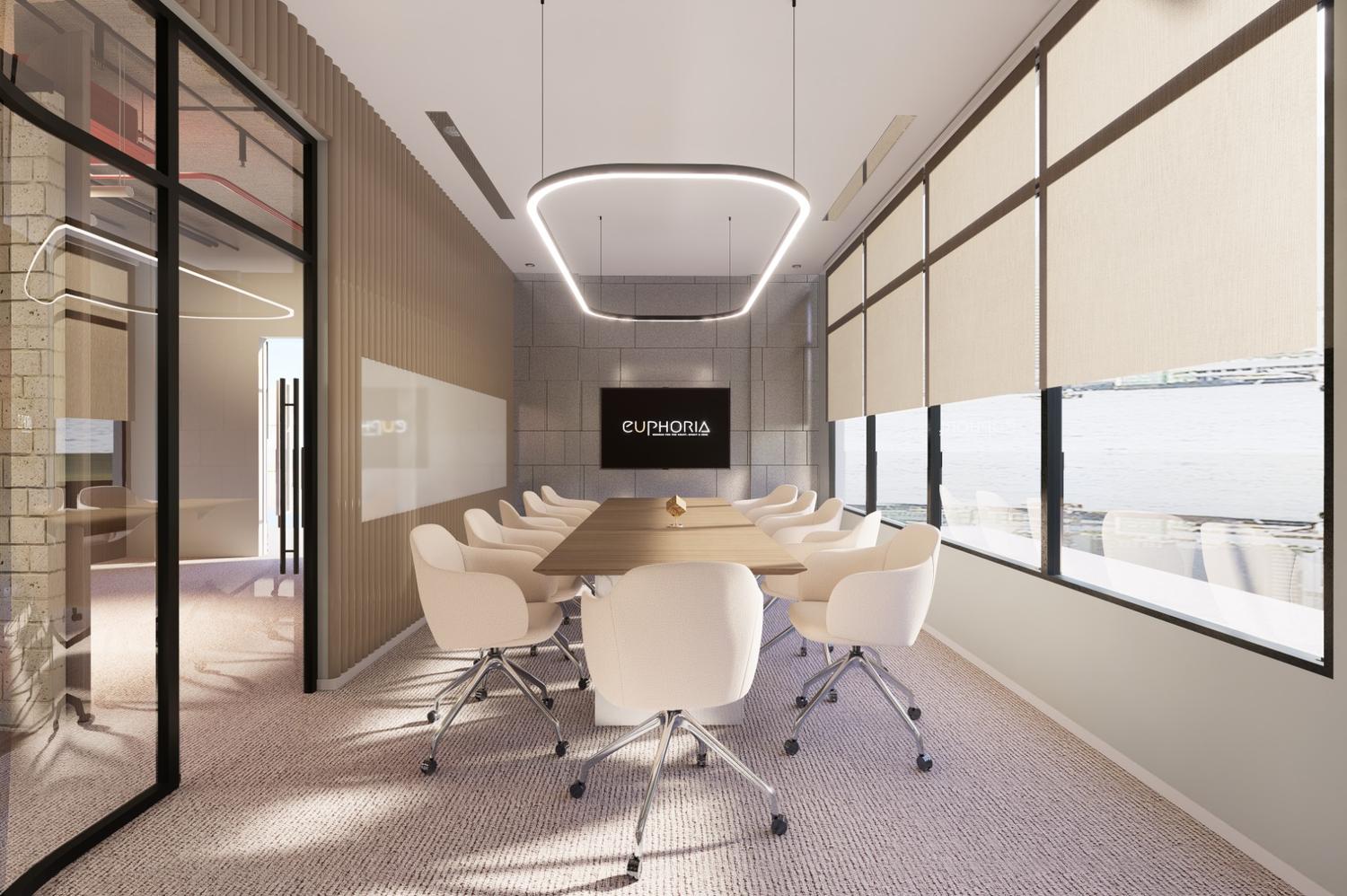
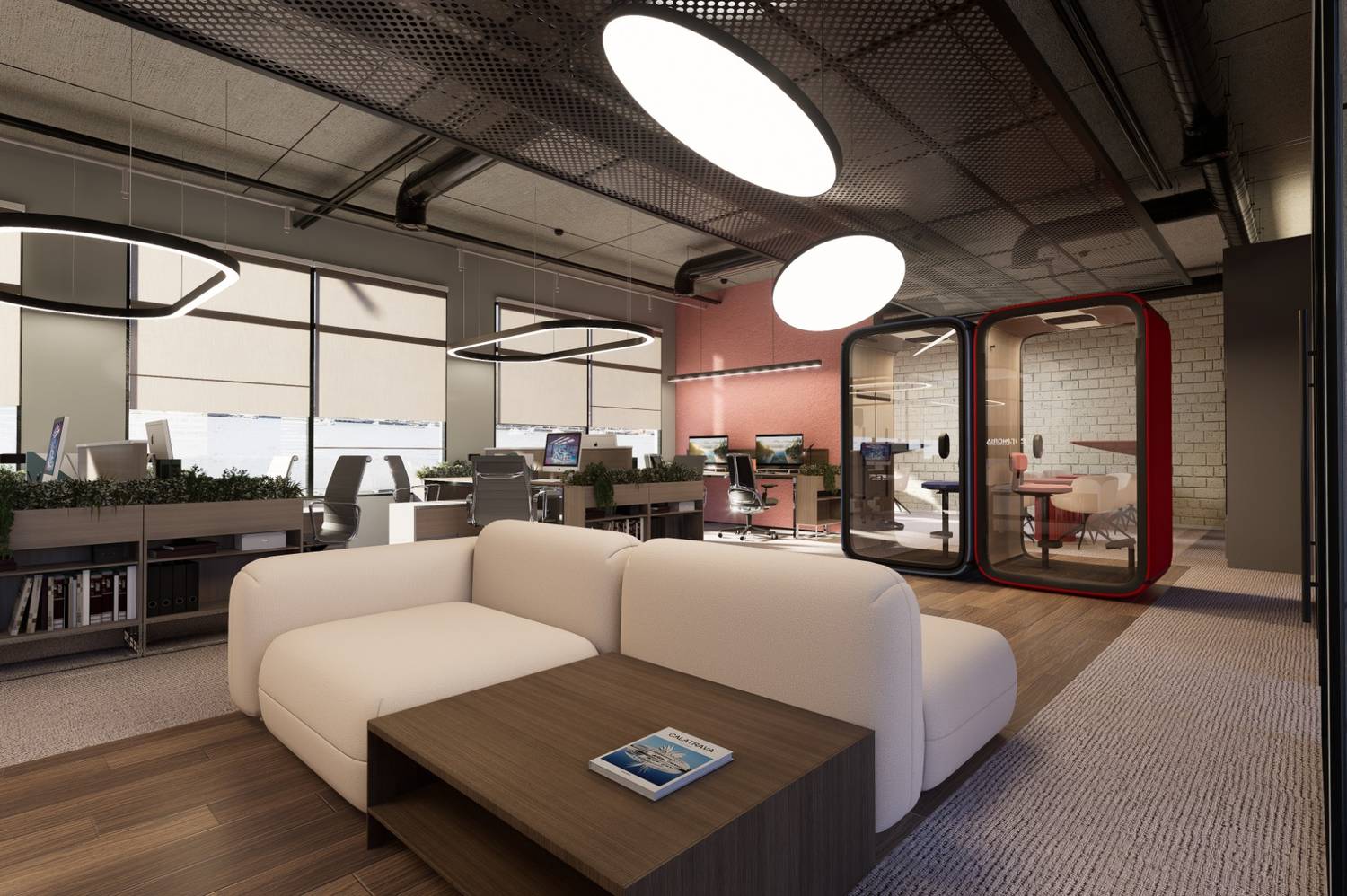
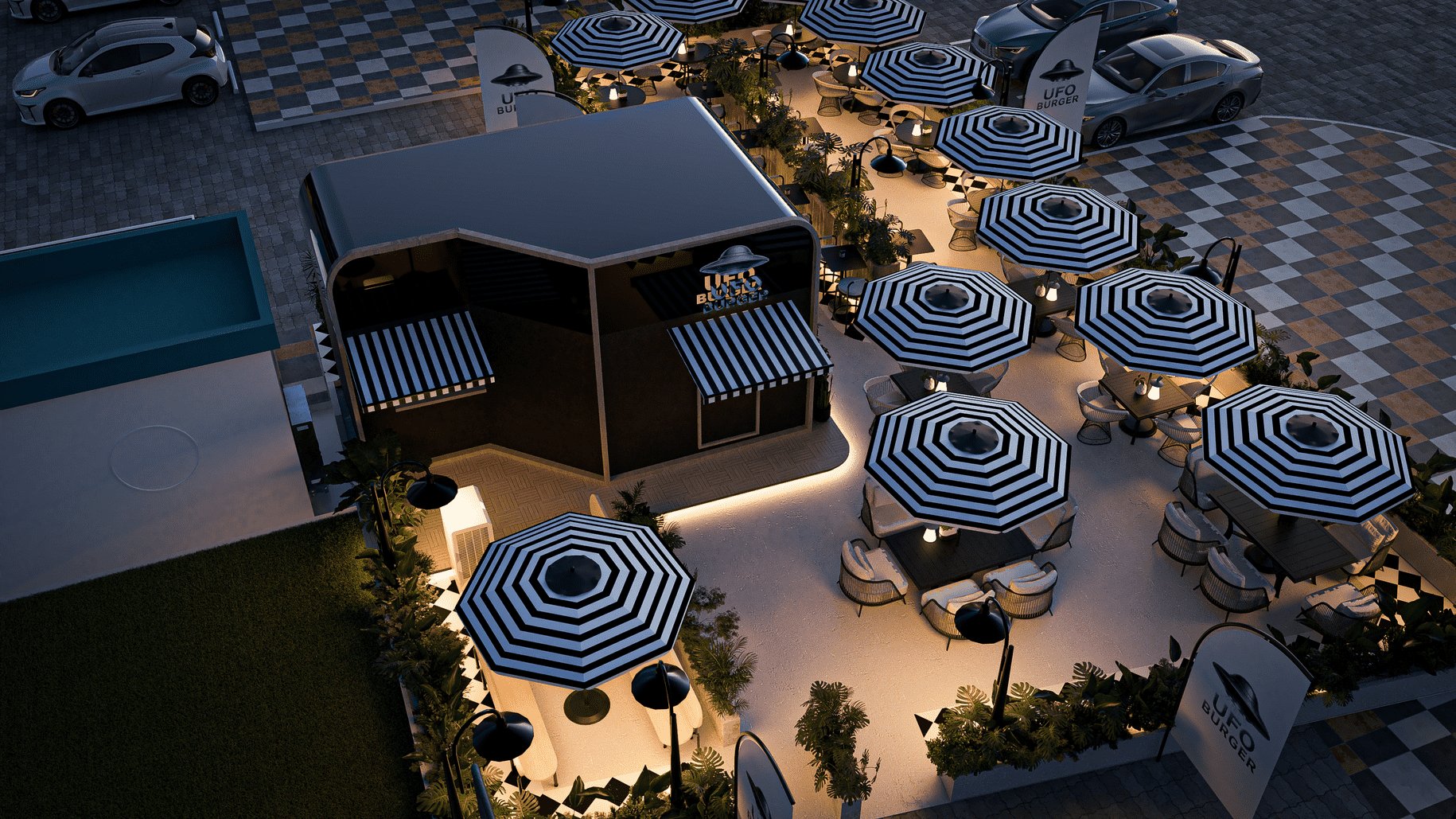
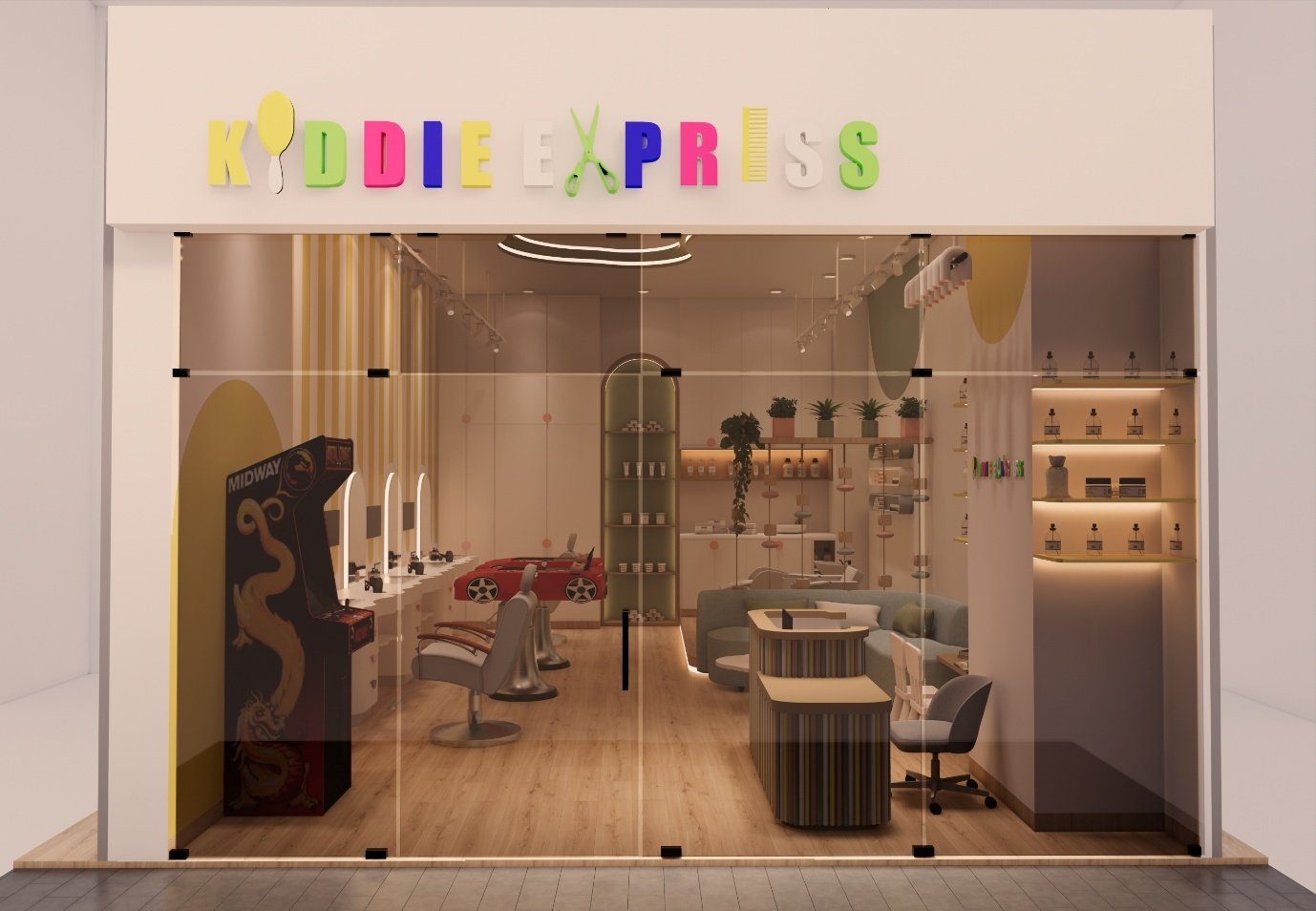
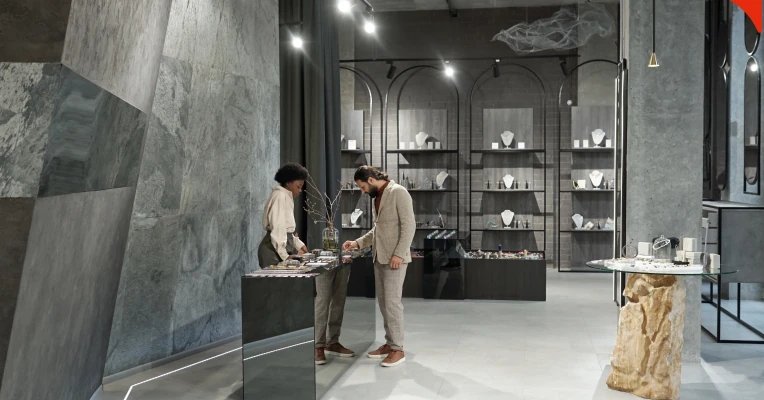
Blank Space Studio, Downtown Dubai, 2480 sqft
03
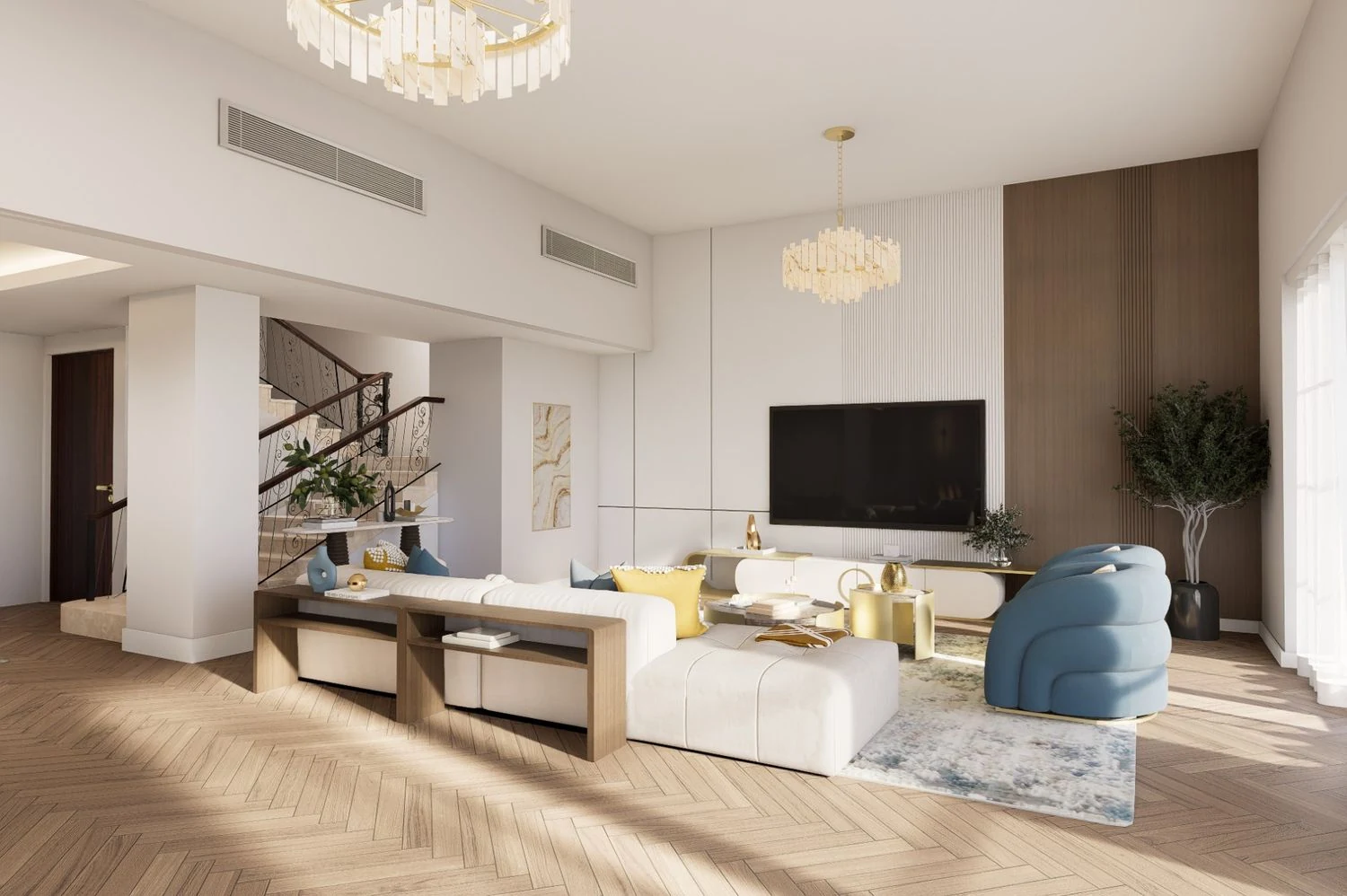
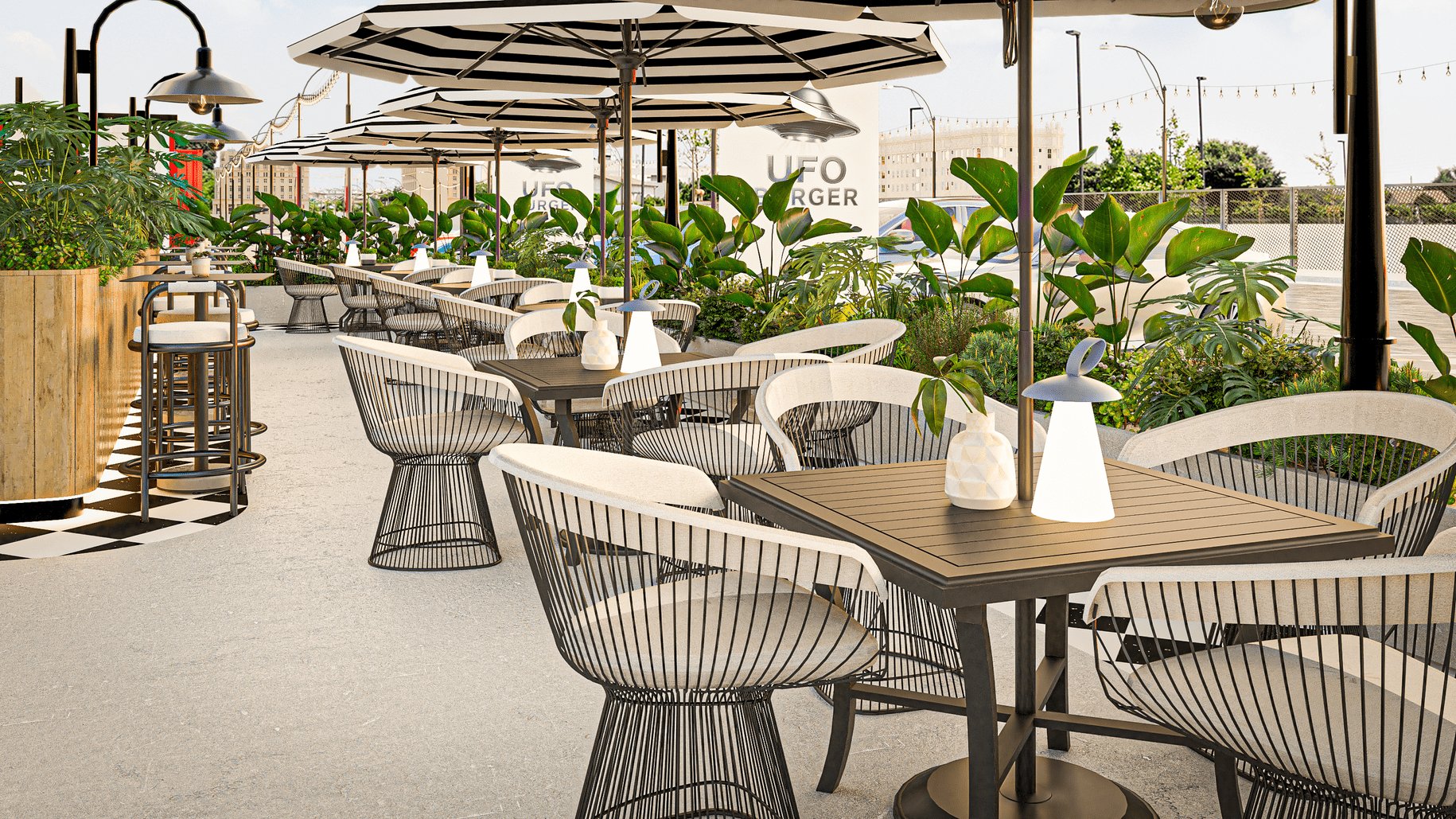
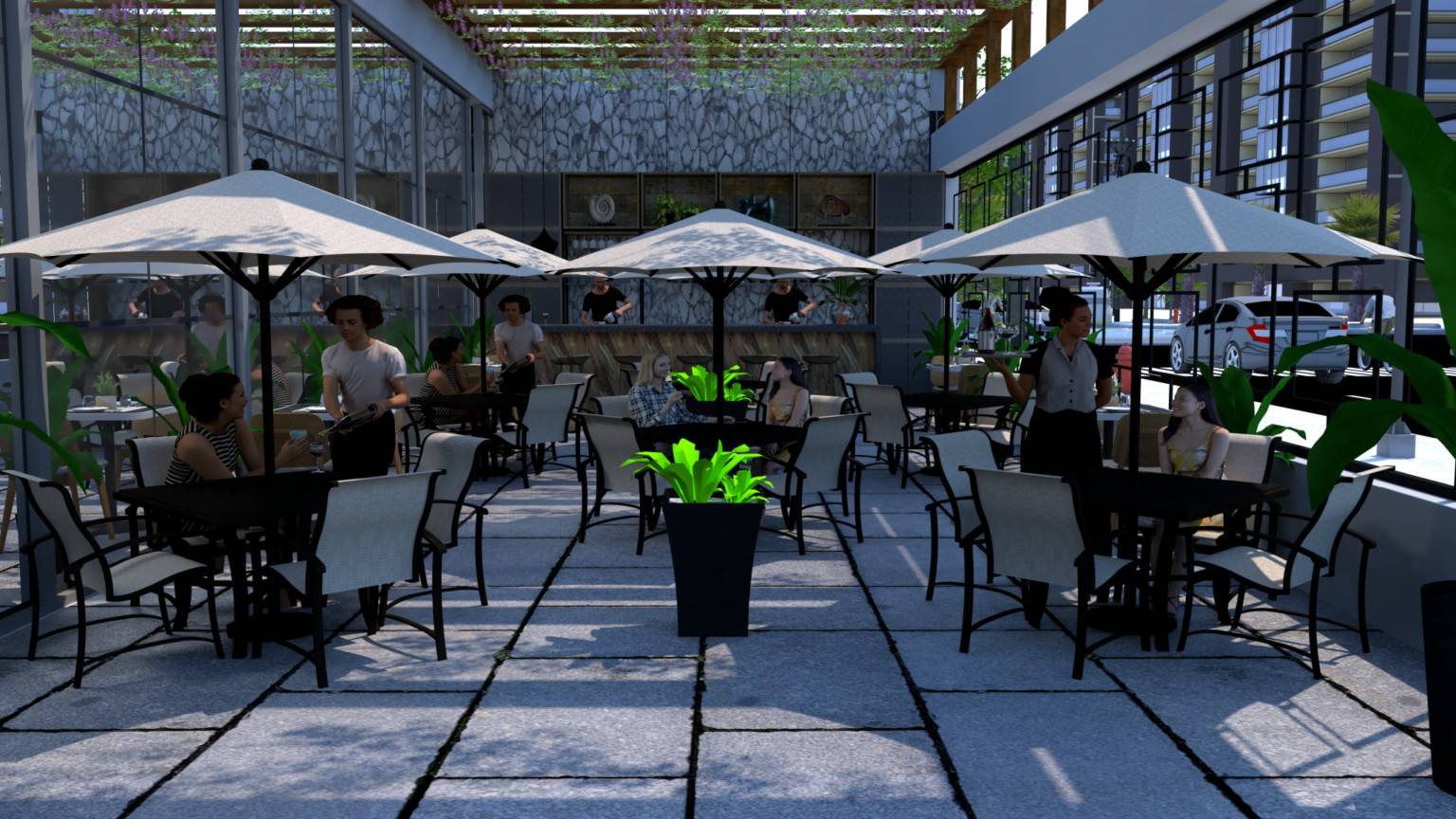
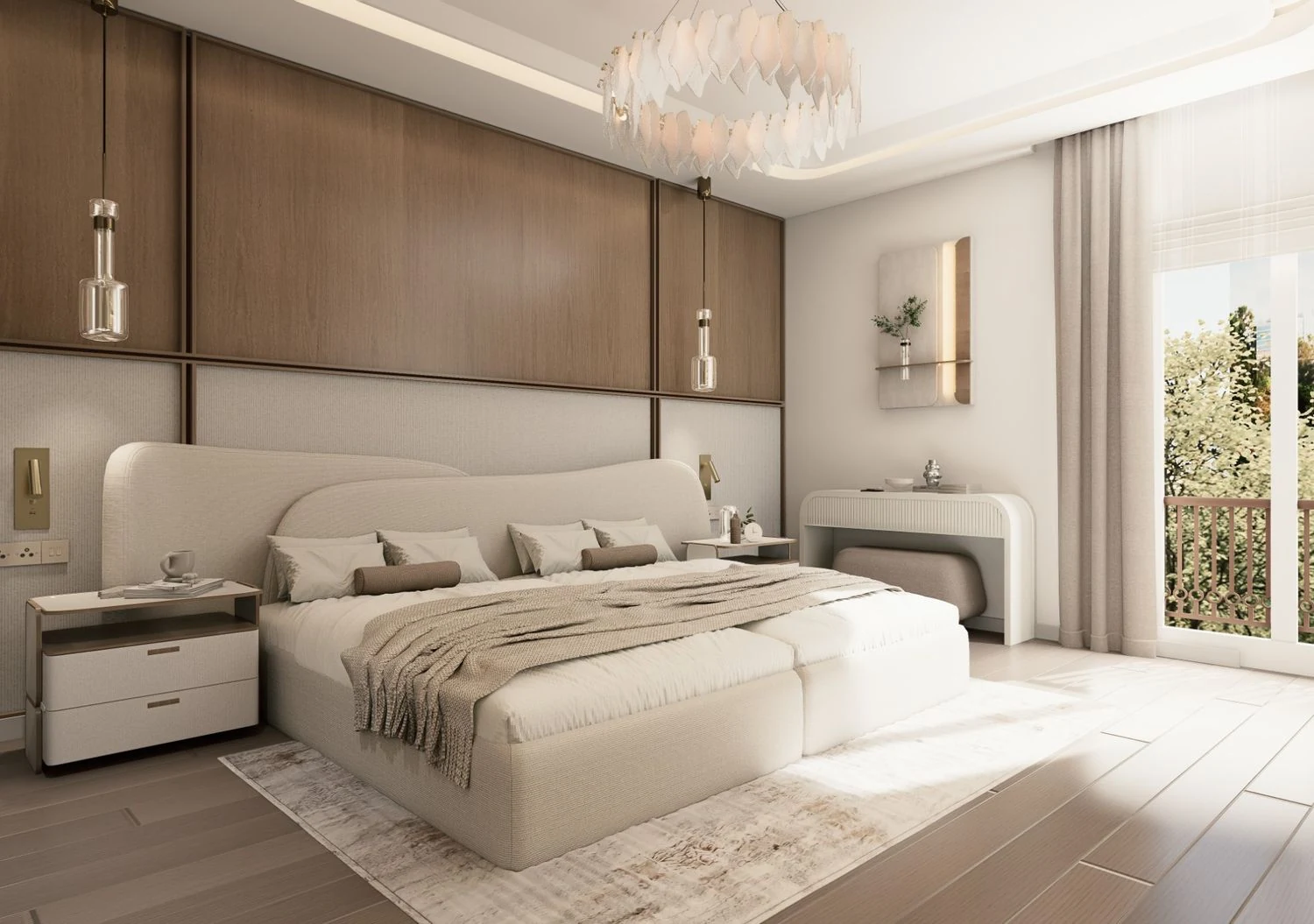
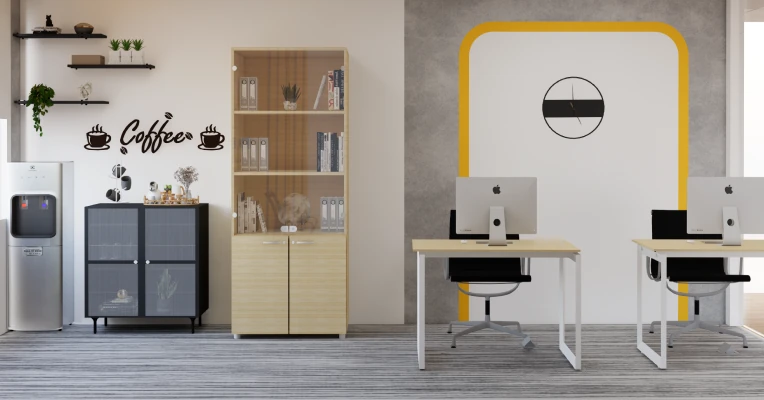
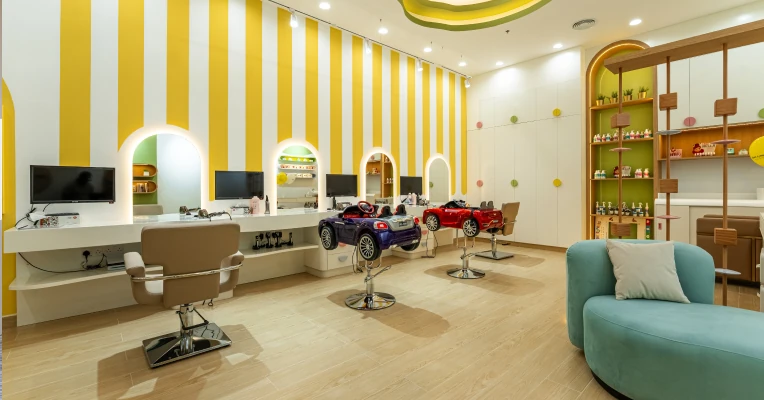
The Maze Restaurant, Confidential, 400sqft
04
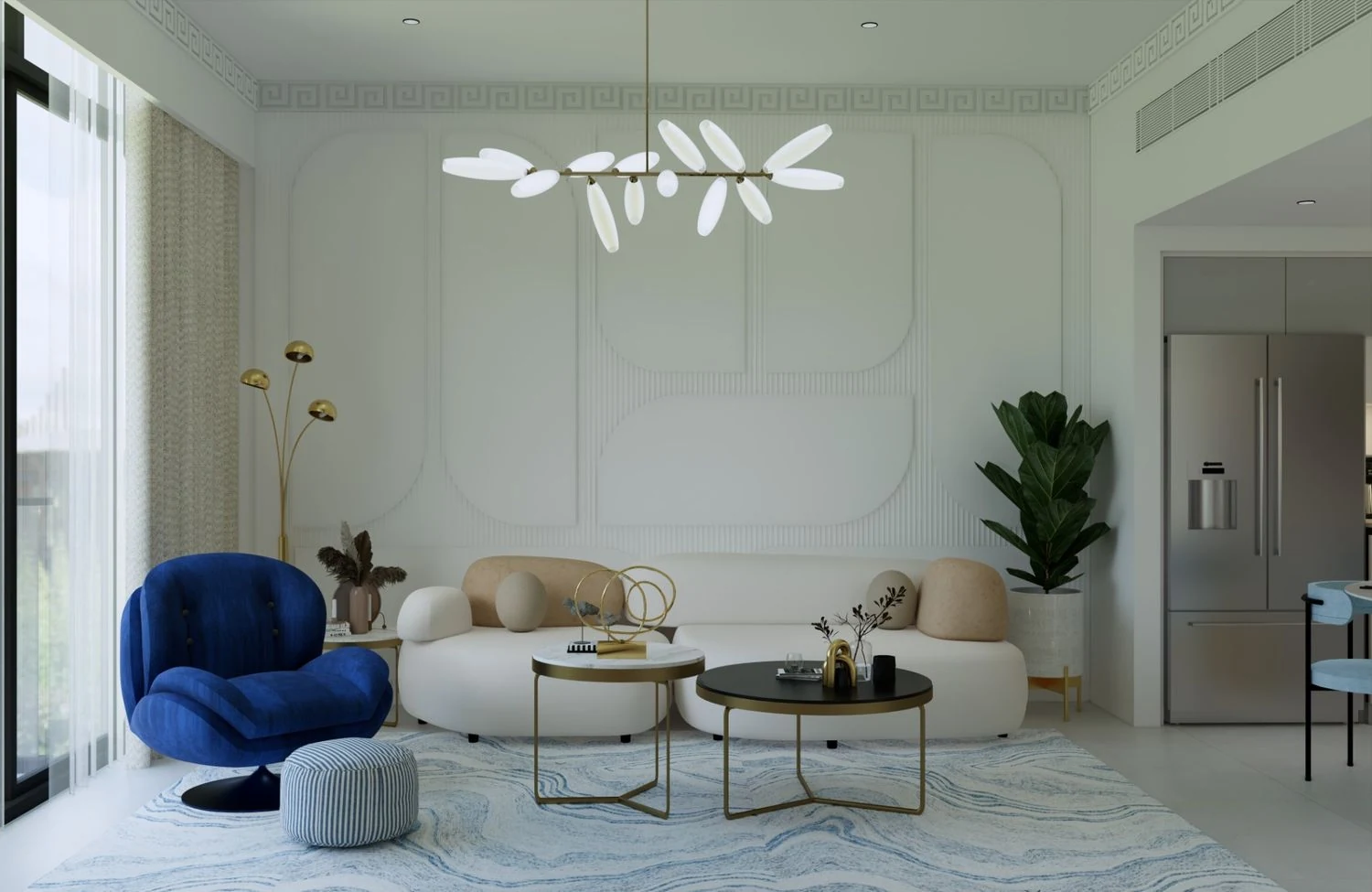
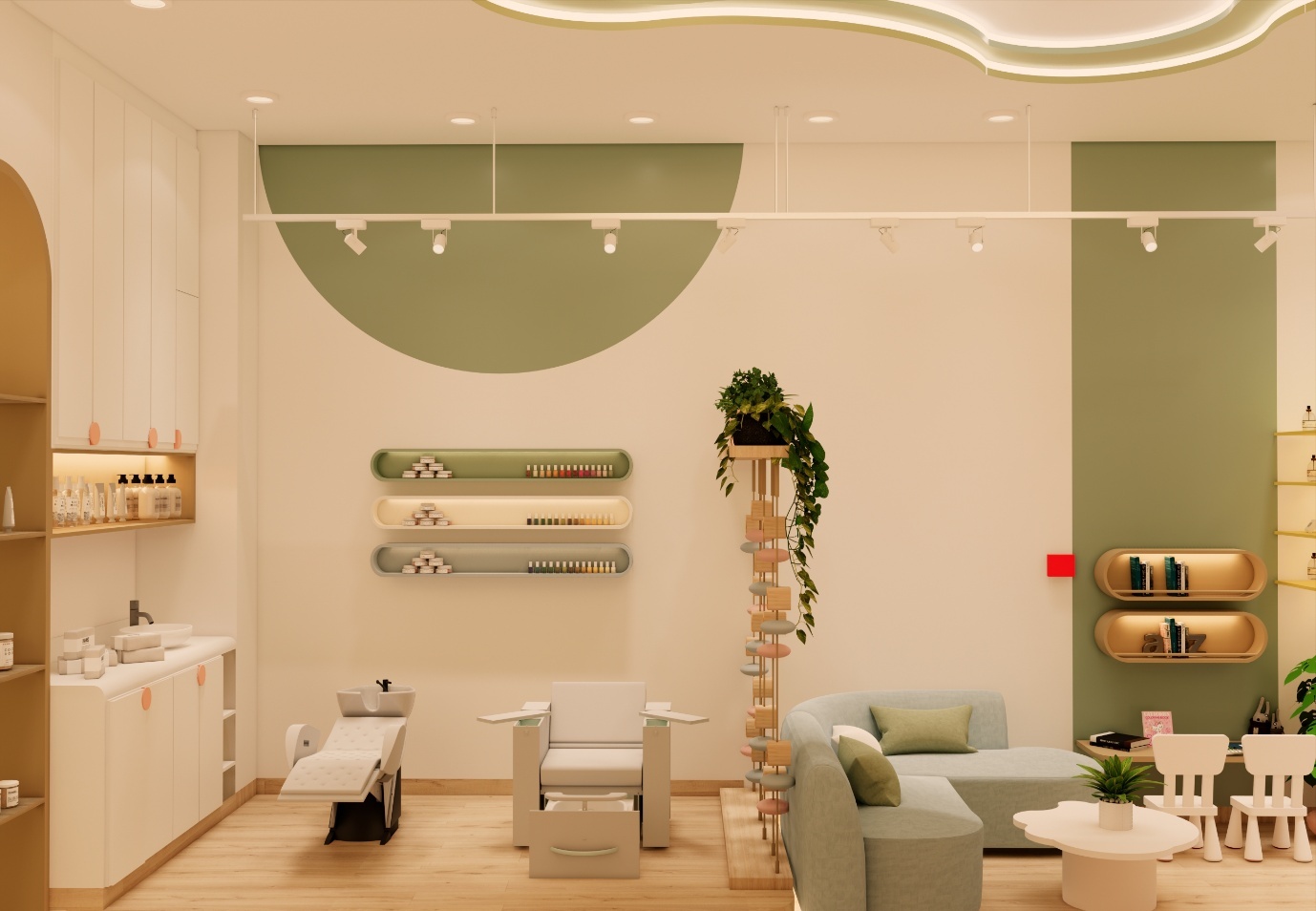
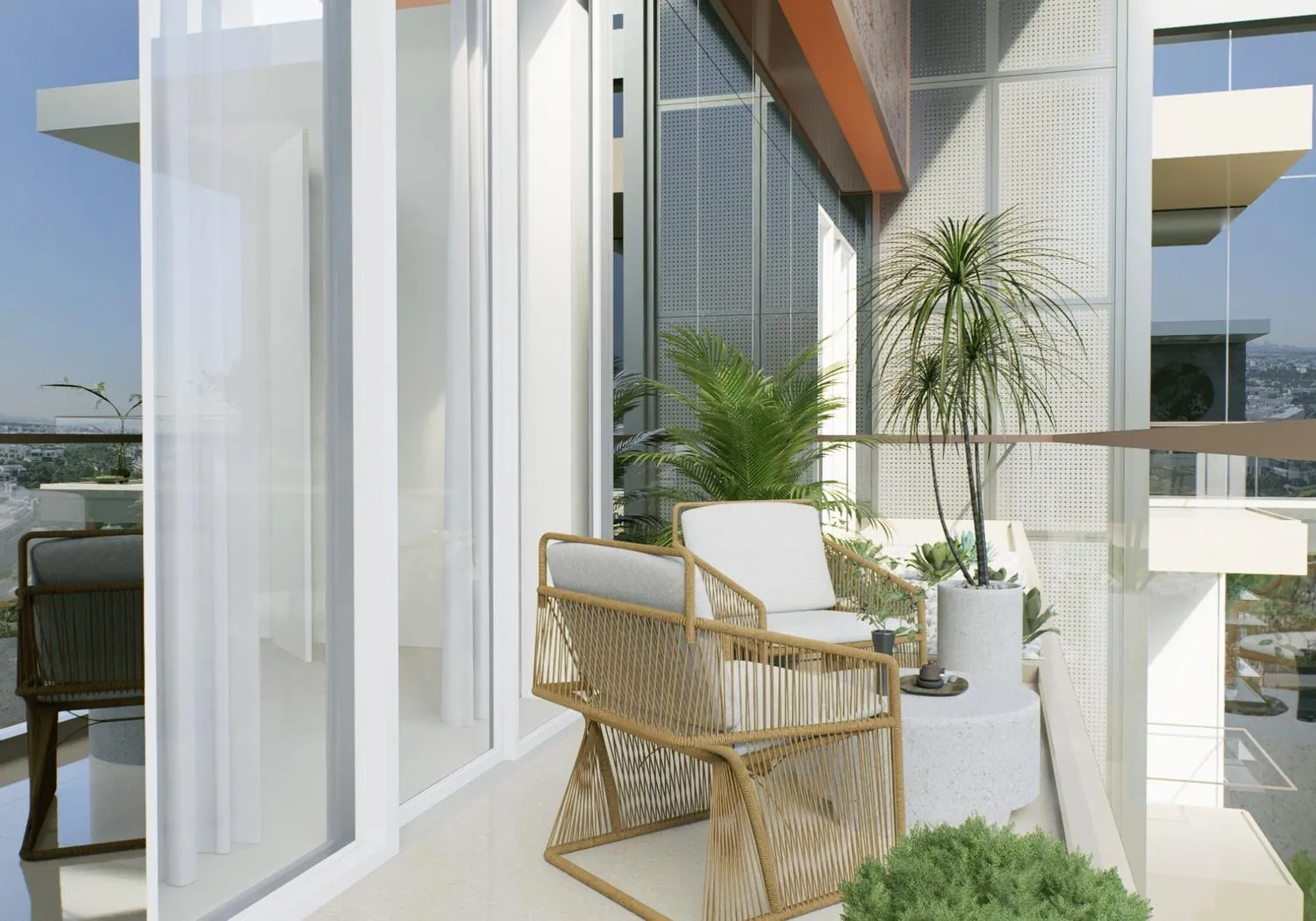
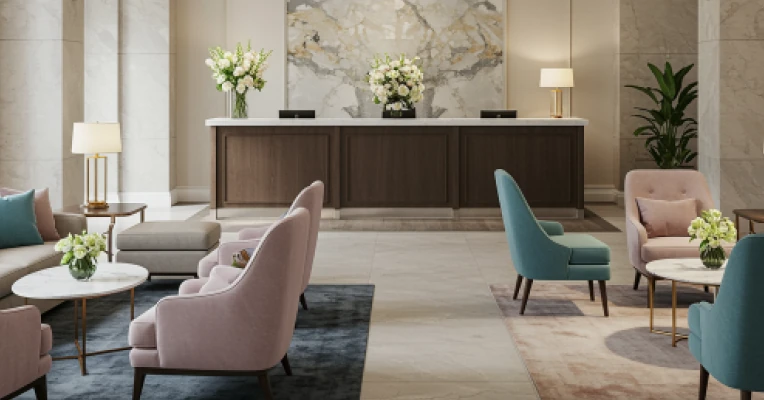
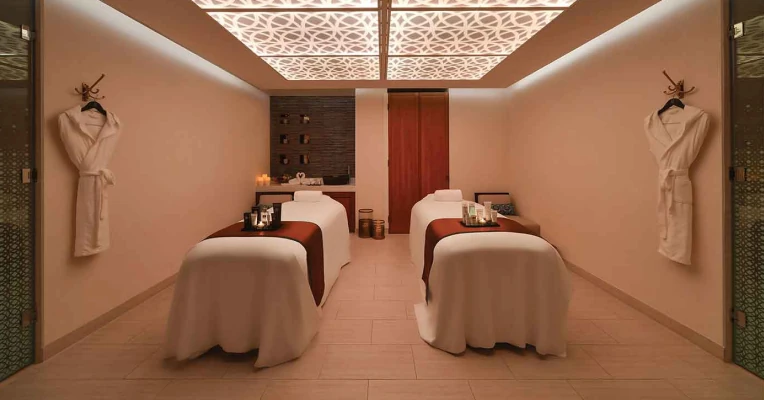
Blank Space Studio, Downtown Dubai, 2480 sqft
10+ Industrail Interiors designed in Dubai. Each one unique.
Space by Space
A curated look inside the industrial interiors we have designed in Dubai, where every space reflects functionality, bold character, and intentional design details.
01
Pallavi Dining, Confidential. 1834 sqft
02
Blank Space Studio, Downtown Dubai, 2480 sqft
The Maze Restaurant, Confidential, 400sqft
04
Blank Space Studio, Downtown Dubai, 2480 sqft
Zone by Zone
A curated look inside the industrial residences we have designed in Dubai, where every room tells a story, and every detail is intentional.
01
Pallavi Dining, Confidential. 1834 sqft
02
Blank Space Studio, Downtown Dubai, 2480 sqft
03
The Maze Restaurant, Confidential, 400sqft
04
Blank Space Studio, Downtown Dubai, 2480 sqft
10+ Industrial Interiors designed in Dubai. Each one unique.
Founder Message
Dear Client,
Every week in Dubai, someone opens a new restaurant, office, or retail space with exposed ductwork, concrete render, and Edison bulb pendants and wonders why it does not feel like the industrial references they were inspired by. The materials are all there. The atmosphere is not.
The honest truth about industrial interior design is this: the aesthetic cannot be applied. It has to be earned from the spatial logic of the building, from the structural honesty of every material decision, from the discipline to introduce warmth and comfort without compromising the rawness that makes the aesthetic worth pursuing in the first place. And from the acoustic and thermal engineering that makes a material palette designed for factories genuinely liveable and workable in Dubai’s climate.
At Euphoria, our industrial interior design service in Dubai starts with the architecture, not the mood board. I personally oversee every industrial project we take on. Because a space designed to communicate genuine industrial character deserves that level of spatial thinking.
Amanda Dsouza
CEO & Principal Designer
Industrial Interior Design Projects in Dubai
Industrial Interior Design Services in Dubai
Our industrial interior design services in Dubai are built around one principle: the industrial aesthetic cannot be applied to a space it must emerge from the space. Every project begins with the building’s structural logic and ends with an environment that could not exist anywhere else.
01
End-to-end industrial interior design service in Dubai from concept brief through to opening day. Every material decision, spatial zone, acoustic specification, and lighting layer designed as part of a coherent industrial environment that communicates genuine architectural character.
✦ Spatial planning ✦ Materials ✦ Full execution
02
For clients at the concept development or brand repositioning stage. Our industrial interior design consultants in Dubai develop spatial identity strategies that define how your environment communicates, what the industrial aesthetic says about your brand, and how the physical space supports your commercial objectives before a material palette is specified.
✦ Concept review ✦ Material advice ✦ Flexible scope
03
Custom industrial furniture steel-framed pieces, reclaimed timber elements, patinated metal fixtures, bespoke seating, and the specific custom-fabricated items that make an industrial interior genuinely original rather than assembled from a hospitality or office fit-out catalogue. Every piece designed for the specific space, not sourced to approximate it.
✦ Custom commissions ✦ Sourcing ✦ Logistics
04
Industrial space planning that resolves the three technical challenges most industrial interior design projects underestimate: acoustic reverberation management within a hard-surface material palette, thermal comfort in Dubai’s climate with high-mass and high-reflectivity surfaces, and the DM regulatory coordination required for exposed MEP systems in commercial occupancies.
✦ Structural thinking ✦ Layout redesign ✦ Flow optimisation
05
Industrial lighting design that performs the full range of ambient, task, and accent functions while appearing to operate only as the utilitarian pendant and track layer that defines the aesthetic. Exposed MEP systems designed as architectural elements and coordinated with Dubai Municipality approval requirements from the concept stage, not retrofitted at submission.
✦ Lighting architecture ✦ Smart home ✦ Automation
06
Material selection and procurement from Dubai’s specialist industrial supply chain, art curation appropriate to the aesthetic and the brief, botanical and organic element introduction that creates comfort contrast without undermining industrial integrity, and the opening state styling that makes a completed industrial fit-out into a photographable, launchable environment.
✦ Art sourcing ✦ Curation ✦ Final styling
Our Method of Industrial Interior Design Services in Dubai
Most industrial interior design firms in Dubai begin with the material palette. We begin with the building its structure, its light, its acoustic properties, and the spatial logic that will make the industrial character feel genuinely architectural rather than decoratively applied.
Step 01
We establish your spatial brief the use, the occupancy type, the commercial or residential objectives, the brand identity the environment needs to communicate, and the specific acoustic, thermal, and regulatory conditions the design must resolve before any material or aesthetic decisions are made.
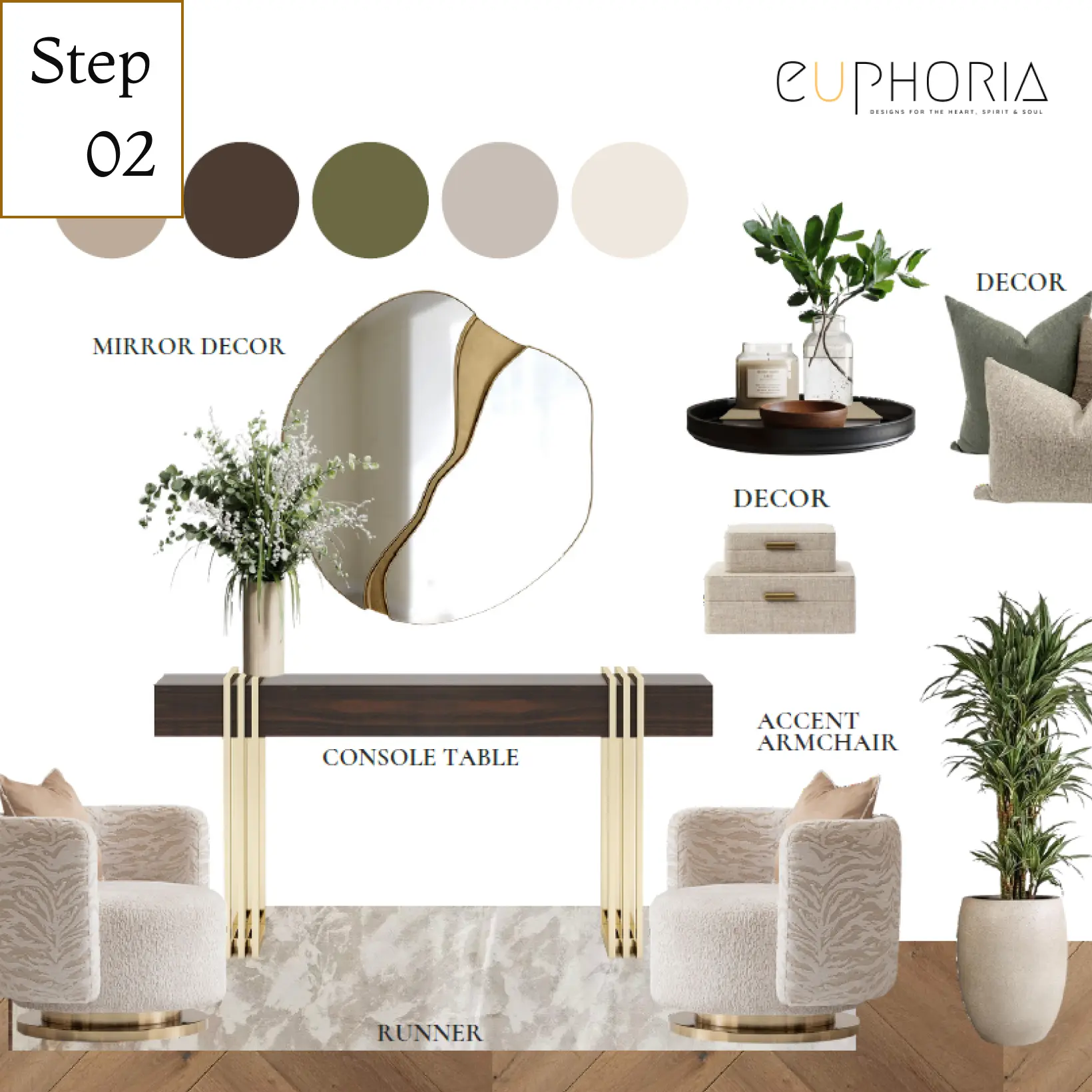
Step 02
Every structural element of your space is mapped for industrial design opportunity existing concrete, steel, masonry, or timber that can be exposed or celebrated; ceiling heights and volumes that define the industrial spatial character; natural light conditions that influence material selection; and acoustic analysis of the shell that determines the reverberation management strategy before any finishes are specified.
Step 03
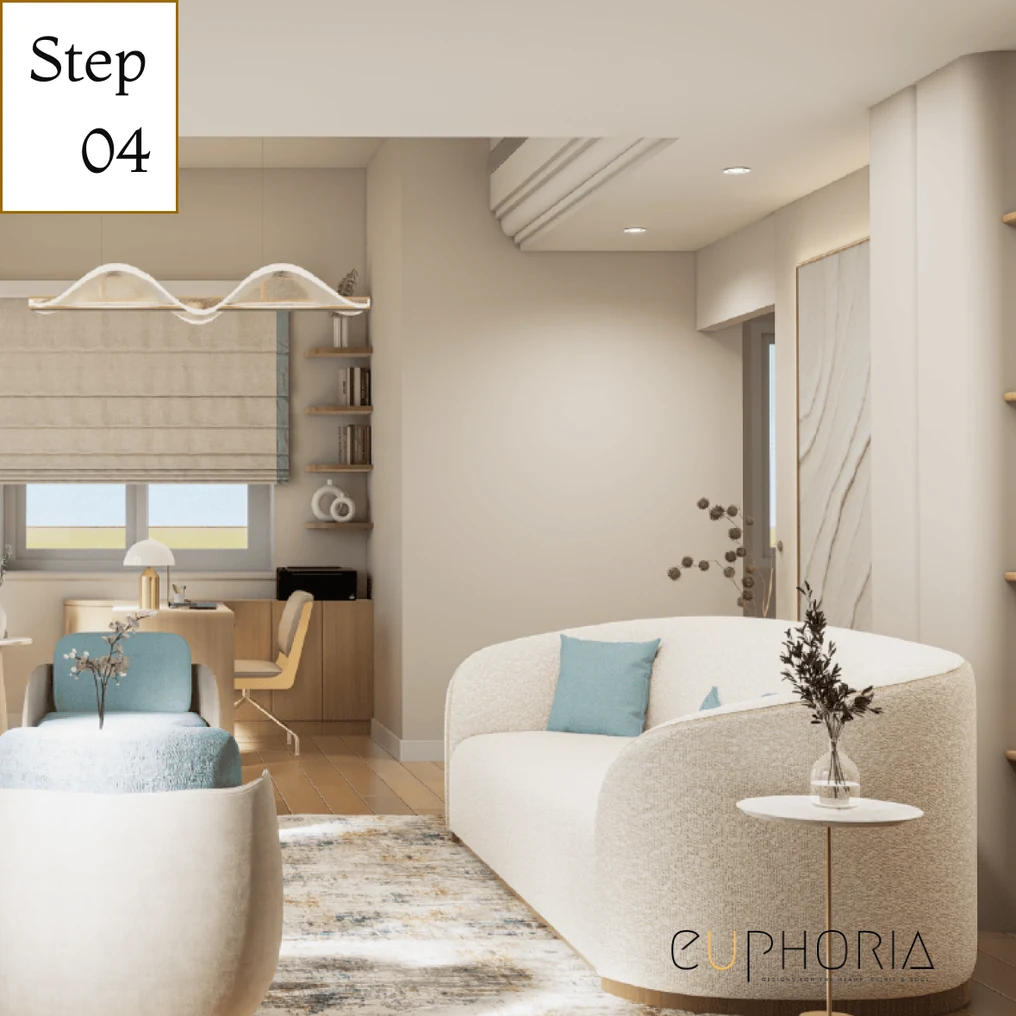
A single, authored industrial design concept that defines the material hierarchy, the spatial narrative, the lighting philosophy, the acoustic management strategy, and the specific atmospheric quality your space will produce grounded in the architecture of your building and specific to your brief. Not assembled from industrial references. Derived from your space.
Step 04
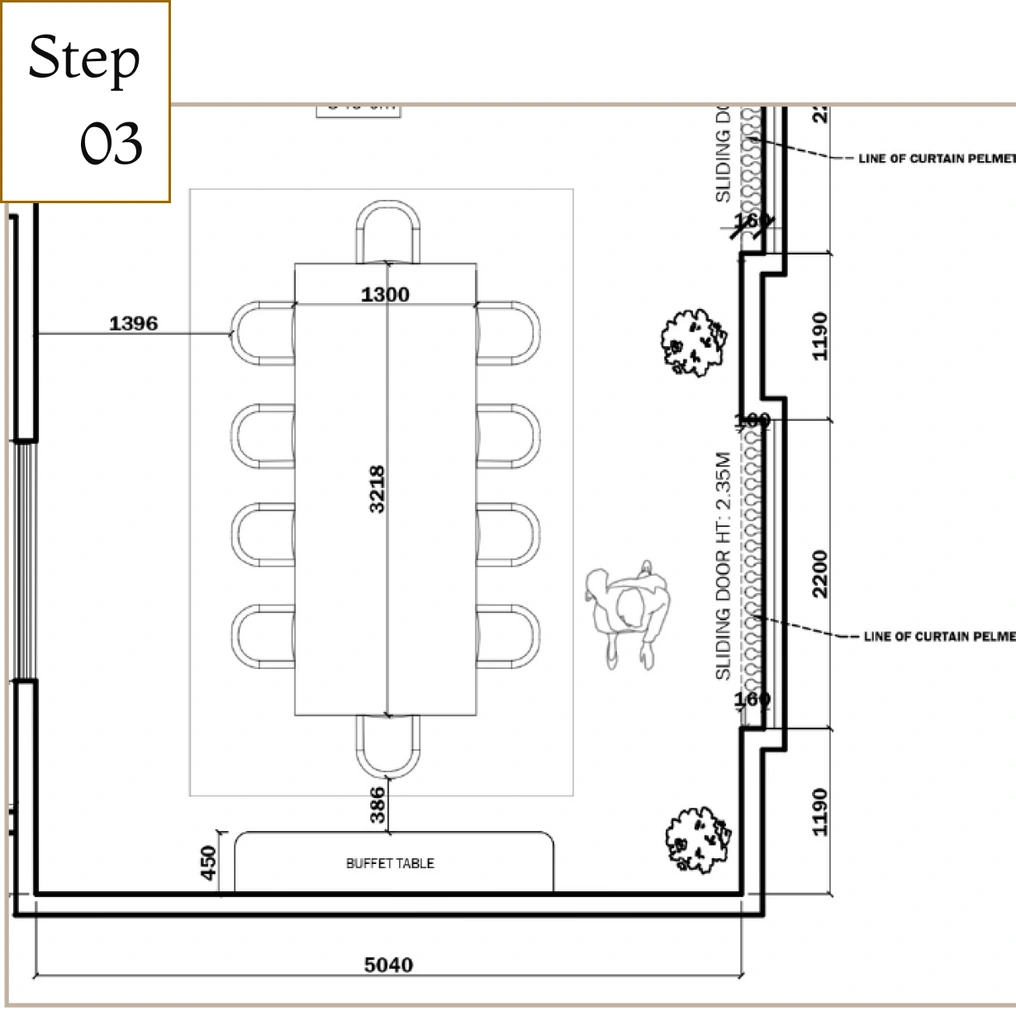
Complete technical documentation: architectural drawings, interior elevations, material and finish schedules, acoustic specification, lighting design and control documentation, exposed MEP coordination drawings, custom furniture fabrication specifications, DM permit documentation for commercial projects, and the complete contractor-ready package required to build the design without improvisation.
Step 05
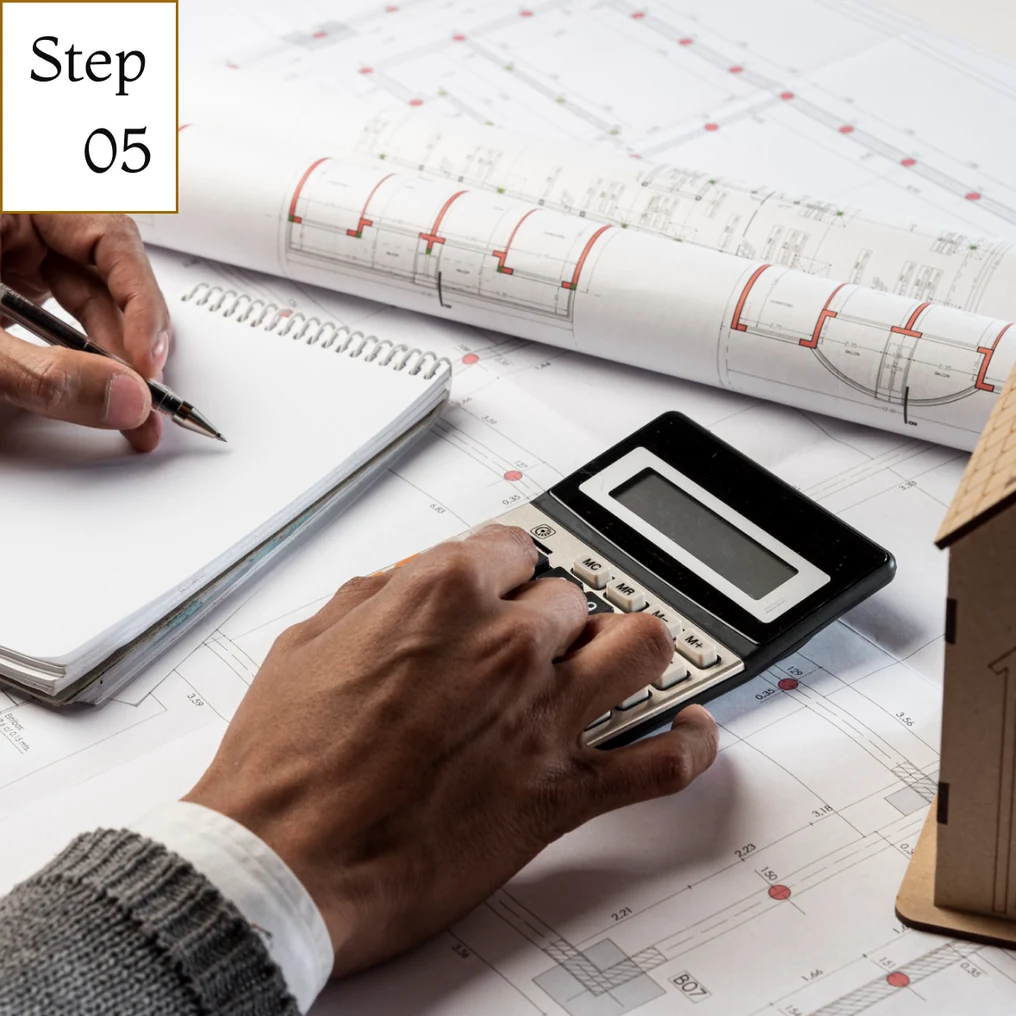
We manage the complete industrial fit-out contractor procurement, custom fabrication coordination, specialist trade management for concrete, steel, and acoustic finishes, MEP coordination, site visits at every milestone, quality inspection against specification, and the specific snagging process required to deliver industrial finishes to the standard the design requires.
Step 06
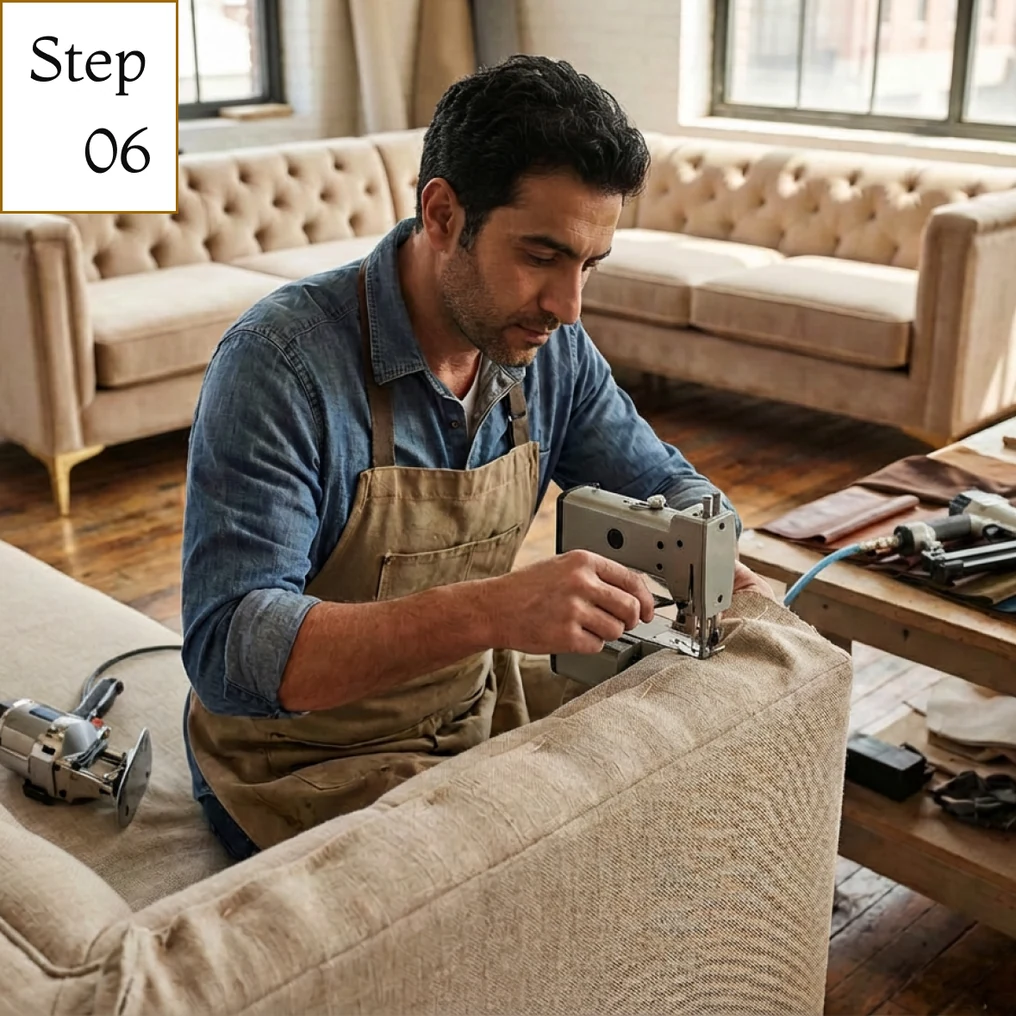
The final styling session is where a industrial transforms from a construction project into a home. We stay on until every detail is right.
Why Euphoria Interiors for Industrial Interior Design Services in Dubai
Visible in the Work.
Every reason we ask you to trust us with your industrial interior design project, you can see in the completed spaces below. Here is what makes our service different and the environments that prove it. Projects we have completed. Here is what makes us different and the Industrial Interior Design Services in Dubai spaces that prove it.
01
SPECIALISATION
Industrial interior design in Dubai requires a discipline that spans spatial architecture, acoustic engineering, climate-specific material specification, Dubai Municipality regulatory compliance for exposed MEP systems, and the specific craft of making a harsh material palette genuinely comfortable and commercially effective. After 10 years and 10+ completed projects across restaurants, offices, retail spaces, residential lofts, and creative studios, we understand how the industrial aesthetic performs across categories and how to design industrial environments that produce measurable commercial and experiential outcomes rather than merely looking the part at launch.
02
ORIGINALITY
Every client receives an original design concept never recycled, never adapted from a previous project. Our Industrial Interior Design Services in Dubai portfolio spans contemporary minimalism, warm modernism, and architectural abstraction. The only constant is the quality of thinking.
0
Projects where we used
the same concept twice
03
TRANSPARENCY
An industrial interior design that looks compelling in photography but performs poorly in acoustic, thermal, or functional terms is not a successful industrial interior design it is a set for a photoshoot. We design industrial environments that work as fully as they look: reverberation times specified for occupancy type, thermal comfort resolved for Dubai’s climate, MEP exposure coordinated for DM compliance, and material specifications that perform across years of commercial use, not just opening night.
100%
An industrial interior design that looks compelling in photography but performs poorly in acoustic, thermal, or functional terms is not a successful industrial interior design it is a set for a photoshoot.
04
PHILOSOPHY
We do not expose ductwork because it looks industrial. We do not apply concrete render because it photographs well. Every material exposed, every structural element celebrated, every surface left raw in an industrial interior we design is there because it serves the spatial narrative of that specific building and brief and because it has been engineered to perform acoustically, thermally, and commercially in the environment it inhabits. That discipline is what separates industrial environments that define a brand from those that date within eighteen months.
✦ Timeless design ✦ Precision execution ✦ Spaces that last
The work you have seen here could be
yours.
We take on a selective number of Industrial interior design projects in Dubai each year. If you are considering a project, now is the right time to speak.
Why Euphoria Interiors for your Industrial Interior Design Services in Dubai
Visible in the Work.
Every reason we ask you to trust us with your Industrial Interior Design Services in Dubai, you can see in the completed projects. Here is what makes us different and the spaces that prove it.
01
SPECIALISATION
Industrial interior design in Dubai requires a discipline that spans spatial architecture, acoustic engineering, climate-specific material specification, Dubai Municipality regulatory compliance for exposed MEP systems, and the specific craft of making a harsh material palette genuinely comfortable and commercially effective. After 10 years and 10+ completed projects across restaurants, offices, retail spaces, residential lofts, and creative studios, we understand how the industrial aesthetic performs across categories and how to design industrial environments that produce measurable commercial and experiential outcomes rather than merely looking the part at launch.
02
ORIGINALITY
Every client receives an original design concept never recycled, never adapted from a previous project. Our Industrial Interior Design Services in Dubai portfolio spans contemporary minimalism, warm modernism, and architectural abstraction. The only constant is the quality of thinking.
0
Projects where we used
the same concept twice
03
TRANSPARENCY
An industrial interior design that looks compelling in photography but performs poorly in acoustic, thermal, or functional terms is not a successful industrial interior design it is a set for a photoshoot. We design industrial environments that work as fully as they look: reverberation times specified for occupancy type, thermal comfort resolved for Dubai’s climate, MEP exposure coordinated for DM compliance, and material specifications that perform across years of commercial use, not just opening night.
100%
Of our projects delivered
with full cost transparency
04
PHILOSOPHY
We do not expose ductwork because it looks industrial. We do not apply concrete render because it photographs well. Every material exposed, every structural element celebrated, every surface left raw in an industrial interior we design is there because it serves the spatial narrative of that specific building and brief and because it has been engineered to perform acoustically, thermally, and commercially in the environment it inhabits. That discipline is what separates industrial environments that define a brand from those that date within eighteen months.
✦ Timeless design ✦ Precision execution ✦ Spaces that last
The work you have seen here could be
yours.
We take on a selective number of Industrial interior design projects in Dubai each year. If you are considering a project, now is the right time to speak.
Expert Guide to Industrial Interior Design Service in Dubai
Industrial Interior Design in Dubai Is One of the Most Misunderstood Aesthetics in the Market. Here Is Why Most Attempts Fail.
There is a version of industrial interior design that appears in Dubai restaurants, offices, retail stores, and residences every month exposed ductwork, metal shelving, raw concrete, pendant lighting that looks like a reference board assembled from the same ten international Instagram accounts. It is recognisable, derivative, and it does not work as a complete environment.
Genuine industrial interior design is not a material palette applied over a standard commercial or residential floor plan. It is a spatial philosophy one rooted in the architectural honesty of 20th-century industrial buildings, in the tension between raw materiality and considered human comfort, and in the specific craft required to make an inherently harsh aesthetic genuinely liveable, workable, or commercially compelling. When that philosophy is understood and applied with discipline, industrial interior design produces environments that are among the most emotionally resonant in contemporary design. When it is applied as a surface treatment, it produces a tired cliché.
According to a 2023 report by the Interior Design Society on commercial interior trends in the GCC, industrial-aesthetic commercial spaces in Dubai that are designed with deliberate material contrast, considered acoustic management, and genuine spatial character achieve 31% higher dwell times in F&B contexts, 24% higher employee satisfaction scores in office contexts, and 38% higher social media documentation rates than conventional commercial environments demonstrating that a well-executed industrial interior generates measurable commercial value beyond its visual appeal.
After 14 years delivering industrial interior design services in Dubai across restaurants, cafes, offices, co-working spaces, retail stores, residential lofts, and creative studios, the pattern is consistent: industrial interiors designed from a coherent spatial philosophy outperform those designed from a material trend at every scale and in every category.
Applying industrial materials as decoration rather than as architectural truth.
The original industrial aesthetic emerged from buildings where every material served a structural or functional purpose exposed brick because it was the wall, concrete because it was the floor, steel because it was the structure. When industrial materials are applied as surface treatments over conventional construction, the result is a space that looks like it is trying to be industrial rather than one that genuinely is. In Dubai’s construction environment where most commercial and residential buildings are concrete frame with applied finishes creating genuine industrial character requires a spatial design approach that works with the building’s structural logic, not against it. Faux-exposed brick panels and printed concrete vinyl are the most common failure points.
Not managing the acoustic consequences of hard industrial surfaces.
The material palette of genuine industrial design concrete, metal, glass, brick, timber is acoustically among the harshest possible combination. Every one of these materials reflects rather than absorbs sound. In a restaurant, bar, office, or residential loft designed with industrial materials and without deliberate acoustic management, the result is an environment that looks visually compelling and sounds operationally inadequate. Reverberation times in unmanaged industrial spaces can reach 3–5 seconds well above the 1.0–1.5 seconds appropriate for restaurant environments and the 0.6–0.8 seconds appropriate for open-plan office environments. The acoustic consequence of industrial design is not an afterthought it is the most commercially significant technical challenge in every industrial interior design project.
Ignoring thermal comfort in spaces with large glass, concrete, and metal surface areas.
Dubai’s climate creates a specific set of challenges for industrial interior design that temperate-climate references do not prepare you for. Large exposed glazing areas, concrete floors with high thermal mass, and metal surfaces all interact with Dubai’s ambient temperature in ways that require specific HVAC design, solar control specification, and surface treatment decisions that are not required in London or New York industrial loft conversions. An industrial interior design service in Dubai that is not designing for the thermal realities of the climate is designing from a reference board, not from the brief.
Treating the lighting design as a single decision rather than a layered system.
Industrial lighting design is one of the most technically complex elements of any industrial interior project precisely because the aesthetic requires lighting that appears utilitarian (cage pendants, exposed filaments, gantry tracks) while actually performing the full range of ambient, task, and accent lighting functions. Industrial spaces that rely solely on pendant and track lighting for all three functions consistently produce environments that are either dramatically underlit for functional use or so brightly lit that the atmospheric quality of the industrial aesthetic is destroyed. Layered lighting in an industrial interior requires the same discipline as any other lighting system it is the pendant layer that is the visual signature, not the only source.
Not designing for the contrast between industrial harshness and human comfort.
The most commercially and experientially successful industrial interiors in Dubai are the ones that understand the essential tension of the aesthetic: the environment must be raw enough to feel genuine and comfortable enough to want to be in. Industrial spaces that are all raw materiality with no soft contrast points no considered upholstery, no organic material introduction, no acoustic softening produce environments that feel more like construction sites than completed interiors. The restraint required to introduce warmth and comfort into an industrial aesthetic without undermining its integrity is a specialist design skill that most general interior designers underestimate.
Over-applying the aesthetic uniformly across all zones of a space.
In a restaurant, office, or retail environment, not every zone serves the same experiential purpose and therefore not every zone should receive the same material and atmospheric treatment. An industrial restaurant in Dubai that treats the dining room, the bar, the entrance, and the private dining area with identical material intensity produces a monotonous spatial experience. The most compelling industrial interiors in Dubai use material contrast and atmospheric variation between zones to create spatial narrative the raw, exposed back-of-house language contrasting with a more refined foreground, the heavy industrial structure overhead contrasting with intimate human-scale furniture below.
Specifying industrial materials without understanding Dubai’s specific supply chain and maintenance requirements.
Many of the materials central to the industrial aesthetic reclaimed timber, patinated metals, hand-finished concrete, raw ste require specific procurement, treatment, and maintenance regimes in Dubai’s climate and dust environment. Reclaimed timber requires treatment for Dubai’s humidity cycles. Raw steel in interior environments without climate control requires rust management. Hand-finished concrete floors in commercial environments require specific sealing protocols for Dubai’s construction dust. An industrial interior design service in Dubai that specifies materials without providing a maintenance brief and a Dubai-specific supply chain is delivering an incomplete service.
Not resolving the planning and regulatory requirements of exposed mechanical and electrical systems in Dubai’s commercial environment.
One of the signature elements of industrial interior design is the deliberate exposure of MEP systems ductwork, conduit, pipework as visual design elements. In Dubai’s commercial and F&B environments, exposed MEP requires specific Dubai Municipality approval, fire safety compliance for exposed ductwork in certain occupancy categories, and coordination with the building’s MEP engineer. Industrial interior design firms in Dubai without experience in this specific regulatory context consistently produce designs that require significant post-approval modification when the DM submission reveals compliance gaps.
Q1 How do you approach acoustic design as a standard element of industrial interior projects specifically the reverberation management required in a space with concrete, metal, and glass surfaces?
This must be a technical answer with specific material and geometric strategies. A generalist answer describes “softening the space with rugs and cushions.” A specialist answer describes reverberation time targets, absorption coefficient requirements for the specific occupancy, and the specific locations and materials used to achieve acoustic performance without compromising the visual integrity of the industrial aesthetic.
Q2 How does your approach to industrial interior design in Dubai differ from your approach in a temperate climate specifically for thermal management and material specification?
This question filters out firms designing from international reference boards rather than from Dubai’s specific climate and construction environment. A specialist answer references solar control specification, HVAC coordination, thermal mass management, and the specific material treatments required to make industrial materials perform in Dubai’s humidity and temperature cycles.
Q3 Can you show three completed industrial interior design projects in Dubai where the brief was not a restaurant or cafe office, residential, retail, or another category?
Industrial interior design in Dubai is disproportionately associated with F&B. Firms that can only show F&B projects are applying the aesthetic to the category where it is most commercially forgiving. Firms that have applied it successfully to offices, residential spaces, and retail environments demonstrate a genuine spatial design capability rather than a category-specific trend application.
Q4 How do you design the contrast between industrial materiality and human comfort what are the specific design decisions that make a genuinely harsh material palette liveable or workable?
This is the question that tests whether a firm understands the essential tension of industrial interior dsign. The answer should describe specific material, furniture, lighting, and softscape decisions that are made to create comfort contrast not generic references to “balancing hard and soft.”
Q5 What is your approach to coordinating exposed MEP systems with Dubai Municipality approval requirements in commercial industrial interior design projects?
If the answer does not reference specific DM occupancy category requirements for exposed ductwork and the coordination process with the building’s MEP engineer, the firm has not completed a DM-submitted industrial interior project in Dubai.
| Criteria | Trend-Application Studio | Specialist Industrial Interior Design Service |
|---|---|---|
| Design starting point | Industrial material palette, reference board | Spatial philosophy, architectural logic of the specific building |
| Acoustic management | Addressed if raised by client | Reverberation time targets specified from brief stage for every industrial project |
| Dubai climate adaptation | Standard specification from temperate references | Solar control, thermal mass, humidity-resistant material treatments specified for Dubai |
| MEP exposure | Designed aesthetically, DM compliance managed later | DM compliance and MEP engineer coordination integrated into design development |
| Material specification | Showroom-available industrial aesthetics | Dubai supply chain, maintenance requirements, and climate performance specified |
| Comfort contrast | Generic softening elements added post-design | Deliberate material, lighting, and furniture contrast designed as integral spatial strategy |
Dubai’s F&B market is where industrial interior design has the longest track record and the highest concentration of both excellent and derivative examples. The commercial reality of industrial restaurant design in Dubai: dwell time, table turn rate, social media documentation, and return visit rate are all measurably affected by the quality of the industrial environment. The 31% higher dwell time cited in the Interior Design Society GCC report is not produced by exposed ductwork. It is produced by a spatial environment that makes guests feel like they are in a place with genuine character an environment that rewards time spent in it. The acoustic management that prevents the industrial material palette from making conversation impossible at full occupancy is the difference between a restaurant that succeeds and one that is avoided after a first visit despite a strong menu.
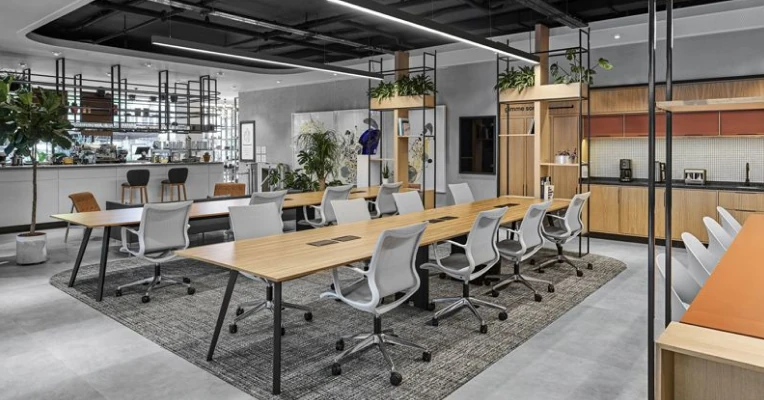
Dubai’s office market has embraced industrial design as a signal of creative culture, collaborative working, and the kind of employer brand that attracts the talent profiles the UAE’s knowledge economy requires. The 24% higher employee satisfaction score associated with well-executed industrial office environments reflects a genuine physiological response to spatial character the sense of working in a place that has been thought about, rather than fitted out to a standard corporate specification. Industrial office design in Dubai requires specific acoustic management for open-plan working environments (industrial materials are acoustically the worst possible combination for concentration-dependent work), specific thermal management for Dubai’s climate, and a specific approach to the contrast between collaborative zones and focused working areas.
Industrial retail interior design in Dubai performs best in product categories where the aesthetic communicates authentic craft, specialist knowledge, or anti-mainstream positioning premium coffee, artisan food, independent fashion, design objects, furniture, and creative services. The 38% higher social media documentation rate associated with well-executed industrial interiors in Dubai’s retail market reflects the fact that a space with genuine character gives customers something to photograph and share the organic acquisition channel that conventional retail environments cannot generate. Industrial retail design in Dubai requires specific product display systems designed for industrial materiality, retail lighting layered over the industrial pendant signature, and the acoustic management that makes extended browsing comfortable.
Industrial interior design in Dubai residential contexts loft apartments, studio residences, penthouse spaces with double-height ceilings requires the most sophisticated balance between the aesthetic’s inherent harshness and the functional comfort requirements of a lived-in home. Dubai’s residential industrial interiors that succeed do so because every industrial material and spatial element has been evaluated against the quality of life it produces across morning light, evening atmosphere, and daily domestic use not just against the visual impact of its opening photography.
Creative agencies, architecture studios, photography studios, and production companies in Dubai increasingly specify industrial interior design as the environment that best communicates their professional identity and working philosophy. The industrial studio environment high ceilings, flexible spatial configuration, genuine material character, and the deliberate absence of the corporate aesthetic their clients are paying them to disrupt functions simultaneously as workspace and as the most effective possible demonstration of the studio’s design sensibility to every client who visits.
Dubai’s F&B market is where industrial interior design has the longest track record and the highest concentration of both excellent and derivative examples. The commercial reality of industrial restaurant design in Dubai: dwell time, table turn rate, social media documentation, and return visit rate are all measurably affected by the quality of the industrial environment. The 31% higher dwell time cited in the Interior Design Society GCC report is not produced by exposed ductwork. It is produced by a spatial environment that makes guests feel like they are in a place with genuine character an environment that rewards time spent in it. The acoustic management that prevents the industrial material palette from making conversation impossible at full occupancy is the difference between a restaurant that succeeds and one that is avoided after a first visit despite a strong menu.
Dubai’s office market has embraced industrial design as a signal of creative culture, collaborative working, and the kind of employer brand that attracts the talent profiles the UAE’s knowledge economy requires. The 24% higher employee satisfaction score associated with well-executed industrial office environments reflects a genuine physiological response to spatial character the sense of working in a place that has been thought about, rather than fitted out to a standard corporate specification. Industrial office design in Dubai requires specific acoustic management for open-plan working environments (industrial materials are acoustically the worst possible combination for concentration-dependent work), specific thermal management for Dubai’s climate, and a specific approach to the contrast between collaborative zones and focused working areas.
Industrial retail interior design in Dubai performs best in product categories where the aesthetic communicates authentic craft, specialist knowledge, or anti-mainstream positioning premium coffee, artisan food, independent fashion, design objects, furniture, and creative services. The 38% higher social media documentation rate associated with well-executed industrial interiors in Dubai’s retail market reflects the fact that a space with genuine character gives customers something to photograph and share the organic acquisition channel that conventional retail environments cannot generate. Industrial retail design in Dubai requires specific product display systems designed for industrial materiality, retail lighting layered over the industrial pendant signature, and the acoustic management that makes extended browsing comfortable.
Industrial interior design in Dubai residential contexts loft apartments, studio residences, penthouse spaces with double-height ceilings requires the most sophisticated balance between the aesthetic’s inherent harshness and the functional comfort requirements of a lived-in home. Dubai’s residential industrial interiors that succeed do so because every industrial material and spatial element has been evaluated against the quality of life it produces across morning light, evening atmosphere, and daily domestic use not just against the visual impact of its opening photography.
Creative agencies, architecture studios, photography studios, and production companies in Dubai increasingly specify industrial interior design as the environment that best communicates their professional identity and working philosophy. The industrial studio environment high ceilings, flexible spatial configuration, genuine material character, and the deliberate absence of the corporate aesthetic their clients are paying them to disrupt functions simultaneously as workspace and as the most effective possible demonstration of the studio’s design sensibility to every client who visits.
| Scope Level | Timeline | Coverage | Best For |
|---|---|---|---|
| Material & Lighting Refresh | 2–4 weeks | Lighting system overhaul, surface patination, acoustic panel addition, styling update | Spatial logic works, environment needs renewed character |
| Acoustic Renovation | 3–6 weeks | Ceiling acoustic treatment, partition upgrading, HVAC noise management, soft contrast introduction | Acoustic performance issue identified, structure and layout solid |
| Concept Renovation | 6–14 weeks | Full material review, lighting redesign, custom furniture replacement, DM compliance update | Brand repositioning or derivative original design requiring genuine industrial character |
| Full Industrial Fit-Out | 3–6 months | Everything from shell structural opportunity mapping, full concept, DM permits, execution | New space or complete transformation from standard commercial fit-out |
Every client asks: “Can you show me your industrial design style?”
We do not have one. The spatial philosophy of industrial interior design produces different results in every building, for every use, for every client. The industrial character that serves a DIFC creative agency is not the same as the one that serves a Downtown restaurant, which is not the same as the one that serves a JLT co-working space, which is not the same as the one that serves a Marina loft apartment. What each shares is an architectural honesty, a material discipline, and an acoustic rigour that separates genuine industrial interior design from its imitation.
The Foundry Restaurant, DIFC (3,800 sqft) Industrial F&B:
A restaurant in DIFC’s Gate Avenue requiring an industrial environment with the acoustic performance to sustain full-volume dinner service without the noise environment that makes conversation effortful. The design uses a structural steel framework as the primary visual and spatial organiser, with reclaimed timber ceiling panels that perform double function as acoustic absorption and visual warmth introduction. Reverberation time at full occupancy: 1.1 seconds within the hospitality target range despite a material palette that without acoustic intervention would produce 3.8 seconds. Social media documentation rate in the first month: 340 tagged posts per week. Table return rate at 90 days: 52%, against the DIFC restaurant benchmark of 38%.
Lattice Creative Studio, Business Bay (2,400 sqft) Industrial Office:
A creative agency in Business Bay requiring a workspace that communicated the agency’s design identity to every client who entered, while delivering the acoustic conditions for focused individual work and the spatial flexibility for collaborative production. The design uses a polished concrete floor and exposed concrete ceiling as the primary industrial canvas, with a deliberately designed system of acoustic baffles integrated into the ceiling plane as structural-looking timber elements providing 0.7-second reverberation time in the focused work zones and 1.2 seconds in the collaborative areas. Employee satisfaction score at 6 months: 87th percentile on workplace environment benchmarks.
Raw Provisions, Alserkal Avenue (1,600 sqft) Industrial Retail:
An artisan food and specialty coffee retail environment in Alserkal Avenue, Dubai’s creative arts and design district, requiring a space that communicated genuine craft authenticity within an area where every other tenant is also pursuing a creative identity. The design uses the building’s existing concrete block walls and exposed steel structure as the primary environmental character adding only what serves the product story and removing everything that would dilute it. Retail conversion rate at 3 months: 44% of footfall, against an Alserkal Avenue specialty retail benchmark of 29%. Average transaction value 28% above initial projections.
The Loft Residence, Dubai Marina (1,800 sqft) Industrial Residential:
A Dubai Marina apartment converted from a standard residential specification to a genuine industrial loft aesthetic polished concrete floors, exposed painted ceiling, steel-framed internal partitions, and a material palette of patinated metals, oiled timber, and raw stone. The design challenge was producing an environment that would live well across daily domestic use that would feel as appropriate at 7am as at 11pm, as comfortable for a working-from-home Tuesday as for a dinner party Friday. The result is a Dubai residential interior that has appeared in four regional design publications as a reference for industrial residential design done at a level beyond the standard market offering.
Four entirely different briefs. Four entirely different spatial responses. Four industrial environments that share only the quality of their architectural thinking and the discipline of their material restraint.
If you are planning an industrial interior design project in Dubai restaurant, office, retail, residential, or creative studio and you want a service measured by spatial quality and commercial performance rather than by aesthetic trend adherence, we would welcome the conversation.
Euphoria Interiors delivers industrial interior design services across restaurants and cafes, bars and entertainment venues, offices and co-working spaces, creative studios and agencies, retail stores and showrooms, residential lofts and apartments, and mixed-use commercial spaces. Our industrial interior design service in Dubai covers: spatial concept development, acoustic management specification, Dubai climate-specific material selection, custom furniture and fixture design, industrial lighting system design, exposed MEP coordination with Dubai Municipality, full fit-out management, and opening state styling.
A full industrial interior design project in Dubai from initial brief through to opening day typically takes 3 to 6 months for a commercial fit-out, depending on size, custom fabrication scope, and DM permit timeline. Residential industrial projects can be completed in 8 to 14 weeks. At Euphoria Interiors, we provide a full project timeline before any design work begins including DM submission milestones for commercial projects where exposed MEP or structural modifications are required.
Acoustic management is the most commercially critical technical challenge in every industrial interior design project and the one most commonly underspecified by firms applying the aesthetic without understanding its consequences. At Euphoria Interiors, we specify reverberation time targets for each occupancy type from the brief stage (0.6–0.8 seconds for office environments, 1.0–1.5 seconds for restaurant environments), and design acoustic absorption elements as integral architectural components of the industrial design rather than as corrective additions applied after the aesthetic is established.
Dubai’s climate creates specific challenges for industrial interior design that temperate-climate references do not address: high solar gain through industrial-scale glazing, thermal mass behaviour of concrete and stone in an environment that oscillates between extreme outdoor heat and heavily air-conditioned interiors, and humidity effects on patinated metals and untreated timber. Our industrial interior design service in Dubai addresses these variables as standard design inputs specifying solar control, thermal management, and climate-appropriate material treatments for every industrial project.
Yes. Exposed MEP systems ductwork, conduit, pipework are a signature element of industrial interior design, but in Dubai’s commercial environments they require specific DM approval, fire safety compliance for exposed ductwork in certain occupancy categories, and coordination with the building’s MEP engineer. At Euphoria Interiors, we manage DM permit applications for commercial industrial fit-outs as a standard service component, integrating compliance requirements into the design brief from the outset rather than discovering them at submission.
Yes. Industrial interior design in Dubai residential contexts apartments, loft-style units, penthouse spaces is one of our strongest project categories. Residential industrial design requires the most sophisticated balance between the aesthetic’s inherent rawness and the functional comfort requirements of daily domestic life. We have completed industrial residential projects across Dubai Marina, Downtown Dubai, DIFC, Business Bay, and JLT, at specification levels ranging from targeted material and lighting interventions to complete industrial transformations of standard residential fit-outs.
Industrial interior design project costs in Dubai vary based on the space size, the scope of structural or MEP modifications required, the extent of custom furniture and fabrication work, and the specification level of industrial materials. At Euphoria Interiors, we provide a full cost breakdown before any engagement begins distinguishing between design fees, custom fabrication, standard procurement, and contractor budgets. For commercial projects, we benchmark against the specific category’s average construction cost per sqm in Dubai’s current contracting market.
Limited Projects Each Year
We take on a selective number of industrial interior design projects in Dubai each year. If you are planning a new space or a renovation restaurant, office, retail, residential, or creative studio now is the right time to speak.
No obligation. Completely confidential. Responses within 24 hours.