
Traditional Scandinavian interiors, bright, white, and hyper minimal, have dominated for years. Designers and clients who still love Scandi’s simplicity now want more character and depth, so they’re embracing darker palettes while keeping the same clean lines. The interior design companies Dubai clients approach for something moodier are leaning into exactly this shift.
This evolution has birthed a captivating aesthetic movement known as Nordic noir. Driven by a desire for moody minimalism, this design style trades bleached woods and clinical white walls for deep charcoal tones, raw textures, and an architectural appreciation for shadow play. It retains the functional, uncluttered soul of classic dark Scandinavian design but infuses it with an undeniably sophisticated, theatrical edge.
In a glittering metropolis like Dubai, this shift from blinding brilliance to high-contrast interiors represents the ultimate counterculture luxury. For years, the regional real estate market has been flooded with polished white marble, reflective gold trim, and expansive floor-to-ceiling glass designed to maximise the bright Arabian sun.
However, a new wave of local design enthusiasts is discovering that monochrome luxury can offer a profound sense of calm. By leaning into the rich, tactile materials of Nordic noir, modern brutalism, and calculated architectural compression as seen in the grounded zoning of high-end local properties like Villa Midori—Dubai’s elite spaces are proving that embracing the dark side isn’t just an aesthetic statement; it is a masterful way to curate a serene, cooling refuge from the intense desert-proof interiors outside.
This blog outlines practical design ideas and actionable styling swaps that will help Dubai homeowners effortlessly embrace this enigmatic, shadow-filled aesthetic within their own living spaces.
What is Nordic Noir?

“Nordic noir design is the deliberate embrace of shadow, texture, and sombre elegance. It strips away the sterile, sun-bleached whites of traditional Scandinavian interiors and replaces them with a rich, cinematic vocabulary of deep charcoals, smoky blacks, and raw materials. It proves that minimalism does not have to be bright to be breathtaking.”
At its core, this design movement is an evolution of classic Nordic principles, but with a dramatic, rebellious twist. Instead of chasing every available drop of sunlight, it honours the beauty of the dark winter months through moody minimalism. The aesthetic of Nordic Noir relies heavily on high-contrast interiors where pale elements are juxtaposed against vast, dark surfaces to create an atmosphere that feels both grounding and deeply luxurious.
This style moves far beyond simple paint choices. It is a sensory experience driven by tactile materials and modern brutalism. Space is shaped by structural weight, utilising poured concrete, charred wood, and matte stones. By intentionally limiting the colour palette, the focus shifts entirely to shadow play and the subtle variation of raw textures. The result is a form of monochrome luxury that feels incredibly intimate, quiet, and protective.
10 Ways to Blend Nordic Noir Design Aesthetic into a Dubai Home
Adapting the moody, northern aesthetic of Nordic Noir design to the Middle East requires a careful balance of visual drama and climate-conscious engineering. Here is how to introduce the principles of dark Scandinavian design into local apartments and villas seamlessly.
1. Reversing the Glare with Charcoal Linen Sheers

Traditional design dictates white drapes to keep spaces bright, but the intense Dubai sun often turns white fabric into a blinding source of glare. Swapping these out for deep charcoal or slate grey linen sheers completely transforms the room, pioneering a distinct “Desert Noir” aesthetic.
The dark, loosely woven fabric acts like a lens, filtering the harsh exterior sunlight and softening it into a cinematic, ambient glow while preserving the view outside. It shifts the design language from blinding heat to a cool, evocative sanctuary, bringing a moody minimalist sophistication to a sun-drenched landscape.
2. Desert-Proof Flooring with Graphite Micro-Cement

While dark hardwood floors are a staple of northern European homes, the constant cycling between intense exterior heat and heavy indoor air conditioning can cause real wood to warp and buckle.
Graphite micro-cement or seamless grey resin offers a flawless alternative. It introduces the concept of “tactile minimalism”, which achieves the deep, monochromatic drama of a Nordic home through fluid, unbroken surfaces instead of traditional planks.
This choice delivers the raw textures of modern brutalism and handles local humidity shifts with ease, all while remaining incredibly cool underfoot.
3. Creating an Architectural Shadow Box Entryway

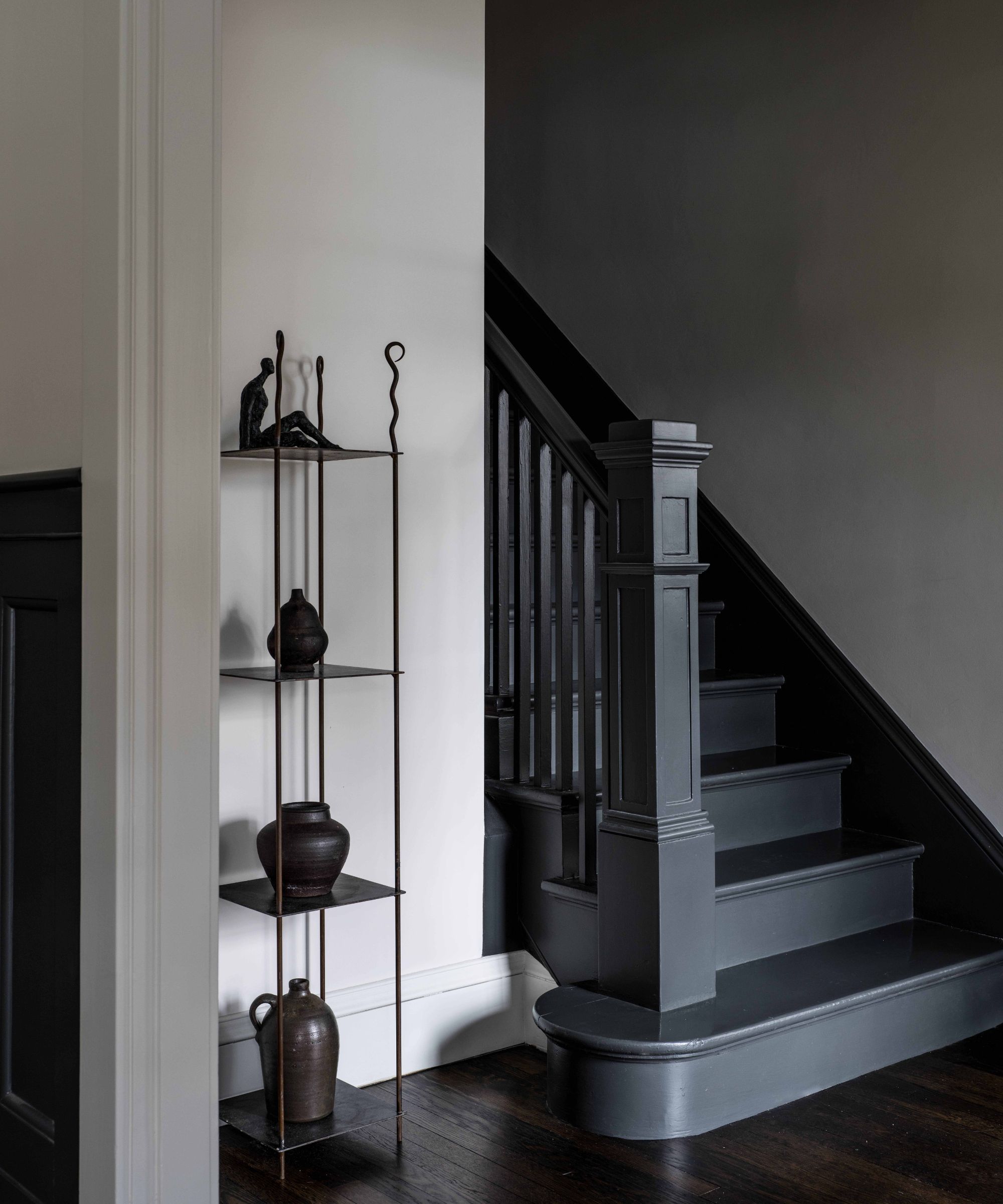
The transition from the brilliant desert light into a home can be jarring. By painting an entrance foyer entirely monochromatic, covering the walls, trim, and ceiling in a single deep iron ore or matte slate hue, you create an intentional cooling sensory transition. This architectural compression allows the eyes and the mind to instantly reset upon entering the villa, or even when maximizing smaller scales through a specialized one bedroom Interior Design service.
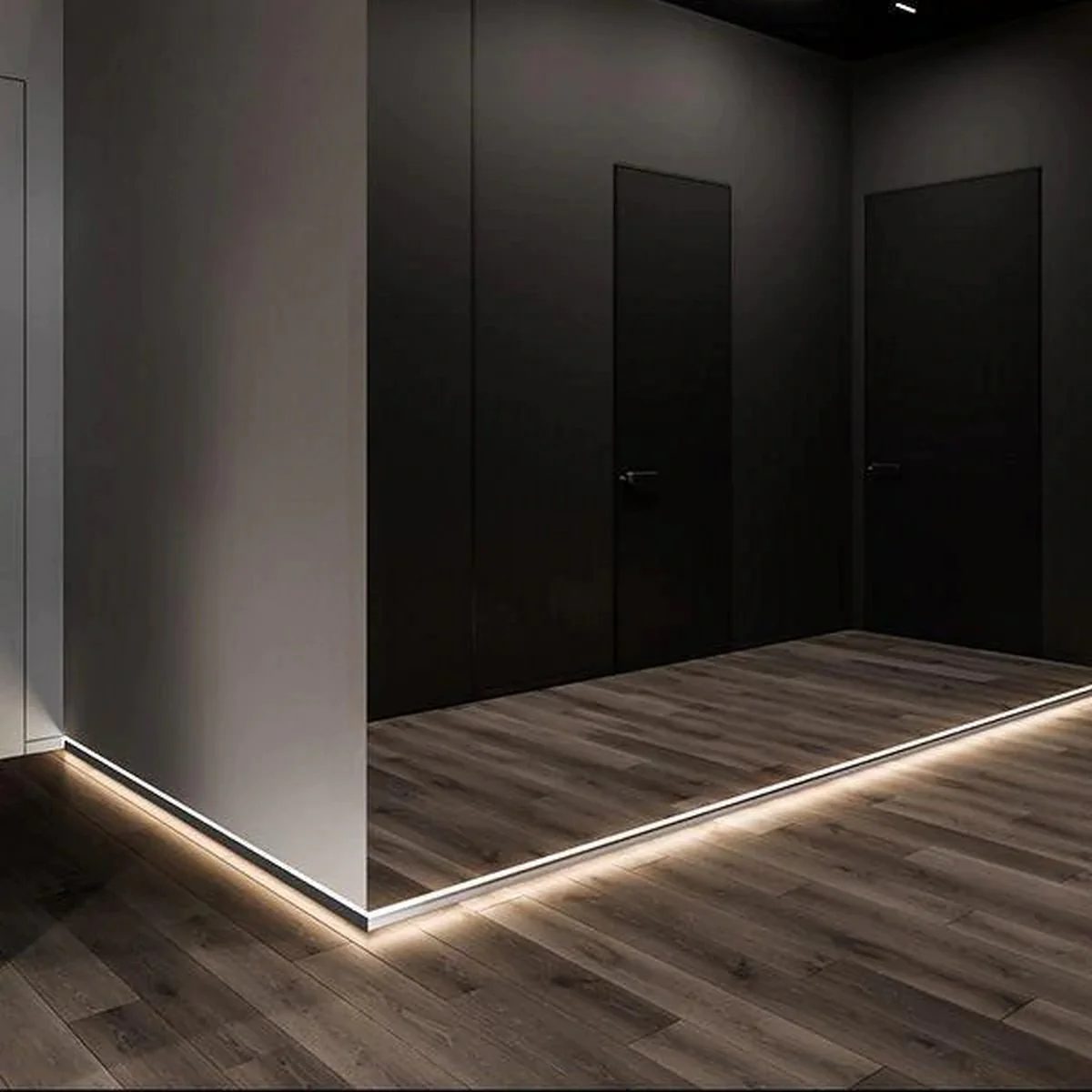
4. Low-Level, Grounded Amber LED Clusters

Sterile white ceiling downlights instantly kill the atmospheric tension required for this style. Stripping out overhead spotlights in favour of concealed, warm amber LED strips placed along baseboards, beneath joinery, and inside cove ceilings completely rewrites the mood of a room.
This technique introduces a design philosophy known as low-level ambient layering, which acts as a powerful alternative to traditional nordic noir by focusing entirely on how light interacts with shadow. Keeping the illumination low to the ground allows deep shadows to take centre stage, creating an intimate, protective evening environment that feels like a warm sanctuary tucked away from the harsh desert elements.
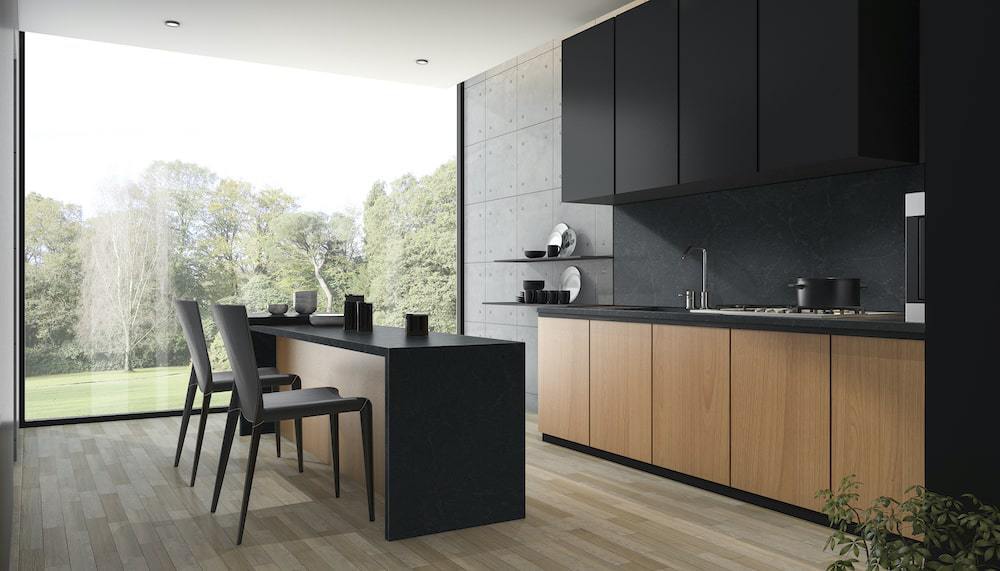
5. Sleek Stealth Kitchens using Matte Black Surfaces

In open-plan Dubai residences, a bright kitchen can easily disrupt the flow of a moody living space. Implementing anti-fingerprint, handleless dark cabinetry paired with integrated black appliances creates a sleek stealth kitchen that embodies the concept of architectural camouflage.
It is a sophisticated alternative to Nordic noir by treating kitchen cabinetry as structural walls rather than a separate utility zone. The cooking space effectively recedes into the background, blending seamlessly into the broader monochrome luxury of the home to maintain an unbroken, cinematic atmosphere across the entire floor plan.
Material selection plays a defining role in achieving this stealth aesthetic, particularly when choosing dark stone finishes and ultra-matte worktops. For a deeper breakdown of surface materials, durability, and styling, read our guide on choosing the perfect kitchen countertop
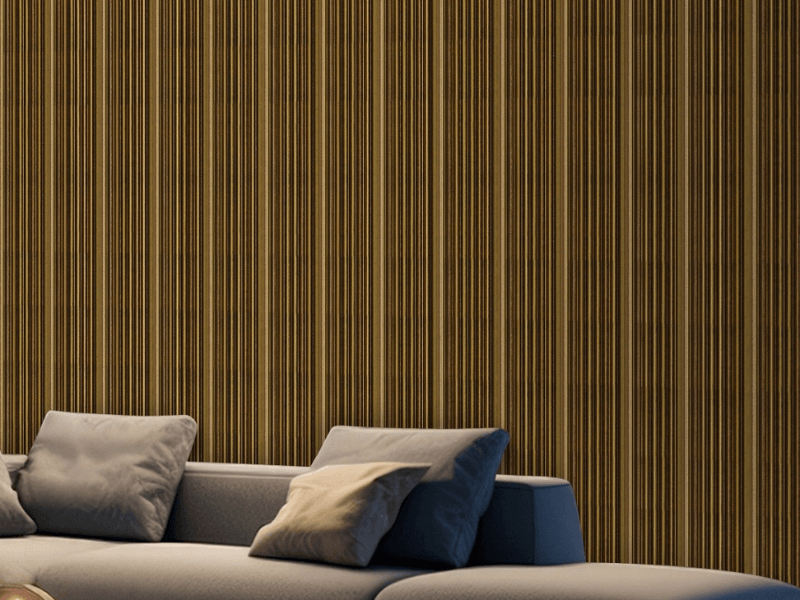
6. Embracing Shadow Play with Fluted Wall Panels

To prevent dark walls from looking flat or lifeless, texture is essential. Installing charcoal or deep espresso fluted wall panels introduces architectural depth, exemplifying a concept known as kinetic minimalism. Kinetic minimalism is a design style where static surfaces use natural light to create the illusion of movement.
As the sun moves across the sky or ambient indoor lights turn on, the ridges throw subtle, shifting shadows across the room, ensuring the monochromatic space feels dynamic, alive, and layered without needing a single drop of colour.
7. Integrating Raw Textures through Lava Stone and Basalt

Luxury in the Middle East often leans towards polished, reflective marble, but achieving a true Nordic aesthetic relies heavily on matte, unrefined surfaces. Introducing honed lava stone, volcanic basalt, or dark brushed granite for countertops and feature walls anchors the space, introducing a design ethos known as ‘raw tactile minimalism’.
Because these matte, heavily textured materials absorb light rather than reflecting it, they effortlessly cultivate that signature Scandi-noir moodiness. By prioritising the honest touch of unpolished stone, these surfaces enhance the overall sense of quiet luxury, grounding the home in the understated, elemental sophistication central to northern European design.
8. Zoning Spaces with Dark Smoked Glass Partitions

Maintaining an open feel while still creating cosy, enclosed sanctuaries can be a challenge. Replacing standard clear glass doors or solid walls with dark smoked glass partitions offers an elegant compromise, introducing a technique known as shadow zoning.
This clever design method effortlessly captures a sense of Nordic dramatic minimalism by using tinted boundaries instead of heavy walls to divide a floor plan. The smoked glass provides structural separation and acoustic privacy while casting a sophisticated, moody lens over the rooms beyond, keeping spaces interconnected yet privately cocooned. The bedroom is where this palette pays off most; these dark bedroom ideas prove it.
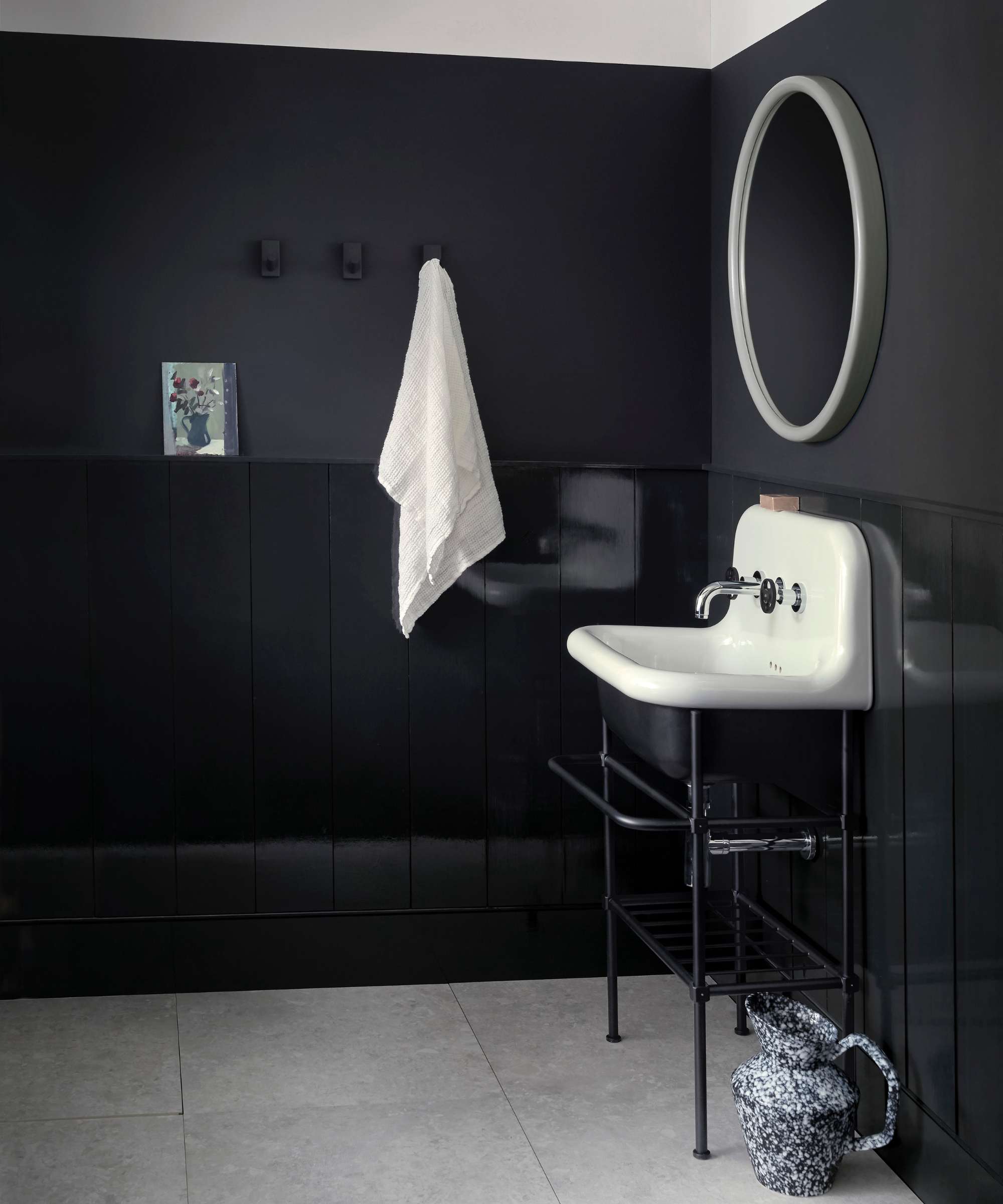
9. Selecting Matte Black and Gunmetal Sanitary ware

In bathrooms and powder rooms, shiny chrome fixtures can instantly shatter a minimalist aesthetic. Opting for matte black, powder-coated brassware or brushed gunmetal taps and shower heads brings a quiet, industrial edge to wet areas, establishing a philosophy of submerged minimalism.
Integrating these hardware choices directly evokes the brooding elegance of Nordic moody brutalism by ensuring that even utilitarian fittings disappear into the background. When paired with dark grey porcelain tiles, the entire room transforms into a spa-like cocoon where contrasting reflections are eliminated in favour of absolute visual serenity. For rest spaces, Scandinavian bedroom design keeps the palette calm even at the darker end.
10. Upholstering in Heavy, High-Contrast Tactile Fabrics

When working with a restricted colour palette, the tactile quality of the furniture becomes the ultimate luxury. Contrasting sleek architectural lines with deep-seated sofas and armchairs upholstered in charcoal bouclé, brushed wool, or matte black aniline leather introduces a layer of sensory minimalism. On the lighter end of the same family, Japandi style bedrooms trade drama for calm.
Relying entirely on the physical feel of a space rather than its visual colour serves to ground the environment, beautifully anchoring the foundational principles of boreal understated luxury. These rich fabrics invite touch, adding layers of physical comfort and visual warmth to high-contrast interiors while keeping the overall aesthetic deeply comforting and refined.
This layered approach works especially well in sleeping spaces where sensory comfort matters most. If you are planning a complete bedroom transformation, explore these luxury-inspired bedroom styling concepts from Euphoria Interiors’ bedroom design ideas guide
The Nordic Noir Implementation Checklist
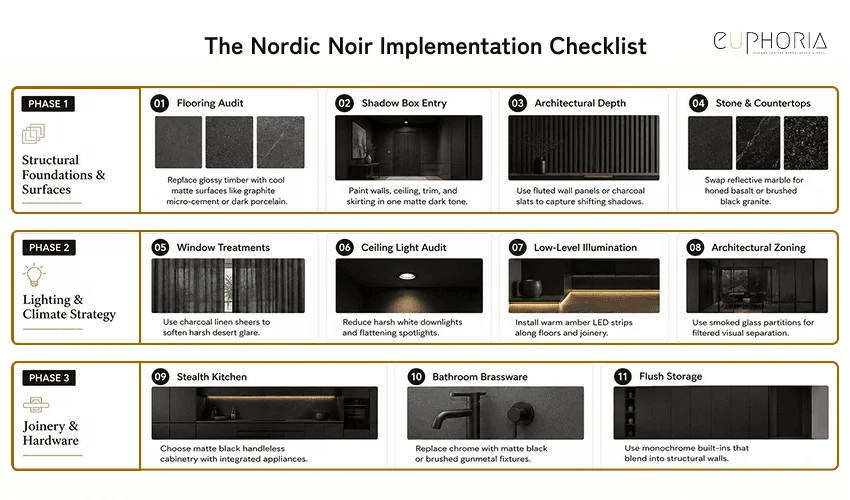
This practical checklist is designed for Dubai homeowners and interior designers looking to successfully transition an interior from sun-drenched brightness to a sophisticated, desert-proof sanctuary of shadows.
Phase 1: Structural Foundations & Surfaces
- Evaluate the flooring: Replace warp-prone dark timber with seamless graphite micro-cement, dark grey resin, or large-format matte porcelain tiles that stay cool underfoot.
- Commit to the “Shadow Box” transition: Identify the entrance foyer and paint the walls, trim, skirtings, and ceiling in a single, matte dark shade such as iron ore, charcoal, or deep slate.
- Introduce architectural depth: Install vertical fluted wall panels or 3D wood slats in deep charcoal or espresso to ensure dark walls capture shifting shadows.
- Audit stone and countertops: Swap out highly reflective, polished white marbles for honed lava stone, volcanic basalt, or brushed black granite to absorb light.
Phase 2: Lighting & Climate Strategy
- Re-engineer the window treatments: Replace standard white or cream curtains with heavy, loosely woven charcoal linen sheers to diffuse intense desert glare into a soft glow.
- De-saturate the ceiling lights: Remove or dim bright, white overhead downlights and spotlights that flatten the room’s dimension.
- Install low-level illumination: Add concealed, warm amber LED strips (2700K or lower) along baseboards, beneath floating joinery, and inside ceiling coves.
- Incorporate architectural zoning: Utilise dark smoked glass partitions instead of solid walls or clear glass to segment spaces while maintaining a moody, filtered view.
Phase 3: Joinery & Hardware
- Specify a “Stealth” kitchen: Opt for handleless, matte black, anti-fingerprint cabinetry paired with fully integrated black appliances that recede into the living zone.
- Update bathroom brassware: Replace reflective chrome taps and showerheads with powder-coated matte black or brushed gunmetal hardware.
- Streamline built-in storage: Ensure all floor-to-ceiling wardrobes and storage units feature flush, minimalist faces in monochrome dark tones to mimic structural walls.
Phase 4: Furniture & Tactile Styling
- Prioritise matte textures over sheen: Choose furniture frames crafted from charred wood (Shou Sugi Ban), matte black powder-coated steel, or brushed dark metals.
- Layer high-contrast upholstery: Select heavy, tactile fabrics for seating—such as charcoal bouclé, brushed wool, or matte aniline leather—to contrast against smooth micro-cement or plaster walls.
- Curate minimalist decor: Enforce a strict “less is more” rule. Display a few select pieces of raw, unpolished ceramics, dark tinted glassware, or brutalist sculptures rather than cluttered accessories.
Common Mistakes to Avoid When Creating Nordic Noir Interiors
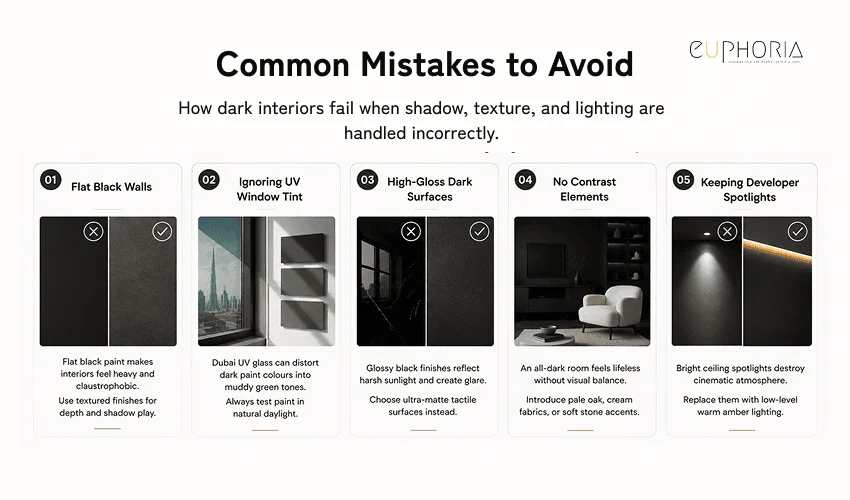
When pivoting to this brooding, dramatic aesthetic, it is easy to cross the line between an atmospheric sanctuary and a bleak, poorly lit space. Avoid these critical design pitfalls when implementing the look in a Dubai property.
- Over-Relying on Flat Black Paint: Painting an entire room in a standard matte black without considering the texture will make the space feel small, flat, and claustrophobic. The secret to moody minimalism is depth. Instead of flat paint, use textured wall finishes like dark micro-cement, tinted lime wash, or deep charcoal Venetian plaster so that light can catch the grain and create sophisticated shadow play.
- Failing to Account for the UV Tint in Glass: Dubai villas and apartments often feature heavy, double-glazed UV windows to keep out the desert heat. These windows frequently have a subtle green or blue tint. Pairing them with the wrong shade of dark grey paint can turn your interior a sickly, muddy olive colour under the filtered desert sun, making it essential to test large paint swatches on the walls at different times of day. Selecting the right undertones becomes even more important in darker Scandinavian interiors, especially when combining charcoal shades with warm ambient lighting. You can explore additional palettes and tonal pairings in this guide to stylish bedroom wall color combinations
- Relying on High-Gloss Dark Surfaces: Choosing polished black marble or high-gloss lacquered cabinets to convey luxury will backfire. High-gloss dark surfaces act like mirrors, reflecting the intense Dubai sun and creating blinding hot spots throughout the room. True monochrome luxury relies on ultra-matte, anti-fingerprint surfaces and tactile materials that absorb the light beautifully.
- Neglecting the Power of High Contrast: A common misconception is that a dark interior must be entirely black or grey. Without contrast, the eye cannot appreciate the design, and the space will feel completely lifeless. Dark Scandinavian design relies on high-contrast interiors, meaning you must break up the darkness with strategic pale elements—like a light cream bouclé armchair or a raw light oak sculpture—to give the eyes a place to rest.
- Keeping the Original Developer Spotlights: Leaving standard warm-white or cool-white ceiling spotlights in place will completely ruin the cinematic atmosphere. Cool-white lights make dark walls look clinical, while standard warm-white spotlights make the room look yellow and dated. Cast aside overhead lighting in favour of low-level amber illumination to keep the upper half of the room shrouded in protective, comforting shadows.
Conclusion
Embracing the principles of Nordic noir is more than a design statement; it is a lifestyle evolution for the modern Dubai resident. By swapping blinding glare for sophisticated shadow play and sterile whites for the rich textures of modern brutalism, your home becomes a deeply personal sanctuary. It proves that true luxury does not need to shout with gold and polished marble. Instead, it speaks in the quiet, comforting language of moody minimalism and tactile materials—providing the ultimate cool refuge from the vibrant energy of the city outside. For the lighter side of Scandinavian living, this hygge design guide covers the warmer end of the spectrum.
Ready to step away from the glare and experience the calming power of dark Scandinavian design? Whether you are looking to redesign a sleek Downtown apartment or introduce high-contrast interiors to a sprawling Jumeirah villa, our team is here to bring your vision to life.
Contact Our Euphoria Interiors to schedule a private consultation, and let us help you craft your own desert-proof interior sanctuary.
Key Takeaways
- A Reversal of Traditional Design: The Nordic noir movement turns classic Scandinavian design on its head by trading sun-bleached whites for a rich palette of deep charcoals, smoky blacks, and enveloping shadows.
- The Ultimate Desert Refuge: In a hyper-illuminated city like Dubai, moody minimalism serves as a vital sensory antidote, providing a cooling psychological escape from intense outdoor glare and heat.
- Texture Over Flatness: To prevent dark spaces from feeling small or sterile, the aesthetic relies heavily on raw textures and tactile materials like graphite micro-cement, fluted panels, and lava stone.
- Mastering Light and Shadow: Successful implementation requires replacing aggressive overhead spotlights with low-level amber LED clusters and charcoal linen sheers, allowing sophisticated shadow play to define the space.
- The Importance of Contrast: Dark Scandinavian design does not mean entirely black rooms. It achieves monochrome luxury by balancing dark, structural elements with strategic, high-contrast pale accents.
If you would like to explore further, take a look at what an interior design consultant does.