
The first time someone asked me the difference between an interior design consultant and an interior designer, I gave a long, tidy answer about scope and deliverables. She listened politely, then said, “So which one stops me from spending money on the wrong sofa?”
That is the real question. And the honest answer is that most people book the wrong service for where they actually are in their project. Part of the reason is that most established interior design companies in Dubai offer both roles under one roof.
I have spent fourteen years designing interiors in Dubai, and I have watched people buy a full design package when a two-hour consultation would have saved them a fortune, and watched others try to consult their way through a villa fit-out that badly needed a project team. Both mistakes are expensive and avoidable once you understand what each service is for.
Let me walk you through it the way I would if we were sitting across a table.
What Does An Interior Design Consultant Do, Exactly?
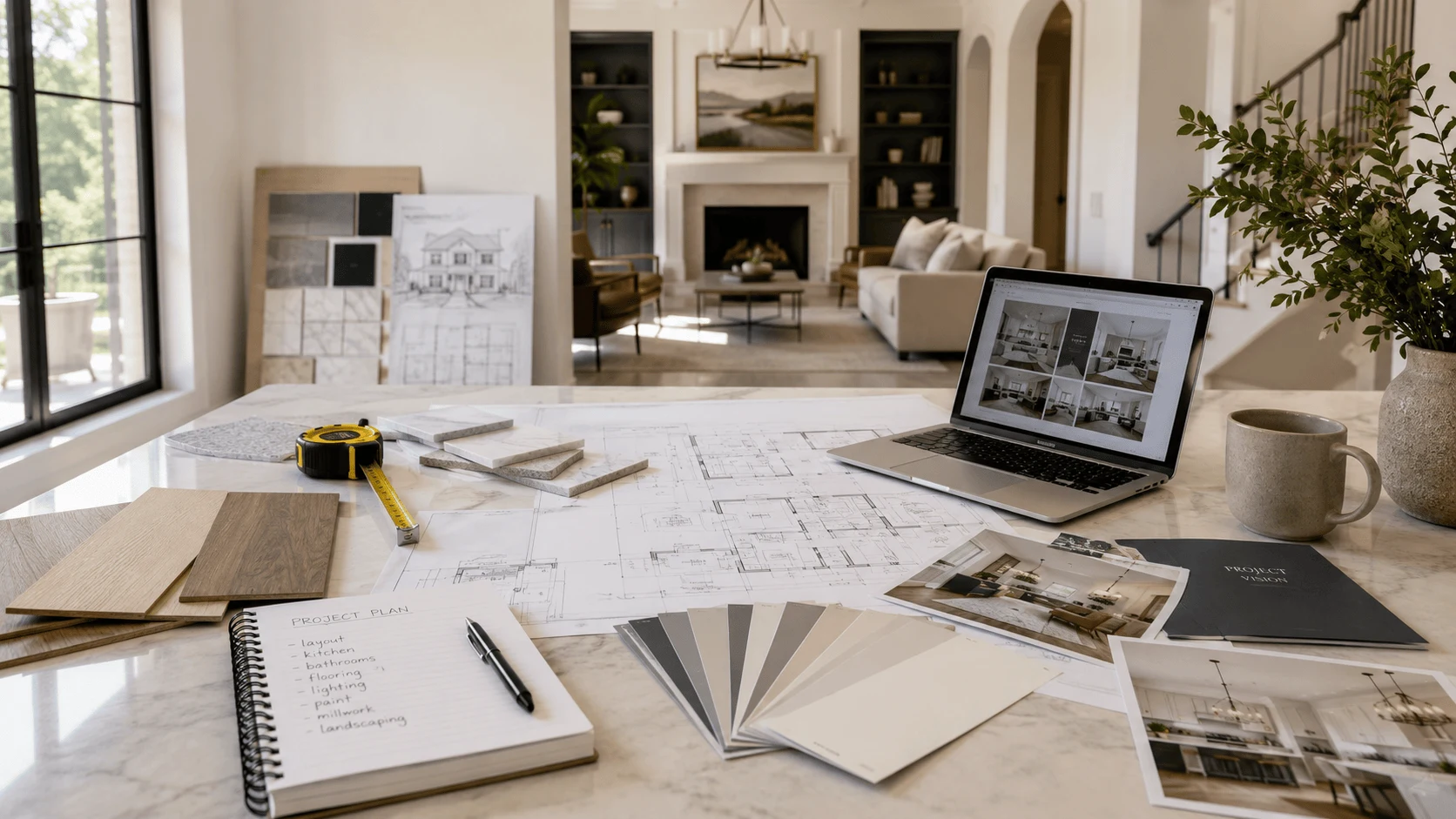
An interior design consultant sells you judgement, not deliverables.
You bring the questions. Should this wall come down? Is this the right marble for a family with two kids under six? Why does this room feel wrong even though everything in it is nice? The consultant brings trained eyes, spatial reasoning, and a great deal of hard-won pattern recognition and hands you decisions you can act on.
A typical interior design consultation includes a walkthrough of your space, a conversation about how you actually live in it, and a set of specific recommendations: layout changes, a colour and material direction, lighting strategy, rough budget guidance, and what to prioritise first. Some consultants deliver this in the room; others follow up with a short written summary or a shopping list you can take to suppliers yourself.
What a consultant does not do is run the project. They will not manage your contractor, chase your joinery, or take responsibility for the drawing set that keeps a build on track. That is a different job.
Here is the part people underestimate: a good consultation front-loads the thinking, and the thinking is where projects are won or lost. Bent Flyvbjerg, the Oxford professor whose database covers more than 16,000 projects, found that only 8.5% of projects come in on budget and on time. His most repeated advice is to think slowly and act fast: plan exhaustively, then build quickly. A consultation is the cheapest way to buy some of that slow thinking before you commit.
Interior Design Consultant Vs Interior Designer: The Honest Breakdown
The cleanest way to see the difference is to look at what you are actually buying, how you pay for it, and who carries the risk.
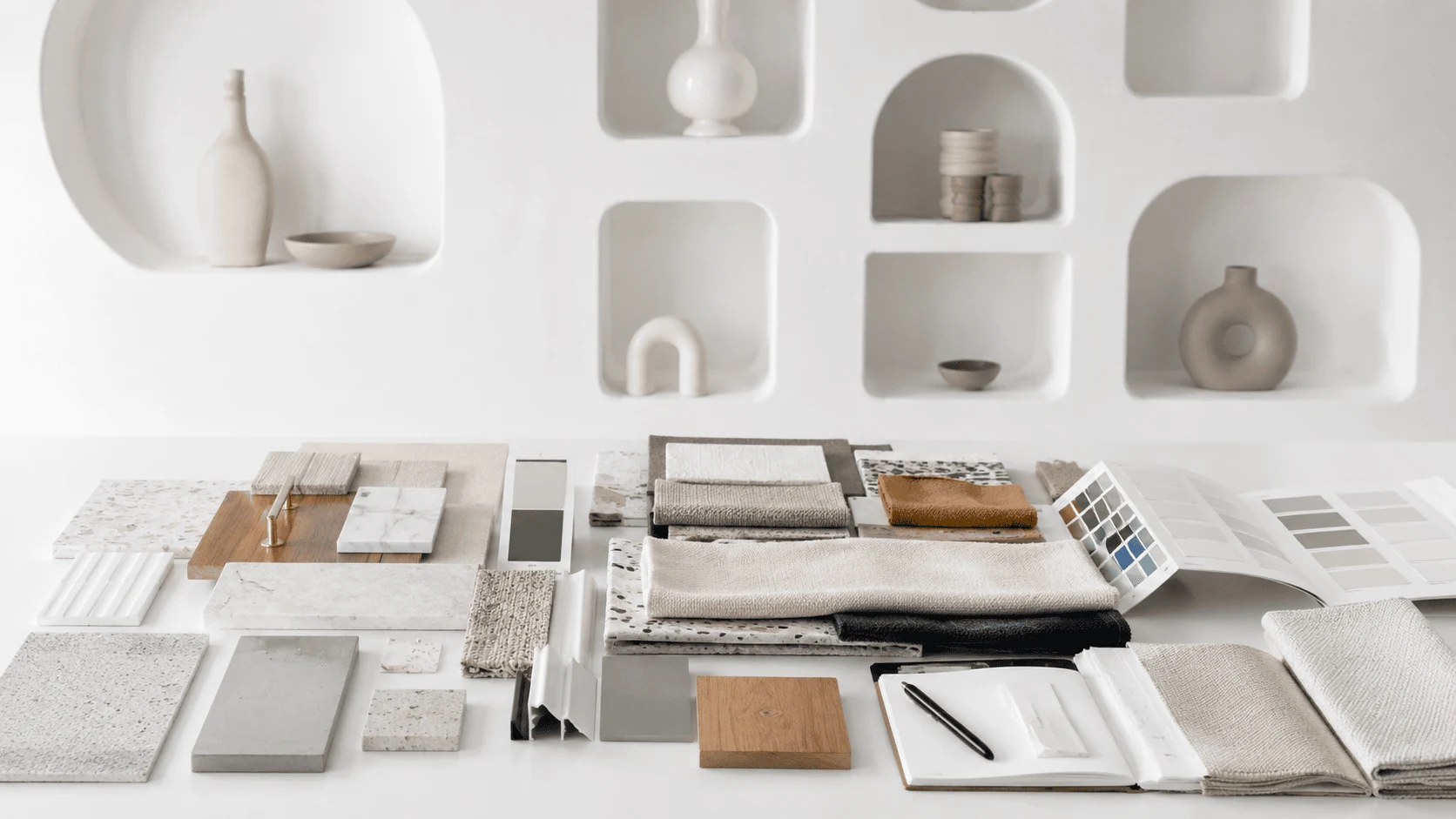
A consultant is engaged for advice, usually billed as a flat fee or at an hourly rate. The relationship can be a single session or a handful of check-ins. You remain the project manager. You keep control, and you keep the risk.
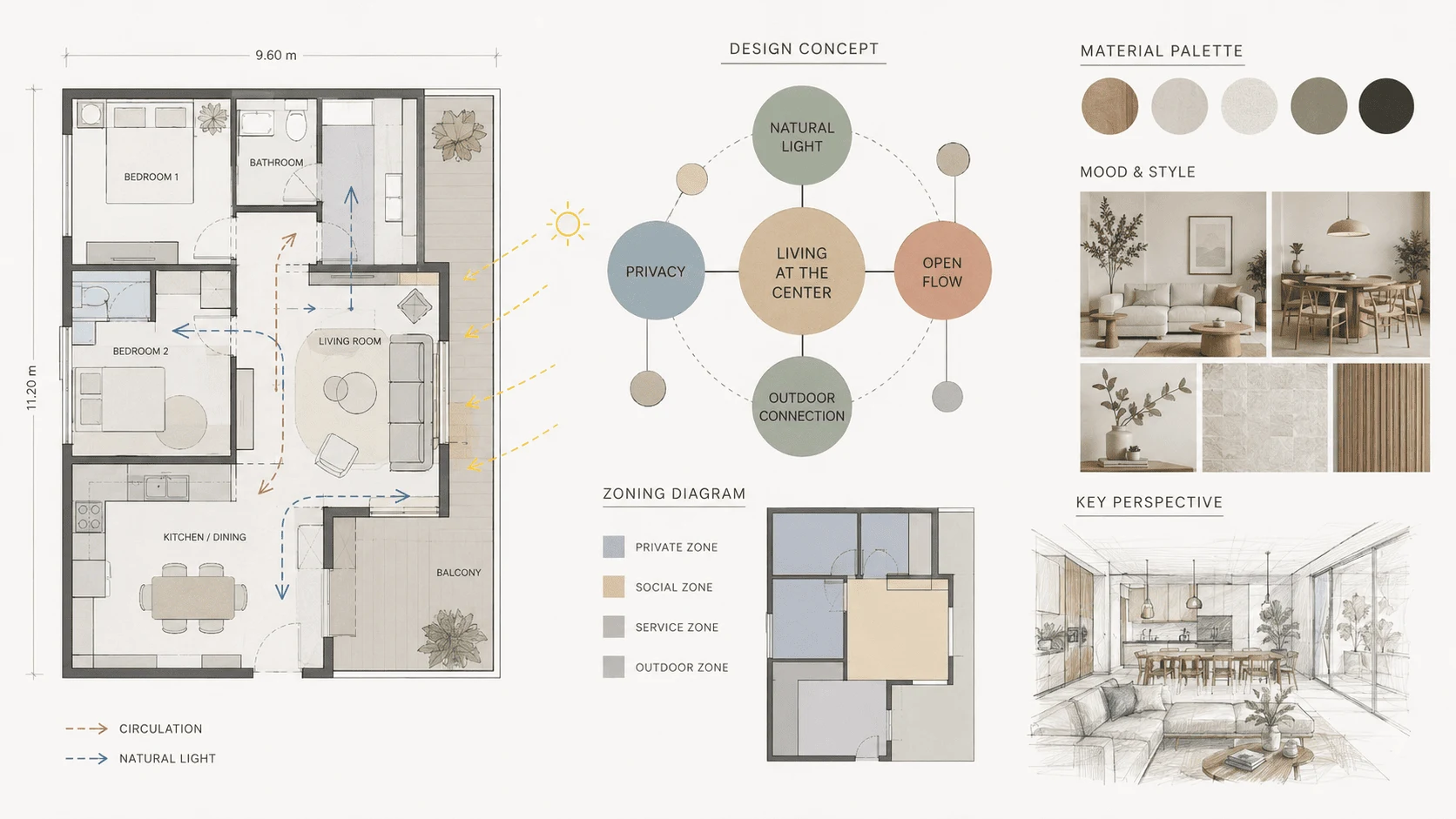
A full-service interior designer is engaged to take a space from concept to completion. That means concept development, detailed drawings, a full finishes and furniture specification, procurement, and coordination with the people building it. Full-service work is priced very differently: a flat design fee, a percentage of total project cost commonly quoted at 10% to 25%, or trade cost plus a markup that published industry guidance puts at roughly 20% to 40%. The designer carries far more of the delivery risk, and you pay for that.
The distinction matters more than it looks, because the two roles fail in different ways when mismatched to the job. Hire a full-service designer for a one-decision problem, and you pay project-level fees for advice-level value. Try to consult your way through a full renovation, and you get advice with nobody accountable for turning it into a finished room, which is exactly where budgets leak.
Arcadis, in its long-running global construction disputes research, found that the leading cause of disputes is errors and omissions in the contract documents, and that specification review is the single most effective way to avoid them. The protection lives in the documentation, and documentation is a full-service deliverable, not a consultation one. A consultant can tell you the wall should move. Only a full design engagement produces the drawing set that makes the builder move it correctly, and accountable if they do not.
Neither service is better. They sit at different points on the same road.
When a Consultation Is The Right First Step

There is a simple test I use. If your problem is a decision, book a consultation. If your problem is a project, you need a designer.
A consultation is the right first move when:
You are stuck on a handful of specific choices. You have three flooring options and cannot commit. You cannot tell whether the sofa should face the window or the television. You want a professional to break the tie with reasons, not just an opinion.
You want to sanity-check a plan before you spend. You already have a rough idea and a budget, and you want someone experienced to tell you where it will go wrong before it does. This is the highest-value consultation of all, and almost nobody books it.
You are buying and want to know what you are really getting into. More on overseas buyers below, because Dubai has a particular version of this.
You plan to do most of the work yourself but want a professional direction to work within, so your DIY effort does not end up looking like a series of unrelated good intentions.
You are early, and the project is not yet real. A consultation is a low-commitment way to find out whether your idea is sound, what it might cost, and whether you even need a full designer at all.
That last point is the one I care about most. The best reason to start with a consultation is that it tells you honestly whether you need to spend more. Sometimes the answer is no, and a good consultant will say so before you have spent a dirham on design.
Why Starting With a Consultation Protects Your Budget
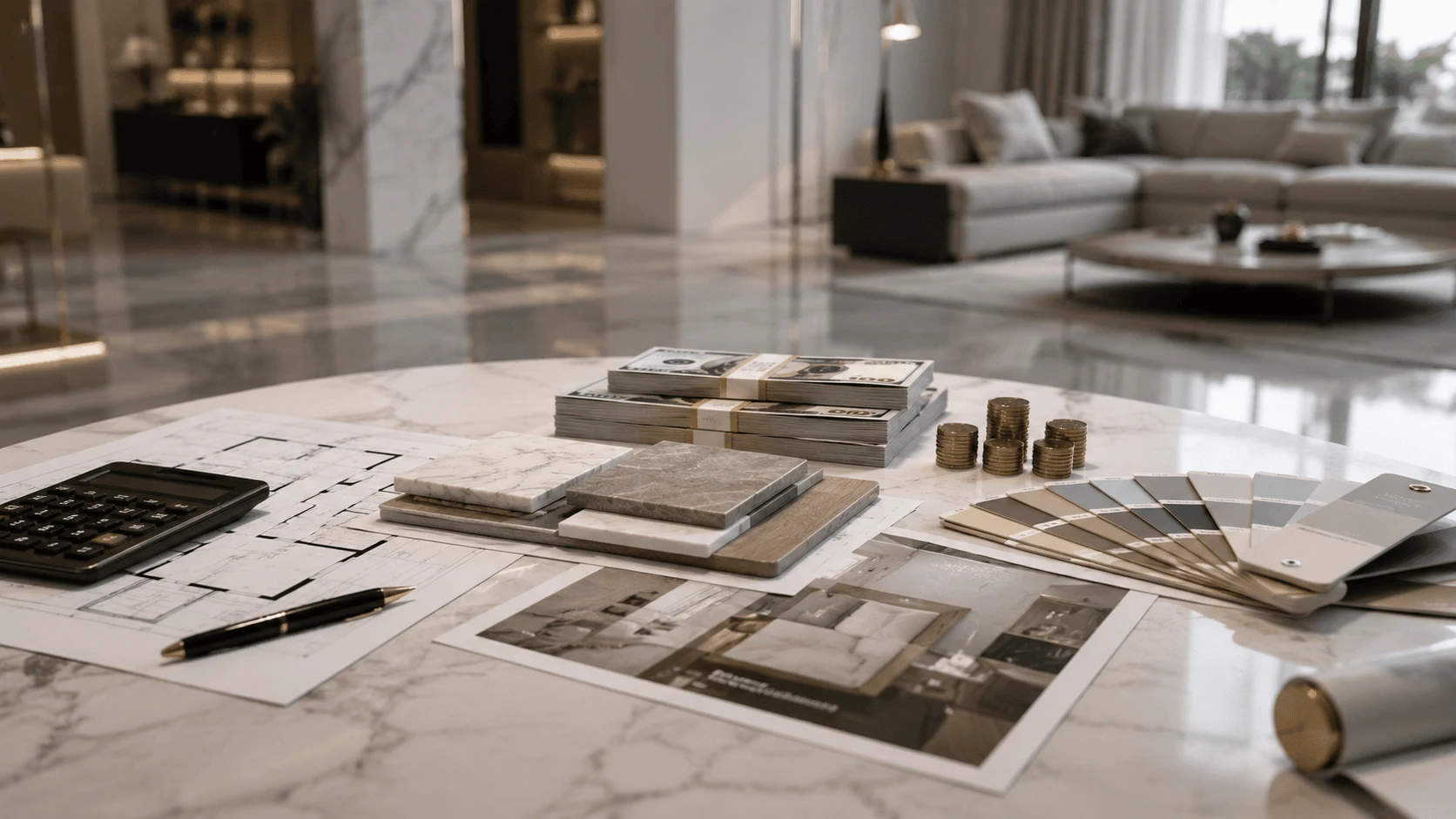
Let me make the strongest case for the consultation-first approach, because the data behind it is persuasive and almost nobody talks about it. The money in an interior project is not lost on-site. It is lost in decisions made too late.
Houzz’s 2026 study of more than 20,000 homeowners found that on a kitchen project, people spent an average of 9.5 months planning and only 5.8 months building. The thinking took longer than the construction. And of the homeowners who set a budget, 37% still went over it. The top reasons were that products cost more than expected and that they changed their minds about materials partway through. Those are planning failures, not building failures.
Now, let’s move to a more regional picture. HKA, whose CRUX research is the largest construction-claims study in the world, examined 480 Middle East projects and found incomplete design disrupted 26.3% of them, against 17.7% elsewhere, with the pressure to start before the design was resolved affecting more than half. The lesson HKA draws is blunt: go slow to go fast.
A consultation is how you go slow at the only stage where slow is cheap. Two or three hours with someone who has resolved these decisions hundreds of times can catch the layout mistake, the material that will not survive Dubai humidity, or the lighting plan that leaves a room flat, before any of it is priced, ordered, or installed. Once a decision is made, unwinding it becomes a variation, and variations are the most expensive line items in any project because they are priced with no competition and no bargaining power on your side.
Put simply, the consultation is the highest return on investment in the entire process. It is the one stage where a small spend prevents a large one.
How this plays out for different Dubai buyers
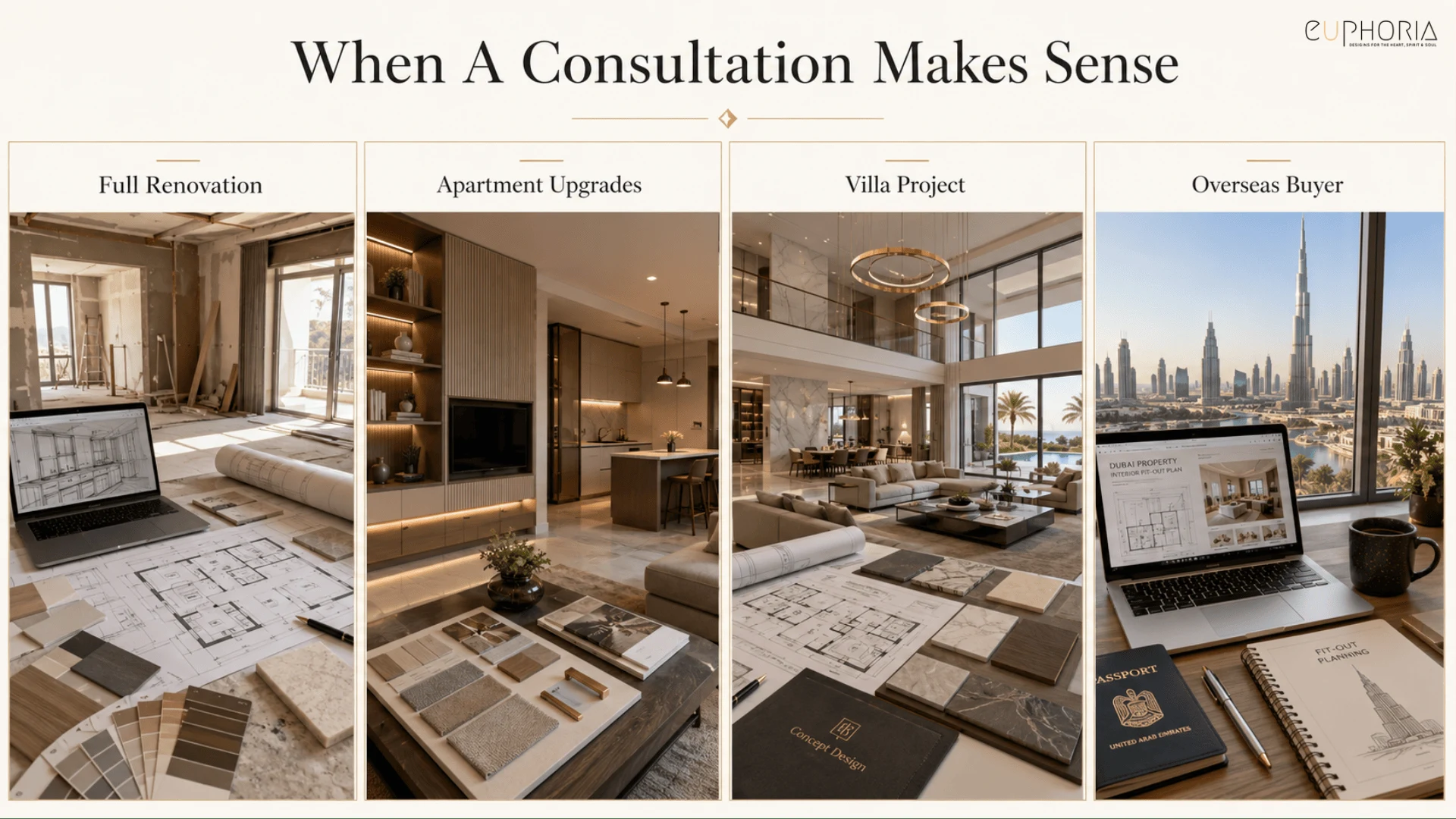
The right first step depends a great deal on who you are and what you own. Here is how I would advise four very different people.
The homeowner is planning a full renovation
If you own your villa or apartment and you are doing a genuine renovation, moving walls, redoing kitchens and bathrooms, changing the layout, you will need a full-service designer eventually. But start with a consultation anyway, to pressure-test your priorities and budget before you commission drawings. It is the difference between commissioning a design you have thought through and one you are only hoping is right.
The apartment owner is making targeted changes
Apartment projects are often about doing a few things well rather than everything at once. New joinery, a reworked living area, better lighting, smarter storage. Many apartment owners are genuinely well served by a consultation plus a light touch of design support, rather than a full package. A consultant can tell you which two changes will transform the space and which five are not worth the disruption. One caveat specific to apartments: almost any structural or wet-area change needs a building-management or landlord NOC before you touch anything, and that approval is frequently the slowest step in the whole project. Ask about it during the consultation, not after. The riskier questions deserve their own warning before you hire an interior design company.
The villa owner is building something substantial
Large villa projects are the clearest case for full-service design, because the number of interdependent decisions is beyond what any consultation can hold. But even here, an initial consultation earns its fee: it helps you interview designers from a position of knowledge, agree a realistic scope, and spot early whether your vision and budget are in the same room. On a project this size, the consultation cost rounds to nothing against the cost of getting the brief wrong. Commercial briefs like workplace interior design are where the consultant question matters most.
The overseas buyer is purchasing property in Dubai
This is the buyer who benefits most from a consultation and the one who books it least.
If you are buying from abroad, you are making decisions about a space you may have only seen in renders, in a market whose materials, climate, and approval process you do not know intimately. A consultation, even a remote one, gives you an independent read on what the property actually needs, what a realistic fit-out will cost, and what to prioritise, before you are committed and managing it all from another time zone. It is a small, sensible piece of due diligence on what is usually a very large purchase.
Where to start
If you take one thing from all of this, let it be the timing. The most valuable moment in any interior project is before it becomes a project, when the decisions are still cheap, and everything is still possible.
You do not have to commit to a full design engagement to get professional clarity on your space. Sometimes a single focused conversation is all it takes to know exactly what to do next, and whether you need us for the whole journey or just this one turn in the road.
Book an interior design consultation with Euphoria Interiors, bring your questions and your floor plan, and leave knowing exactly where your money should and should not go.