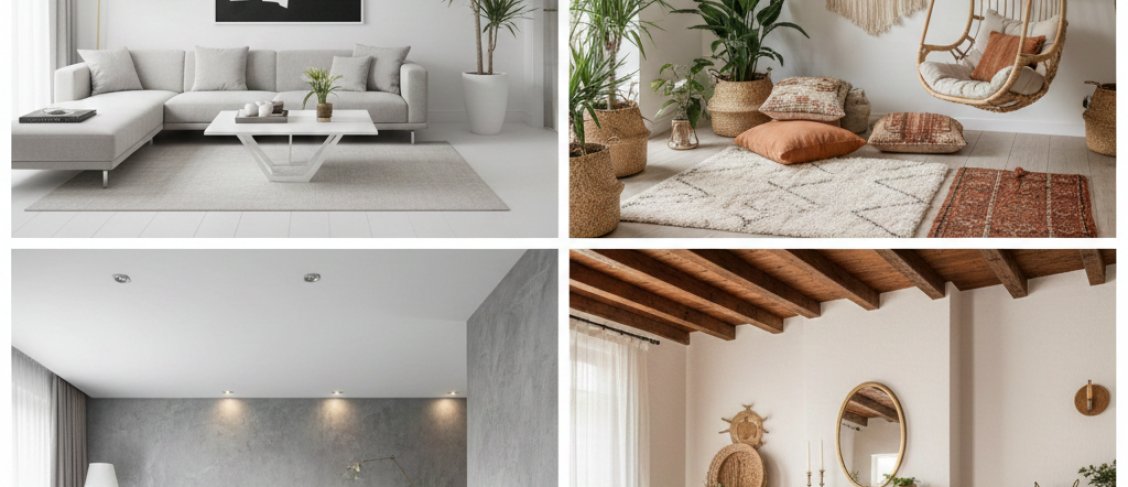
You look at a gorgeous room on the Internet or go to a house of a person and think, I like this style. But what style is it exactly? It does not need professional training to determine interior design styles. All that is required is the knowledge of where to look and how to match what you find with known categories of design.
Start by Observing the Space
Have a keen eye for the room before making judgments. Record those colours in the first place, which are neutral, bold, or earthy. Note furniture forms, are they highly ornate and curved, or are they straight or minimal?
Check what materials are utilized in the whole space. Does it have a lot of wood, a lot of metal, a lot of glass, or a lot of cloth? Observe textures as well, clean stuff, or coarse materials, and layered fabrics.
Notice decorative elements, including beanwork, crown molding or plain walls. These are the features that give indications about the style as a whole. Record some notes on these observations in writing or in your mind, and pass to step number two.
Wellness-focused interiors emphasize balance and energy flow, and following bedroom Feng Shui tips can help create a calm, harmonious environment that supports rest and positivity.
Compare what you see with standard Styles.
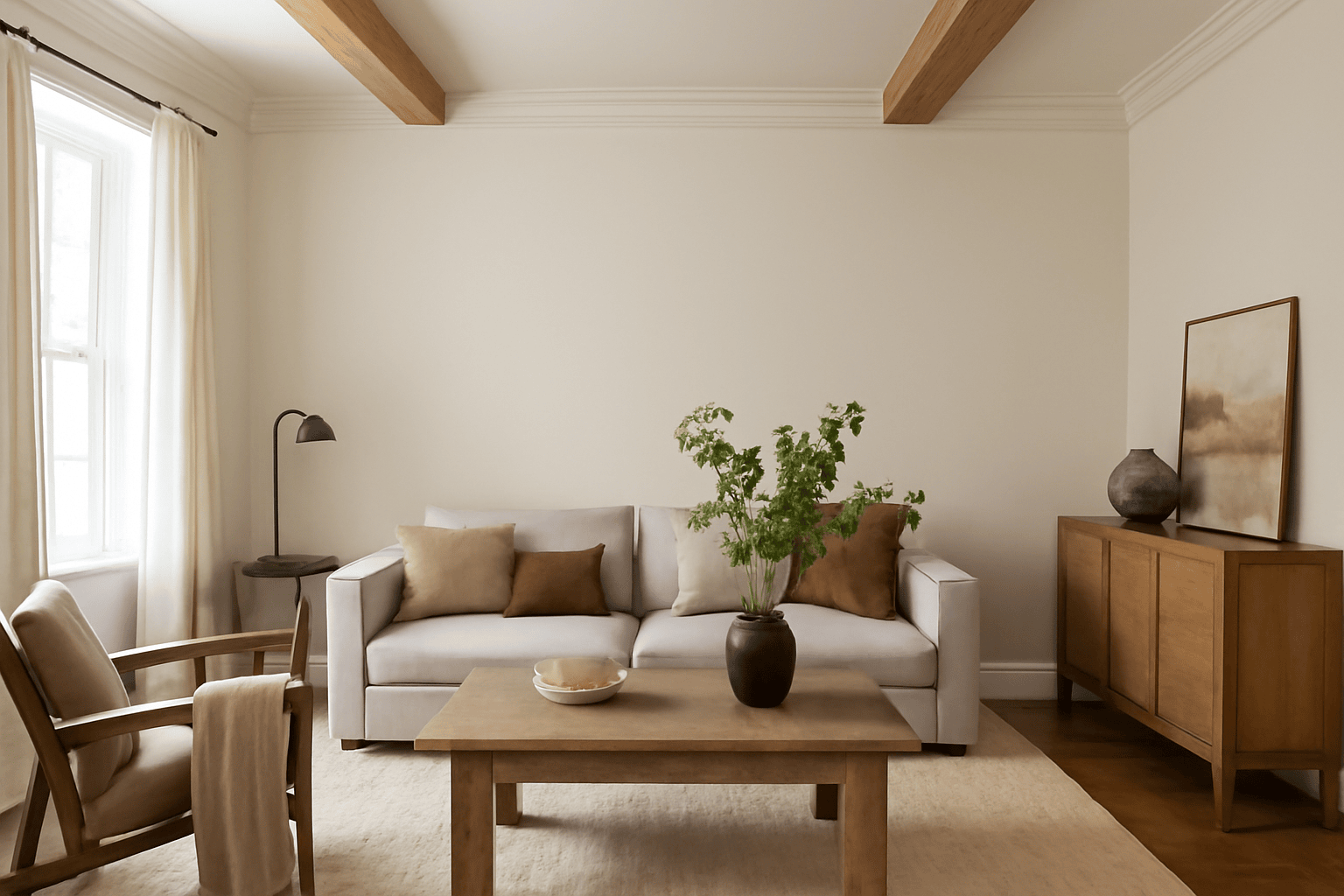
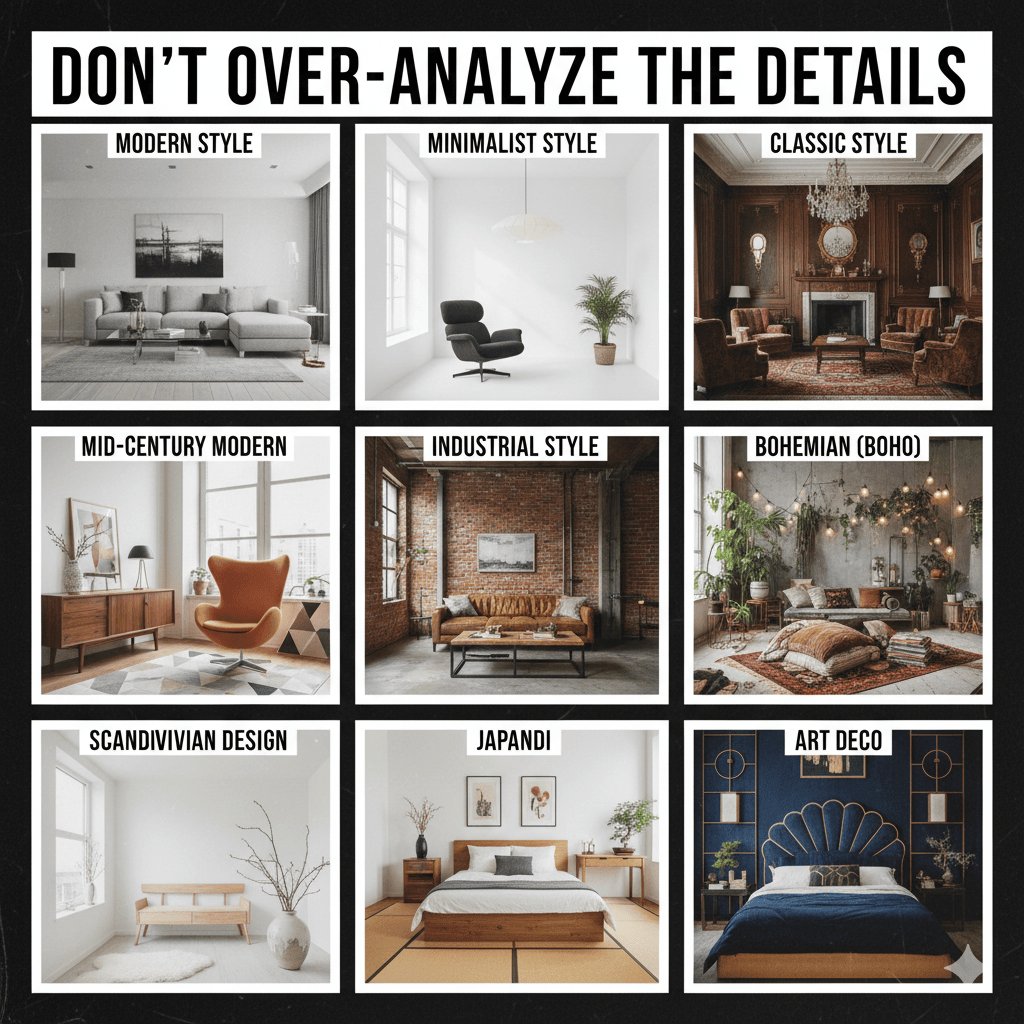
Once the key aspects have been identified, contrast the points with standard design styles. The modern style is a clean or uncluttered style of design which deals with simplicity, usefulness, design. It is characterized by open spaces, straight lines, and little ornamentation. The use of neutral colours, white, gray, black, and beige, along with materials such as glass, steel, and wood, forms a smooth, harmonious, and elegant ambience.
Minimalist style is concerned with being simple, clear, and functional, the concept of less is more. The spaces are uncluttered and with clean lines, neutral colours,
and only the necessary furniture. The combination of natural lighting, flat surfaces, and subtle textures forms an atmosphere of peaceful intentions, tranquility, and harmony that is not overloaded.
Classic style comprises a deep usage of wood, exquisite details, old-fashioned furniture ideas such as tufted couches, and carved wooden furniture. There will be symmetry, formalities, and romantic textures. The Colours are warm and neutral, deep red, and gold.
Mid-Century modern introduces rounded furniture, tapered legs, as well as a combination of natural and synthetic materials. There are orange, teal, and mustard colours and wood colours. The look is retro but clean.
Industrial style embodies exposed bricks, metal facades, and coarse surfaces. Think warehouse-inspired with exposed pipes and concrete floors, and metal or leather furniture. Colours are normally neutral, and the accents are normally black and brown.
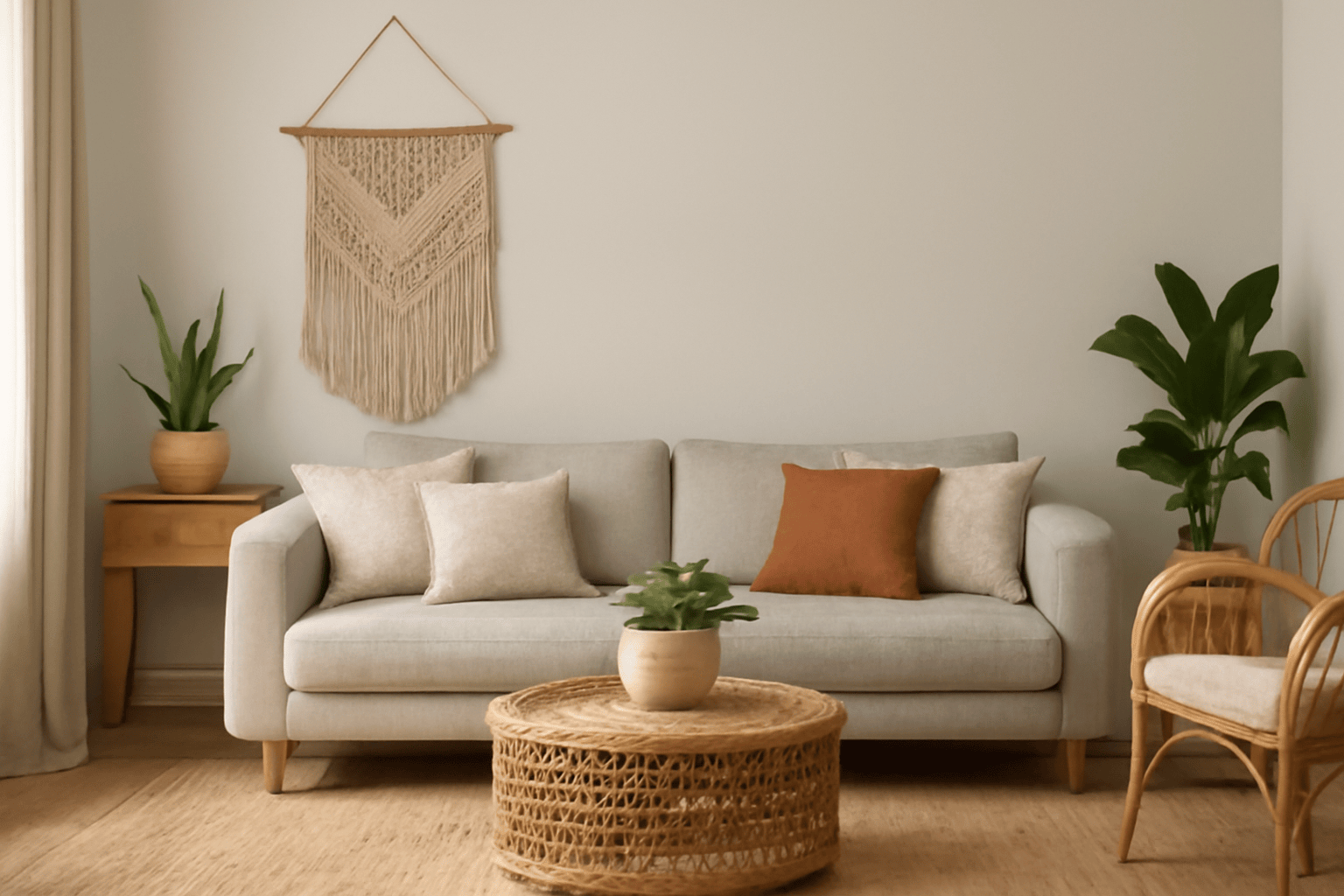
The features of the Bohemian (Boho) style include a multi-layering of pattern, texture, and colour. You will find plants all over, mixed fabrics and gathered things, and stuff. It is not exactly right, but everything is compatible.
Scandinavian design is based on light colours, low-tech materials, and practical minimalism. Light wood, white walls, and comfortable fabrics produce a light and airy atmosphere. It is not overly cluttered and not overly comfortable.
Japandi is a mixture of Japanese minimalism and Scandinavian coziness. Neutral, natural colours, natural materials, clean lines, and a deliberate space will be expected. Nothing is lost in point or design.
Art Deco is a 1920s-30s style of design that uses heavy geometry, symmetry, and quality materials, such as marble and brass, and lacquered wood. It takes jewel finishes, smooth surfaces, and sophisticated details to show the feeling of glamour and sophistication, and classical modernity.
List Important Features That are Unique
Once the comparison of styles is made, check three or five features defining the space. These are the elements that instantly attract your attention, and which are repeated all over the room.
To illustrate, you could mention such characteristics as straight lines, all-white walls, and storage hiding. Or maybe antique curved furniture, cozy wood colours, and brass decorations. These are the characteristic features that will help you reduce the style to a set number of features.
Pay attention to the most important, not all the details. When you notice a single ornamental pillow that does not suit the mood in general, disregard it. Find elements of repetition in choices in design.
Check the Mood or Overall Feel
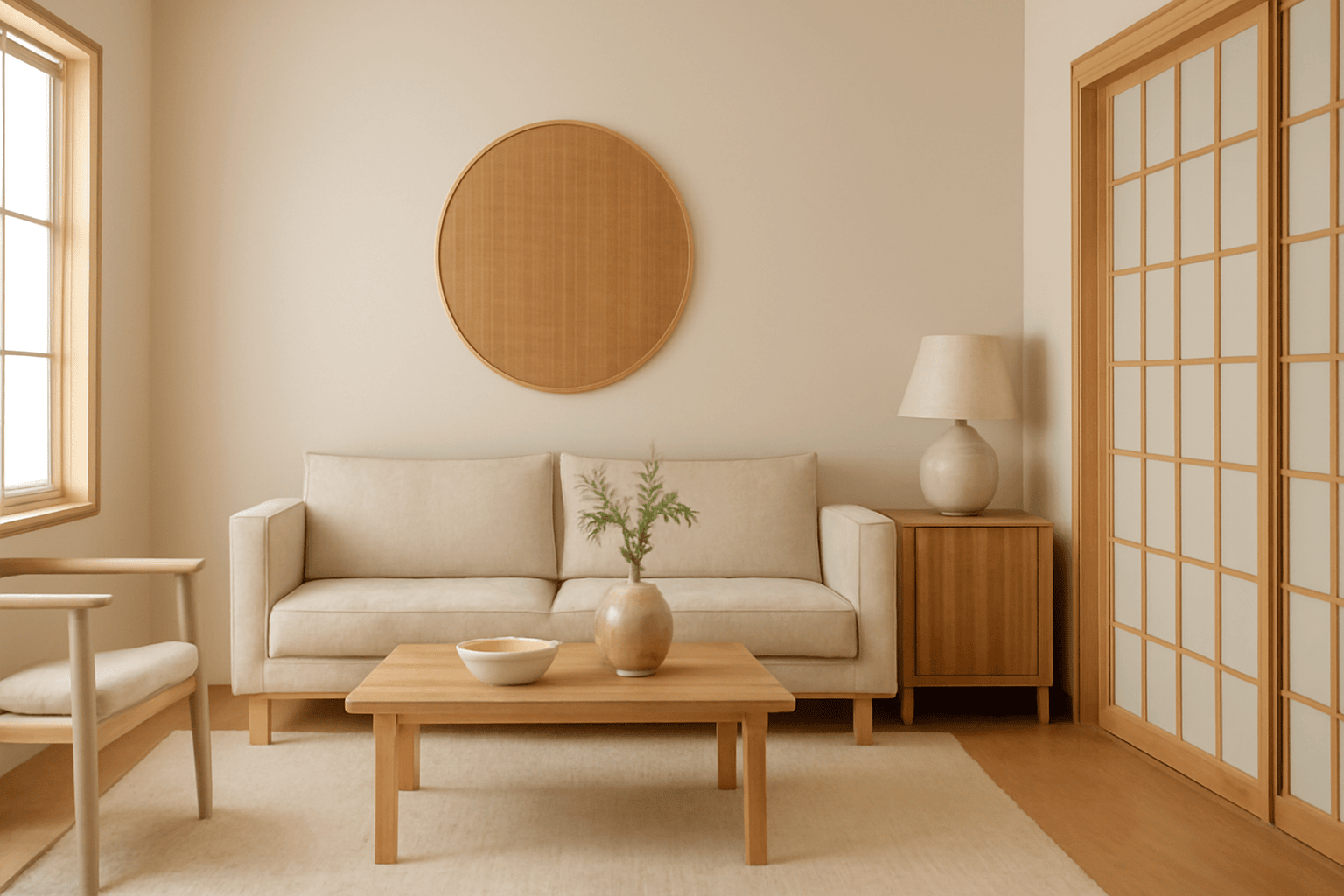
Other than the physical features, determine the way the space feels to you. Does it feel calm and serene? That implies Scandinavian or Minimalist.
Is it cozy and collected? You are probably viewing Boho, Traditional, or vintage interior design. Is it sophisticated and good-looking? The style could be Traditional or Modern Luxury.
When the space is rough and gritty, then it is most likely that it has an Industrial design. Whimsical and vintage refer to Mid-Century Modern. The emotional reaction serves to verify your identification of your style.
It is the mood that usually matters more than individual pieces. Modern furniture can make a room look warm and inviting, provided that it is decorated with appropriate colours and textiles.
For those who appreciate cultural richness and handcrafted aesthetics, Lanna décor interior design offers a timeless style inspired by traditional Thai elements blended with modern elegance.
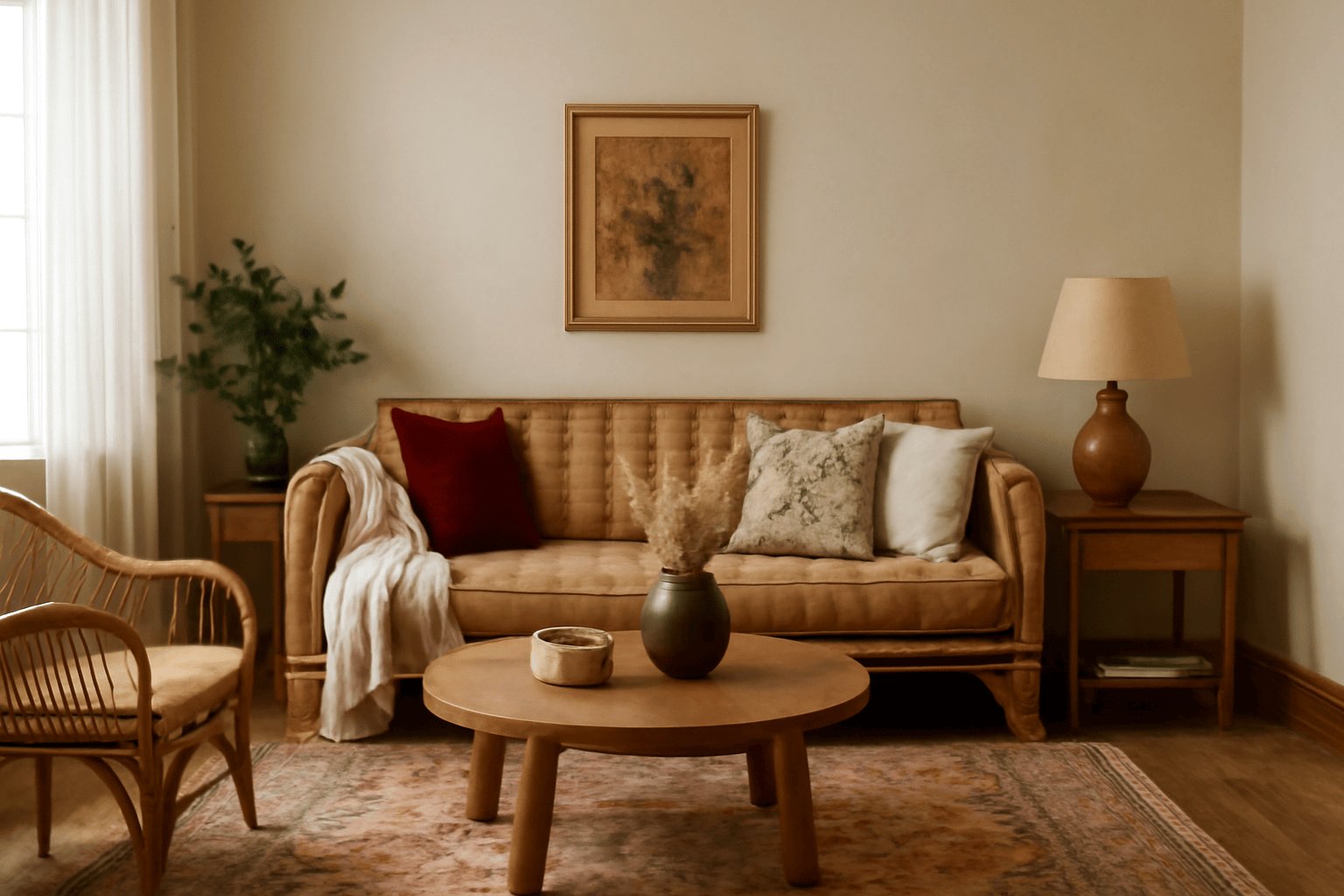
Use Reference Images Online to Confirm
When you are in a guess, go and look it up on the Internet. Draw several examples and see whether they are similar to the one you noticed. Image search: Type “Scandinavian living room” or “Industrial bedroom”.
Research on internet interior design websites that already have styles that are categorized and explained. Compare their examples of the space with your photographs or recollections of the space. It is a confirmation measure to eliminate mislabelling.
In case your input does not correspond to the reference pictures, make a different choice. Occasionally, you may believe you are dealing with Modern when it is really Minimalist, or think you are dealing with Boho when it is really Eclectic. These differences are explained by reference to pictures.
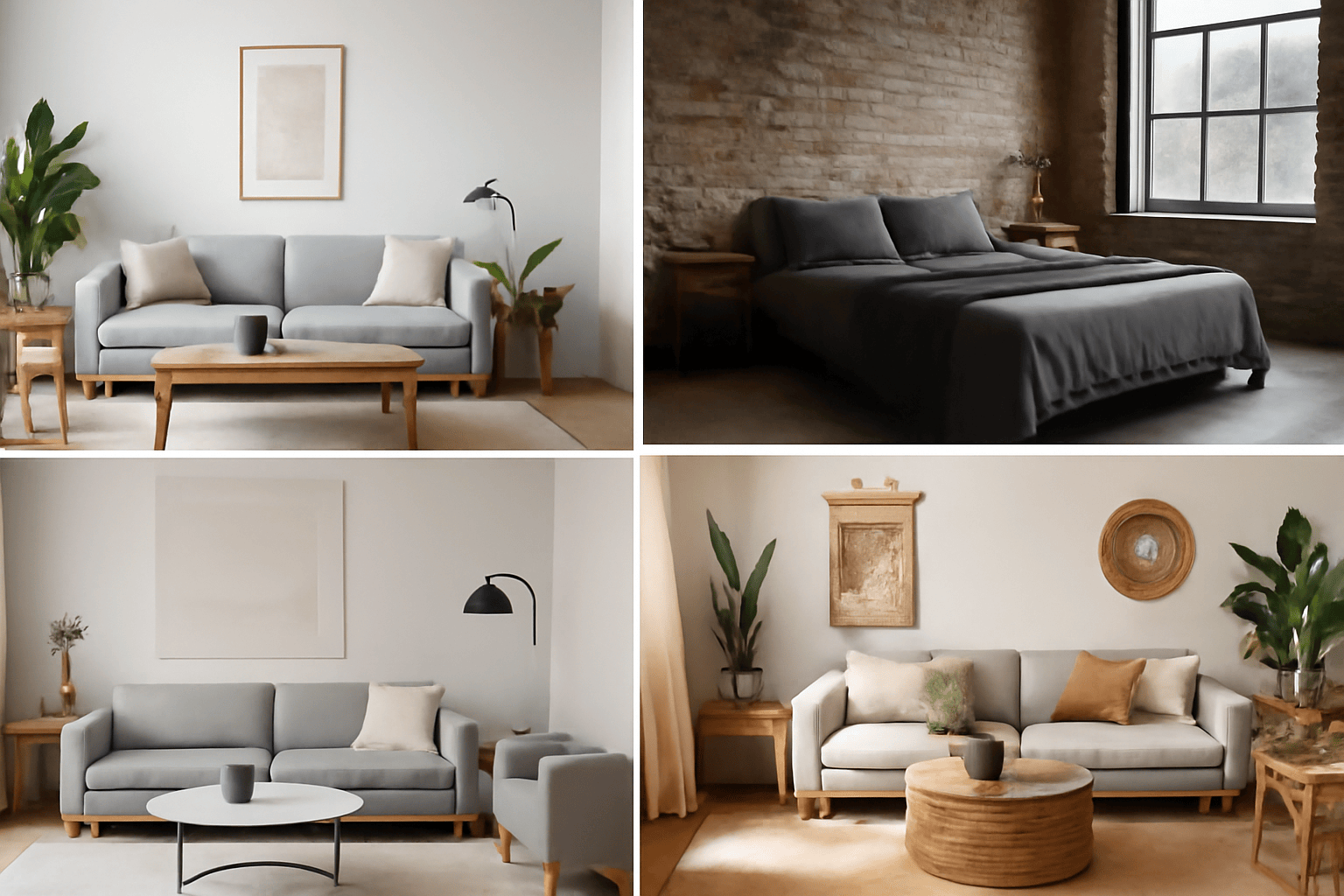
When Styles Combine, Choose the Overriding One
Most of the real homes are a mixture of several styles instead of one. This is quite natural, and it may even appear superior to a fixed course of action. It is your task to determine the predominant style.
See what style affects most of the decisions. When 70% of the room contains Scandinavian and some Boho materials, then say Scandinavian with Boho accents.
Select one dominant style and one or two styles of accents.
It is better to maintain the colour and material palette even in a case of mixed styles. This will avoid confusion of the space. Natural materials and neutral colours are safe to use and appear in nearly any style blended.
Do not label every item separately. All you need to do is determine the main style and state what is combined. As an example, “Mid-Century Modern and Industrial accents” or “Traditional and Modern modernizations”.
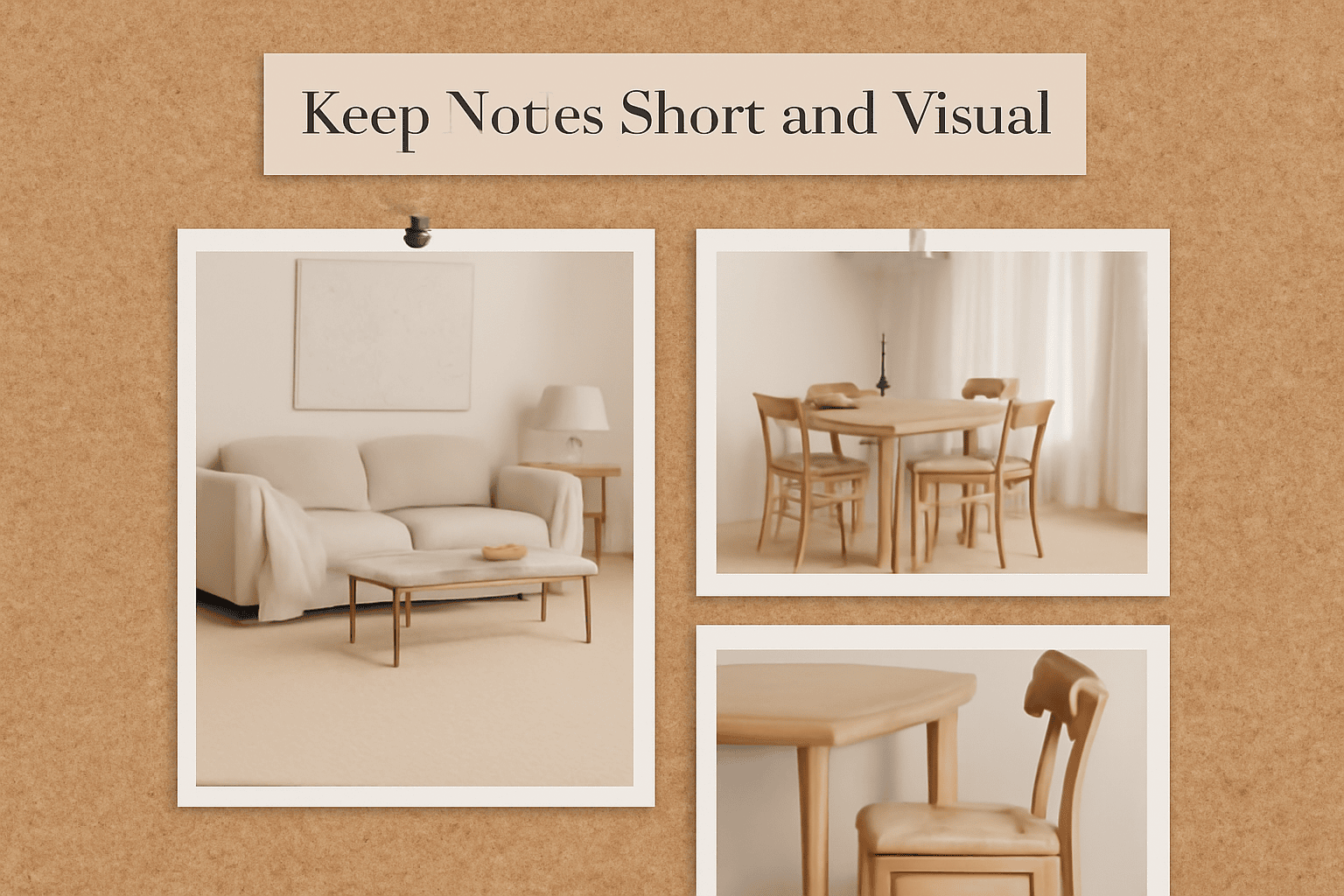
Keep Notes Short and Visual
In writing styles, concentrate on what makes up the general appearance. Do not describe all of the things in the room. Rather, stomp the soul in one or two words or pictures.
Snap as many shots of the substance that highlights features that can be empirical of the style. An image of the furnishing tells better than pages of commentary. Prepare a folder or a board with these visual references.
The questions you would have to answer in your notes are: What do you think is the prevailing palette? What materials appear most? What’s the furniture style? What’s the overall mood? All you need is within these four questions.
Don’t Over-Analyze the Details
Style identification is not a matter of perfection, and the search for all technical terms. It is not an academic paper that you are writing. You simply wish to categorize the appearance to reproduce it or write about it.
In case it does not fit in a single category, it does not matter. Simply be near to convey style to others. Perfect description, Modern with warm touches.
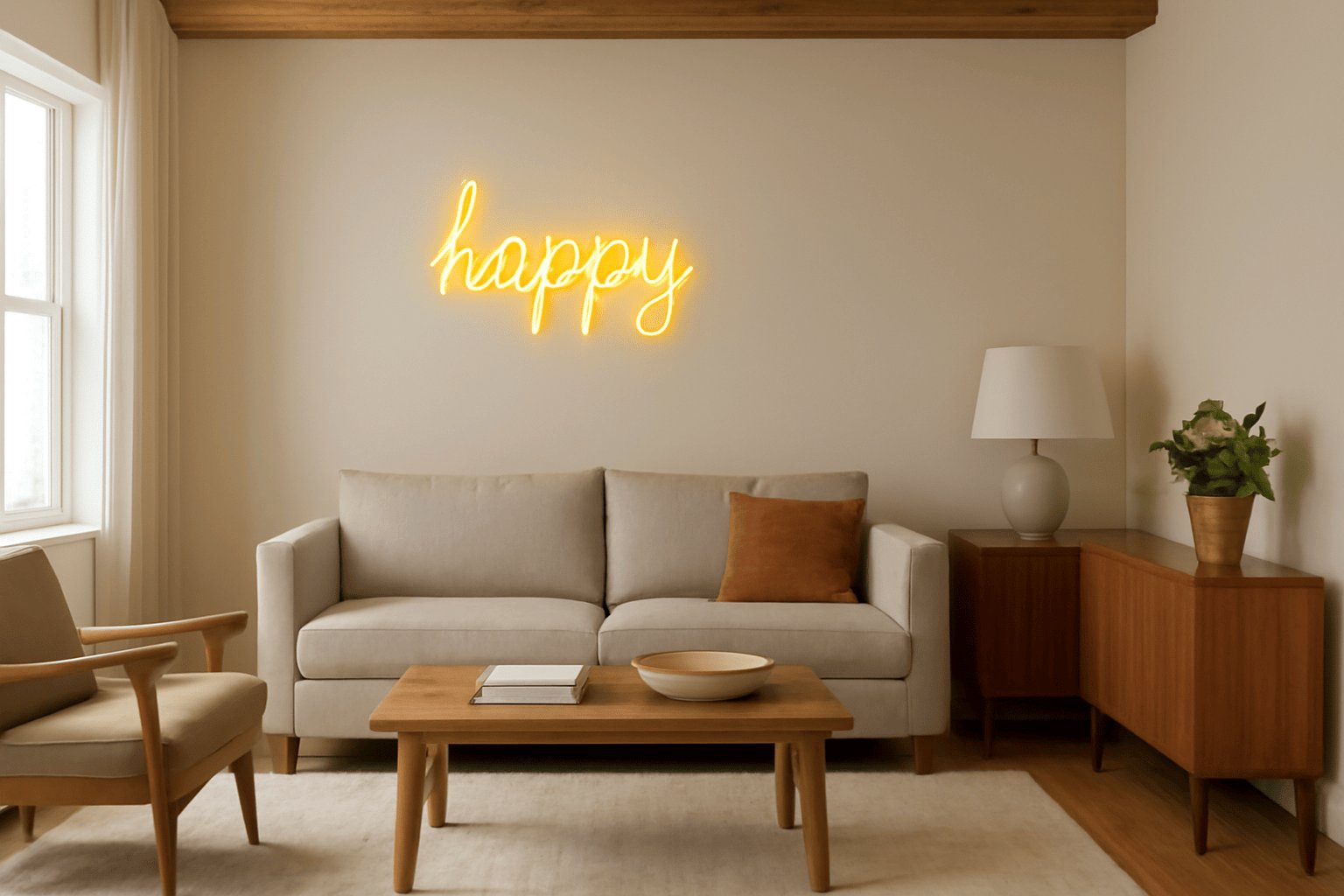
Do not feel stuck about one accessory or things that can make your home look cheap, not in line with the general style. The person may be Scandinavian-designed, but with a single neon sign. Ignore outliers.
Compare and contrast the style using the patterns that prevail. Trust your observations. And, in the event that it appears industrial to you, it is likely to be.
Choose the Elements You Liked Most
Once the style has been identified, select certain elements that you would wish to replicate. Perhaps you liked the curved sofa in Mid-Century Modern but not the orange colour. Take what works for you.
Write down elements that are truly nice to you of each style that you have studied. Maybe you are fond of Scandinavian bright, Boho textures, and metal accents of the Industrial. It is your own way of style coming out.
Pair these patterns and your favourite patterns of colour combinations. In case you are fond of warm neutrality and natural wood, pick such elements of style that are compatible with it. This creates consistency.
The design will be a unique design of yours. It could be called a single style, yet it is an edited assortment of things that you adore. It is the way personal style is created, by determining what is pleasant and working with it.
Conclusion
Once you have an idea of what to look at and how to make a comparison between your findings and those that are already known, it becomes easy to identify interior design styles. There is no need to worry about perfection; just pay attention to the prevailing features, the general mood, and major materials that characterize the space.
After picking the style you like, you choose the aspects you like the most and make them yours, changing the colour and material to fit your taste in order to make something that is distinct to you.