
Villa Interior Design company Dubai for Homeowners Who Want Calm, Effortless Luxury, Not Chaos
It deserves a thoughtful Villa Interior design team that executes it like their own home.
Dear Villa Owner,
You’ve probably saved hundreds of references. Sent screenshots to your spouse at midnight. Walked through your villa imagining where the sofa would go, how the light would fall, how guests would react when they enter.
And yet… when it’s time to actually start, it feels overwhelming.
Too many designers. Too many opinions. Too many “luxury” promises.
I know this because almost every villa owner we meet in Dubai tells us the same thing:
“I just want someone who understands my taste… and handles everything properly.”
That’s why we don’t just design spaces. We create homes that feel aligned with who you are refined, functional, and effortless to live in.
With clear budgets. Clear timelines. No chaos.
If you’re standing at that starting point right now excited but unsure you’re not alone. And you don’t have to figure it out alone either. Warm regards,

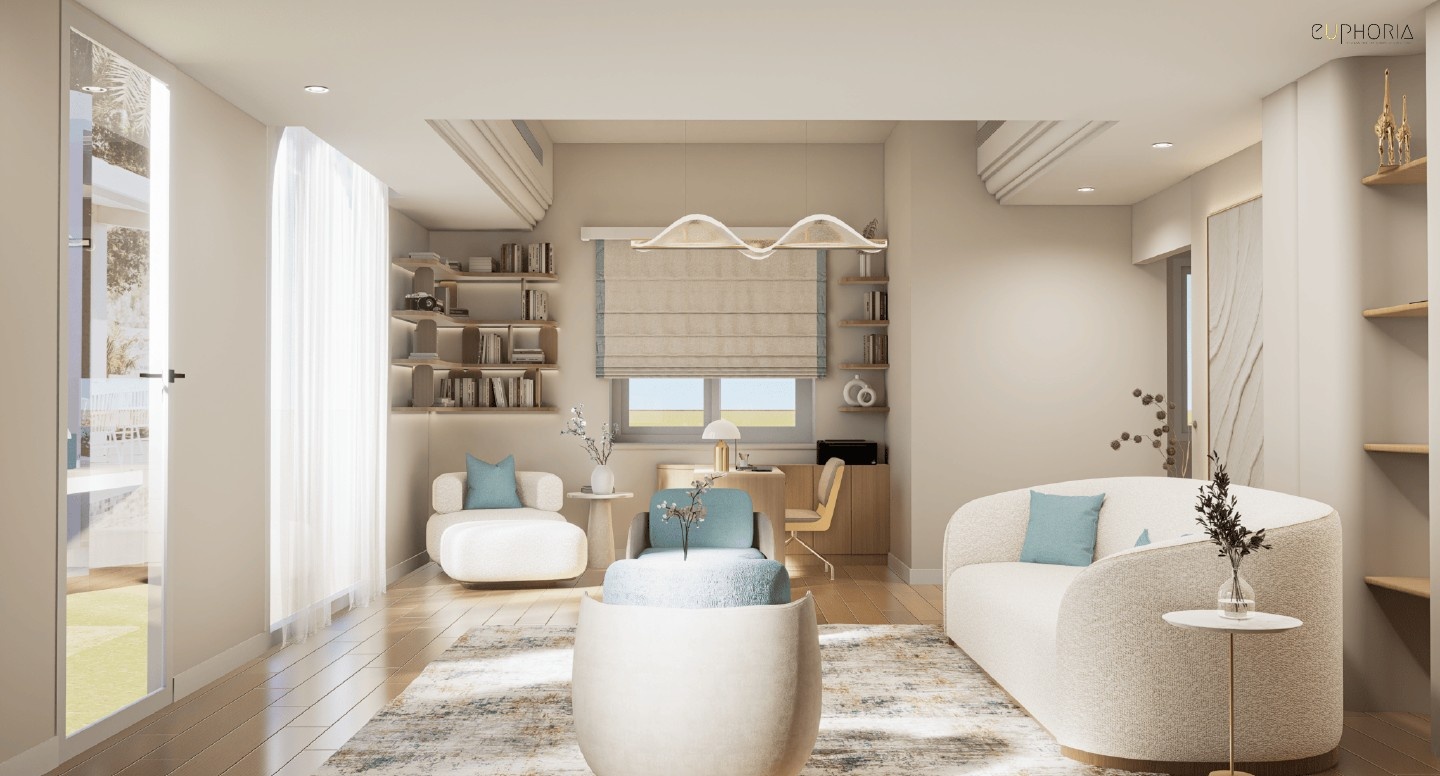
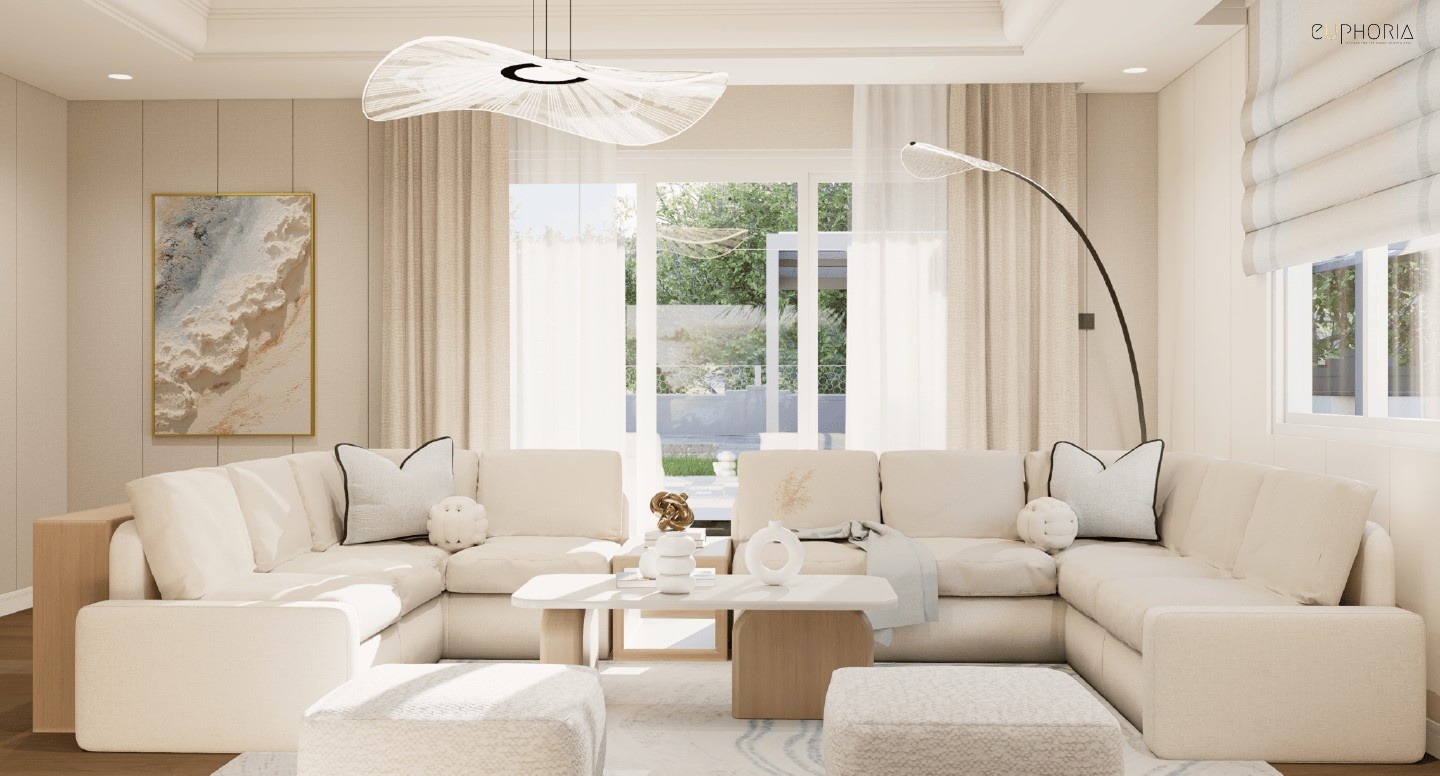
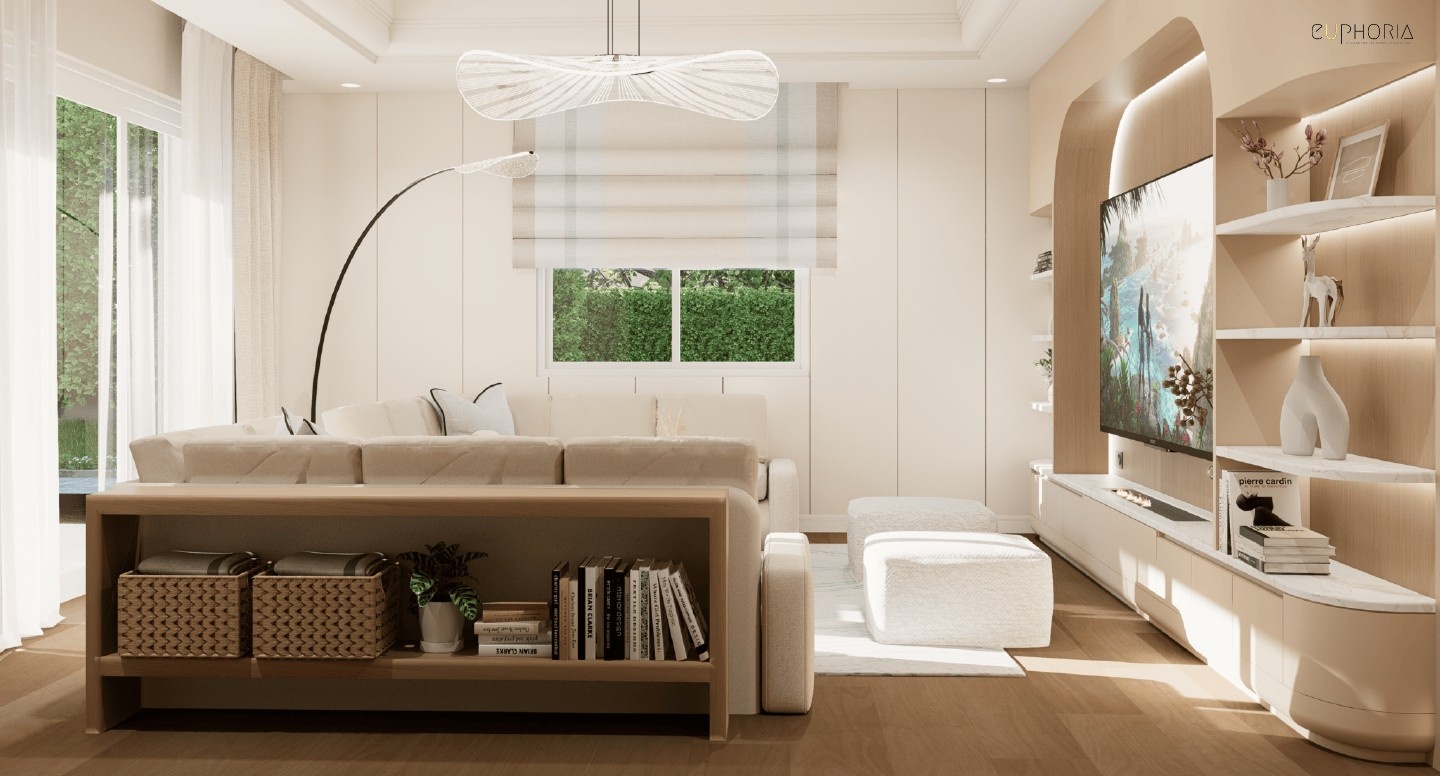
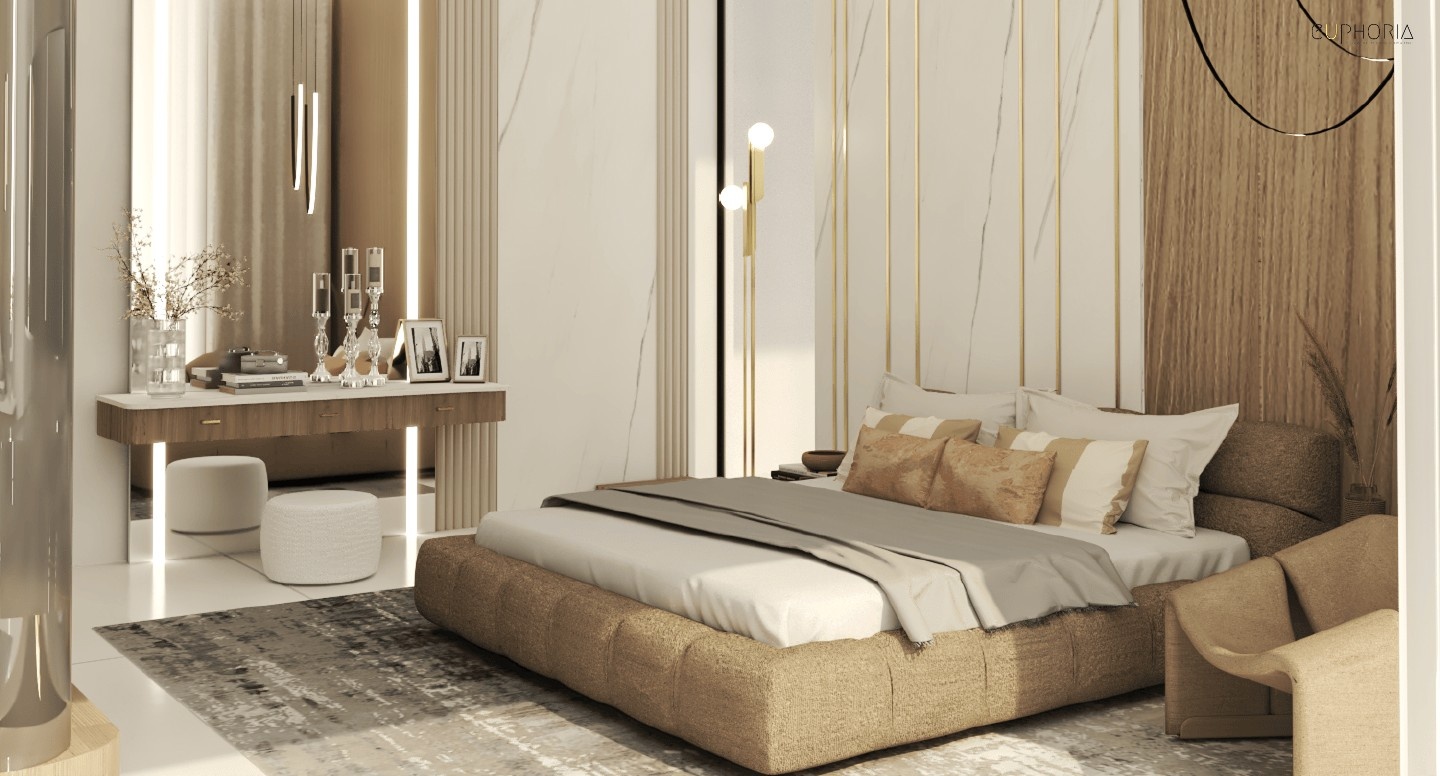
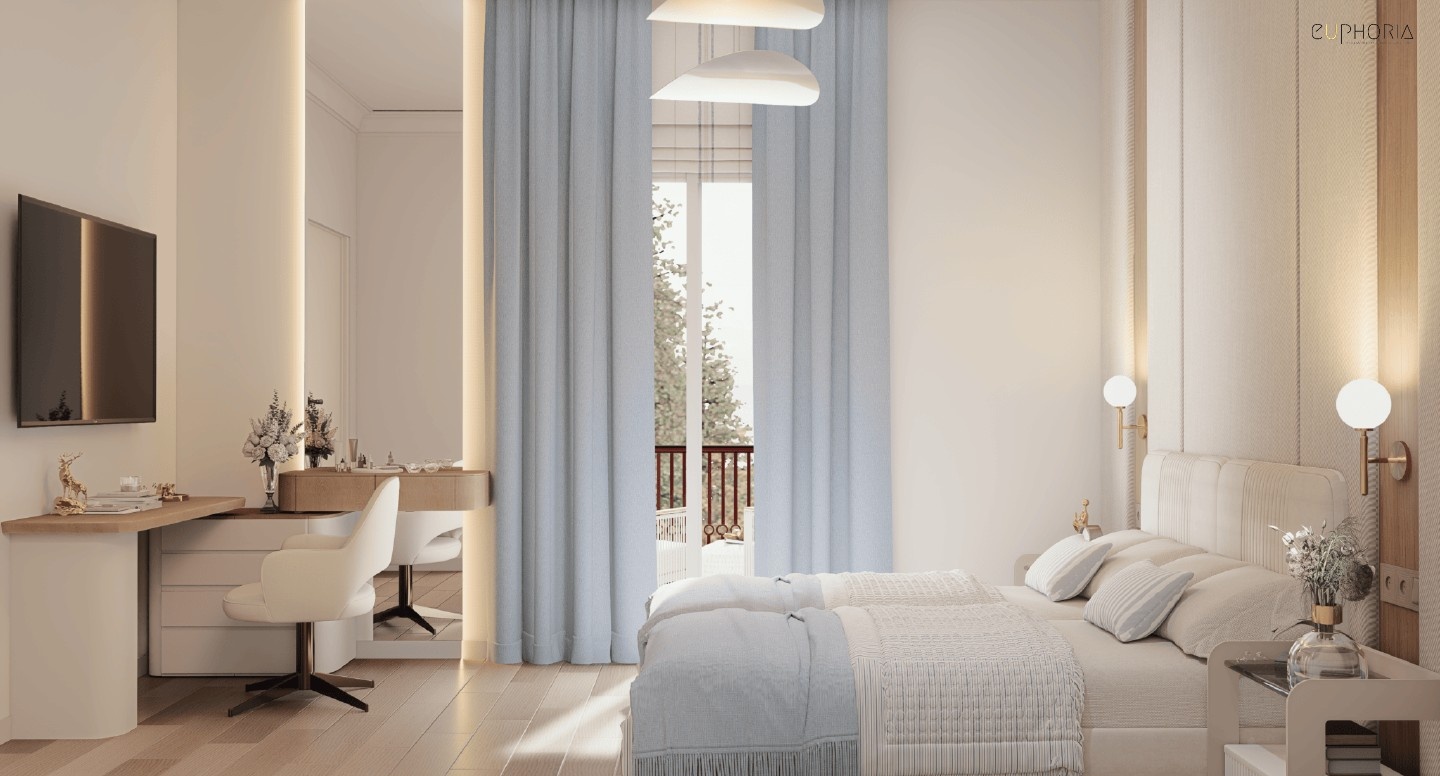
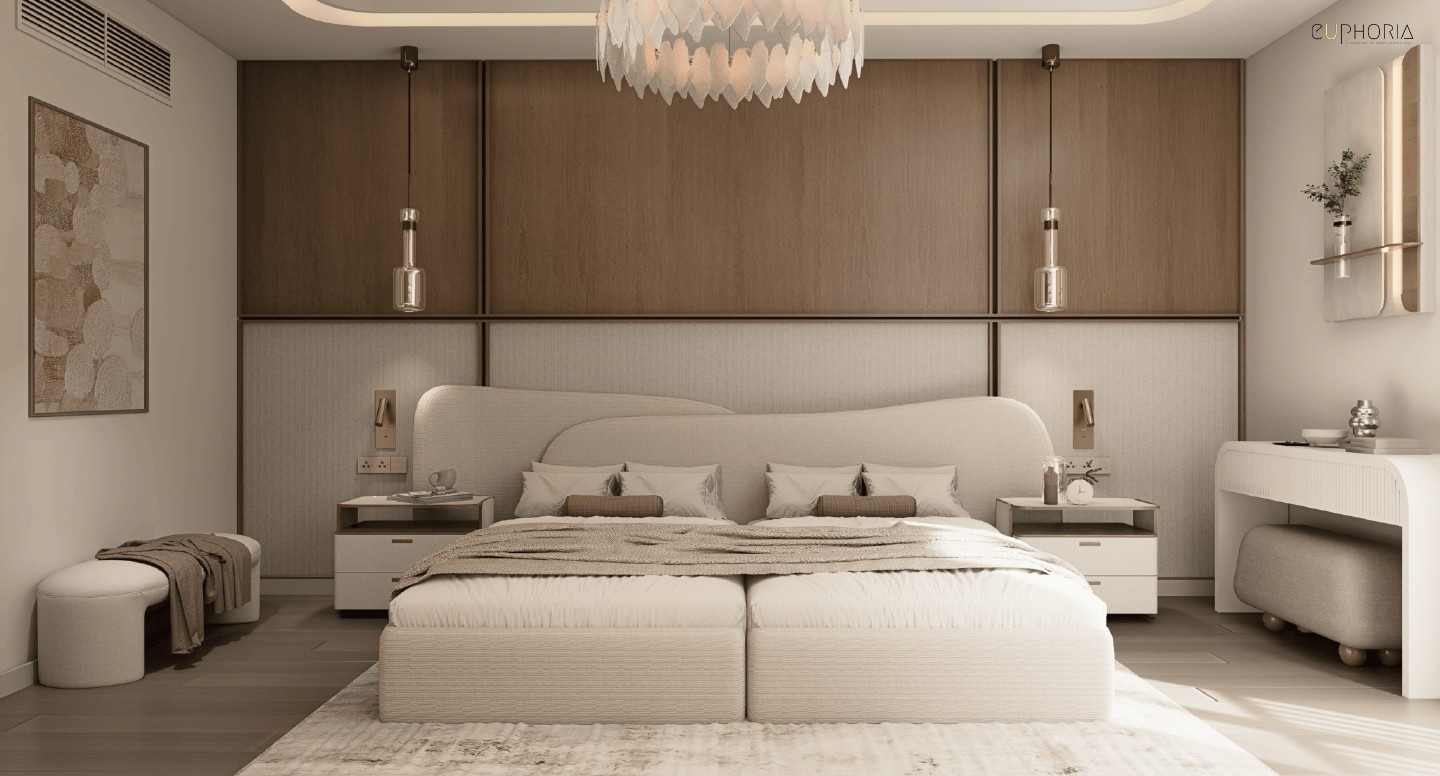
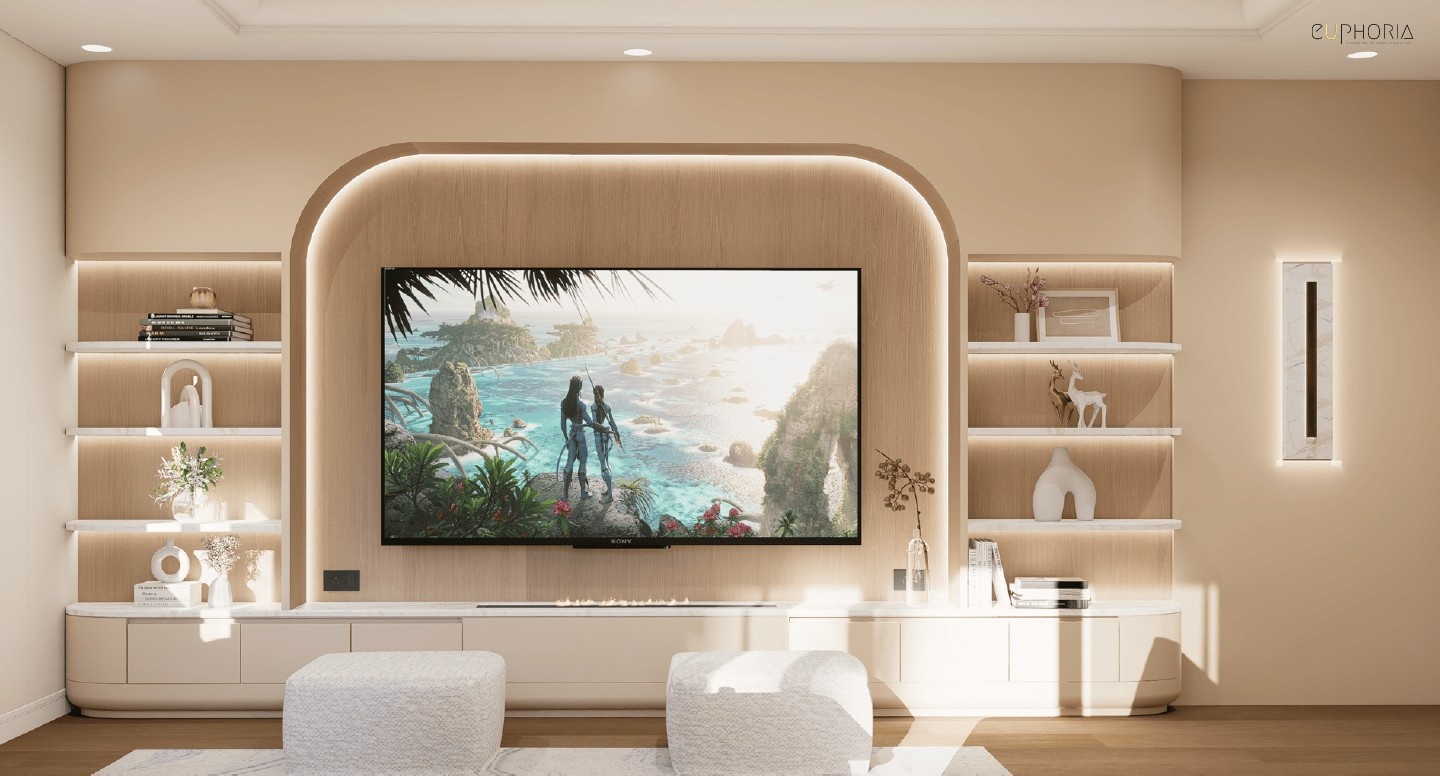
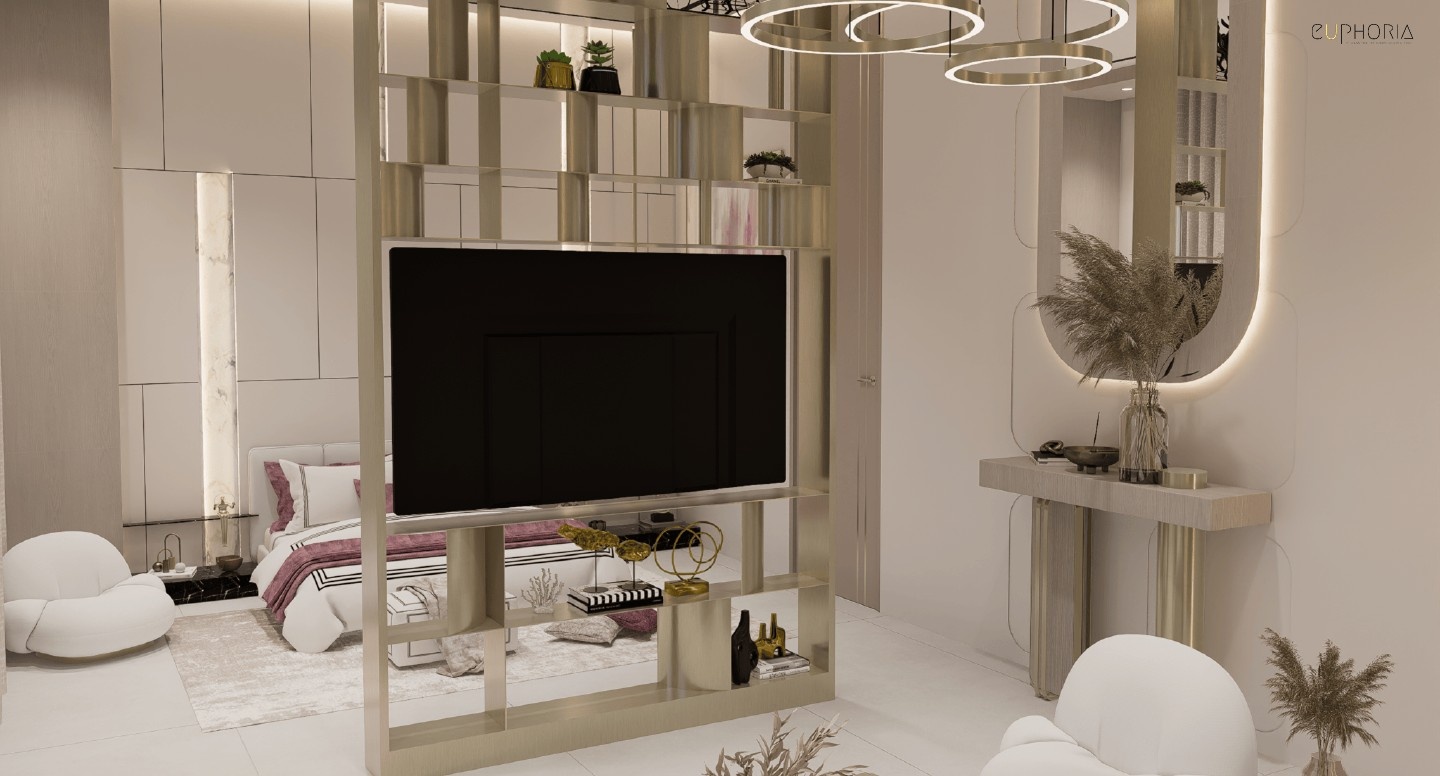
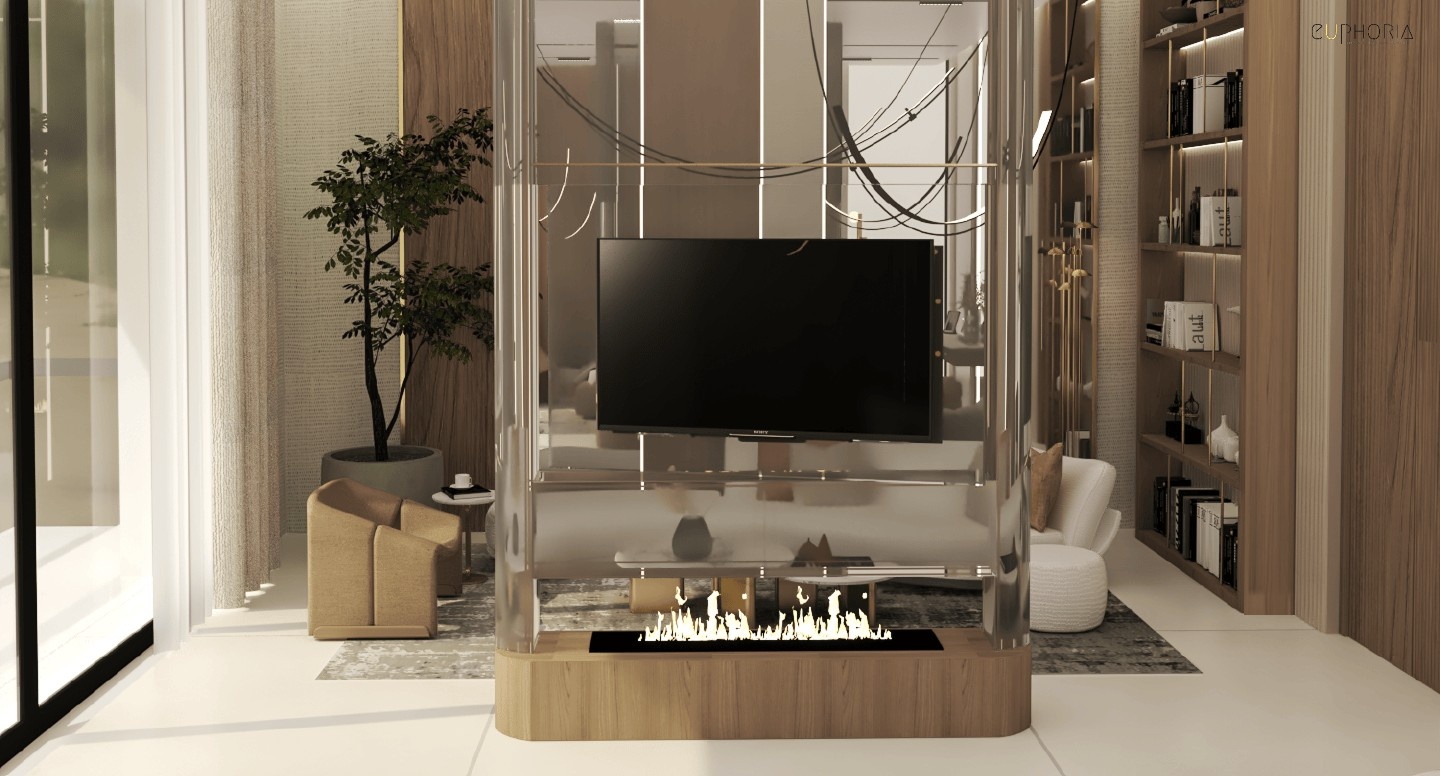
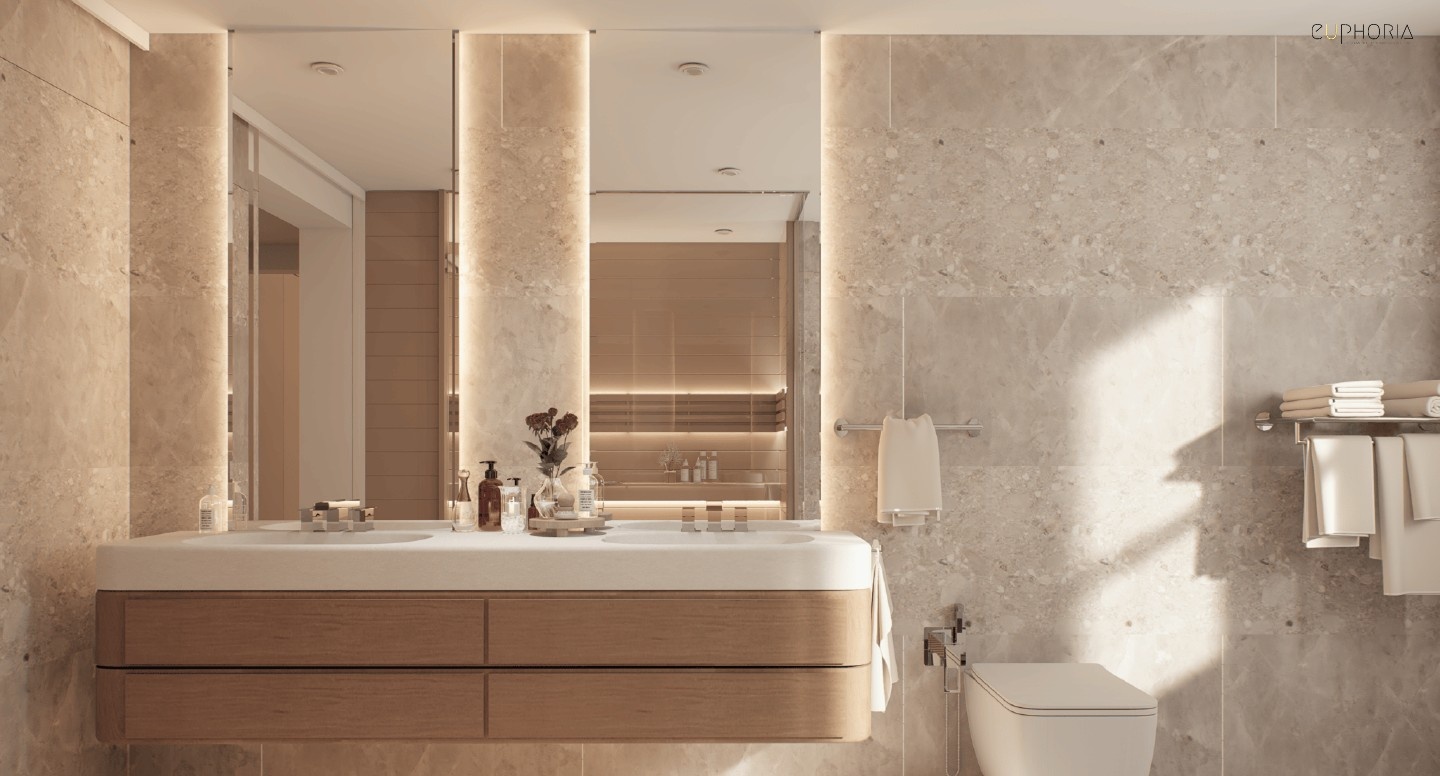
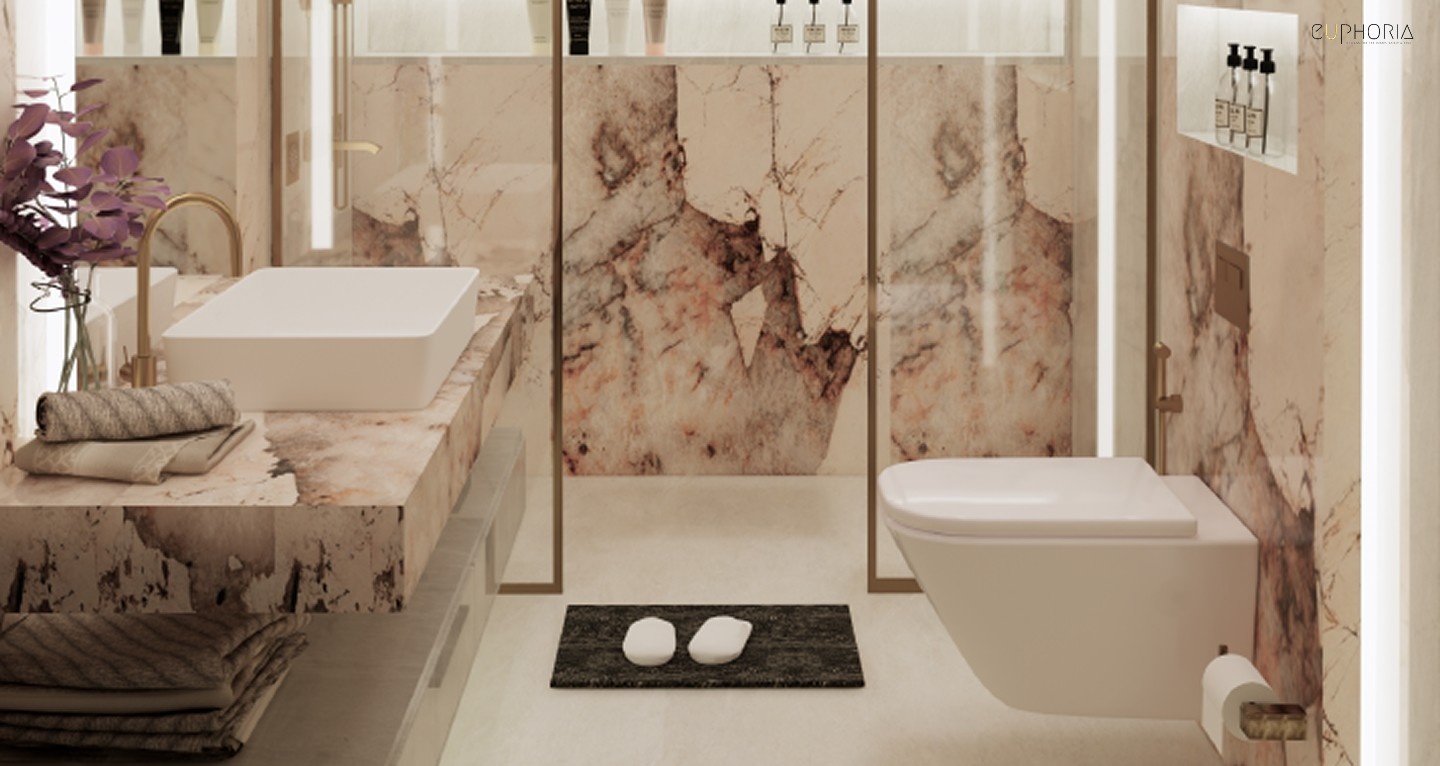
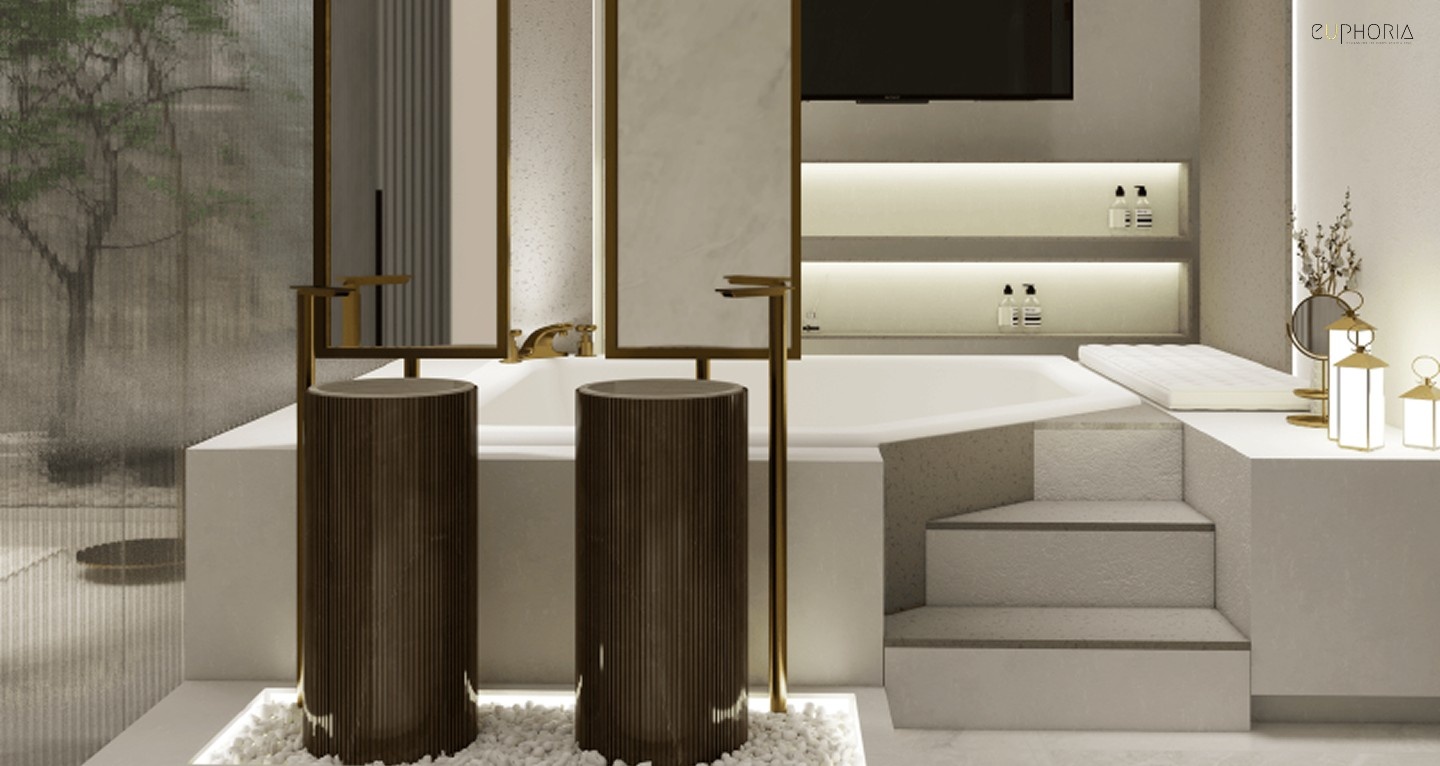
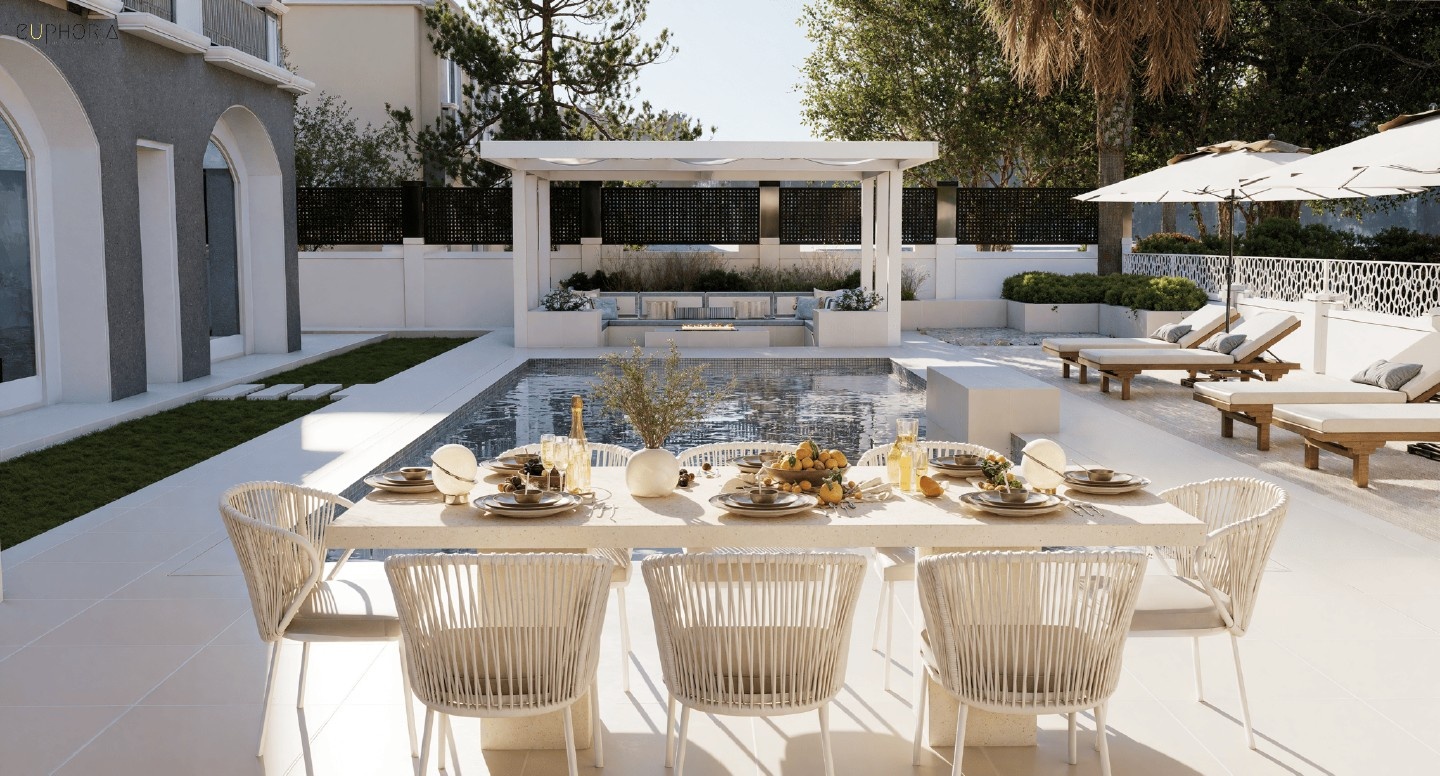
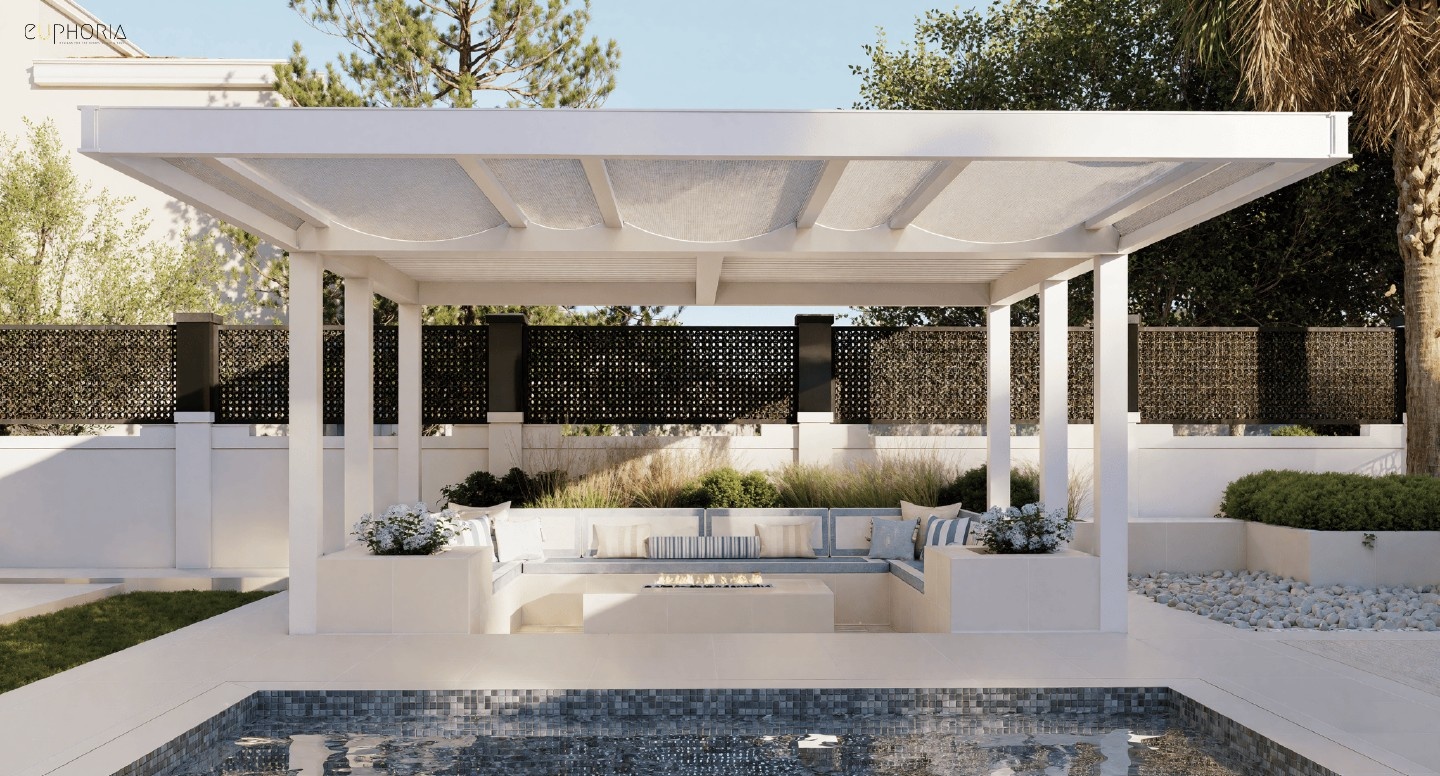
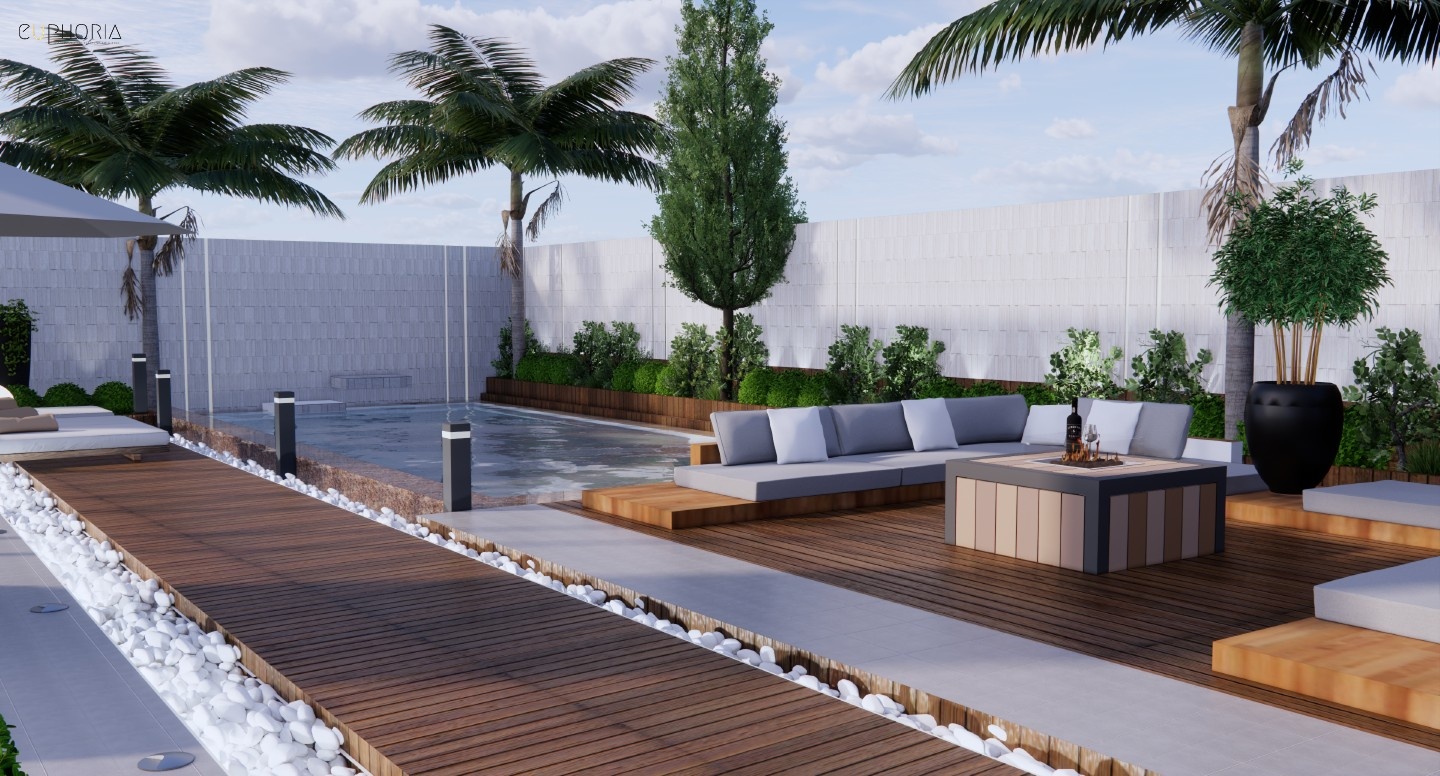
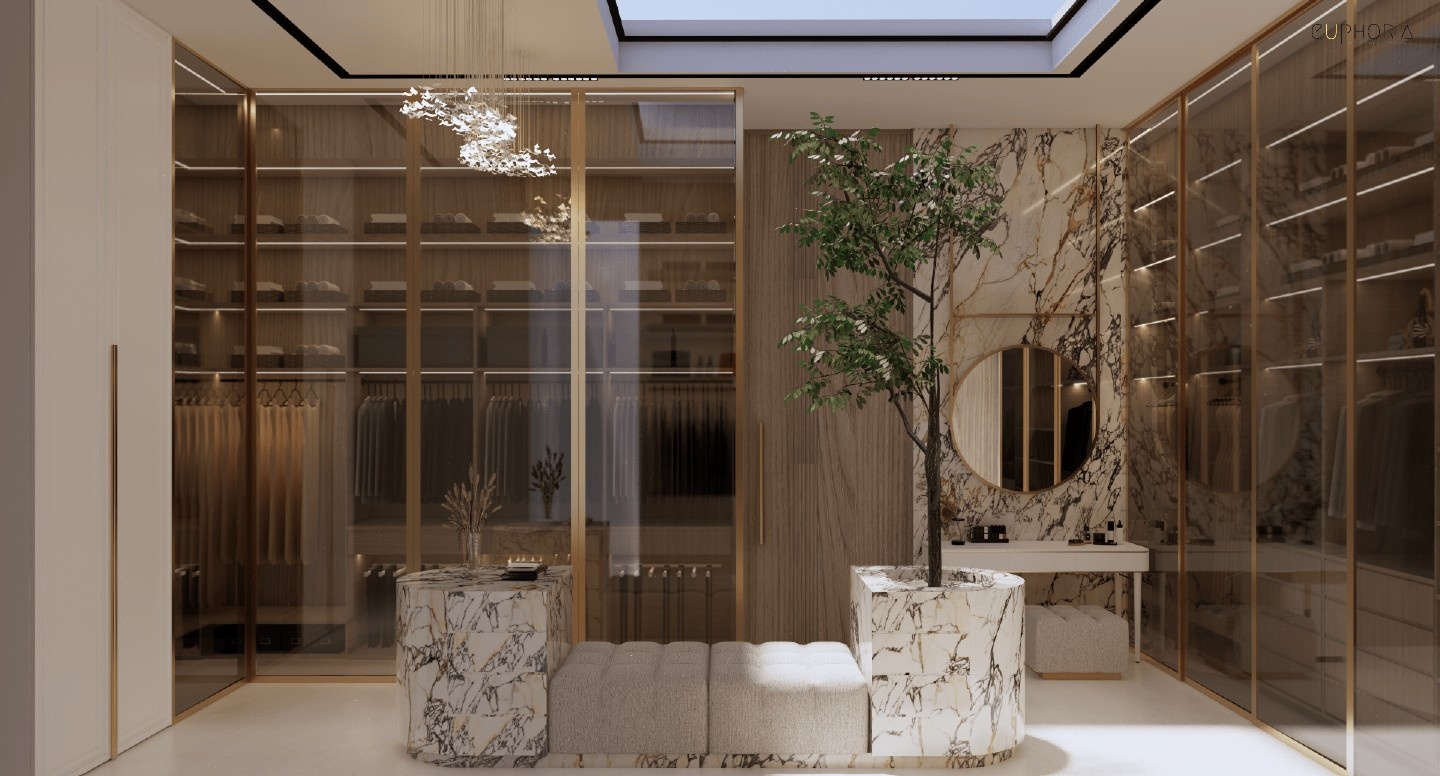

 4 BHK
4 BHK  3Weeks
  4 BHK 2Weeks
  4 BHK 2Weeks
  4BHK 2Weeks

Villa projects fail when decisions are rushed.
We guide you through choices only when they matter, with clear options, visual clarity, and professional recommendations, so you never feel pressured or unsure.


End-to-End Villa Interior Design & Execution
(Full Design + On-Site Implementation)
This is where we remove stress completely.
End-to-End Villa Interior Design & Execution
(Full Design + On-Site Implementation)
This is where we remove stress completely.
If during the design phase the direction doesn’t feel aligned with your lifestyle or expectations, we will revise and refine it at no additional cost until it does.(T&C applied)
And if you’re still unsure before execution begins, you can pause or exit the project without being forced forward. Because a calm, confident decision matters more than speed.
If your guest don’t ask who designed your villa interior in the first 30 days of handover, We’ll refund every single Dirham you paid us. (t&c applied)
If during the design phase the direction doesn’t feel aligned with your lifestyle or expectations, we will revise and refine it at no additional cost until it does.(T&C applied)
And if you’re still unsure before execution begins, you can pause or exit the project without being forced forward. Because a calm, confident decision matters more than speed.
If your guest don’t ask who designed your villa interior in the first 30 days of handover, We’ll refund every single Dirham you paid us. (t&c applied)
Let our team handle it all — from 3D concepts to final installation. So you get a luxury home, without lifting a finger.

Because true luxury isn’t just what you see — it’s what you feel every day.
“Amanda D’souza”

Let our team handle it all —
from 3D concepts to final
installation.
So you get a luxury home,
without lifting a finger.
Because true luxury isn’t just what you see — it’s
what you feel every day.
“Amanda D’souza”
Let our team handle it all — from 3D concepts to final installation. So you get a luxury home, without lifting a finger.

Because true luxury isn’t just what you see — it’s
what you feel every day.
“Amanda D’souza”
I got you, you’re about to start your Villa design project but confused or scared if my decisions got wrong. No worries!
We’ve designed & executed 30+ luxury villa Interiors and consulted with over 100 villa owners in Dubai, from that experience we understood how a small decision can add AED 200,000 expensive cost tomorrow.
That’s why we’ve created practical Villa execution guide (about what worked, what failed, and what they wish they had known before starting) for villa homeowners planning a 3BHK, 4BHK, or 5BHK luxury villa Interior design + fit-out in Dubai into actionable pre-project checklist.
Where you’ll know exactly what to approve, what to question, and what to refuse before you commit a single Dirham to any Villa Interior design firm in Dubai.
But, if you’re happy to redesign, re-approve and re-pay for the same villa decisions, this Villa design guide is probably not for you.
If not,
Let’s get started
If you don’t know where you want to go, you will end up reaching someone else’s destination. It’s your responsibility, you & your Interior designer clearly understand your villa purpose.
If you still don’t know, ask yourself.
Why do you need this villa?
Is it for you to live in, or is it an investment to rent out? Or is it both?
If you want to live here, then you need to focus on daily routines, family flow, storage, comfort, maintenance ease, and long-term usability without compromising luxury.
If it’s an investment to rent out, then you need to focus on prioritising durability, neutral appeal, approval-safe materials, faster execution, and return on investment over personal taste.
Pro Tip: Do Dubai market research, what kind of villa people actually want to stay for vacation
If you just bought a new villa in Dubai, then you are eligible for structural planning from scratch. You can plan layouts, ceiling heights, lighting, and services correctly from day one.
If you’re renovating your Dubai villa, then it is already shaped by existing slabs, columns, MEP routes, and approval limitations that cannot be changed.
Ask yourself to make sure you know or you can ask your villa design firm:
What cannot be moved or altered in my villa?
Dubai is home to people from all over the world. Your cultural background, lifestyle, taste, and personality can naturally influence your villa design style and you think just collecting pinterest images will give you a clear design direction.
I understand every Villa owner do this. Instead of that, you can find or customize your own style just by doing this.
You can use this simple structure to communicate your vision clearly with yourself, designers, vendors, and contractors.
“We want a ______ villa that prioritizes ______, avoids ______, and supports ______.”
This keeps everyone aligned from the beginning and reduces misunderstandings later.
You can refer to this Interior design direction guide for in-depth information.
For ex:
If you value calm, uncluttered spaces, Easy maintenance, natural light, and airflow, then your style will likely lean toward Contemporary / Minimal Luxury.
If you want to explore your exact design style in detail? Check the interior design style quiz to know which style suits you better.
When you clearly understand your design direction, communication with your Interior designer becomes focused, faster, and can help you in choosing the right material, furniture and finishes for your Dubai villa Interiors. (Discussed below)
If you’ve already chosen your villa Design style, ask yourself.
Am I clear about why I like certain styles, or am I collecting references randomly?
Can I explain my preferences in words, not just images?
If not identified yet, here is a simple way to define this clearly
Identify what reflects you (culture, habits, personality)
Decide how you want the villa to feel daily, not just how it should look.
Align style choices to comfort, maintenance, and long-term use.
If you’re a really understand luxury. Luxury means it supports your quality lifestyle, which means it should be more functional, calming, instead of just looking good in a designer’s portfolio. Just to make sure this ask the designer before approving any design:
How will this space function on an ordinary day, not just in photos?
Here’s a simple test for red flag designs
If the design looks great, but no one has explained to you how it will function daily, it’s incomplete.
In Dubai, there are strict community guidelines. Standalone, gated, or developer-built villas each come with structural, MEP, and approval constraints that directly impact what can be designed and executed.
That’s why you need to ask yourself:
Do I know which walls, ceilings, and services can legally be altered in my Dubai villa?
(If yes, it’s good.
if not then…)
Have your Interior Designer/Contractors explained what is not possible before showing you design options?
If you live in Dubai or you just become a Dubai resident, then you must be aware of Dubai authority approvals. It can restrict your villa layouts, materials, ceiling treatments, and execution methods regardless of how premium the design looks.
And, Vills owners come to us after spending AED 400k due to design got rejected by Dubai authorities.
Must ask yourself
Has your Interior designer/Contractor explained which authorities my villa falls under and what approvals are required?
(If yes, good. If not, then ask for the approval list.)
Do I know which design elements could be rejected or delayed during approval?
In case you want to understand this in depth, please refer to a guide for villa Design Regulations and Approvals in Dubai.
Dubai is a place in the world where everything is standardised. You’re about to design your villa, which is why you need to understand the Core 7-step process for hassle-free design to execution.
The Core 7-Step Process (High-Level):
Purpose & design direction clarity
Layout finalisation & design freeze
MEP coordination and technical detailing
Material finalisation & procurement planning
Authority and community approvals
Structured site execution
Quality checks, snagging & handover
Understand here 7 steps villa designing process in detail.
Every time we onboard a new villa homeowner, in mid-project, we noticed they ask certain questions and are more concerned about this once the project has already started. So, here are the 5 hidden realities most villa owners wish they had understood earlier.
I don’t feel fully in control or fully informed, but work is happening. This will be you if you don’t make a clear decision-maker, approvals get slowed down, site work pauses, and you start frustrating.
Changes are completely normal; there is no way to protect them before the project. What matters most is how your Interior design firm handles the changes. Because even a minor feedback of yours after approval can delay your project and have a cost impact.
To make sure changes are handled properly, simply check whether every change follows these rules or not. (Our EuphoriaInteriors In-house team use this exact system)
The impact is explained before execution.
Nothing moves forward without your written approval.
Alternatives are offered, not just one option.
Approvals are checked before site action.
Work is not rushed when a change is still unclear.
You can’t sit and chill and just go on vacation, at the end you’re investing Millions of dollars, your family is going to live here or your guests(if rented out on Airbnb).
Also, you don’t need to be involved in every site decision.
You need to balance and trust your designer’s decisions.
But here are 6 specific moments where your clarity and timely input directly affect cost, timelines, and final outcomes.
Defining purpose and priorities
Freezing layouts and design direction
Approving materials and samples
Responding to design or cost-impact questions
Approving changes
Daily Work Summary/Status
Here is the truth: If your designer is waiting on your approval or clarification, the project is effectively paused even if work appears to be ongoing elsewhere.
Ask yourself if you want to avoid last-minute changes and unnecessary rework.
Have I seen this material in lighting conditions similar to my villa?
Has my designer explained how this finish will look once applied at full scale, not as a small sample?
Also, you can ask your designer to prepare a visual variation and recommend mock-ups where required.
6.5 Post-handover reality
Thinking beyond handover helps you avoid regret, reduces ongoing effort, and ensures your villa continues to feel comfortable and functional long after the project is complete.
To protect yourself, ask these questions:
Has the villa designer explained how this design will be maintained in real life?
Do I know what will need regular upkeep, servicing, or replacement over time?
This is one of the most common questions we get asked, and honestly, it is difficult to give a definite number without knowing your detailed Villa design requirements. If you ask three different Villa design companies in Dubai for a quotation, it is for sure that those will be completely different. That can actually put you in a dilemma and make you wonder which one is giving me the best quality with value.
To understand where your investment goes. Let’s look at this simulated, realistic estimation of breakdown for a 1M project
Category | Percentage | Amount | What this Pays For |
Design Fees | 8% to 12% | AED 80,000 to 120,000 | Layout Planning, 3D Render, and Technical Drawings Required for Approvals |
Execution & Materials | 65% to 70% | AED 650,000 to 700,000 | Visible Work like Flooring, Walls, Labour, etc |
Mechanical, Electrical, & Plumbing | 10% to 15% | AED 100,000 to 150,000 | Hidden Work like AC Vents, Plumbing, Wiring, etc |
Government Approvals | 2% to 4% | AED 20,000 to 40,000 | Government Fees, Developer NOC, etc |
Miscellaneous | 15% | AED 150,000 | This Covers Unexpected Expenses and Price Inflation That May or May Not Occur |
To give you a ballpark figure, you are expected to pay somewhere around AED 150 to 250 per sq. ft. for basic builds, AED 300 to 500 per sq. ft. for mid-range, and over AED 800 for luxury designs. Do keep in mind that these ranges are based on the estimation of Villas built in Dubai in recent years and do not include execution costs, authority approvals, and other miscellaneous charges.
Let’s look at these three scenarios, so you can relate to the ranges we have discussed above:
Scenario A: A 5-bedroom villa that needs only cosmetic work and surface-level finishes can go for approximately AED 320 per sq. ft.
Scenario B: A villa requiring full renovation involving demolition, electrical, plumbing, and ceiling work can go for approximately AED 520 per sq. ft.
Scenario C: A villa going for a luxurious design with custom work, joinery, imported materials, and high detailing can go for approximately AED 800+ per sq. ft.
Always ask yourself these questions to ensure your decision is safe and sound:
Is the quotation from villa interior design company I’m getting suspiciously lower than others? If yes, then be aware that there can be something left out.
Am I getting a generic price for materials, or is it for the particular make and model? If not, then there is a chance you will end up paying more.
Are the approvals included in the final price number? If not, then keep around 5% extra.
It’s a common assumption that a bigger villa will be more expensive to design, but that’s not the complete picture. You might find a huge price difference in the quotation for the same project from two different companies. This usually happens because specific details such as brand names, material quantity, and approvals were left out resulting in a price gap of over 40%.
Below, we have listed some reasons that actually influence your villa interior design cost.
Doing a complete Villa renovation can include demolition and fixing hidden damage. This is more expensive than changing the look, which usually involves painting, paneling, installing pipes, wiring, a floor base, etc.
Important Note: Always ensure that your Villa interior designer actually visited and inspected the villa before you are handed a quote.
If you choose imported and exotic choices of materials, rather than the locally sourced ones, prices can shoot up significantly. Make sure to go through 2-3 options of materials along with the cost breakdowns. This will help you make better decisions and fewer regrets.
A custom walk-in wardrobe with lighting integrated, drawers motorized, and layered with an exotic finish will be more expensive than a modular solution with a premium veneer. The choice in the end will depend on your needs. Ask yourself if you’re ready to pay a hefty amount extra for 10% visual difference and ease of accessibility.
The standard timeline for a Dubai Villa project’s completion takes around 6 to 9 months. If you want to cramp it to say 3-4 months, that can increase the price by 20 or 30% due to more labour and rushed material deliveries.
We seem more eager to do things when opportunity strikes, right? Just as “while we’re at it, why don’t we upgrade the mixer taps or match the colour of the corridor with the living room?” Surprisingly, you have just increased your expenses. Every small change can cost more if done after the contract is signed, so be sure to think about it at the moment, if you really need it, or if it sounds nice at the moment.
There’s a special feeling you get after you realize that your finished villa looks and feels even better than in the renders. The material choice, the layout, expenses, everything is just perfect and up to your expectations. This is what proper budget planning gives you.
A villa is a big investment for many people, and it needs a thorough and transparent money plan for a successful execution and completion. We have seen many villa projects getting stalled for months because the payment milestones weren’t properly accounted for or due to inflation. Let’s go through some villa budget planning tips that will help keep you safe from these issues.
Your investment should not be what you want to spend, but what you want to build. Do not be influenced by how much your friend told you they spent 3 years ago, or getting a rough estimate from a contractor. Four months later, this can actually turn into a big financial blunder, and you might have to cut corners in quality and aesthetics to finish the job.
As a safety net, you can do this: Get three detailed quotes from different professional Villa interior design companies, take the highest one, and keep that number as your minimum budget.
Even if you have a strong capital, the villa project can still fail if you do not know where and what you are paying for. Make sure to ask your villa interior designer to provide you with a price breakdown that shows exactly how much and where you are paying.
Some of the costs, such as the labour rates, local carpentry, and authority, usually stay the same, but imported and exotic materials can inflate. If your quote says AED 400 per sq. ft. now, but four months later, when you order it might jump to AED 480. To protect yourself, ask before signing, “If the price goes up when you order, who will be responsible, me or you?”
Your upfront payment should not exceed the amount of work completed and verified. This will weaken your leverage if delays occur or the quality of work drops. It is only viable if the payment is documented for the procurement of long lead materials with purchase orders. A safe payment structure that will maintain your standing should look something like this:
For the initial deposit to start the work and design: 25-50%
When work is 70% completed and verified: 50-70%
Work is around 95% done and being inspected: 0%
After inspection and during handover: 30%
If we are being realistic, it is highly unlikely for the villa expense to end accurately at the quoted price. The reasons can include delayed shipping or changing the colour of the walls and floor. As a general rule of thumb, it is wise to keep around 15% on top of the quote if you are getting a new build, and if it’s a renovation, increase it to 20%.
Never assume the cost ends after handover; some finishes can be diverse, some requiring regular cleaning, some replacement, while some are maintenance-free. Remember, ownership cost is just as important as the installation cost. Ask your villa design company these questions to have more clarity:
How long will these finishes and pain last without looking worn out?
How much will it cost to replace them or to keep them new?
Is there anything more permanent that gives the same look and isn’t very expensive?
Cost overruns mostly occur due to late decisions, uncontrolled changes, and approvals that are not documented properly. Here are some of the instances that can increase your cost:
Once you approve the renders, you are only looking at around 60% of the decisions, such as the layouts and aesthetics, but some of the important details, like fixture brands and models, finish specifications, lighting fixtures, and quantities, etc remain unaccounted for. Later, they get pushed into execution and increase your total expense.
Never take impulsive decisions when answering site questions. Suppose the villa design company is showing you a tile with a different pattern and you liked it. Always ask if that option will cost extra, and if it does, ask for the price in writing before you give the green signal.
A small sample of dark tile looked good in the showroom, but once it was installed on your floor, it did not give off that vibe you were looking for, but instead felt like a pit. Then, ripping it out and replacing it will again add extra cost, so it’s best that you ask for a mock-up installation over a 3 x 3 meter section to see how it looks. Paying AED 5k for a mock-up is much smarter and better than paying AED 100k to change the whole thing, plus you get no regrets to live with.
Before signing any contract with villa interior design company, ask yourself these questions to have a better understanding of what you will pay:
Do I know what exactly is included and excluded?
Are the materials specified by brand and model?
Am I keeping around 15% headroom of the total cost?
Is the change process properly documented and written?
You just acquired a luxury villa, and the only thing that is left are the interiors. You want to move in fast because of the quick turnarounds you heard about or saw the duration mentioned in brochures. But come on, we’re talking luxury interiors here, and it shines best on attention to detail. Plus it is not a single task and has to go through many phases and pass approvals. Delays…they do not usually occur in the beginning, but surely during mid-project.
If you’ want some estimates, we are looking at around 6 to 12 months. In most luxury villa interior projects, this range usually includes design, approvals, materials, and handover, but the final timeline will depend on the 6 phases that we have broken down below.
This is where ideas are turned into construction-ready drawings, and it can take around 4 to 6 weeks. To avoid delay later, it is best that this part moves nice and slow with proper input from the clients. Layout planning, MEP (mechanical, electrical, and plumbing) coordination, ceiling, and joinery detail are all included in this phase.
To ensure this process goes without any hiccups, ask your designer these questions:
Will I be able to review the plan before you start work?
Does it affect the timeline if I change something?
To start work in Dubai, we need to get certain types of approvals from the authorities, depending on the community. They may include Dubai Municipality, Trakhees, Nakheel, Emaar, Dubai Civil Defence, or other master developers. The approvals can take almost 2 to 6 weeks and can increase if there are revisions in designs. Always ask if the fees for approvals are included in the contract and if they have been taken care of before starting work.
The long-lead materials, such as marble, tiles, custom kitchens, wardrobes, lighting fixtures, and sanitary ware, should be finalised and ordered by the time approvals are in for review. Imported items, custom metal works, specialised lighting systems, etc all take much longer to arrive and can slow down your project if not planned efficiently. We often see this as one of the main reasons for the handover date to be pushed back.
After approvals and materials are secured, the work can finally start. There are plenty of people involved, including work on electrical, plumbing, HVAC, gypsum, marble, joinery, paint, automation, lighting, upholstery, and many more. Everything needs to happen in coordination and sequence; if not, then delays will be unavoidable. Waterproofing must cure before the tiles are set, ceiling work must be completed before installing lights, and so on. Be sure to ask how often you will be updated with the work progress, and if there are delays, how is it managed.
Upon completion of work, the villa is inspected for any misalignments in doors and hinges, paint touch-ups, electrical connections, water pressure, and detailing quality. The corners and surfaces are cleaned and polished to ensure no stains or residue from work are present. This process can take 2 to 4 weeks, depending on the size of the villa. We often see that those villas which are thoroughly inspected has less complaints and issues after the client has moved in.
This timeline can be easily underestimated and will cause errors and design mistakes to show up, which we have discussed in 5 Common Villa Interior Design Mistakes to Avoid.
Completing a luxury villa interior design will require patience and precision. Moving through each phase in a planned and strategic manner, whether it be in efficiently passing the authority approvals or maintaining good coordination among the contractors, you are guaranteed to see a seamless transformation of your luxury villa within the stipulated time.
You sit, relax, and realise that you’re finally done and dusted with your villa’s interior. But in the first 30 days, you start to notice some issues pop up. This is what will frustrate most of the villa owners, as fixing them after moving in can be very stressful and time-consuming. So how do you avoid this situation altogether? Let’s look at some of the common mistakes you can avoid as a villa owner so you can focus more on enjoying the space that feels made for you.
Renders obviously look beautiful on screens, but what about the reality? Make sure to check the photographs and walkaround videos of completed projects, and try to verify that the projects you are being shown are actually done by the interior design firm which you are going to choose. If feasible, you can also talk to the homeowners who actually live there. It is important to understand the real execution along with the imagery.
You choose a luxurious master suite with spa-like features. It gives you the feel of a 5-star hotel at home, but you take a shower instead of baths and need proper washing facilities. The imported tub is taking up space that could have been used for a walk-in closet. You gave up on accessibility for trends and aesthetics. Your villa should reflect your lifestyle, not an idealized version.
Things agreed verbally might lead to many expensive misunderstandings. The window treatments, loose furniture, and lighting fixtures, all of which were assumed to be included in the quotation, might appear as additional expenses. Make sure everything is documented properly to avoid confusion in the later stages. How do you ensure that? Ask your designer to include every finish and material in the contract and avoid memory-based agreements altogether.
To save time, some of the materials used in the project might be replaced with alternatives that can compromise your longevity. You don’t see it immediately, but 2 – 3 months down the road, you will start to notice the degradation. To control that, include some clauses in your contract that will require the alternative to be of the same quality and specification.
The project is finally over, and it’s okay to feel exhausted, but skipping the final inspection? Never! A final check ensures that three months after you move in, you will not find any inconsistencies in paint finishes, alignment issues, or cracked floors. Fixing these later means you will have to move furniture again, re-open completed areas, and live in a villa that feels half finished.
By avoiding these mistakes, you can worry less about fixing or adjusting and focus more on enjoying the space that feels made for you.
It is crucial to identify some signs in villa interior projects before they can become an expensive disaster. Most of these signs appear early, be it in meetings, documents, vague answers, or missing details, but they can be easily overlooked if the design and price look good and attractive. So to help you stay safe, we have provided below some of the most common reasons why luxury villa interiors can exceed their timeline and budget.
If you’re getting a quote that is 30 to 40% lower than the places you have visited, along with a brief completion time, that sounds too good to be true. This is definitely not efficiency, but it might be an optimistic move made to win your signature. There will be missing items that will pop up once your project starts, and that short duration? Looks like it also missed out the time required for material procurement and government approvals. It is recommended to request a detailed list of what is included and excluded, and ask if any delays occur, how will they affect the price?
You look at the list of items that will be used in the project, but none of them have their specifications in detail. The “premium Italian marble” has no information about its supplier or grade. And the “custom joinery” in high-quality wood, does not have its species or finish details mentioned. This is more of a placeholder rather than a quotation; the missing details can make the proposal harder to compare and give the contractor enough room to install a cheaper alternative.
All professional luxurious interior designers work with a line of suppliers for a variety of materials and furniture. You should be presented with a wide range of options varying in multiple price points, not 2 – 3 samples of tiles or wall panels. More choices will lead to more possibilities and creativity. Always ask if they can provide you with options in different price categories or if there are alternatives that look the same but have better longevity.
A good designer will see what furniture you already have, and based on that, they will recommend whether you need new or if your old ones can be reupholstered or incorporated thoughtfully. They understand you might have sentimental values attached and will respect that. Discarding without a second thought will only maximize your procurement budget.
If your emails are taking days to get a response and your calls are getting forwarded into voicemails, this isn’t a good sign. Your communication should be at its peak during the initial phase. You have real money at stake, and real decisions to make, regular and structured updates about your project are something that cannot be compromised.
Ask these questions for better transparency:
How often can I expect project updates?
Who will be my main point of contact?
Are all the decisions documented and tracked?
Always check if your design company has professional indemnity insurance, which will protect you in case there are expensive mistakes. Since challenges and issues are very common with big projects, such as luxurious villa interiors, it becomes a non-negotiable term. Without this, you, as a villa owner, will have no way to recover your loss if there are mistakes or delays.
If you can spot these red-flags early, the project will be more predictable and in line with your investment and timeline. Ultimately saving you from mid-project issues and emotional distress.
Yes! A big Yes! Even if the price difference between paying for a full villa interior design service and just the design drawings seems very big on paper, in reality, the worth comes from the feasibility of one point of contact for everything. The premium you’ll be paying is not only the cost of risk mitigation, or a hundred hours of labour, but also to have a peaceful life without worrying about daily problem-solving. Let’s look at 5 reasons why it is worth your investment:
Approvals are necessary before you start your project. If you are handling it yourself, you will be responsible for the submission of documents, calculation of deposits, uploading drawings, replying to the authority, and keeping track of everything as a whole. But if you opt for a full-service interior villa design firm, they will handle all of the processes while following all the regulatory codes.
You should not proceed with this part alone if you:
Do not understand the approval process in your community.
Do not have time to respond and follow up with the authorities.
This part can be tough to handle because you need to manage and coordinate with 12 to 15 contractors, including electricians, plumbers, material suppliers, painters, tile installers, etc. You will have to plan and schedule every contractor so that their work falls in chronological order. If not, then there will be delays because the false ceiling needs to be installed immediately after the electrician has finished installing the wiring connections in the roof. A full-service firm will work as the brain to plan and manage all of these contractors and ensure no work is delayed due to the miscoordination of work.
Luxury villa interiors often use custom work, imported materials, specialized lighting systems, and hidden smart home solutions. These require careful inspection and planned lead times so no delays will occur that may affect the entire project. A design firm will track the schedule and inspect everything before delivery, they ensure what is used on site is exactly as envisioned in said quality. Without this, you will be constantly burdened with contractor follow-ups, sample reviews, and material replacements if something is damaged during delivery.
Opting for a complete service means there will be one entity that is responsible for any mistakes or delays. But if you’re doing it by yourself, the accountability gets spread out, and everyone points at someone else. Gaps in progress start to appear, and the issues fall through one by one. As there is no one else to take the blame, you end up paying a premium to bring an external influence to mitigate the problems mid-project.
If you manage everything yourself, you will have to invest a great deal of your time in attending meetings, reviewing drawings, and responding to decisions quickly to avoid delays. In real life, this can take 15 to 20 hours of your time per week for several months. If you manage a business, work full-time, or travel frequently, this can become even harder because your professional time also has an economic value. A full service will give you the freedom to work where you are only involved in the decisions, not the burden.
The effectiveness of a full luxury villa interior service can only be enjoyed if you choose a firm that can manage risk as well as design output. And how do you select one? Read our topic on What to Look for When Choosing a Villa Interior Design Firm in Dubai?
If you’re still thinking whether you should go through all that tedious approval work or just rely on a professional luxury villa interior design service to handle the load, we’re here to help and just a call away.
This is the most important initial step you will take while designing your villa’s interior. You need a partner who will understand your goals and vision, and ensure your journey till the handover is smooth and seamless. Below, we have provided some factors that you can check to ensure you have the best companion for your project.
You should have a clear understanding of how the project will move ahead from the first few meetings. Professional designers will explain clearly the stages involved, parts where your decision will matter, the steps required for approval, then how and from where the materials will be procured, and lastly, the handover process. Ask them these questions:
When can I see the detailed drawings and plans?
When will the materials be finalised?
How will you handle the changes after the work has been done?
If their explanation feels very simple and unclear, this can be an early sign of how the project will proceed.
It might sound unusual, but a good designer will never readily agree to all of your ideas. They will first note and check if your requests will clash with the structural integrity, cost, duration, and livability, then they will provide a good explanation as to whether it should be implemented or not. If your decisions are being accepted without any second thoughts, there is a high chance those are not being evaluated properly.
Some firms are more experienced in commercial spaces like restaurants and offices, but to design and build a private villa, one should have a deep understanding of the client’s lifestyle, privacy, and family needs, while providing long-term durability. These projects also require more personalization, coordination, and acting quickly on decisions.
You can ask these questions to have a better understanding of their specialty:
How many residential projects have you completed till now?
Have you worked in my community before or with a similar layout and style?
How much do you work on residential projects compared to commercial?
As a villa owner, you might either want to be deeply involved in every detail and decision or just prefer some updates and fewer meetings. To ensure a smooth journey, their working style should align with yours. Your early conversations will reveal a lot about the future. Check if they listen to your questions carefully and easily explain the technical terms.
A luxurious villa interior design project doesn’t end after the handover; you might still come across issues in finishing and alignment. What happens then? Always make sure your design partner has great after-sales support, and remember to get their post-handover policy in writing before you sign any contracts.
To have more clarity, ask the firm if they will:
Provide a warranty for the work.
Answer promptly if you report a problem later.
Handle small repairs and alignment issues.
Still wondering which villa interior design service to choose for your dream project? Euphoria Interiors can help on your journey from the initial design phase all the way to the final handover while delivering a smooth and seamless experience. Contact Us Today to discuss your project and make it possible beyond your expectations.
How your designer answers your queries will determine how they will handle your project down the line. Looking at pictures and videos of their projects is okay, but interviewing them with proper questions will give you insight into whether they are fit to work for your villa.
In your first meet it will most probably be the senior designer who will explain the entire process after listening to your needs, but that same person might not manage the on-site work. You should ask if the senior designer will be involved and how many projects they are currently managing at the moment. This will ensure whether they have enough time for your project.
Checking how they keep their clients updated about the ongoing work will give you an idea of how they keep track of the budget, timeline, and pending decisions.
Challenges are inevitable, but how they are managed and mitigated is what truly matters. Try to ask for an example of how they fixed a site mistake in their past project, and who covered the cost. Also, ask if they have any backup plan if the material arrives late in the project.
As a client, you shouldn’t pay according to the calendar dates, but your payments should be associated with completed work; for example, you’ll pay a percentage when the tiling is finished. To be on the safe side, you can further ask what happens to the schedule when something gets delayed.
Some communities in Dubai can issue fines if there is too much noise and pollution from construction. Go through your contract to see if it covers these fines, and also inquire if they will remove the waste.
It is safe to know early how they will make up to you if you are not satisfied with the result. Also, ask how they solve disputes, and whether they have any cancellation policy in case you want to change your mind.
