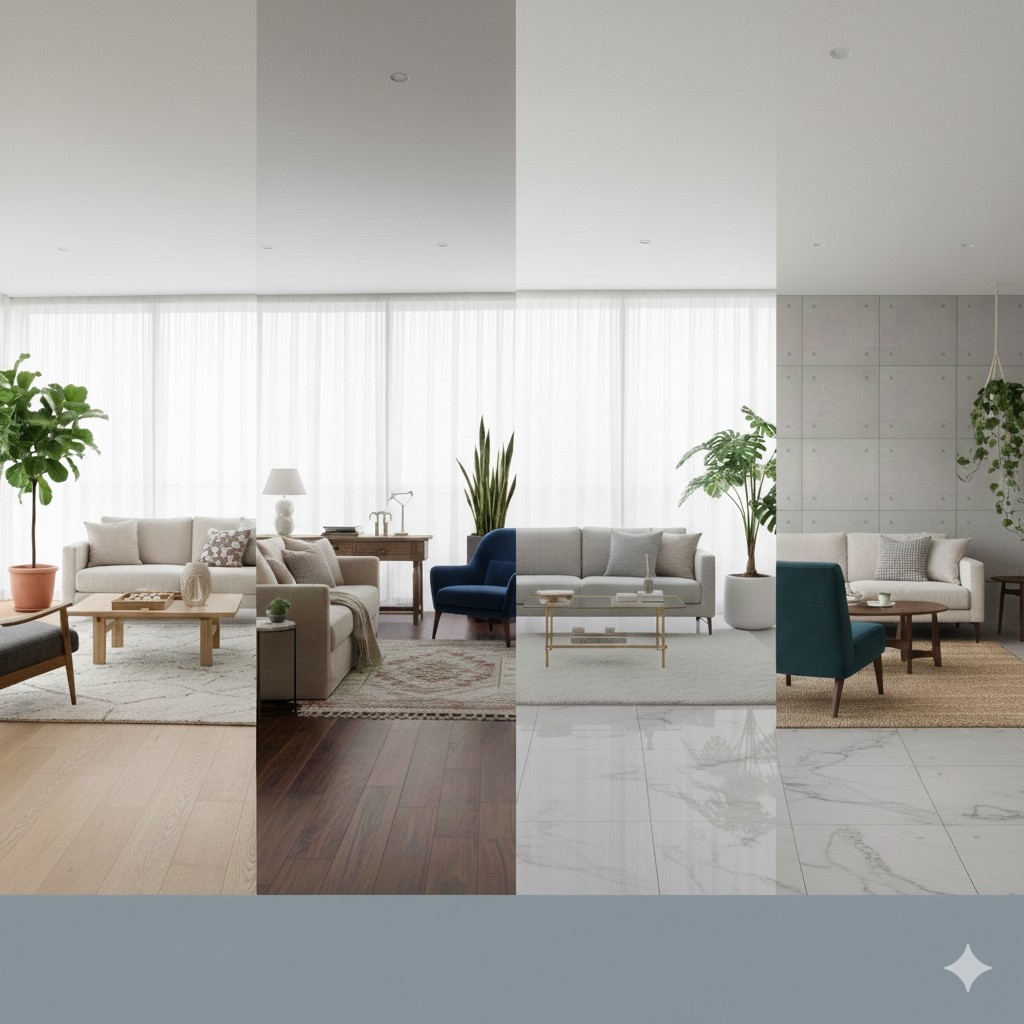
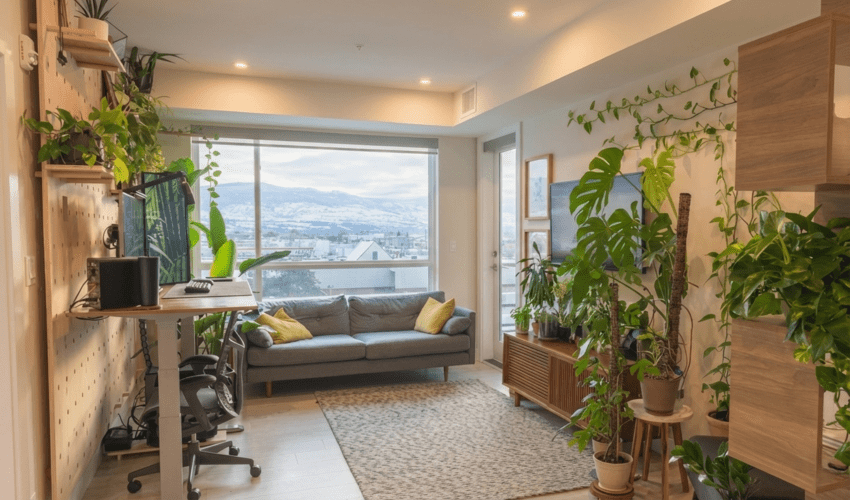
You walk into your home and it just doesn’t feel right.
Nothing looks obviously wrong. The furniture is new. The walls are painted. The space is clean and organised.
And yet, it still does not feel comfortable.
This is one of the most common frustrations homeowners experience, especially after decorating or renovating. Many people describe it the same way: the house looks fine, but it does not feel right.
The truth is, most homes do not feel uncomfortable because of bad taste or poor choices. They feel uncomfortable because a few essential interior design principles are missing or not working together.
A well-designed home feels natural. When something feels weird, it usually means the space is not supporting how we see, move, and live in it every day.
Most homeowners sense this discomfort intuitively, long before they can explain it in words.
Let’s break down the real reasons this happens and how interior designers typically approach fixing them. Most of these issues are subtle on their own, but together, they shape how a space feels every day.
There Is No Clear Focal Point
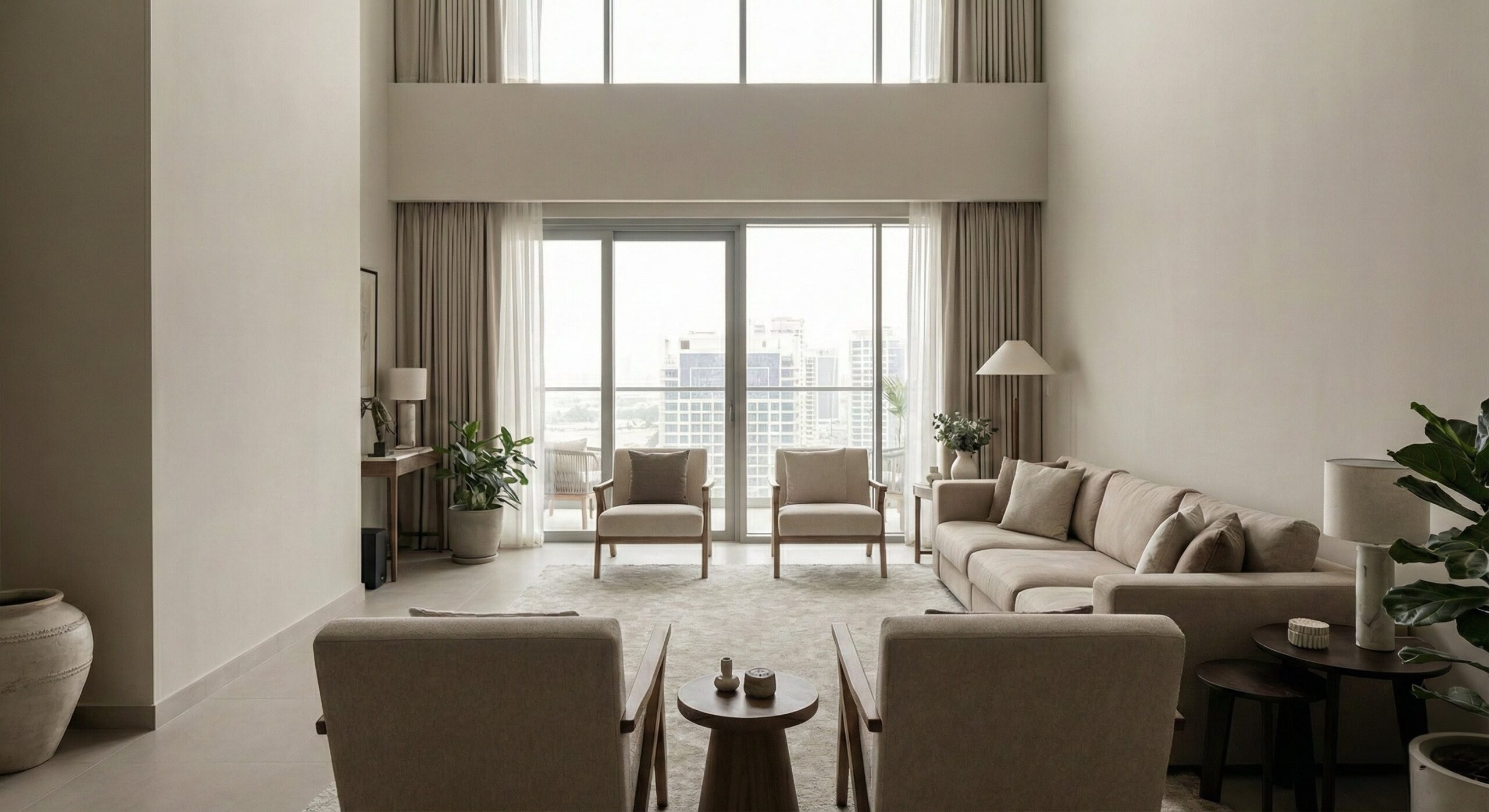
Every room needs a focal point. It gives the eyes a place to settle and helps the space feel organised.
When a living room has no clear focal point, everything competes for attention. Furniture, artwork, lighting, and decor all try to stand out at once. Even when the room is not cluttered, it can still feel confusing.
A focal point could be a large window, a feature wall, a TV unit, a fireplace, or a statement piece of furniture. Once this anchor is defined, everything else should quietly support it.
When a room has a clear visual focus, it immediately feels calmer and easier to understand.
How to Fix It:
-
Stand at the entrance of the room and pause briefly. Notice where your eyes go first without forcing it.
-
Choose one element in that area to lead the space, such as the TV unit, window, feature wall, fireplace, or an existing statement piece.
-
Reduce visual distractions nearby by removing excess decor or relocating items that compete for attention.
-
Position key furniture so it naturally faces or frames the focal point instead of turning away from it.
-
Step out and re-enter the room once more. If your eyes settle quickly and the space feels clearer, the focal point is working.
Furniture That Feels Too Big or Too Small
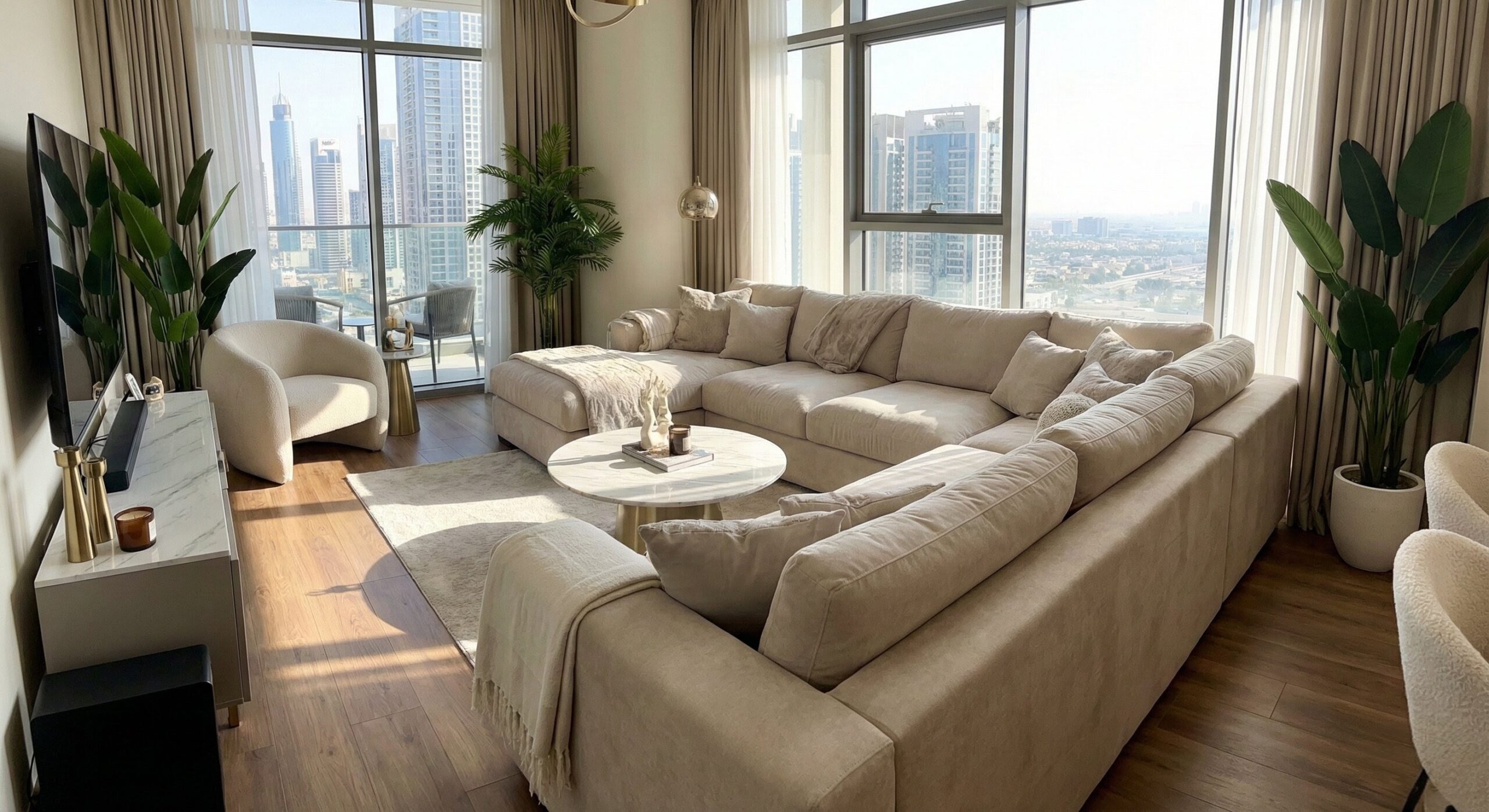
One of the most common interior design mistakes is choosing furniture that does not suit the size of the room.
Oversized sofas can make a living room feel tight and crowded, while furniture that is too small can make the space feel empty and disconnected instead of comfortable.
In both situations, movement suffers. Walking paths feel awkward, and the room becomes uncomfortable to use, even if the furniture itself looks good.
This usually happens when furniture is selected based on how it appears in a showroom or online, without thinking about how it will behave in the actual space.
Good interior design balances furniture with open space. Comfort comes from proportion and ease of movement, not from filling every available corner.
How to Fix It:
-
Walk through the room the way you normally do during the day and notice whether movement feels easy or restricted.
-
If you need to step around furniture or feel cramped, the pieces are likely too large for the space.
-
If the room feels hollow or unfinished despite having furniture, the pieces may be too small or too spread out.
-
Before buying or replacing anything, remove one non-essential item and observe how the room feels afterwards.
-
If the space immediately feels lighter or more comfortable, scale was the issue.
-
When movement feels natural, and the room no longer feels crowded or empty, the balance is right.
Furniture Placement Feels Forced
Even well-sized furniture can feel uncomfortable when it is placed without intention.
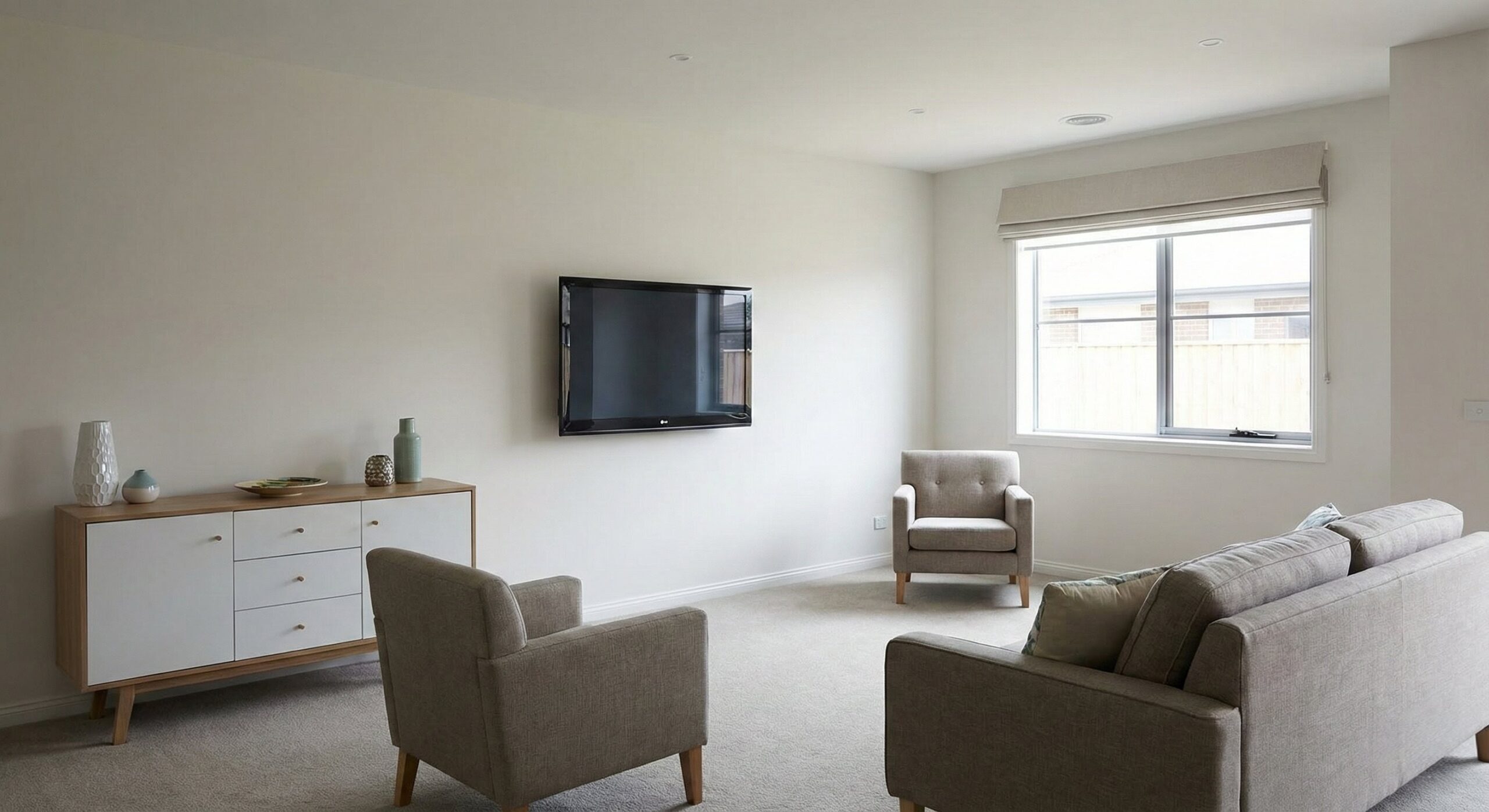
A common mistake is pushing all furniture against the walls. While this may seem like it creates more space, it often does the opposite. The centre of the room feels empty, walking paths feel awkward, and the space feels disconnected rather than open.
Furniture placement should support how the room is actually used. Seating should make conversation easy. Tables should be within comfortable reach. Movement through the room should feel natural, not like an obstacle course.
When space allows, pulling furniture slightly away from walls helps create warmth and connection. A well-planned layout always feels more welcoming than one where items are placed simply to fit.
How to Fix It:
-
Sit in the room and notice how conversation feels. If people need to lean forward or turn their bodies, the placement needs adjustment.
-
Identify furniture that is pressed flat against the walls and choose one key piece to move first.
-
Pull that piece inward slightly and observe how the centre of the room feels.
-
Check walking paths to ensure movement feels smooth and uninterrupted.
-
Adjust tables and seating so they feel easy to use without stretching or shifting.
-
Step back and observe the room as a whole. If the space feels more connected and comfortable, the placement is working.
Colours Do Not Work Together
Colour issues are another common reason a home feels uncomfortable.
This usually happens when wall colours, furniture, and accessories are chosen separately over time. Each element may look fine on its own, but together they feel disconnected rather than cohesive.
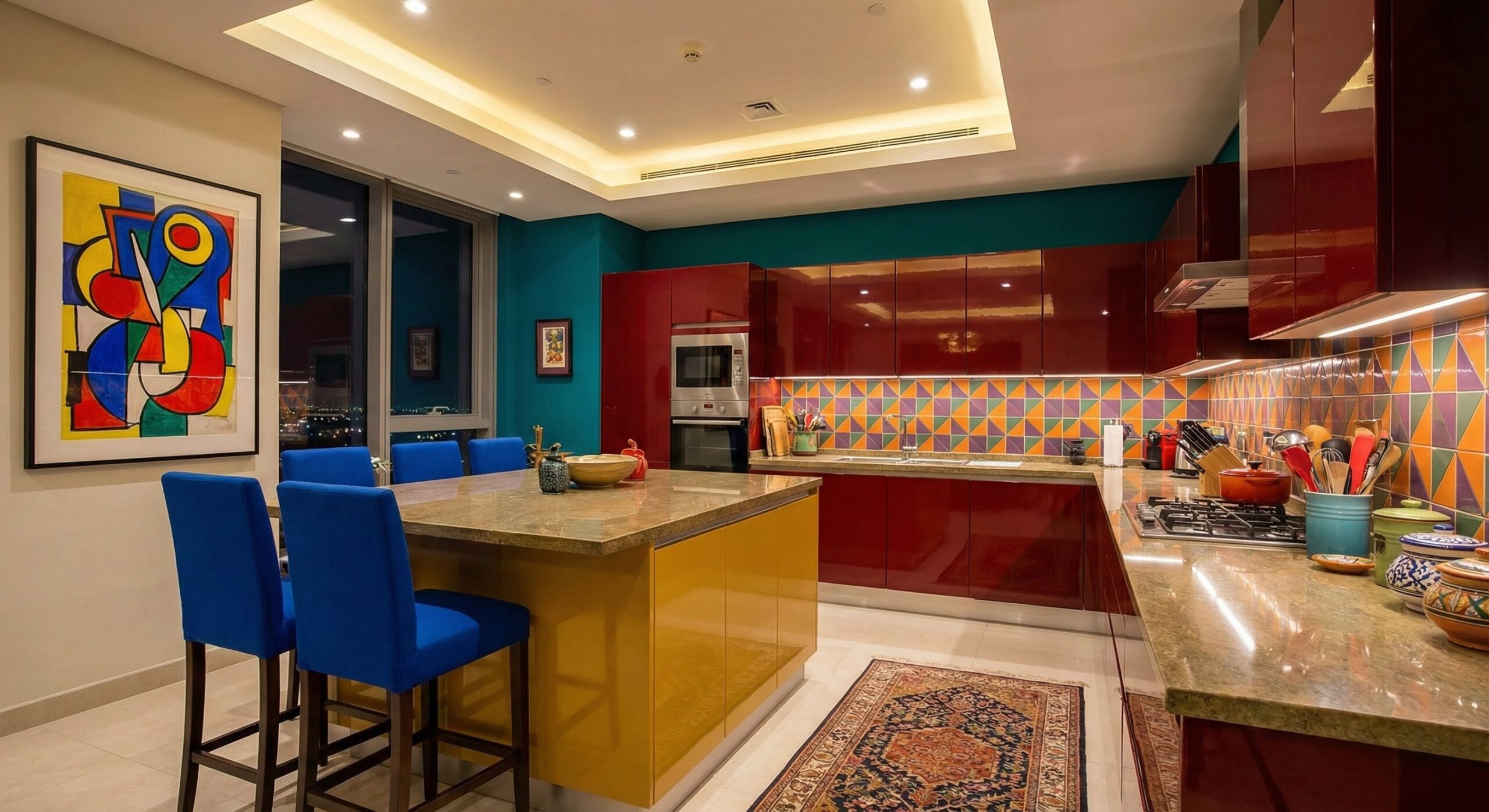
Too many strong colours create visual noise, while mixing warm and cool tones without a clear plan introduces tension. This is why some rooms feel busy or unsettled even when they are clean and well-furnished.
A simple colour structure works best. One dominant colour sets the base of the room, a secondary colour supports it, and accent colours are used sparingly. When colours relate to each other, the space feels calmer and more balanced.
How to Fix It:
-
Stand in the room and list the main colours you see on walls, large furniture, and major decor pieces.
-
Identify one colour that already feels most present and calming. Let this become the base colour.
-
Choose one supporting colour that naturally works with it and reduce anything that feels unrelated.
-
Keep accent colours limited and use them only in smaller elements like cushions or artwork.
-
Avoid adding new colours while making these adjustments.
-
Step back and reassess the room. If it feels quieter and more cohesive, the colours are working together.
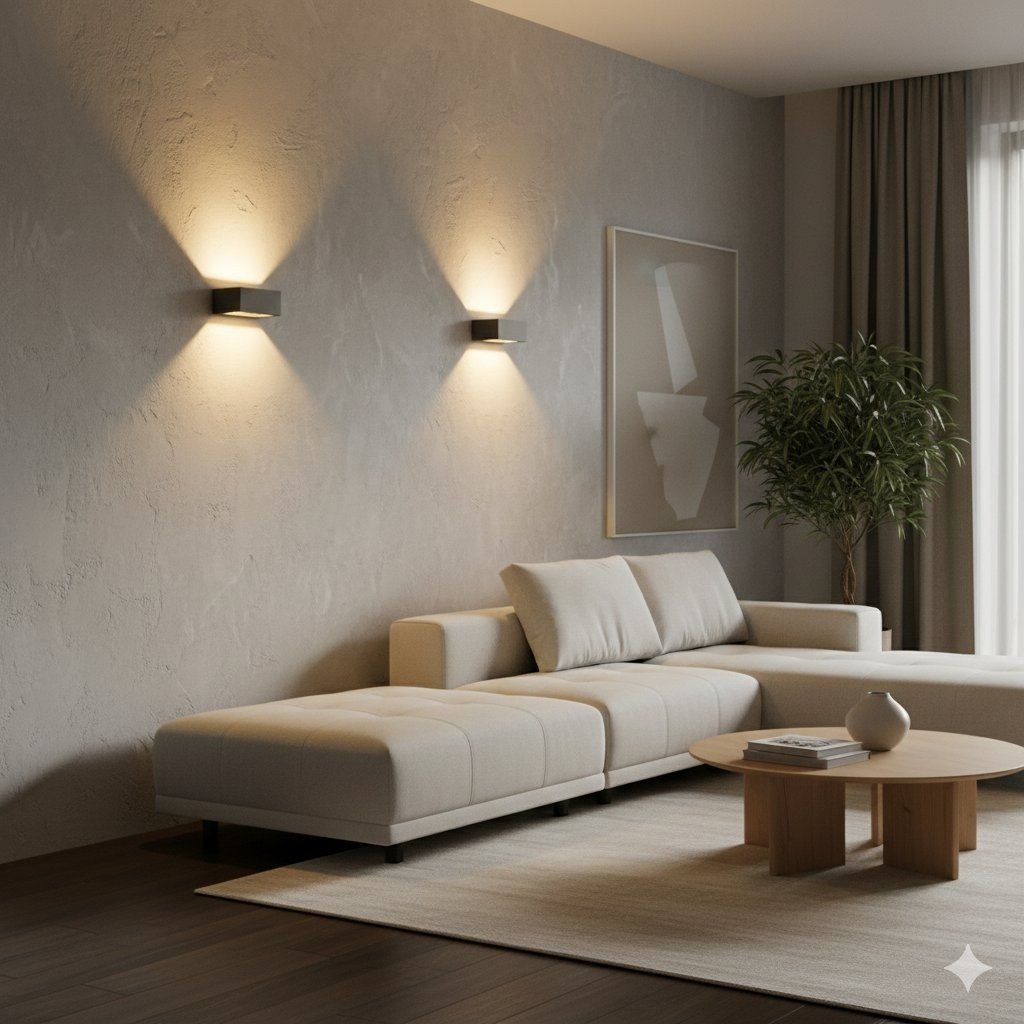
Lighting Is Flat or Too Harsh
Lighting has a strong influence on how a home feels, yet it is often treated as an afterthought.
Relying only on ceiling lights can make a room feel flat and lifeless. When lighting is too bright, especially in the evening, it removes warmth and makes the space feel uncomfortable rather than relaxing.
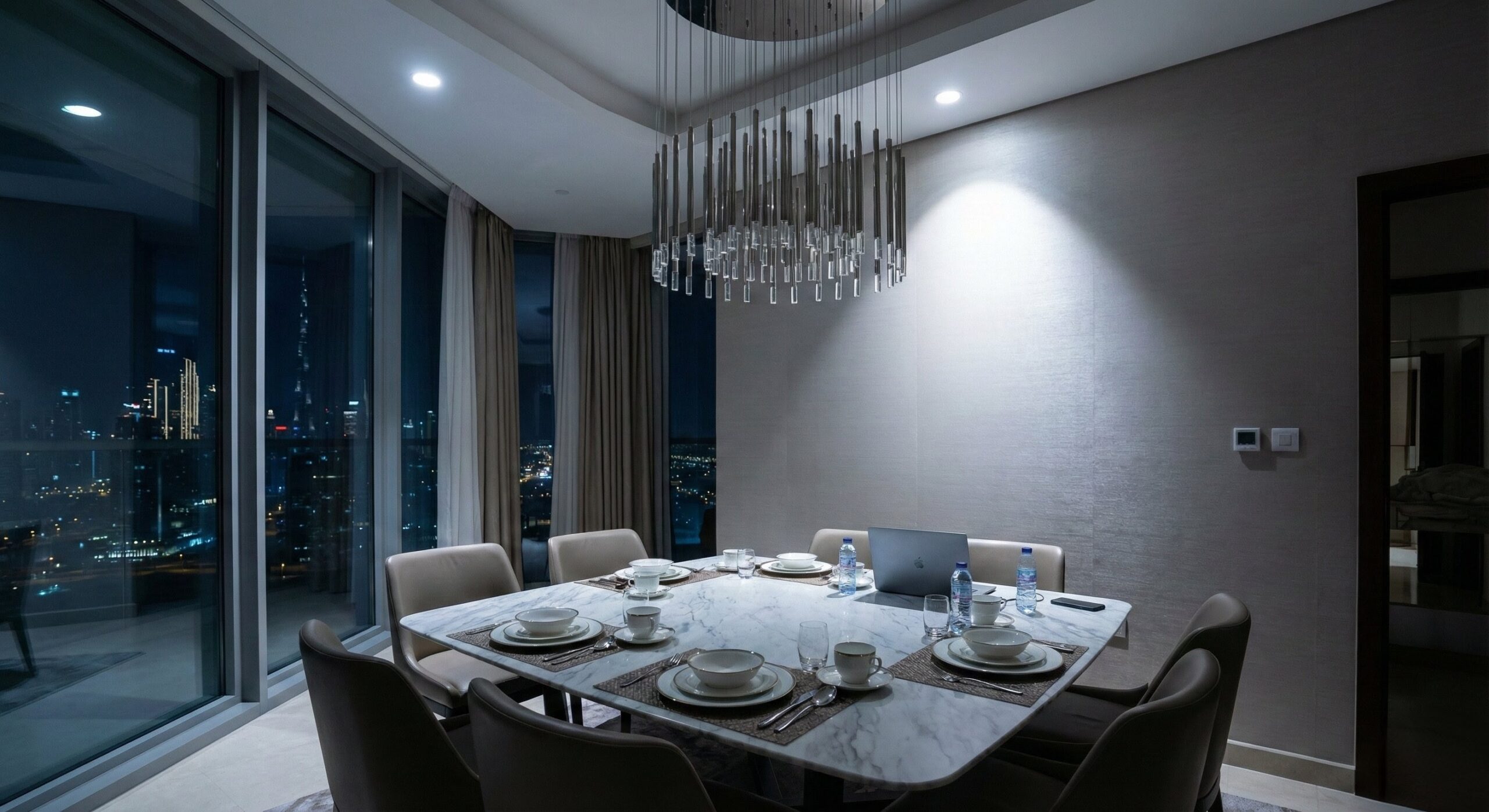
Comfortable homes use lighting in layers. Different light sources serve different purposes and work together to create depth and atmosphere.
Using light at different levels helps soften the room. In most homes, warmer lighting feels more inviting than cool white light. The right lighting can completely change how a space feels without moving a single piece of furniture.
How to Fix It:
-
Turn on all the lights in the room during the evening and notice how the space feels emotionally.
-
If the room feels harsh or tiring, switch off the main ceiling light and observe the change.
-
Turn on any lamps or secondary lights you already have and see how the atmosphere shifts.
-
Use brighter lighting only when needed and softer lighting for most evening hours.
-
Adjust lighting until the room feels calm rather than overly bright.
-
When the space feels comfortable and relaxed at night, the lighting setup is working.
Too Many Styles Mixed Without a Plan
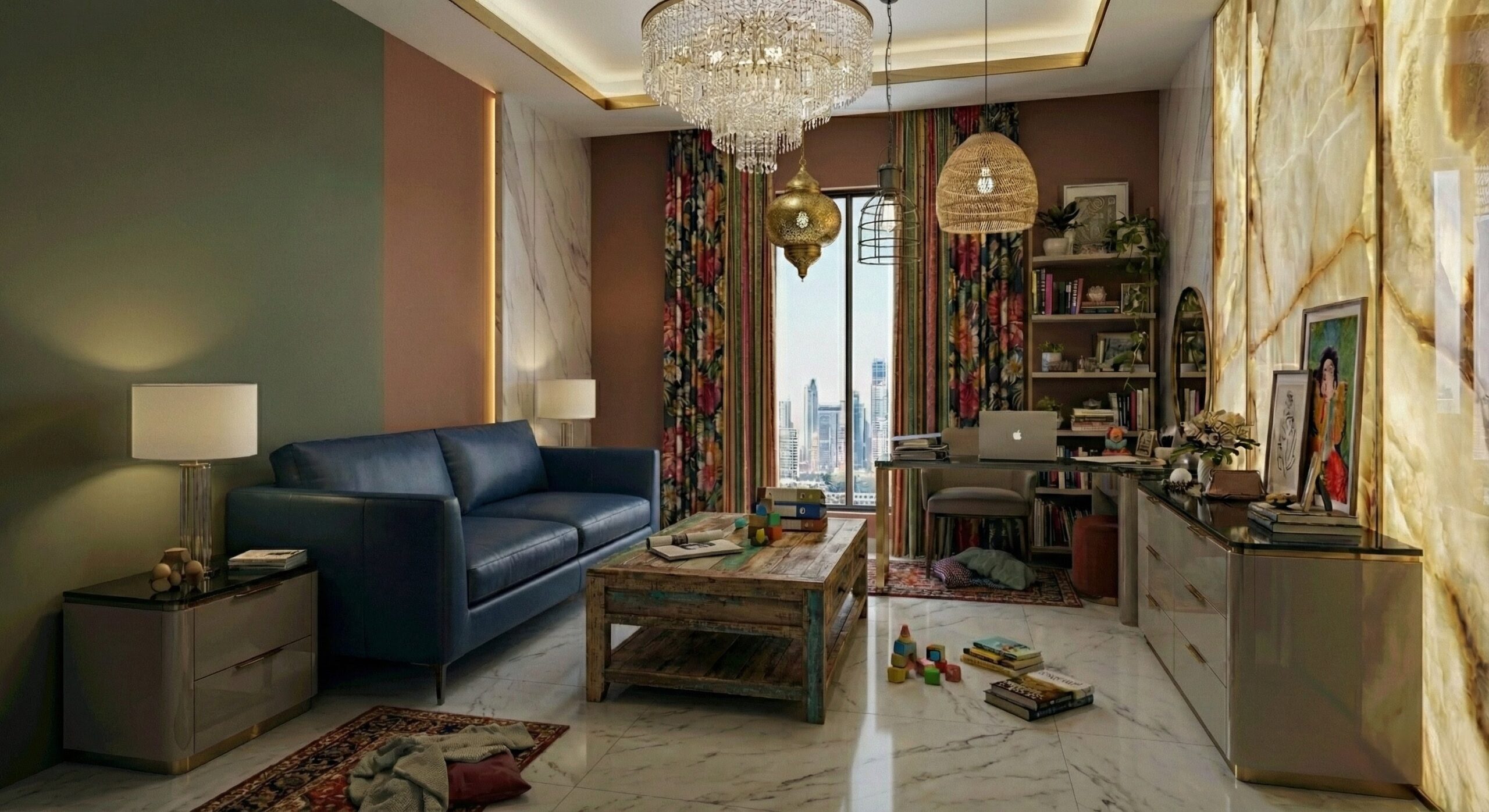
Many homes feel uncomfortable because they are trying to be too many things at once. A modern sofa, traditional curtains, rustic furniture, decorative lighting, and trendy decor may look appealing on their own, but together the room can feel visually unsettled.
Strong interior design usually follows one clear direction. Other styles can exist in the space, but only as subtle accents rather than equal competitors. Shared elements such as colour, material, or form help create a sense of connection.
When styles do not relate to each other, the space begins to feel more like a display of individual items than a place meant to be lived in.
How to Fix It:
-
Step back and look at the room as a whole instead of focusing on individual pieces.
-
Identify which style feels most natural and comfortable for the space.
-
Let that style become the base and quietly support it throughout the room.
-
Remove or soften one item that feels visually unrelated and observe the change.
-
Look for simple connections among the remaining pieces, such as shared colours or materials.
-
Stop adjusting once the room feels cohesive, calm, and easier to take in.
Rugs and Soft Furnishings Feel Random
Rugs and soft furnishings play a bigger role than most people realise.
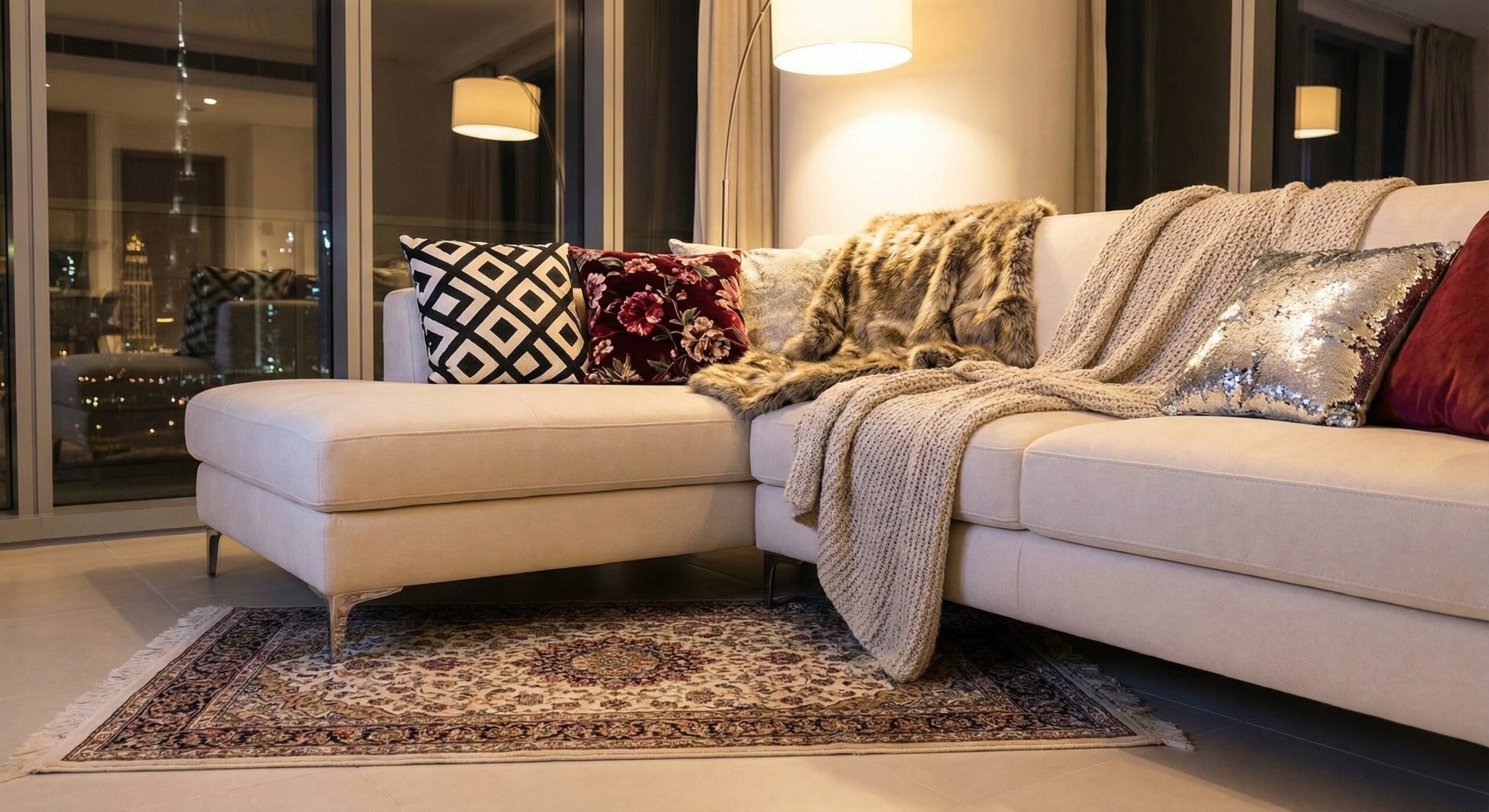
A rug that is too small makes furniture look like it is floating rather than grounded. Cushions and throws that clash in colour or texture add visual clutter instead of comfort. Even when everything is clean and new, the room can still feel unsettled because these elements are not working together.
In living rooms, rugs help anchor the seating area and define the space visually. Soft furnishings should support the overall colour palette and add texture without overwhelming the room. When chosen carefully, they bring warmth and depth rather than distraction.
Texture is important, but it needs balance. A few well-chosen fabrics feel rich and layered, while too many patterns or contrasting materials create chaos and break the visual flow.
How to Fix It:
-
Check whether the rug connects the main seating pieces instead of sitting awkwardly in the middle.
-
If furniture looks like it is floating, replace the rug with a larger one or reposition it so it sits under key pieces.
-
Look at cushions and throws together rather than individually and notice if their colours or textures clash.
-
Reduce patterns first and let solid or subtle textures do most of the work.
-
Keep soft furnishings within the same colour family so they support the room instead of competing with it.
-
Stop once the seating area feels anchored and visually calm rather than busy.
Storage Is Visible and Clutter Builds Up
Even a small amount of visible clutter can make a home feel stressful.
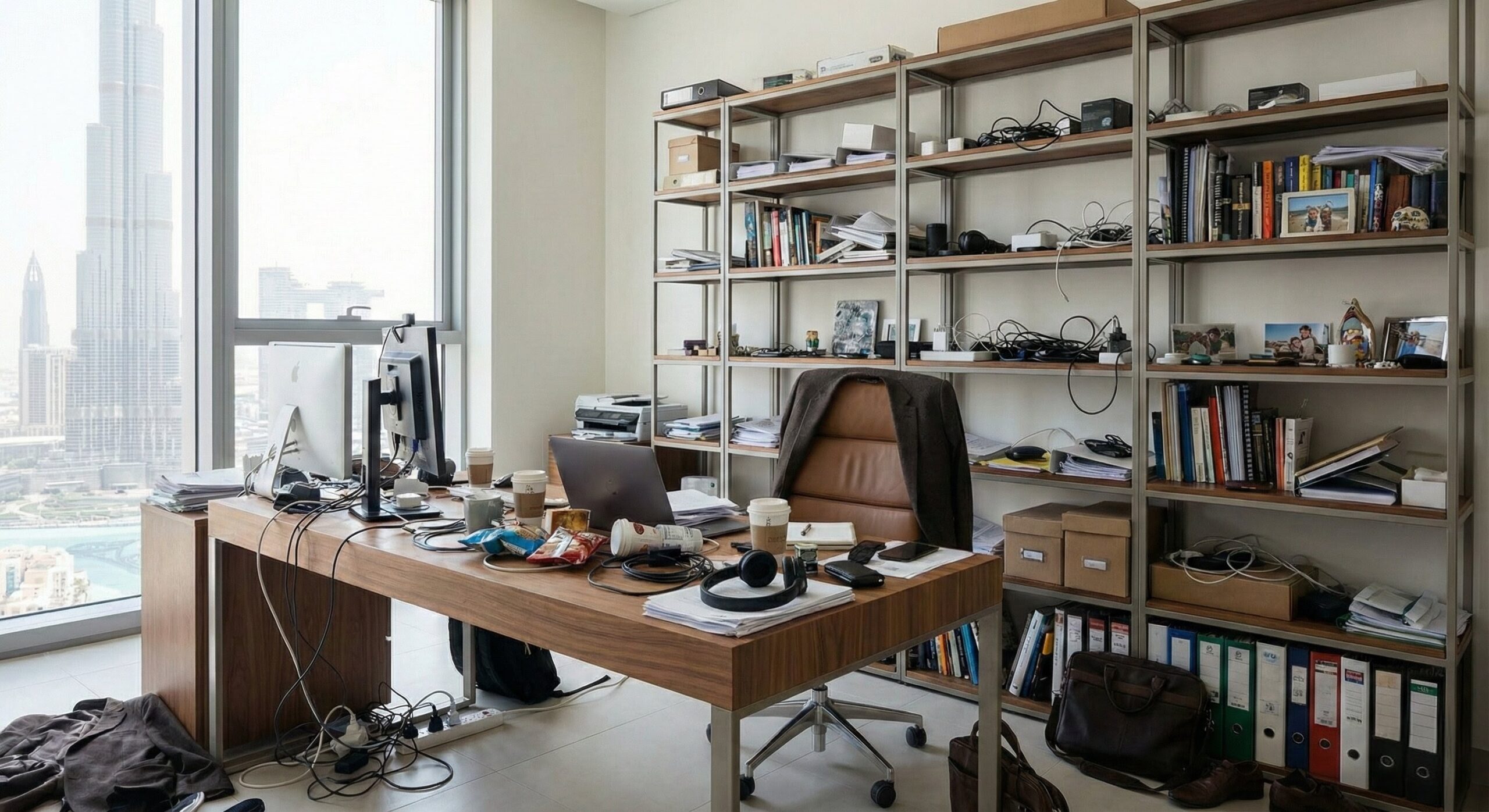
Open shelves filled with random items, exposed cables, and everyday objects left out create constant visual noise. When too much is on display, the eyes never get a place to rest, and the space starts to feel overwhelming even if it is clean.
Closed storage helps hide daily-use items, while open shelving works best when it is minimal and intentional. When clutter is reduced and storage is used thoughtfully, the room immediately feels lighter and more comfortable.
How to Fix It:
-
Start by choosing one surface or shelf to clear instead of trying to organise everything at once.
-
Move everyday items into drawers, baskets, or closed storage where they are easy to access but not constantly visible.
-
Limit open shelves to a few purposeful objects rather than filling them completely.
-
Group similar items together so the space feels organised rather than scattered.
-
Hide or manage visible cables and loose items that break visual flow.
-
Stop once the room feels calmer and your eyes can rest without being pulled in multiple directions.
The Layout Does Not Support Daily Life
Some homes look great in photos but feel frustrating to live in.
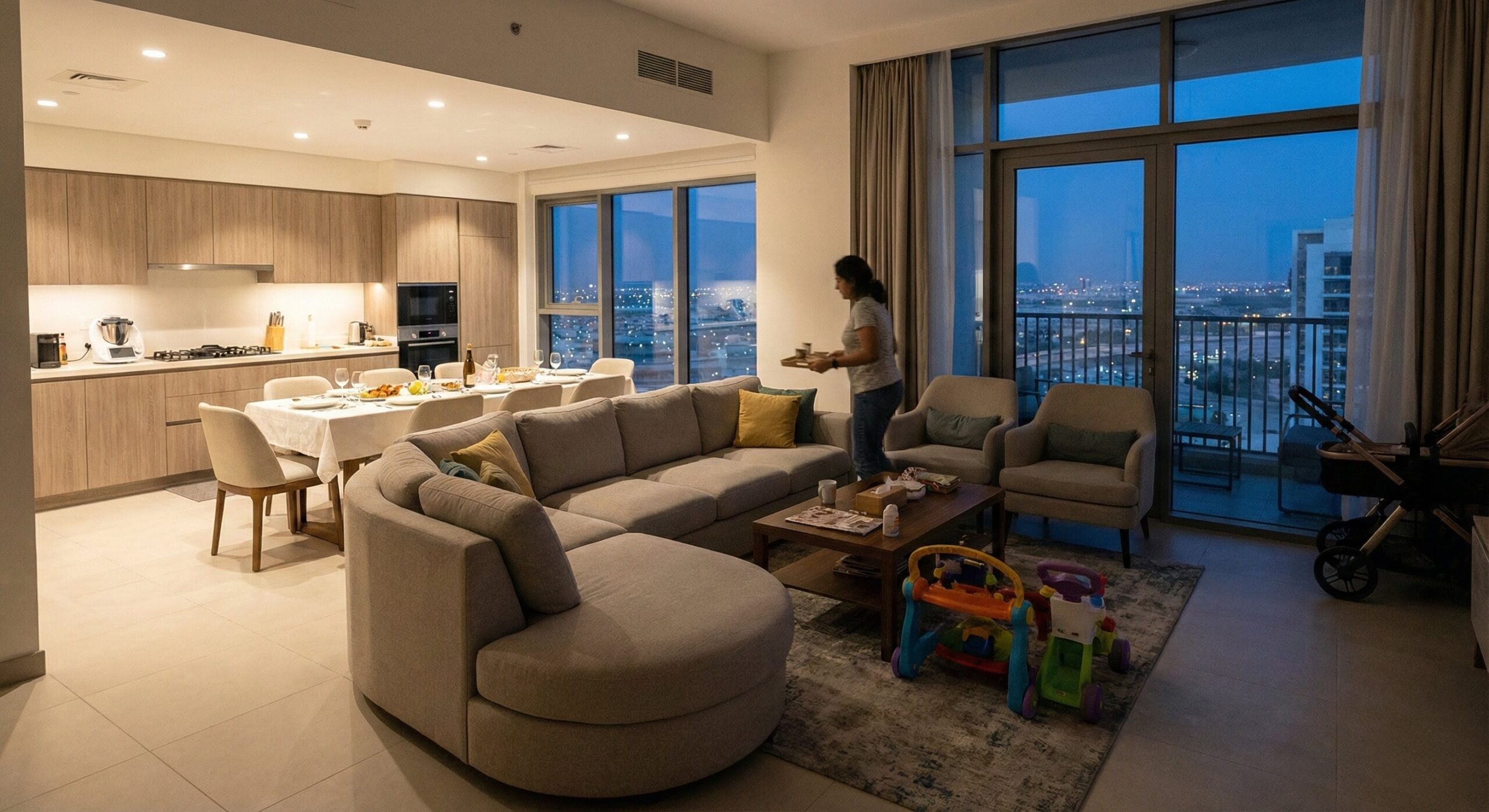
This usually happens when layouts are planned around appearance rather than real use. Seating that makes conversation awkward, storage that is hard to reach, or walking paths that feel cramped slowly create discomfort over time.
A good layout supports daily routines. Conversations should feel natural. Movement through the room should feel easy. Items used every day should be accessible without effort.
When a space works with how people actually live, comfort follows naturally.
How to Fix It:
-
Pay attention to moments during the day when the space feels inconvenient or slows you down.
-
Notice where movement feels restricted or where you often need to walk around furniture.
-
Adjust seating so people can talk comfortably without leaning forward or turning their bodies.
-
Reposition furniture that blocks easy access to frequently used storage or surfaces.
-
Clear and simplify walking paths so movement feels smooth and uninterrupted.
-
Stop once the room supports daily routines without requiring constant adjustment or effort.
The Space Does Not Feel Personal
A home can look stylish and still feel empty.
When a space is designed only around trends, it often lacks warmth. Without personal elements, it feels generic rather than lived-in.
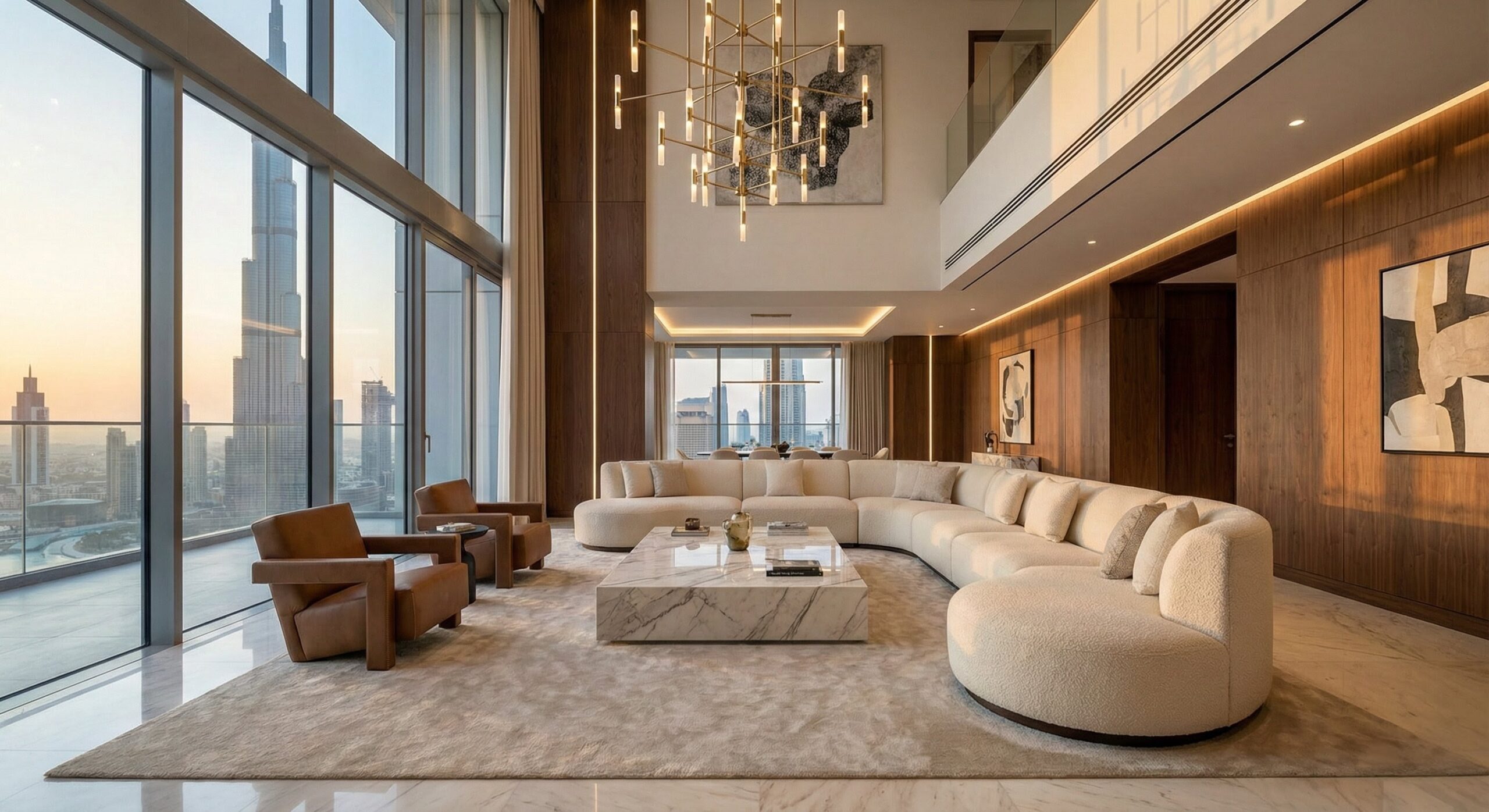
Personal photographs, meaningful objects, books, travel memories, and heirlooms add character. They turn a well-designed space into one that feels human and familiar.
The goal is not decoration for display, but design that reflects the people who live there.
How to Fix It:
-
Walk through the room and notice whether anything truly reflects you or your life.
-
Choose a few personal items that hold real meaning rather than filling the space with many small objects.
-
Group related items together so they feel intentional instead of scattered.
-
Place personal elements where they are naturally noticed, such as shelves, side tables, or walls at eye level.
-
Avoid hiding everything meaningful in storage while displaying only decorative pieces.
-
Stop once the room feels warm and lived-in without becoming cluttered or overly styled.
The Real Reason Your Home Feels Weird
Most homes do not feel uncomfortable because they lack luxury furniture or expensive finishes. They feel uncomfortable because the elements are not working together.
When furniture size, layout, colour, lighting, storage, and personal expression are aligned, a space begins to feel settled. Calm replaces confusion. Comfort replaces tension.
Good interior design is not about adding more objects or following trends. It is about making thoughtful decisions that support how a space looks, feels, and functions every day.
When those decisions come together, the space stops feeling forced or unfinished. That uneasy feeling fades, and the home starts to feel natural again
How to Fix Your Home Without Overthinking It
After reading through these mistakes and solutions, it’s natural to feel unsure about where to begin. Most people get stuck not because they lack ideas, but because they try to fix everything at once.
The simplest way forward is to focus on comfort first, not perfection.
Start with what affects how the space feels immediately. Soften the lighting so evenings feel calmer. Clear visible clutter that creates visual noise. These changes are quick, low-risk, and often make a noticeable difference right away.
Next, shift your attention to how the room works during daily use. Notice movement, seating, and access. Make small physical changes that improve ease and flow rather than chasing a “perfect layout.”
Only after this should you think about visual refinement. Colours, textures, styles, and personal elements are easier to adjust once the space already feels calm and functional.
You don’t need to do everything in one go. One room at a time is enough. The goal is clarity, not completion.
If at any point you feel stuck or unsure, pause and check the basics before making another change.
A Quick Self-Check Before You Continue
-
Does the room feel calmer than it did before?
-
Can I move through the space without adjusting furniture?
-
Does the lighting feel comfortable in the evening?
-
Do my eyes settle quickly when I enter?
-
Is clutter controlled rather than hidden everywhere?
-
Does seating feel easy and natural to use?
-
Do colours feel related rather than competing?
-
Is there anything here that serves no real purpose?
-
Does this space reflect how I actually live?
-
Am I fixing a problem or just adding more?
If several of these still feel unclear, it’s a sign that the space may need professional guidance rather than more trial and error.
How a Professional Approach Makes the Difference
A home that truly feels right doesn’t draw attention to individual decisions. It supports everyday life quietly, where movement feels easy and spaces feel intentional.
While many adjustments can improve a room, bringing everything together into one cohesive whole often requires experience. Layout, lighting, materials, and function influence each other, and seeing the bigger picture is what turns partial improvements into lasting comfort.
At Euphoria Interiors, we approach home design with this understanding. Our focus is not just on how a space looks, but on how it feels to live in, day after day.
If you’re planning to redesign, renovate, or want clarity before making your next decision, professional guidance can simplify the process and help you move forward with confidence.
Get in touch with our team to explore how a thoughtful design approach can transform the way your home feels every day.