
Villa Interior Design for Homeowners Who Want Calm, Effortless Luxury, Not Chaos
It deserves a thoughtful design team that executes it like their own home.
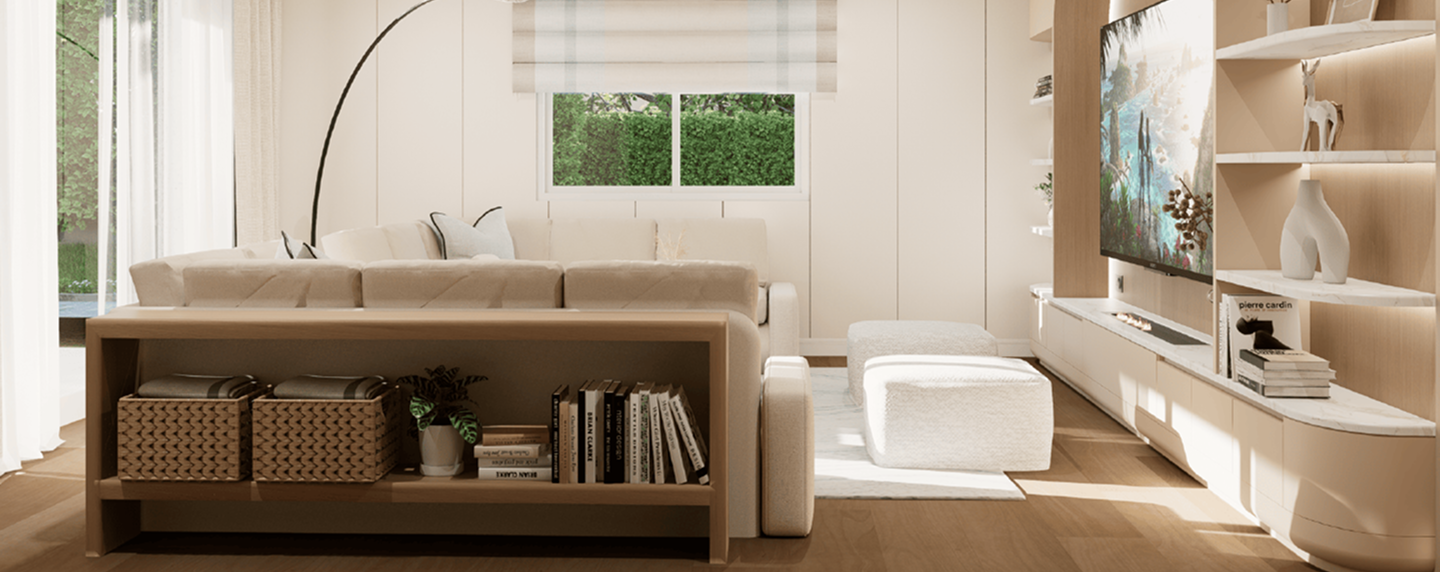
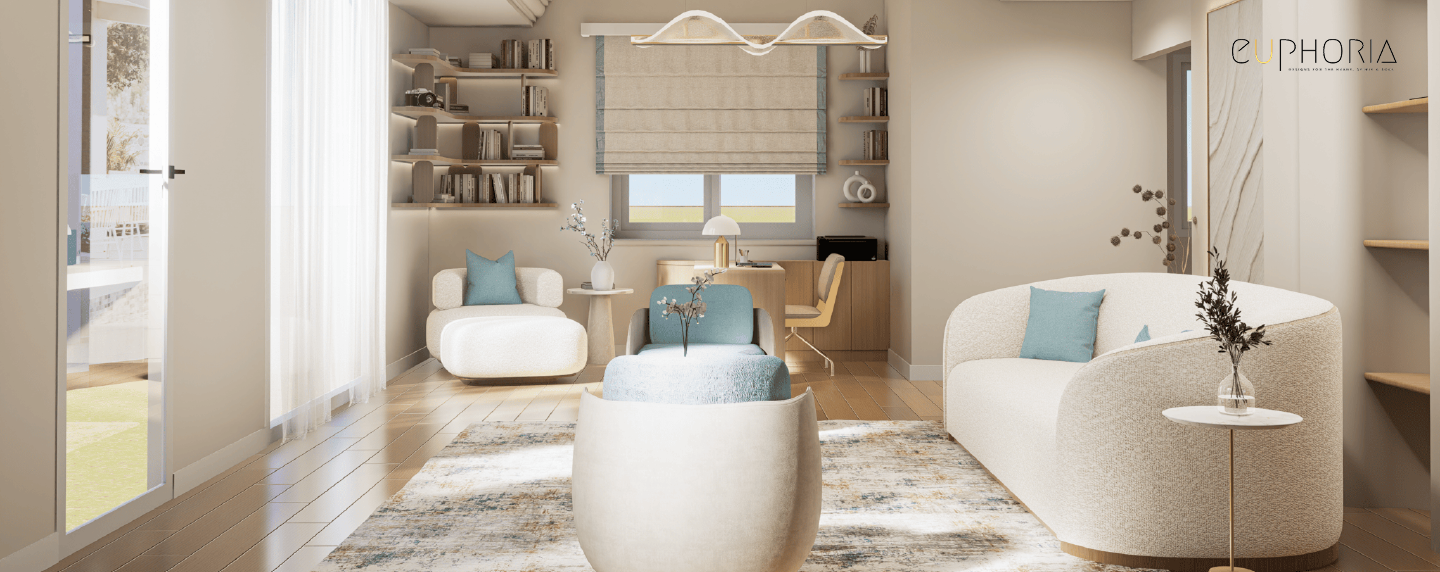

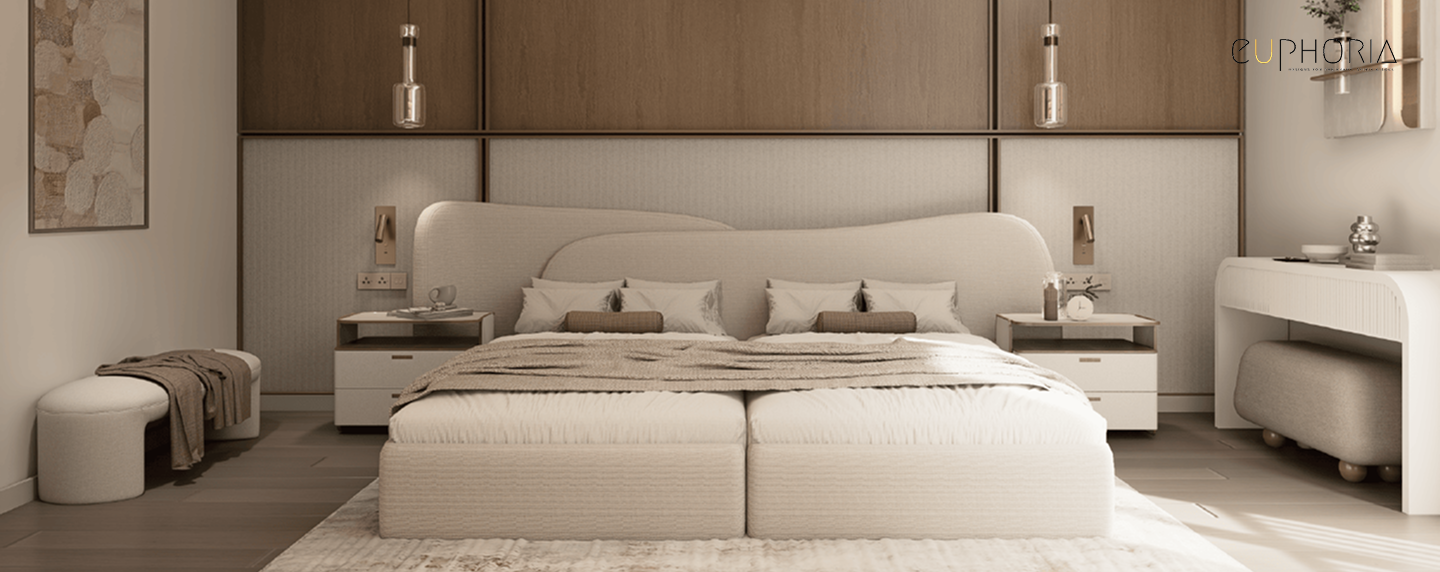
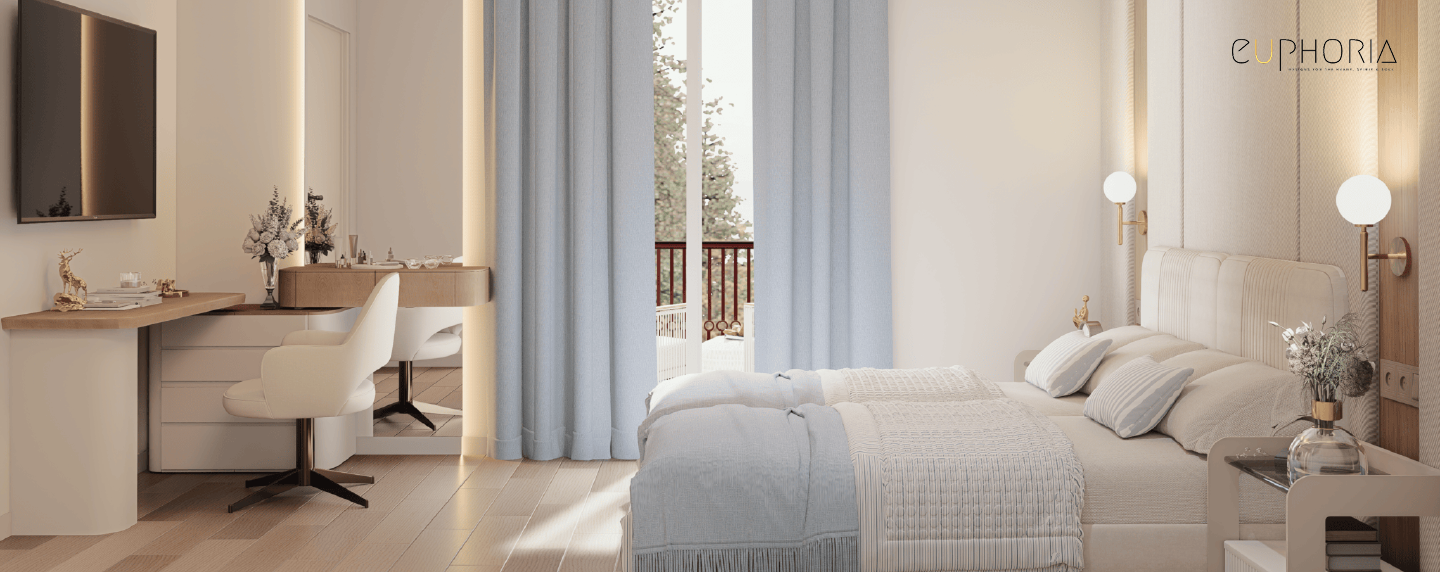
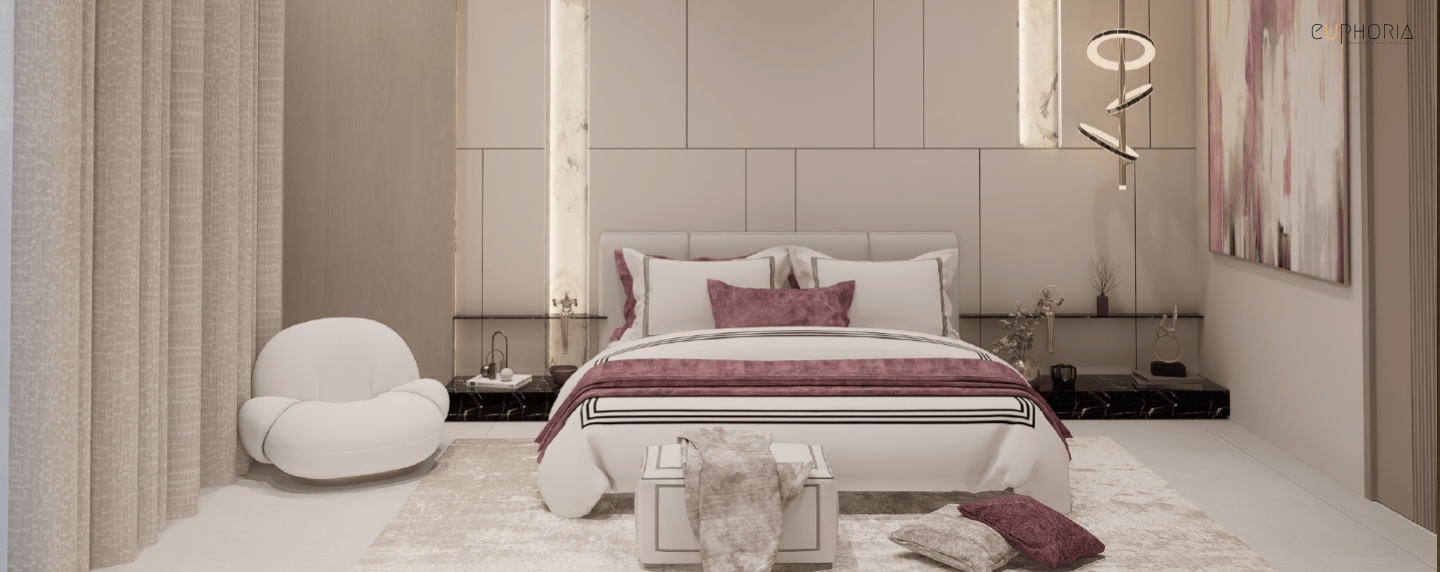
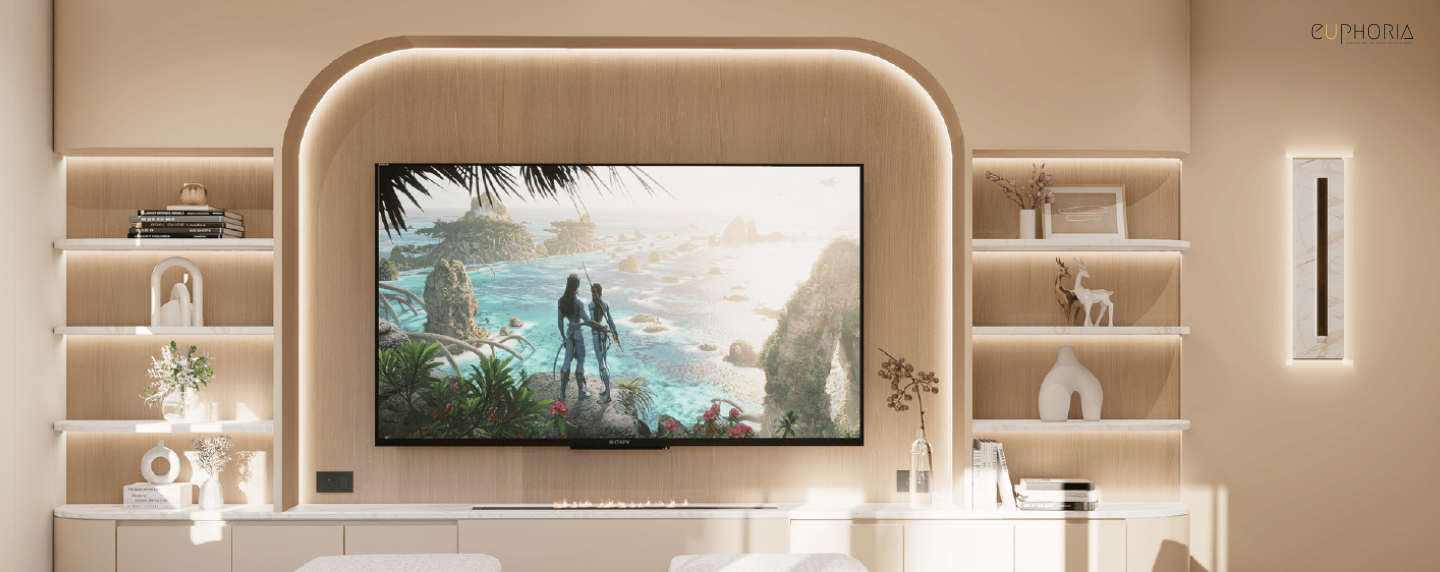
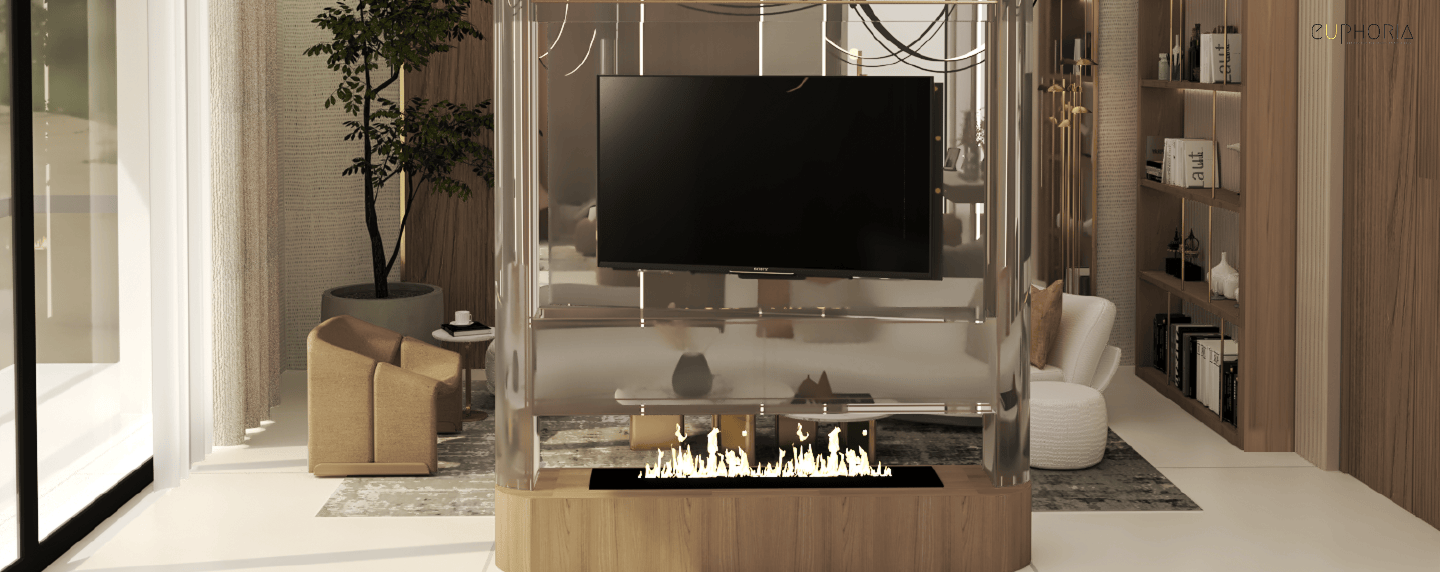
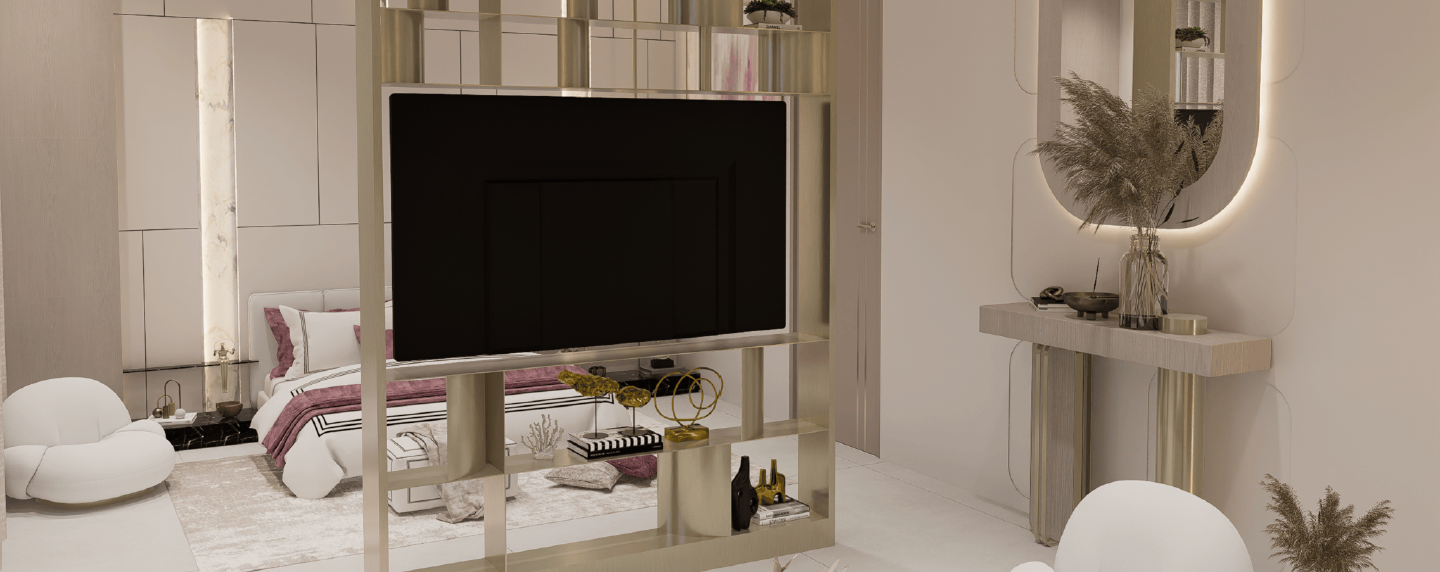
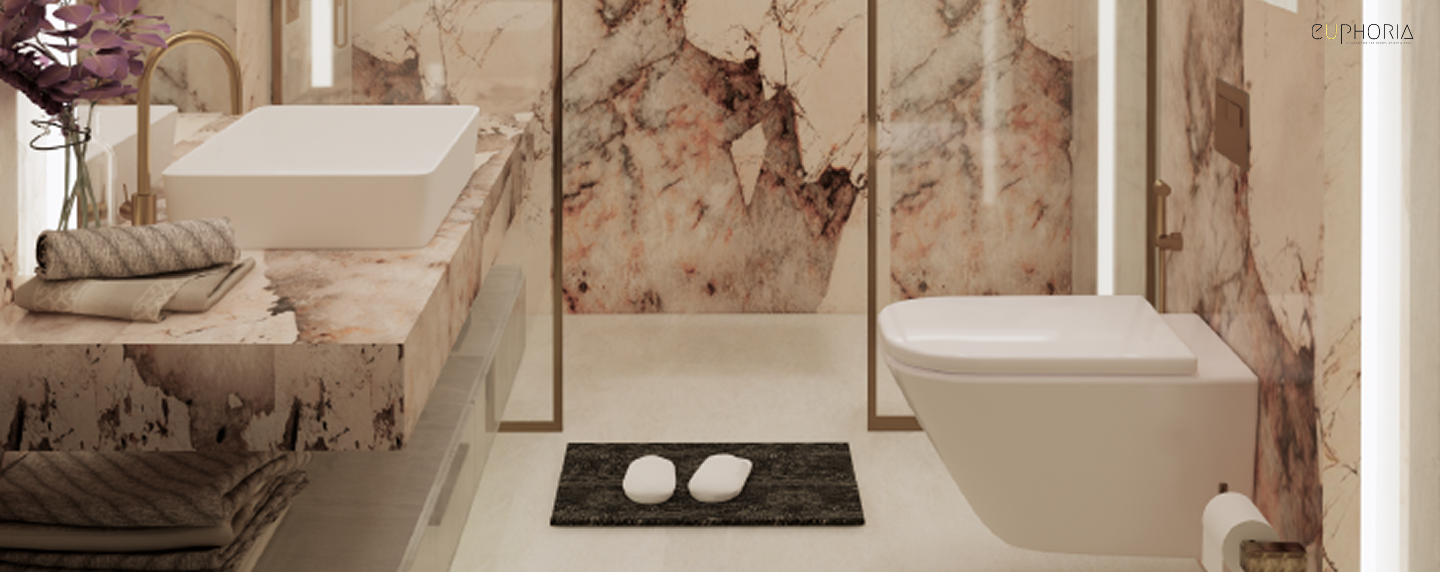
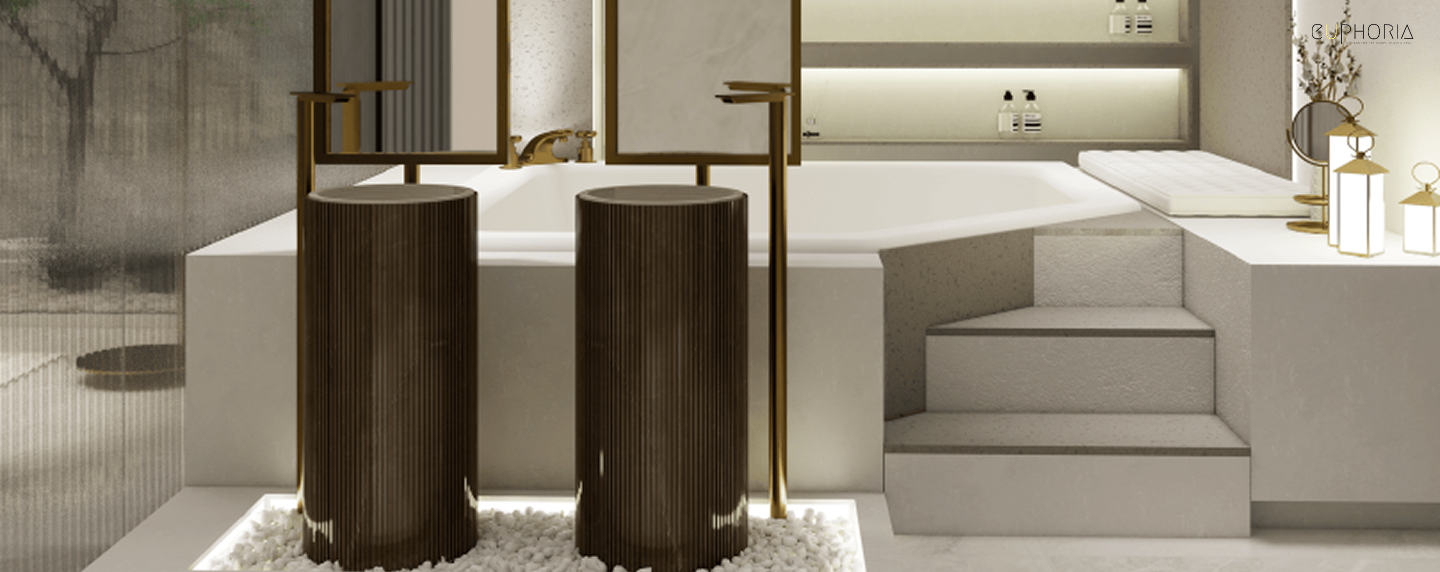
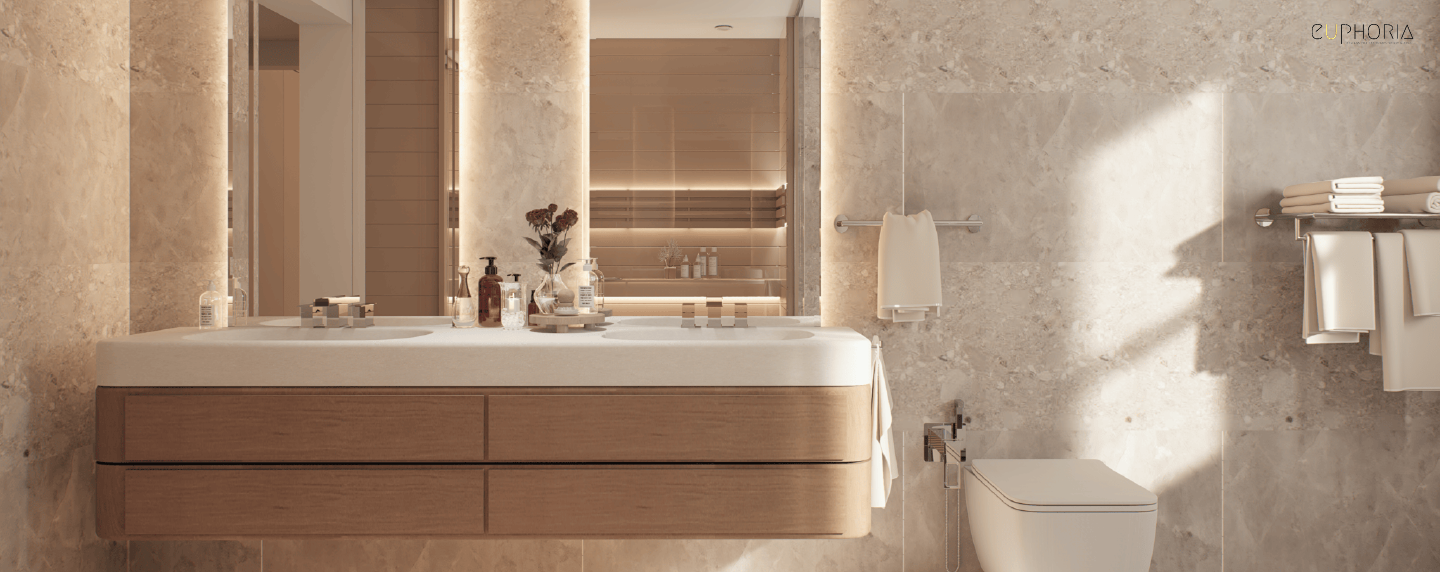
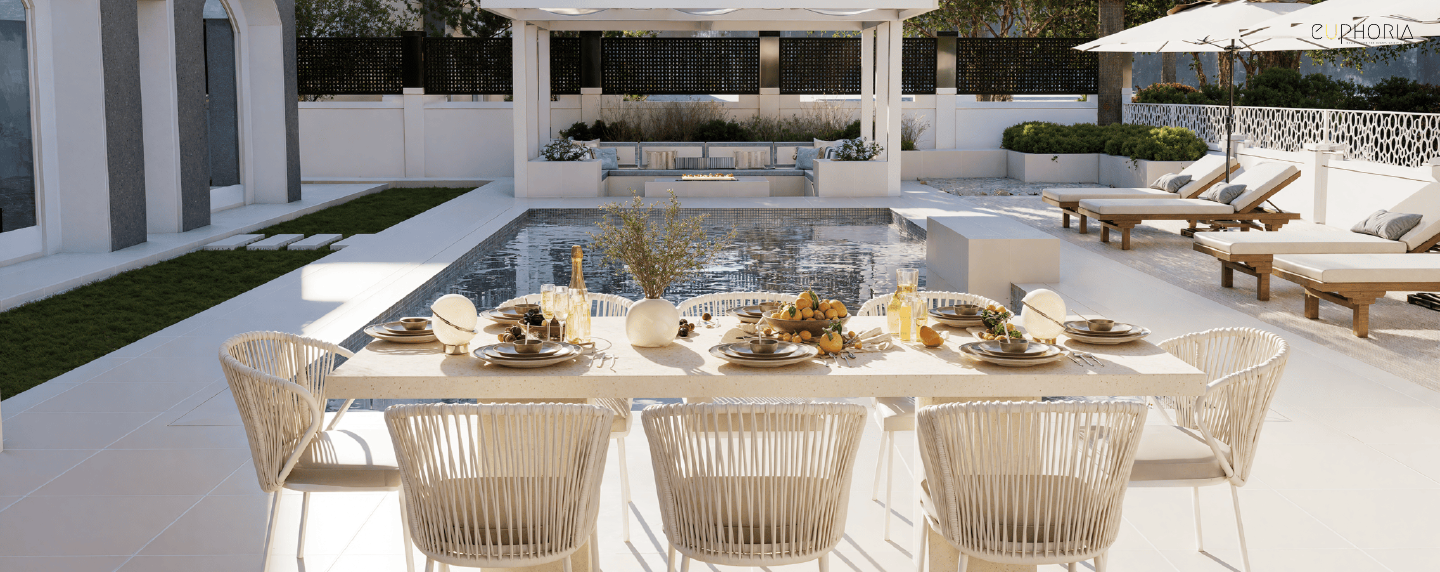
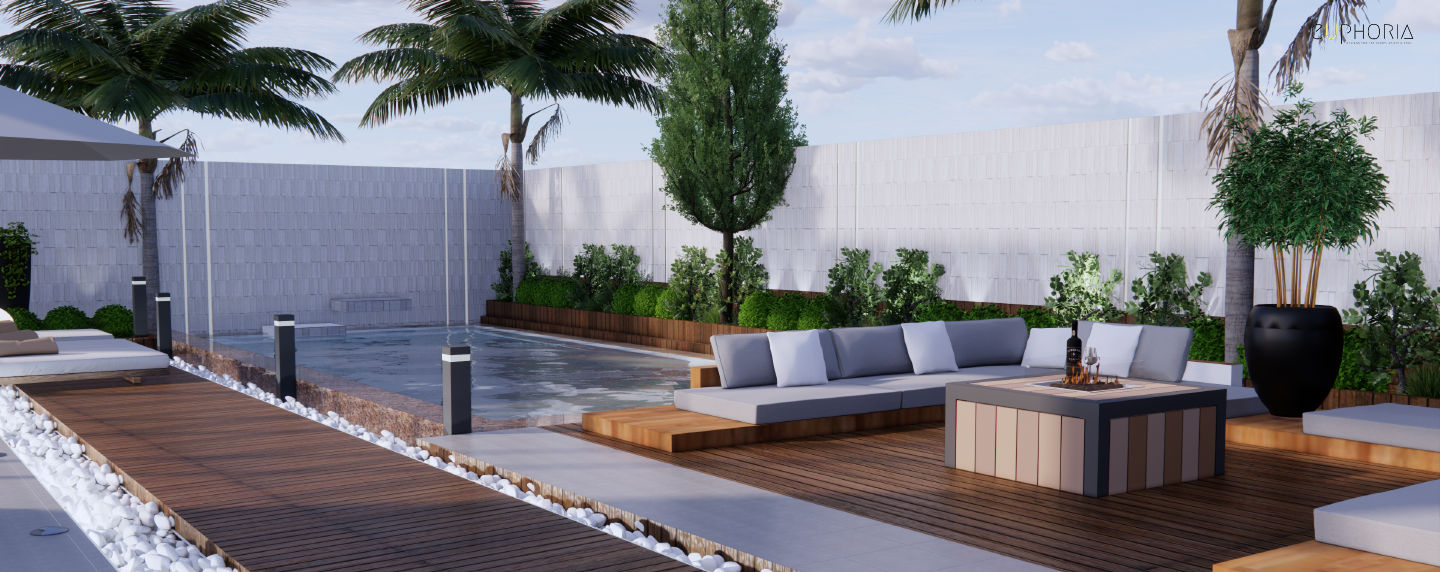
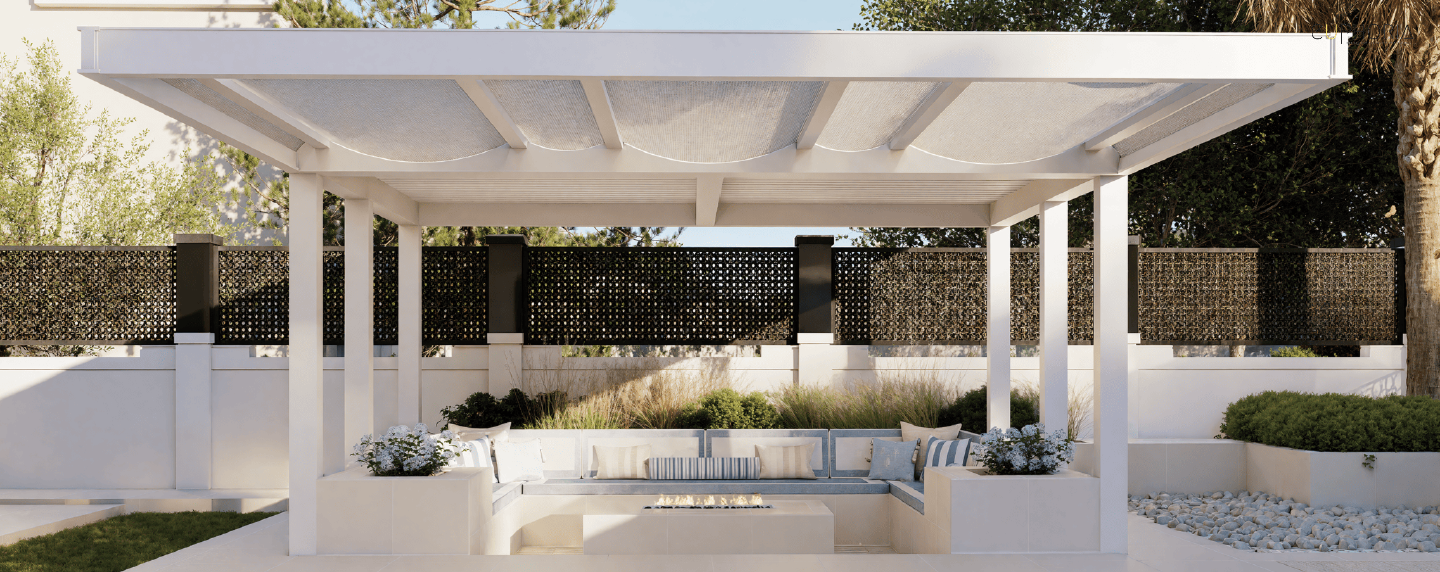
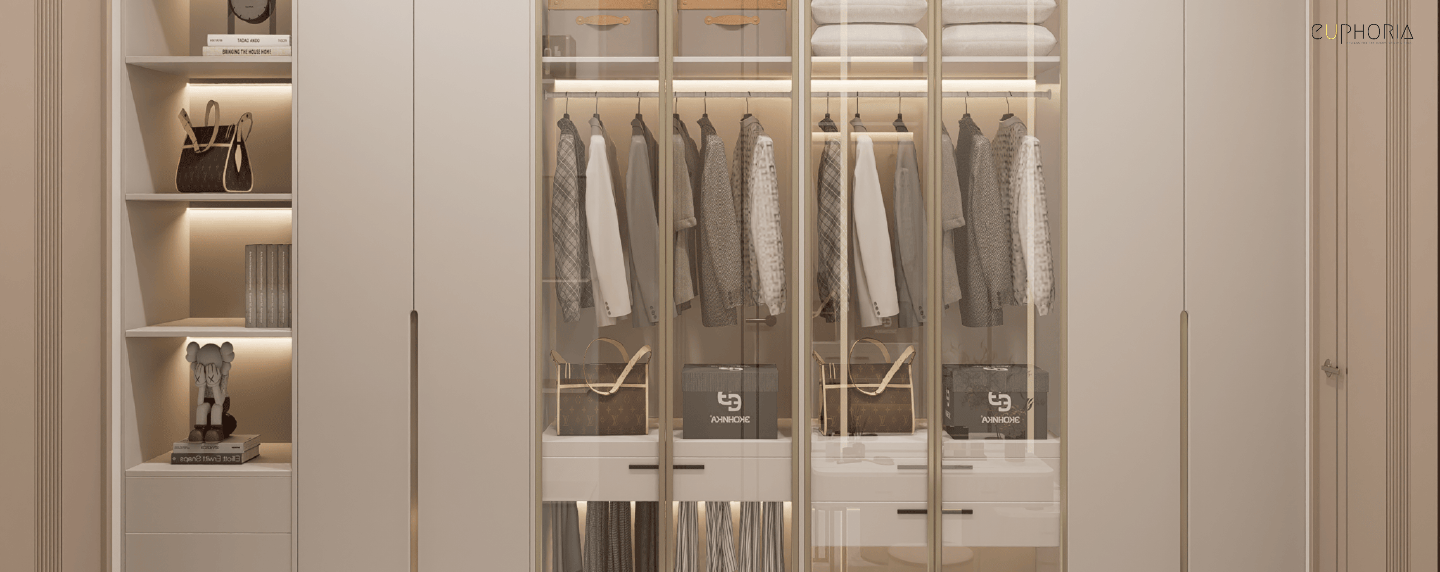
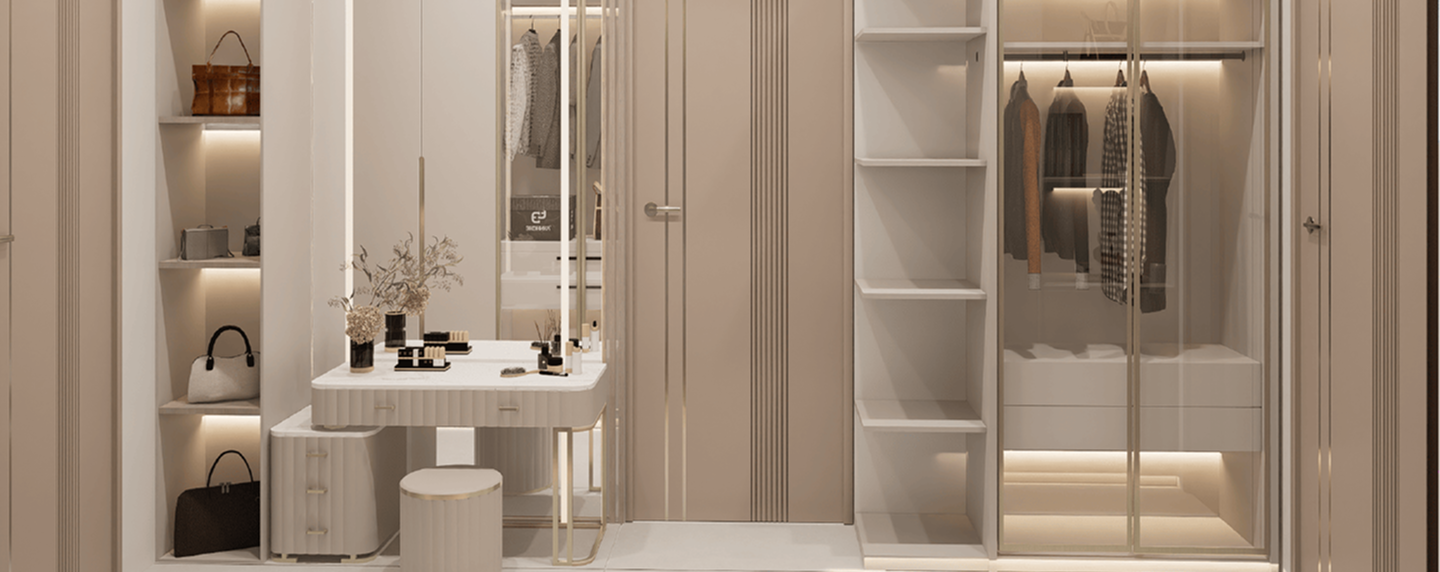
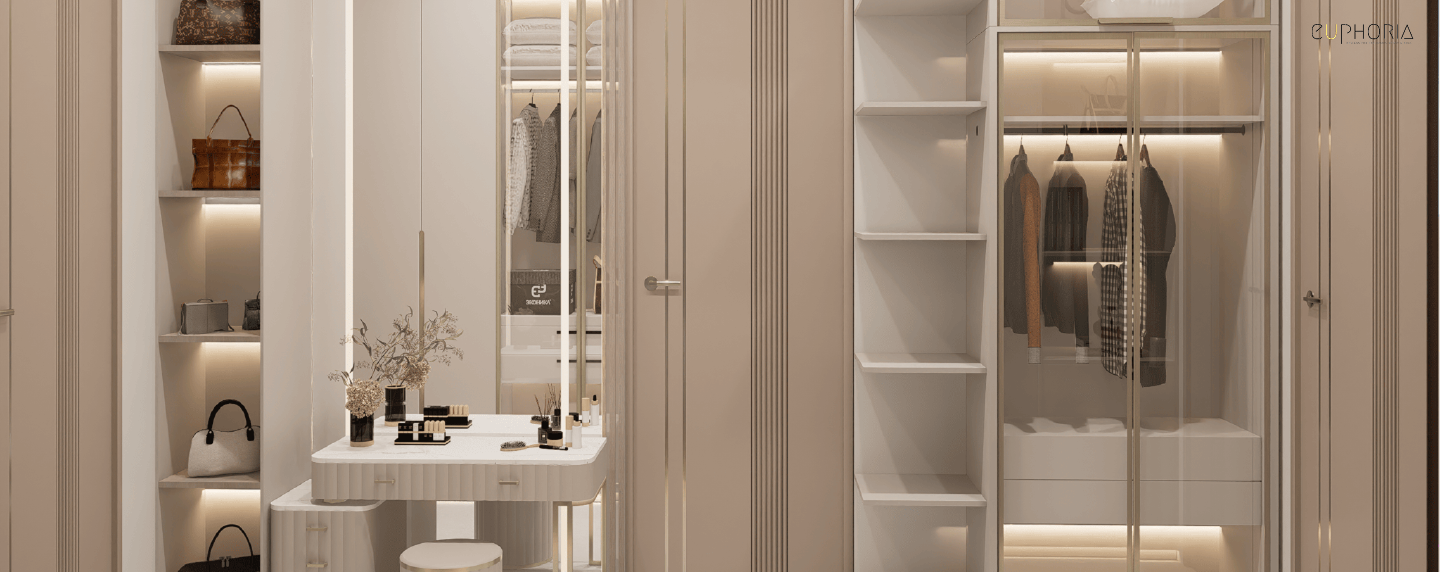
Villa Projects

 4 BHK
4 BHK  3Weeks
  4 BHK 2Weeks
  4 BHK 2Weeks
  4BHK 2Weeks
Initial consultation to understand your vision.

Concept development for cohesive design.

Space planning creating functional flow.

Space planning creating functional flow.

Space planning creating functional flow.

Space planning creating functional flow.
Our Offerings


Pricing
AED 72,000.00
Duration
45 Days
Package Details:


Pricing
AED 72,000.00
Duration
45 Days
Package Details:
Let our team handle it all — from 3D concepts to final installation. So you get a luxury home, without lifting a finger.

Because true luxury isn’t just what you see — it’s what you feel every day.
“Amanda D’souza”

Let our team handle it all —
from 3D concepts to final
installation.
So you get a luxury home,
without lifting a finger.
Because true luxury isn’t just what you see — it’s
what you feel every day.
“Amanda D’souza”
Let our team handle it all — from 3D concepts to final installation. So you get a luxury home, without lifting a finger.

Because true luxury isn’t just what you see — it’s
what you feel every day.
“Amanda D’souza”
What most villa owners discover later is this:
the real challenges rarely come from design taste. They come from planning gaps, unclear authority, and decisions that were never fully defined before execution began.(That’s why we developed The Euphoria Precision Planning Method )
When you start a villa interior project, it often begins with excitement. You imagine how the home will look, how beautiful the spaces will feel, and how everything will finally come together. But many villa owners later realize that the biggest challenges are not design-related. They come from planning gaps, unclear responsibilities, and small decisions that were never fully thought through at the beginning.
If these basics are not clarified early, projects often face delays, budget stress, and unnecessary frustration during execution.
The points below will help you understand what you should clarify before work starts, so you stay in control and avoid common problems later.
On a working site, small decisions happen every day. A carpenter may adjust a measurement to make installation easier. An electrician may shift a point slightly because something clashes behind the wall. These changes may seem minor, but over time they can slowly change the final result.
If it is not clear who has the authority to approve these changes, different people start making their own decisions. You may only discover the impact when something feels wrong after installation.
Before work begins, clarify:
Who approves site changes
Who resolves technical clashes
Who is accountable for final outcomes
When this is clear, you do not have to step in daily to manage small issues.
Depending on your community and the type of work you are doing, approvals may still be required before construction continues. Many villa owners are unsure who handles this, what documents are needed, and how long the process normally takes.
Confusion here often leads to delays, repeated submissions, or work stopping unexpectedly.
You should clearly know:
Who prepares drawings and documents
Who submits and follows up with authorities
What information you need to provide
How approvals affect your timeline
If you want a deeper explanation of this process, it is covered in detail in the approvals section on this same page.
When you sign an agreement with an interior firm, this is where many misunderstandings quietly begin.
In early discussions, many things are spoken about casually. You may assume certain items are included because they were shown in drawings or discussed verbally. The design team may assume you understand what is extra and what is not.
The issue usually appears later, when work reaches that stage on site.
You suddenly hear:
“This item is not included.”
“This upgrade will cost extra.”
“This was never part of the scope.”
If something is not written clearly in your agreement or quotation, it is safer to assume it is not included.
You should clearly see:
What work is included in the price
What items are excluded
What may cost extra later
Who supplies what and who pays for what
This clarity protects you from hidden costs and uncomfortable surprises.
Some materials take many weeks to arrive, especially custom furniture, imported lighting, special finishes, or large stone slabs. Many villa owners only realise this after work has already started.
If these items are ordered late, the site may slow down or stop while waiting. Electricians cannot finish fittings. Painters cannot close walls. Final inspections get postponed. Even if most work is done, handover cannot happen until everything is complete.
This affects your move-in date and may increase rent, EMIs, or temporary living costs.
Identifying long-lead items early and ordering them at the right time keeps the project moving smoothly.
Electrical points are fixed early to keep work going. But if furniture sizes, appliance models, and layout details are not finalised yet, problems appear later.
Sockets may end up hidden behind wardrobes. Switches may be blocked by doors. Charging points may be missing where you actually need them.
Fixing this after the walls are finished means breaking surfaces and repainting, so most people adjust and live with the inconvenience.
Finalising furniture layout first allows electrical planning to support real daily use.
Water pipes, electrical wiring, AC pipes, and drainage lines get hidden behind walls and ceilings very quickly. If something is placed wrongly and covered too early, fixing it later becomes expensive and messy.
You should understand:
When these services are checked and tested
Who verifies correctness before closing walls
How mistakes are documented and corrected
This prevents hidden defects from becoming long-term problems.
Once floors, stone, doors, and fittings are installed, other work still continues on site. Without proper protection, scratches, dents, and stains happen easily.
If responsibility is unclear, repairs take time and disputes arise near handover.
You should know:
How finished surfaces will be protected
Who monitors protection
Who is responsible if damage occurs
Clear payment stages help you understand what you are paying for and how work is progressing.
In the same way, any change should be written, priced, and approved before work continues. This avoids surprise bills and timeline confusion later.
If you want more clarity on budgeting and payments, this is explained further in the budgeting sections on this page.
Your involvement matters most at the beginning of the project, before contracts are signed and materials are ordered. At this stage, layouts, specifications, and costs can still be adjusted without affecting progress on site.
Once work begins, many decisions are already locked in. Materials may be ordered, drawings issued, and multiple teams scheduled. Even small changes can then cause delays, rework, and additional costs.
Being clear and involved early helps prevent disruptions later and allows the project to move forward smoothly.
How Euphoria Supports a Safer Start
A villa is not just a project. It represents years of effort, family comfort, and long-term peace of mind. Small decisions made early quietly shape how smoothly your home comes together.
At Euphoria, we focus on structured planning, clear documentation, realistic sequencing, and central coordination so expectations are aligned before site work begins. This reduces uncertainty, protects your timeline and budget, and allows the project to move forward calmly and predictably.
Our role is to help you make informed decisions early so you can enjoy the journey instead of managing problems.
Most villa owners ask this question at the very beginning.
Full-service interior design usually costs more than hiring a designer, a contractor, and vendors separately. So the real concern is not about luxury or branding.
The real question is:
Will this actually save you time, stress, mistakes, and hidden costs during the project?
Many villa owners only understand the answer after facing delays, coordination problems, repeated site issues, or unexpected bills.
Let’s break down what full-service really means in practice and when it genuinely adds value for you.
In a true full-service model, one team handles the full journey, not just design visuals:
Layout planning and technical drawings
Material selection and specifications
Community and authority approvals coordination
Vendor selection and delivery tracking
Site coordination and sequencing
Quality checks and handover support
All these stages are planned and managed together instead of being handled separately.
Instead of calling five different people for updates, you deal with one accountable team that owns outcomes, not just drawings. This reduces confusion, repeated explanations, and gaps between design and execution.
When design, contracting, and procurement are handled separately, common issues appear:
Drawings look fine but miss real execution details
Electricians and carpenters clash on site
Imported lights or fittings arrive late and stall work
Small design changes create multiple variation bills
No one clearly owns problem solving
Many villa owners end up spending hours daily coordinating calls, site visits, and follow-ups. Instead of focusing on decisions that improve the home, you will spend your energy fixing avoidable problems.
Full-service does not always reduce your base construction cost. It reduces expensive mistakes.
Strong teams lock layouts early, validate furniture sizes before electricals, plan long-lead items in advance, and sequence work properly.
This prevents:
Avoid rework and demolition
Prevent idle labor waiting on other teams
Avoid emergency shipping for late items
Reduce delayed handover expenses
Minimize repeated corrections on site
These hidden costs often exceed the original difference in professional fees.
In Dubai, many villas require community NOCs, authority submissions, and inspections depending on scope. If drawings are incorrect or approval routes are misunderstood, submissions get rejected or inspections fail.
This creates redesign cycles, rework on site, delayed inspections, and handover pressure.
If you want a clearer understanding of how approvals actually work, this is explained in detail in the “How to Get Villa Design Regulations and Approvals in Dubai” section on this page.
Full-service teams with local approvals experience reduce these risks significantly.
Full-service may not always be required.
It may be less critical if:
The project is very small or cosmetic
No structural or service changes are involved
You already have a trusted contractor team
You have time and experience to manage daily coordination
In these situations, partial design support or limited project management may be sufficient. The key is honestly assessing how complex your project really is and how much coordination you are comfortable handling personally.
Not every firm that claims full-service actually manages execution well.
Before finalizing, look beyond presentations and ask practical questions:
Do they show real site execution photos and handover quality, not only renders?
Is the quotation clearly broken into scope, inclusions, and responsibilities?
Who manages approvals and submissions internally?
Who will be your main daily contact during execution?
How are vendor deliveries tracked and controlled?
If you want deeper guidance on how to evaluate design firms properly, this is covered in the “How to Choose the Right Luxury Villa Interior Design Partner” section on this page.
Villa owners who work with reliable full-service teams usually notice:
Fewer daily follow-ups and coordination stress
Faster resolution of site issues
Better finishing consistency and quality control
More predictable timelines and handover planning
Clear accountability when something goes wrong
The main value is not just how the villa looks. It’s knowing the project is progressing smoothly without daily problems.
Full-service is not about paying more for design. It is about reducing risk, protecting timelines, controlling hidden costs, and keeping the project manageable.
When one team handles planning, approvals, vendors, and execution, you are not left coordinating multiple people or solving site problems on your own. You stay informed without carrying daily stress.
At the same time, full-service does not mean stepping away. Many villa owners prefer to be part of important choices. They often accompany the design team while selecting materials, furniture, lighting, or curtains. Options are reviewed together, doubts are discussed on the spot, and decisions are made with clarity instead of pressure.
If your villa involves custom work, approvals, multiple vendors, or tight timelines, full-service often becomes a practical investment rather than an expense.
We understand that your villa is more than just a project. It is your family’s comfort, your peace of mind, and the space where memories will be made.
At Euphoria, our focus is on making the journey easier for you so you can enjoy the excitement of your home coming together without worry. We guide you, anticipate challenges, and keep things on track so that when you finally move in, all you feel is relief, joy, and confidence in the decisions you made.
Your home should feel right from day one. We make sure it does.
When you start speaking with designers or contractors for your villa, everything usually sounds positive. You see beautiful designs, confident timelines, attractive pricing, and smooth promises.
In reality, problems rarely appear at the beginning. They usually show up later, when work has already started and changing anything becomes difficult, expensive, and stressful.
Most villa owners say the same thing afterward.
“There were signs, but I didn’t realize they mattered at the time.”
If you know what to watch for early, you can protect your time, money, and peace of mind.
Here are the real red flags villa owners commonly experience.
If someone gives you only one total price without explaining what is included and what is not, you may not truly know what you are paying for.
You should be able to clearly understand:
What materials and brands are included
What quality level is assumed
What work is excluded
What may cost extra later
What support is included after handover
When these points are not written clearly, surprises usually appear later in the form of variation bills, arguments, and budget stress.
A simple test is this. If you cannot explain the quotation in plain words to your family, it is probably not clear enough for you either.
If one proposal is far cheaper than the others, it usually means something important is missing.
It could be lower material quality, limited supervision, fewer drawings, weaker workmanship, or extra charges that appear later. Many villa owners choose the lowest price thinking they are saving money, and then end up spending more correcting mistakes, upgrading finishes, or managing delays.
What feels affordable at the beginning often becomes expensive over time.
Pretty 3D visuals show how your home may look, but they do not explain how wiring, plumbing, storage, and services will actually work behind the walls and ceilings.
If you are not shown proper drawings with dimensions, electrical planning, furniture coordination, and construction details, mistakes often happen during execution.
That leads to opening finished surfaces, patch repairs, wasted materials, and added cost. Clear drawings help your site team build correctly the first time.
You should always know who is responsible for coordinating the site every day.
If this is unclear, you may slowly find yourself chasing carpenters, electricians, suppliers, and inspectors. Small problems remain unresolved, work slows down, and stress increases.
A single person should own daily coordination, decisions, and accountability so you are not pulled into constant problem-solving.
Many villa owners select special lights, custom furniture, or imported finishes because they enhance design quality. What is often ignored is delivery time.
If one key item arrives late:
Electrical work cannot finish
Painting cannot close walls
Inspections get postponed
Handover shifts
Meanwhile rent, EMIs, or temporary living costs continue.
Delays cost money even when materials themselves are affordable.
Depending on where your villa is located and what work you are doing, approvals may be required before and after execution.
If this process is not explained clearly or treated casually, work may suddenly stop, drawings may need resubmission, or completed work may need correction. This affects both timeline and budget.
If you would like deeper clarity on how approvals really work, this is explained in the approvals section on this page.
A realistic timeline explains:
What work starts first
What depends on material delivery
When inspections happen
Which activities overlap safely
If someone only promises a fast finish without explaining sequencing logic, delays usually surface later.
Good timelines are planned, not guessed.
If discussions focus only on how your villa will look, and not on how you will live in it, problems often appear after you move in.
Important questions should be addressed early:
Will storage actually support daily usage?
Are sockets placed where you need them?
Will lighting feel comfortable in the evening?
Is cleaning practical or difficult?
Can furniture move easily through spaces?
When these details are not thought through, a home can look beautiful yet still feel inconvenient. Your villa should support your routines, not create daily friction.
Another issue appears when too many outside opinions influence your decisions. Family, friends, neighbors, and social media often suggest ideas without fully understanding your home, layout, or daily needs.
When decisions move in many directions, clarity reduces. Execution becomes harder, and the home slowly moves away from what actually works for you.
A good design partner helps bring the focus back to your lifestyle, filters unnecessary noise, and keeps decisions centered on comfort, usability, and long-term ease of living.
The way communication feels in the beginning usually continues throughout the project.
If replies are delayed, explanations feel vague, or decisions feel rushed, the same stress often appears later when issues become more sensitive.
Clear and calm communication protects your peace of mind.
Photos and presentations do not show workmanship quality, detailing accuracy, site discipline, or how well teams manage real execution.
If you are discouraged from visiting real sites or speaking with previous clients, it becomes difficult to judge reliability and consistency.
Transparency builds confidence.
Small fixes almost always appear after moving in. Hinges settle, touch-ups are needed, and adjustments come up during real use.
If warranty support, response time, and responsibility are unclear, frustration often builds after handover when you expect peace and stability.
After-sales clarity matters just as much as delivery quality.
If something feels uncomfortable, pause
If anything feels unclear, rushed, or uncomfortable, slow down. Ask for:
Clear scope details
Proper drawings
Realistic timelines
Defined approval responsibilities
Examples of past execution
Do not assume these gaps will fix themselves once work begins. A reliable design partner will welcome questions and explain calmly.
If you feel pressured, rushed, or discouraged from seeking clarity, that is a red flag.
Your villa represents long-term comfort, financial commitment, and family stability. Taking the time to feel confident before signing protects you far more than moving quickly on uncertainty.
A villa is more than a project timeline or a cost sheet. It is where your family routines settle, where privacy and comfort matter, and where small daily details quietly shape how you live for many years.
At Euphoria, we approach every villa with that responsibility in mind. We help you slow down where decisions matter, ask the right questions early, and make choices that reduce regret later. Our role is not only to design spaces, but to protect the quality of the experience behind those spaces, how smoothly the project moves, how clearly expectations are set, and how confidently you can make decisions along the way.
When the process feels steady and well guided, the result is not only a beautiful home, but a sense of ease, pride, and long-term satisfaction that continues well beyond handover.
When you shortlist a few interior design firms, everything still feels positive. The drawings look attractive. The conversations feel confident. The pricing sounds manageable. This is exactly when most villa owners relax too early.
Later, when challenges appear, people usually say the same things.
“I didn’t realize this would cost extra.”
“They never explained this clearly at the beginning.”
“I assumed this was included.”
“I didn’t know approvals would slow things down.”
“I thought someone else was managing this.”
Asking the right questions upfront protects you from these situations. It helps you understand not only what the firm designs, but how they actually work when real site pressure begins.
Here are the questions that genuinely matter and why they matter in real life.
Photos hide a lot. Wide angles hide tight storage. Edited lighting hides glare and dark corners. Perfect framing hides alignment problems and finishing gaps.
When you walk through a real villa, you feel how wardrobes open, how lighting feels in the evening, how floors wear under foot traffic, how neat the edges are, and how organized the site feels. You also get a sense of how disciplined the team is in real working conditions.
If a firm hesitates to show live or recently completed projects, it often means execution quality may not match presentation quality.
Many cost disputes begin with assumptions. One side assumes handles are included. The other assumes they are extra. The same happens with internal fittings, special lighting, additional wiring, site changes, and upgrades during execution.
Ask for a clear written breakup. Ask what is included, what is excluded, and what usually becomes extra later. If something is not written clearly, assume it is not included.
This protects your budget and avoids uncomfortable conversations midway through the project.
Timelines rarely move in a straight line. Community approvals take time. Some materials arrive late. Inspections get rescheduled. Coordination between trades slows progress occasionally.
Ask how long approvals usually take in your community, which items typically have long delivery time, and how delays are handled if they occur. A responsible team explains sequencing and buffer time instead of only promising speed.
For more details on how approvals actually work, see the approvals section on this page.
Sales meetings often feel organized. Site execution is different.
Ask the interior firm:
Who your daily point of contact will be
How often the site is supervised
Who takes decisions when drawings clash with real conditions
How updates will reach you
If this is unclear, you may unknowingly end up coordinating vendors yourself.
Strong daily ownership keeps small issues from becoming big problems.
Many villas face rework because drawings only show visual intent, not build clarity. Electrical points clash with wardrobes. Plumbing blocks storage. Ceiling services interfere with lighting.
Ask what drawings you will receive before execution and whether all services are coordinated properly. Good drawings reduce site confusion, repeated corrections, and unexpected cost increases.
Villa interiors involve many teams working together. Carpenters, electricians, painters, stone installers, automation vendors, and suppliers.
If coordination is weak:
One team waits for another
Mistakes repeat
Responsibility gets pushed around
Ask how sequencing is planned, who resolves conflicts quickly, and how accountability is maintained. Strong operational management keeps the project running smoothly, avoids delays, and ensures all trades work together efficiently.
On site, changes may seem small: shifting a light point, adding a cabinet, or changing a finish.
But each change affects drawings, labor, material orders, and sometimes approvals. Ask how changes are priced, approved in writing, and scheduled before execution continues.
Proper management prevents unexpected costs later.
Every project has minor defects. What matters is how early they are identified and how systematically they are resolved.
Ask your design partner:
How workmanship is inspected during execution
How issues are recorded
How corrections are verified before handover
When quality checks are informal, defects pile up at the end, delaying move-in and creating frustration during final stages.
Many villa owners assume approvals happen automatically once design is finalized. In reality, drawings must be submitted correctly, inspections must be coordinated, and compliance must match what was approved.
Ask who prepares submissions, who follows up with authorities or communities, and who manages inspection scheduling. Weak approval handling often causes delays and rework even when site work looks complete.
For more details on how approvals really work, see the approvals section on this page.
Once you start living in the villa, small issues usually appear. A hinge loosens. A drawer alignment shifts. A light flickers. Water pressure needs adjustment.
Ask how warranty support works, who responds to service requests, and how quickly issues are typically resolved. Post-handover support affects daily comfort more than many people expect.
Ask this openly and listen carefully.
A mature firm will speak honestly about possible delays, coordination challenges, approval dependencies, and how they manage them. If everything sounds effortless and perfect, reality often proves otherwise.
Honest expectations build trust and reduce disappointment later.
A villa is not something you build twice. It carries your savings, your family’s comfort, your future routines, and the kind of life you want to live every day. When decisions feel confusing or rushed, stress slowly replaces excitement. That is where most projects lose joy, not just money.
At Euphoria, our role is to simplify what feels complex. We help you see the real implications of choices before you commit, guide you away from avoidable risks, and keep expectations honest and grounded. You always know what is happening, why it is happening, and what comes next.
Instead of managing uncertainty, you stay focused on shaping a home that feels right for your life. The journey feels calmer, more transparent, and more predictable, so when you finally move in, the satisfaction comes not only from how the villa looks, but from how smoothly the entire experience unfolded.
As the CEO and principal designer, I bring a decade of rich experience as a professional interior designer. When we started Euphoria Interiors, it was with one clear intention. We wanted to achieve no compromise or zero compromise on the client experience or their need. We understand the fine line between a client’s requirements and their true needs, and our job is to define that clearly.
As one of the top interior design companies in Dubai, we focus on more than just making your space “Instagram-worthy.” We make sure it feels like it was designed just for you. Ready for a change? Let’s get started.
Unsure when to hire an interior design company in Dubai? Here’s when bringing in the experts can truly transform your space!
One of the biggest challenges is designing a Dubai property from scratch. When clients purchase a new property, it feels like a blank paper. They often struggle to understand how to zone and organize the space to match their needs without regret later. This is an ideal time to hire an interior designer.
We are here to guide you throughout the process from space planning, picking furniture that actually fits, choosing colours that match your vibe, finding materials that make sense, and getting a layout that actually makes the space feel like home. You won’t have to second-guess anything.
Hiring an interior designer is crucial when designing from scratch. It’s a whole journey. We are talking concepts, drafts, finding the right pieces, and making sure everything flows together like it’s meant to be only yours. The sooner we’re involved, the better we can help you discover your design style, find a vibe that matches your personality, ease your family’s concerns, and set realistic expectations for the time the design process takes without the stress of figuring everything out on your own.
Timing and transparent communication are everything. We can’t stress enough how important it is to allow enough time for both design and project execution. A common mistake we see is thinking the design phase will only take a week. That’s just not how it works. A lot is happening behind the scenes, like creating working drawings and ensuring the space is properly protected. We’ll guide you through each step, giving you enough time to get everything just right, so when move-in day comes, it’s smooth sailing.
Hiring a designer might seem like an extra expense, but it’ll save you from those painful mistakes that end up costing way more. We’ve all had that moment when we buy something that looks great online, but in reality, it doesn’t fit or just doesn’t work. An interior designer helps you avoid that chaos. They make sure everything is planned properly, so you’re not throwing money away on random purchases that don’t fit the vibe or the space. Plus, they will maximize every inch, so you don’t end up with extra stuff that just clutters everything up.
When it comes to renovating your existing space, it’s all about transforming what you already have into something that feels new, exciting, and most importantly, functional. If you’re looking to create a space that feels fresh every day without growing bored of it or struggling to maintain it, then it is the perfect time to hire an interior designer. An interior designer make sure your home is where you want to go back to everyday and relax.
An interior designer knows how important it is for every room to make you feel good. It’s all about creating a space where you can relax and forget about everything else. Imagine soft lights, cozy seating, and colours that make you feel calm. The moment you step in, you feel at peace. And a well-organized space? It keeps everything in place, which really helps clear your mind. No mess, no stress, just peace.
The goal for any commercial property is to create an experience where the customer immediately feels connected to the brand as soon as they walk in. The vibe has to match their needs, whether they are there for relaxation or inspiration.
To achieve this kind of impactful experience, hiring an interior designer is key. An expert designer knows how to craft a space that isn’t just functional, but one that connects perfectly with the brand and customer experience. It is about establishing an energetic connection between space and the people who pass through it, ensuring that everything is carefully designed to make an impact.
An interior design company in Dubai will also help you secure permission from building management if you plan on making structural changes, like moving walls or altering electrical setups. They will take care of the documents, too. So, your plans will comply with the Dubai building standards and building safety rules. While the designer focuses on your vision, getting that approval ensures everything runs smoothly and legally.
Finding the right interior design firm in Dubai is everything. It can literally flip your mood, boost your energy, and make you feel like you’re living in a whole new world. Whether you’re at home or in the office, when a space is thoughtfully put together, it’ll bring you peace, make you feel good, and boost your overall vibe. You won’t just like the space, you will enjoy it more, work harder, and feel at ease like you’ve never felt before. It’s not just about looks; it’s about how a design actually works for you.
