You may have warm oak flooring and a walnut dining table you do not want to replace. Or your rental may have cool grey vinyl, while every cream sofa seems yellow beside it.
Problems like these make furniture colour harder to choose because the floor is always part of what you see. A sofa that looks balanced beside pale oak may feel dull against grey tile or too warm beside cherry wood.
For a quick answer, check the floor’s undertone first. Then choose furniture with enough colour difference so both remain clear. Light floors often give you more freedom with medium and dark furniture, while dark floors usually work well with some lighter pieces nearby. If you have marble, terrazzo, or patterned tile, pick one quieter colour from the floor and use that as your guide. This is also how we approach our residential interior design services because flooring, furniture, lighting, and finishes all affect the final colour scheme.
I spent some time comparing different flooring and furniture combinations while working on this guide. What became clear was that the furniture colour itself was often only part of the problem. The floor’s undertone, the amount of contrast, the lighting, and the colours already used around the room could completely change how that furniture looked.
Continue reading to find your flooring type, narrow down suitable furniture colours, and work with pieces you already own if something feels mismatched.
Start With Your Floor’s Undertone
A floor described as brown can still lean golden, orange, red, grey, or taupe. These hidden colour notes are called undertones. Warm floors often show yellow, red, or golden tones, while cool floors may lean grey or ash. Some sit close to neutral and give you more freedom with furniture colours.
The finish can change what you see as well. The National Wood Flooring Association explains that stains can make wood lighter or darker, and gloss finishes reflect more light than matte finishes.
So, two oak floors can look very different once their stain and finish change. You can mix warm and cool colours in the same room, but something should connect them. A rug may pick up both colours, or a timber detail can repeat the tone of the floor.
If you are planning the whole room at once, our living room colour ideas can help you compare walls, flooring, and larger furniture together.
How to Check Your Flooring Undertone in Daylight

Sometimes the problem starts before you even buy the furniture. A flooring sample may look beige in the shop and slightly pink once you bring it home.
A simple white paper check can make those hidden colours easier to spot.
1. Put bright white paper beside the floor. Look for yellow, red, grey, blue, or pink notes that become clearer beside white.
2. Check it near a window during the day. Indoor bulbs can make the same floor look warmer or cooler.
3. Look at it again in the evening. Your sofa still has to work with the floor after you switch the lights on.
Marble, terrazzo, timber grain, and patterned tiles may show several colours. In that case, find the main background colour first. Once you have a rough idea of the undertone, put the actual sofa fabric, timber sample, or finish against the floor.
This small check gives you much more useful information because you are seeing both materials under the same light.
How to Match Furniture With Flooring in a New Home in 2-Steps
A new home gives you plenty of choice, but that can also make the first few purchases confusing.
You may already have flooring installed and still need a sofa, dining table, beds, chairs, and storage, but Buying each piece separately can leave you with good furniture that does not sit well together.
So to make things simple start with the surfaces that will stay for years. Flooring and fixed cabinets usually come first, and your larger furniture can follow. If you are still working out what the home needs, our furniture list for a new apartment covers the main pieces room by room. You can also use our living room design guide when colour is only one part of a bigger furniture and layout decision.
Step 1. Use Three Simple Furniture Matching Rules

Before you worry about specific colors, you need to understand the layout rules. Use these three principles to build a solid foundation for your room.
1. Give the Floor and Furniture Enough Contrast
Say you already own a walnut dining table and your new home has light oak flooring. You do not need another oak finish to make the room work.
A clear difference between the woods can make the choice look planned. If you mix several wood colours, find a tone they share and repeat one of those colours in another part of the room. There is no need to stop at exactly two wood finishes either. Several can sit comfortably in one room when the colours have some connection.
Different materials make this easier. Glass, metal, fabric, leather, and timber can break up large areas of similar wood.
2. Use the 60 30 10 Idea as a Loose Guide
You may have come across the 60 30 10 idea while looking at colour schemes. Treat it as a rough guide because you do not need to measure the colours in your room. Large surfaces such as the walls and floor create the main background, furniture forms another layer, and smaller pieces bring in extra colour.
This becomes useful when your floor already has a strong pattern. You can keep the sofa calmer and bring stronger colours through cushions, artwork, or smaller furniture.
Colour also works with light, texture, pattern, form, line, and space. Our guide to the 7 elements of interior design explains how these parts work together.
3. Leave Some Floor Visible Around Large Pieces
A dark sofa on a similar dark floor can merge into one large block, especially if the room does not receive much daylight. Furniture with visible legs exposes more flooring and makes the sofa edge clearer. A rug can create separation too. Another material can also break up the repetition. For example, a glass table or metal frame can help in a room with a lot of wood.
Once these three basics are clear, you can start looking at colours for your actual flooring.
Step 2. Choose Furniture Colours for Your Floor Type

A pale oak floor needs a different approach from grey vinyl or busy terrazzo. Find the flooring closest to yours below and use the colours as a shortlist.
1. Light Wood and White Oak Flooring
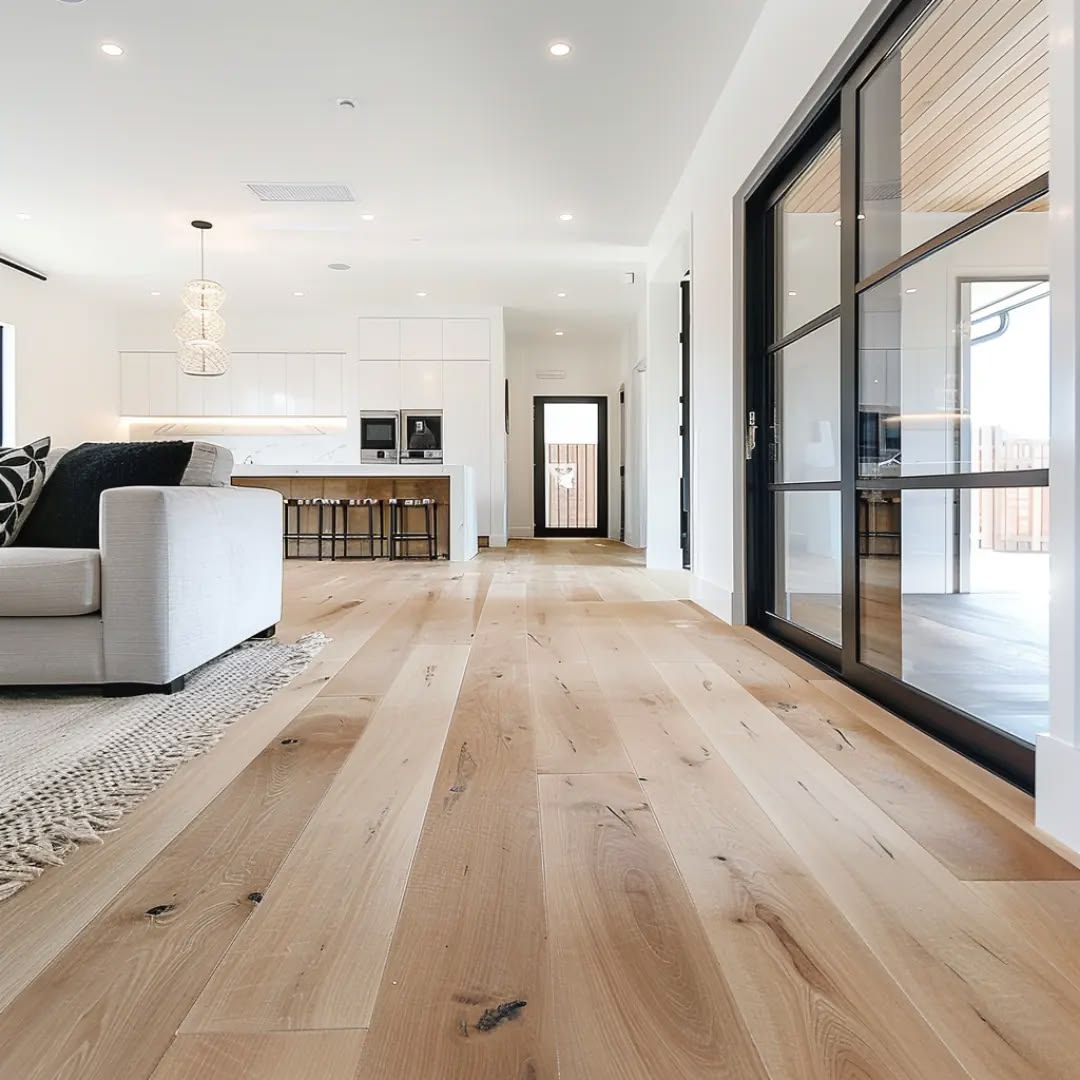
Pale oak works comfortably with cream, oatmeal, taupe, muted green, soft blue, brown, and charcoal. If the wood has a clear yellow tone, check very cool grey fabrics carefully because the difference between the two colours can become much stronger once they sit beside each other.
Light wood furniture is also possible, especially if you prefer a soft and pale room. Give the furniture and floor some difference through colour, grain, or texture so they remain easy to tell apart, and use a darker rug or small furniture detail if everything begins to merge.
2. Red, Cherry, and Warm Wood Flooring
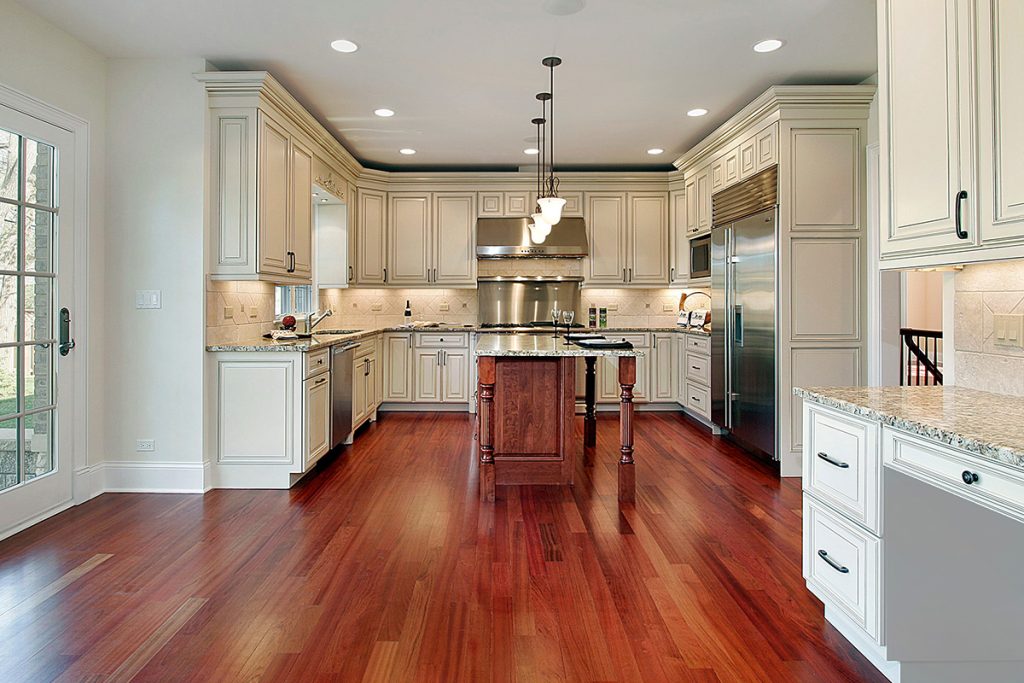
Cherry and red-toned floors often become warmer under yellow indoor lighting, which can make some furniture colours look much stronger than expected. Muted green, navy, cream, mushroom, taupe, soft grey, and charcoal can calm the room and give the floor some space.
Large areas of orange or red upholstery may push the room further in the same warm direction. If you enjoy those colours, start with smaller pieces and see how they behave beside the floor during the day and at night before using them on something as large as a sofa.
3. Grey and Cool Flooring
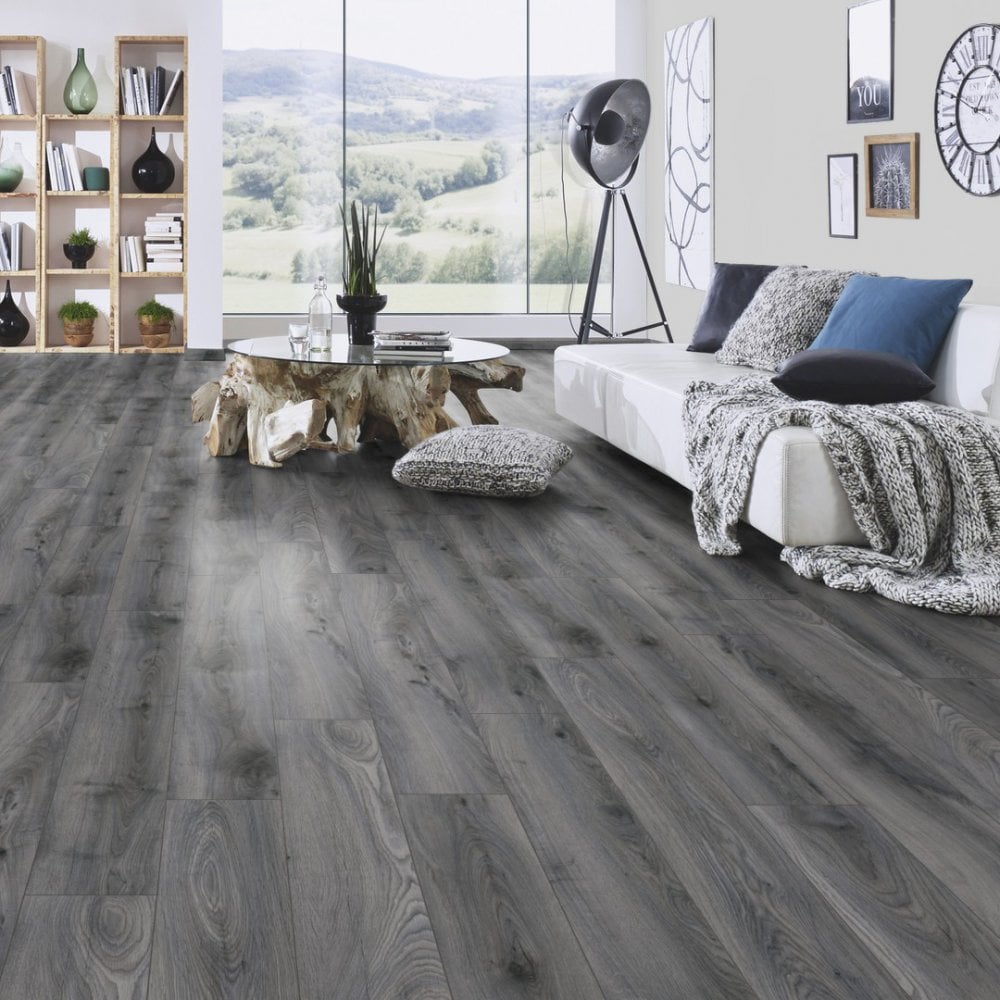
Grey floors create a problem many people notice only after the furniture arrives because a sofa that looked clearly darker in the showroom may almost disappear against the flooring at home. Camel, warm white, olive, taupe, cognac, and natural wood can introduce some warmth and give the room more colour.
You can still choose a grey sofa if that is what you like, but make sure the shade is clearly lighter or darker than the floor. Texture can help too, so a soft woven grey fabric may separate itself from a smooth grey tile even when both colours sit in the same family.
4. Beige and Cream Tile Flooring
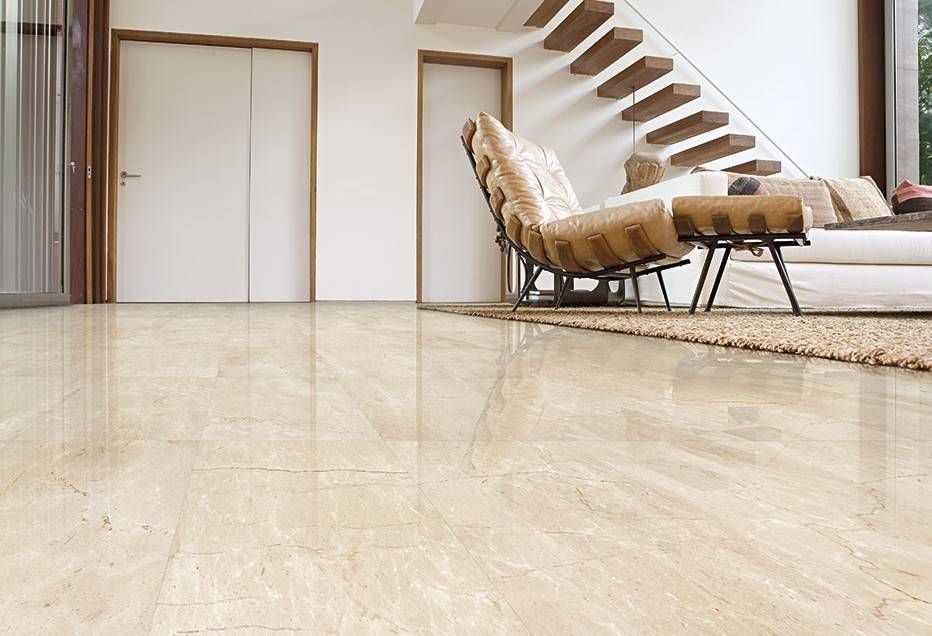
Beige flooring sounds simple until you start comparing samples because some beige tiles lean yellow, while others show grey, pink, or cream. Once you know which direction your tile takes, warm white, olive, brown, tan, muted blue, and soft black give you several furniture colours to try.
Take a look at the grout as well because those small lines run across the whole floor and can affect the overall colour you see from a distance. A cool grey grout may change how a warm beige tile looks, so place the furniture sample against the finished floor when possible.
5. White and Very Pale Flooring
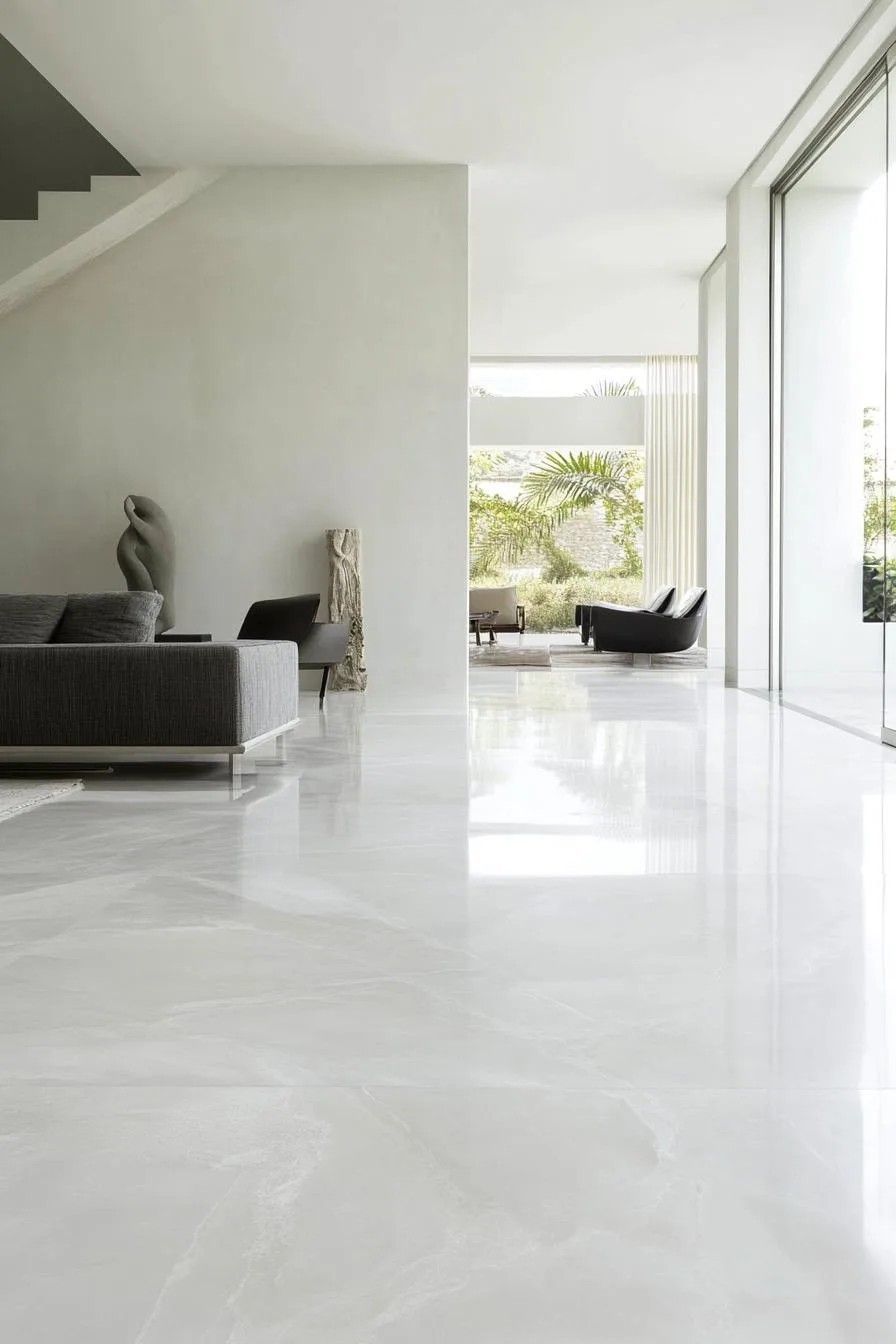
White and pale flooring gives you plenty of room to introduce stronger furniture colours, including walnut, camel, olive, charcoal, muted blue, green, and medium brown. These deeper colours can add some depth without making the room feel busy.
If you prefer a very light scheme, cream or white furniture can still work, but give the eye something that separates the larger surfaces. A timber table, darker rug, textured fabric, or a few deeper details can keep the furniture from disappearing into the floor.
6. Marble and Natural Stone Flooring
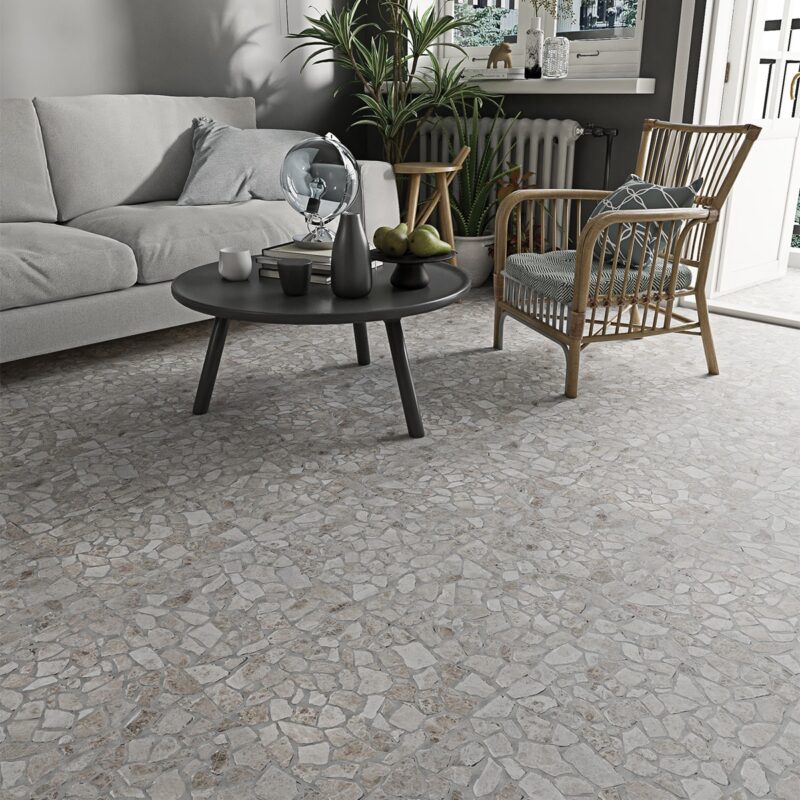
Marble can be confusing because one slab may contain white, grey, beige, brown, or gold at the same time. Look at the veins running through the stone and choose one of the quieter colours as a starting point for your larger furniture.
Grey-veined white marble, for example, can sit well with taupe, charcoal, muted blue, black, or warm timber. Beige stone gives you room to try cream, camel, brown, olive, and warm wood, but keep the main furniture fairly simple if the stone already has a lot of movement and detail.
7. Vinyl and LVT Flooring
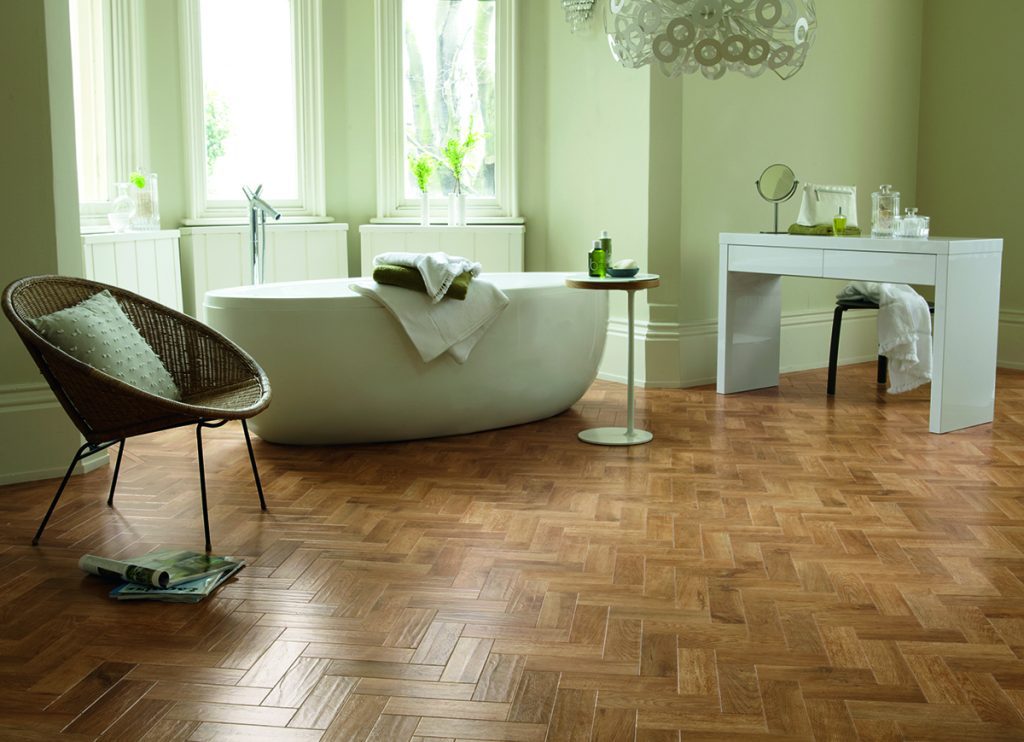
Rental homes often come with vinyl or luxury vinyl tile that you cannot change, and the flooring may copy timber, stone, or concrete. Focus on the colour and pattern you actually see because that is what your sofa, tables, and chairs will sit beside every day.
Wood-look LVT can follow the same undertone checks as timber, while grey vinyl often works well with camel, olive, warm white, navy, and natural wood. If the printed pattern contains several shades, use its quieter background colour to guide your larger furniture and allow the smaller shades to appear through accents.
8. Laminate Flooring
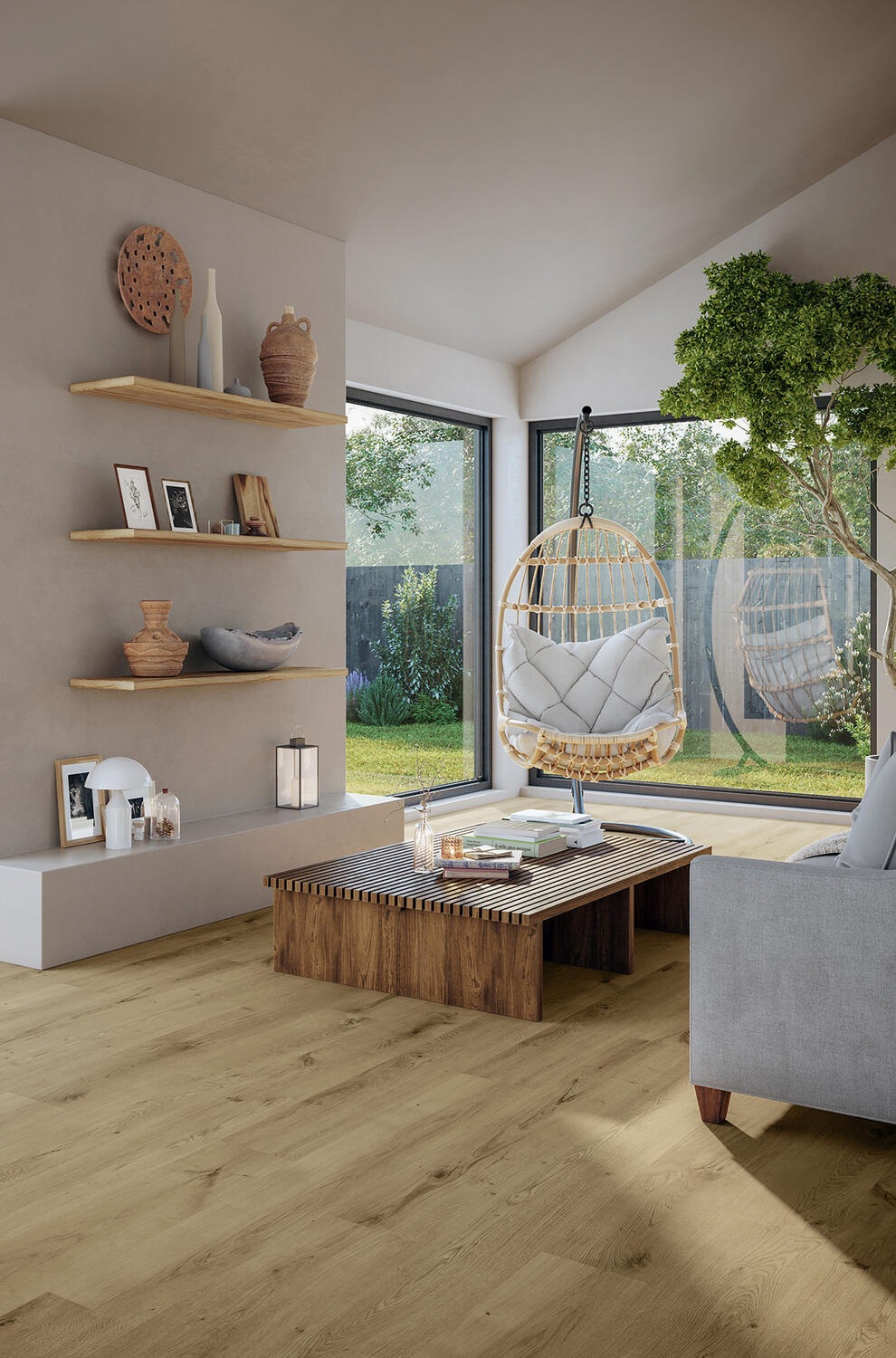
Laminate comes in many wood colours, but the product name does not always tell you how it will behave beside furniture. Look at the printed grain, main colour, and undertone because a grey oak laminate may need very different furniture from a honey oak finish.
This is also where samples can become frustrating because a floor that looked neutral in the shop may suddenly appear pink, orange, or grey at home. When that happens, put each flooring sample beside the furniture you already own and compare them in the same light. The unwanted undertone usually becomes much easier to notice. The same matching logic extends to tiles; find the right tile combo for your home the same way.
9. Concrete and Microcement Flooring
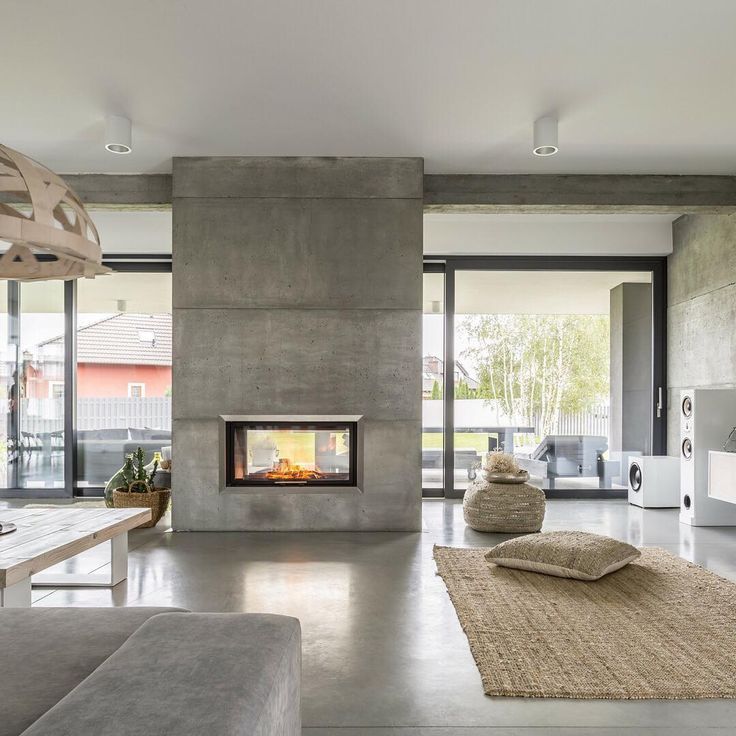
Concrete and microcement often come in grey or greige tones, although small changes in that colour can affect the rest of the room. Cool grey flooring can take tan leather, warm timber, cream, rust, olive, or deep blue, while warmer greige floors give you room to try beige, off-white, brown, and darker timber.
Texture becomes useful in these spaces because several smooth grey surfaces together can feel flat. Fabric, rugs, wood, and softer finishes give the room more variation without requiring a large change in colour.
10. Terrazzo and Patterned Tile Flooring
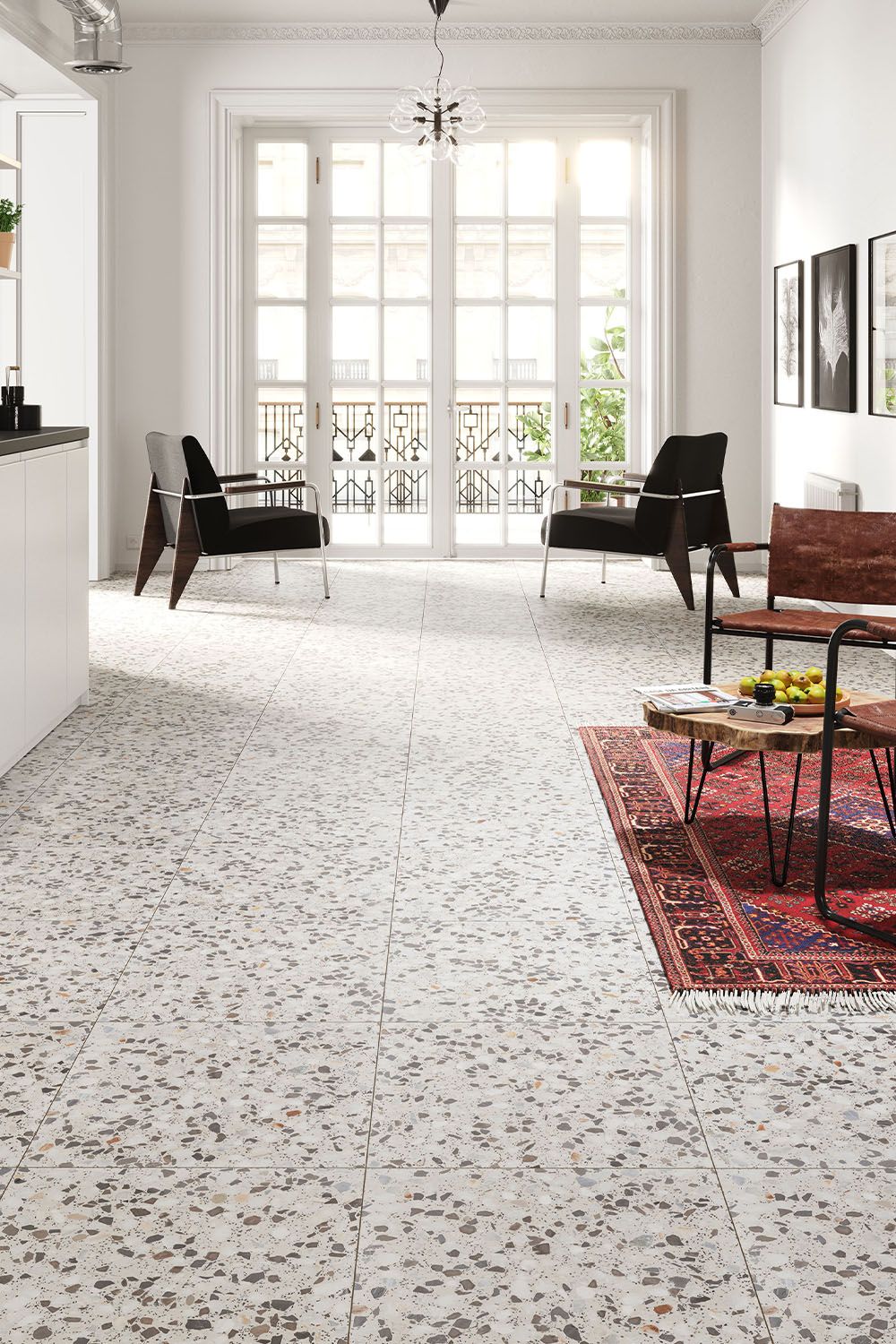
A terrazzo floor may contain five or six colours, so trying to match all of them will make furniture shopping harder than it needs to be. Pick one quieter colour that already appears in the floor and use it on one of the larger furniture pieces.
For example, terrazzo with cream, terracotta, grey, and black pieces could work with a simple cream sofa, while a muted terracotta chair could repeat another part of the floor. When the flooring already has plenty of pattern, calmer furniture colours usually make the whole room easier to manage.
11. Carpeted Flooring
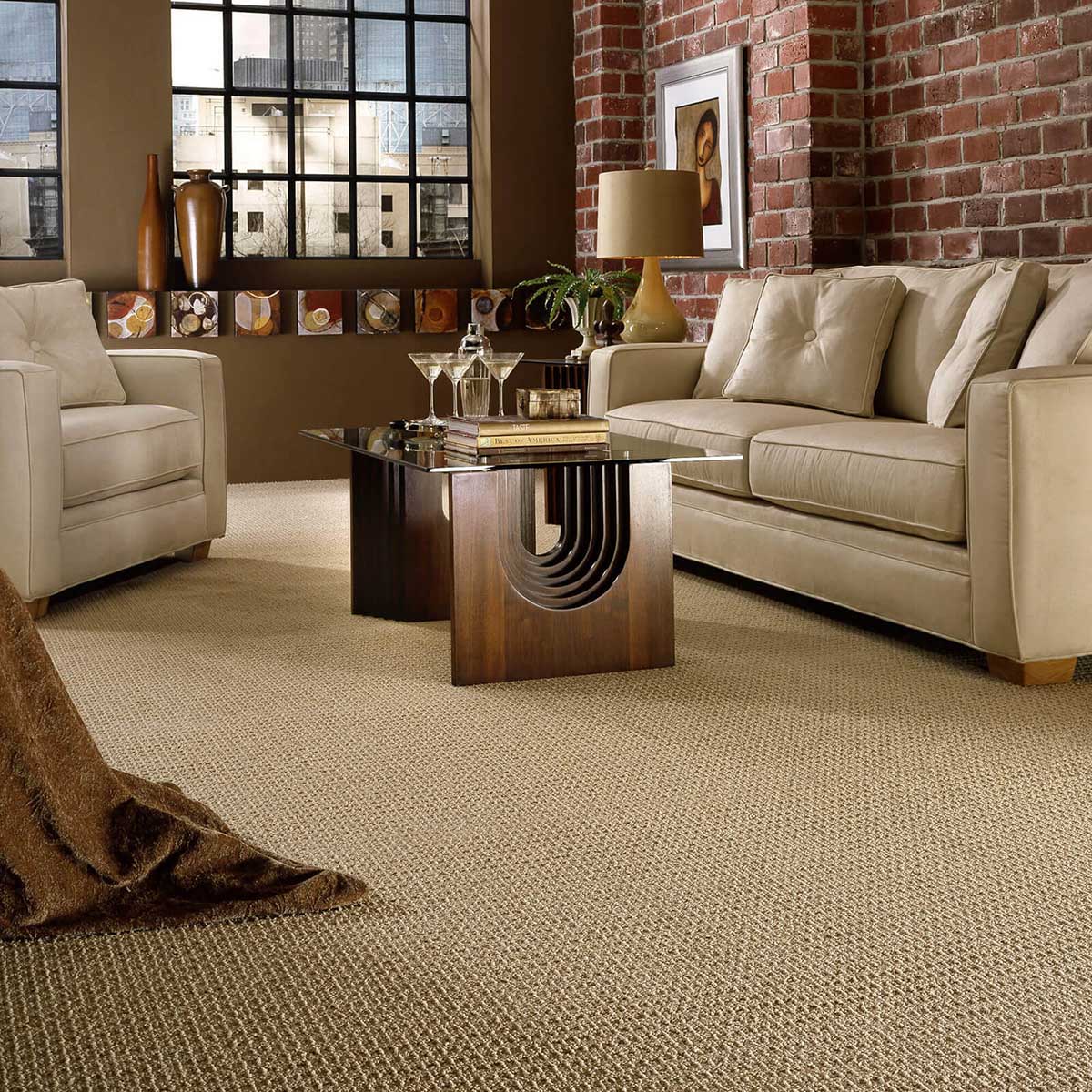
Carpet covers a large amount of visible space, so its colour needs the same attention as timber, tile, or stone. Beige and cream carpet gives you room to try walnut, olive, muted blue, charcoal, tan, or warm white furniture, while grey carpet can work with warm wood, camel, cream, green, and dark blue.
A patterned carpet gives you an easier starting point because some of the colour choices are already there. Pick one colour from the pattern and repeat it in a chair, sofa, or smaller furniture piece, which creates a connection without adding another unrelated shade.
Choosing the flooring and furniture together gives homeowners more control, but a rental works differently because the floor is usually fixed before you arrive. In that situation, furniture that can handle more than one flooring colour becomes much more useful.
4 Furniture Choices That Are Easier to Use in Rentals
You may have grey vinyl in the living room, beige tile in the bedroom, and no permission to change either, while the same furniture may need to move with you again in a few years. Choosing flexible colours can make that move easier because you are less likely to end up with a sofa that only works beside one specific floor.
Our studio apartment interior design service also deals with furniture, layouts, and material choices in compact homes, where a small number of pieces have to work together carefully.
1. Tan or Camel Leather
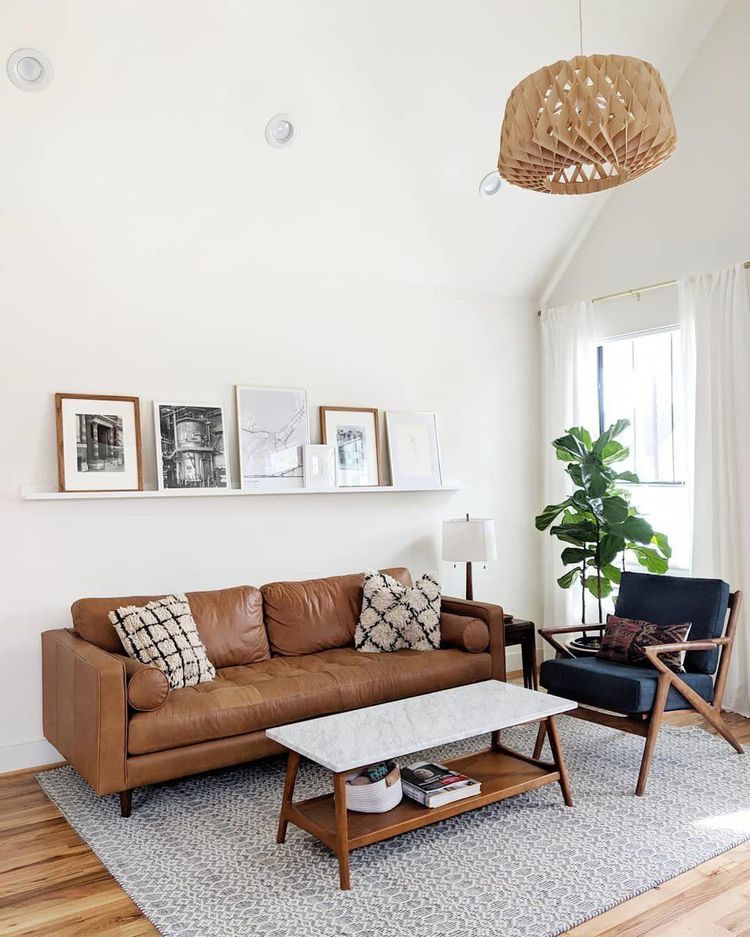
Tan and camel sit comfortably beside many wood, grey, cream, and stone floors, which makes them useful when furniture may need to work in another home later. They can also warm up a rental filled with cool grey surfaces without requiring you to change the flooring.
The exact shade still matters, so bring a leather sample home when possible. A strong orange tan may look too warm beside red wood, while a softer camel can be easier to use across several flooring colours.
2. Matte Black Details
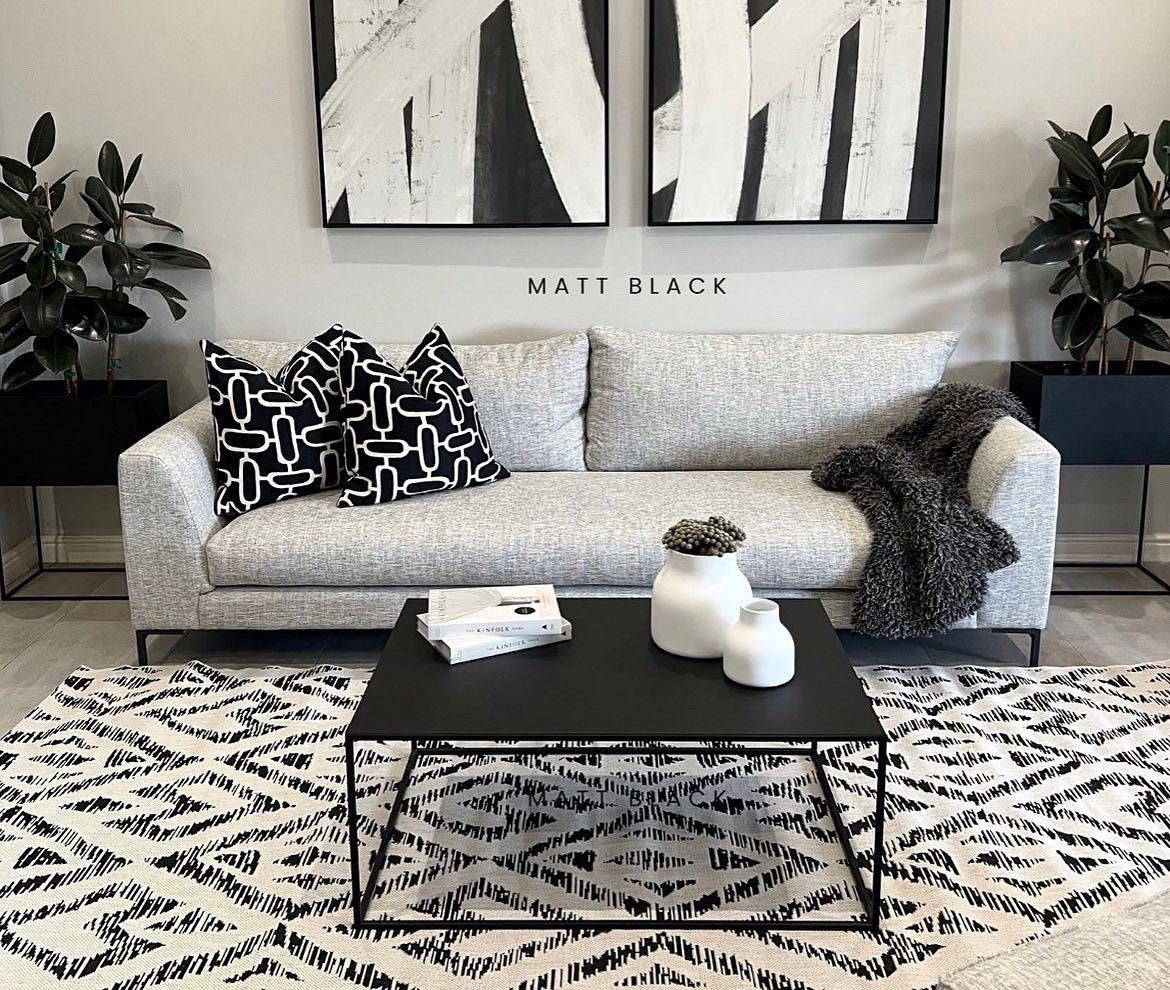
Black works well on table frames, chair legs, shelves, lamps, and smaller pieces because it creates a clear edge without adding another wood tone. It can be especially useful against pale floors, where the contrast helps the furniture stand out.
Very dark flooring needs a little more balance, so keep black to smaller areas and bring in lighter fabric, rugs, or timber nearby. This allows you to keep the clean black details without turning the entire lower half of the room dark.
3. Cream and Off-White Upholstery
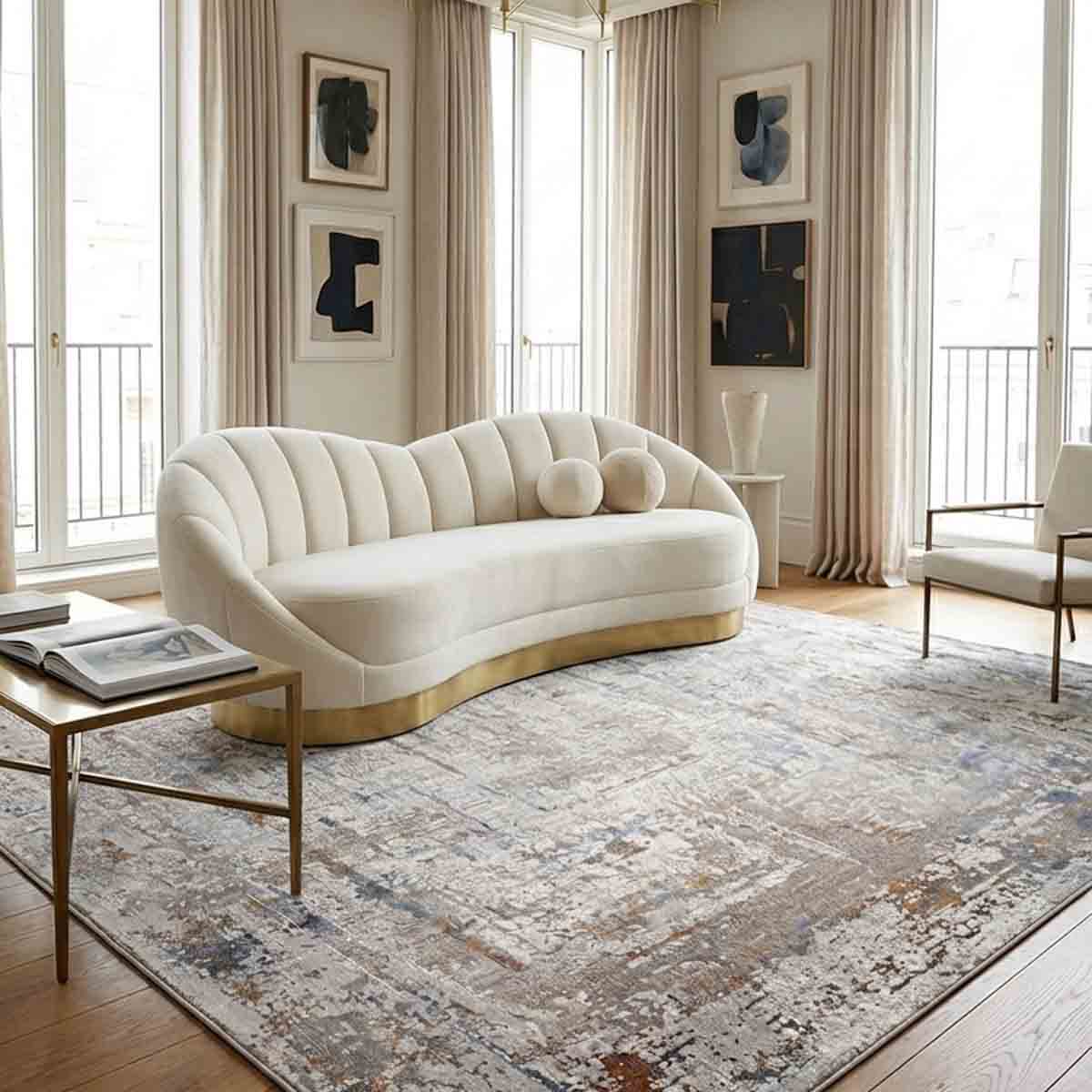
Cream and off-white can work with many flooring colours, which makes them practical when a sofa or chair may move with you. Some creams have a yellow tone while others sit closer to beige or grey, so the exact shade still needs to be checked beside the floor.
If the rental is also small, our small apartment decorating guide covers furniture, storage, lighting, and ways to make better use of limited space. These other decisions become important when one sofa or table takes up a large part of the room.
4. Clear Glass
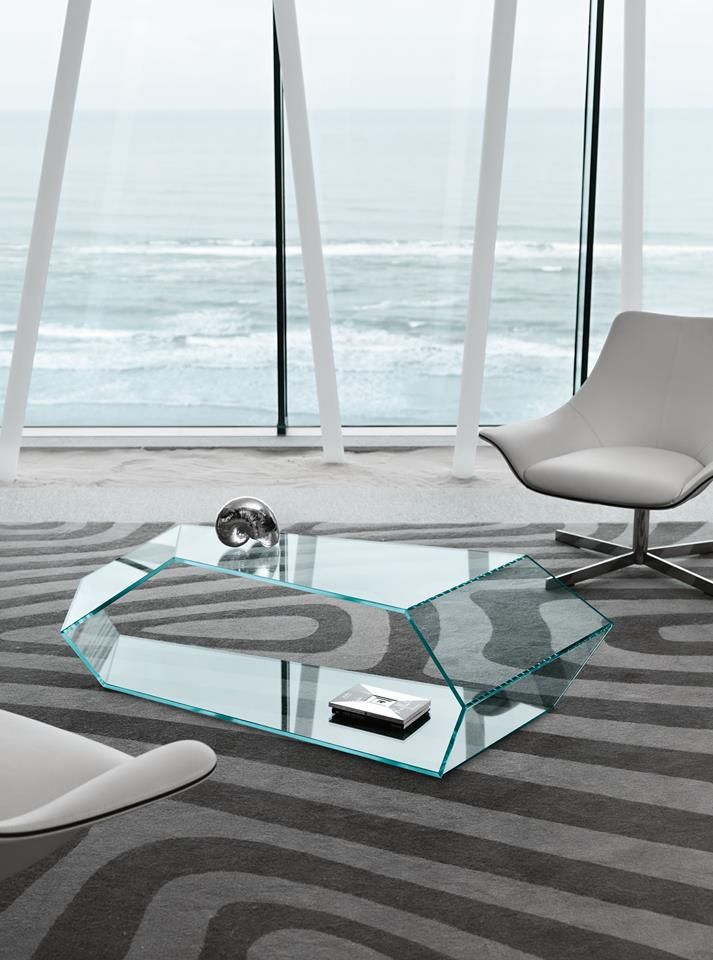
Glass introduces very little colour, so it removes one more finish that you would otherwise have to match with the floor. A clear coffee table also allows more flooring to remain visible, which can help a compact seating area feel less crowded.
This is useful when you move too because the same glass table can sit beside very different flooring without creating another wood or colour conflict. You can then use the surrounding furniture and rug to connect it with the new room.
3 Ways to Fix Furniture That Clashes With Your Flooring

1. Use a Rug to Connect the Colours
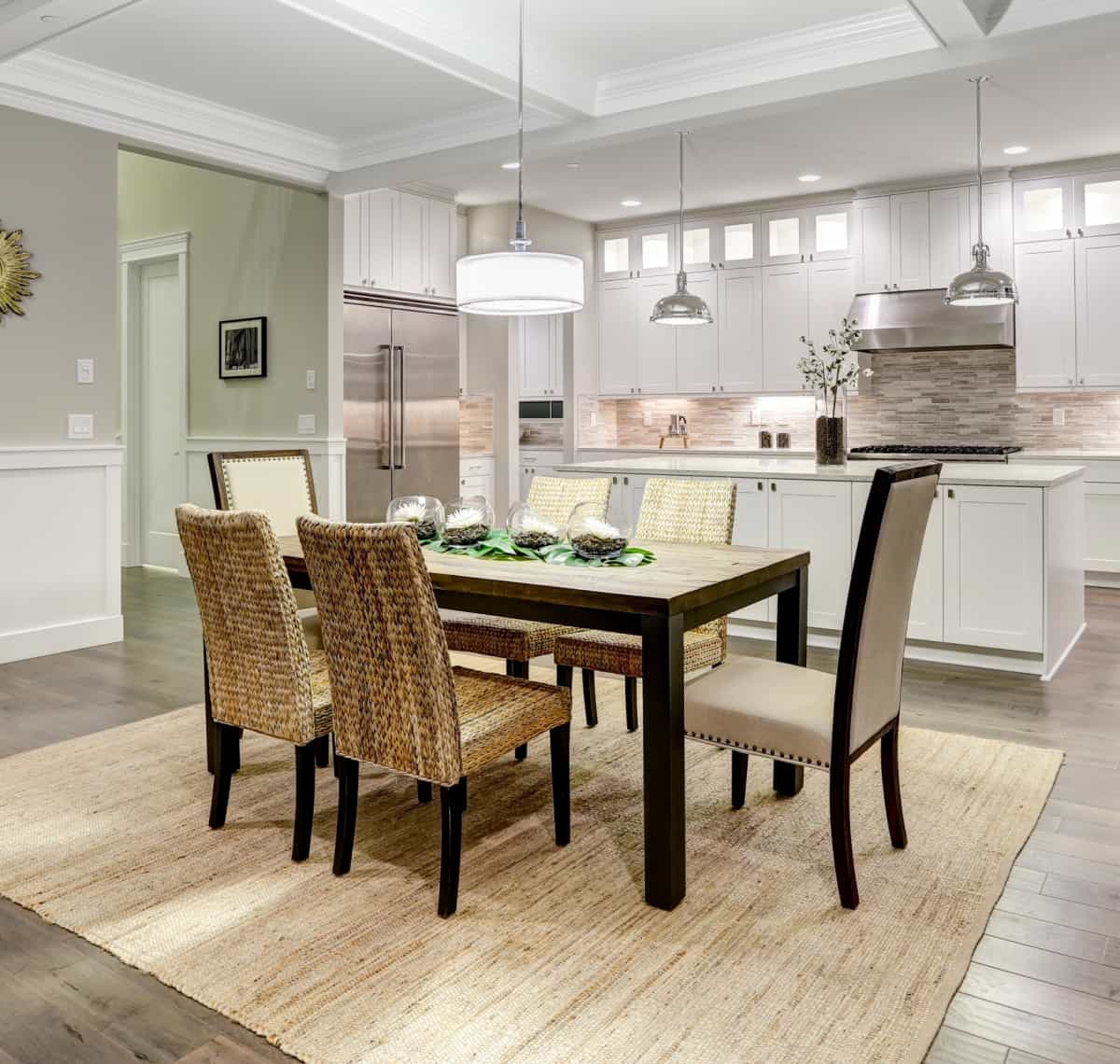
A rug creates another surface between the floor and furniture, which can help two colours that look uncomfortable directly beside each other. If you have a cool grey sofa and a warm wood floor, for example, look for a rug that includes a little grey along with a warmer beige or brown.
The size matters because a very small rug can make the seating area look even more broken up. Try to place at least the front legs of your main seats on the rug so it connects the furniture into one area instead of sitting like a separate patch in the middle. Fabric matters as much as floors; these curtain ideas for living rooms tie both together.
2. Check the Lighting Before Changing the Furniture
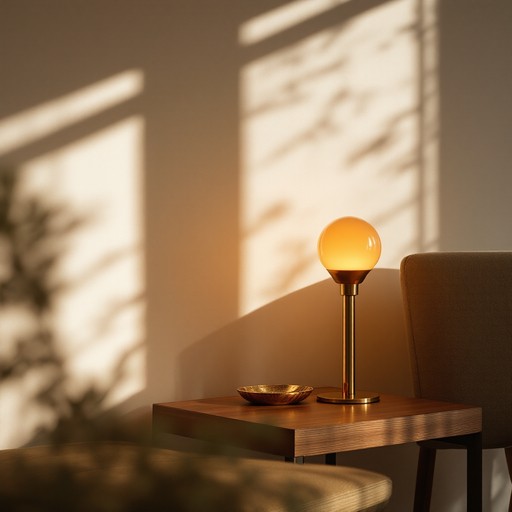
A fabric sample can look fine beside your floor during the day and quite different after sunset, which is why changing furniture before checking the lighting can lead to another bad choice. The U.S. Department of Energy explains that a bulb’s colour appearance and the way the light shows the colours of objects are separate parts of light quality.
There is useful human research behind this as well. In a study led by Michael P. Royer at Pacific Northwest National Laboratory, 28 people judged 26 different lighting conditions in a room filled with coloured objects, and their responses changed as the lighting altered how those colours appeared. The PNNL colour rendition study provides more detail on the experiment.
So, check the sofa and floor during the day and then return to them after switching on the lights you normally use at night. If lighting itself seems to be causing the problem, our living room lighting ideas can help you work through the room more carefully.
3. Repeat One Floor Colour Elsewhere
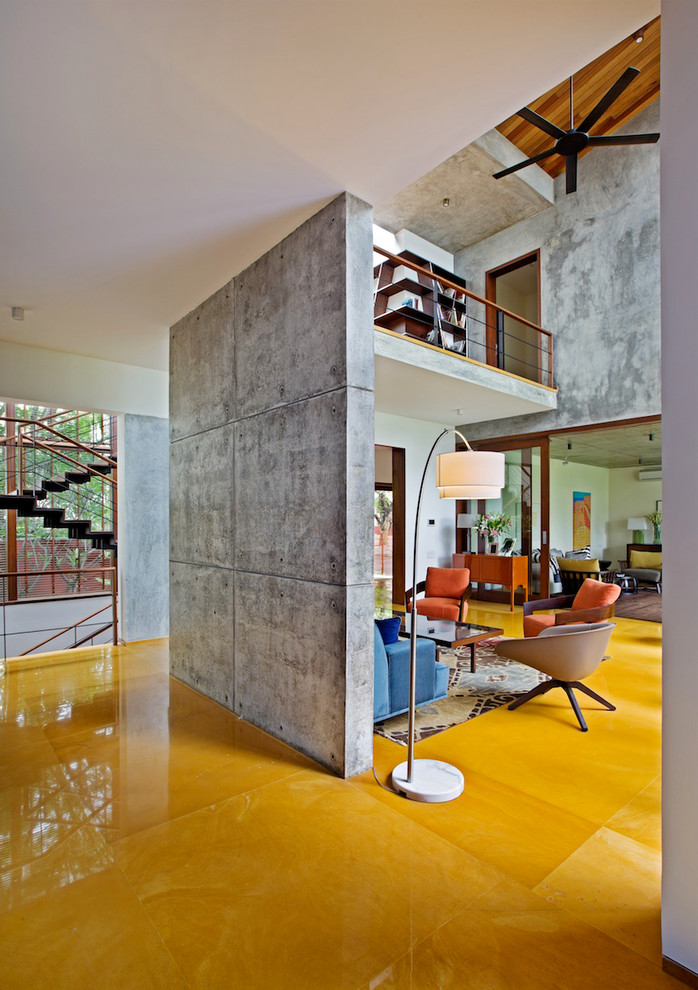
Sometimes the floor feels disconnected because its colour appears nowhere else in the room. Bringing a small amount of that colour higher into the space can make the combination feel much more settled.
With dark wood flooring, you could repeat the colour through a picture frame, shelf, side table, or lamp base, while terrazzo gives you several smaller colours that can be picked up through a cushion or chair. Grey flooring may also feel more connected when the same warm timber appears in two smaller places.
You do not need to repeat the colour everywhere because a few clear connections are enough. Once the eye finds the same colour in another part of the room, the floor stops feeling like an isolated surface. For the layer between floor and furniture, these living room rug ideas finish the equation.
Check These 5 Things Before You Buy Furniture
Let’s pause for a second before you buy. If you’re looking for pinnacle style interior design ideas that influence how furniture and flooring pair together in 2025 trends, a list of furniture for new apartment can help you visualize these combinations. across the UAE, this curated collection of the top 23 fit out companies in Dubai, UAE offers excellent inspiration. To make sure your room is going to look amazing (and you won’t have any regrets), we want to see a solid “Yes” for these five questions. Renters have their own path; these rental friendly flooring options change the base without losing the deposit.
-
Undertone Match: Did I confirm that my furniture and floor share the same temperature? (Yes/No)
-
Contrast Check: Is my furniture at least two shades lighter or darker than the floor? (Yes/No)
-
Legibility: Can I clearly see where the sofa ends, and the floor begins? (Yes/No)
-
Buffer Zone: If there is a clash, did I place a rug between the furniture and the floor? (Yes/No)
-
Sample Test: Did I look at the fabric swatch on the floor in my home lighting? (Yes/No)
From Concept to Reality
So, what colour furniture goes with your flooring? Start with the floor you already have because it gives you the clearest reference, then check its undertone and decide how much contrast the furniture needs. After that, put the materials together under the lighting you actually use during the day and at night.
Reading the rules is one thing, but executing them in a complex space is another. Design is risky because one wrong swatch can throw off the entire budget. That risk is exactly what interior designing firms in Dubai are hired to absorb.
At Euphoria Interiors, we remove that risk. We don’t just guess because we plan everything. You might need a second opinion on a mood board for a single sanctuary like The Solo Retreat, or you might need a comprehensive interior design master plan for your entire home. We are here to make sure every element talks to each other. When designing a welcoming space, selecting furniture colours that complement the flooring is especially important in guest room interior design, ensuring comfort and visual appeal for visitors.
Don’t leave your investment to chance.