Design Service
2-4 wksComplete design package from drawings to site coordination
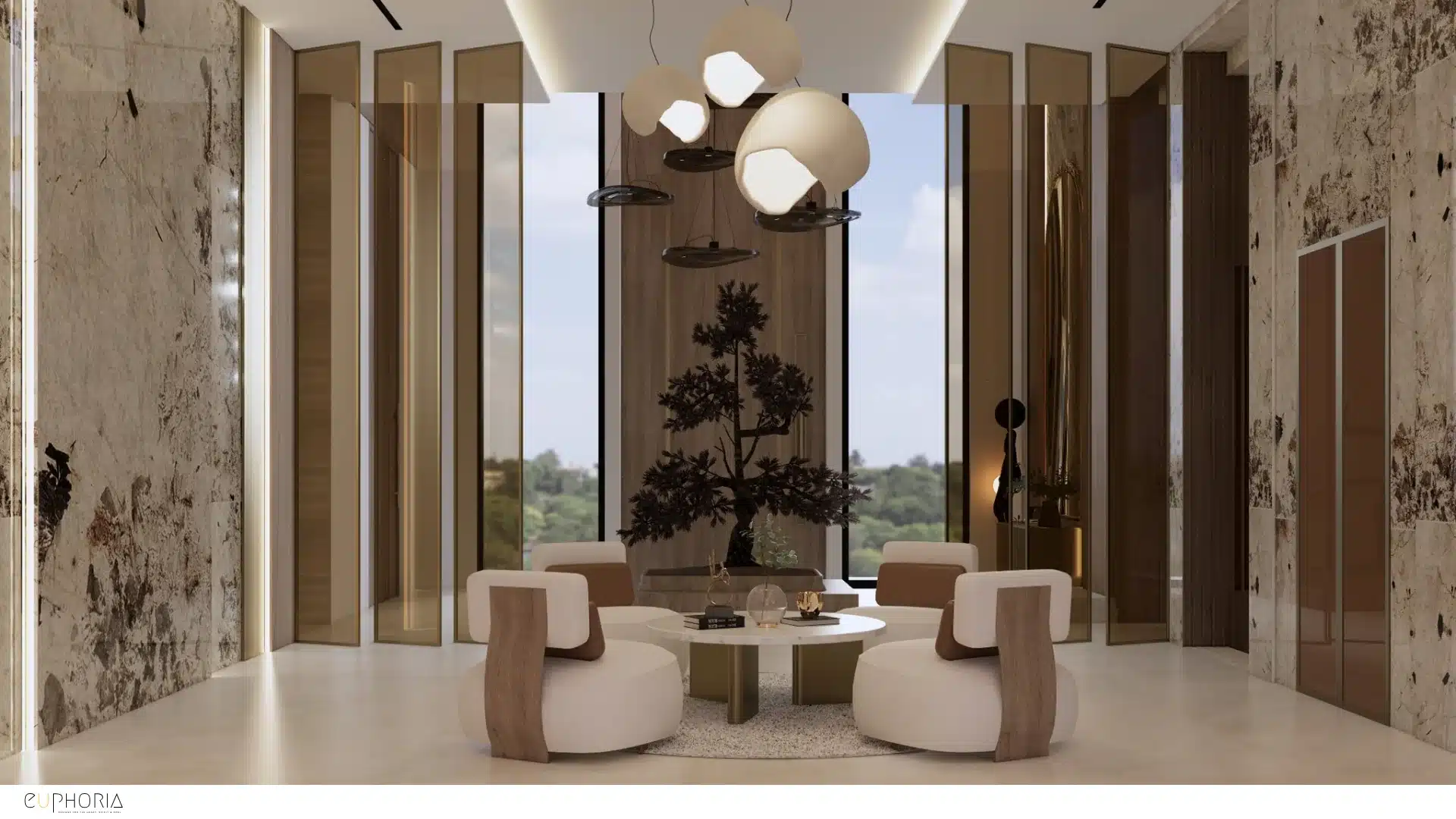
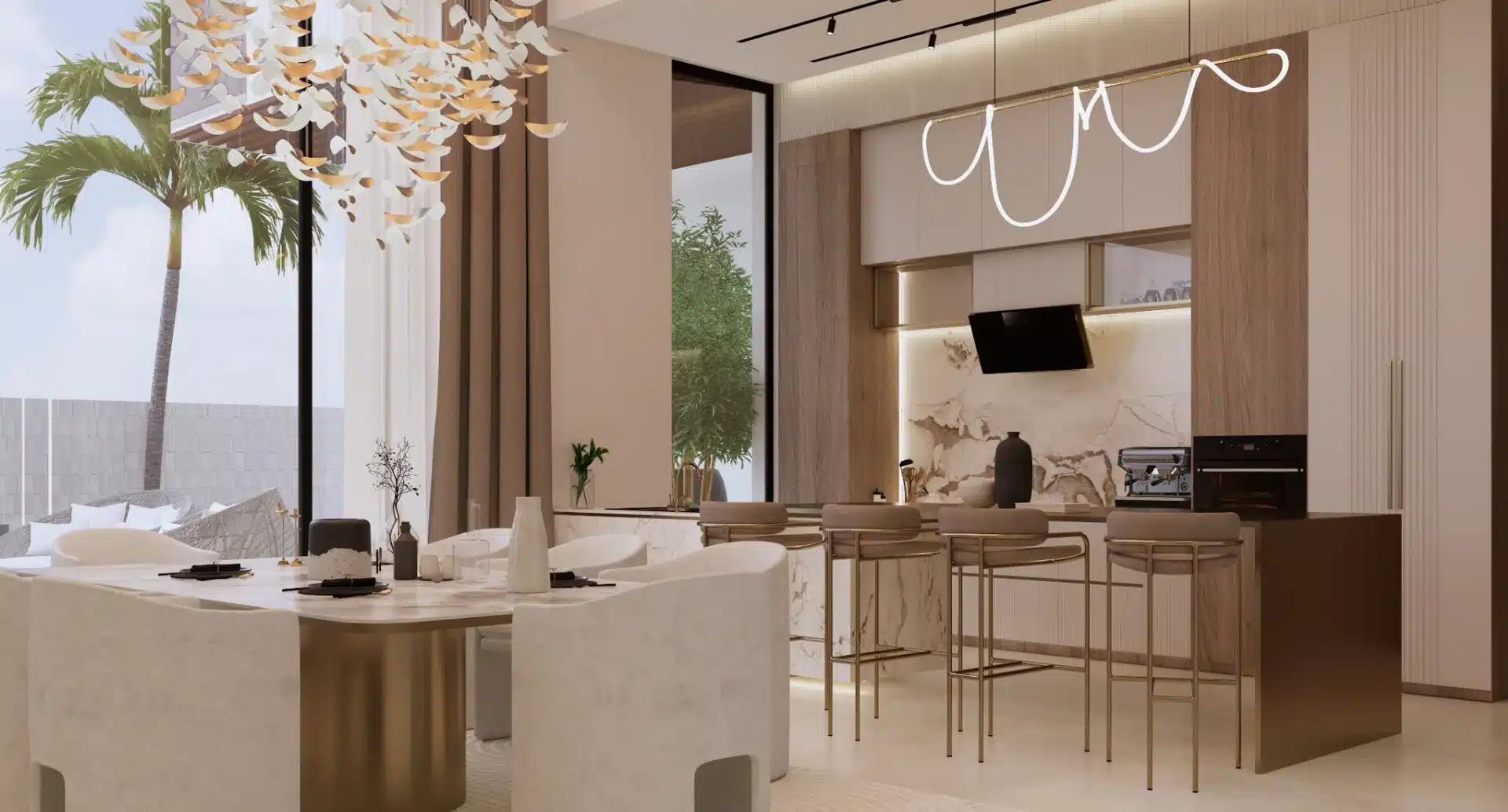

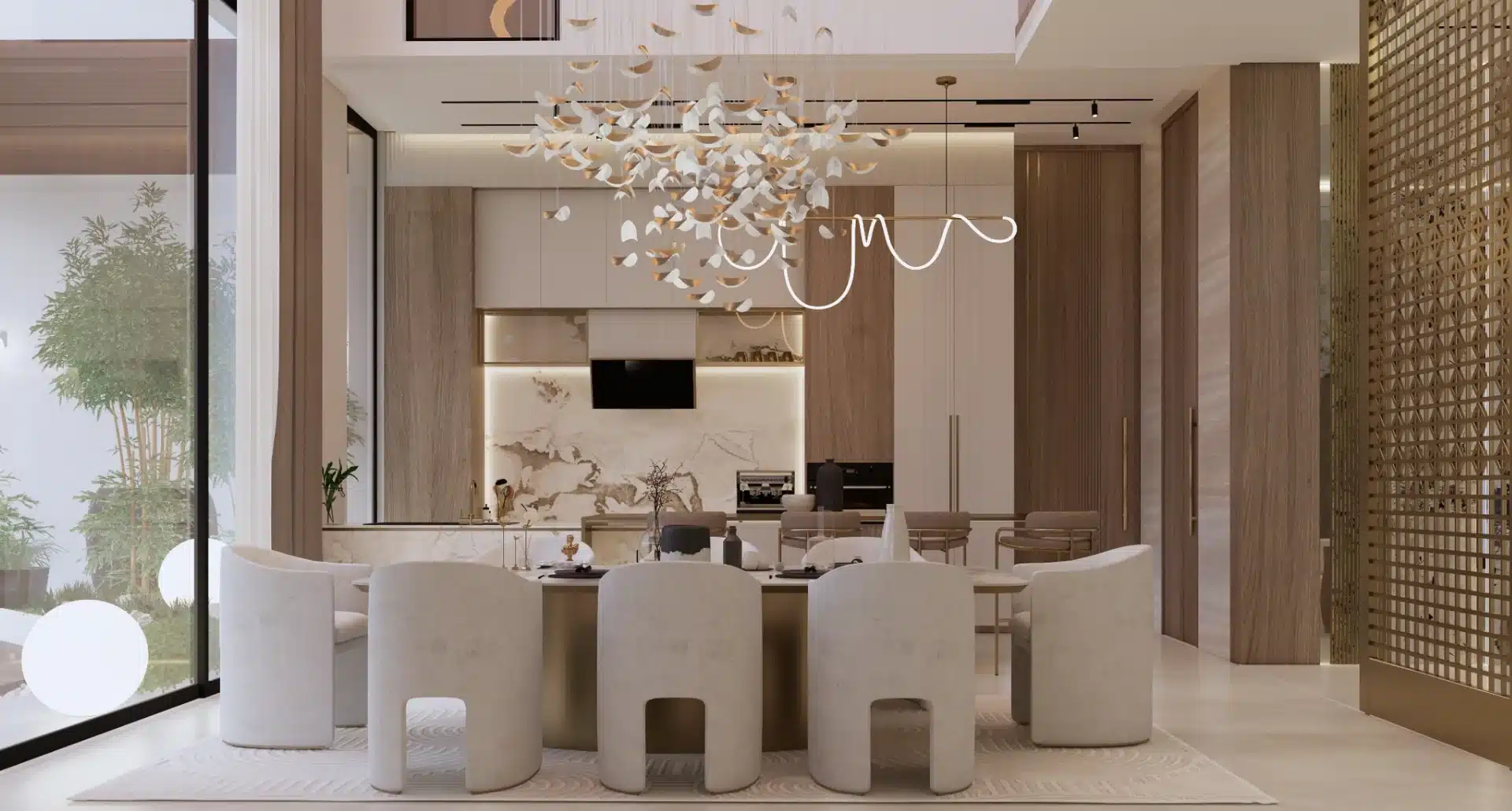
From a Frond F Signature Villa register change, to a Garden Home selective renovation, to a Shoreline apartment refresh, to a custom-build on Frond N Palm work rewards a different kind of brief. Two approval authorities. Reclaimed-land structural reality. Marine-grade material engineering. Trophy-asset spec discipline. We design for the island, not the mainland.
Get your custom budget & design plan











Who we are
“Most renovations on mainland Dubai begin with a moodboard. Palm renovations begin with a permit timeline and a soil report. The island simply does not let you skip the engineering reality. Our job in Palm Jumeirah always begins by being honest about what Nakheel allows, what Trakhees demands, what the reclaimed land can support, and what the salt air will do to every spec we choose. The aesthetics follow from those facts.”
Amanda Dsouza
Founder & Principal Designer of Euphoria Interiors

Designed around you
As an interior design company in Palm Jumeirah, we design around the island, not the mainland. Palm Jumeirah is the world’s largest artificial island engineered reclaimed land with permit rules, structural constraints, and material requirements that simply do not exist on mainland Dubai. Most homes a serious interior design studio in Palm Jumeirah works in carry trophy-asset expectations and reclaimed-land structural realities at the same time. That changes everything. We design as an interior design company in Palm Jumeirah that understands Nakheel’s 2026 community guidelines, runs Trakhees and DEWA submissions in parallel, specifies marine-grade materials by default, and prices geotechnical investigation into the original quote rather than discovering it at month two.
Your taste leads, our craft follows.
Measured and considered, never imposed.
Quality is something we see, not report.

For residential & commercial spaces
Complete design package from drawings to site coordination
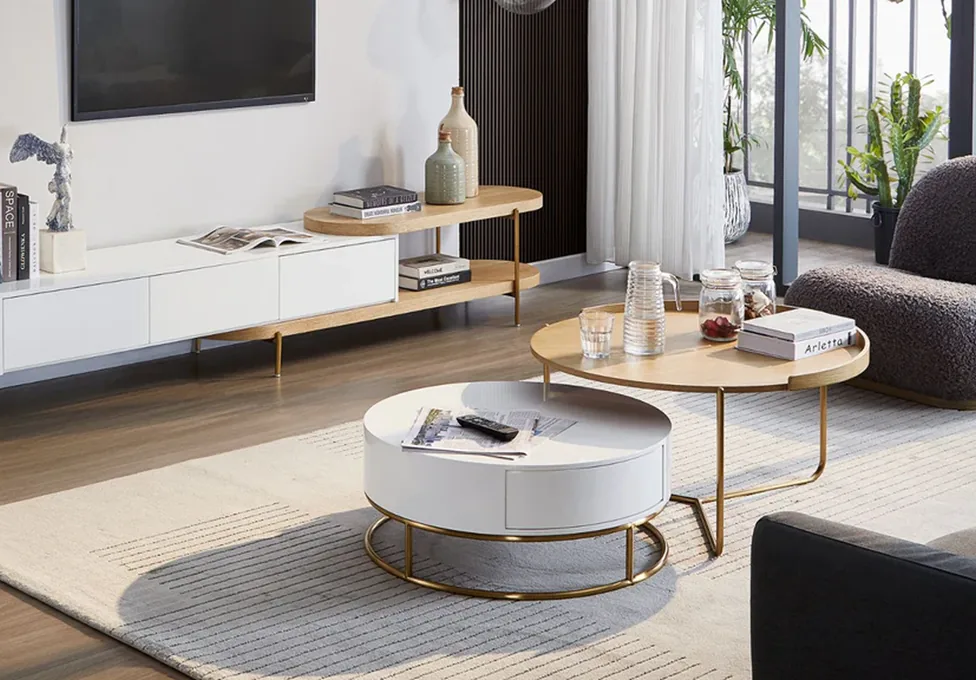
Complete furnishing including décor and styling.
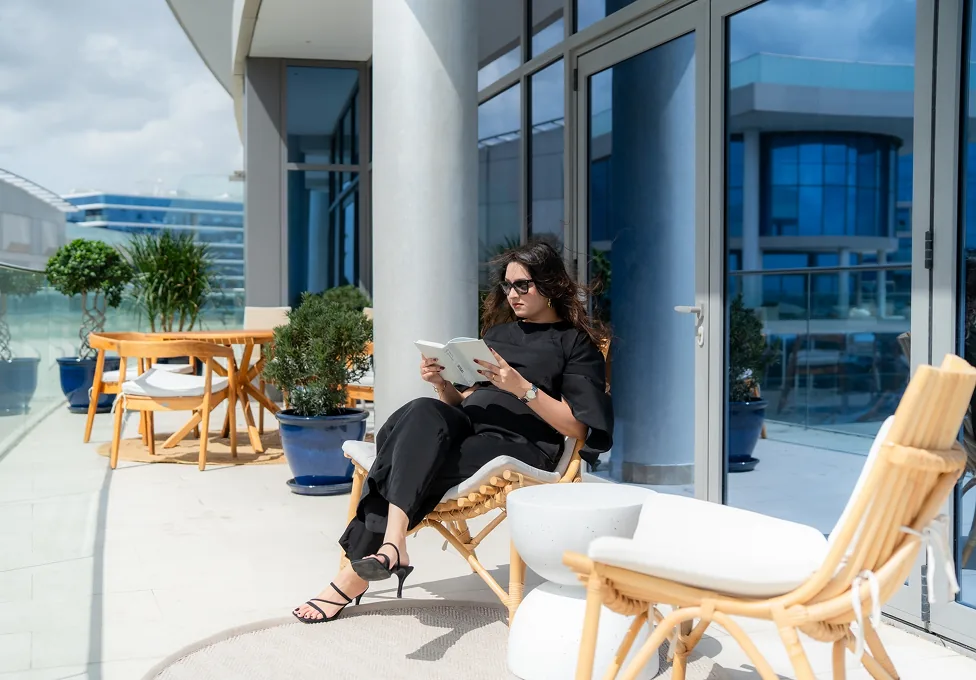
Complete design-build solution from renovation to commissioning.
100+
Spaces Designed

ISO Certified
10+
Years of Experience
98%
Happy Clients
Package calculator
Explore custom package feature and get customised personal budget and design plan with all including and excluding
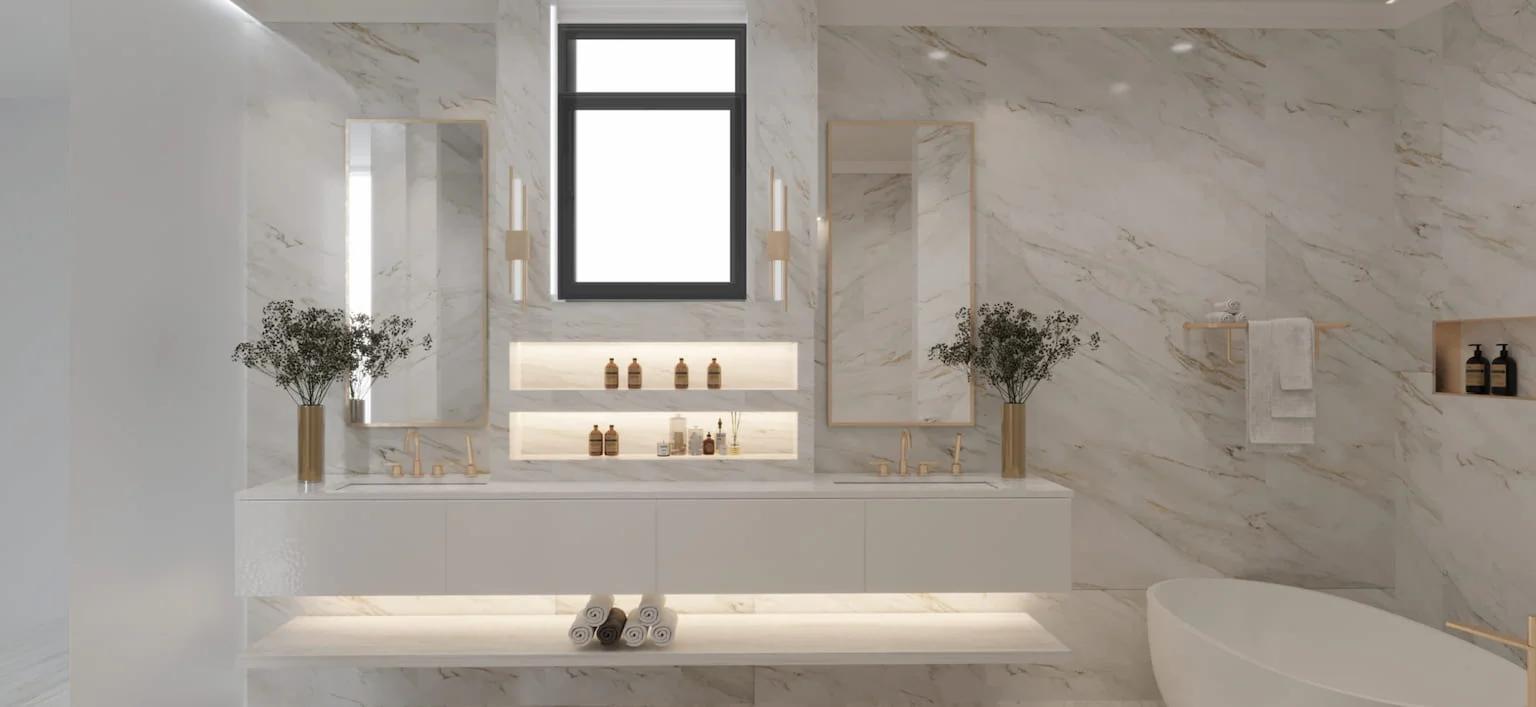
Palm Jumeirah, Dubai
December, 2025

Jumeirah Bay Island, Dubai
April, 2026
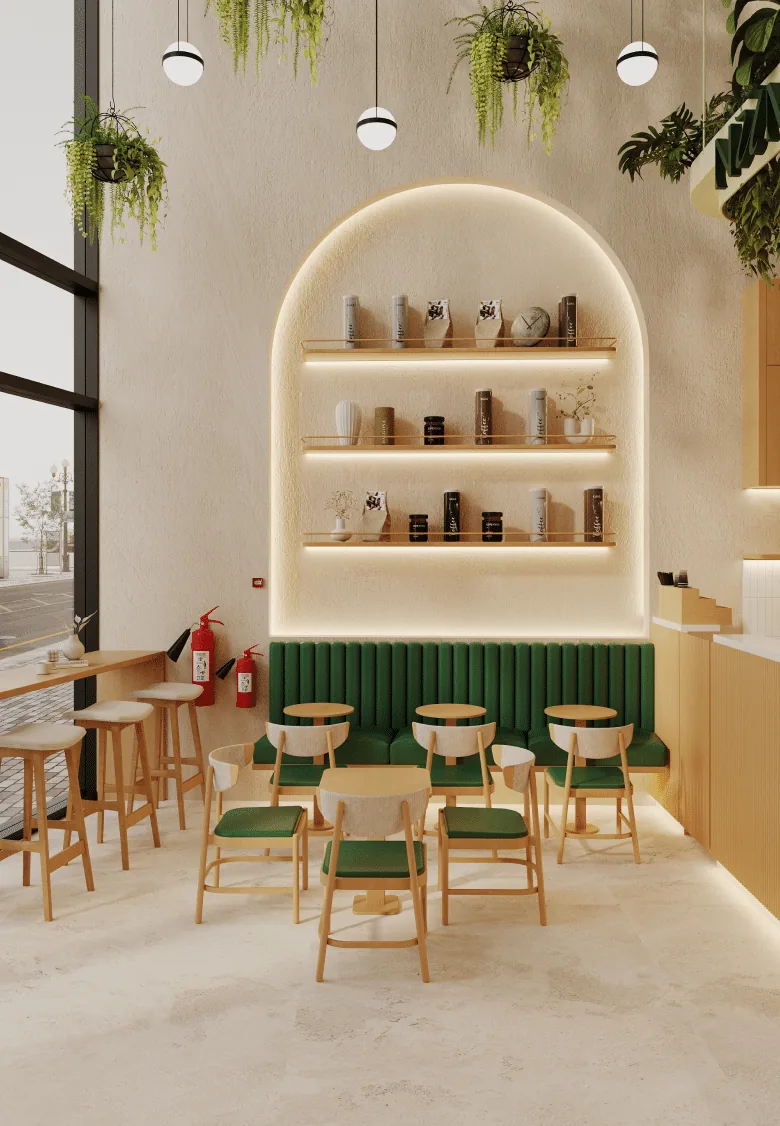
Emirates Living, Dubai
June, 2026
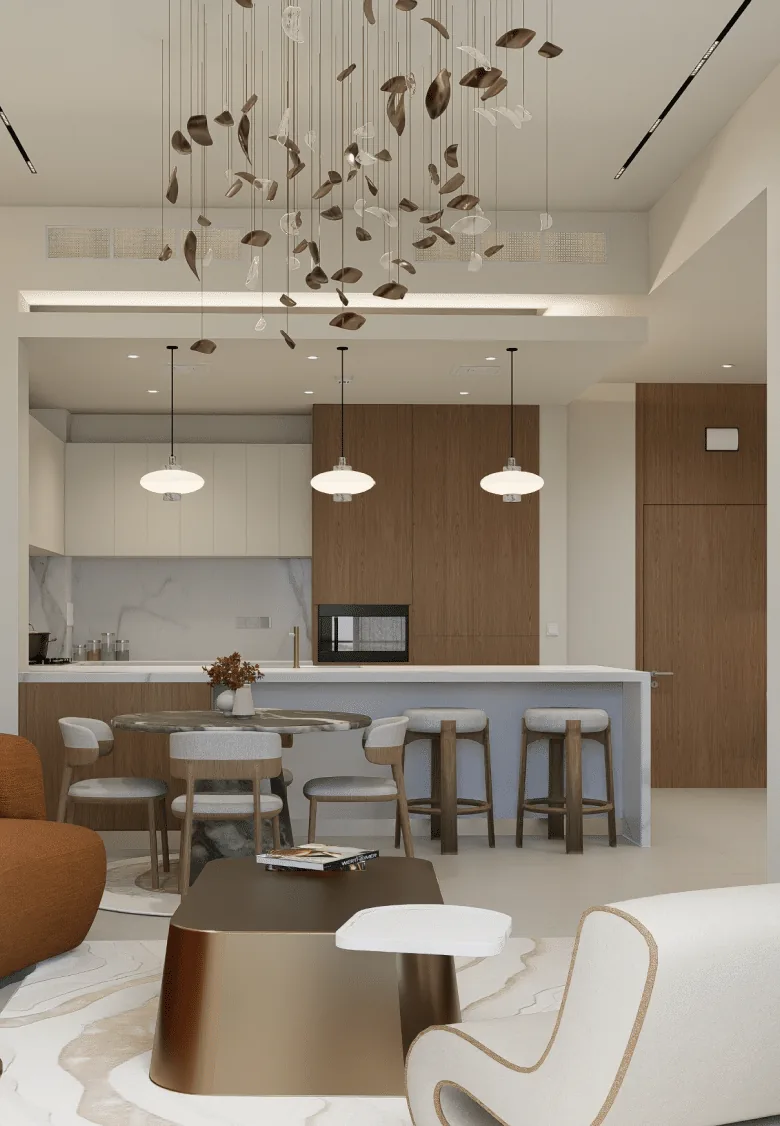
Victory Heights, Sports City
April, 2026
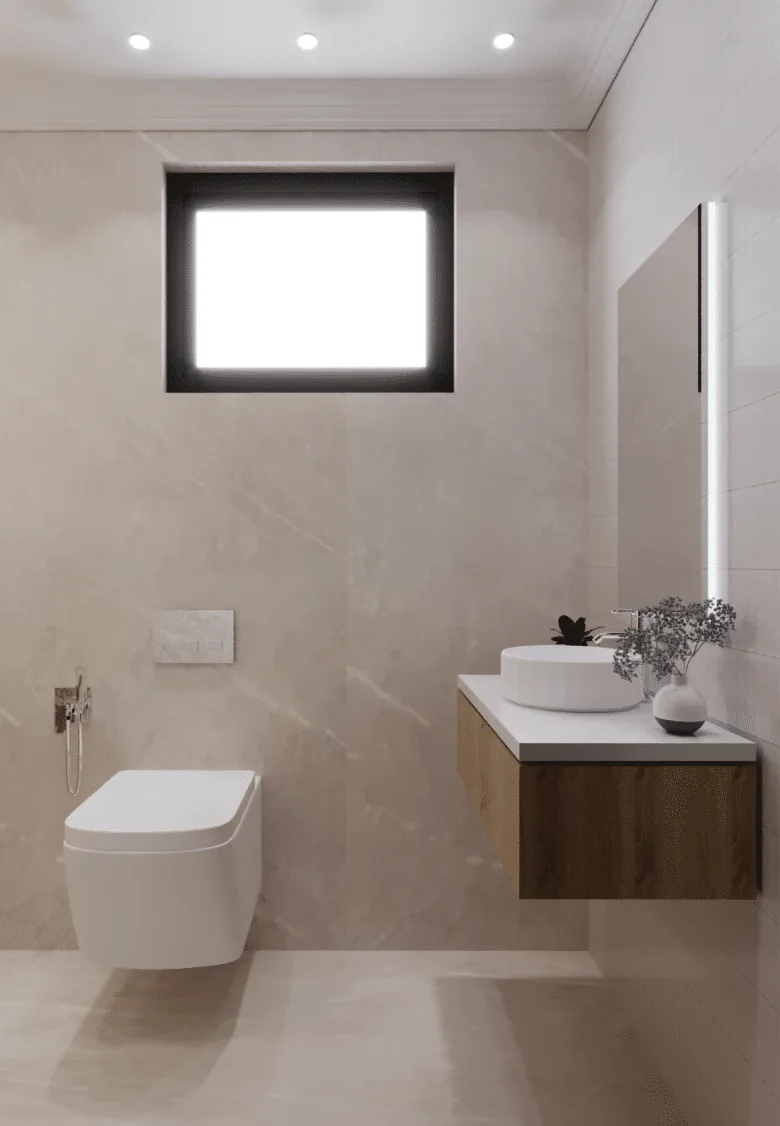
Downtown Dubai
November, 2025
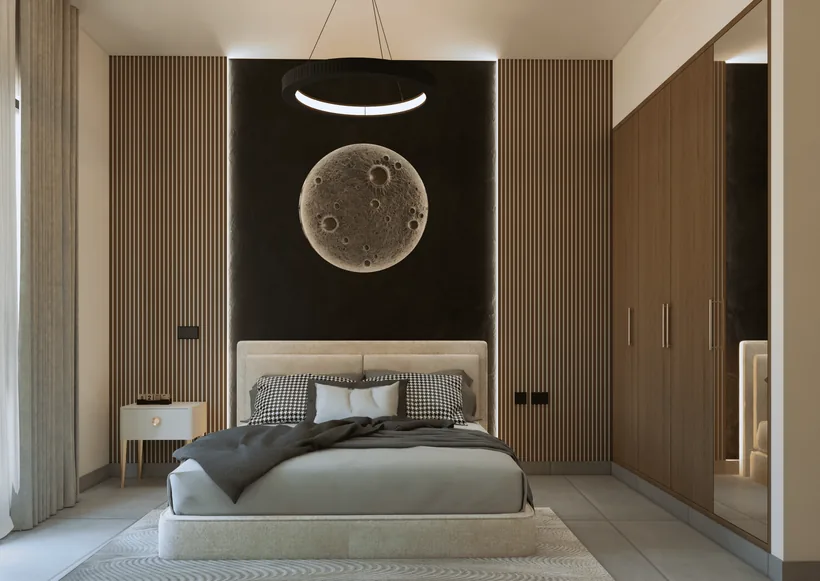
Eden Valley, Dubai
November, 2024

Al barsha, Dubai
December, 2025
No projects in this category yet.
Our interior design process

Initial consultation to understand your vision.

Concept development for cohesive design.
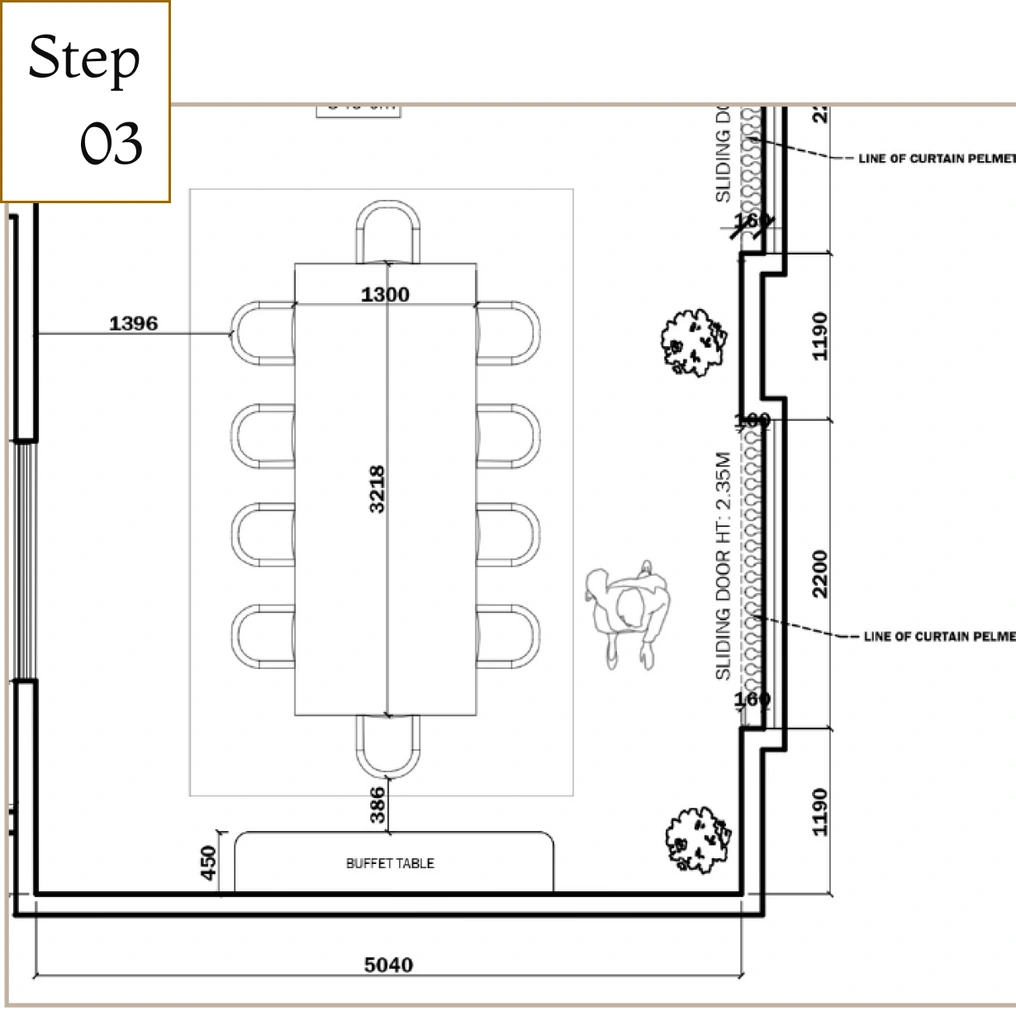
Space planning creating functional flow.
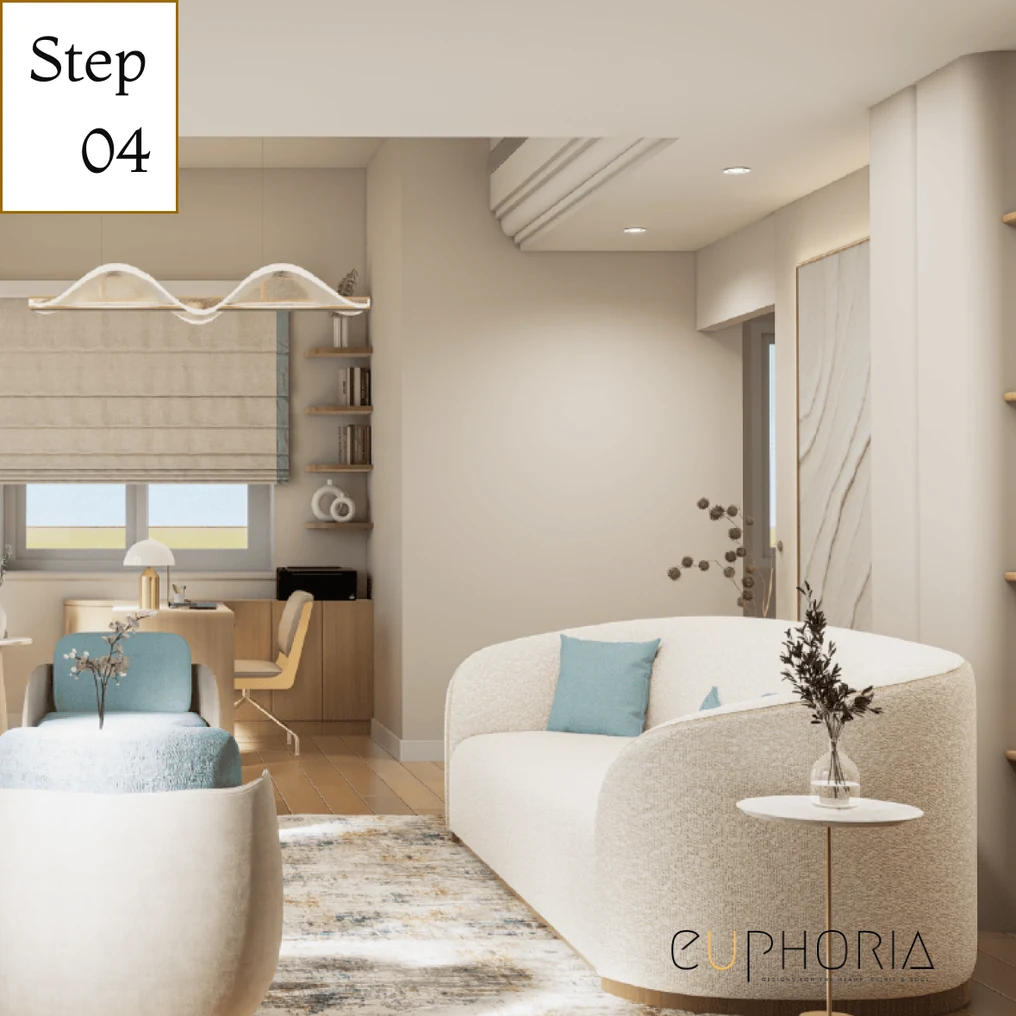
3d Visualisation of your space before execution
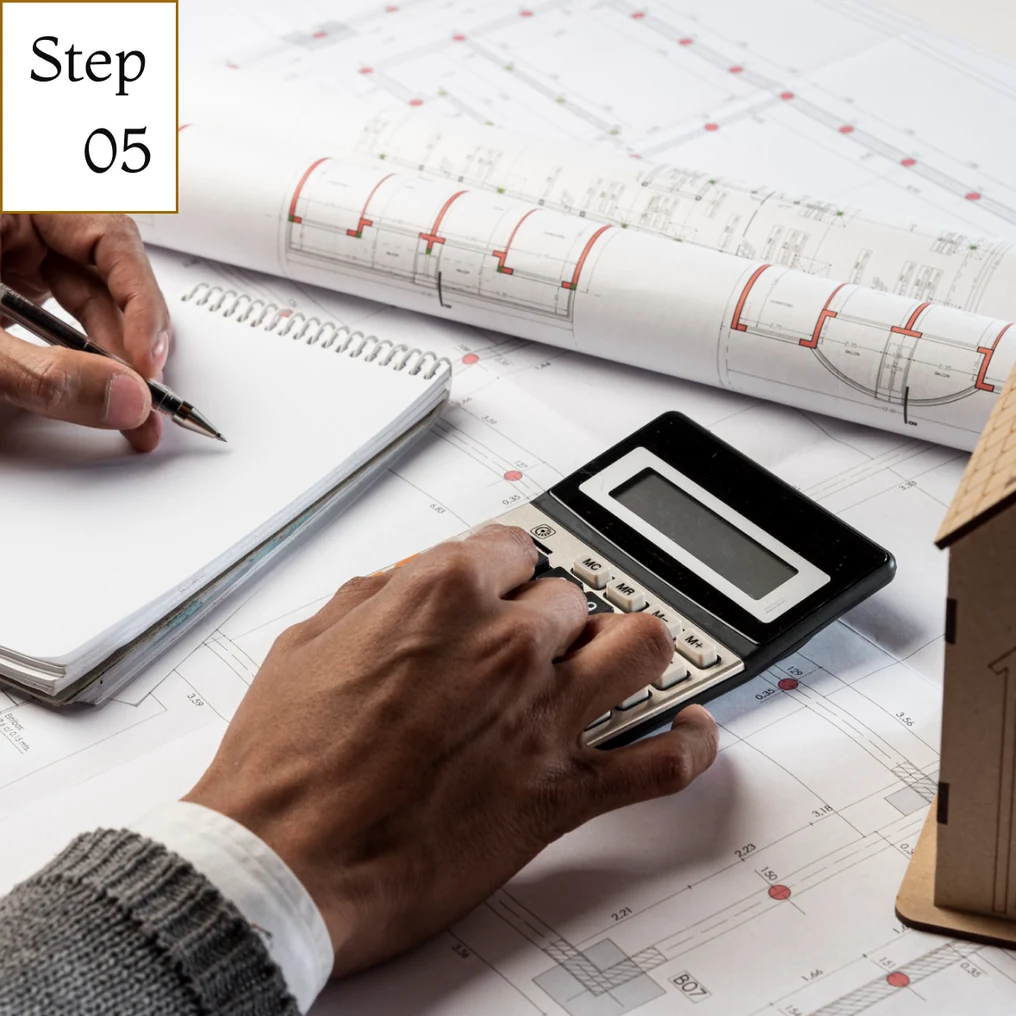
Creating BOQ & budget planning
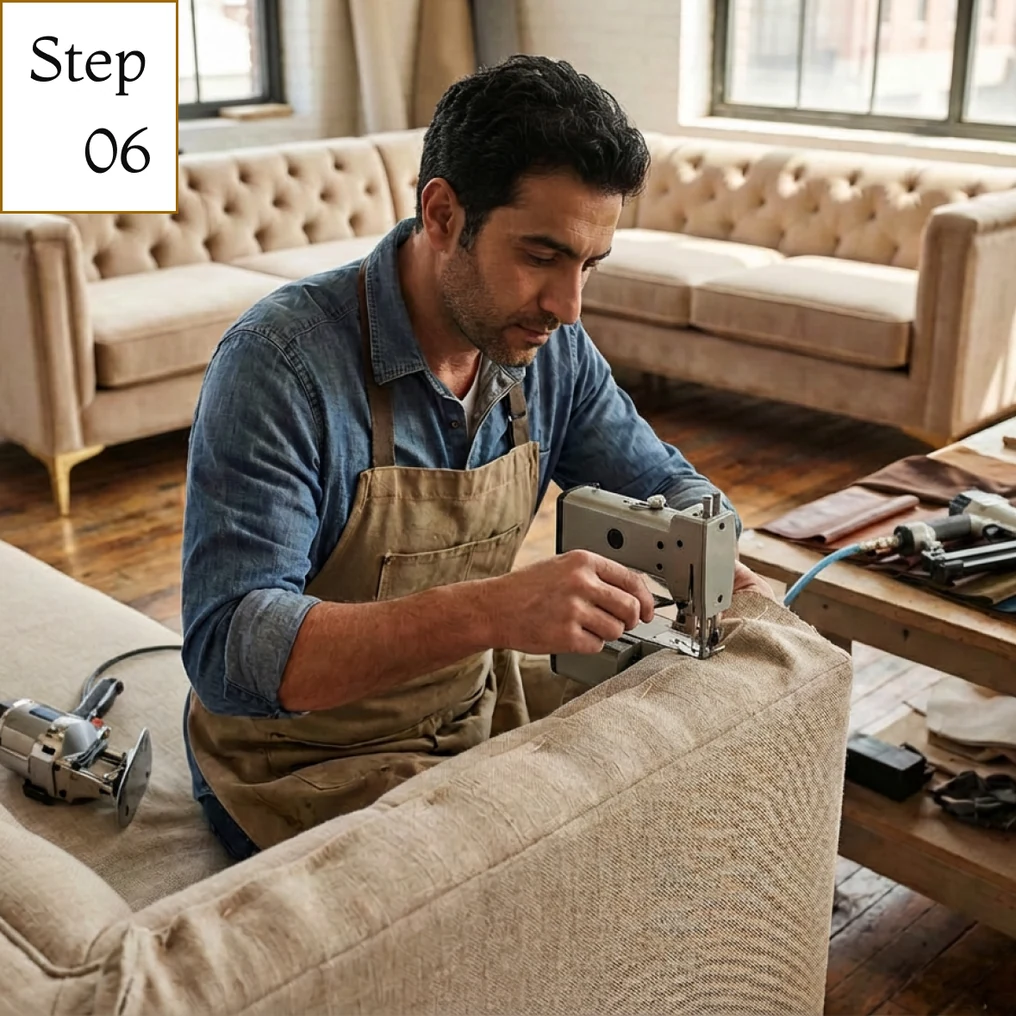
Project management
Get your space designed,
without the stress.
Because true luxury isn’t just what you see —, it’s what you feel every day.
The single biggest mistake first-time Palm renovators make is assuming the permit process matches mainland Dubai. It doesn’t.
Mainland Dubai villa renovation runs through one authority — Dubai Municipality via the BPS portal. Palm Jumeirah runs through three.
Any honest interior design firm in Palm Jumeirah will walk you through this before quoting, because the timeline math depends on it.
Realistic timeline math: with parallel submission of Nakheel NOC and Trakhees CED, total approval-to-commencement is 4-8 weeks.
If submissions are sequential rather than parallel — which is what happens when the designer hasn’t done it before — the timeline stretches to 12-16 weeks.
An interior design service in Palm Jumeirah that has run 50+ submissions knows exactly which drawings to submit when, and which Nakheel reviewer handles which frond type.
Before signing any Palm renovation quote, ask the designer how many Nakheel NOC submissions they’ve personally led, what the 2026 guideline changes were, and how they sequence Nakheel and Trakhees submissions.
If they describe the process as ‘standard Dubai Municipality,’ move on. They’ve never built on Palm.
Palm Jumeirah is the world’s largest artificial island — built on engineered reclaimed land with variable soil bearing capacity across its 17 fronds and crescent.
That single fact creates a structural-engineering reality that mainland Dubai renovations don’t face.
Any Palm Jumeirah interior design agency that has done extension work here knows the rule before quoting: any foundation work or structural extension within 3 metres of your plot boundary requires a geotechnical investigation report.
Mainland Dubai plots have no such requirement.
Cost range for a typical Palm villa geotechnical report: AED 18,000 to AED 45,000 depending on plot size and number of boreholes required.
Time: typically 3-4 weeks from instruction to report delivery, including lab analysis turnaround.
This cost and time are non-negotiable for any extension work on Palm. Skipping the geotech step gets your Trakhees CED submission rejected — and rebuilding the submission package adds another 4-6 weeks to the project.
Honest interior design consultants in Palm Jumeirah price the geotech investigation into the original quote, not as an unexpected add-on at month two.
Beyond the formal requirement, the geotech report also informs interior spec. High-mass loading like solid stone slabs in non-original locations may need structural verification before installation.
The same applies to retrofit pools, sunken lounges, or basement excavations — all behave differently on reclaimed land than on natural ground.
If your Palm project involves any extension, basement work, or significant structural alteration, confirm at the first meeting whether the geotechnical investigation cost is included in the quote.
Designers who haven’t worked on Palm before often miss this. The conversation you have at week one saves you 6 weeks at month four.
Direct Arabian Gulf exposure isn’t an aesthetic consideration. It’s an engineering constraint that reshapes every material choice across a Palm villa.
An interior design studio in Palm Jumeirah that has delivered to handover here specifies a different materials list than the same studio would specify for a Marina tower or a Sharjah villa.
The differences matter most across five categories.
| Category | Mainland Dubai Default | Palm Jumeirah Spec |
|---|---|---|
| Hardware | Brushed chrome, brushed nickel | Solid brass, marine-grade stainless |
| External fixings | Galvanized steel | Marine-grade 316 stainless minimum |
| Outdoor upholstery | Standard outdoor fabrics | Sunbrella marine, salt-treated |
| Joinery cores | MDF or particleboard | Marine-grade plywood cores |
| Outdoor timber | Pine, treated softwood | Teak, ipe, or treated tropical hardwood |
The cost premium for Palm spec across these five categories runs roughly 8-12% over mainland default.
The replacement-cost saving over ten years is several multiples larger. Standard chrome hardware pits visibly within two years on Palm. Untreated outdoor upholstery fades and breaks down inside 18 months.
Joinery cores using standard MDF warp from humidity within 5 years.
Beyond the spec sheet, Palm work also requires HVAC sizing for higher latent load (humidity removal) than mainland properties. Designers who don’t account for this end up with mould issues in joinery and bedroom returns within 18 months.
Real numbers from a recent Frond M villa renovation: hardware spec premium AED 85,000 over mainland equivalent. Joinery core upgrade premium AED 220,000.
HVAC right-sizing premium AED 65,000. Total Palm-spec premium roughly AED 370,000 on a AED 4.2M villa renovation.
The owner’s 5-year resale forecast included recovery of all of it plus 30% — because Palm buyers in 2026 specifically look for spec that survives. A serious Palm Jumeirah interior design service should walk you through this category by category.
Before signing any Palm renovation quote, ask the designer to break out hardware, joinery cores, fixings, fabrics, and HVAC sizing as separate line items.
If the spec doesn’t note marine-grade or salt-treated, the designer is quoting you mainland default. That’s not a Palm renovation — it’s a Palm renovation that will fail at year five.
The original Palm villa stock — handed over from 2007 onwards — was built in two dominant architectural registers: Mediterranean White and Arabic Traditional.
Heavy mouldings, ornate ironwork, gold-leaf details, dark hardwood internals, deep colour palettes, formal Arabic millwork.
Most 2026 buyers want most of it stripped out.
This shift is not a fashion preference. It’s a generational change in what trophy-asset Dubai buyers consider beautiful.
The new register a serious Palm Jumeirah interior design firm delivers in 2026 falls into one of two camps:
Modern Minimalist. Floor-to-ceiling glass replacing punched-window openings. High ceilings exposed where structurally possible. Retractable glass walls merging living rooms with pool decks.
Limited colour palette — cream, oatmeal, warm white, deep navy. Material focus on solid stone, oiled timber, brushed brass. Mouldings and ornamental joinery removed entirely.
Tropical Modernism. Same architectural moves toward openness and indoor-outdoor flow, but with warmer material register.
Travertine, hand-glazed tile, woven natural fibres, sculptural lighting. The aesthetic Aman resorts use for their private residence wings — applied at villa scale.
Realistic budget range for a 2007 Signature Villa register-change renovation: AED 3.8M to AED 7.5M depending on villa size and structural ambition.
Realistic timeline: 9 to 14 months including approvals.
Owners who try to do this as a refresh — keeping the existing window openings, ceiling heights, and floor finishes — end up with neither the old register nor the new. The interior reads transitional rather than committed, and the 5-year resale premium is reduced by an estimated 20-30%.
The Palm Jumeirah interior designer worth shortlisting will tell you honestly which scope your villa actually needs — refresh or register change.
Frond F transactions in 2025-2026 (six-bedroom villas at AED 110M) are almost all fully register-changed. Frond P listings around AED 75M are typically mid-renovation.
The market reads this clearly. Trophy-asset buyers in 2026 pay for committed register, not transitional refresh.
Before commissioning, walk through three completed 2026-register Palm renovations with your designer (most senior Palm firms have at least three handover-ready references).
The conversation that happens in those finished homes resets the brief in ways no moodboard can replicate.
Most Palm Jumeirah guides treat the island as one trophy-asset market. Anyone who has actually delivered renovations across the sub-typologies knows that’s wrong.
Signature Villas, Garden Homes, Canal Cove townhouses, Shoreline apartments, Crescent towers, and the custom-built fronds (G, H, I, J, N) carry distinctly different briefs.
Different ownership profiles, different building stock, different structural constraints, different aesthetic ambition. Here’s what a Palm Jumeirah interior design company that has worked across all of them sees.
5-7 bedroom, 7,000+ sqft, plot sizes 7,000-13,000 sqft.
Trophy-asset register. Buyer profile: ultra-high-net-worth, often international. Average transaction AED 30M-110M depending on frond and renovation status.
Renovation scope here typically runs full register change with custom millwork, bespoke material selection, and integrated smart home. Budget range AED 3.8M-9M+.
4-5 bedroom, more compact than Signature Villas, still beachfront.
Buyer profile: families seeking Palm address at slightly lower entry. Average transaction AED 25M-45M. Renovation work skews toward selective register update — kitchen, primary bathroom, living room reset.
Tighter plot edge means less ambitious extension work than Signature Villas.
3-4 bedroom community-bound townhouses at the base of the fronds.
Community master plan governs external alterations more strictly than the individual fronds. Renovation work focuses internally — interior register, joinery, bathroom resets.
Buyer profile: smaller families or downsizers wanting Palm with lower service charge exposure.
Lowest entry on Palm, AED 2,200-2,800 per sqft.
Older building stock, often with original developer finishes still in place. Renovation question here: full interior reset or selective high-impact upgrade.
Tower-stack constraints (lift logistics, OA approvals, neighbour considerations) shape the work rhythm. Different from villa fronds entirely.
Newer build, AED 2,800-3,500 per sqft. Better baseline finishes than Shoreline.
Renovation here often skews lighter — refresh of developer hand-over rather than full reset. Buyer profile skews investor more than Shoreline (higher acquisition price, lower yield).
Plots sold by Nakheel for owner-led custom construction. Plot sizes 7,000-18,000 sqft.
Permission for basements and G+2 structures, larger BUA than original Signature spec. World-class architects, owner-personal-use spec.
Our work on these fronds typically starts at architectural stage rather than interior renovation.
should know these distinctions before the first site visit.
If you’re briefing in Signature Villas, the design instinct is trophy-asset register-change. In Garden Homes, selective high-impact reset. In Canal Cove, interior-focused. In Shoreline, full or selective by ROI math.
Designers who arrive with a one-size-fits-Palm brief have not actually worked across these sub-typologies. The differences are real, and they reshape every specification choice.
When briefing any Palm project, lead with your sub-typology and frond letter and ask the designer how their last three projects in that exact frond cluster were specified differently from their last three projects in adjacent fronds.
The answer reveals depth of Palm-specific knowledge faster than any portfolio. See our portfolio for completed Palm Jumeirah work.
Areas we serve across Dubai