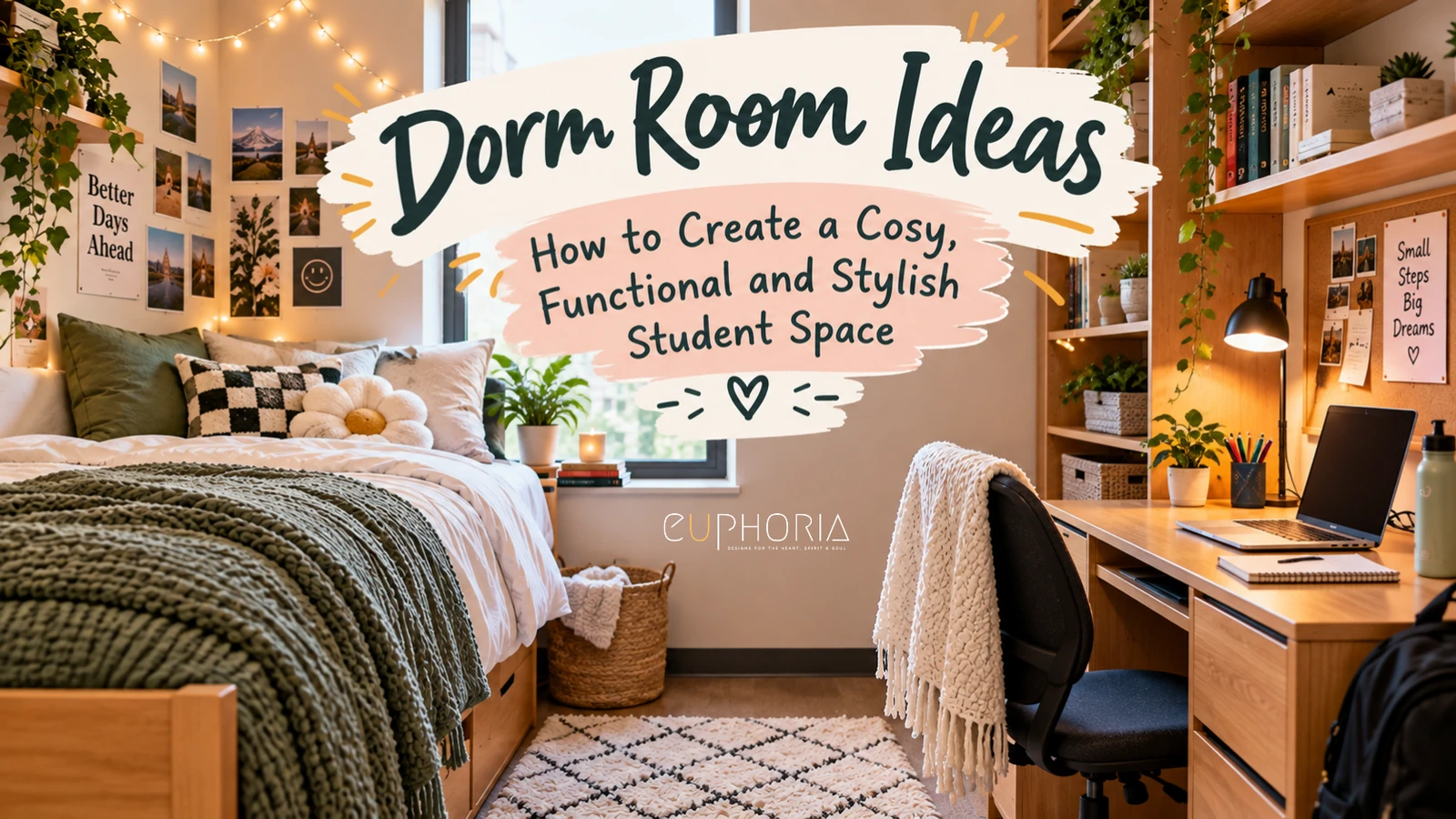
Your dorm room should feel like more than a place where you sleep between classes. It should help you study, rest, get ready, store your things and still feel a little like home.
But that is where most students struggle. The room is usually small, storage is limited, and the desk has to handle books, a laptop, chargers and daily essentials. Then comes bedding, laundry, shoes, bags, snacks and personal items. Without a plan, even a nice looking room feels crowded within days.
The best rooms are not filled with the most items. They are planned around real daily habits. Where will you study? Where will laundry go? What needs to stay near the bed?
What follows is every idea one at a time, each with what it costs you in space and which daily problem it solves. Storage, shelves, cosy details, lighting, space saving hacks and the mistakes that undo all of it.
Start With How Your Room Will Work Every Day
Before you buy fairy lights, cushions or baskets, answer one question: what does this space need to do for you every day?
Divide the room into three zones. Your bed is the sleep zone. Your desk is the study zone. Under the bed, inside the wardrobe or behind the door becomes storage.
| Zone | What it should do | What to keep there |
|---|---|---|
| Sleep | Help you rest and recharge | Bedding, bedside light, water bottle, book |
| Study | Help you focus | Laptop, notebooks, lamp, stationery, chargers |
| Storage | Keep daily clutter controlled | Clothes, shoes, laundry, bags, extra bedding |
Students often blame room size when the real issue is item placement. If the laundry basket sits near the door, you will use it. If the charger has a fixed place, it stops disappearing under the bed. Small rooms get easier when daily items have predictable homes.
Under Bed Boxes for Things You Do Not Need Every Hour
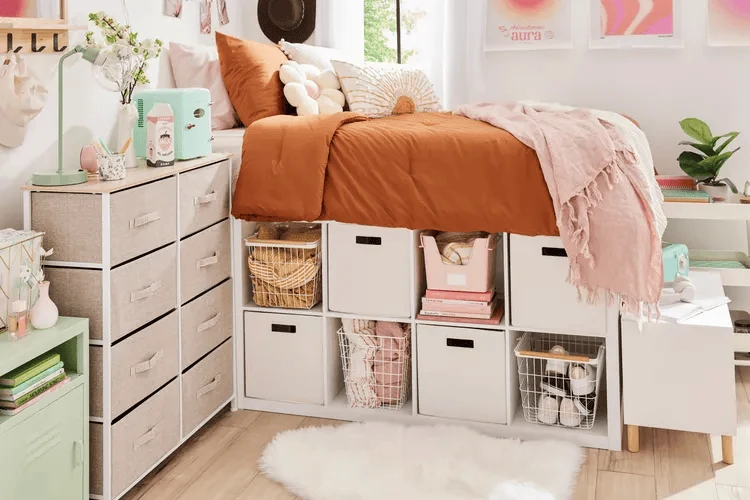
- Solves: bedding, shoes and seasonal clothes with nowhere to live.
- Space needed: 6 to 12 inches of under bed clearance.
- Best for: students short on wardrobe space.
Clear boxes make it easier to see what is inside. Fabric bags work when the bed is low. Group items by use, clothes in one box, bedding in another, shoes separate. That stops under bed storage becoming a hidden mess.
Organisers That Match Your Daily Habits
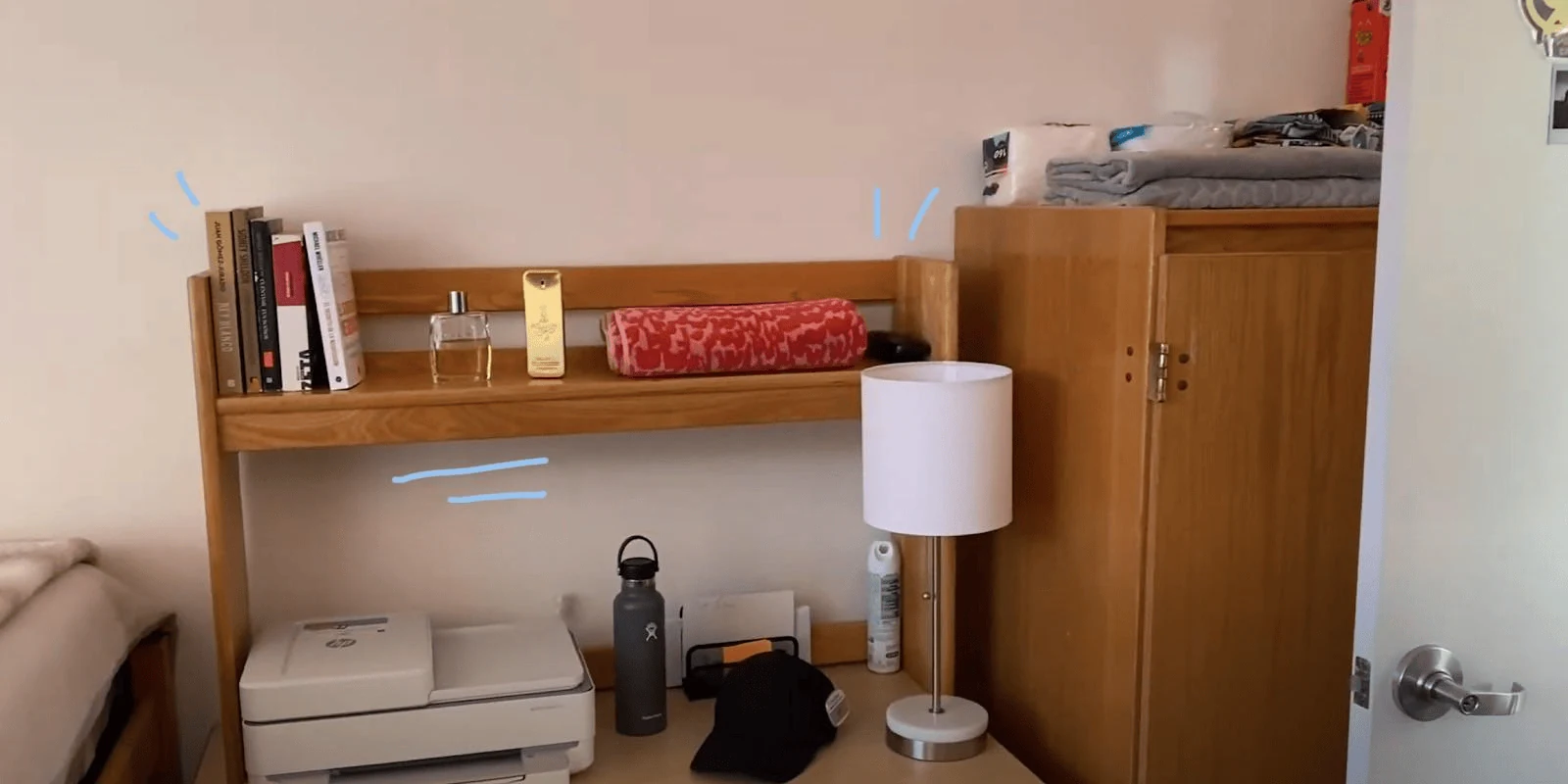
- Solves: the desk, wardrobe or bedside area that gets messy within hours.
- Best for: students whose small items never have a fixed spot.
The best dorm room organizers address a specific daily frustration.
| Problem | Useful organiser | Why it helps |
|---|---|---|
| Desk feels crowded | Desk tray | Keeps study items in one place |
| Clothes get mixed up | Drawer dividers | Separates small clothing items |
| Laundry lands on the floor | Slim laundry basket | Keeps dirty clothes contained |
| Bedside items go missing | Bedside caddy | Keeps daily items close |
| Wardrobe feels tight | Hanging shelves | Adds storage without bulky furniture |
Keep Frequently Used Items Easy to Reach

- Solves: tidiness that never lasts because putting things away is a chore.
- Best for: students who want the room to stay neat with less effort.
Do not hide everything away. It looks tidy once and will not stay that way if you open three boxes to find a charger. Study supplies near the desk, book and water near the bed, laundry in one basket, shoes near the wardrobe.
Bedding, Lighting and Texture for a Softer Room
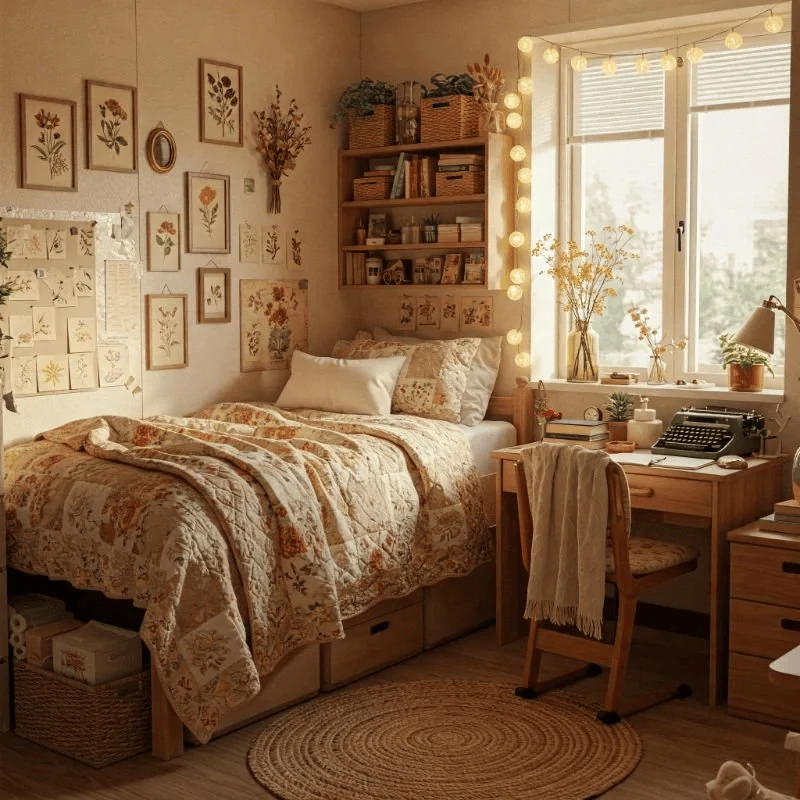
- Solves: a room that feels temporary and cold.
- Best for: students who want warmth without adding clutter.
Start with the bed, the largest visual part of the room. A clean sheet, one throw and two cushions settle the whole space.
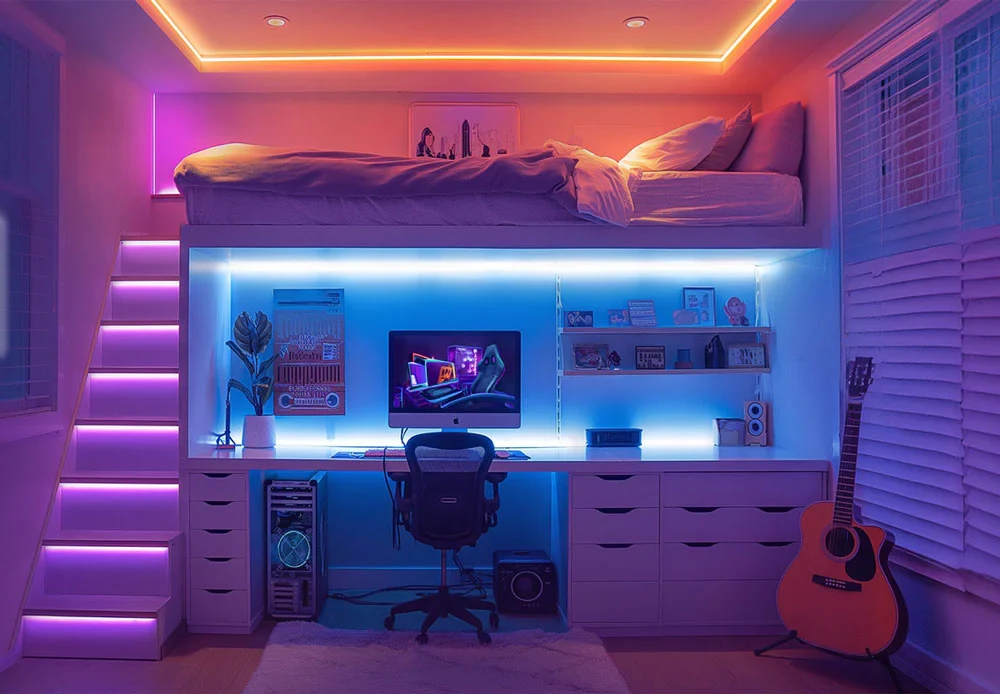
A harsh ceiling light makes a nice room feel cold. A bedside lamp, clip on light or warm desk lamp makes evening study and rest easier.
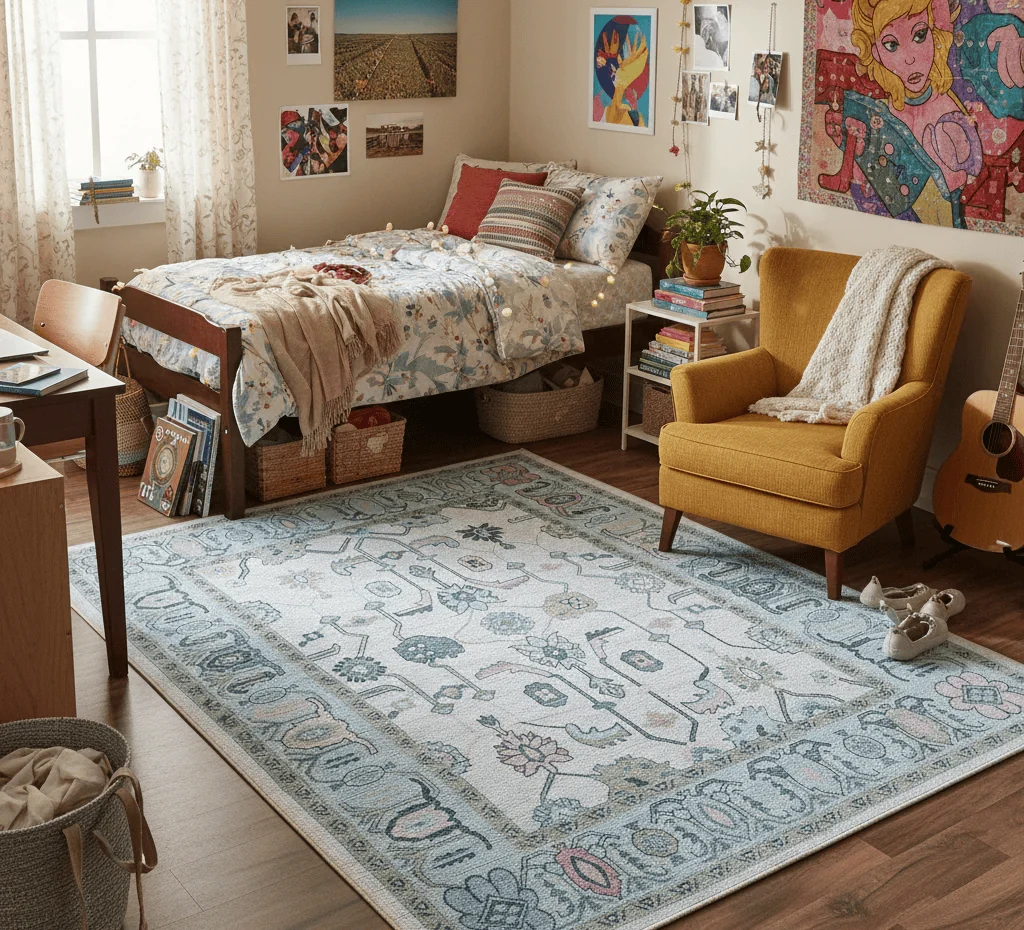
A soft rug near the bed, a knitted throw or a fabric pin board stops the space feeling temporary. You do not need ten soft items, just a few you will actually use.
Personal Details Without Covering Every Wall
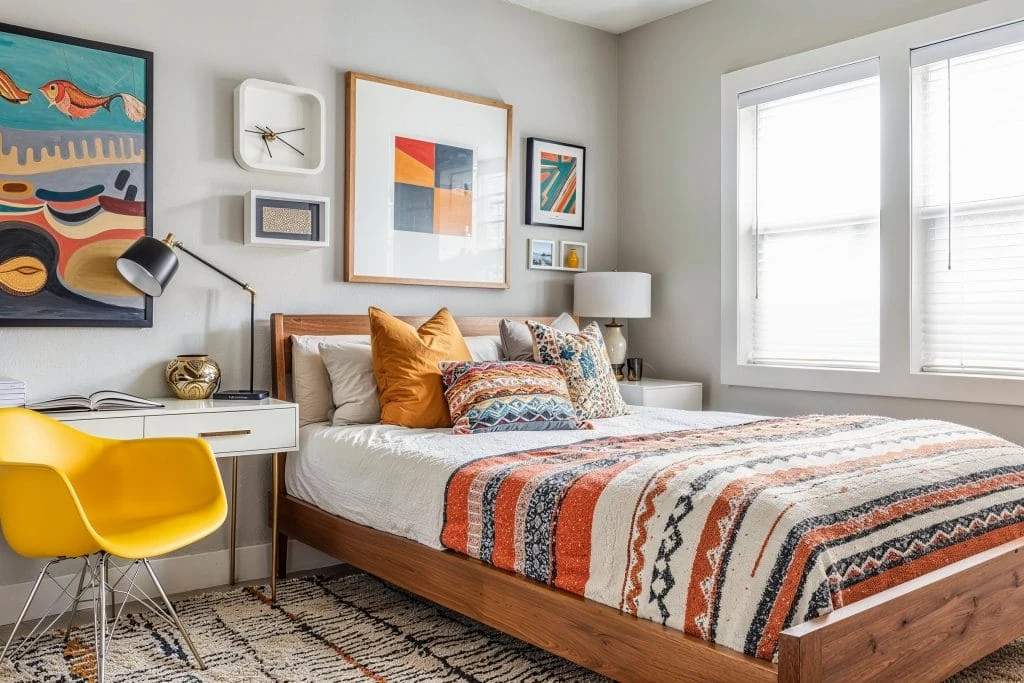
- Solves: personal items turning into visual noise.
- Best for: students who want character but still neat.
Choose one small area for memories: a pin board above the desk, a photo strip near the bed, a shelf with two or three meaningful things. A focused photo corner looks intentional. Random photos on every wall make the room feel restless. Use removable strips if wall rules are strict.
A Calm Colour Palette You Can Repeat
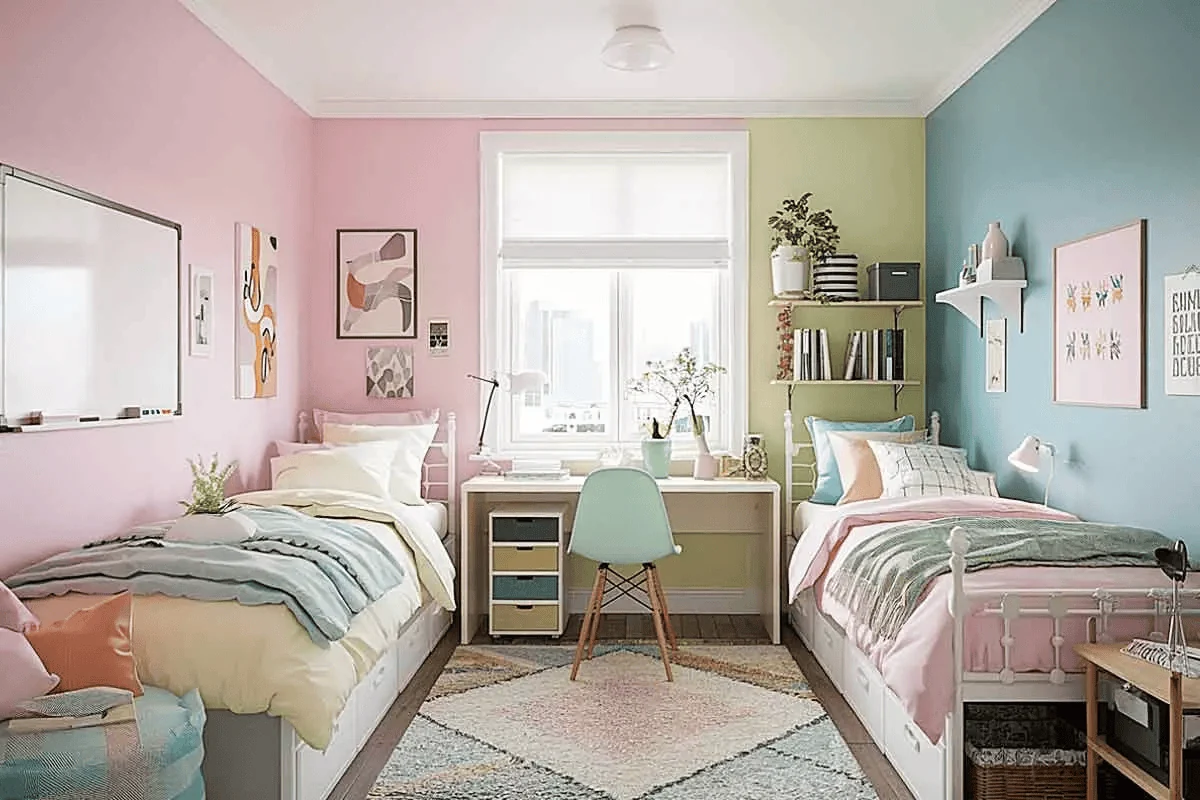
- Solves: a room that looks busy even when it is clean.
- Best for: students who want a cosy room that still feels tidy.
Pick two or three colours and repeat them through bedding, baskets, cushions or small decor. Cream bedding, a sage throw and a warm wooden organiser feels calm without looking plain.
Floating Shelf Above the Study Desk
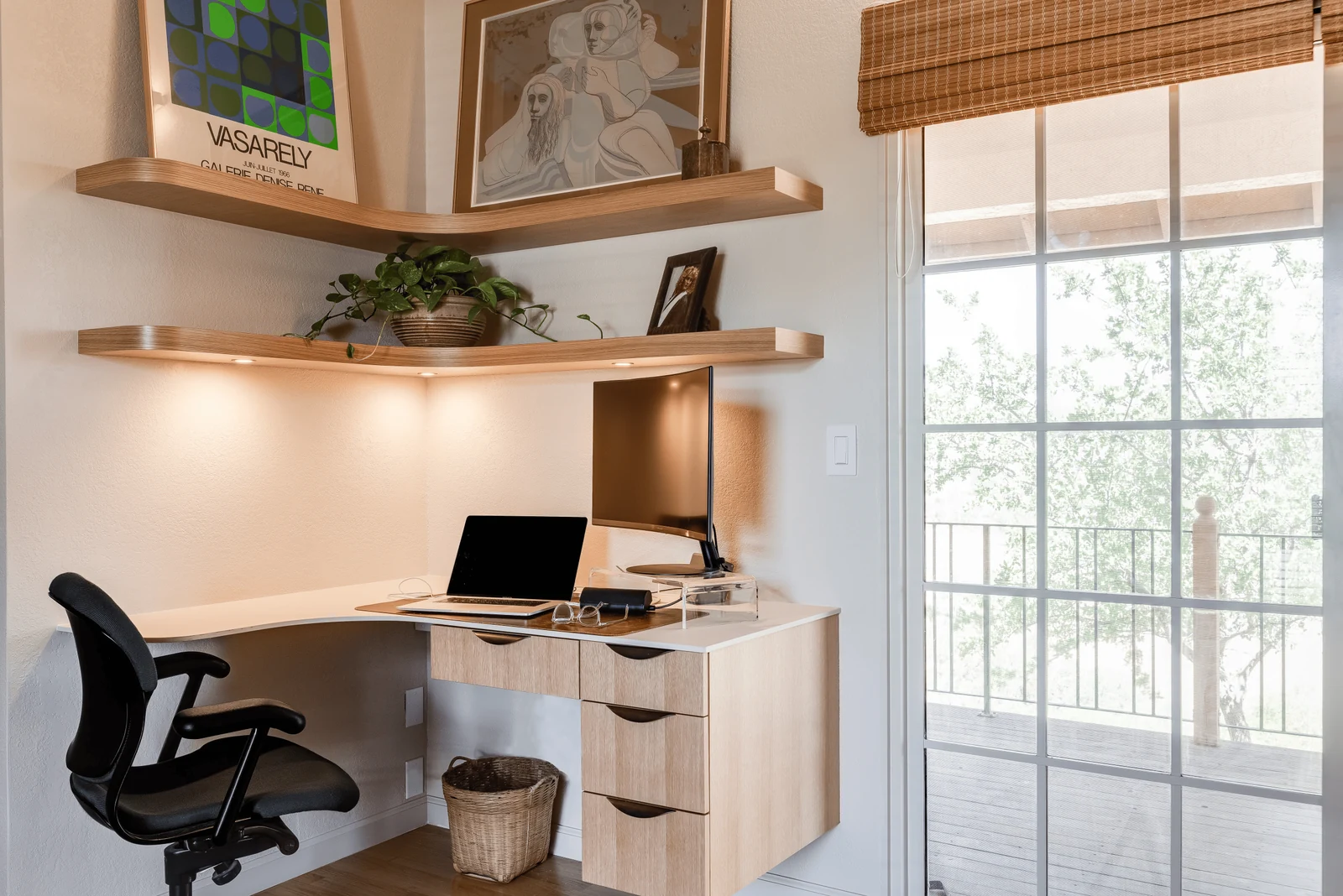
- Solves: a desk that becomes a dumping spot.
- Space needed: 24 to 36 inches of wall above the desk.
- Best for: students who need more desk surface.
One of the most useful dorm room shelves ideas, because it supports the study zone without adding furniture. Use it for notebooks, a small plant, a pencil cup. Keep it simple or the desk still feels busy.
Bedside Wall Shelf for Night Time Essentials
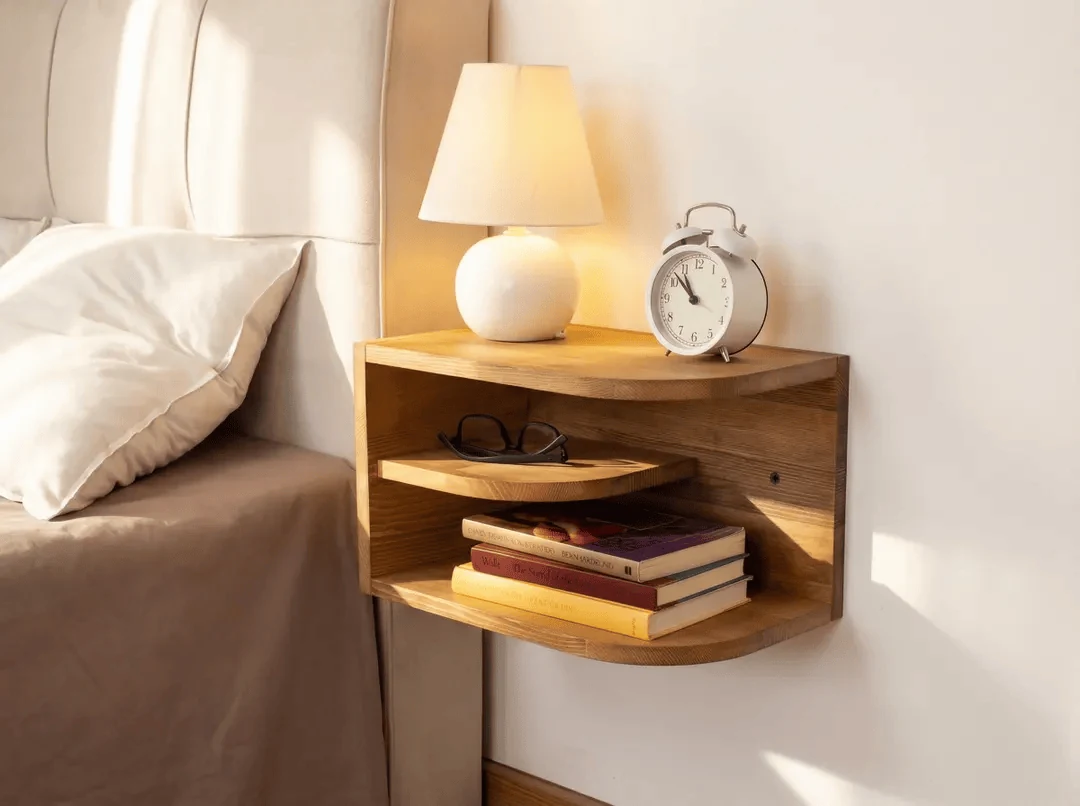
- Solves: no room for a bedside table.
- Space needed: 12 to 18 inches of wall beside the bed.
- Best for: narrow rooms where every inch matters.
Keep only essentials here. Phone, small lamp, book, water bottle. Anything more crowds the bed area.
Pegboard Wall for Study Supplies
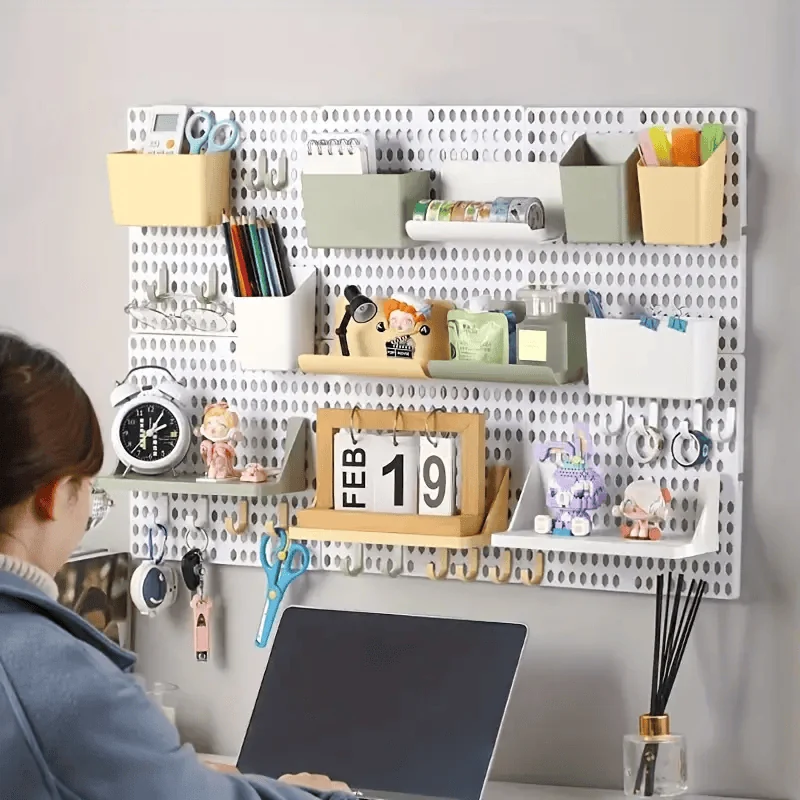
- Solves: pens, cables and headphones spreading across the desk.
- Space needed: 12 to 18 inches of wall width.
- Best for: students who study, sketch or plan at the same small desk.
The value is flexibility. Move hooks as your routine changes. Leave some empty space so it does not look overloaded.
Slim Wall Rack Near the Wardrobe
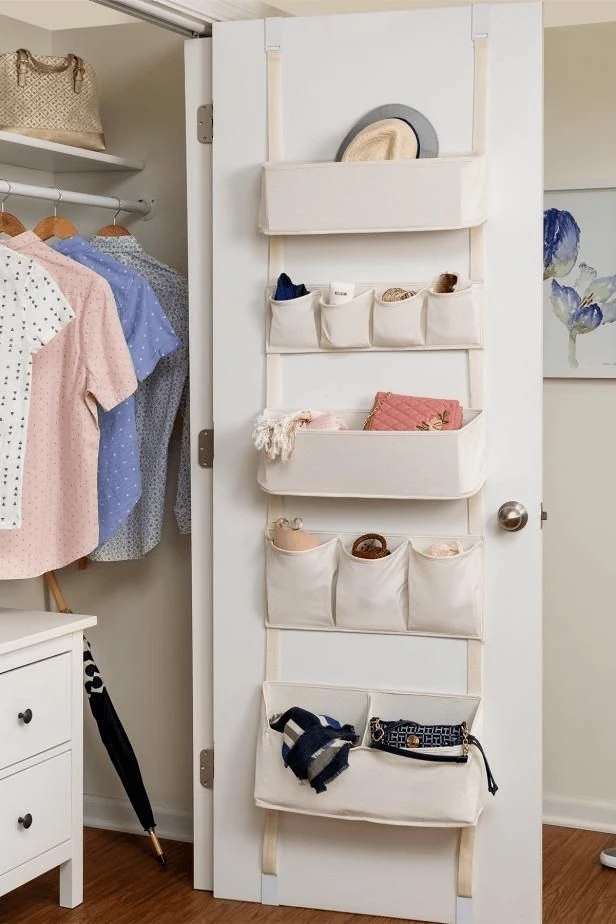
- Solves: the chair becoming a second wardrobe.
- Space needed: around 12 to 18 inches of wall.
- Best for: bags, caps, scarves and grab and go items.
Not for heavy storage. It works for things you pick up on the way out.
Over Bed Shelf for Books and Soft Decor
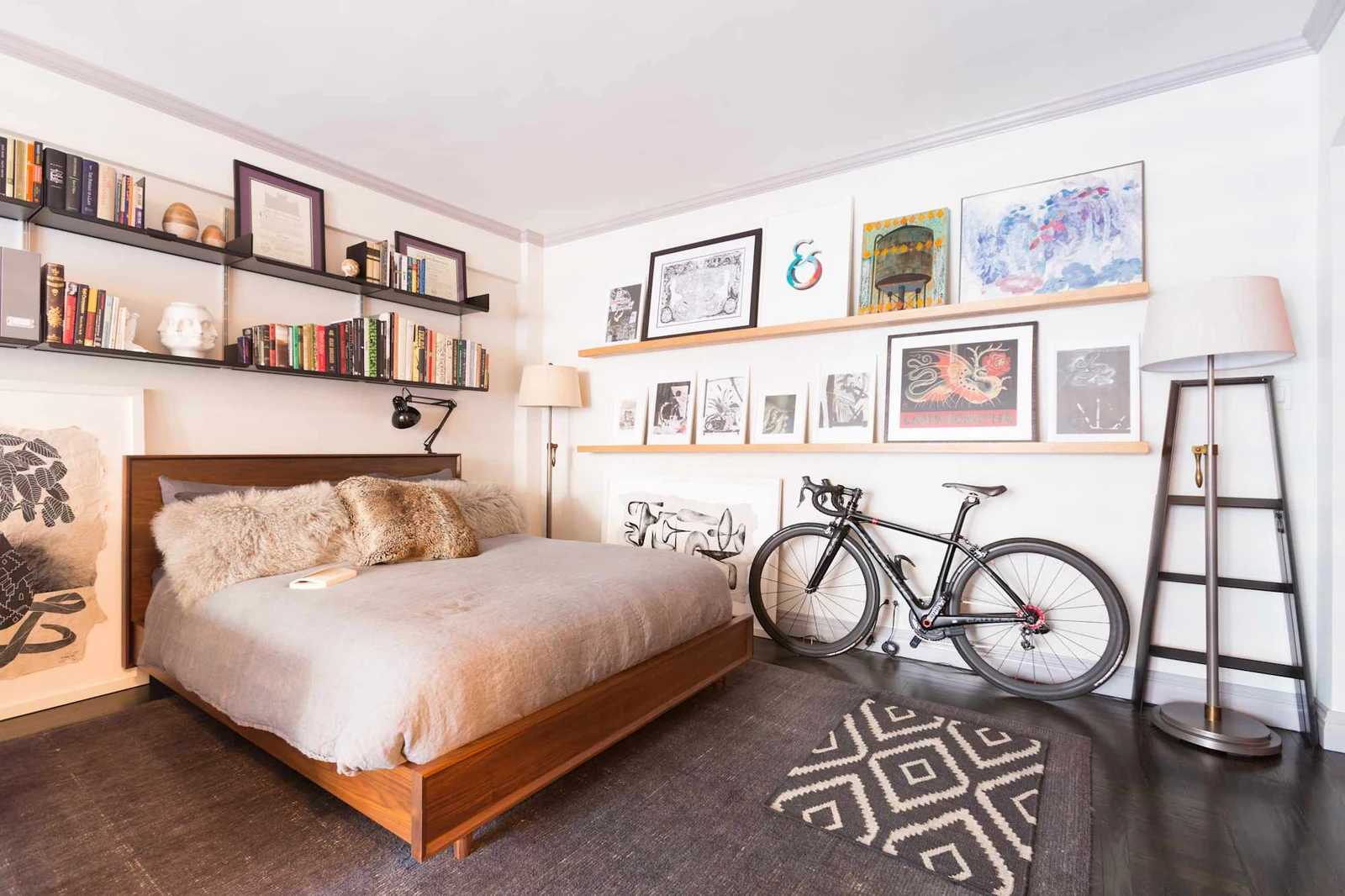
- Solves: a bare wall behind the bed.
- Space needed: 24 to 36 inches of wall above the bed.
- Best for: rooms where the bed is the main visual feature.
Keep it light and safe. Avoid heavy items above the bed.
A Simple Colour Palette That Is Not Lifeless
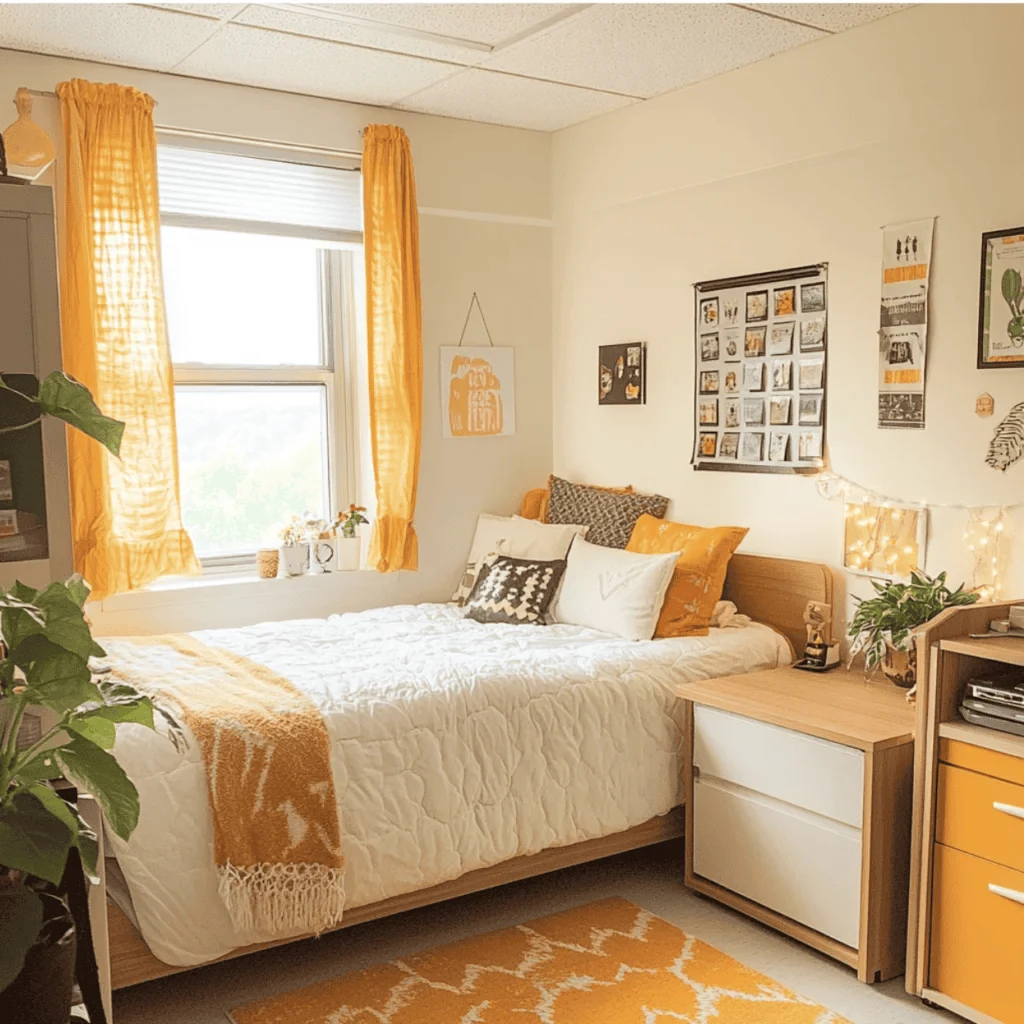
- Solves: colour overload making a small room feel restless.
- Best for: students who want calm but still warm.
Two main colours and one accent. White bedding, beige baskets, a soft green throw. Bright bedding, colourful posters, patterned rugs and mixed boxes all look fun separately and fight each other together.
Closed Storage for Visual Calm
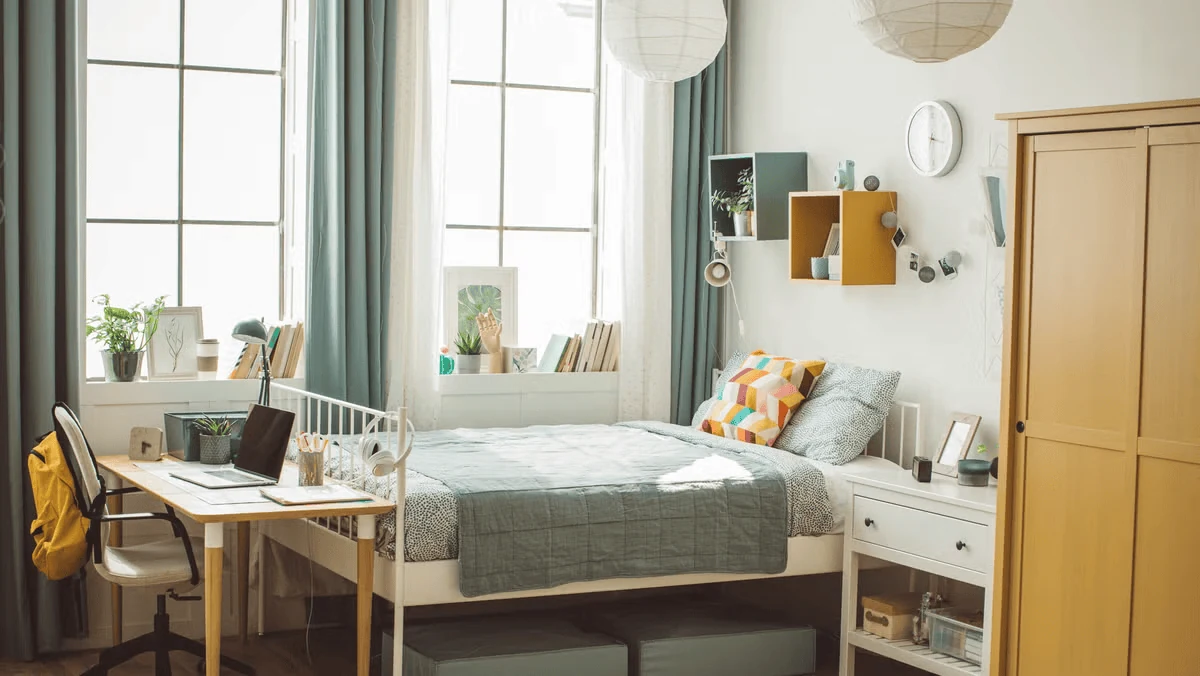
- Solves: owning many small items and wanting the room to look tidy.
- Best for: snacks, skincare, cables and spare clothes.
Open baskets show everything. Closed boxes or fabric bins hide visual clutter. Use labels, but keep them simple.
Keep the Desk Clear Enough to Actually Study
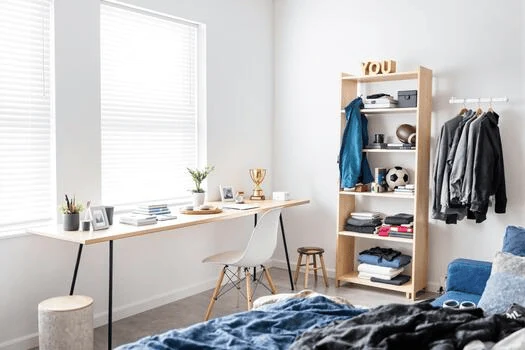
- Solves: a desk used for studying, eating and getting ready all at once.
- Best for: anyone who finds the room stressful to sit in.
Keep the laptop, lamp, notebook and one small holder. Everything else gets a nearby box, drawer or tray. In a compact room a clear desk changes the mood quickly.
Buy Fewer Items That Do More Than One Job
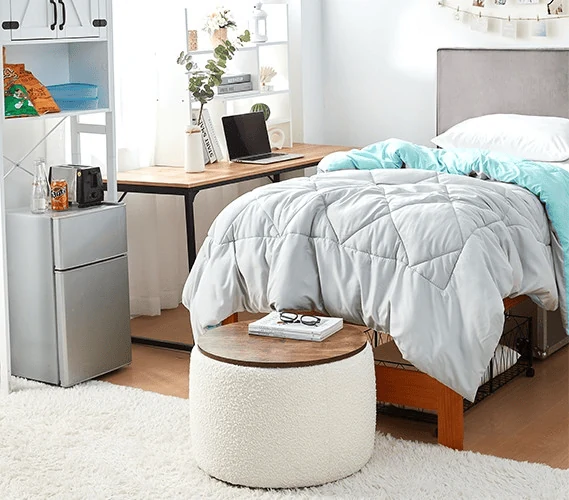
- Solves: a tight budget and a tighter floor plan.
- Best for: students setting up from scratch.
A storage ottoman works as seating and hidden storage. A rolling cart holds books, snacks or skincare. A clip on lamp covers reading and desk use. Small rooms do not need more things, they need better chosen things.
Bed Risers for Hidden Storage
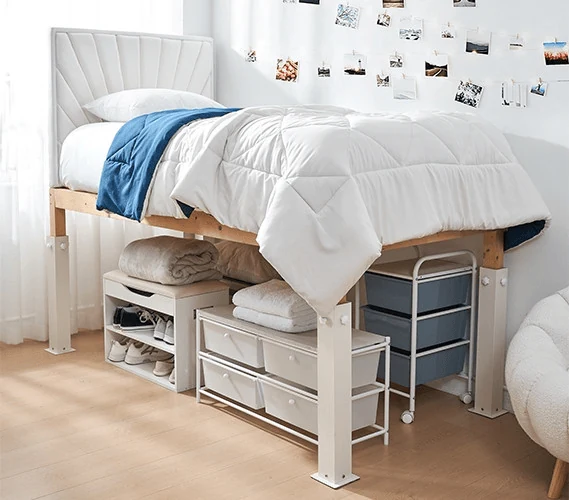
- Solves: a bed sitting too low for proper boxes.
- Space needed: enough height for 6 to 12 inches of clearance.
- Best for: students who need more hidden storage.
Check risers are allowed in your accommodation first. Keep the storage in boxes, or the space becomes unusable.
Rolling Cart Beside the Desk or Bed
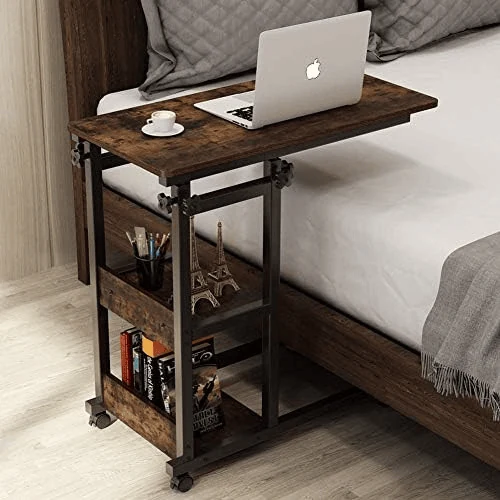
- Solves: one small area having to do several jobs.
- Space needed: 12 to 16 inches of floor width.
- Best for: study tools, snacks or skincare.
Use each tier for one purpose. Top for study tools, middle for skincare, bottom for snacks. One of the easiest dorm room space saving ideas because it adds storage without feeling permanent.
Over Door Pockets for Shoes and Small Items
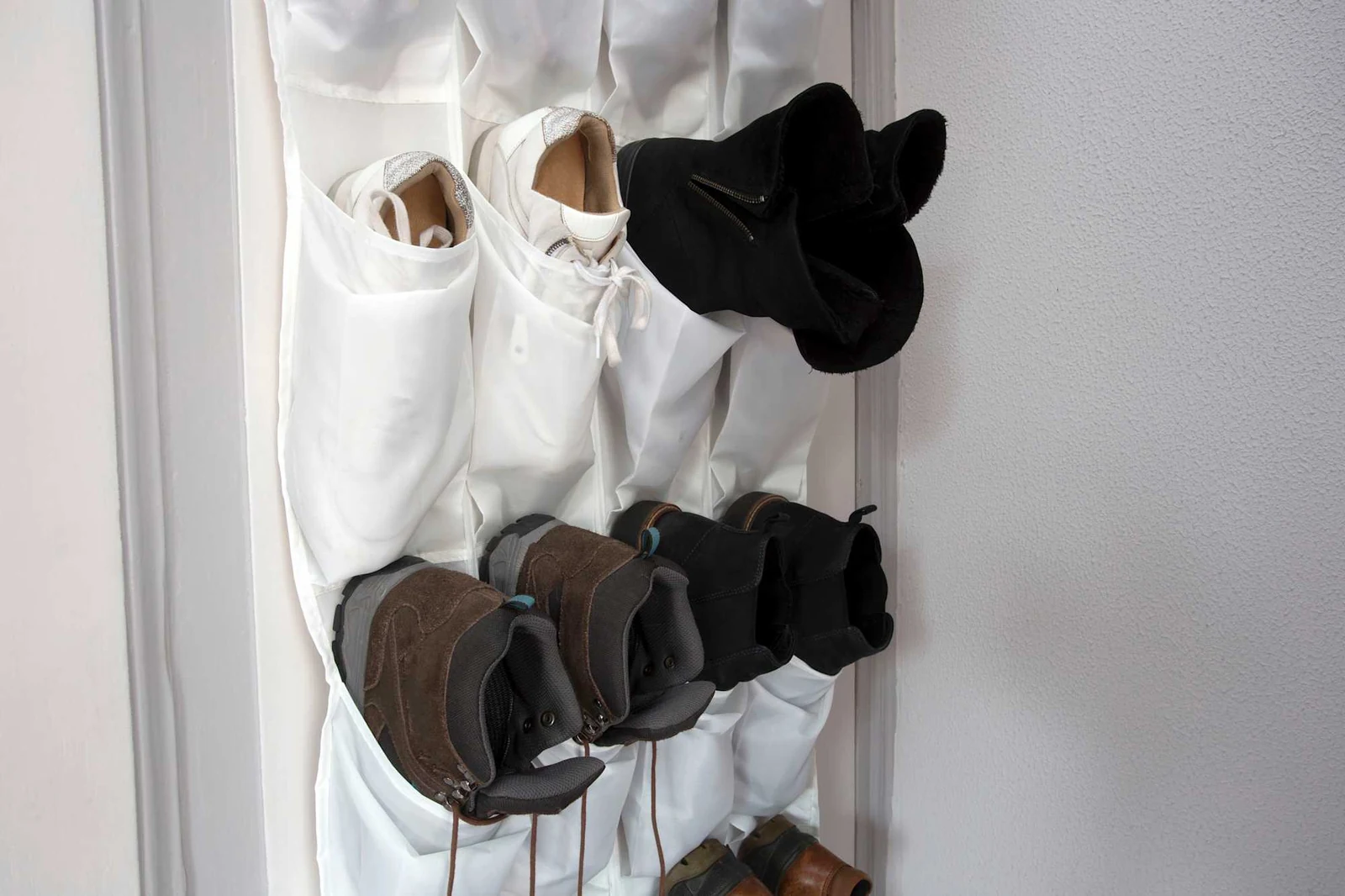
- Solves: no spare wardrobe space.
- Best for: shoes, toiletries, chargers and hair tools.
Back of door storage works best for items you need often but do not want on display. Do not overfill the pockets.
Cable Clips for a Cleaner Study Corner
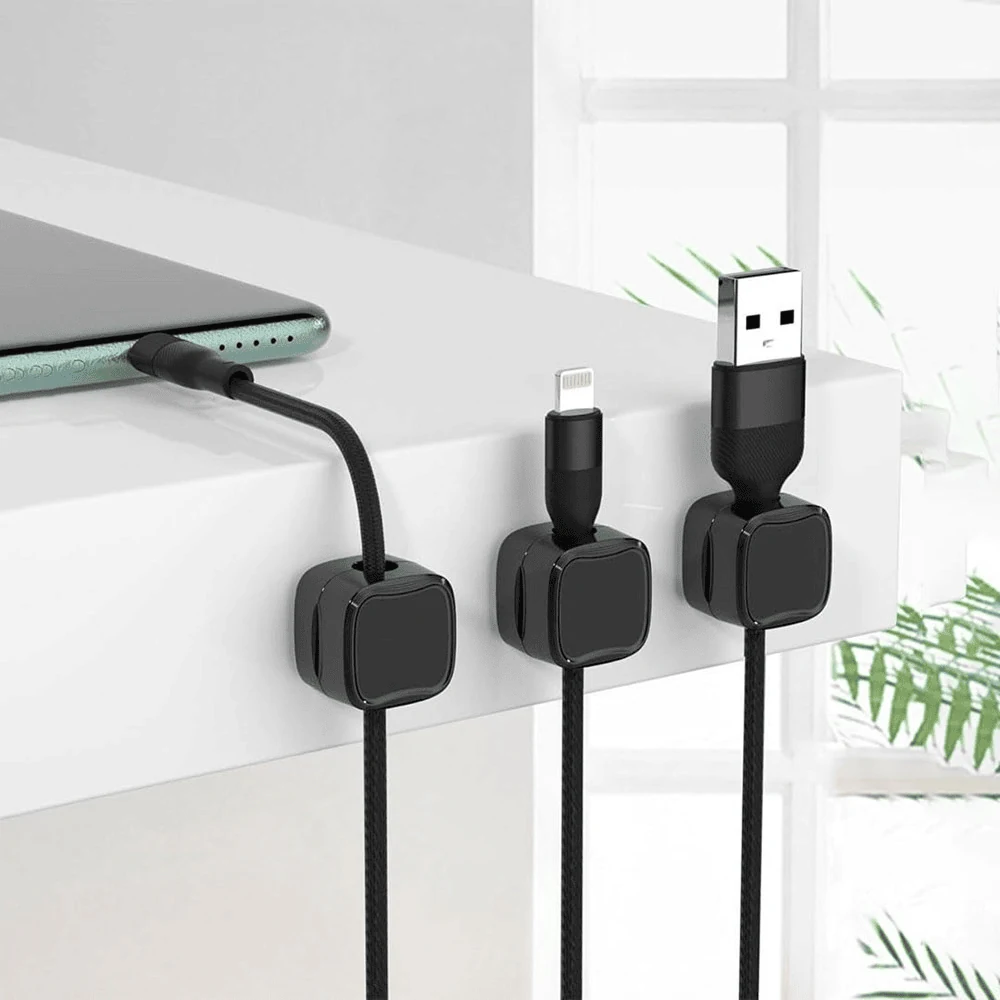
- Solves: a room that looks messy even when clean.
- Best for: anyone with wires hanging behind the desk.
Keep phone charger, laptop wire and lamp cable fixed in one place. A cleaner desk area makes studying feel less stressful.
Foldable Laundry Basket That Disappears When Empty
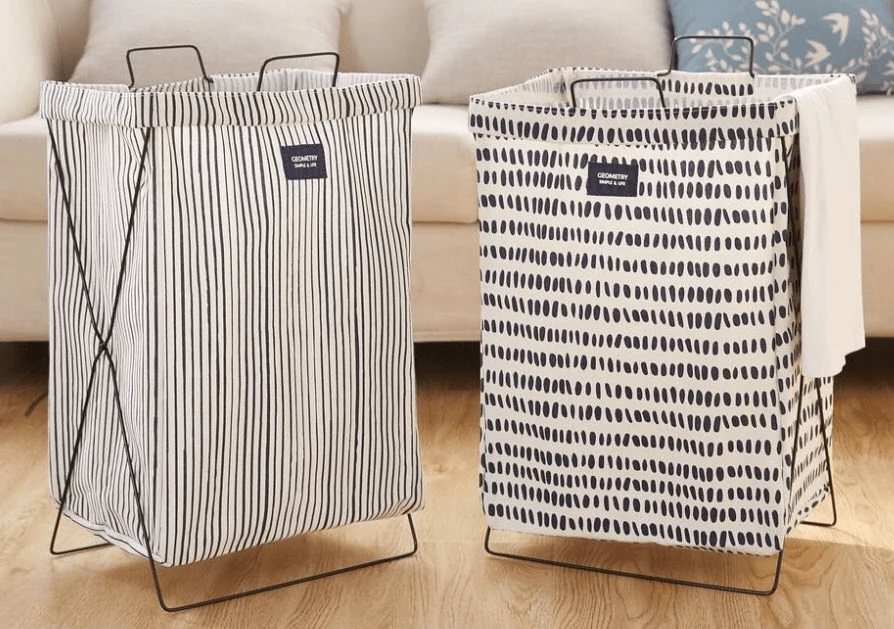
- Solves: laundry taking over the floor and the chair.
- Space needed: 8 to 12 inches beside the wardrobe or door.
- Best for: tight rooms where a full basket feels bulky.
The real benefit is habit. When laundry has one fixed place, clothes stop landing on the chair.
Compact LED Desk Lamp for a Small Study Table
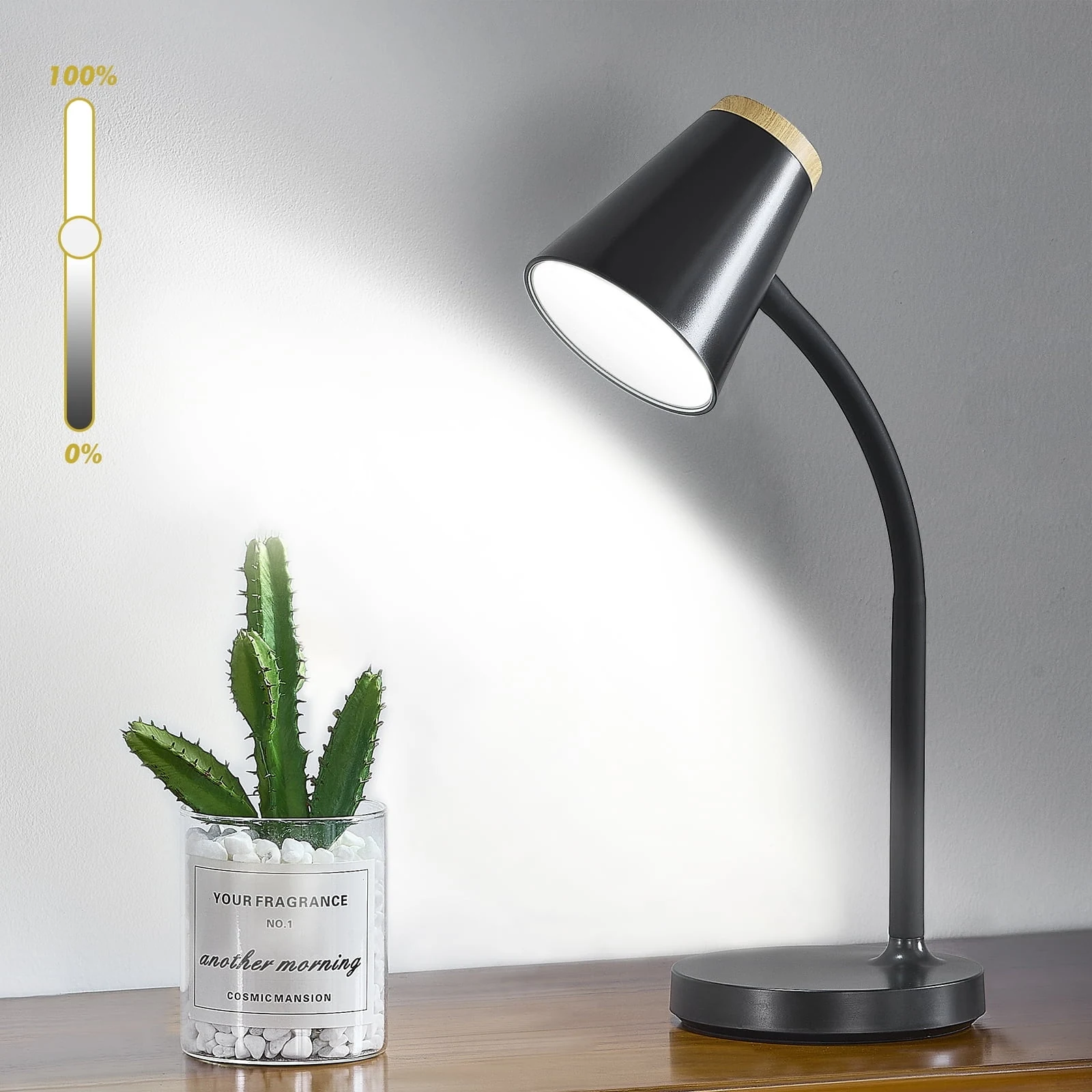
- Solves: a lamp stealing space from books and laptop.
- Space needed: 6 to 8 inches of desk.
- Best for: students with limited desk surface.
Choose a small base or clamp fixing. A slim LED beats a heavy decorative lamp in a compact setup.
Warm and Cool Light Modes
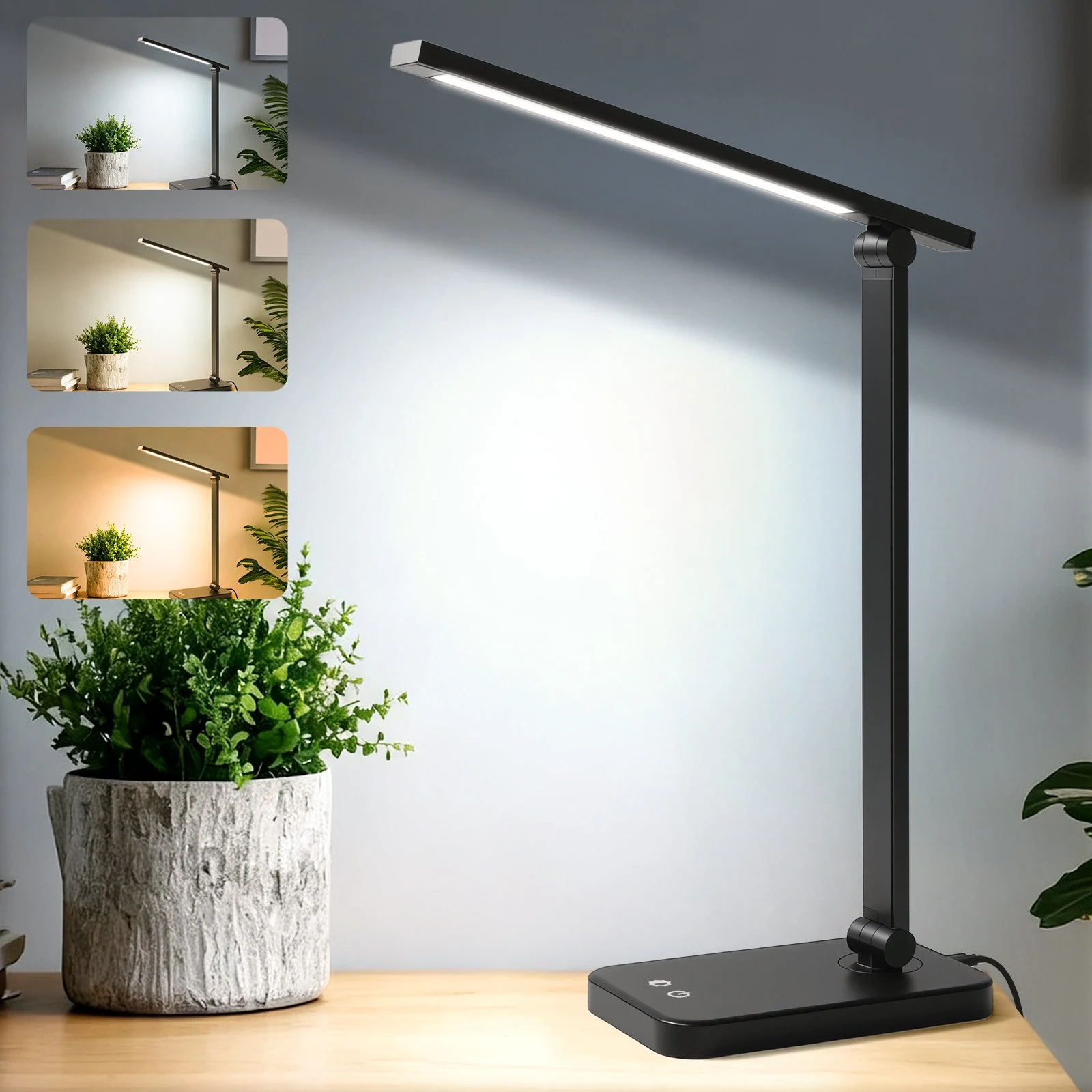
- Solves: needing one lamp for focus and for winding down.
- Best for: students who study late then read in bed.
Cool white helps you stay alert. Warm light feels gentler for reading or before sleep. The useful part is choice.
Flexible Arm for Better Light Direction
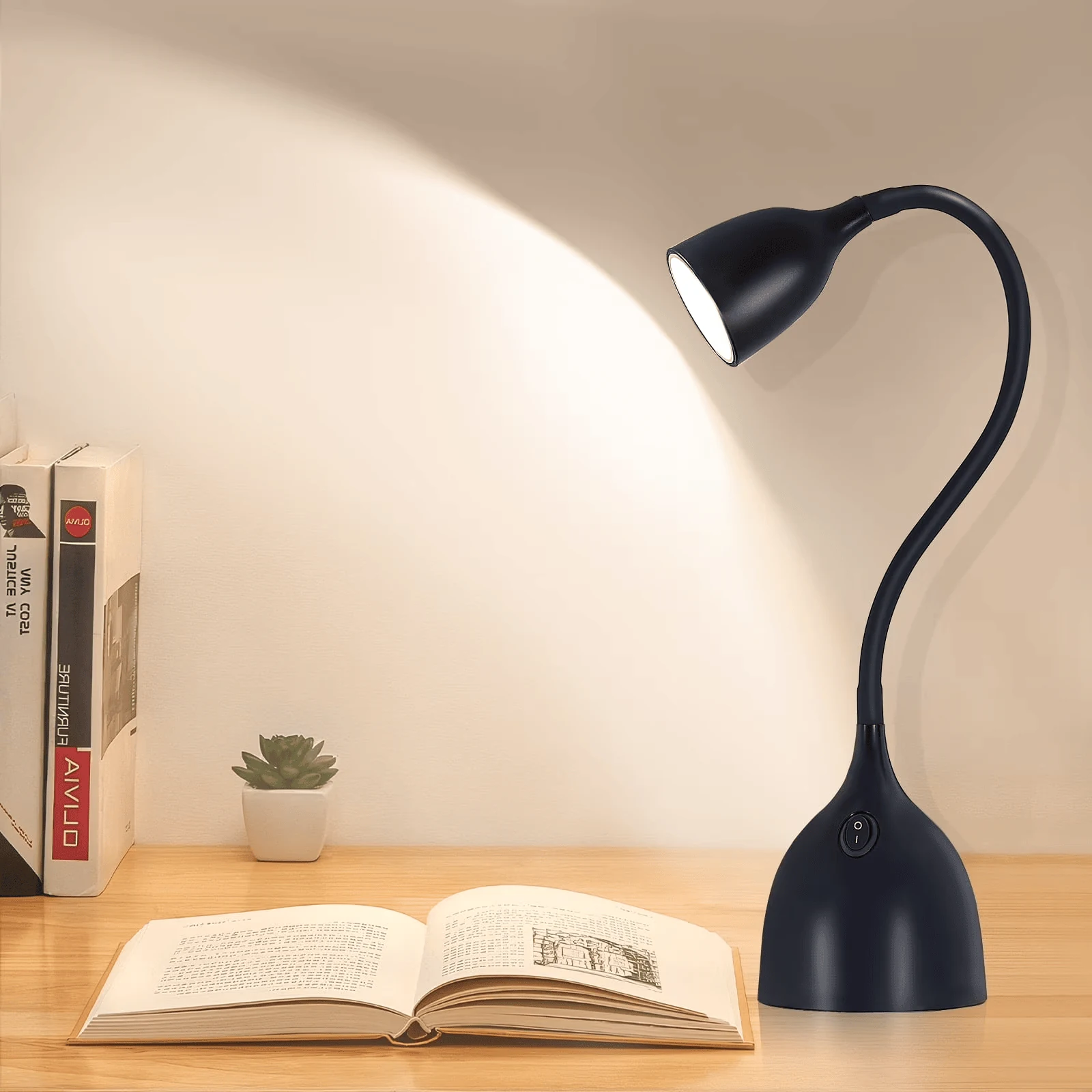
- Solves: glare on the screen and shadows on the page.
- Best for: students moving between laptop work and handwritten notes.
Point the light at a notebook, angle it away from the screen, move it closer while reading. It adapts as your desk use changes.
USB Port or Charging Base
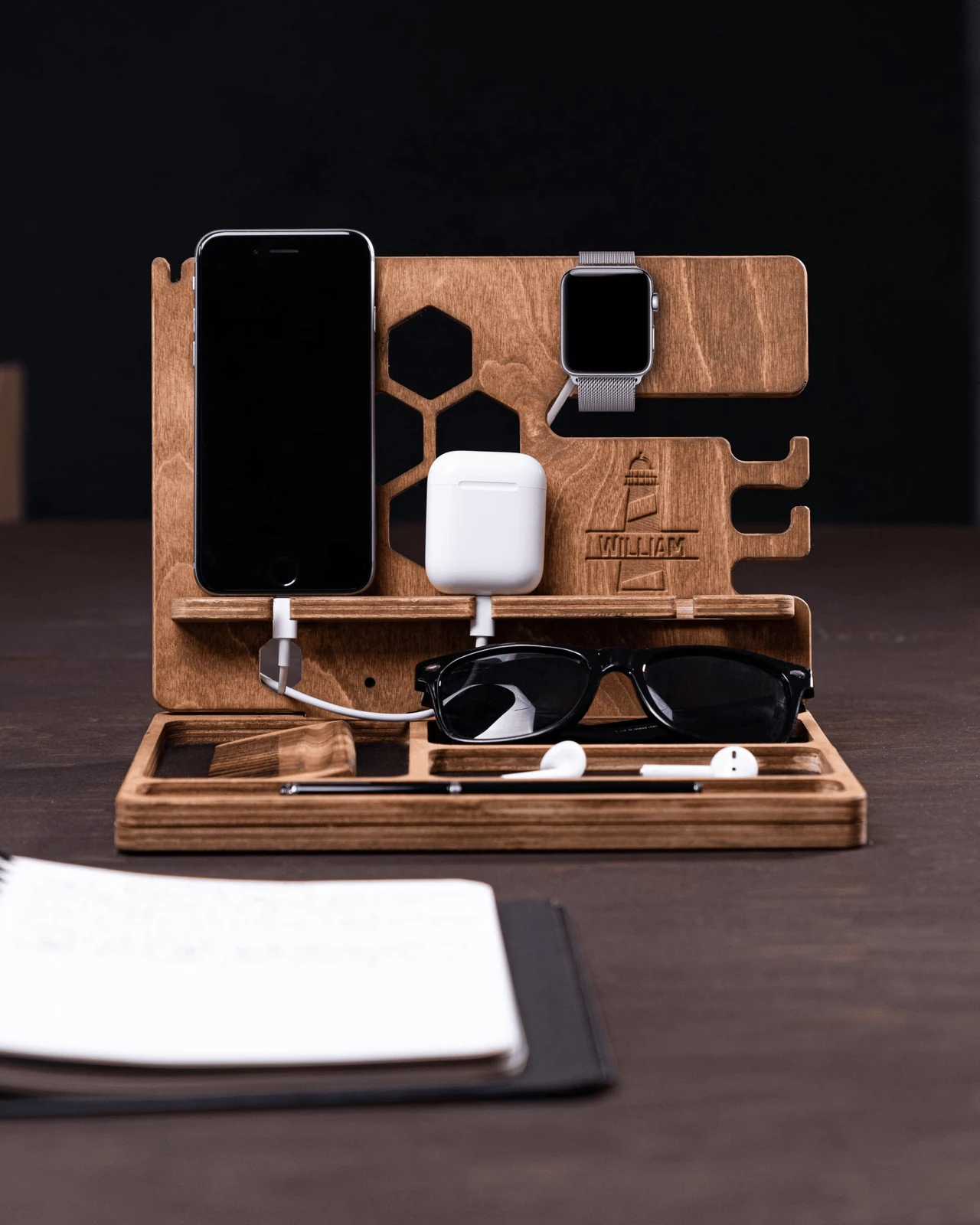
- Solves: plug points far from the desk or already taken.
- Best for: rooms with one socket near the study area.
Do not buy it only for the feature. If your phone already charges beside the bed, a simple lamp is enough.
Decorating Mistakes That Make a Small Room Feel Smaller
Usually it is not one big mistake. It is a few small choices working against the space.
Buying decor before planning storage
Posters and cushions feel exciting to buy. But if clothes, books and laundry have no fixed places, the room still looks messy. Before decorating, decide where dirty laundry goes, where extra bedding stays, where chargers live, where shoes are kept.
Using too many colours at once
Choose one main colour, one soft neutral and one small accent. You can still show personality, just with control.
Choosing bulky furniture for tiny gaps
A wide bedside table or deep storage unit may look useful in a shop and block movement in the room. The smarter question is not whether it fits, it is whether you will still move comfortably around it.
Filling every wall with something
Pick one feature area and keep the other walls simpler. One focused wall looks more stylish than four fighting for attention.
Ignoring the chair problem
Give clothes a faster option: a wall hook for one worn jacket, a slim basket for dirty clothes, a wardrobe organiser for repeat wear. This is less about being tidy and more about making the easy choice the better choice.
Quick Checklist Before You Buy Anything
To keep yourself in check, run through this before hitting add to cart.
Measure the basics
- Check bed size before buying bedsheets, toppers or under bed boxes.
- Measure under bed clearance if you plan hidden storage.
- Check desk width before buying a lamp or tray.
- Measure the gap beside the bed before choosing a shelf or cart.
- Look at wardrobe depth before buying bins or hanging shelves.
Check what the room allows
- Read the rules for hooks, adhesive strips, shelves and nails.
- Avoid heavy wall storage if drilling is not permitted.
- Check whether bed risers are allowed.
- Make sure extension cords or plug boards are permitted.
Plan your routine
- Decide where dirty laundry goes.
- Keep chargers where you use them most.
- Choose one fixed spot for keys, wallet, ID and earphones.
- Keep study supplies near the desk.
Final buying rule
- Will I use this every week?
- Does it address a specific daily frustration?
- Do I have space for it?
- Is it allowed in the room?
- Can one item do the job of two?
Conclusion
A small student room does not need to be perfect. It needs to work for real life.
Start with the basics. Give storage a proper plan. Keep the desk clear. Use soft lighting. Add personal details in one or two focused places. A compact room feels better when every item has a reason to be there.
Before you add more decor, ask one question: will this make the room easier, calmer or more comfortable to live in?
Many of these ideas scale straight up to a first flat. Our studio apartment design guide and 1 BHK apartment design guide both work from the same zoning logic, and our small one bedroom apartment ideas cover what changes when you have your own kitchen.
Moving into somewhere that already feels tired? Our tips for making an old apartment feel like home cover the reversible changes worth making, and our guide to flooring options for apartments deals with the one surface you cannot ignore.
Planning something larger? See our three bedroom apartment designs or talk to us about our studio apartment interior design service.