Design Service
2-4 wksComplete design package from drawings to site coordination


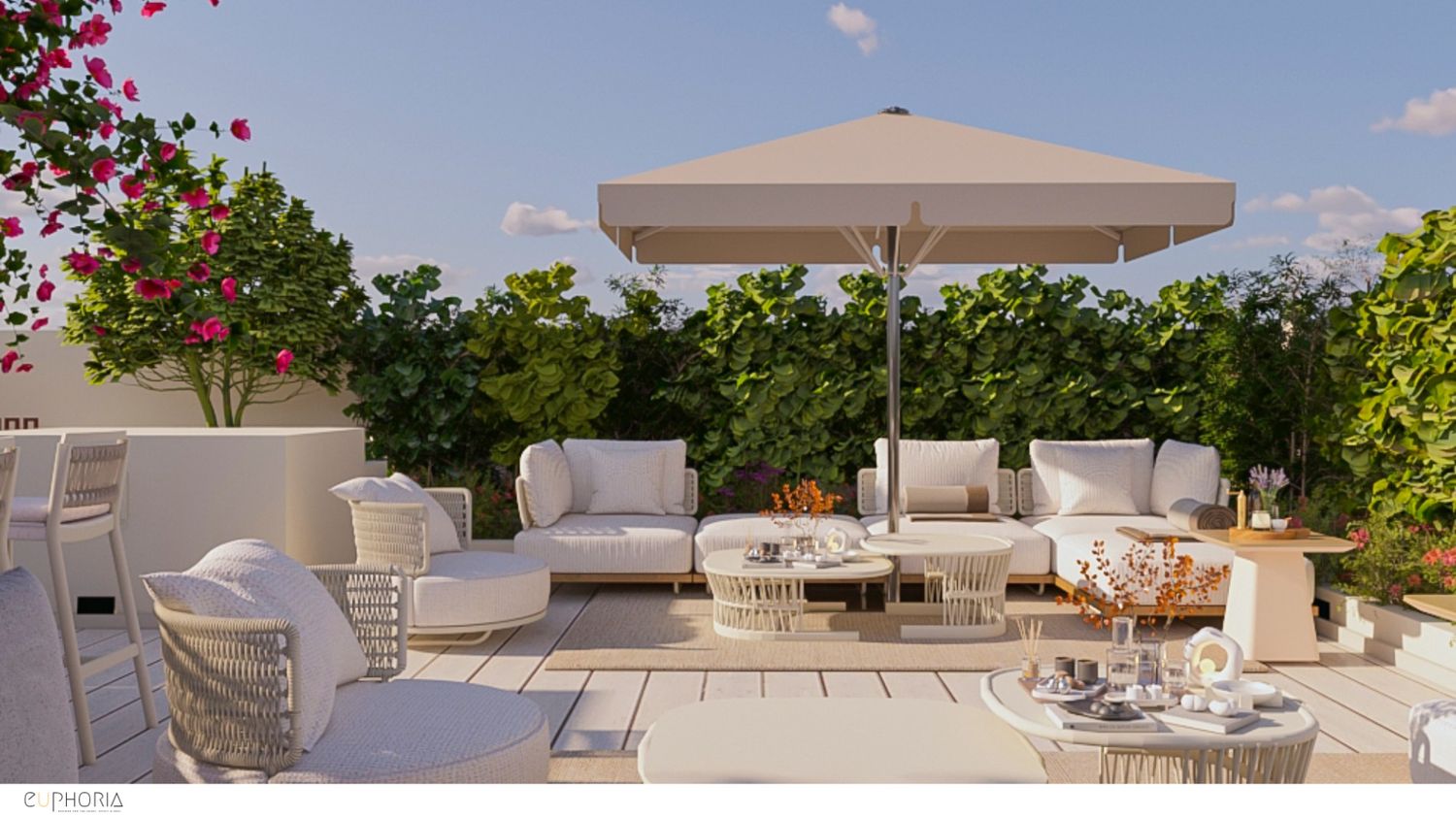
Private island villas and Gulf-facing retreats across The World development — designed by a team that understands boat-access logistics, open-Gulf material specification, and what island seclusion asks of an interior.
Get your custom budget & design plan











Who we are
“World Island is the most honest brief in Dubai: there is nothing around you but sea, sky, and the interior you commission. Every surface matters more when there is nothing to distract from it. We design World Island interiors that hold up under that scrutiny and we have never yet had a client who regretted that level of attention.”
Amanda Dsouza
Founder & Principal Designer of Euphoria Interiors

Designed around you
As an interior design company in World Island, we start with the logistics brief before the aesthetic one. Each of the 300+ islands in The World sits in open Gulf waters, reached only by boat or seaplane — no adjacent buildings, no urban noise, no shared building management. Material delivery, contractor mobilisation and on-site supervision all demand marine-logistics planning most design firms have never faced. So every project begins with three questions: how do materials arrive, how do contractors reach the site, and what marine specification does every surface need to perform at the level this address demands?
Your taste leads, our craft follows.
Measured and considered, never imposed.
Quality is something we see, not report.

For residential & commercial spaces
Complete design package from drawings to site coordination
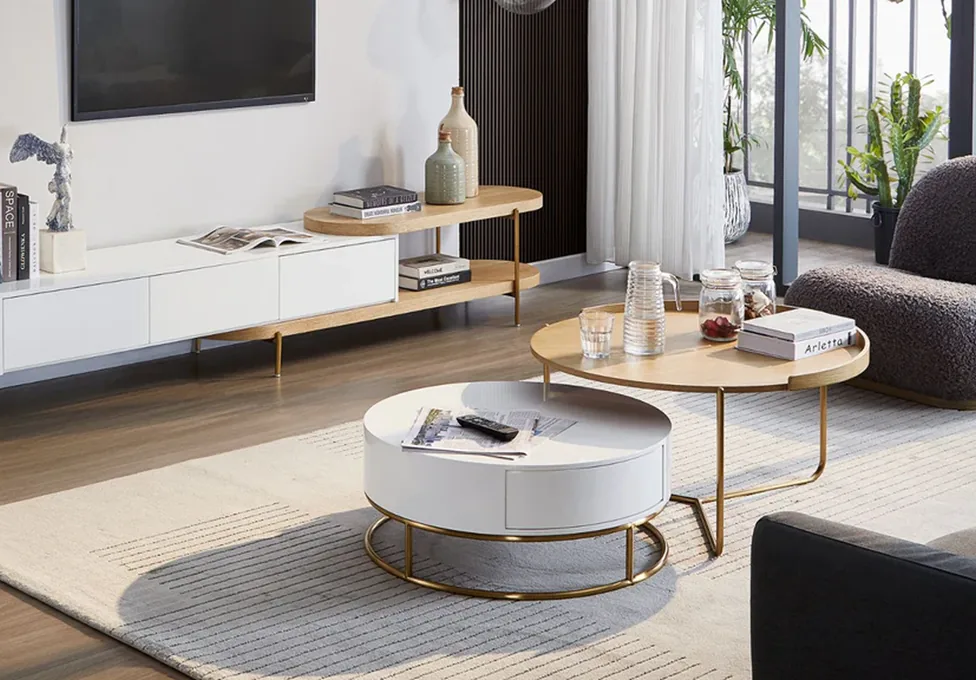
Complete furnishing including décor and styling.
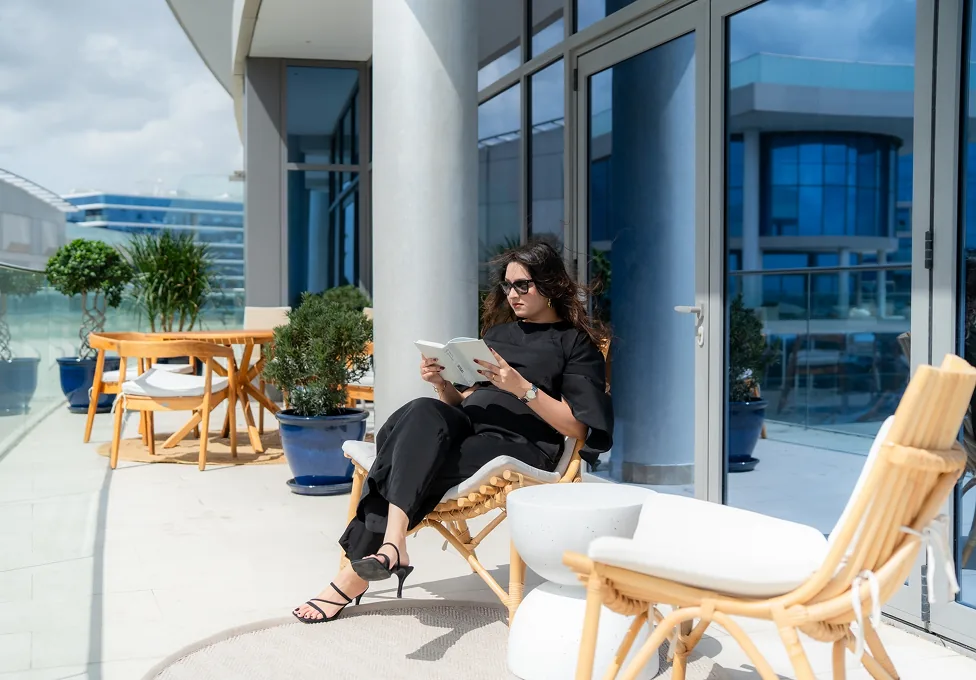
Complete design-build solution from renovation to commissioning.
100+
Spaces Designed

ISO Certified
10+
Years of Experience
98%
Happy Clients
Package calculator
Explore custom package feature and get customised personal budget and design plan with all including and excluding
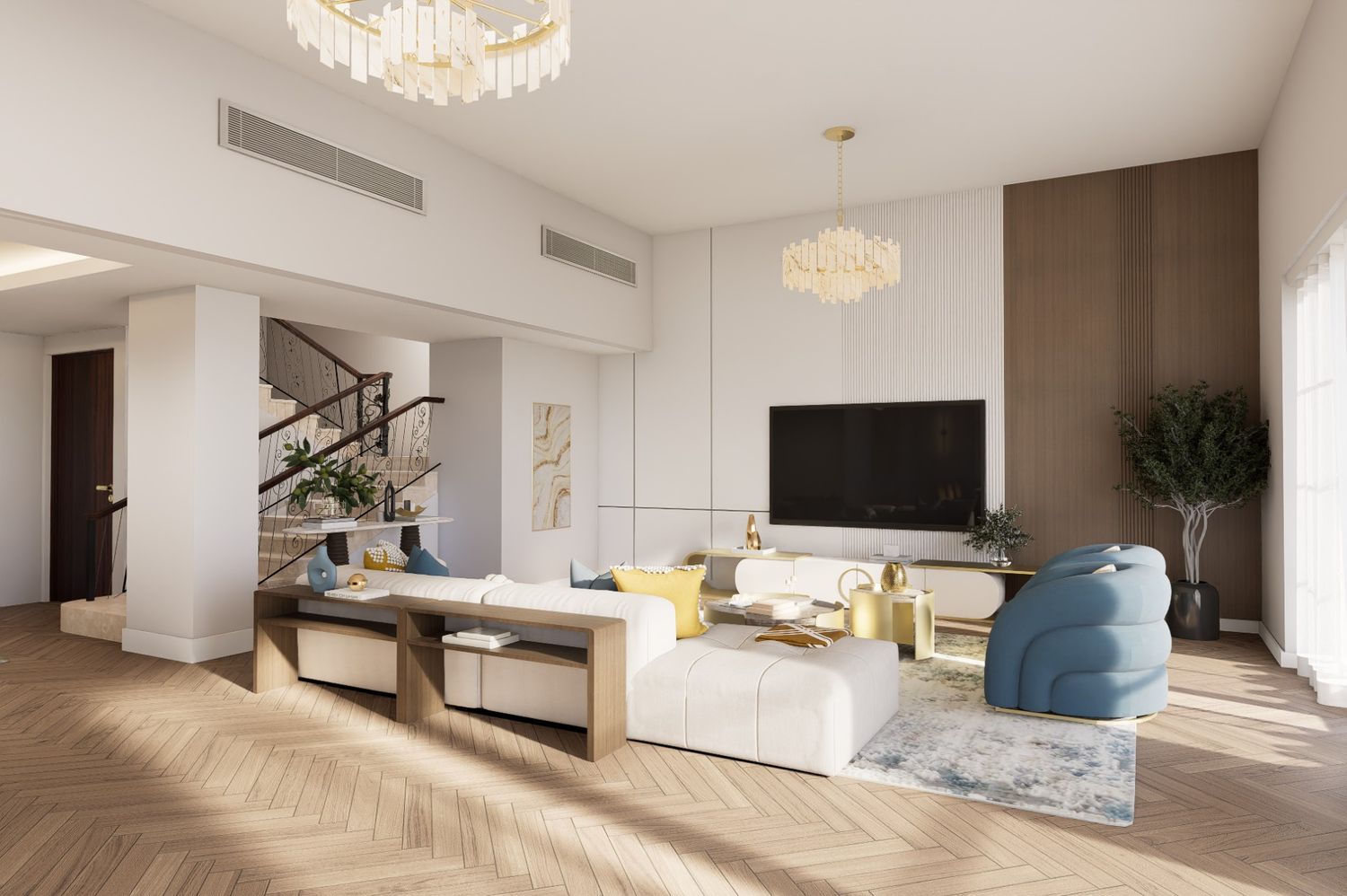
Al barsha, Dubai
December, 2025
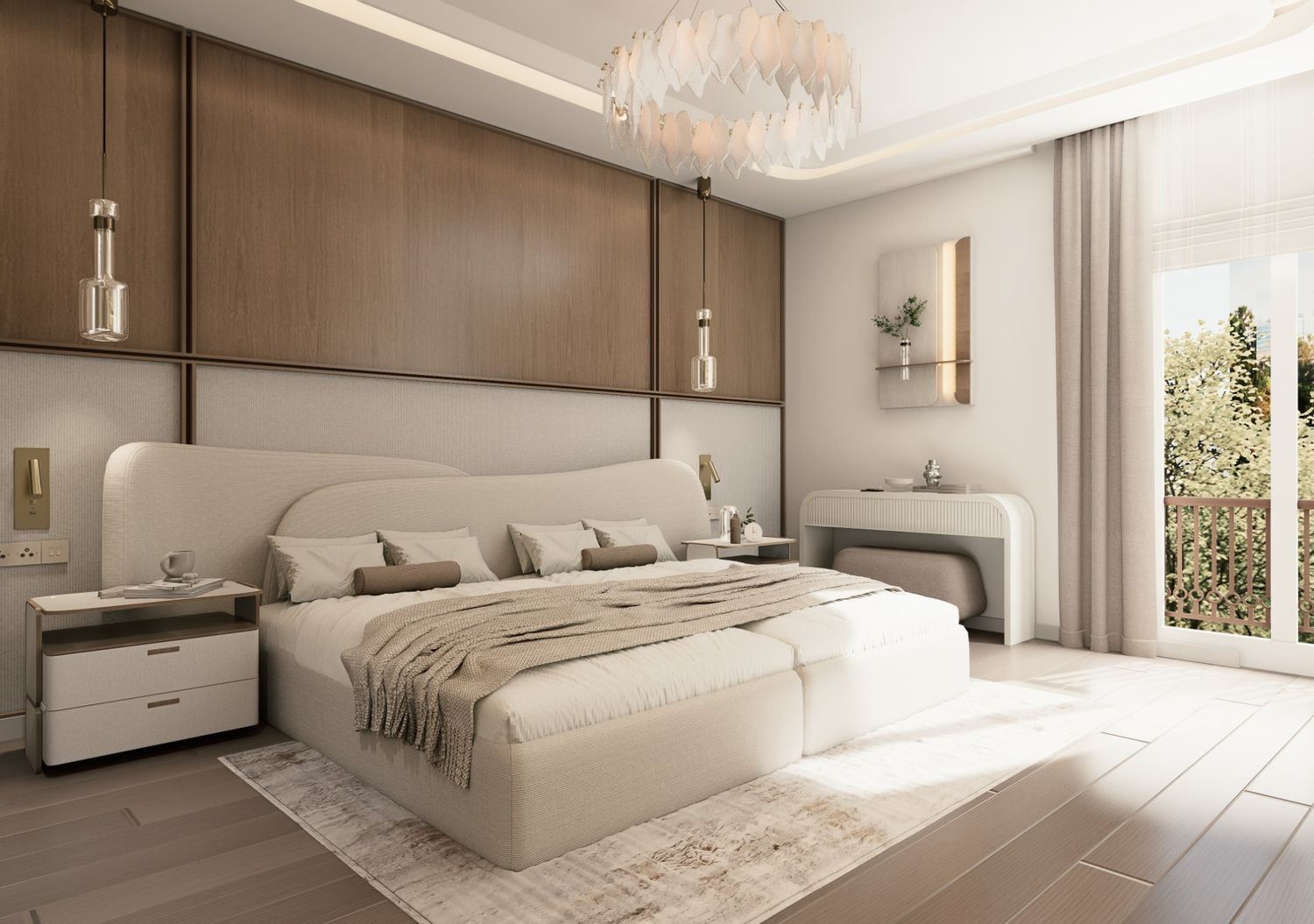
Jumeirah Bay Island, Dubai
April, 2026
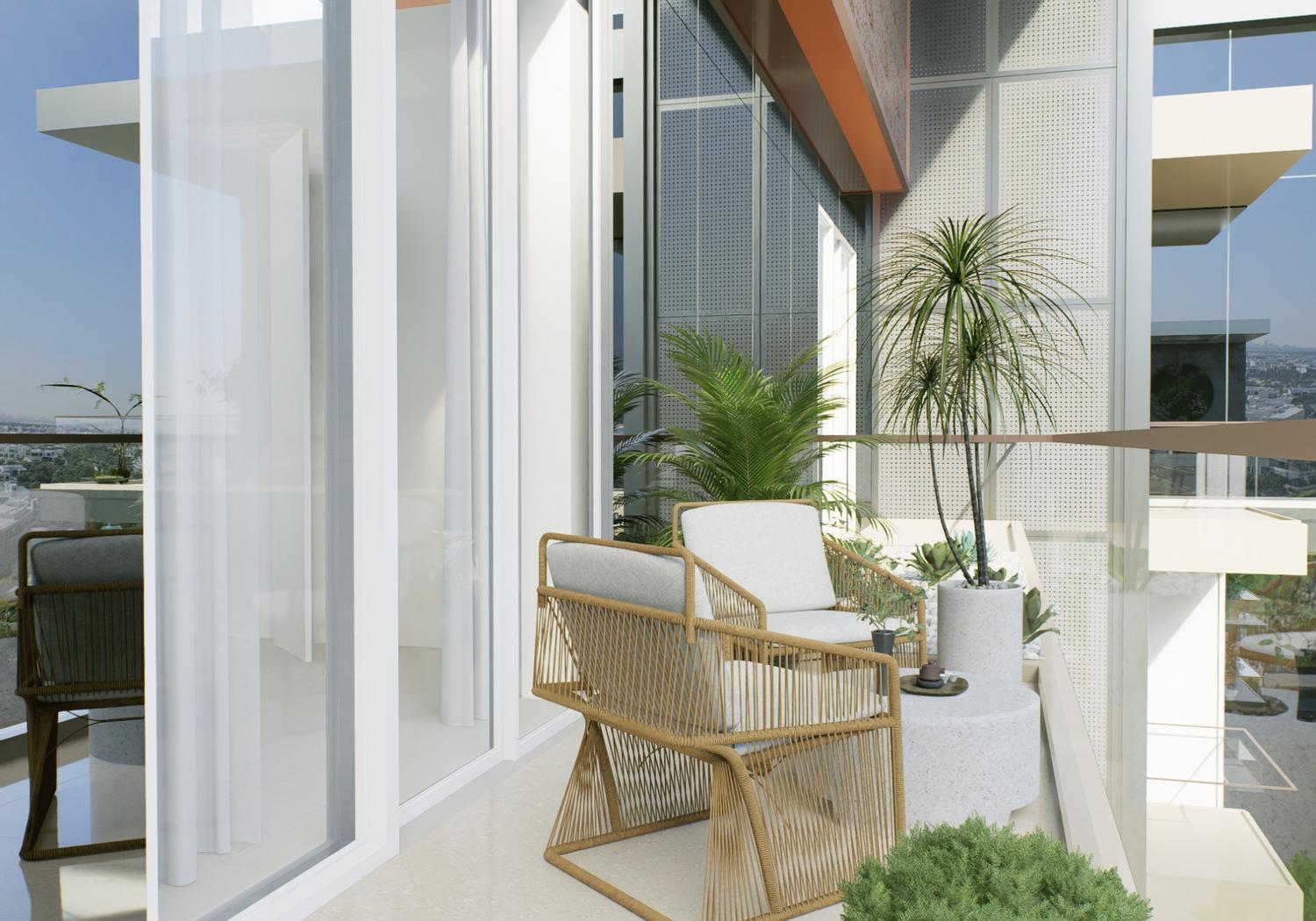
Emirates Living, Dubai
June, 2026
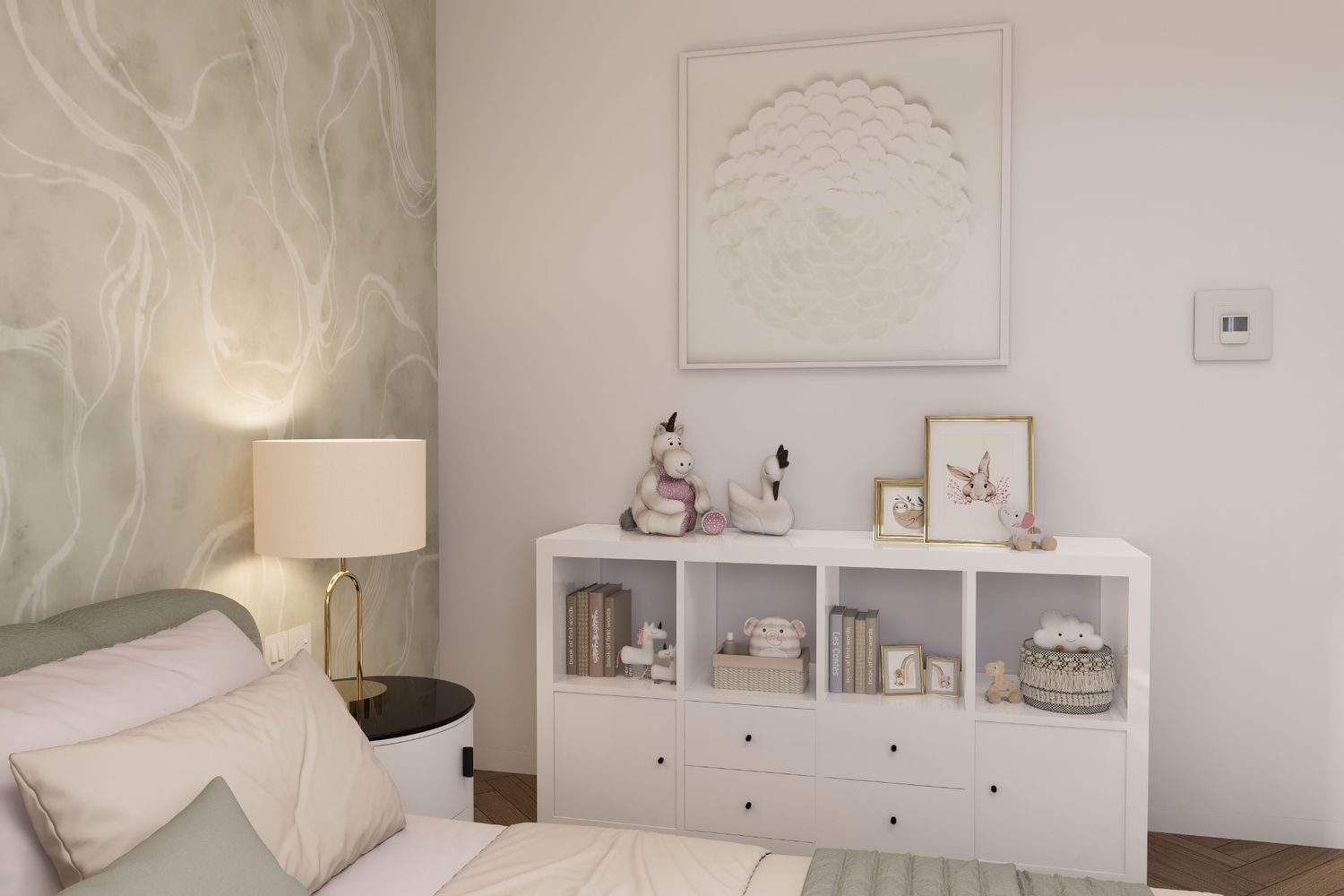
Victory Heights, Sports City
April, 2026

Downtown Dubai
November, 2025
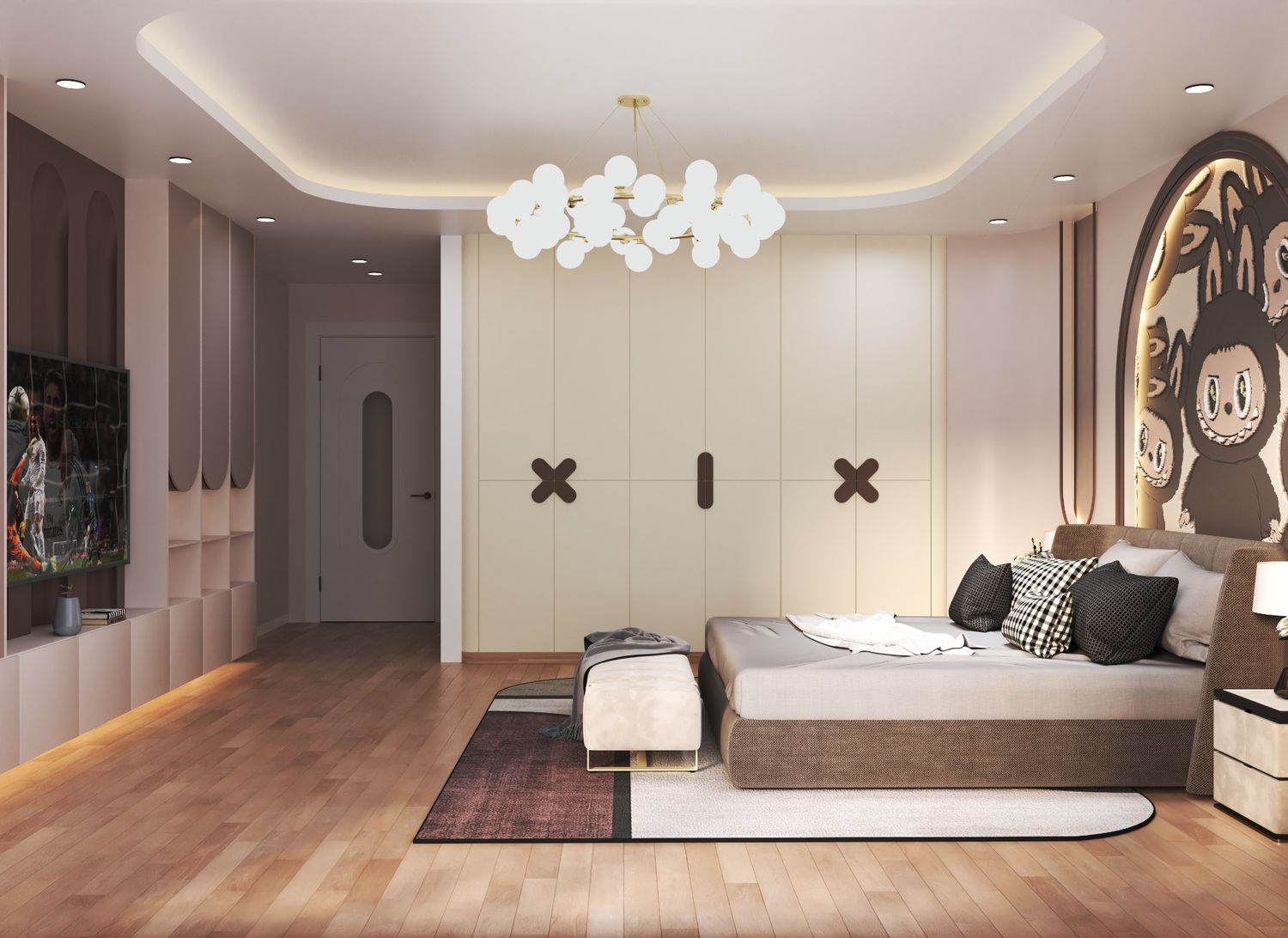
Eden Valley, Dubai
November, 2024
No projects in this category yet.
Our interior design process

Initial consultation to understand your vision.

Concept development for cohesive design.
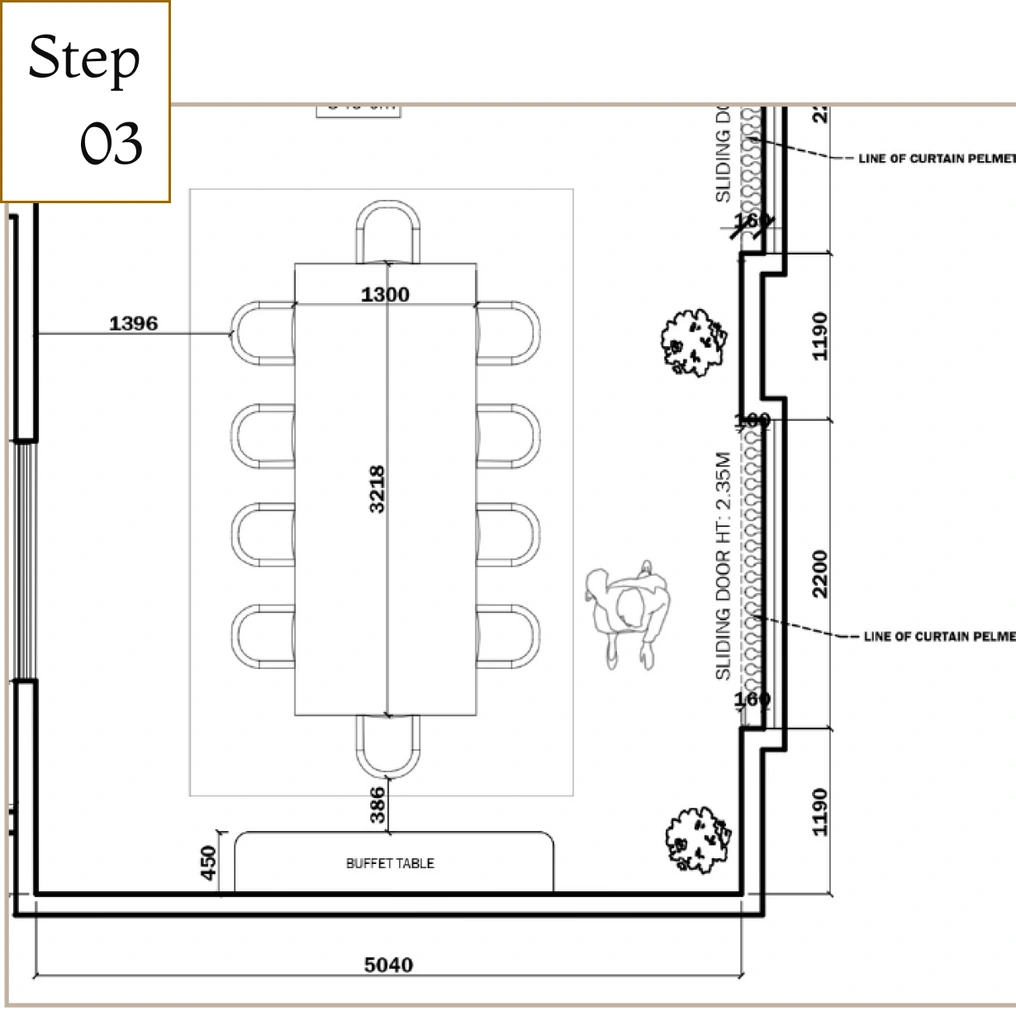
Space planning creating functional flow.
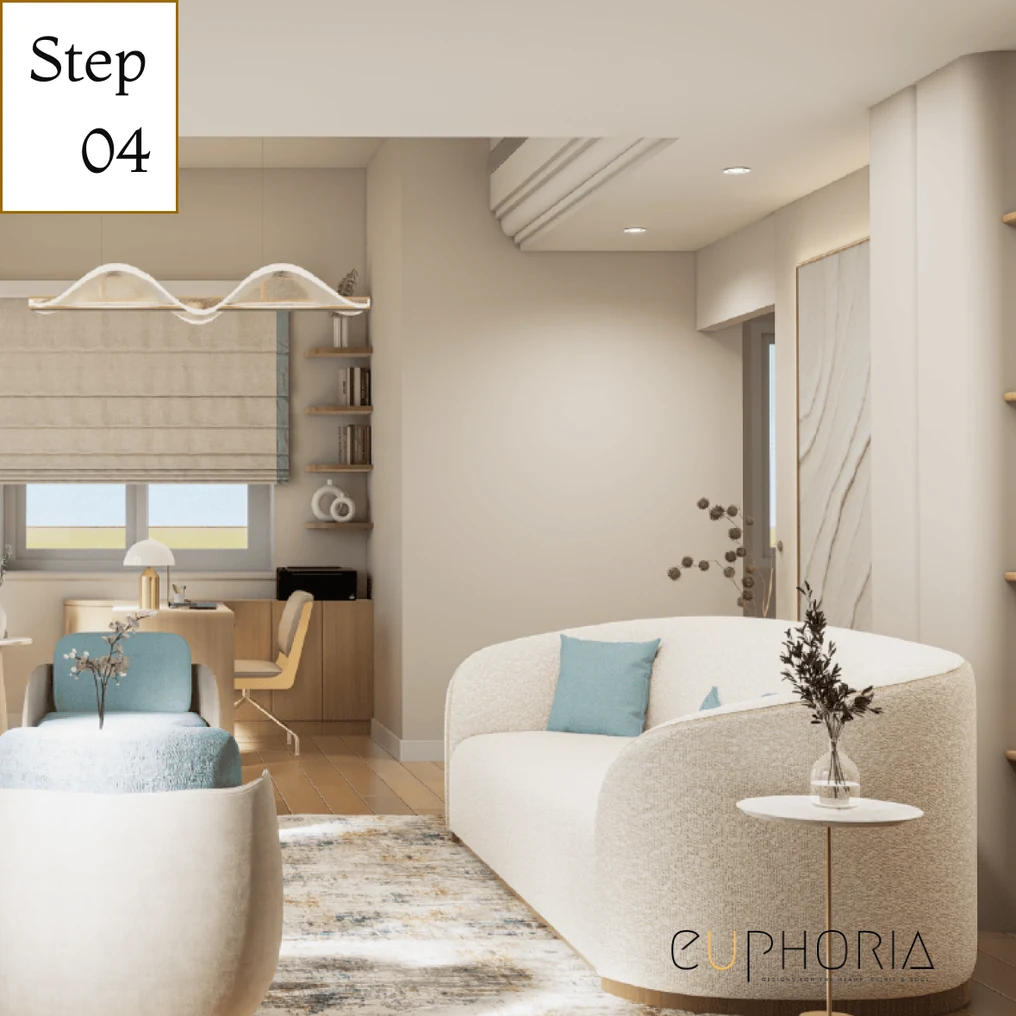
3d Visualisation of your space before execution
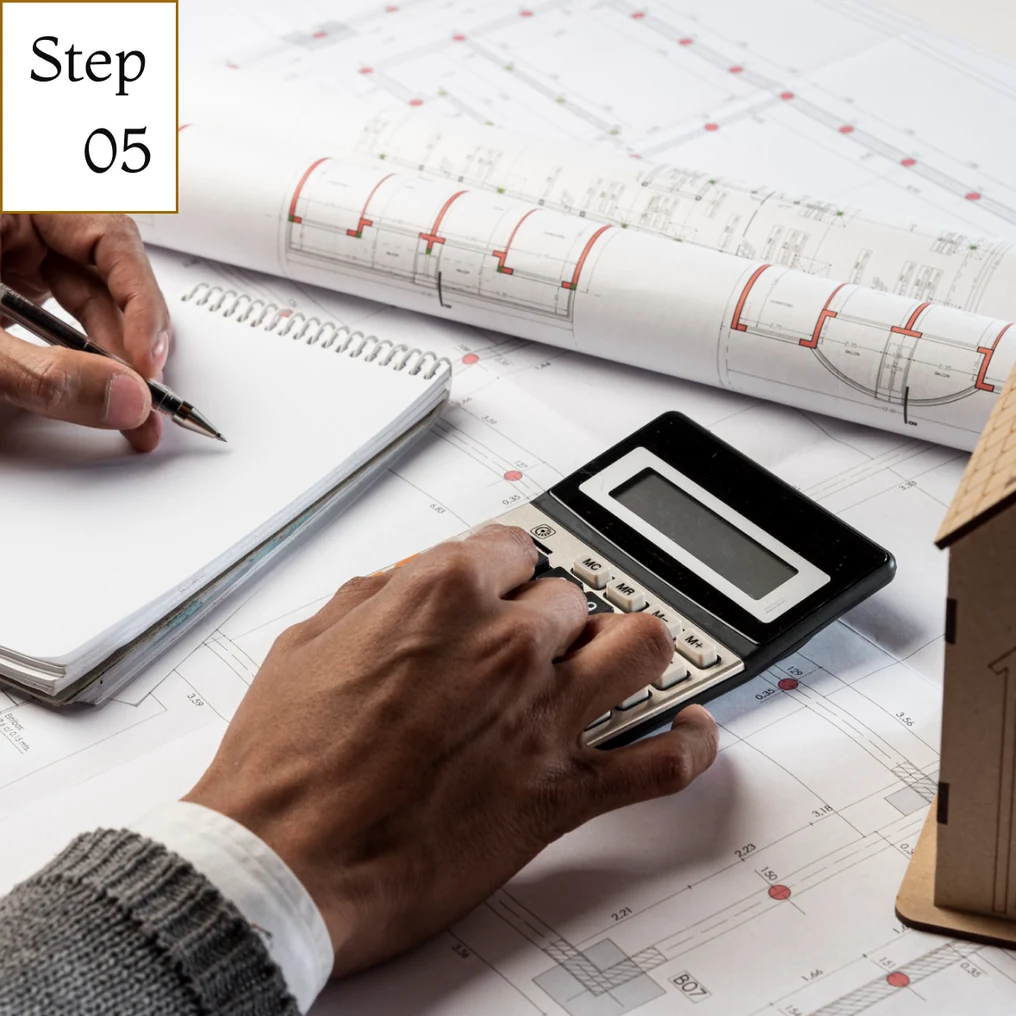
Creating BOQ & budget planning
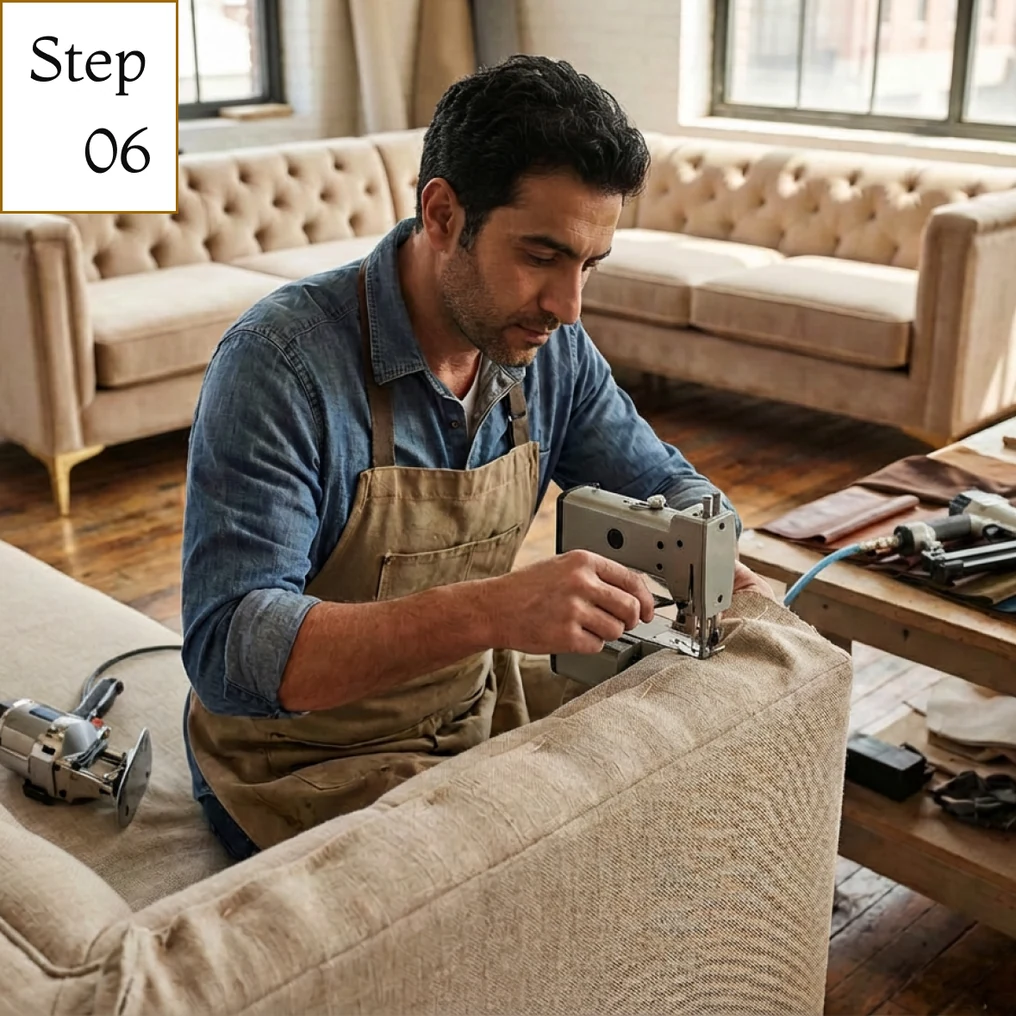
Project management
Get your space designed,
without the stress.

Because true luxury isn’t just what you see —, it’s what you feel every day.
Every mainland Dubai project starts with a moodboard. A World Island project starts with a barge schedule. If the firm you are speaking to opens the conversation with colour palettes, they have not understood the address yet.
Your island is reached by boat or seaplane. That single fact reshapes everything: how materials arrive, how contractors get to site, how long each phase takes, and which pieces can physically make the journey at all.
Three things need answers before a single purchase order is raised. First, delivery: every slab of stone, every sofa, every crate of hardware travels by barge, and barge slots are scheduled, not spontaneous. Second, contractor access: each trade mobilisation is a marine transfer, so the sequencing that a mainland site absorbs casually has to be planned deliberately here to keep mobilisations to a minimum. Third, storage: materials often arrive ahead of their installation phase, which means on-island storage has to be planned like a room of its own.
This is the part most owners do not expect: the logistics feed back into the aesthetic decisions. Oversized pieces are specified against barge transport dimensions, or they are redesigned as sectional and assembled on the island. Fragile finishes that would shrug off a van journey get reconsidered for a sea crossing. Installation sequences are designed so that trades already on the island can complete whole zones rather than returning for details. A firm that discovers these constraints mid-project passes the cost of that discovery to you.
Before you commission anyone, ask one question: what does your first month on my island look like? The right answer talks about site assessment, barge scheduling, and storage planning. The wrong answer talks about moodboards.
It is tempting to treat a World Island villa as a Palm Jumeirah villa that happens to be further out. That assumption fails in four specific ways, and each one changes what should be specified in your interior.
The World sits in fully open Arabian Gulf waters. There is no breakwater and no mainland shelter, which places the marine environment a full step above coastal Dubai. In practice that means marine-grade specification as the baseline, not the upgrade: Grade 316 stainless or PVD-coated metals, engineered timber with marine sealing, UV-stable and mould-resistant fabrics in any naturally ventilated room, and corrosion-resistant hardware throughout. Specify mainland-grade materials here and the environment will audit your shortcuts within a couple of summers.
On the mainland, interiors compete with the view of other buildings, streets, and neighbours. On your island there is nothing around you but sea and sky. That solitude is what you purchased, and it asks for a particular register: warm tones, tactile materials that reveal themselves slowly, and scale that feels generous rather than staged. A showroom-cold interior that photographs well feels hollow when you are the only person there at six in the morning.
Many World Island properties operate private generators, water treatment, and desalination. These systems occupy real floor area, create noise, and impose service-access routes. They belong in the interior brief from the first sketch: mechanical rooms placed and acoustically treated deliberately, not discovered behind a wall in week twenty.
These are landmark-scale residences, and standard catalogue furniture reads undersized in them. Expect custom joinery, bespoke upholstery, and installation-specific lighting as the norm — each specified with the barge journey in mind.
Walk your property and note the four factors above: exposure, seclusion, infrastructure, scale. Any designer you brief should raise all four without being prompted.
Portfolio aesthetics are the wrong filter for an island project. Style can be matched by many firms; island execution cannot. Use these five questions instead, and pay attention to the specificity of the answers.
Not sea-view. Boat-access. A firm that has only worked where a delivery truck can park will learn marine logistics at your expense. If the honest answer is no, the follow-up question is how they plan to close that gap — and their answer should be detailed, not reassuring.
Listen for the vocabulary: Grade 316 stainless, marine-sealed engineered timber, UV-stable and mould-resistant fabrics, corrosion-resistant hardware. Generic talk of premium finishes means the firm has not designed for unprotected Gulf conditions.
The right answer mentions barge transport dimensions as a design input — pieces designed to travel, or designed for on-island assembly. A firm that specifies first and ships second ends up with joinery that cannot make the crossing.
Island supervision cannot be improvised on the way past. You want a firm that plans deliberate, well-prepared visits with clear inspection agendas, and that consolidates trades so each marine mobilisation achieves more.
Recent references reveal current execution quality — and for an island project, ask the reference one thing specifically: did the logistics hold, or did the timeline drift?
Send all five questions in writing to every firm on your shortlist and compare the depth of the answers. Depth is local knowledge. Vagueness is a learning curve you will be funding.
On the mainland, the decision between a light refresh and a full renovation is mostly about budget and appetite. On a World Island property, logistics tip the scales — sometimes in surprising directions.
A cosmetic refresh — soft furnishings, styling, lighting, loose furniture — travels well. It can be planned around a small number of barge runs, installed by a compact team in a short window, and it transforms how the property feels without touching approvals or heavy trades. For island owners who mainly want the interior to feel current and personal, this is often the highest-return scope there is.
The awkward middle — a kitchen here, a bathroom there — carries a disproportionate logistics burden. Each wet-work trade means marine mobilisation, and a scope that would be a quick job on the mainland can inherit most of the coordination cost of a large one. If you find yourself planning piecemeal upgrades over several years, it is usually smarter on an island to consolidate them into one properly sequenced project so the mobilisations are shared.
If the interior no longer matches how you use the island — or it was fitted to a mainland spec that the Gulf is now visibly correcting — a full redesign lets every decision be made once, correctly, against marine-grade baselines: materials, infrastructure integration, bespoke pieces sized for the barge. The honest math: design development runs 8-14 weeks and execution typically 24-36 weeks, so a comprehensive project is a 10-14 month commitment. Committing to that once beats re-entering it every two years.
List everything you want changed over the next three years, not just this season. Share the full list with your designer and let the logistics — not habit — decide whether it becomes one project or three.
A good World Island brief is less about pictures and more about honesty: how you use the island, who comes with you, and what the property has to run on. Here is what your designer actually needs, and where the money genuinely goes.
Start with occupancy: is this a weekend retreat, a seasonal residence, or a full-time home? Each drives different decisions about storage, provisioning space, and how hard-wearing the surfaces need to be. Then the guest pattern — a private couple’s island and one that hosts twenty people brief completely differently. Then the infrastructure: generators, water treatment, desalination, and where they live. Finally, the feeling: the best island briefs describe mornings and evenings, not styles.
First, logistics — every delivery and every trade mobilisation crosses water, and that premium touches each line of the budget. Second, specification — marine-grade materials cost more than their mainland equivalents, and they are not optional here; they are the difference between an interior that endures the Gulf and one that is quietly dissolving in it. Third, bespoke fabrication — at this scale most significant pieces are made for the house, not bought from a catalogue. Fourth, supervision — deliberate, planned island visits cost more to run than drive-past mainland inspections, and they are precisely what keeps the timeline honest.
Spend on what the environment attacks and what you touch daily: hardware, timber sealing, upholstery in ventilated rooms, the pieces you live on. Interior rooms that are climate-controlled and away from salt air can carry simpler specifications without anyone ever noticing.
Write the one-page version of your brief — occupancy, guests, infrastructure, feeling — and bring it to a first consultation on the island itself. A designer who walks the property, maps the infrastructure, and talks logistics before aesthetics is the one who will still be honest with you in month nine.
Areas we serve across Dubai