Design Service
2-4 wksComplete design package from drawings to site coordination


Whether your project is a Saadiyat villa next to the Louvre, an Al Reem apartment with floor-to-ceiling glass on the Corniche, or a family majlis in Khalifa City, our work is designed for the long view. The right interior design company in Abu Dhabi understands the difference between a five-year fit-out and a thirty-year home.
Get your custom budget & design plan











Who we are
“In Dubai, design has to compete for attention. In Abu Dhabi, it has to earn permanence. A home in the capital is rarely the loudest thing in its room and that is precisely why it lasts. Our brief here always begins with one question: what does this house need to still feel right twenty years from now?”
Amanda Dsouza
Founder & Principal Designer of Euphoria Interiors

Designed around you
As an interior design company in Abu Dhabi, our first conversation is almost never about style. A villa on Saadiyat is rarely bought as a five-year asset. An apartment on Al Reem Island is rarely furnished for the next tenant. Most Abu Dhabi homes we work in are designed for the family that owns them, with a brief that often spans three generations of use — and that changes everything about how we specify materials, plan flow, and zone for privacy. We ask how the family lives in the morning, in Ramadan evenings, in National Day gatherings, and in quiet Friday afternoons. Style follows the rhythm of the household, not the other way around.
Your taste leads, our craft follows.
Measured and considered, never imposed.
Quality is something we see, not report.

For residential & commercial spaces
Complete design package from drawings to site coordination
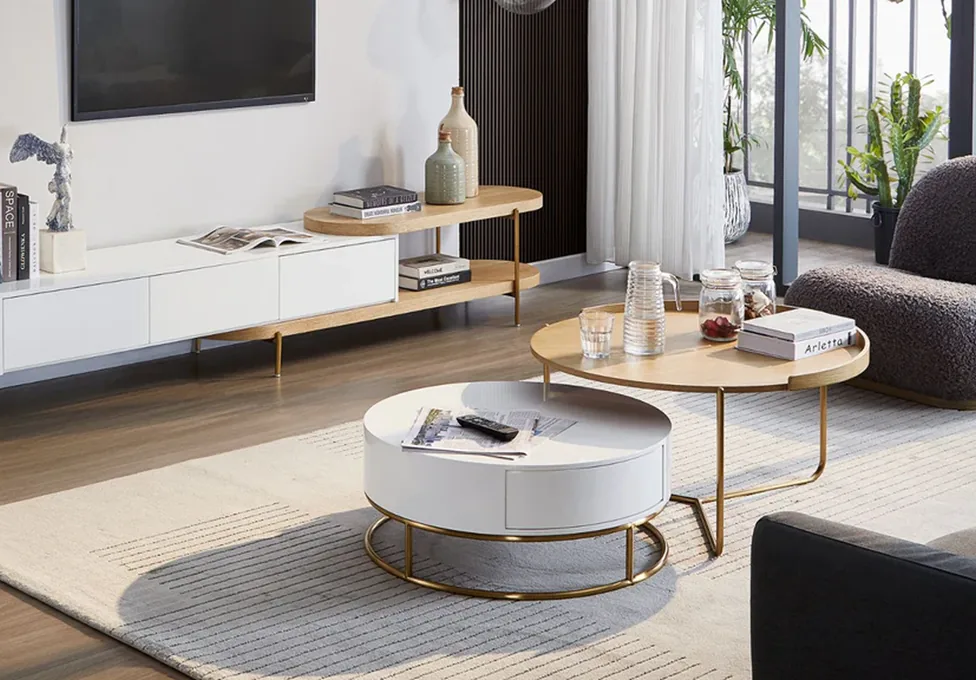
Complete furnishing including décor and styling.
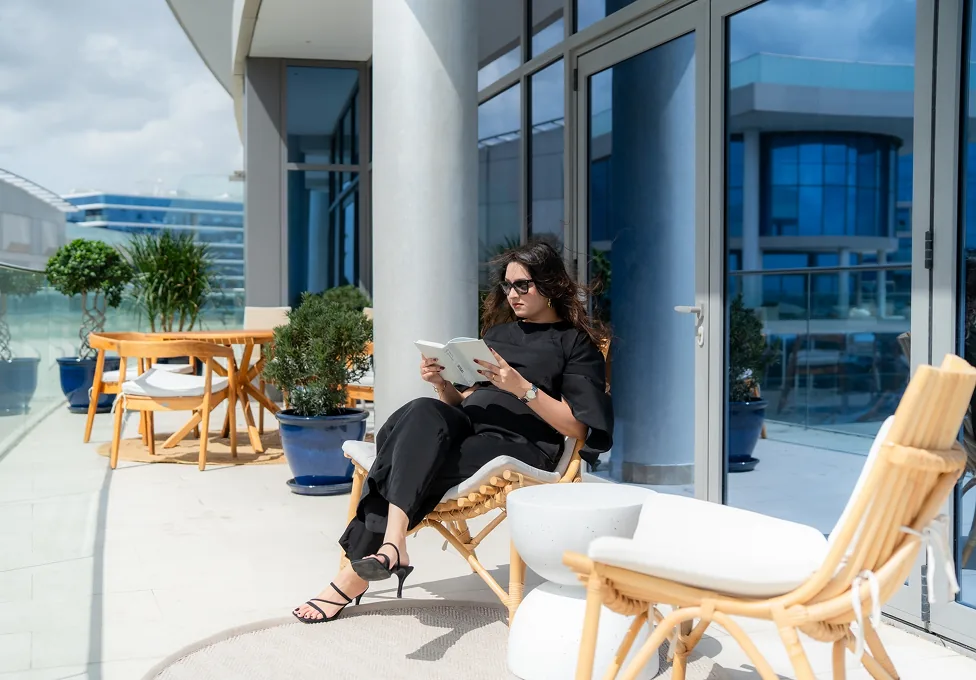
Complete design-build solution from renovation to commissioning.
100+
Spaces Designed

ISO Certified
10+
Years of Experience
98%
Happy Clients
Package calculator
Explore custom package feature and get customised personal budget and design plan with all including and excluding
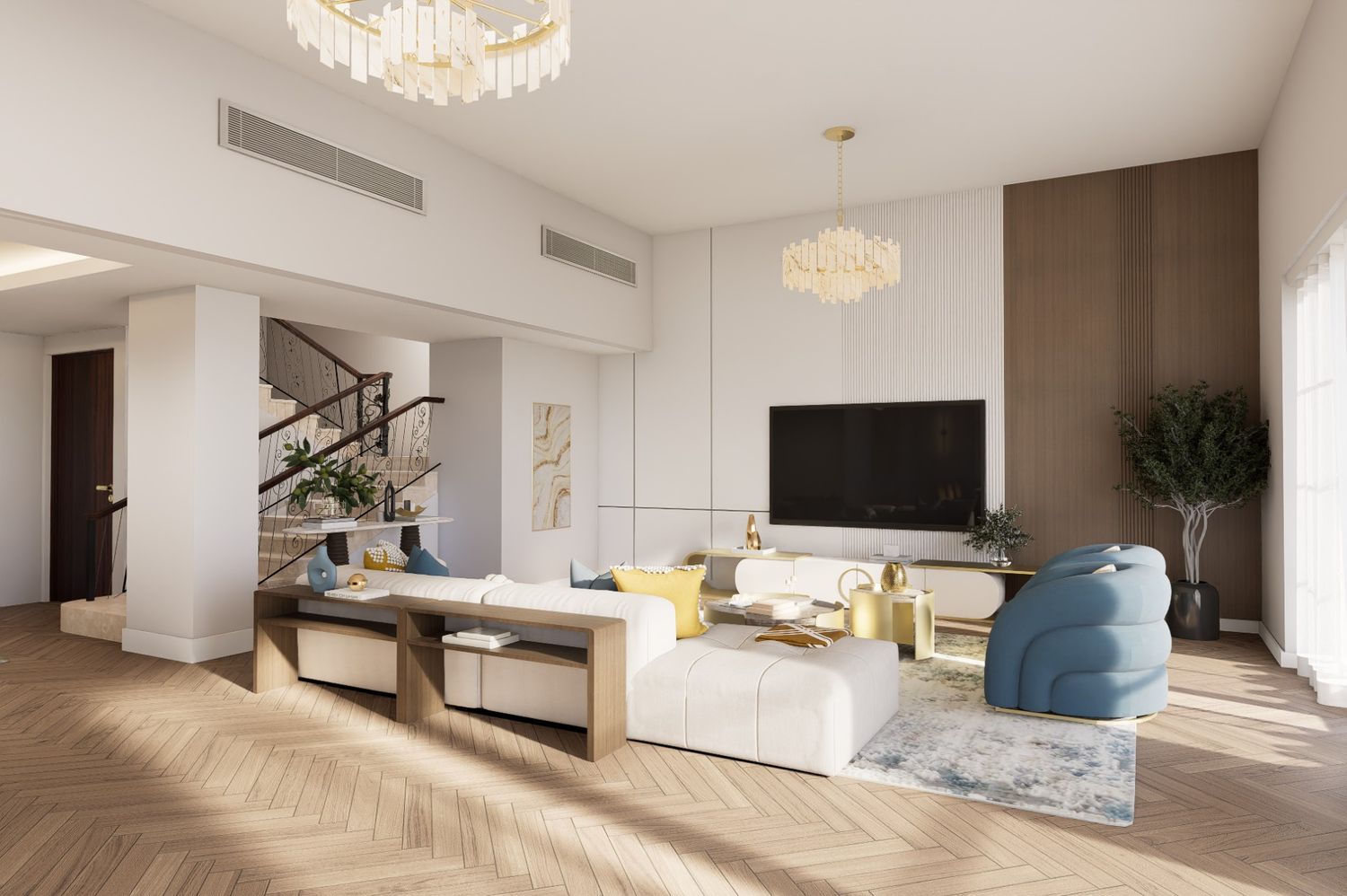
Al barsha, Dubai
December, 2025
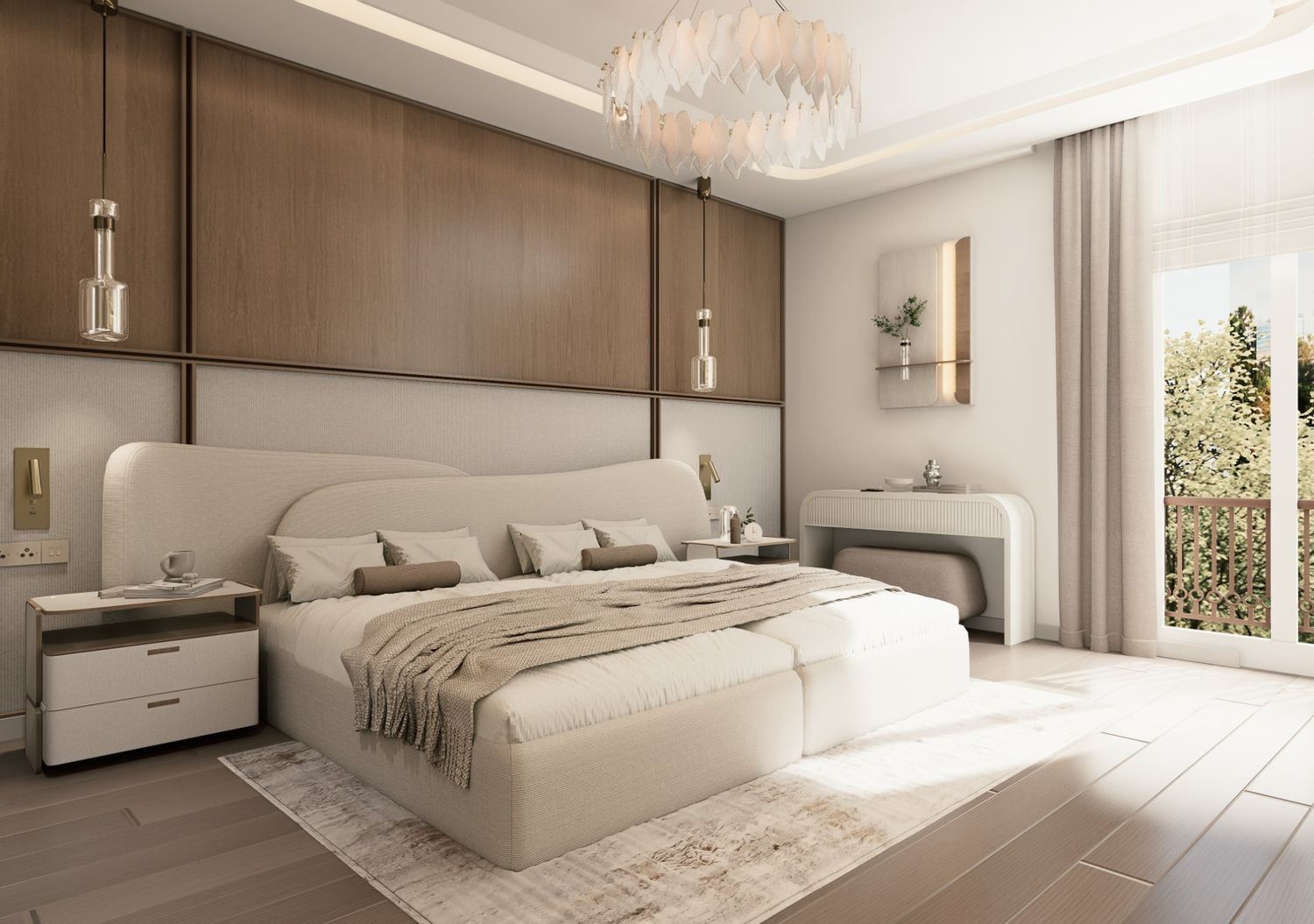
Jumeirah Bay Island, Dubai
April, 2026
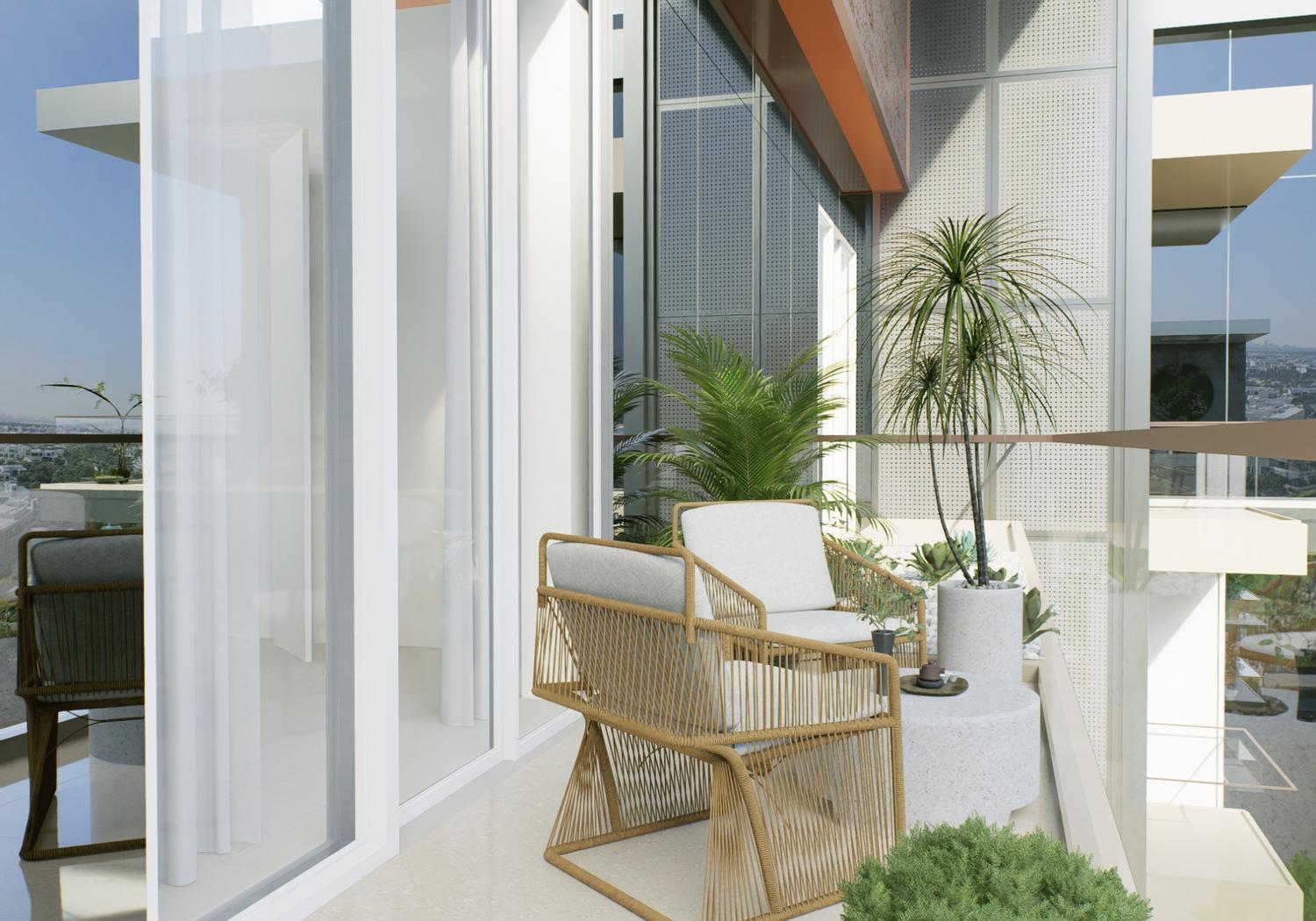
Emirates Living, Dubai
June, 2026
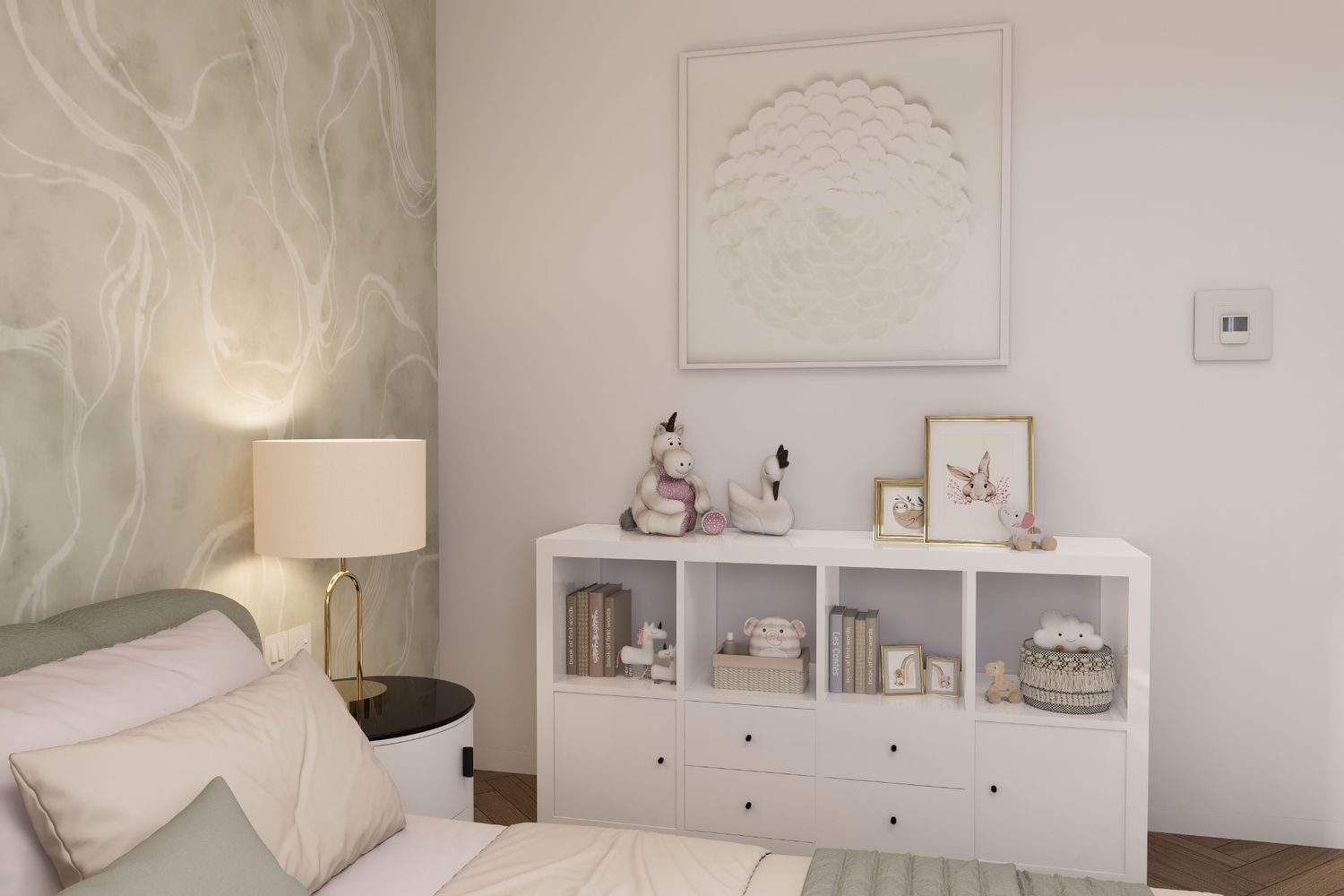
Victory Heights, Sports City
April, 2026

Downtown Dubai
November, 2025
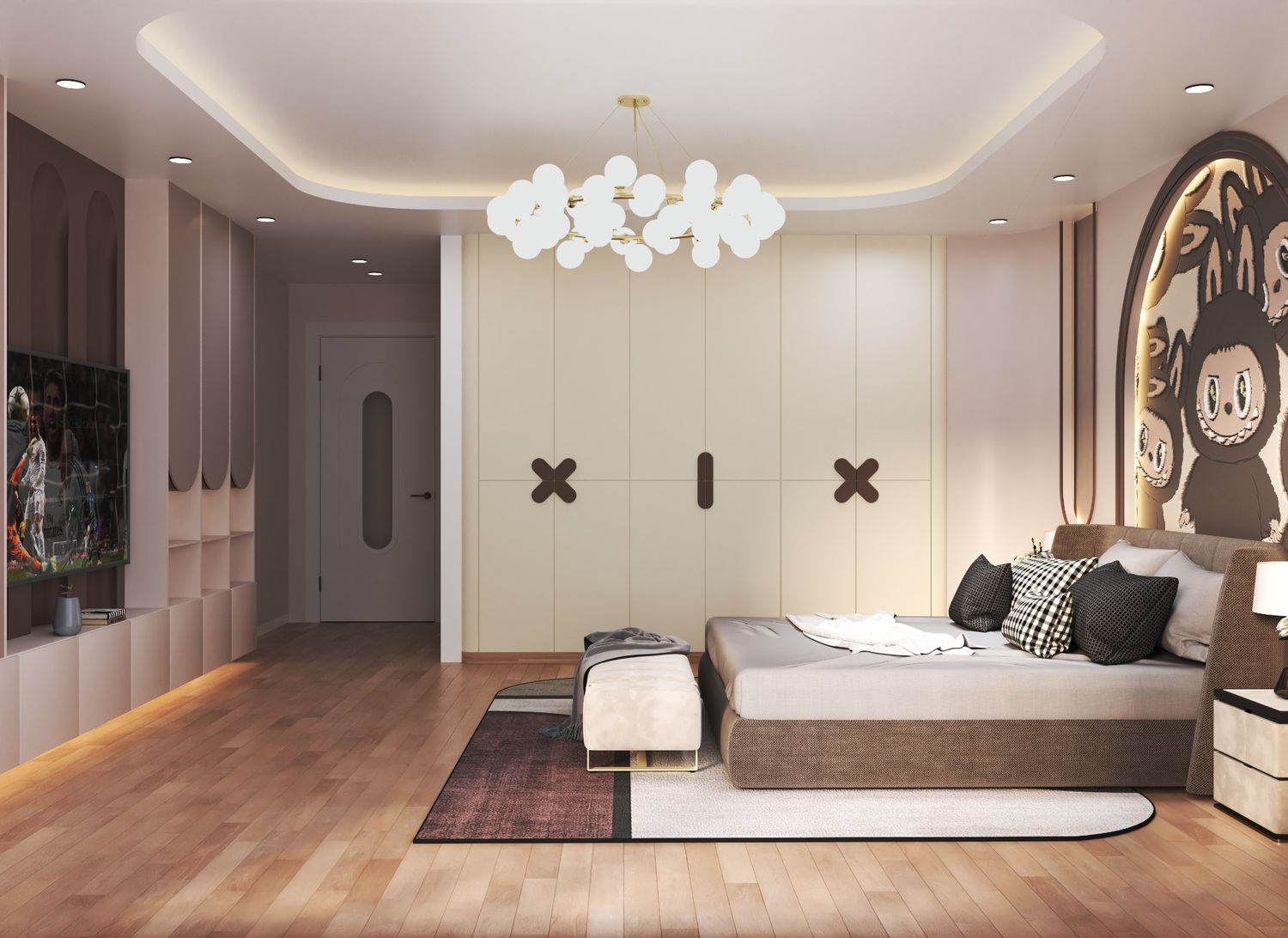
Eden Valley, Dubai
November, 2024
No projects in this category yet.
Our interior design process

Initial consultation to understand your vision.

Concept development for cohesive design.
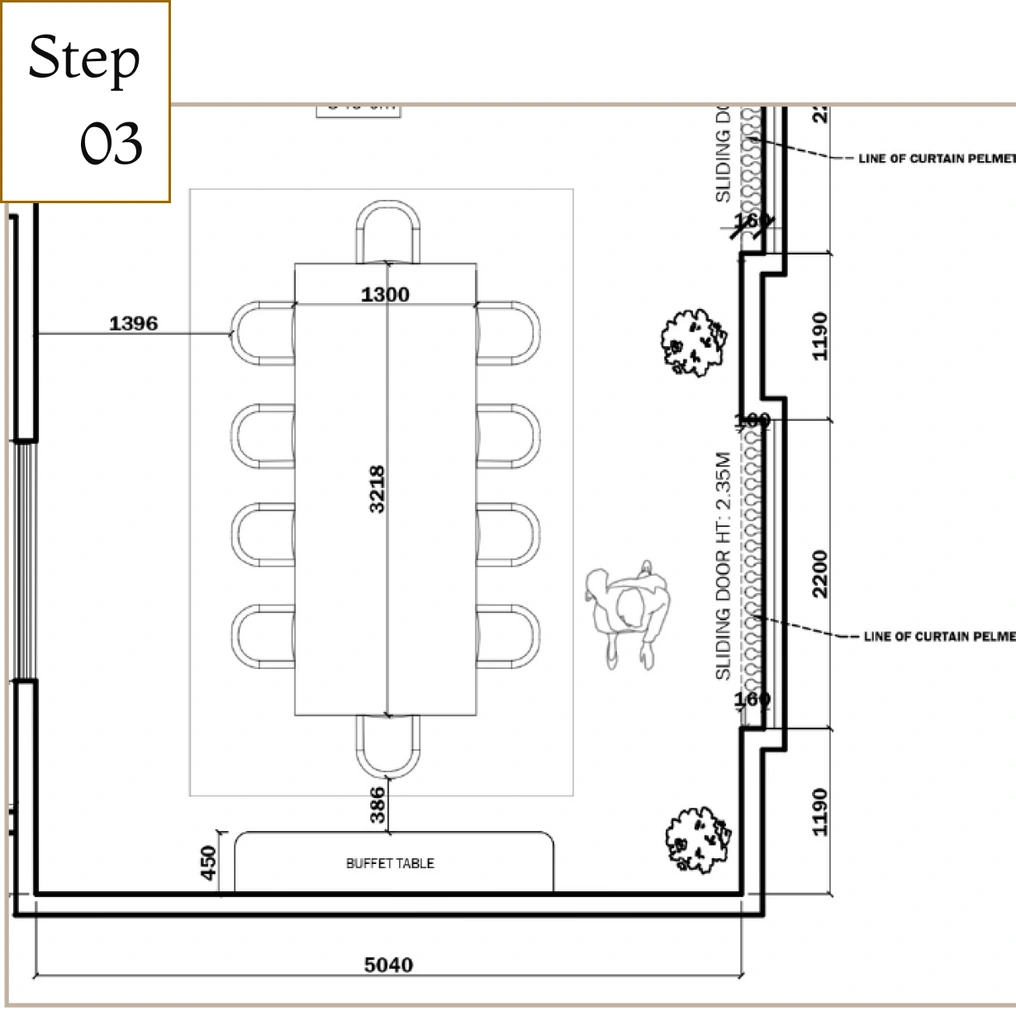
Space planning creating functional flow.
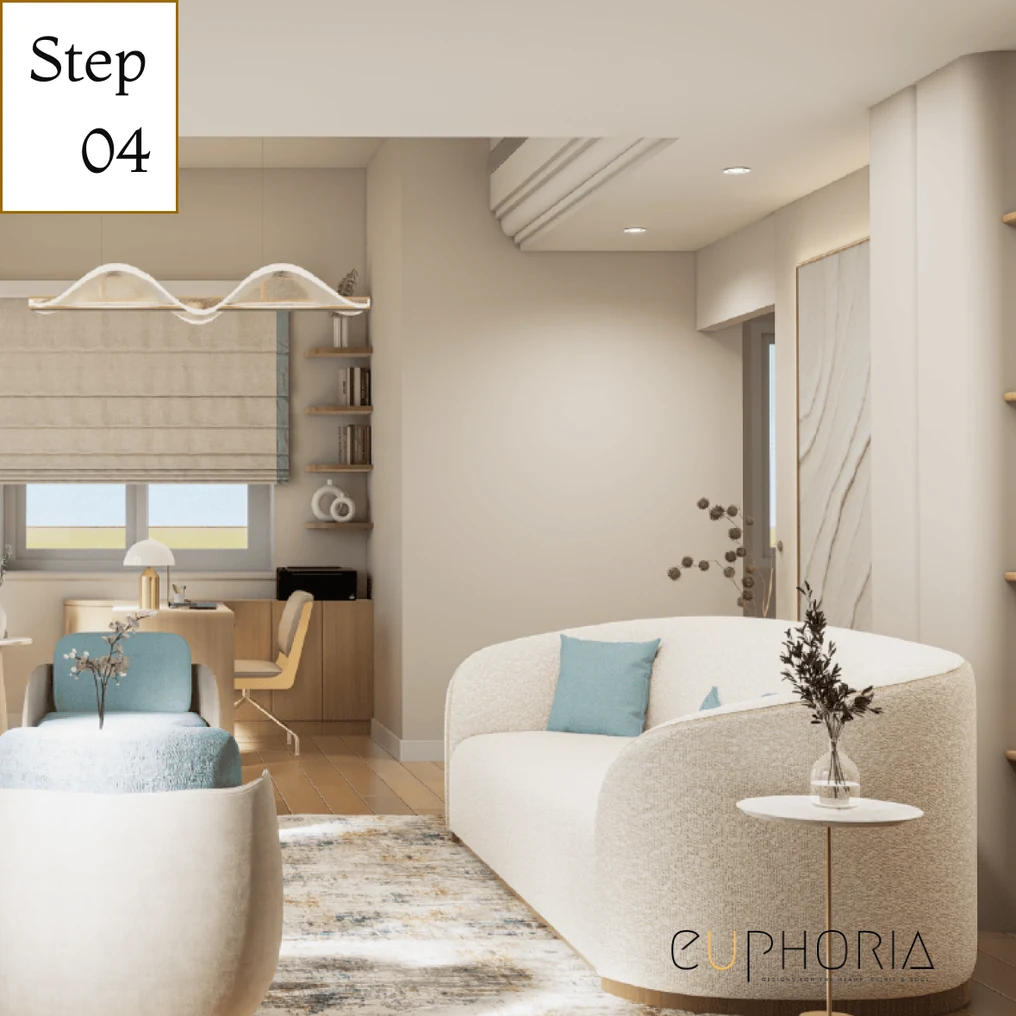
3d Visualisation of your space before execution
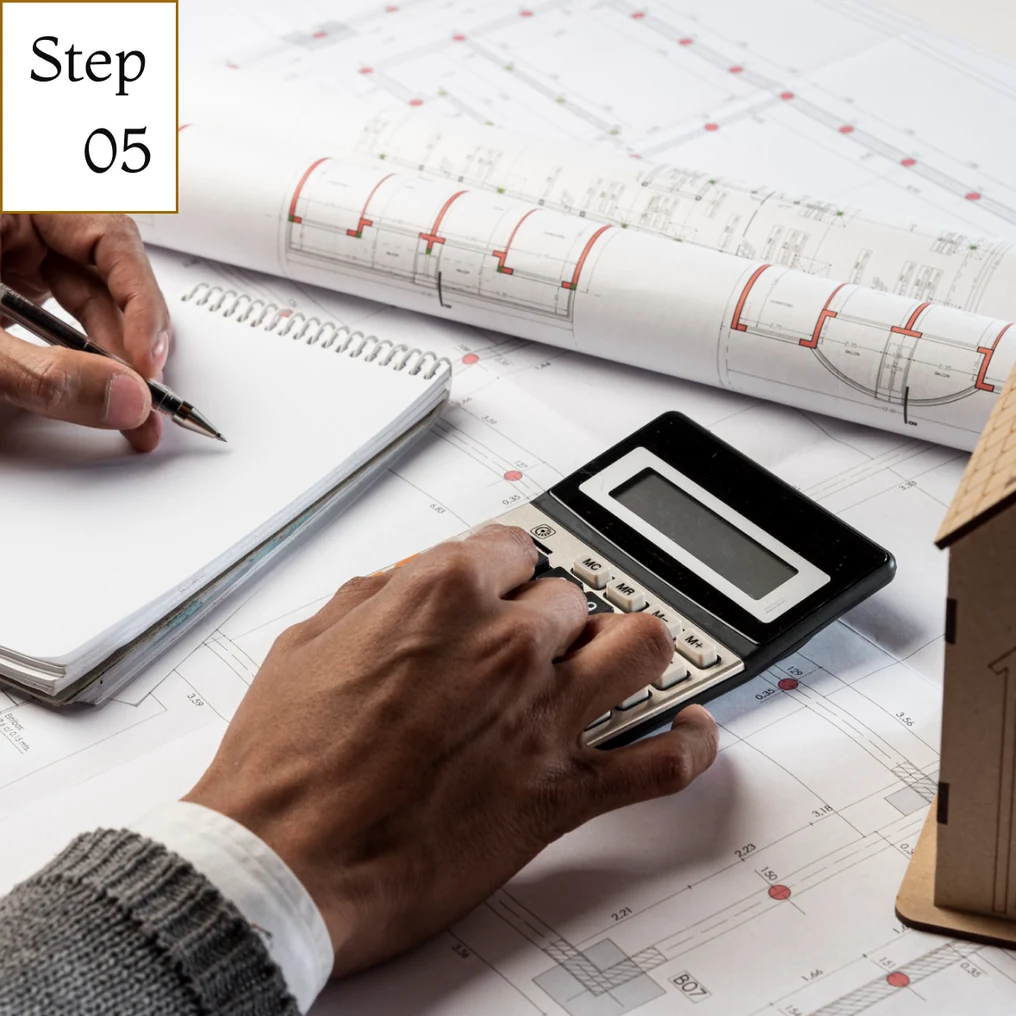
Creating BOQ & budget planning
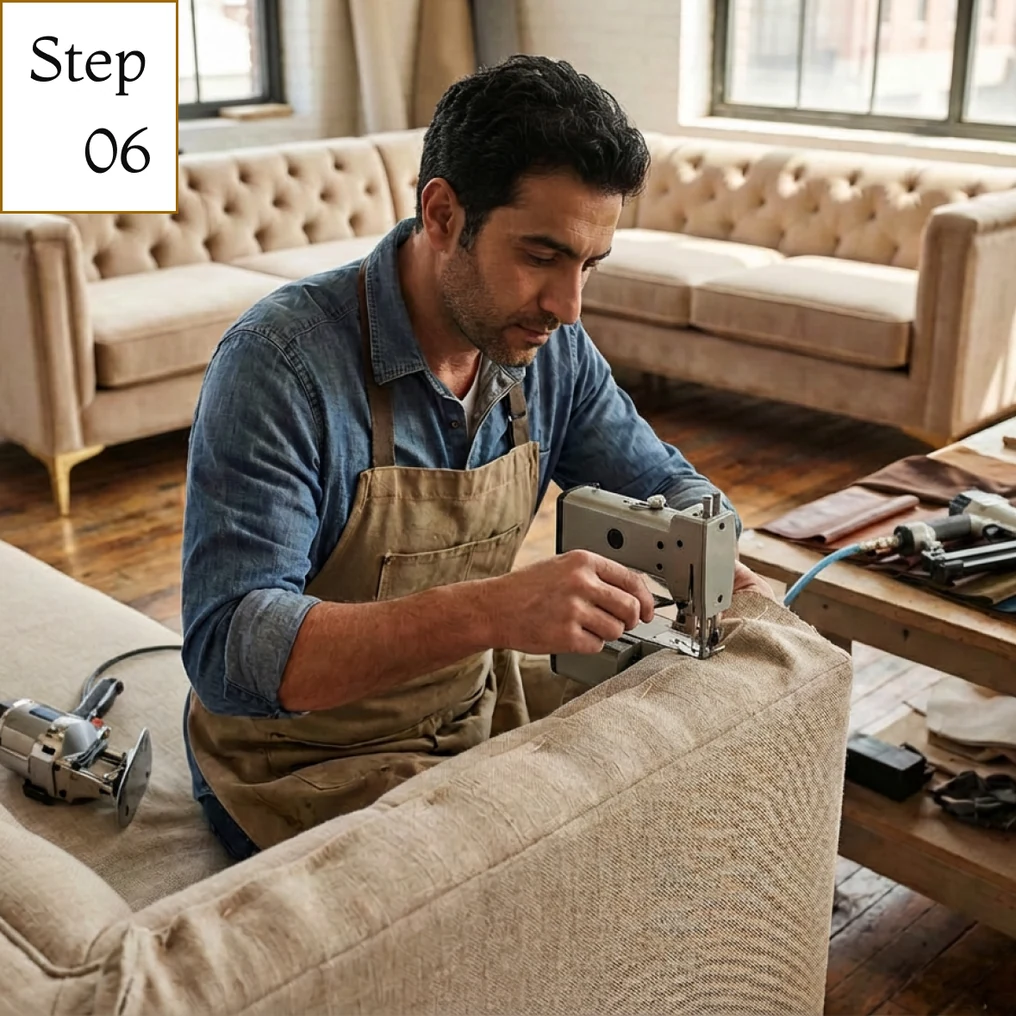
Project management
Get your space designed,
without the stress.

Because true luxury isn’t just what you see —, it’s what you feel every day.
The most useful number for any owner commissioning an interior design company in Abu Dhabi is not the upfront fit-out cost. It is the cost per year of useful life. A AED 800,000 villa renovation that lasts twenty-five years before any major refurb costs AED 32,000 per year of life. A AED 500,000 renovation that needs a strip-out at year eight costs AED 62,500 per year. The cheaper job is, in fact, almost twice as expensive on the timeline most Abu Dhabi families actually own their homes.
This calculation matters more in the capital than in Dubai because Abu Dhabi ownership patterns are different. According to ADREC transaction data referenced by Sands of Wealth in early 2026, average tenure of Saadiyat Island and Yas Island residential ownership runs significantly longer than equivalent Dubai districts. Many villas trade hands once per generation rather than once per market cycle. That changes which design choices make sense.
| Specification Choice | Dubai-Standard Spec | Long-Hold Spec |
|---|---|---|
| Joinery cores | MDF or chipboard | Solid hardwood or marine ply |
| Kitchen worktop | Engineered quartz | Solid stone (Calacatta, Statuario) |
| Hardware (handles, hinges) | Mid-tier zinc-cast | Solid brass with marine plating |
| Upholstery substrate | Standard polyester foam | High-density natural latex |
The price differential between the two columns is typically 25 to 35 percent of the total fit-out budget. The lifecycle differential is closer to 250 to 300 percent. Long-hold spec pays back roughly between year seven and year nine, depending on the specific category.
Before signing any quote, ask your designer to itemise which finishes are five-year choices and which are twenty-year choices. The right interior design firm in Abu Dhabi will already think this way, and the answer will be in the proposal.
Abu Dhabi’s 2026 luxury market has been reshaped by branded residences. Baccarat Residences Saadiyat (Sou Fujimoto architecture, Studio PCH interiors). Nobu Residences. Elie Saab Waterfront on Al Reem. The Four Seasons. Each of these developments arrives with a meticulously authored interior identity — the developer paid an internationally celebrated studio to create a coherent design language, and that language is part of what justifies the unit’s price premium over non-branded inventory.
Which creates a quiet problem for owners: how do you actually live in the apartment without erasing the design that made it valuable in the first place?
We have worked with branded-residence owners across multiple developments. The pattern that delivers the best result is what we call additive personalisation — making the apartment feel unmistakably yours through the layers that change easily (art, soft furnishings, lighting, scent, books, family textiles) while leaving the architectural design intent largely intact. The developer’s neutral palette stays. The developer’s joinery stays. The developer’s flooring stays. What changes is everything that says this is the family who lives here.
The opposite approach — full strip-out and rebuild in your own taste — almost always fails. The architectural shell of a branded residence is engineered around specific interior proportions. Replace the language and the apartment usually ends up reading as awkward rather than personal. Owners who do this typically regret it within 18 to 24 months.
What to look for when working with interior design consultants in Abu Dhabi on a branded-residence project: a portfolio that includes successful additive work in similar developments, a willingness to leave parts of the apartment alone (a designer who insists on touching everything is the wrong designer for branded residences), and an honest read of what the developer’s original studio was trying to achieve.
If you own or are buying into a branded residence on Saadiyat, Al Reem, or Yas, request a discovery meeting before commissioning any work. The first conversation should be about what to keep, not what to change.
Saadiyat Cultural District contains the Louvre Abu Dhabi, the Guggenheim Abu Dhabi (Frank Gehry), the Zayed National Museum (Foster + Partners), and a TeamLab interactive gallery. Living in this neighbourhood means waking up roughly 800 metres from one of the densest concentrations of architectural and cultural significance in the Middle East.
This affects how thoughtful interior design firms in Abu Dhabi approach Saadiyat homes. The instinct that works in some Dubai districts — high-contrast statement walls, oversized chandelier moments, dramatic monochrome bathrooms designed for Instagram — looks tonally wrong next to that level of cultural gravity. It is the design equivalent of speaking too loudly in a library.
What works in Saadiyat instead is what we call considered restraint. Quieter palettes. Materials that age beautifully rather than dramatically. Lighting that flatters art rather than competes with it. Architecture that nods to Saadiyat’s undulating shoreline and traditional regional motifs without forcing them. Furniture chosen for sculptural quality rather than visual impact.
The owners who get this right tend to share a few habits. They visit the museums regularly. They collect art. They appreciate that the value of their neighbourhood comes partly from its cultural restraint, and they want their home to add to that quietness, not detract from it. Most of our Saadiyat clients describe their brief in the same language: “I want it to feel finished, not staged.”
This is also why Saadiyat fit-out timelines tend to run 15 to 25 percent longer than equivalent Dubai projects. The discipline of restraint is harder than the discipline of impact. Choosing the one right tile takes more time than choosing five different ones. The right interior design studios in Abu Dhabi understand this and price the schedule accordingly.
If you are commissioning a Saadiyat project, walk the neighbourhood with your designer before the first concept session. The conversations that happen in front of the Louvre or along the Saadiyat beach reset the brief in ways no studio meeting can replicate.
One of the clearest signals that an interior design company in Abu Dhabi actually understands the capital is how they think about the majlis. A majlis is not a guest room. It is not a formal living room. It is not a parlour. Treating it as any of those gets the proportion, the seating logic, and the privacy zoning fundamentally wrong.
For most Emirati and many GCC family households in Abu Dhabi, the majlis is the social anchor of the home. It is where business is conducted. Where extended family gathers during Ramadan and Eid. Where National Day visitors are received. Where condolences are paid. Where political and cultural conversations happen. The room handles more weight, more weeks of the year, than any other space in the house.
Generic Western residential design treats none of this with seriousness. Designers based in Dubai who fly in for an Abu Dhabi villa brief frequently underweight the majlis because their typical client base does not need one. The right interior designer in Abu Dhabi will spend more of the first design session on the majlis than on any other room — and the home will work better for it.
Before commissioning, ask any designer how many Abu Dhabi family majlis projects they have actually delivered. The answer separates designers who serve the capital from designers who fly in.
Abu Dhabi Global Market (ADGM) on Al Maryah Island is the capital’s primary international financial free zone, regulated independently of mainland Abu Dhabi and operating under a common-law framework. For commercial fit-outs in ADGM offices — and to some extent in adjacent commercial buildings on Al Maryah and the surrounding Corniche — the design process runs on a different rhythm than Dubai’s DMCC or DIFC equivalents.
Three things make ADGM commercial design specifically different from Dubai commercial design.
First, the approval process is more rigorous. ADGM building authorities review fit-out drawings against a stricter compliance baseline, particularly around fire safety, accessibility, and tenant alteration rules. Submissions take 10 to 15 working days for routine approvals, longer for any structural or MEP modification. Plan accordingly — the all-too-Dubai habit of designing while approvals are running in parallel does not work in ADGM.
Second, the tenant register is more conservative. ADGM tenants are predominantly financial services, legal, advisory, family office, and capital-management firms. Their offices are designed to host institutional clients — sovereign wealth representatives, regulated investors, family principals — who expect a quieter, more permanent material register than the hot-desking startup aesthetic that defines parts of Dubai’s commercial landscape. Open-plan everything is rarely the right answer. Acoustic privacy, formal meeting rooms, and dedicated client-arrival zones matter more.
Third, the timeline expectations are different. A 600 sqm ADGM office fit-out typically runs 12 to 18 weeks from contract signature to handover. The same scope in DMCC might run 8 to 12 weeks. The additional time goes to longer approval cycles, more deliberate material selection, and the higher level of finish detail expected in ADGM tenancy.
The right interior design services in Abu Dhabi for ADGM work should already know this rhythm. They should arrive at the first meeting with the regulatory submission timeline mapped, with a tenancy-spec checklist for your specific building, and with a portfolio that includes completed ADGM or comparable institutional fit-outs. If they are pitching the project on a Dubai-style timeline, they have not actually worked in ADGM.
Request a fit-out programme that explicitly maps approval submission dates against build phases before signing any commercial contract. Browse our portfolio for ADGM and Al Maryah commercial work.
Areas we serve across Dubai