Design Service
2-4 wksComplete design package from drawings to site coordination
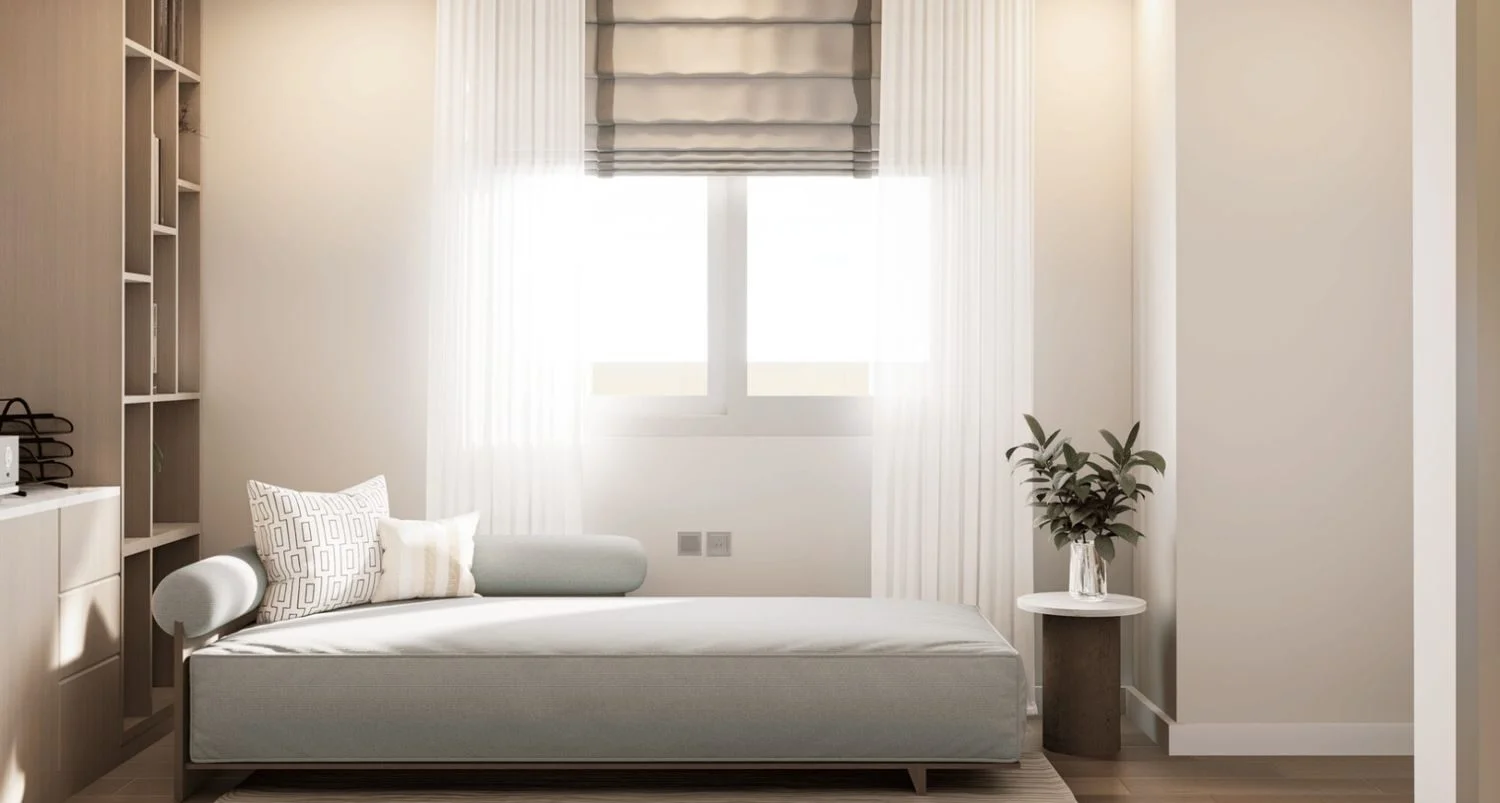
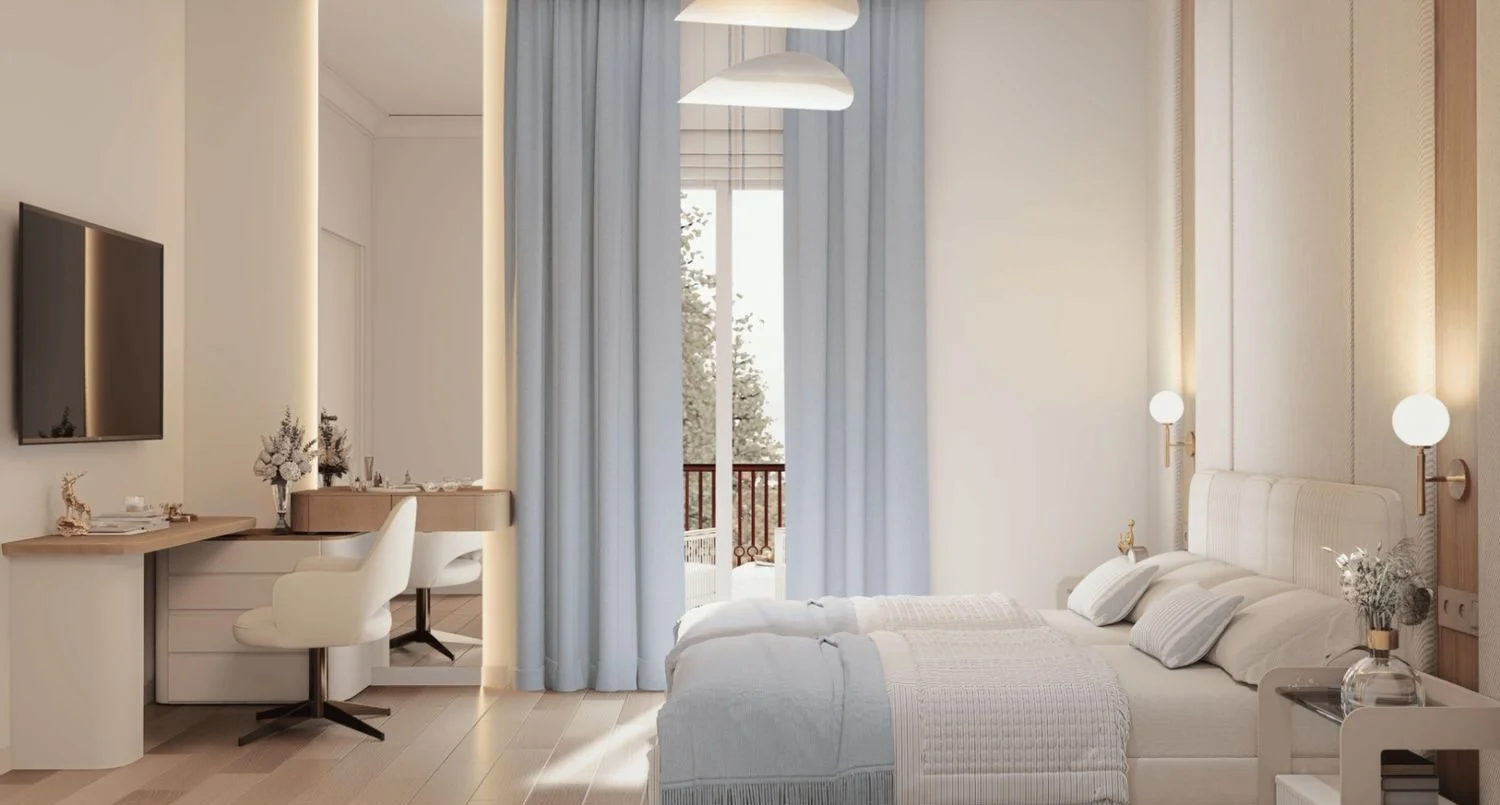
Dubai’s newest and largest palm island — longer fronds, more beach access, and open Gulf exposure that changes every material decision. From beachfront frond villas to waterway apartments on the trunk, we bring marine-grade specification and Nakheel NOC experience to an address that is still setting its standard.
Get your custom budget & design plan











Who we are
“Palm Jebel Ali buyers made one of the boldest real estate decisions in Dubai: they chose an island before it was finished. That kind of conviction deserves an interior designed with the same long-term thinking. We design for what this address will be in 20 years — not just what it is today.”
Amanda Dsouza
Founder & Principal Designer of Euphoria Interiors

Designed around you
As an interior design company in Palm Jebel Ali, we design for early adopters — people who purchased before the district was complete, who have a long investment horizon, and who are designing homes on a palm island that will only appreciate as the surrounding infrastructure matures. The brief here combines the premium coastal context of Palm Jumeirah with the freshness of a district that has no pre-existing aesthetic precedent: you are not competing with neighbours’ interiors, you are setting a standard. We approach that with the seriousness it deserves — marine material specification, Nakheel community submission management, and an aesthetic brief calibrated to a beachfront villa or waterfront apartment.
Your taste leads, our craft follows.
Measured and considered, never imposed.
Quality is something we see, not report.

For residential & commercial spaces
Complete design package from drawings to site coordination
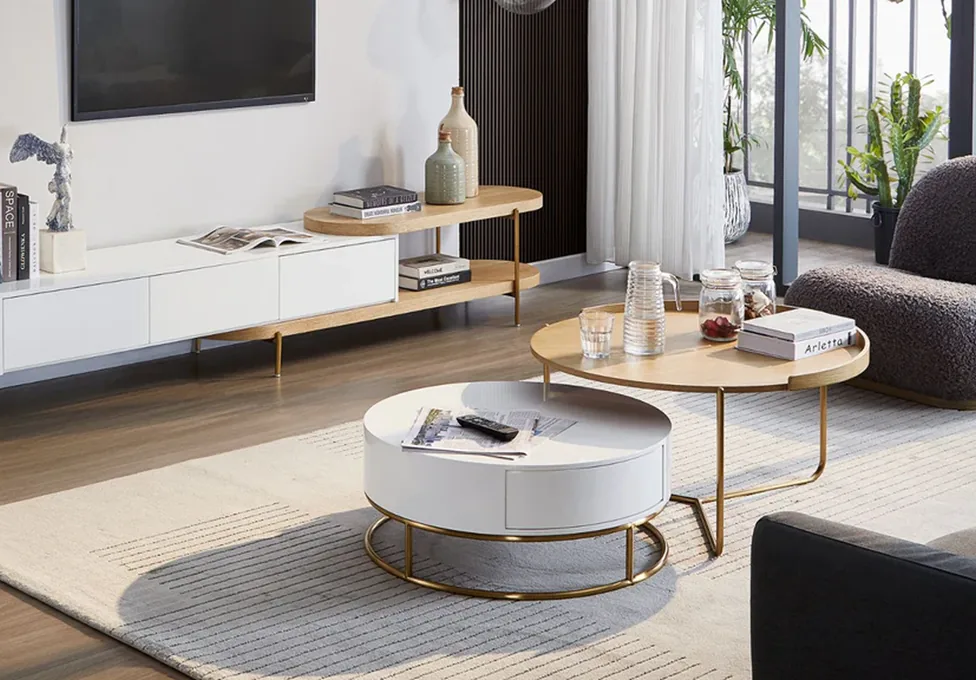
Complete furnishing including décor and styling.
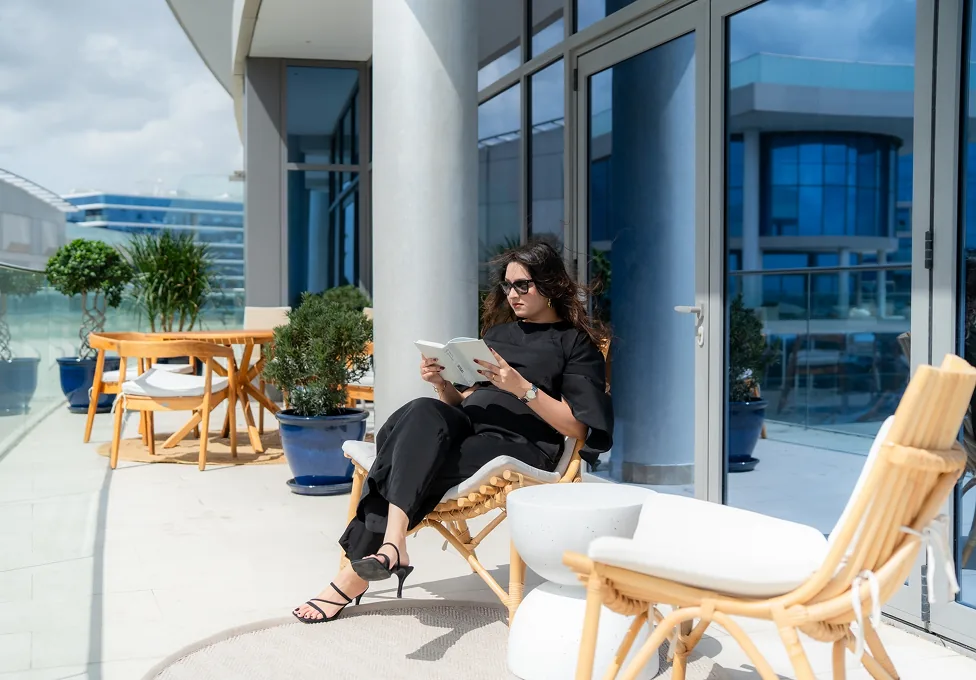
Complete design-build solution from renovation to commissioning.
100+
Spaces Designed

ISO Certified
10+
Years of Experience
98%
Happy Clients
Package calculator
Explore custom package feature and get customised personal budget and design plan with all including and excluding
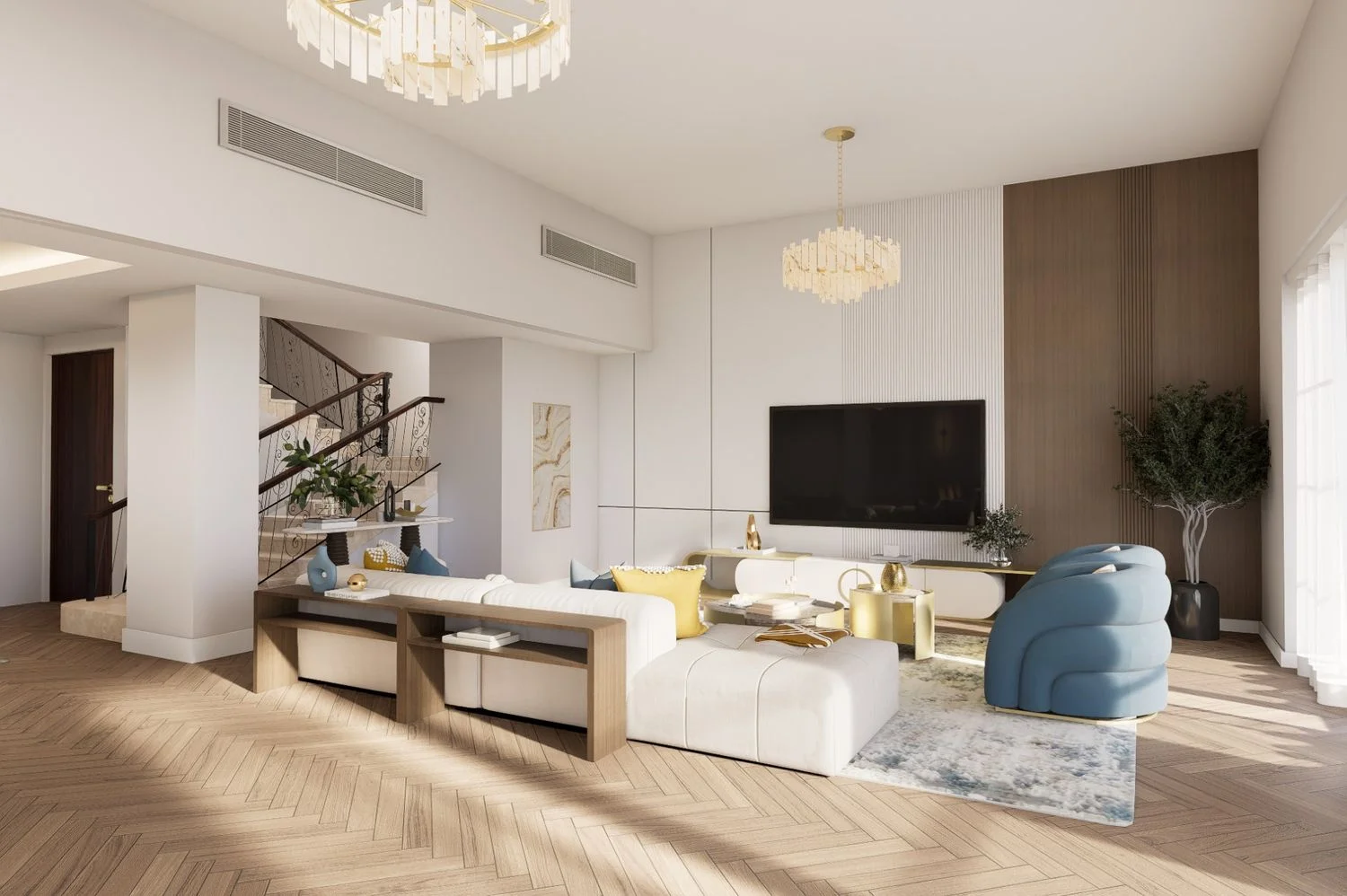
Al barsha, Dubai
December, 2025

Jumeirah Bay Island, Dubai
April, 2026

Emirates Living, Dubai
June, 2026

Victory Heights, Sports City
April, 2026

Downtown Dubai
November, 2025
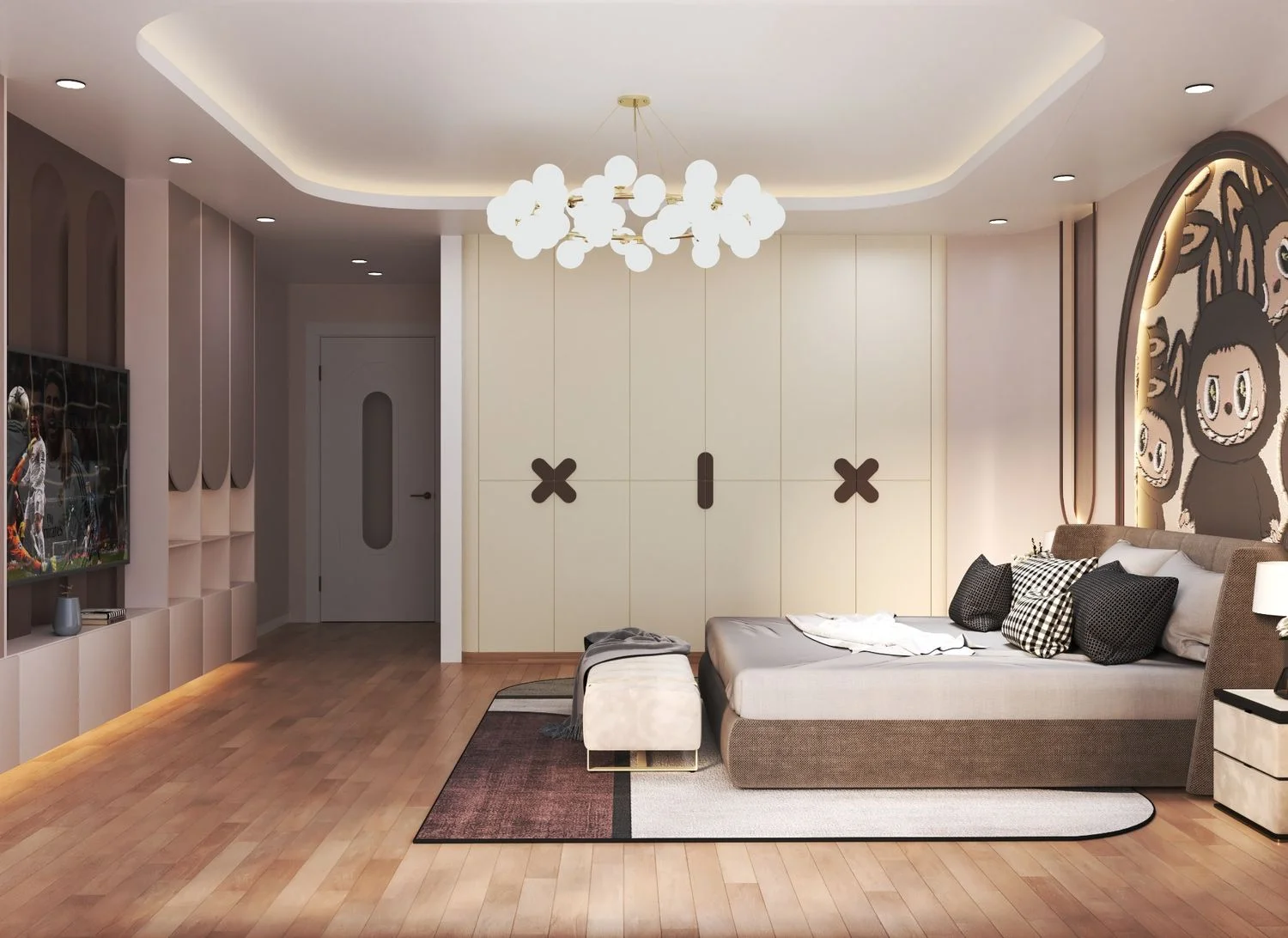
Eden Valley, Dubai
November, 2024
No projects in this category yet.
Our interior design process

Initial consultation to understand your vision.

Concept development for cohesive design.
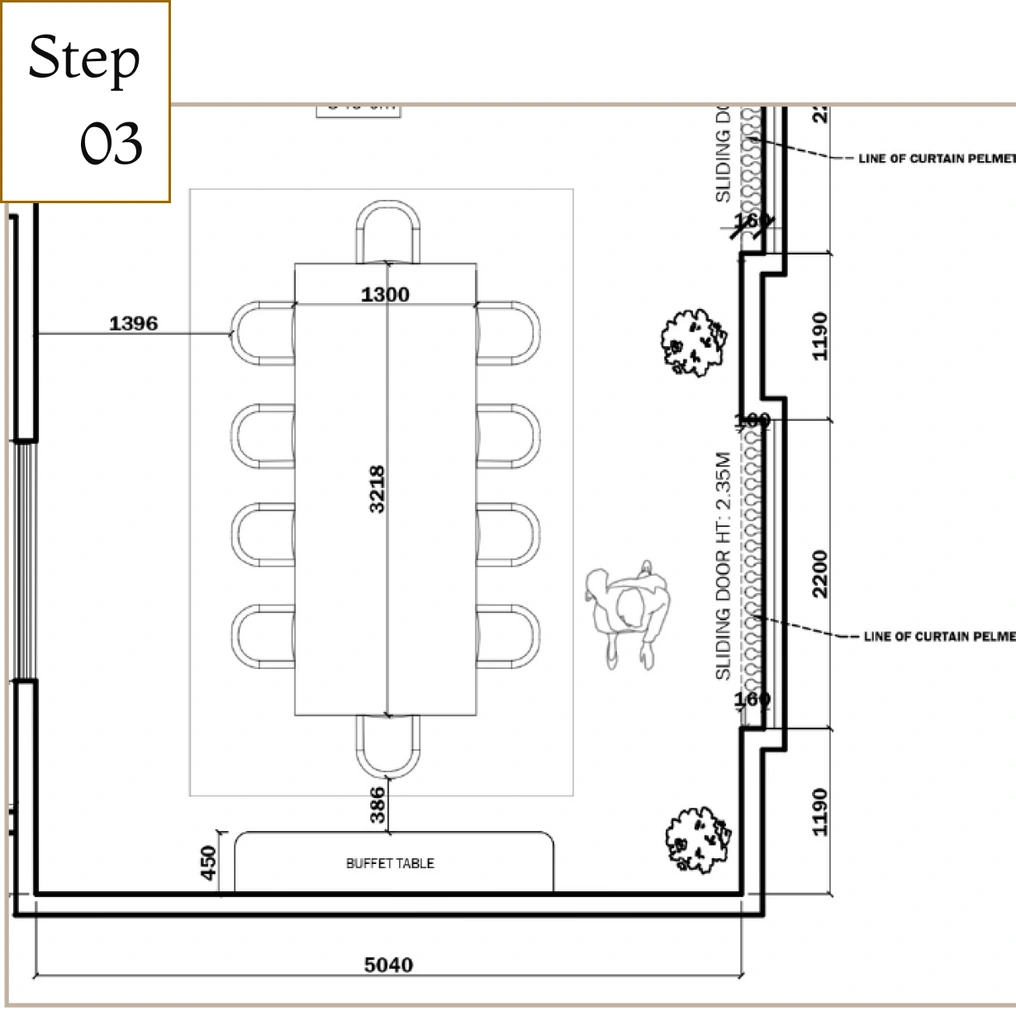
Space planning creating functional flow.
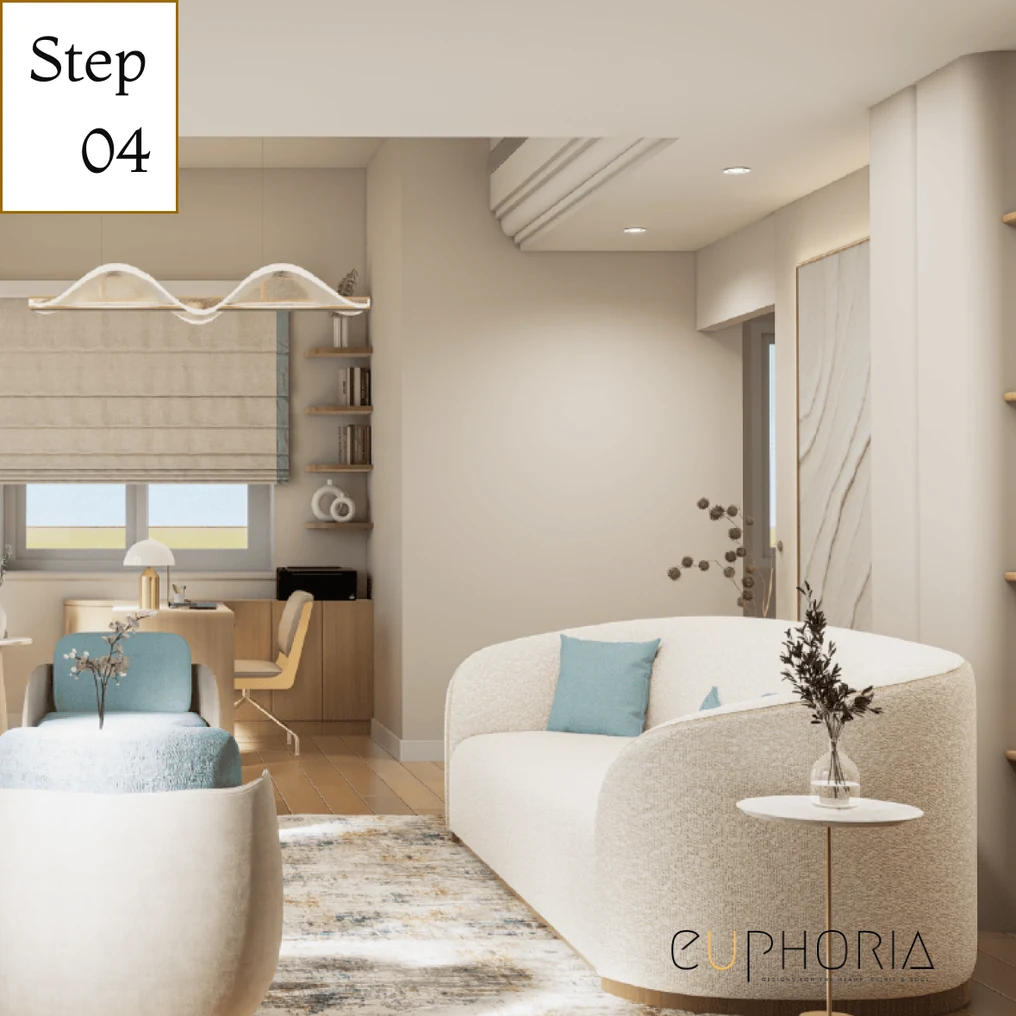
3d Visualisation of your space before execution
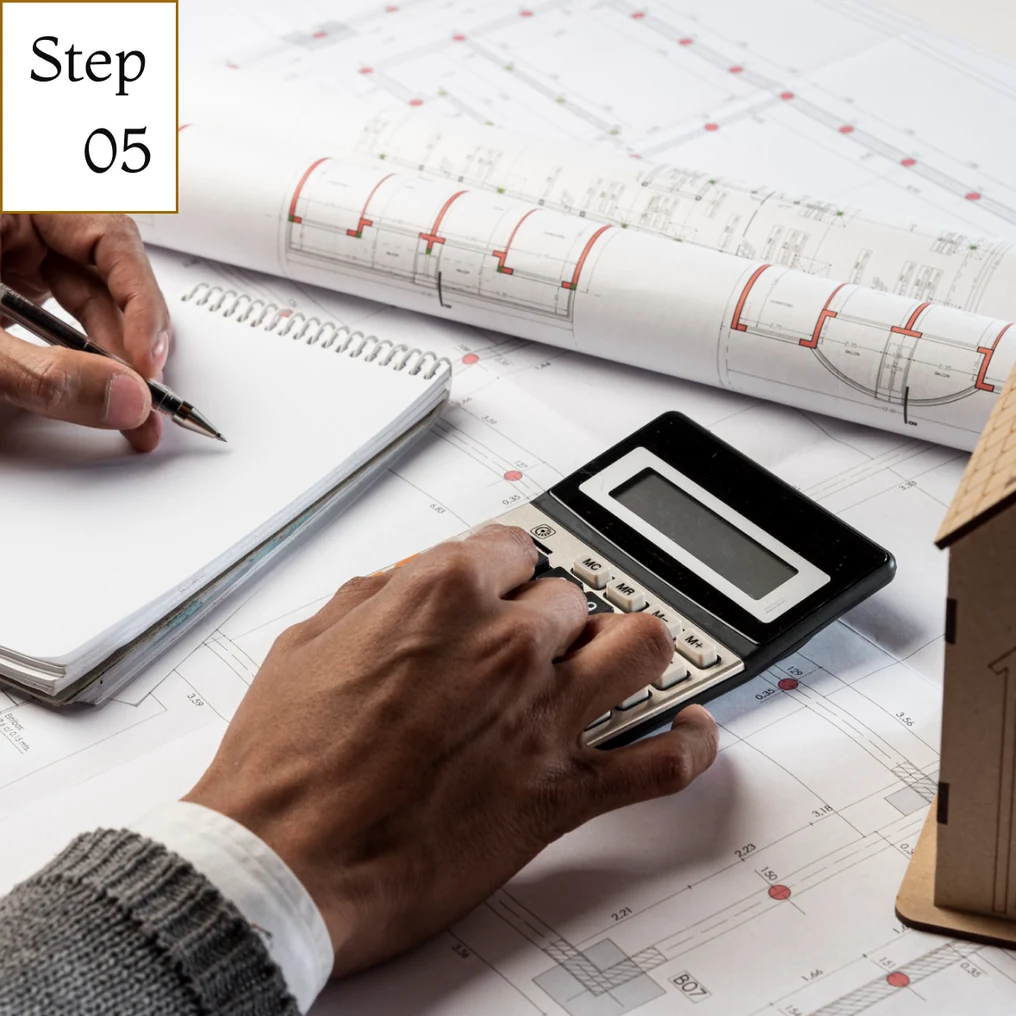
Creating BOQ & budget planning
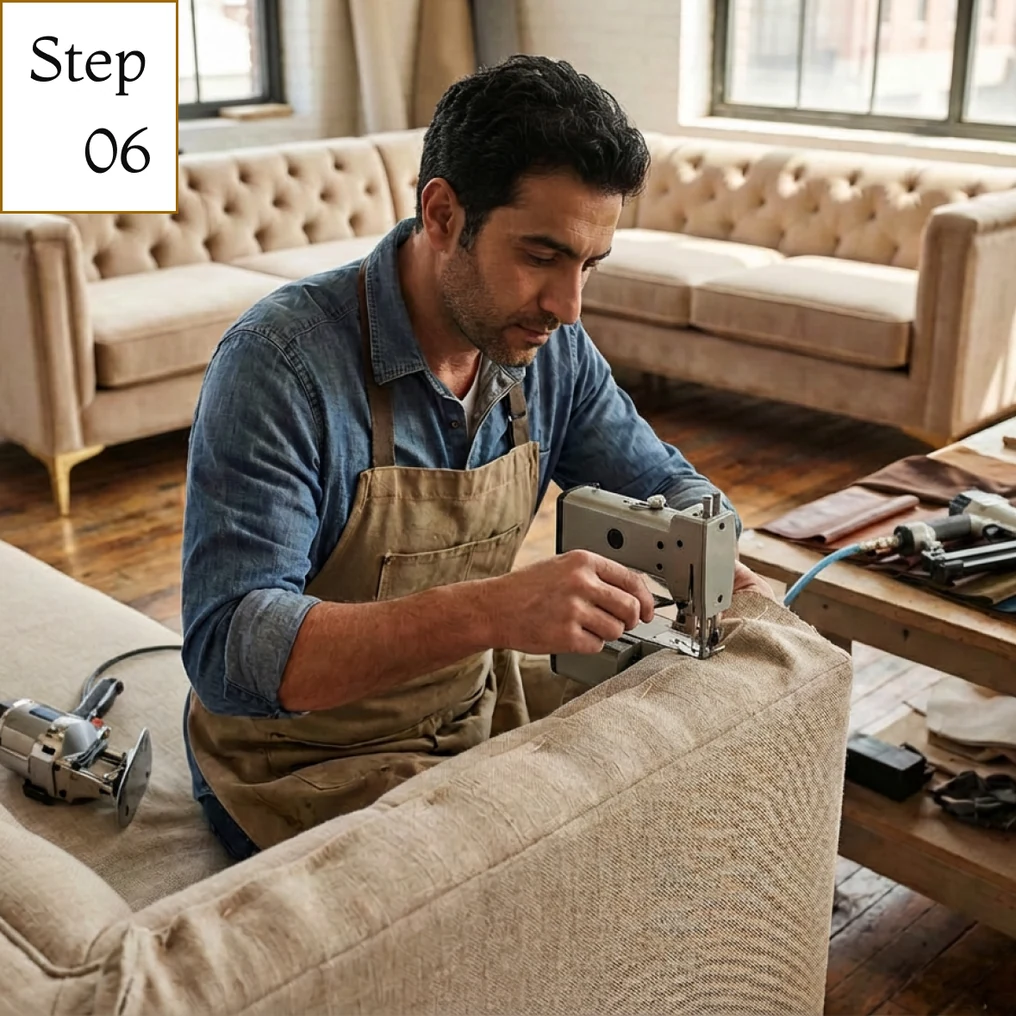
Project management
Get your space designed,
without the stress.
Because true luxury isn’t just what you see —, it’s what you feel every day.
Palm Jebel Ali sits in more open Gulf waters than Palm Jumeirah, which benefits from the protection of the Dubai coastline and partial breakwater infrastructure. This difference in exposure is directly relevant to interior material specification.
Properties on Palm Jebel Ali’s outer fronds face Gulf-level humidity, salt air, and UV exposure for the majority of the year. Solid timber joinery, standard chrome fittings, and non-UV-stable fabrics that might perform adequately in an inland Dubai apartment will show deterioration significantly faster at this address.
The failure pattern is predictable: solid timber moves and gaps as it cycles through humidity swings, standard plated hardware pits and clouds, and sun-exposed upholstery fades unevenly wherever the light lands. None of it fails on day one — which is exactly why an inland specification looks fine at handover and starts disappointing its owner within the first couple of years.
As an interior design company in Palm Jebel Ali, we specify engineered timber throughout, PVD or marine-grade coated metals for all hardware and fixtures, UV-stable performance fabrics for any sun-exposed upholstery, and corrosion-resistant systems for all outdoor-adjacent joinery.
These are not upgrades we offer — they are the baseline we design from. On an island this exposed, marine specification is simply what correct specification looks like, and it is applied to every surface that the climate can reach, not just the obvious outdoor pieces.
The practical implication: marine specification adds a modest percentage to the fitout cost and eliminates a significant ongoing maintenance and replacement cost over the property’s lifetime. For an early-adopter owner holding this property for the long term, that trade is not close. Interior design firms that do not raise this conversation are not fully briefing their clients.
Palm Jebel Ali is a Nakheel master development. Structural modifications, partition changes, and significant fitout works require Nakheel’s No Objection Certificate before work begins. This applies whether your property is a frond villa, a trunk apartment, or a waterway-facing residence.
Nakheel’s NOC process requires a submission package that includes scope-of-works documentation, material specifications, and, for structural works, engineering drawings. Processing timelines typically run 3-5 weeks for a complete submission — longer if the package is returned for revisions.
Completeness is the whole game. Packages come back when the scope is ambiguously described, when drawings do not match the written scope, or when material specifications are left vague. Every returned package restarts the clock, which is how a 3-5 week process becomes a season. Our submissions are prepared by people who have taken Nakheel packages through approval on both palm islands, and they are assembled to pass first time.
We manage Nakheel NOC submissions as standard for all Palm Jebel Ali full-service projects. We prepare the documentation, submit the package, track the approval timeline, and coordinate the pre-mobilisation sequencing so the project starts correctly.
The approval window is working time, not waiting time: detailed design is finalised, samples are approved, and long-lead procurement is identified while the NOC processes, so mobilisation follows approval without a gap.
The practical rule: do not engage a contractor or order materials before the NOC is confirmed. Projects that mobilise early routinely face stop-work notices and rework costs that exceed the NOC submission effort many times over. On a new master development where the developer is actively setting standards, cutting this corner is the most expensive shortcut available.
Not all Palm Jebel Ali properties face the open sea. The island’s layout produces three distinct view categories: outer frond properties with beach frontage and open Gulf views; inner frond properties with waterway and canal views; and trunk properties with city-skyline and Dubai harbour views.
Each view category calls for a different interior design response. Outer frond villas with open-sea frontage deal with maximum light intensity and the most demanding material environment. Inner frond waterway properties have a more sheltered exposure and a different quality of light — reflected off calm water rather than direct from open sea.
Trunk properties are different again: the view is urban rather than marine, the light carries the skyline’s glass reflections, and the evening condition — the city lit up across the water — often matters more to how the room is used than the daytime one. A layout that was designed for a beach view transplanted into a trunk apartment misses what the owner actually paid for.
We map each Palm Jebel Ali property’s specific view orientation before any layout or material discussion. The view type determines the curtaining strategy, the furniture arrangement, the lighting plan, and the material selection for every sun-exposed surface.
In practice that means the main seating faces the view from seated height, secondary rooms are assigned by how much view they genuinely receive, and glazing treatments are specified for the actual exposure of each elevation rather than one standard applied everywhere. On an island where the view is a large part of the purchase price, the interior’s first job is to make sure you actually live with it — every day, from the positions you actually occupy.
Palm Jebel Ali frond villas are generous in scale — larger footprints than Palm Jumeirah equivalents, with double-volume living areas in some typologies and outdoor terraces that extend directly to the beach. Designing at this scale requires a different approach than a standard Dubai apartment project.
Undersized furniture is the most common mistake in large-format villas. A 4-metre sofa that fills a Palm Jumeirah living room looks adrift in a Palm Jebel Ali double-volume space. Lighting fixtures that are appropriately scaled for a standard ceiling height disappear against a 5-metre volume.
The trap exists because almost everything in a furniture catalogue is drawn for a standard room. Owners furnish a generous villa from the same sources they used in their last apartment, and the result reads as sparse rather than grand — the volume swallows the pieces. Scale is not solved by adding more furniture; it is solved by specifying to the room’s actual dimensions from the start.
We scale every element to the actual space — not to a generic furniture catalogue. Bespoke joinery, large-format stone tiles, statement lighting designed for volume, and FF&E selections proportionate to the villa’s footprint are standard practice in our Palm Jebel Ali projects.
The same proportional discipline runs through the transitions: terrace thresholds that extend toward the beach are treated as part of the living space, artwork and curtain drops are sized to the full height of the wall they occupy, and zones within a double-volume room are anchored with rugs and lighting so the space feels composed at both human scale and architectural scale. Generosity of volume is the villa’s luxury — the interior’s job is to hold it, not shrink from it.
Most Palm Jebel Ali buyers purchased early — before the island’s surrounding infrastructure was fully operational. That early-adopter profile typically comes with a long investment horizon: a 10-20 year view on the property, not a 3-5 year flip.
Interior design for a long-hold property on a landmark island requires different thinking from a short-term investment brief. Trend-sensitive palettes age poorly. Specification-grade shortcuts create maintenance costs that compound over time. Fashion-forward finishes that read as cutting-edge in year one read as dated by year seven.
A long hold also compounds every material decision. In a marine environment, the difference between the correct specification and the cheaper one is invisible at handover and unmistakable by the middle of the hold — which is precisely when a landmark-island property should be at its most presentable, not showing its shortcuts.
Our interior design agency approach for Palm Jebel Ali long-hold briefs: neutral foundational palettes in premium-grade materials, specification choices that prioritise 15-year performance over visual drama, and FF&E selections at a quality level that withstands both time and a marine environment.
Neutral foundations do not mean bland rooms. The permanent layer — floors, joinery, stone, hardware — stays quiet and enduring, while personality lives in the layers that are easy to change: upholstery, art, objects, lighting scenes. That structure lets the interior evolve across a 20-year hold without ever requiring the expensive layer to be redone.
This is the interior design brief that a Palm Jebel Ali property deserves — and the one that protects the value of the investment over the island’s appreciation arc. Owners here are setting a standard for a new address; the interior should be built to still be setting it two decades on.
Areas we serve across Dubai