
Design Service
2-4 wksComplete design package from drawings to site coordination


Sheikh Zayed Road is not one brief — it is 80 floors of different ones. From highway-facing apartments that need acoustic calm, to hotel residences with operator fitout rules, to high-rise penthouses where wind load shapes the glazing, we start with three questions: what floor, which orientation, and who is it for?
Get your custom budget & design plan











Who we are
“Sheikh Zayed Road is the one address in Dubai where two units in the same building can have completely different briefs — and both be correct. Floor level, orientation, and who is living there are the three questions that everything else follows from. Ask them first. Every time.”
Amanda Dsouza
Founder & Principal Designer of Euphoria Interiors

Designed around you
As an interior design company in Sheikh Zayed Road, we begin with three questions: what floor, which orientation, and who is this actually for? SZR towers house more occupant variation per building than almost any other Dubai address — long-term residents on upper floors, corporate occupants in hotel-managed units, short-let investors targeting business travellers — and each has a different brief, sometimes separated by a few floors in the same tower. A studio that applies a uniform luxury-apartment template across that variation will consistently miss the brief. The answers to those three questions determine everything from acoustic specification to material register to furniture arrangement.
Your taste leads, our craft follows.
Measured and considered, never imposed.
Quality is something we see, not report.

For residential & commercial spaces
Complete design package from drawings to site coordination
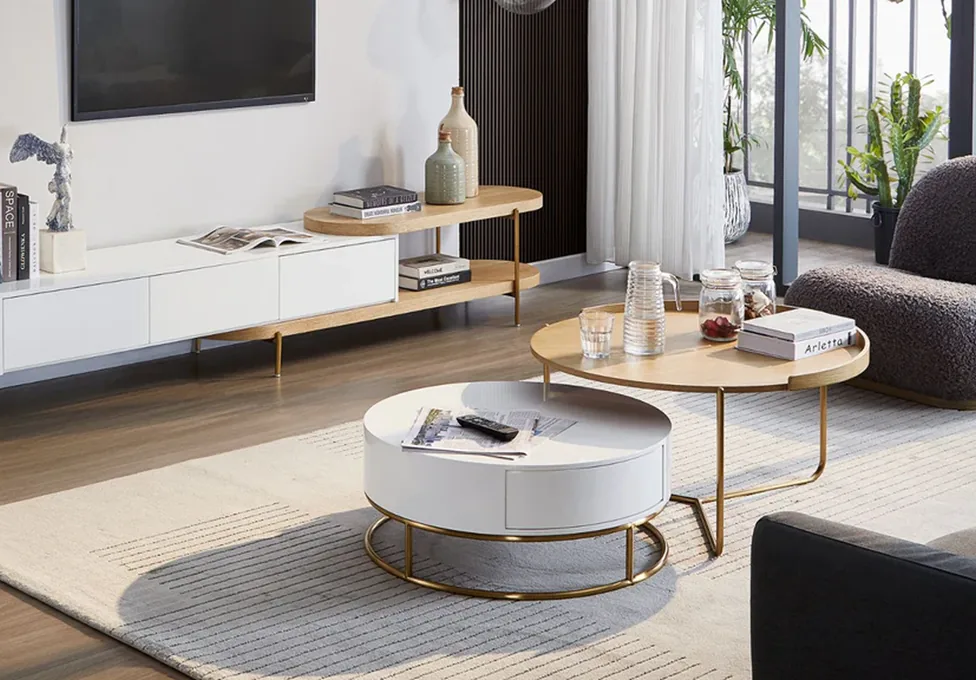
Complete furnishing including décor and styling.
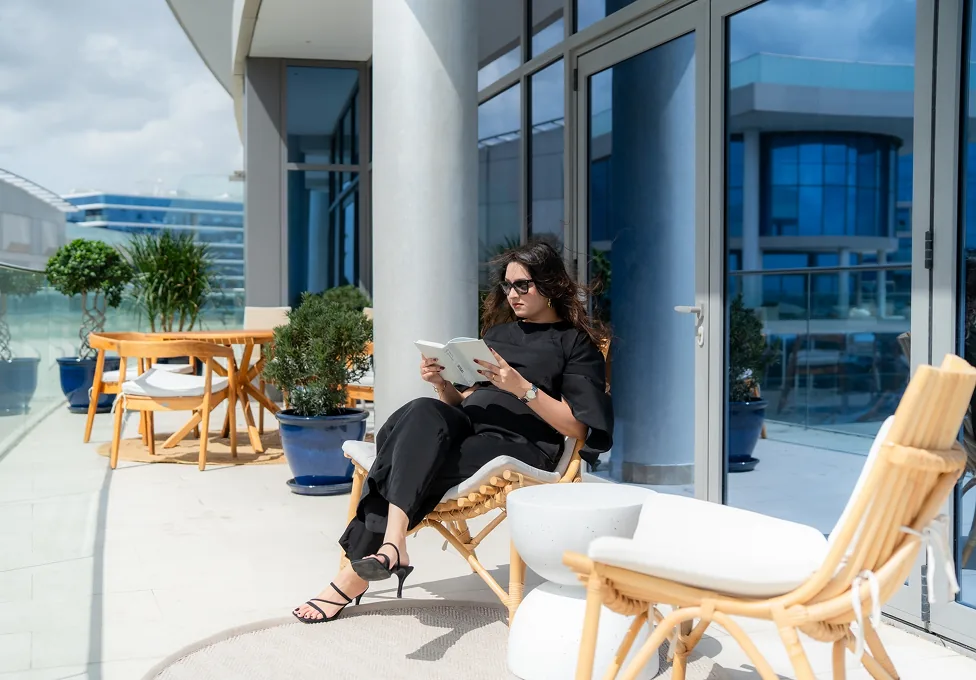
Complete design-build solution from renovation to commissioning.
100+
Spaces Designed

ISO Certified
10+
Years of Experience
98%
Happy Clients
Package calculator
Explore custom package feature and get customised personal budget and design plan with all including and excluding
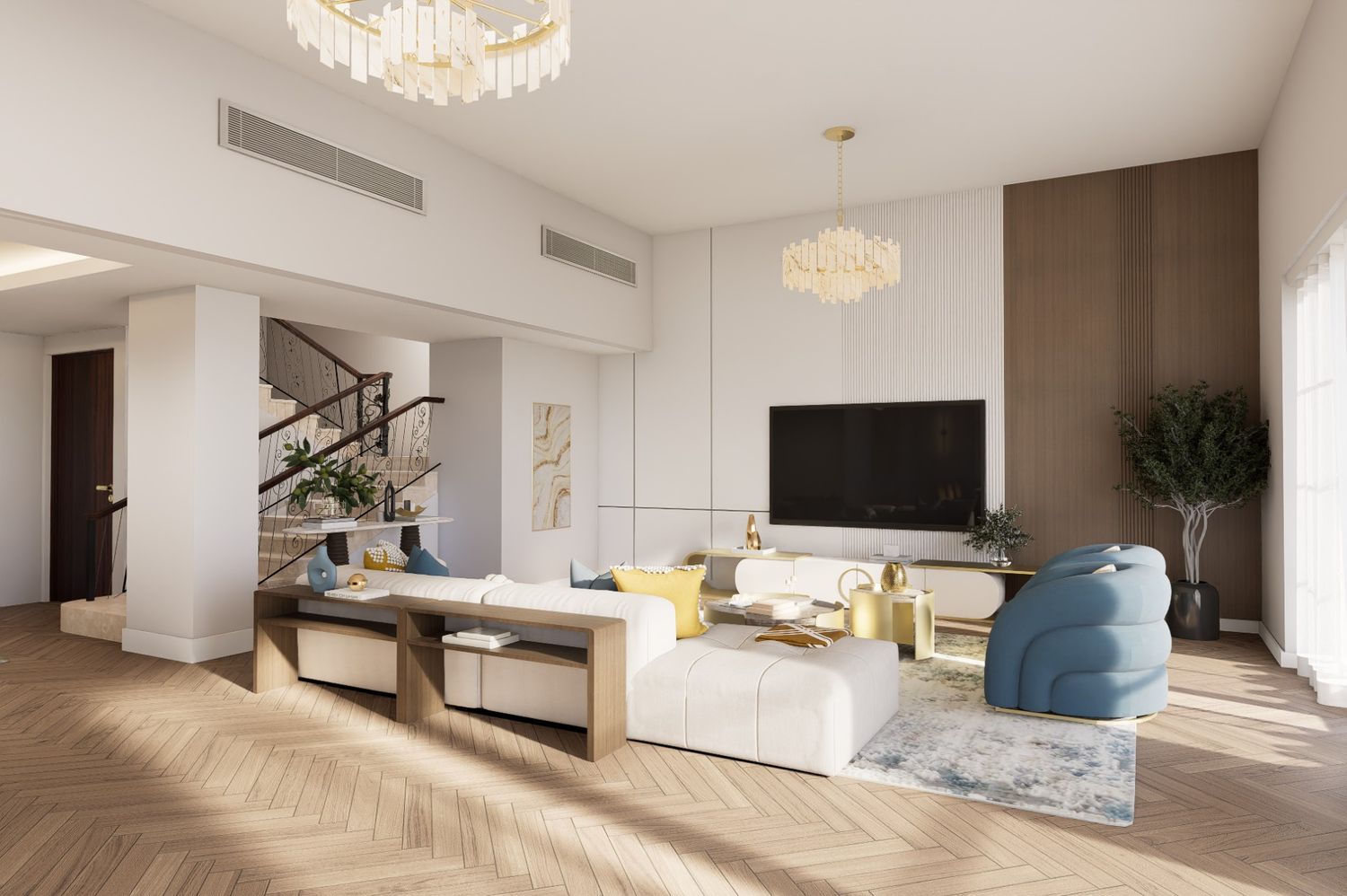
Al barsha, Dubai
December, 2025
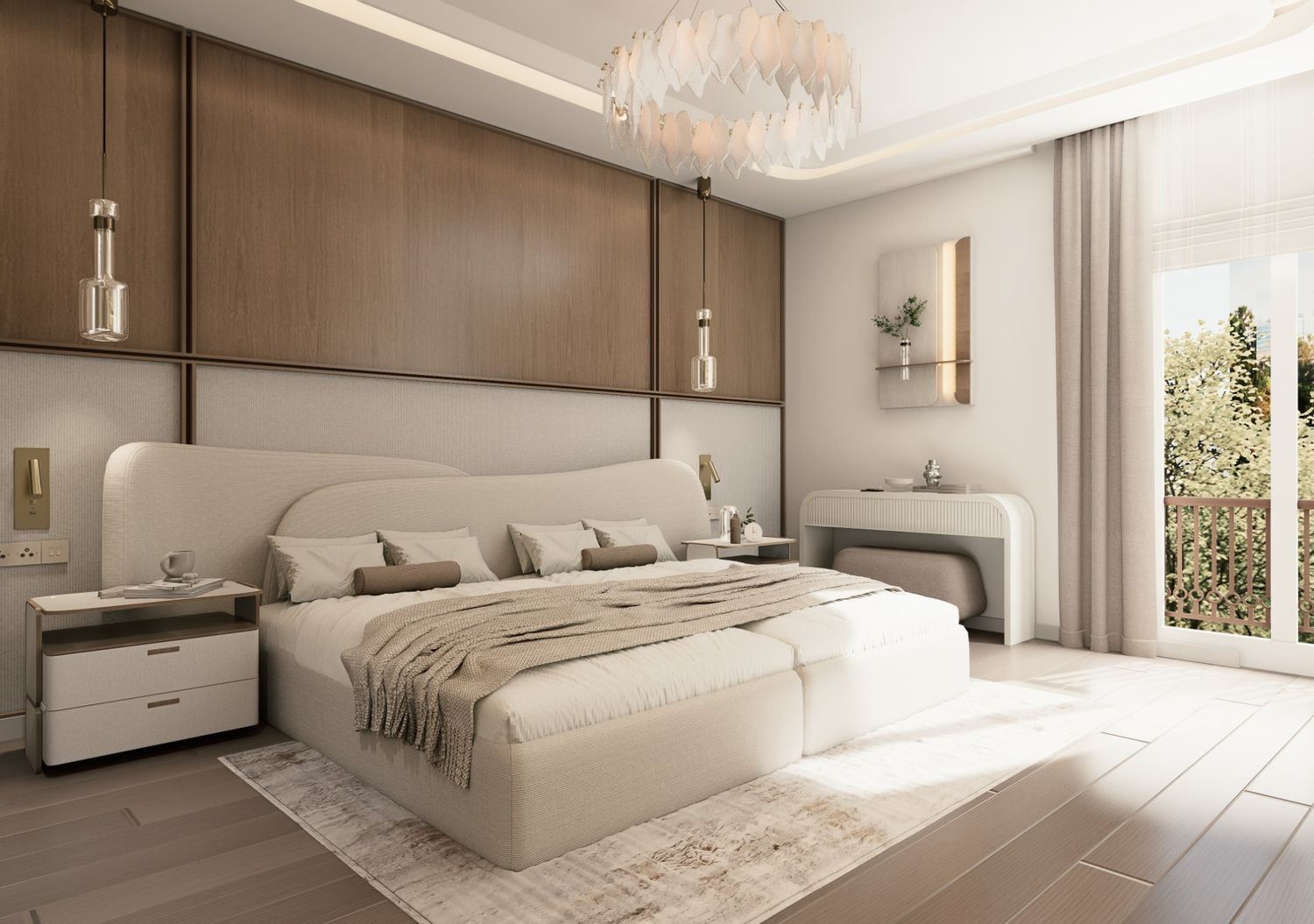
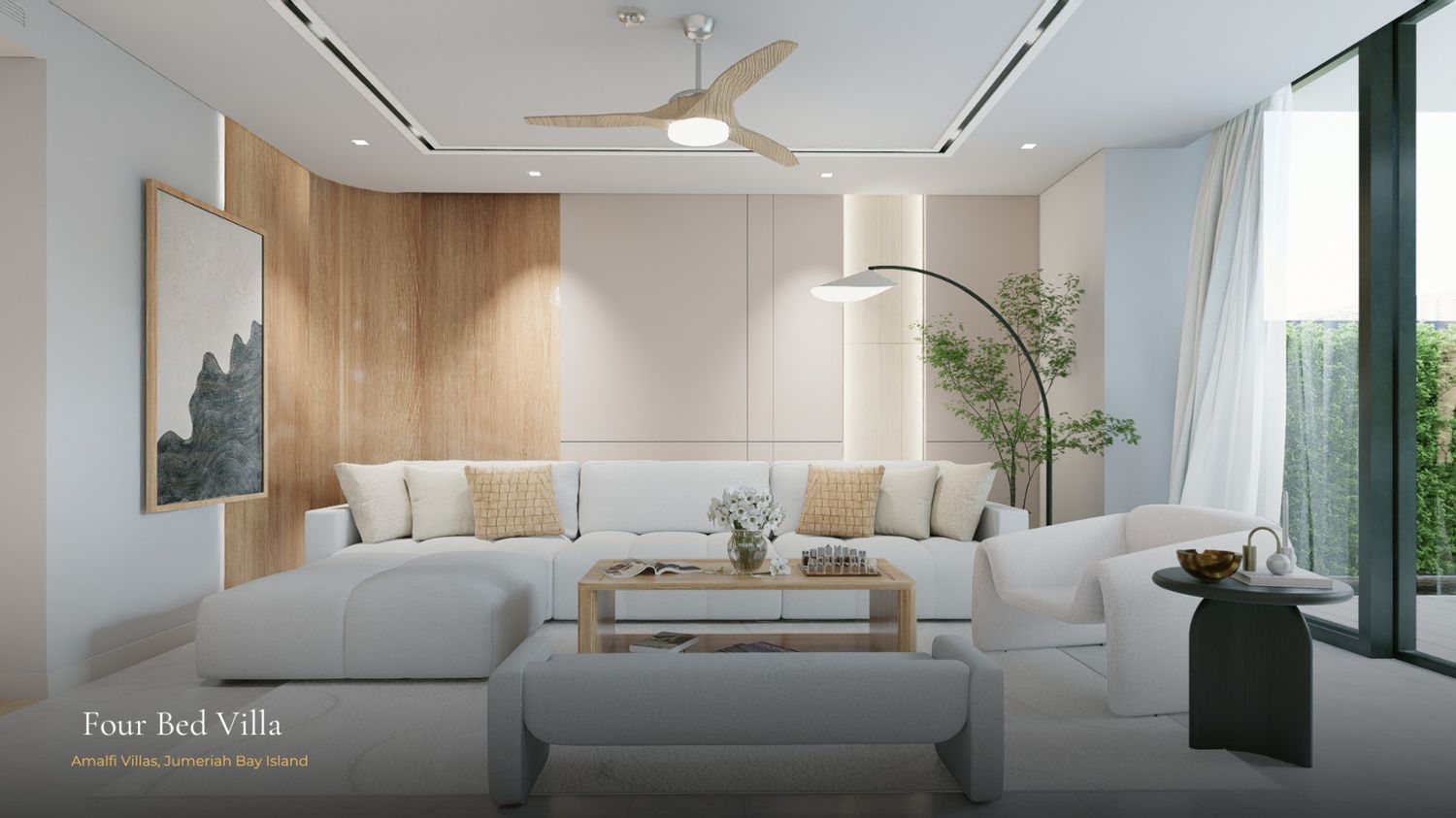
Jumeirah Bay Island, Dubai
April, 2026
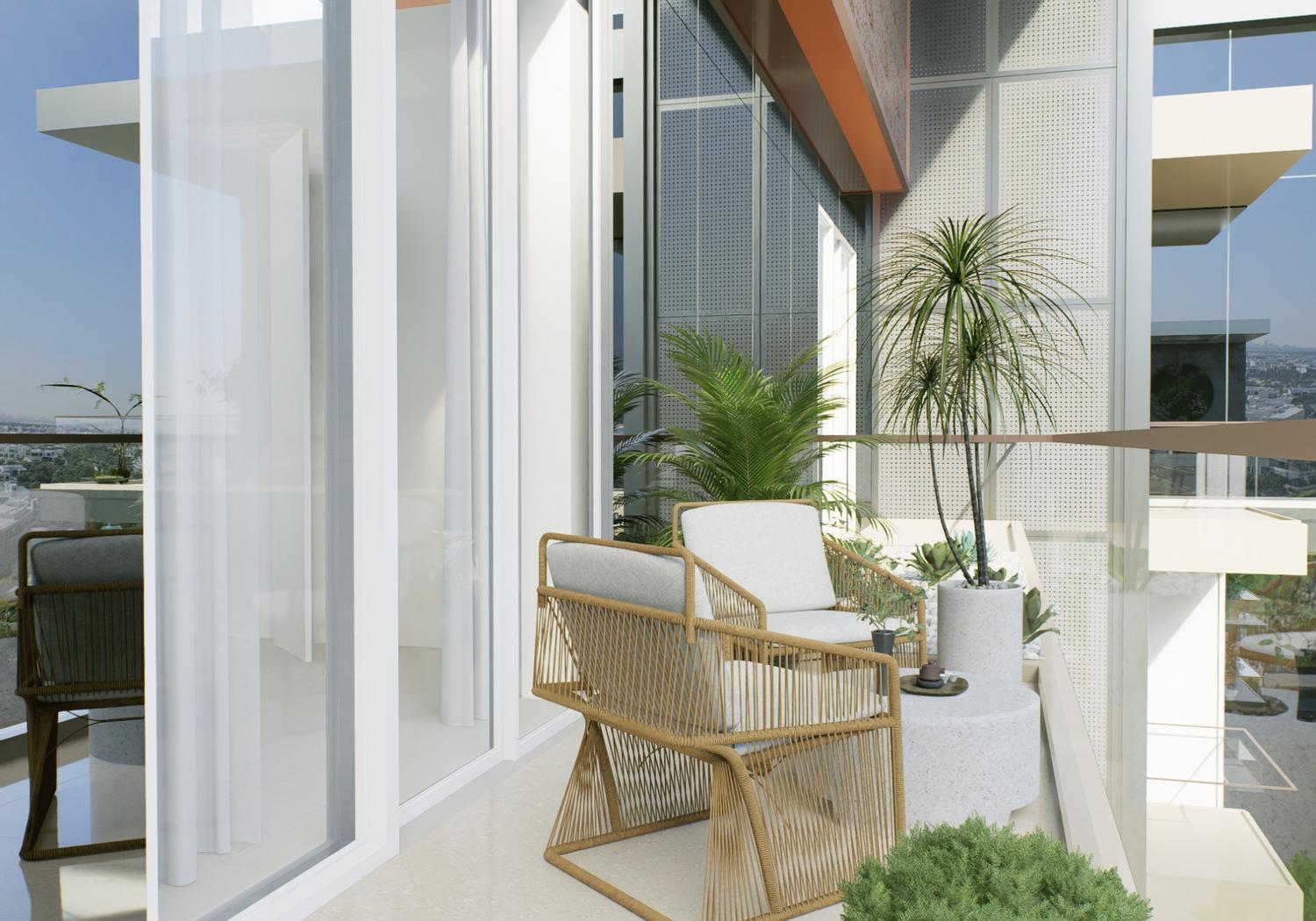
Emirates Living, Dubai
June, 2026
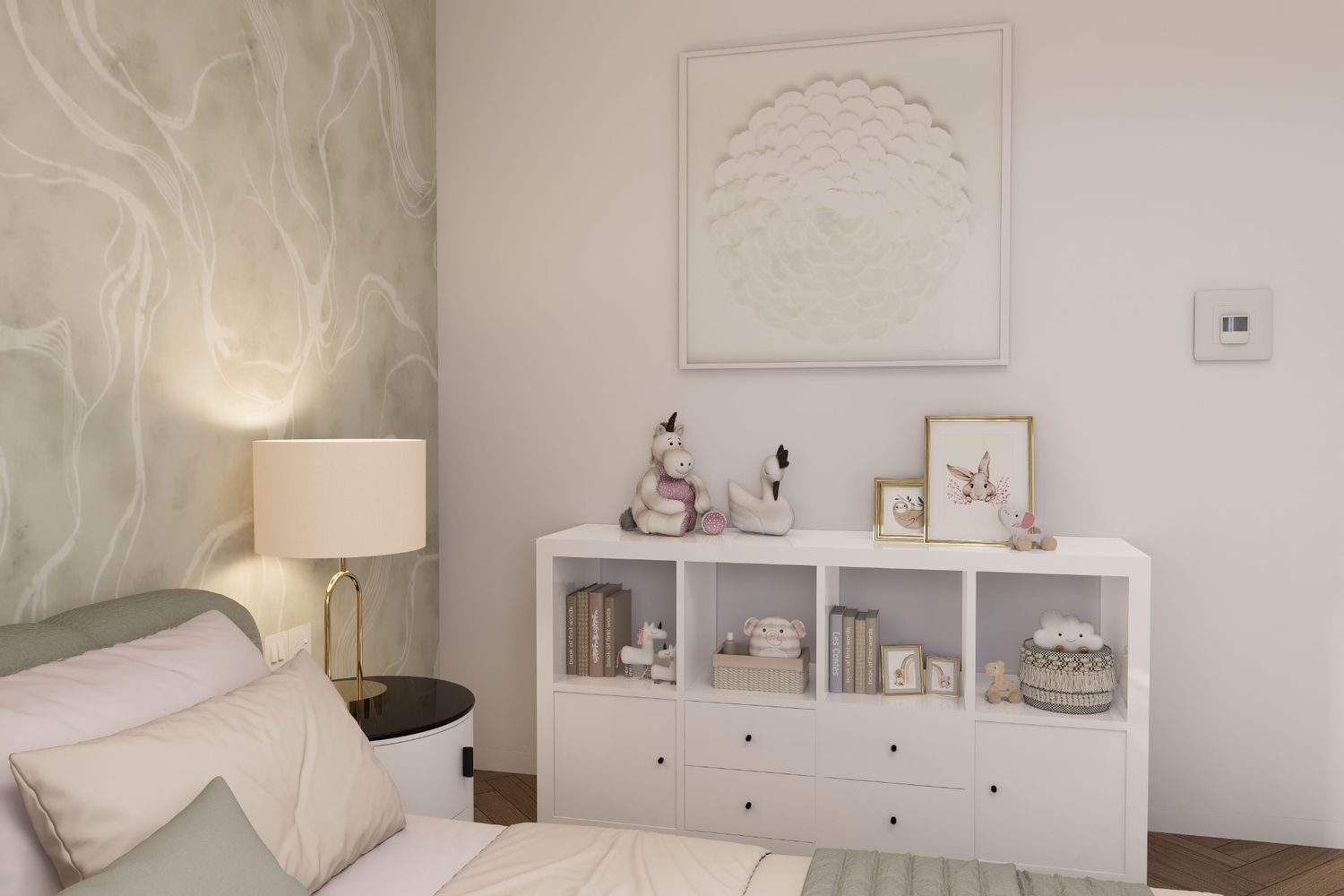
Victory Heights, Sports City
April, 2026

Downtown Dubai
November, 2025
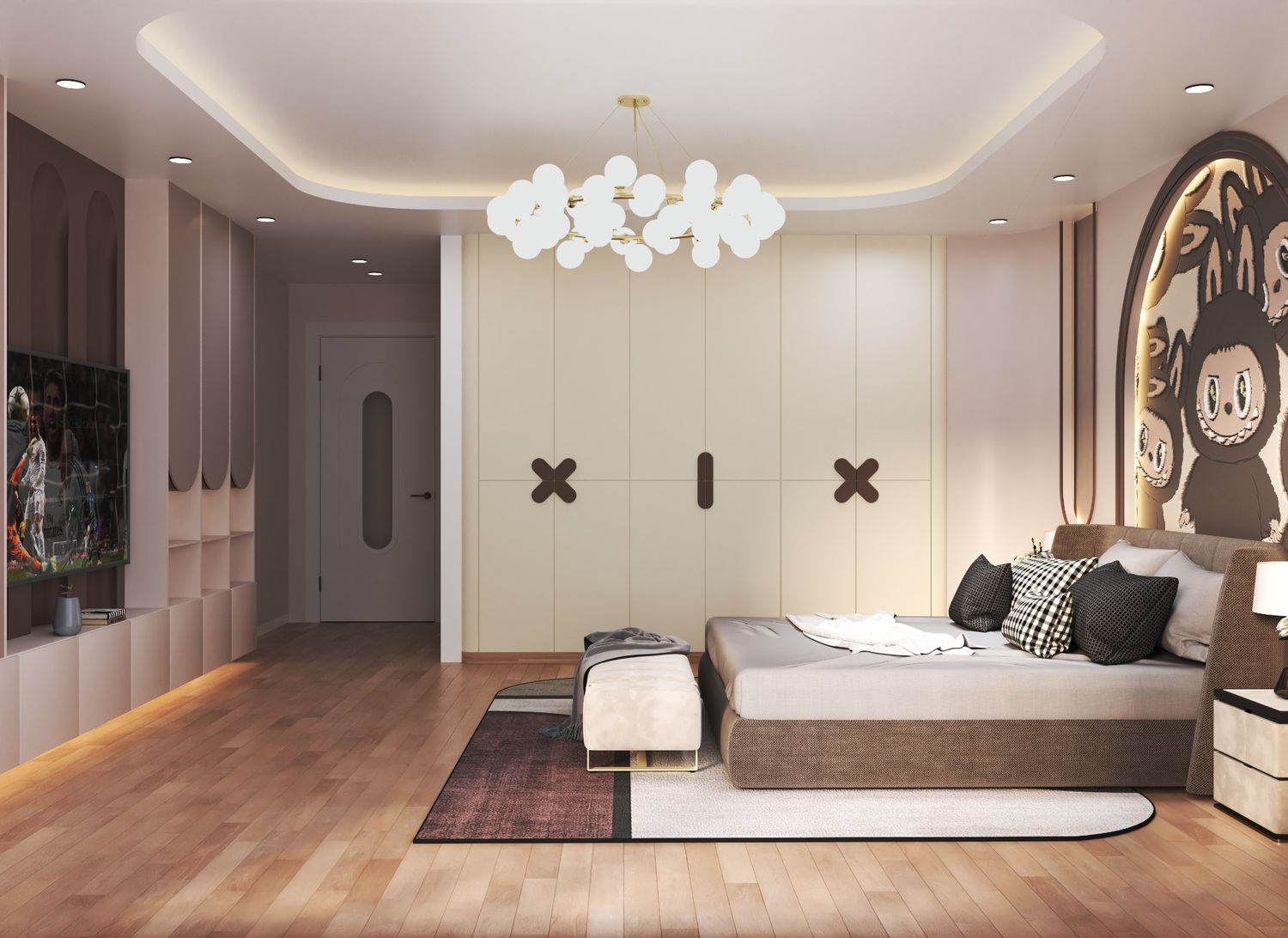
Eden Valley, Dubai
November, 2024
No projects in this category yet.
Our interior design process

Initial consultation to understand your vision.

Concept development for cohesive design.
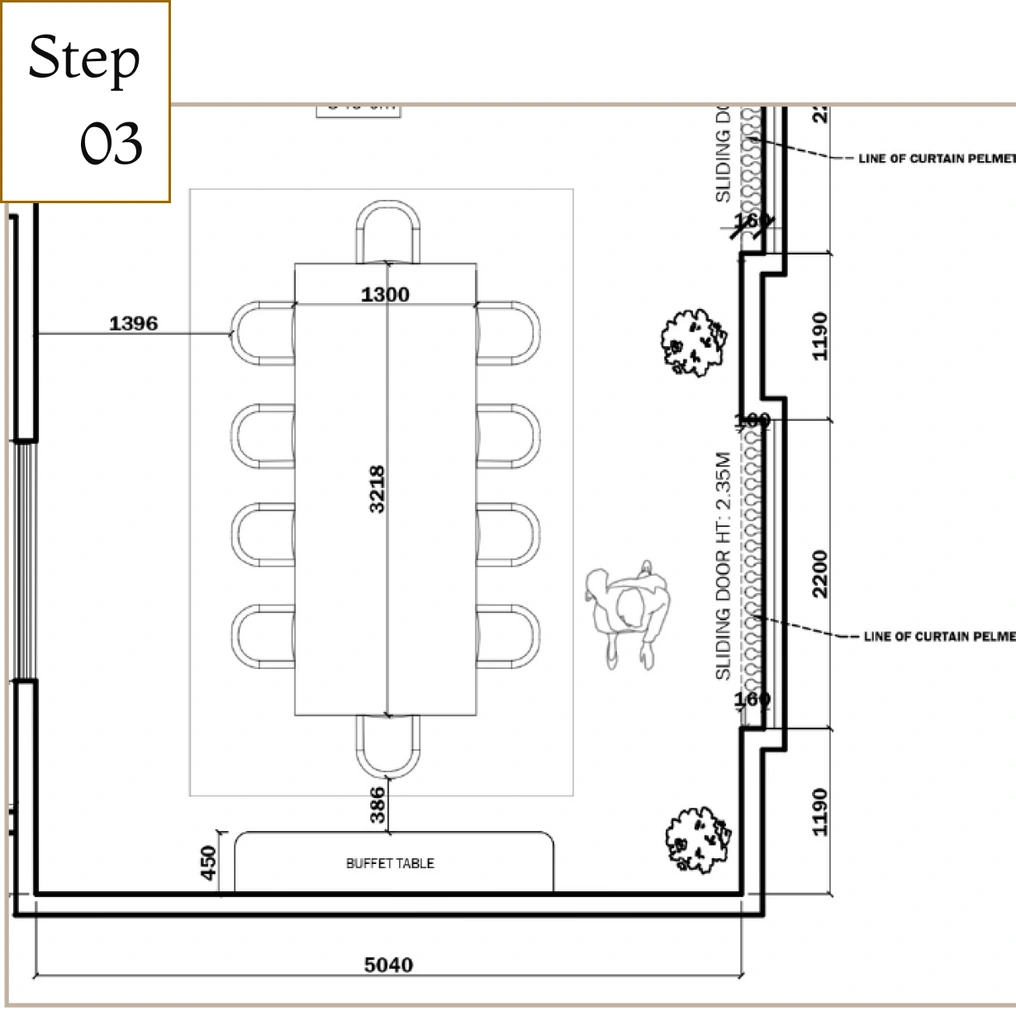
Space planning creating functional flow.
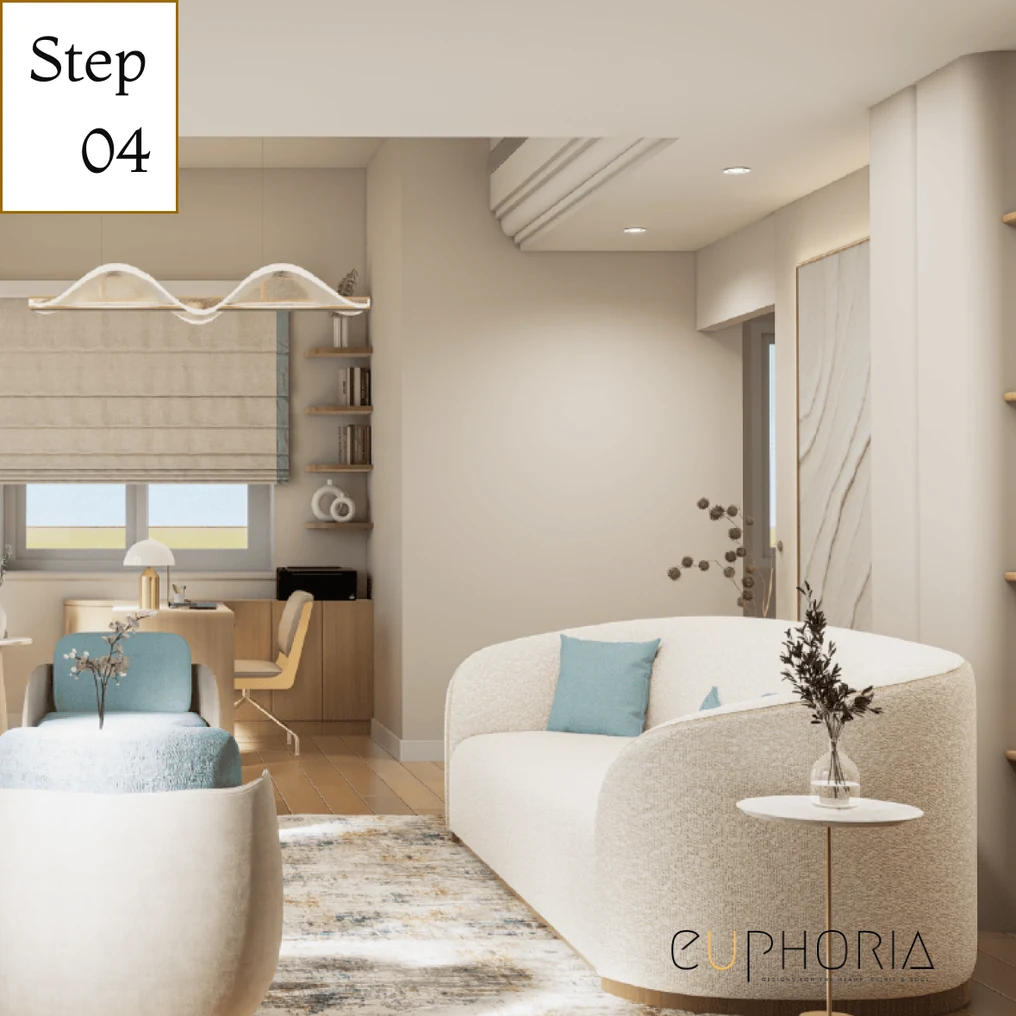
3d Visualisation of your space before execution
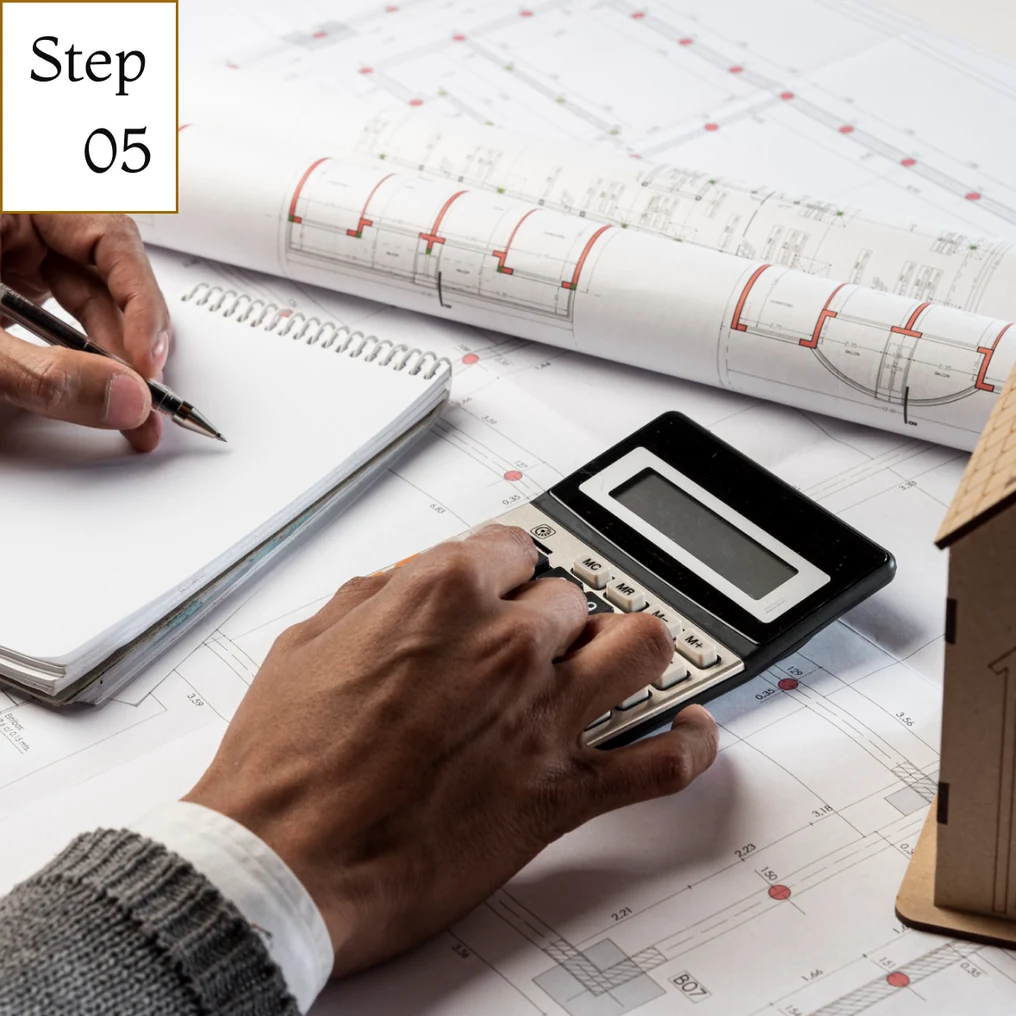
Creating BOQ & budget planning

Project management
Get your space designed,
without the stress.

Because true luxury isn’t just what you see —, it’s what you feel every day.
Sheikh Zayed Road is Dubai’s defining urban spine — 12 kilometres of high-rise towers running from the Trade Centre to Jebel Ali, flanking one of the world’s busiest highways. The address is iconic. The interior design brief it creates is specific.
As an interior design company in Sheikh Zayed Road, the first thing we establish is orientation. Every SZR tower sits on a linear corridor — units face either toward the city centre or toward the sea and southern districts. That orientation is fixed in the architecture. It is not fixed in how we respond to it.
City-facing units on the upper floors of towers like The Address BLVD and Rose Rayhaan deliver Dubai’s most dramatic skyline views. These rooms need a treatment that honours the panorama without making the interior feel like an observation deck — warmth, texture, and human-scale furniture keep the room a home rather than a viewing gallery.
Sea-facing and south-facing units get a different quality of light — softer, more diffuse, and more demanding in terms of glare management. The palette that reads crisp against a skyline can wash out in diffuse coastal light, so materials and window treatments are chosen for the light the room actually receives, not for a generic render.
Highway-facing rooms at lower floors present the most challenging brief on SZR: significant ambient noise, direct headlight exposure at night, and a view that is more urban infrastructure than skyline. These rooms need acoustic treatment, blackout capability, and a design strategy that creates calm despite the environment outside. Handled properly, a highway-facing unit can be genuinely restful — but only if the brief admits what is outside the glass instead of pretending it away.
Before any interior discussion, identify your unit’s orientation and floor level. Those two variables determine every specification decision that follows.
Interior design on Sheikh Zayed Road is not uniform across a tower’s height. The brief at floor 12 is genuinely different from the brief at floor 52 in the same building. Most interior design firms apply a single template regardless. We do not.
At lower floors (10-25), ambient noise from the highway is the dominant variable. Acoustic soft furnishings, double-glazing performance, and HVAC systems that don’t amplify mechanical noise internally are all active considerations. Materials need to be chosen for acoustic performance alongside visual quality — layered rugs, upholstered walls where appropriate, and heavy curtaining all earn their place here in a way they might not higher up.
At mid-rise floors (25-45), the highway noise attenuates and the view quality improves substantially. The design brief shifts toward view orientation and light management. West-facing units at this height receive significant direct afternoon sun — solar-control specification is often warranted, and furniture placement starts being driven by what the windows offer rather than what they inflict.
At upper floors (45+), wind load on glazing affects thermal performance and curtaining systems need to be specified for the actual wind pressure at that height. The visual scale of the city below changes the psychological register — furniture and material scale that reads well at ground level can feel undersized against a 70-storey-high view. Rooms at this altitude want larger gestures: bigger furniture groupings, stronger material presence, lighting that holds its own against the glass after dark.
Our interior design studio in Sheikh Zayed Road notes the floor level as one of the first brief variables because it determines the specification priorities across every element of the project. Same tower, same floor plan, different floor — genuinely different design.
Sheikh Zayed Road towers are among the most varied in Dubai when it comes to building management structure. Some are pure residential towers managed by a building management company. Others are mixed-use hotel residences where Marriott, Sofitel, or another operator manages the residential floors under a hotel management agreement. Others are serviced apartment buildings with their own commercial operator.
Each structure creates different fitout submission requirements. A pure residential tower on SZR typically follows standard Dubai Municipality NOC processes. A hotel-managed residence adds the hotel operator’s own fitout guidelines on top of DM requirements — and those guidelines can be significantly more restrictive on finishes, materials, and scope.
The practical consequence is that two owners with identical renovation ambitions in two neighbouring towers can face completely different approval paths, timelines, and permitted scopes. Knowing which path applies before the design begins is not administrative trivia — it decides what the design is allowed to be.
As an interior design agency operating across multiple SZR towers, we identify the building management structure in the first site visit and establish which authority’s approval process applies to your specific fitout scope. Discovering mid-project that your building’s hotel operator has restricted a finish you have already specified and procured is an expensive way to learn this lesson.
Designing within the operator’s parameters from day one costs nothing in creativity — the restrictions mostly concern systems, wet areas, and building-visible elements, leaving ample room for the interior itself. What costs money is designing as if the restrictions did not exist and re-specifying after rejection.
We prepare and submit NOC and fitout approval packages as part of our full-service offering. You commission the design; we manage the approvals.
Sheikh Zayed Road’s residential towers house a remarkably mixed occupant profile. Long-term resident families who chose SZR for the connectivity. Corporate executives in hotel residences for 6-12 month assignments. Investors running short-let operations targeting business travellers. Each profile needs a different interior.
Corporate-register interiors on SZR are characterised by: cool, neutral palettes with metallic accents; furniture arranged for presentation and function rather than relaxation; lighting systems with scene-setting capability; and finishes that photograph well and clean easily. They work perfectly for their intended occupant — and feel sterile and impersonal to a family living there full-time.
Residential-warmth interiors on SZR are characterised by: warm material tones, furniture scaled for comfort rather than appearance, storage that actually works for daily life, and a design that rewards long-term occupancy rather than short visits. They serve their intended occupant perfectly — and feel informal and under-specified to a corporate client expecting hotel-grade presentation.
Neither register is superior. They are calibrated to different lives, and the failure mode is mixing them by accident: a family home with showroom lighting nobody dims, or a corporate unit with domestic clutter the occupant never asked for. The register is a decision, and it deserves to be made deliberately.
We establish the correct register in the briefing conversation — not after the concept board has already been presented. The register decision affects every specification that follows: the flooring tone, the upholstery hand, the lighting plan, the hardware finish. Interior design consultants who skip this conversation produce interiors that technically execute what was asked and miss what was needed. On Sheikh Zayed Road, where the same floor plan serves such different occupants, this one conversation does more for the outcome than any material upgrade.
Sheikh Zayed Road is one of Dubai’s strongest short-let markets — central location, metro access, proximity to DIFC and Downtown, and a business traveller profile that generates consistent demand year-round. Investors who understand this design the interior accordingly. Those who don’t leave yield on the table.
A short-let interior on SZR needs to perform against the competition on three dimensions: photography quality, in-person quality, and operational durability. Photography drives the booking decision. In-person quality drives the review. Operational durability determines whether the asset still looks good after 200 check-ins.
The three pull in different directions, which is why short-let design is a genuine discipline rather than a decorating exercise: the most photogenic material is rarely the most durable, and the most durable is rarely the most inviting in person. The specification has to hold all three at once.
Photography quality on SZR short-lets is often determined by one thing: the view. Units above floor 25 with city or sea orientation can photograph dramatically. The interior should frame and support that view — not compete with it. Dark furniture, cluttered layouts, and low-quality lighting flatten the photography and undermine the view that is the unit’s primary asset.
Durability under short-let use requires different material specifications from an owner-occupier brief. High-Martindale-rating upholstery. Porcelain tile or engineered timber flooring rather than solid timber. Hardware and fittings specified for frequent use cycles rather than occasional residential use. Every element is chosen knowing a stranger will use it harder than an owner ever would — and that replacing it mid-season costs bookings as well as money.
Our interior design services in Sheikh Zayed Road include a dedicated short-let brief track. We have delivered short-let interiors across multiple SZR towers and understand what drives premium yield at this address.
Areas we serve across Dubai