Design Service
2-4 wksComplete design package from drawings to site coordination


Most homes here aren’t just lived in. They’re worked in, recorded in, and Zoomed from. We’re an Interior design company in Silicon Oasis that designs for reality.
Get your custom budget & design plan











Who we are
“In Marina, design serves the view. In Abu Dhabi, design serves legacy. In Sharjah, design serves the family. In Silicon Oasis, design serves the calendar the morning calls with India, the afternoon meetings with Europe, the late-night ones with the US. A home that works in DSO is a home built around how its owners actually use the hours.”
Amanda Dsouza
Founder & Principal Designer of Euphoria Interiors

Designed around you
As an interior design company in Silicon Oasis, we treat the home office as the brief, not the afterthought. DSO is one of the only Dubai free zones where you can live AND work by design — most of its 90,000+ residents are tech professionals, founders, remote workers. That single fact reshapes every specification choice: real desk depth, real acoustic privacy, real smart-home integration at rough-in. The rest of the apartment is designed around that anchor.
Your taste leads, our craft follows.
Measured and considered, never imposed.
Quality is something we see, not report.

For residential & commercial spaces
Complete design package from drawings to site coordination
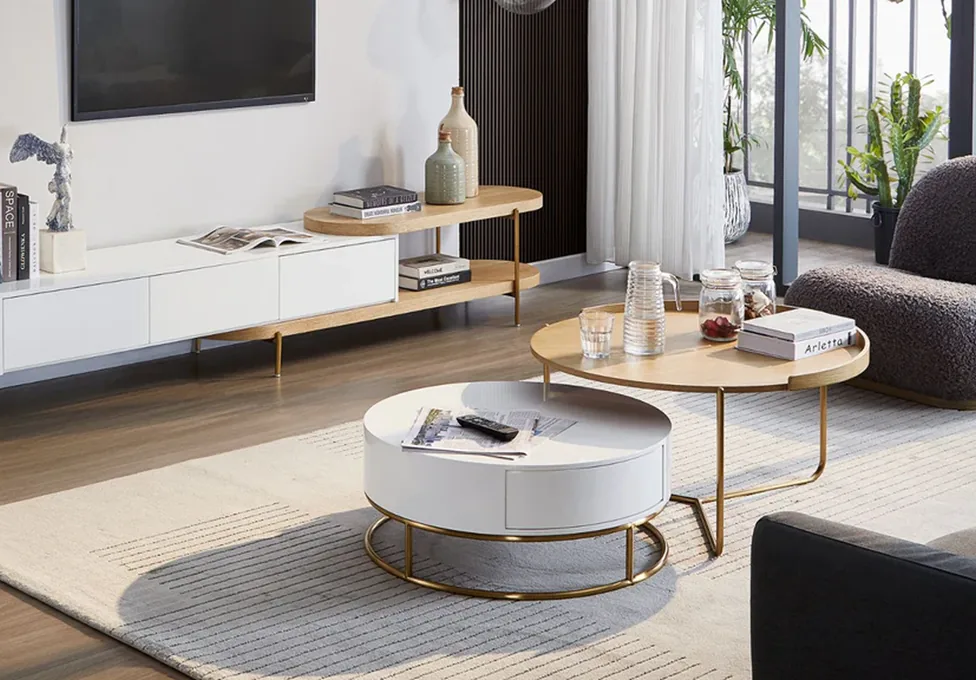
Complete furnishing including décor and styling.
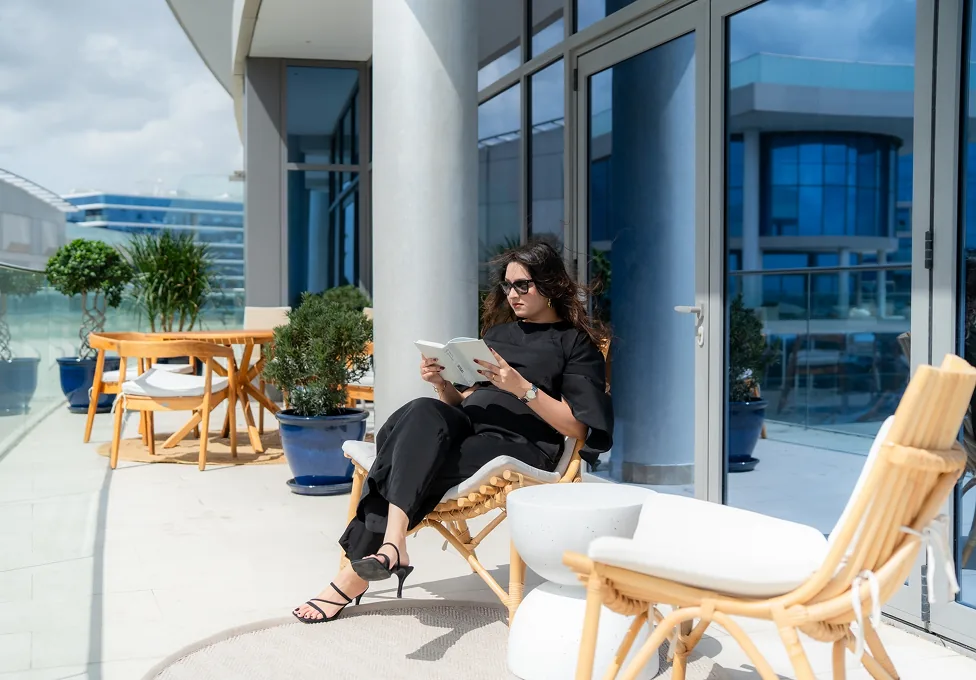
Complete design-build solution from renovation to commissioning.
100+
Spaces Designed

ISO Certified
10+
Years of Experience
98%
Happy Clients
Package calculator
Explore custom package feature and get customised personal budget and design plan with all including and excluding
Dubai Silicon Oasis
December, 2025

Jumeirah Bay Island, Dubai
April, 2026

Emirates Living, Dubai
June, 2026

Victory Heights, Sports City
April, 2026

Downtown Dubai
November, 2025
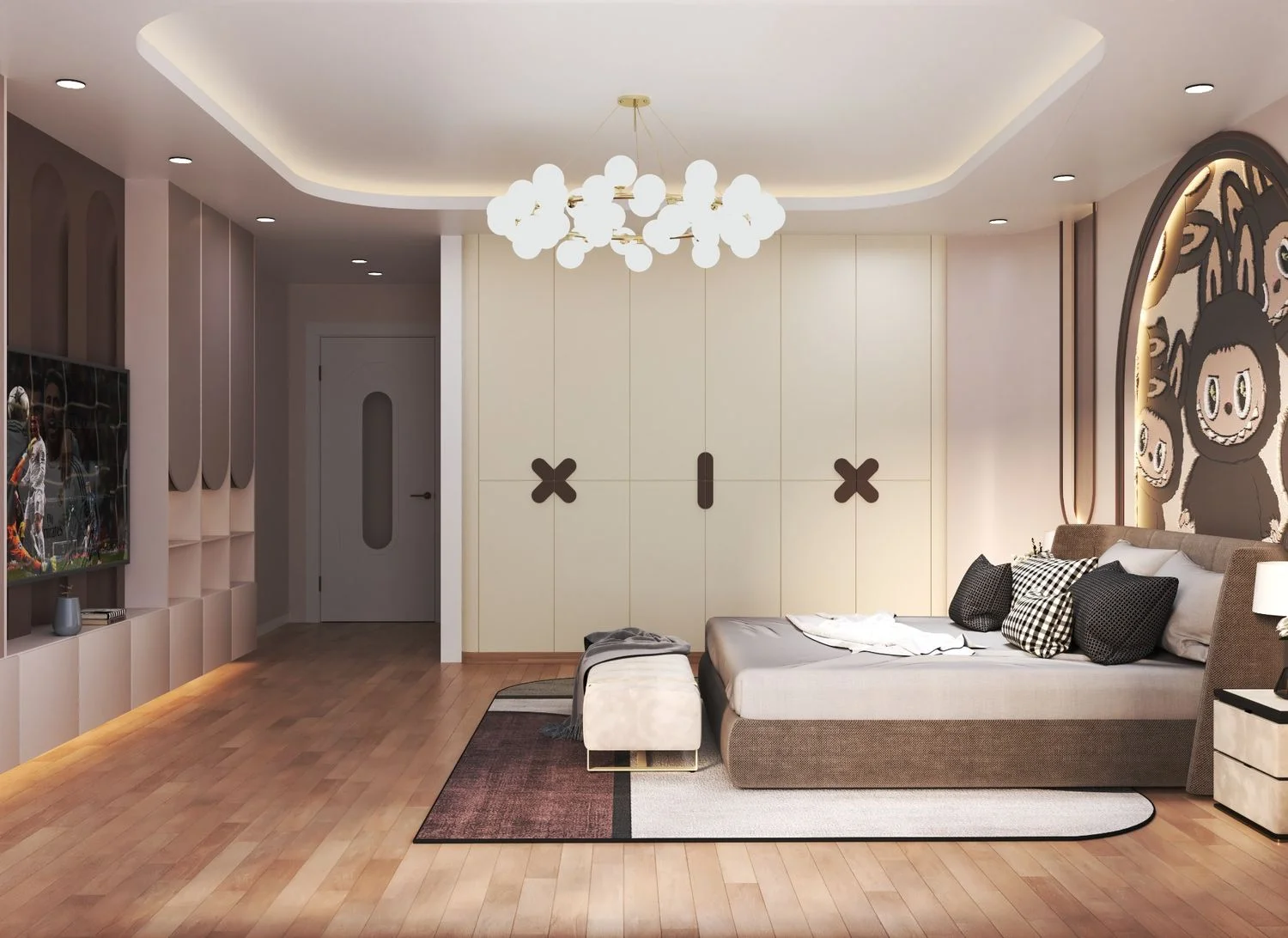
Eden Valley, Dubai
November, 2024
No projects in this category yet.
Our interior design process

Initial consultation to understand your vision.

Concept development for cohesive design.
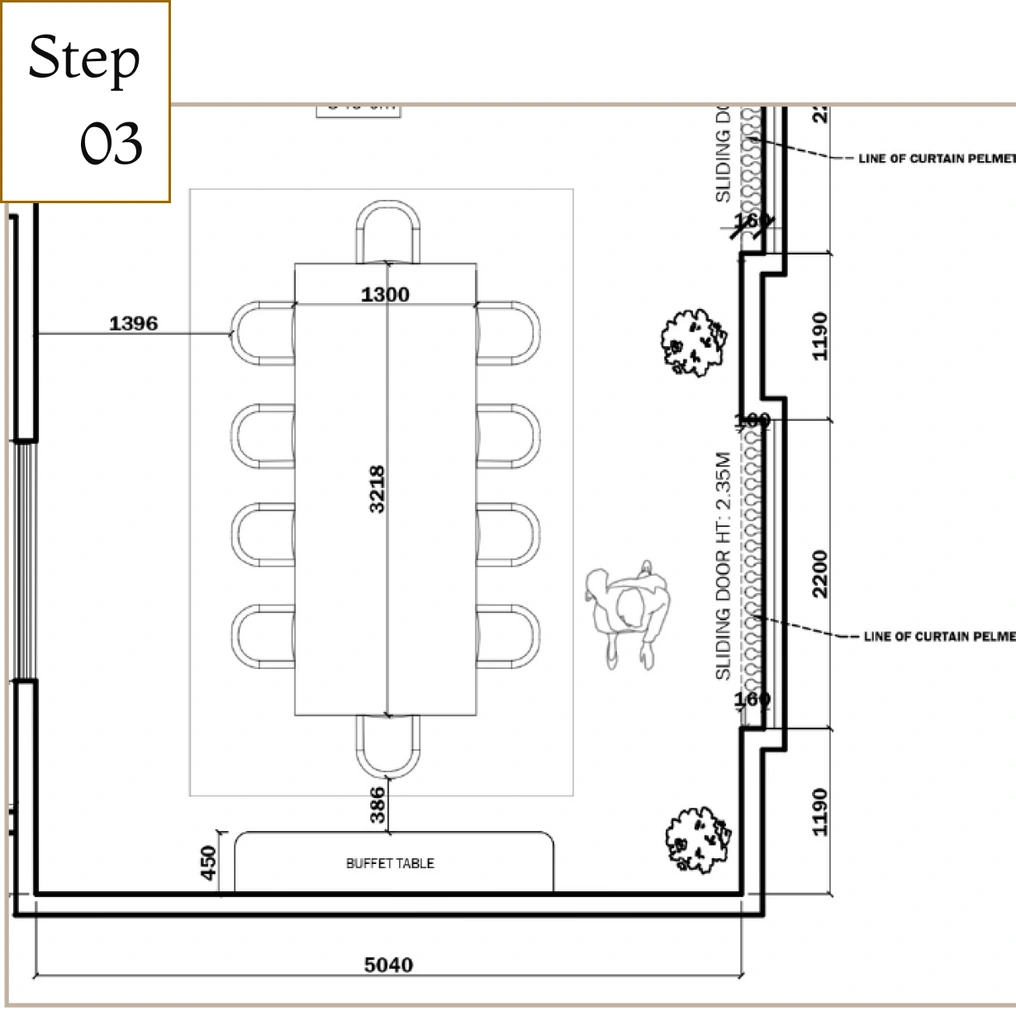
Space planning creating functional flow.
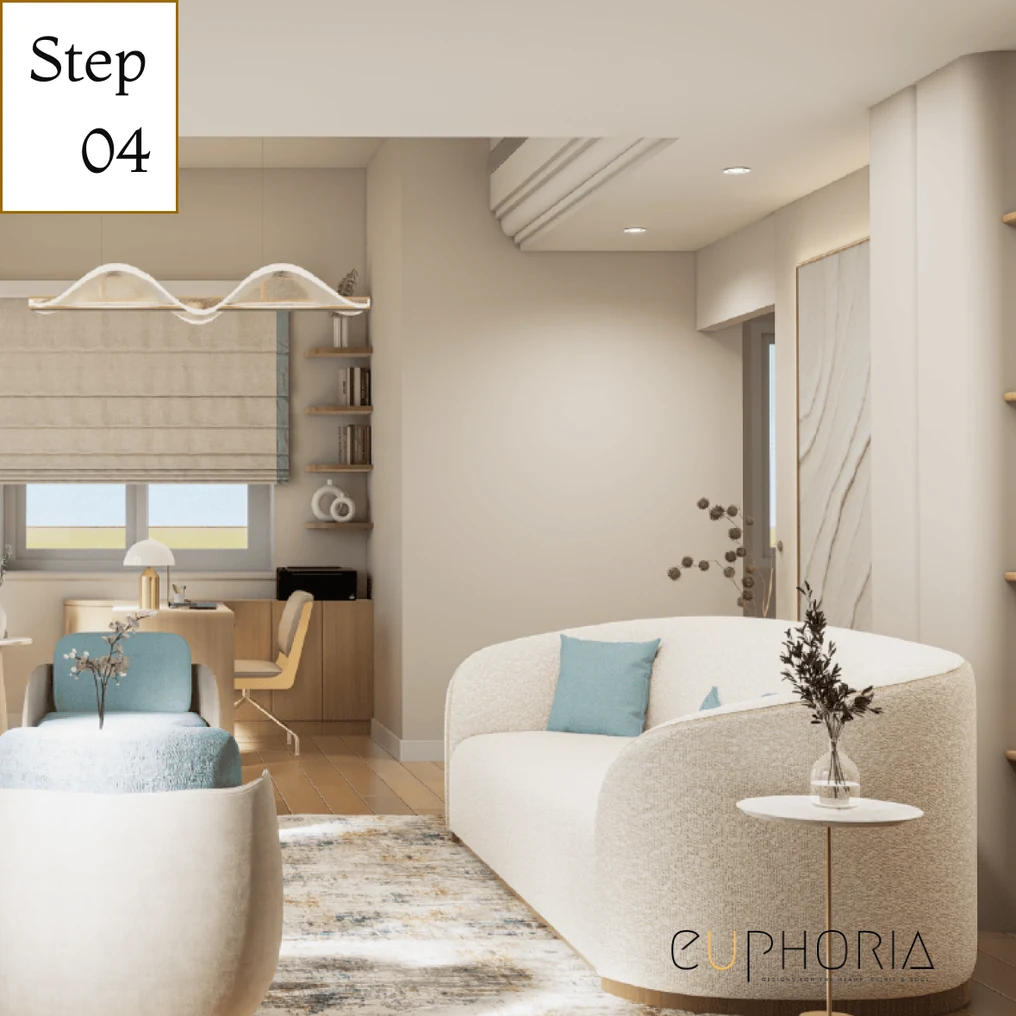
3d Visualisation of your space before execution
Creating BOQ & budget planning

Project management
Get your space designed,
without the stress.

Because true luxury isn’t just what you see —, it’s what you feel every day.
Most Silicon Oasis apartments handed over by developers in the past five years include what the brochure called a ‘study nook’ an alcove or small room marketed as a home office.
For 80% of DSO buyers tech workers, remote employees, founders, contractors that study nook is not actually a workspace.
Any honest interior design firm in Silicon Oasis will tell you why before you sign the renovation quote.
minimum 180cm desk wall, full-height door with acoustic seal, dedicated 6A circuit with USB-C and ethernet drops.
Indirect ambient ceiling wash plus a controllable camera key light. A backdrop wall treatment that reads intentional on video.
Cost range for that redesign in a typical 2-bedroom DSO apartment: AED 35,000 to AED 75,000 depending on whether structural work is needed for the door.
Time to deliver: typically 4 to 6 weeks.
The math is honest. If you work from home 200+ days a year, you’re spending 1,600+ hours in this room annually. Spending AED 50,000 to make those hours bearable is one of the higher-ROI fit-out decisions a Silicon Oasis interior design service can advise on.
Before commissioning any DSO renovation, photograph your current ‘study nook’ from your seated work position. Note dimensions, sightlines, sound sources, and lighting direction.
Bring those photos to the first design meeting. A designer who doesn’t have an opinion on each of the five issues above is selling you a paint job, not a workspace.
The typical DSO resident lives in three time zones at once. India calls in the morning. European meetings at lunch. US calls late evening, sometimes past 11pm.
A home built for a 9-to-5 schedule fails this household completely. It’s the design brief any specialist interior design service in Silicon Oasis hears five times a week.
Designing for a 24-hour home means solving four overlapping problems simultaneously.
This requires acoustic separation between the work zone and the bedroom corridor. Mass-loaded vinyl in shared walls. Solid-core internal doors with perimeter seals.
Often a sound-trap detail at the door threshold. The cost premium over standard construction is 8-12% but the family rest premium is uncountable.
This means physically separating the home office from the master bedroom — different wing, different floor, or at minimum a corridor between them.
Open-plan apartments where the bedroom door faces the desk create marriage stress, not productivity.
That means designing the wall behind your camera as a deliberate composition — considered art, sculptural lighting, or a clean material register.
Not the kitchen, not laundry, not the bedroom door. Real interior design consultants in Silicon Oasis treat this as a specific brief, not an afterthought.
| Time Window | Required Lighting Mode |
|---|---|
| 7am India calls | Bright cool white, camera key light on |
| 2pm Europe meetings | Daylight blend, camera key light low |
| 7pm family time | Warm ambient, no camera light |
| 11pm US calls | Warm task-only, key light back on |
Each of these is a separate lighting scene, programmed once and triggered on a single switch or voice command.
Without scene programming, a 24-hour resident manually adjusts dimmers eight times a day. That friction wears down even disciplined households inside six months.
Before any DSO renovation, write down a typical Wednesday in your household by hour — when calls start, when family arrives home, when the household winds down.
Hand that schedule to the designer at the first meeting. The home should be designed from your schedule, not from a generic apartment template.
Most DSO community guides treat Silicon Oasis as one homogenous tech-resident neighbourhood. Anyone who has actually worked across the residential clusters knows that’s wrong.
Cedre Villas, Semmer Villas, and the apartment towers (Silicon Gates, Axis Residences, Binghatti Point, La Vista) carry distinctly different briefs.
Different ownership status, different buyer profiles, different building stock, different practical constraints. Here’s what a Silicon Oasis interior design company that actually walks every site sees.
3 to 5 bedroom standalone villas and townhouses. Buyer profile skews mid-career tech professionals with families, often 10-15 year holds.
The home office brief expands here — owners frequently want a separate study room for the partner who also works from home, plus a homework zone for the kids.
Cedre work tolerates more aesthetic ambition than the towers. Solid joinery, real stone, considered lighting design. The villa stock supports 15-year ownership math.
Similar villa typology, leasehold structure means typical hold cycles are shorter — 5 to 8 years.
Renovation strategy here weighs spec horizon more carefully. Selective upgrade in high-impact zones (kitchen, primary bathroom, home office). Mid-tier elsewhere.
The Semmer leasehold math is similar to the Sharjah analysis a Silicon Oasis interior design service should already be doing with you.
Mid-rise towers, 1 to 3 bedroom apartments, dominant tower stock in DSO.
Tech-resident-heavy buyer profile. Median 1-bedroom price around AED 750K, 2-bedroom around AED 1.1M. Renovation work here centres on the developer-default study nook problem — almost every unit needs the home office redesigned.
Lift logistics matter for furniture access. We confirm goods-lift dimensions before specifying any large piece.
Newer tower stock, often with better baseline finishes than the older Silicon Gates blocks.
Renovation scope here often skews lighter — refresh the developer hand-over rather than gut. Buyer profile skews younger, more dual-income tech-couple households.
The mid-tier apartment cluster within the Cedre freehold zone. Studio to 2-bedroom, popular with single tech workers and young couples.
Holding periods shorter than Cedre Villas. Renovation strategy here matches the lease-cycle math — selective, not gut.
The right Silicon Oasis interior designer should know these distinctions before the first site visit. If you’re briefing in Cedre Villas, the design instinct is family-stable and 15-year.
In Silicon Gates, it’s home-office-first apartment retrofit. In Binghatti, it’s developer-refresh with smart-home integration. In Semmer, it’s leasehold-aware.
Designers who arrive with a one-size-fits-DSO brief have not actually worked across these sub-communities. The differences are real, and they reshape every specification choice.
When briefing any DSO project, lead with your sub-community name and ask the designer how their last three projects in that exact cluster were specified differently from their last three projects in adjacent clusters.
The answer reveals depth of local knowledge faster than any portfolio.
DSO markets itself on smart infrastructure — 5.5G coverage, digital twin building management, AI-integrated municipal systems.
Tech-resident buyers expect that infrastructure to extend inside their home. Most developer hand-over apartments don’t deliver it.
An interior design studio in Silicon Oasis worth shortlisting will tell you the difference between bolted-on smart home and integrated smart home.
The difference is everything, and it’s almost entirely decided at rough-in stage.
Smart switches and bulbs added after the fit-out is complete. WiFi-only protocol. No structured cabling.
Router visible on a shelf. Voice assistant on the kitchen counter. Looks like a tech-enthusiast experiment, not architecture.
Decided at rough-in. Five things go in before the wall closes.
The cost premium for integrated smart home over bolted-on is roughly 12-18% of fit-out budget. The functional gap between the two is enormous.
Bolted-on systems work for 18 months and start failing as devices update protocols. Integrated wired systems run for a decade.
If you’re a tech professional buying in DSO specifically because you value infrastructure, the same logic should govern your home. Any interior design service in Silicon Oasis selling you smart home as a finishing-stage add-on is selling you the wrong product.
Ask any DSO designer you shortlist to walk you through their smart-home rough-in protocol on their last project.
If they describe smart switches but not Cat 6A drops, deeper back-boxes, or recessed router cabinets — they’re doing bolted-on. Move to a designer who actually understands structured cabling.
Roughly 40% of the DSO work we do is residential. The other 60% is commercial — tech offices, R&D labs, startup HQs, co-working clusters, healthcare clinics, and education-adjacent space near RIT and the German School.
Commercial Silicon Oasis interior design service work carries a regulatory and infrastructure burden most Dubai commercial fit-outs don’t.
Five things differentiate DSO commercial work from a Business Bay or DIFC fit-out.
The Dubai Integrated Economic Zones Authority (DIEZ) handles DSO approvals separately from Dubai Municipality. Submission documentation, approval timelines, and inspection scheduling all differ.
Designers who haven’t submitted in the zone before underestimate the cycle. A Silicon Oasis interior design firm that’s done five fit-outs already knows the approval rhythm.
Tech tenants run real server loads. The cooling, electrical, and acoustic isolation specifications for a 50-person tech office in DSO are closer to a small data centre than a Marina office.
If your designer specs standard A/C without thermal load analysis, expect failures within the first hot summer.
Robotics labs, autonomous vehicle test bays, drone operations spaces — DSO permits these and tenants build them.
Each carries different MEP, ventilation, and material specifications. A general-purpose office designer cannot deliver this brief.
Most tech firms in DSO now run hybrid — meaning office space is designed for deliberate collaboration, not seat-density.
That means more meeting rooms with actual acoustic isolation, more flexible collaborative zones, fewer rows of identical desks. The 2018 office plan template is actively wrong for 2026.
The cluster around RIT, Heriot-Watt, and the German School has dense educational and family-services demand.
Clinics serving DSO families need DHA approval coordinated with DSO Authority approval. Nurseries need KHDA-pattern compliance. The interior design consultants in Silicon Oasis worth hiring know which agency leads which approval.
A 220 sqm tech office fit-out in Silicon Park ran AED 380,000 over 9 weeks. A 380 sqm R&D lab fit-out in the same period ran AED 720,000 over 14 weeks.
The variance is almost entirely driven by MEP complexity, not aesthetic spec.
Before commissioning any DSO commercial fit-out, ask your shortlisted designer how many DSO Authority submissions they’ve personally led, and what the typical approval cycle looks like.
A vague answer means they’ve never submitted. See our portfolio for completed Silicon Oasis work.
Areas we serve across Dubai