Design Service
2-4 wksComplete design package from drawings to site coordination


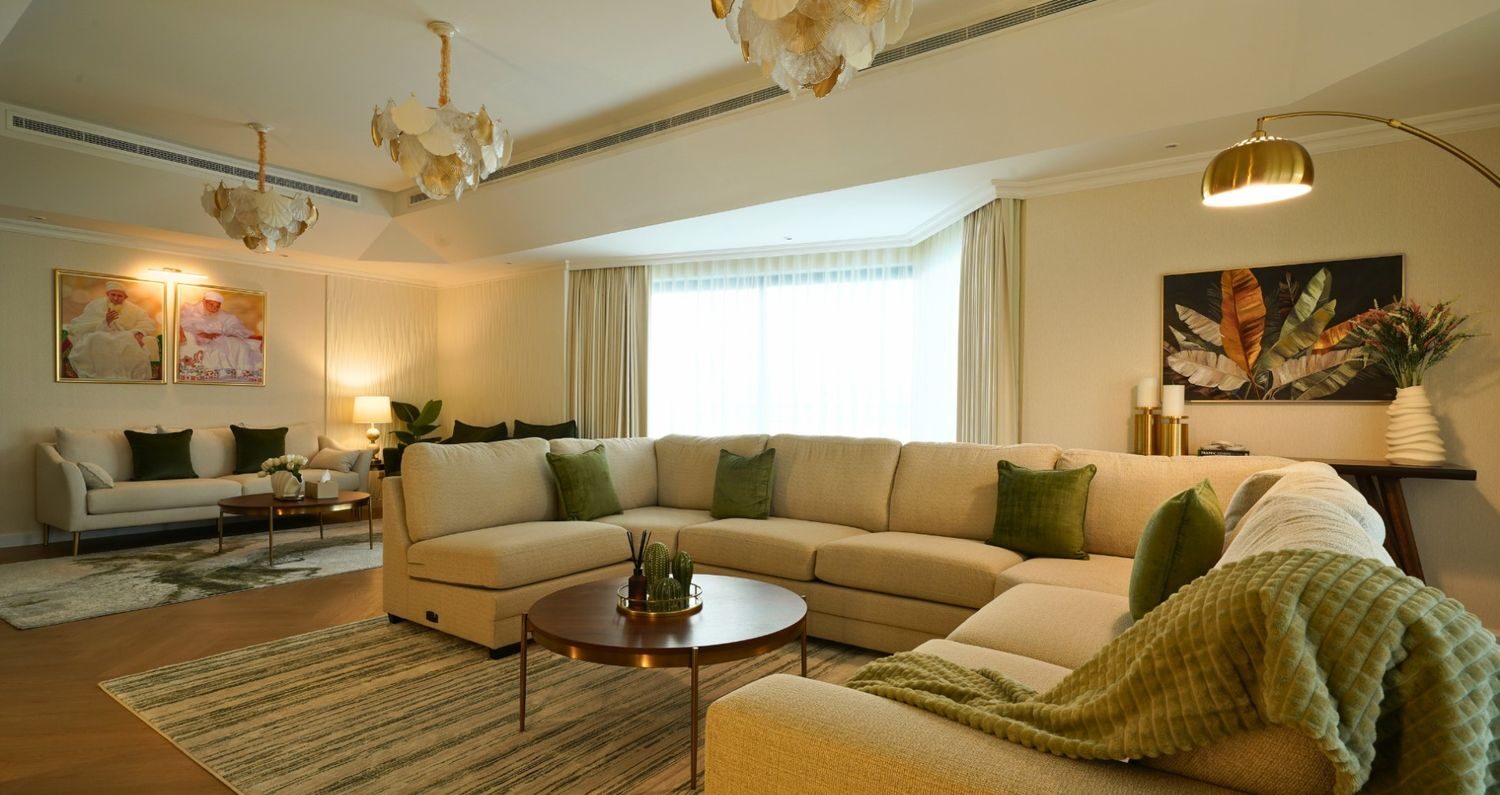
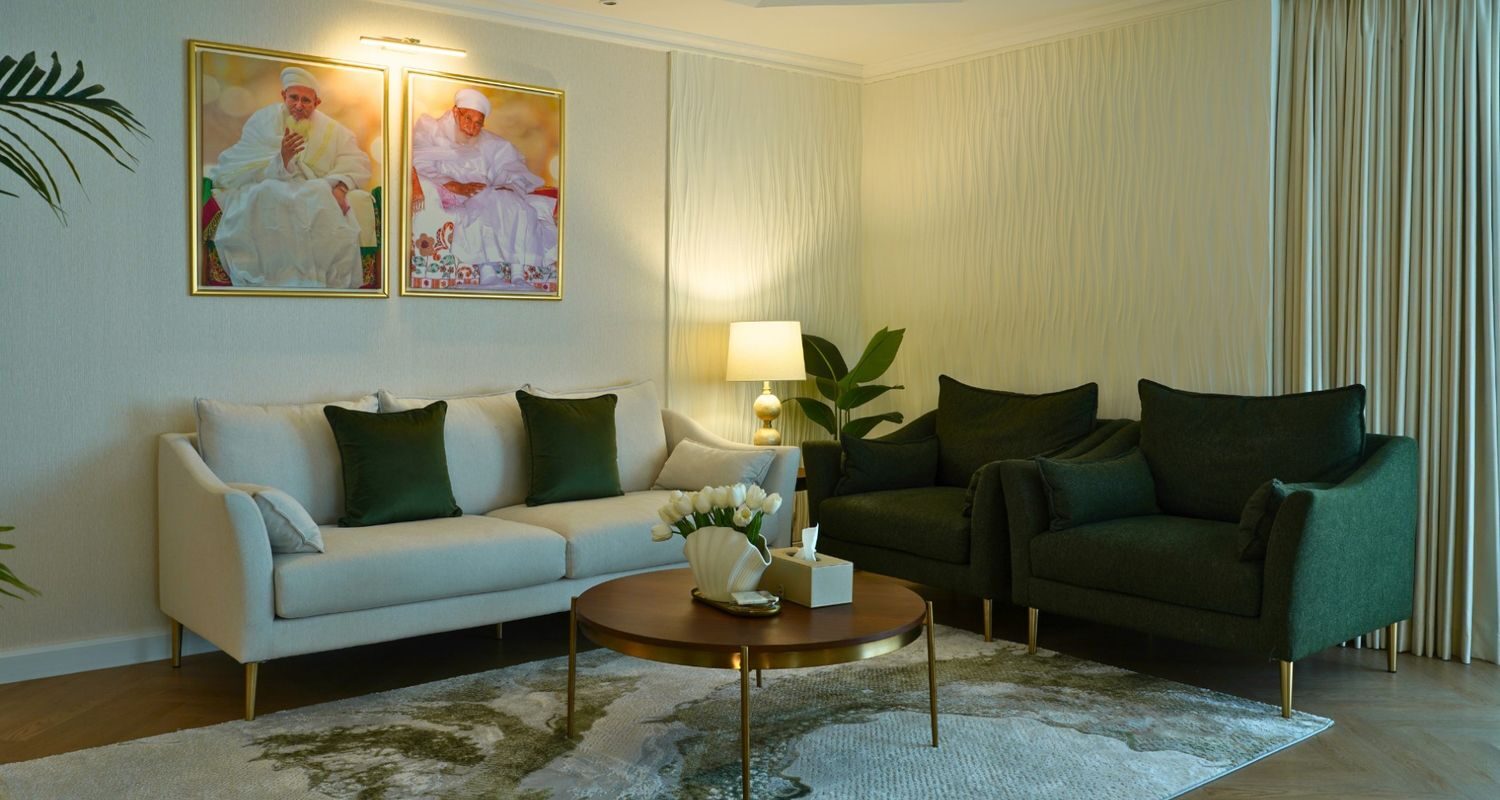

Emaar’s flagship waterfront district gives you water on one side and the Downtown skyline on the other. From Harbour Gate and Creek Gate apartments to Address Harbour Point corner units, we plan the layout around the view corridors you actually paid for — and manage the Emaar NOC while we do it.
Get your custom budget & design plan











Who we are
“Creek Harbour is one of the few Dubai addresses where the developer planned the view corridors before the buildings were drawn. When the district is that considered, the interior has to match it. We start every Creek Harbour project with one question: which room earns which view? Every layout decision follows from that answer.”
Amanda Dsouza
Founder & Principal Designer of Euphoria Interiors

Designed around you
As an interior design company in Creek Harbour, we begin with view orientation mapping — before floor plans, before furniture, before materials. Creek Harbour is Emaar’s flagship waterfront district, master-planned around the Creek waterway with direct views toward the Downtown skyline, and units here carry one of Dubai’s most impressive dual-view briefs: water on one side, city on the other. Buyers at Address Harbour Point, Harbour Gate, and Creek Gate have paid specifically for those views; a studio that ignores the view corridors when planning a layout has missed the entire point of the address. The view is the anchor. Everything else is built around it.
Your taste leads, our craft follows.
Measured and considered, never imposed.
Quality is something we see, not report.

For residential & commercial spaces
Complete design package from drawings to site coordination
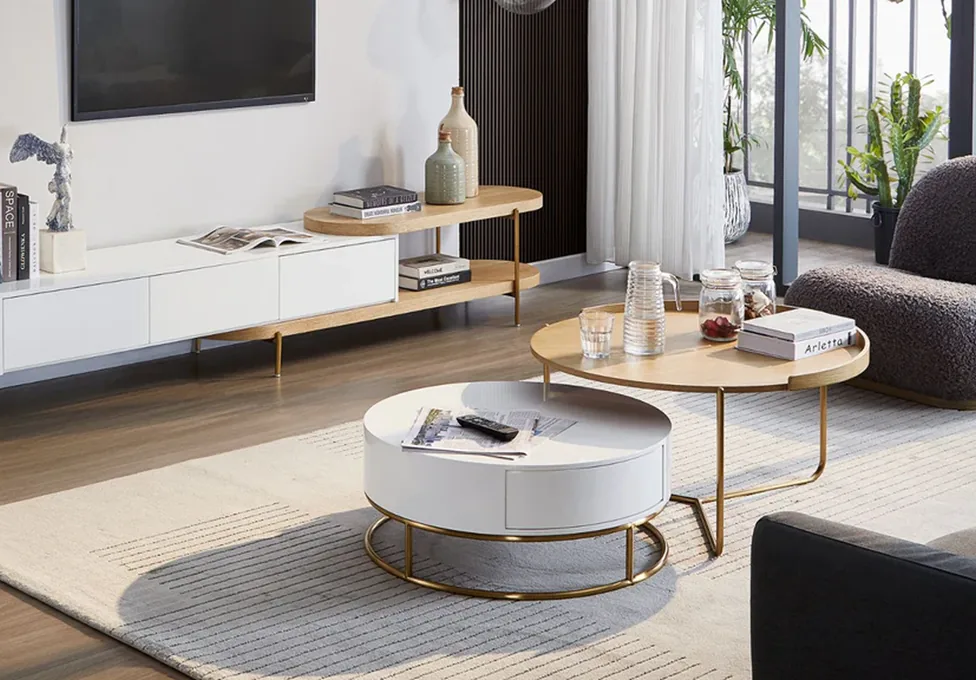
Complete furnishing including décor and styling.

Complete design-build solution from renovation to commissioning.
100+
Spaces Designed

ISO Certified
10+
Years of Experience
98%
Happy Clients
Package calculator
Explore custom package feature and get customised personal budget and design plan with all including and excluding
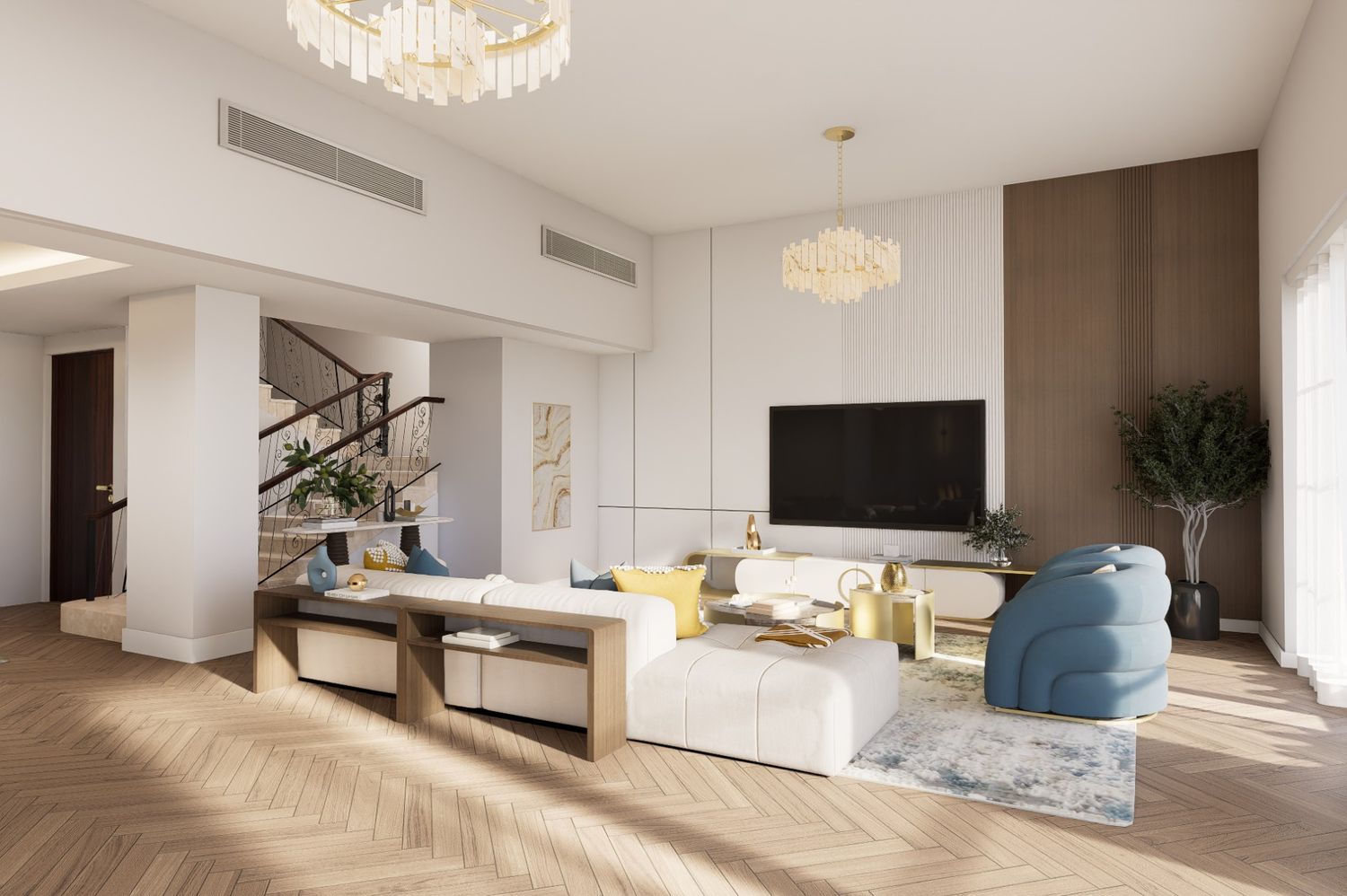
Al barsha, Dubai
December, 2025
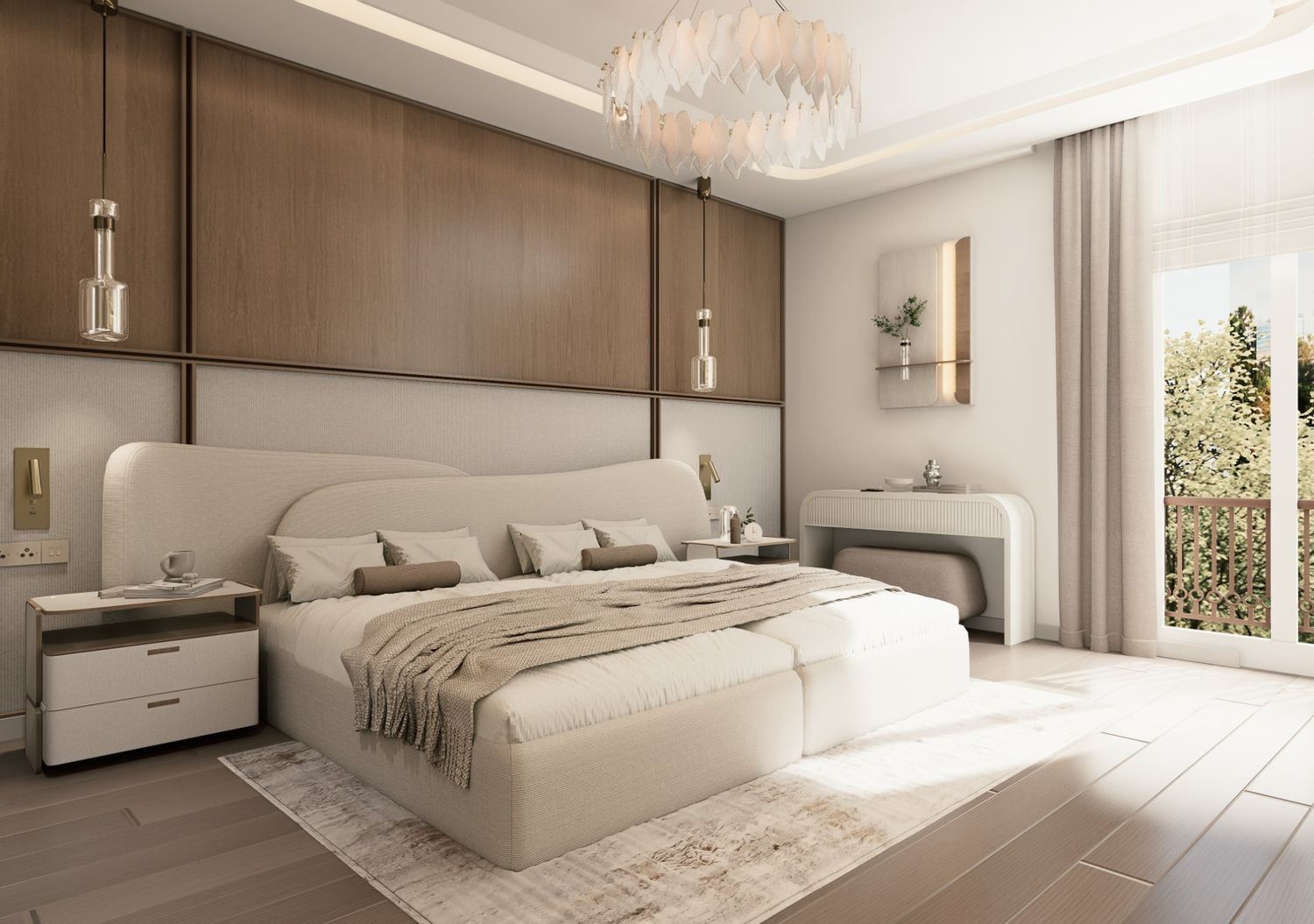
Jumeirah Bay Island, Dubai
April, 2026
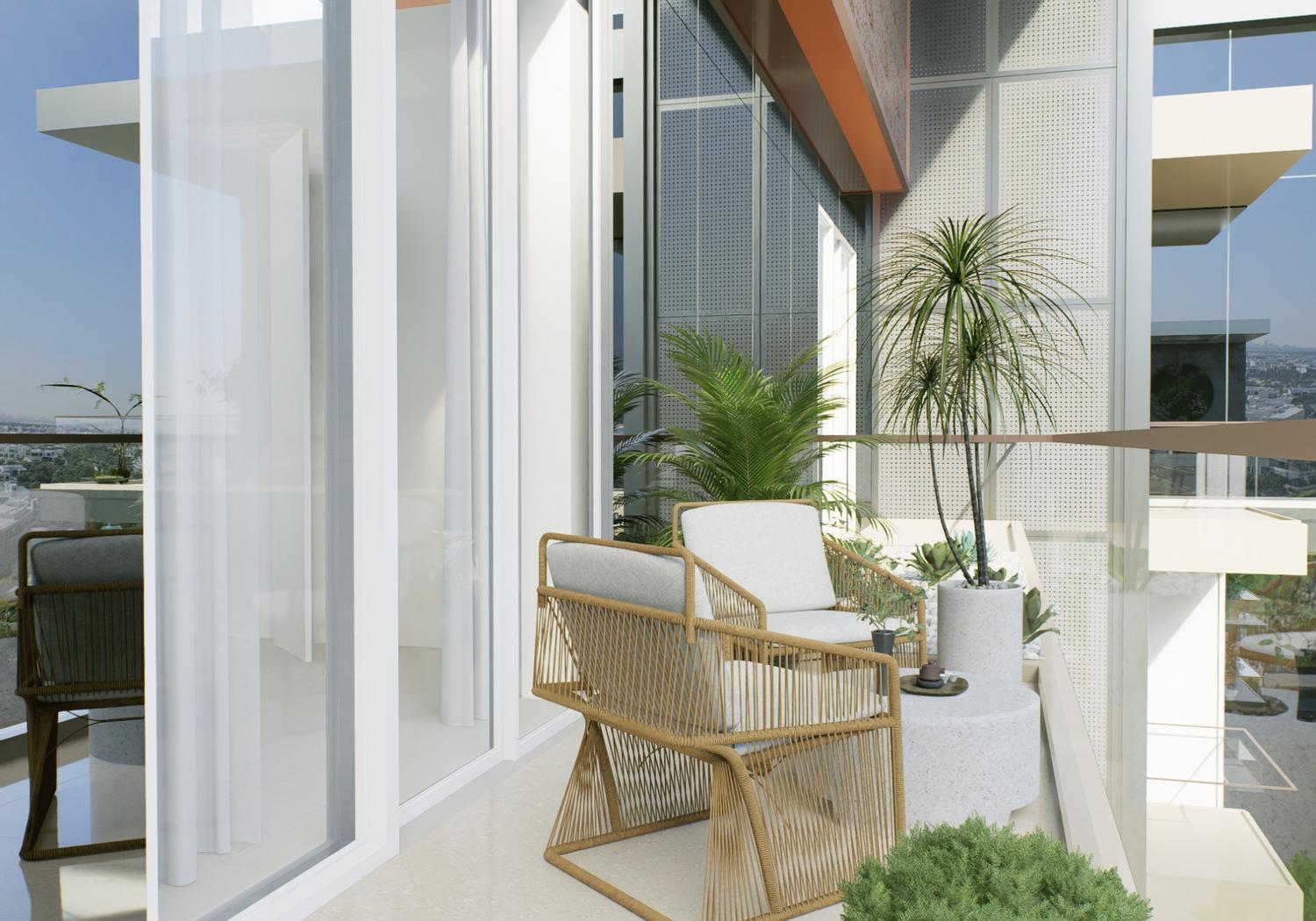
Emirates Living, Dubai
June, 2026
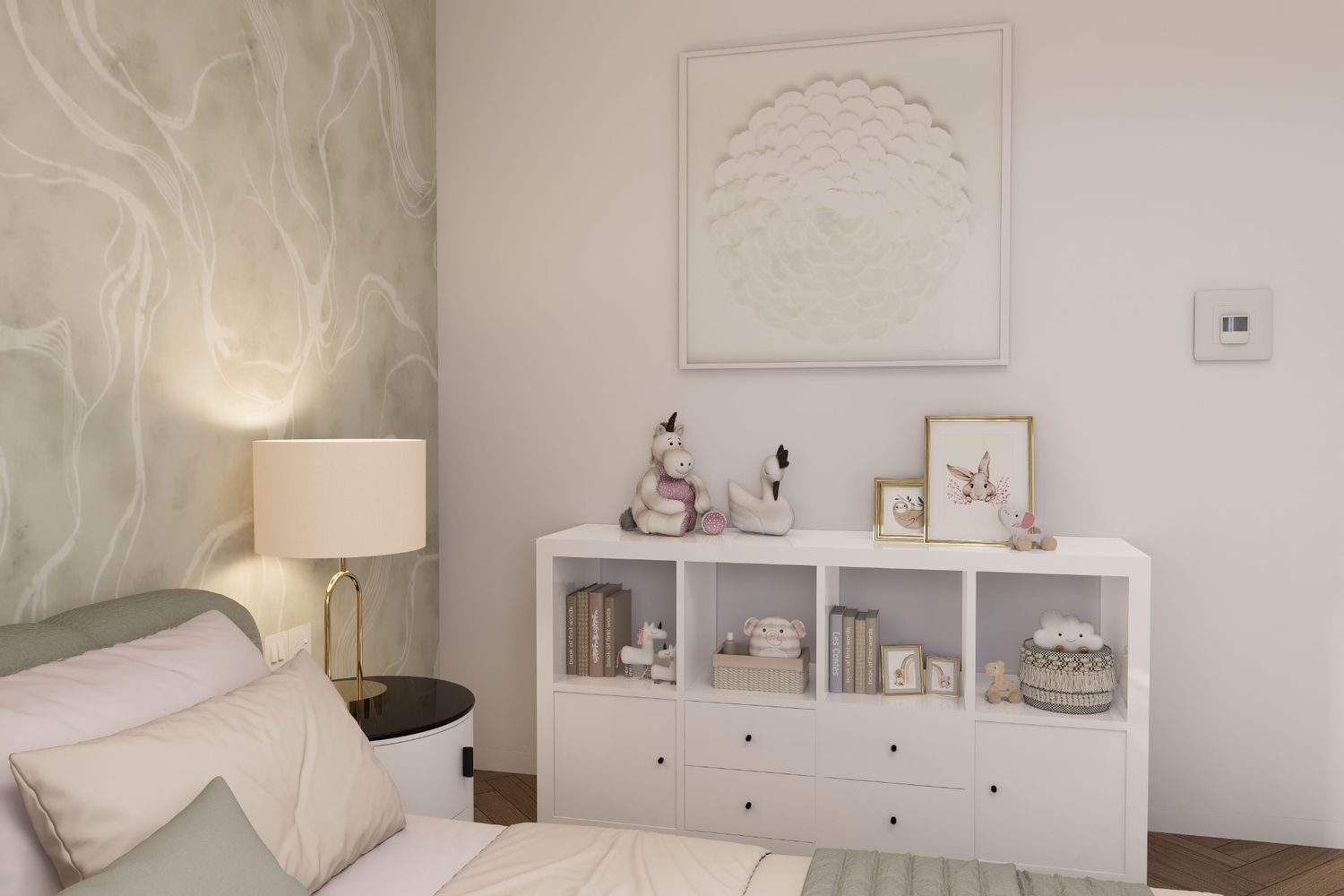
Victory Heights, Sports City
April, 2026

Downtown Dubai
November, 2025
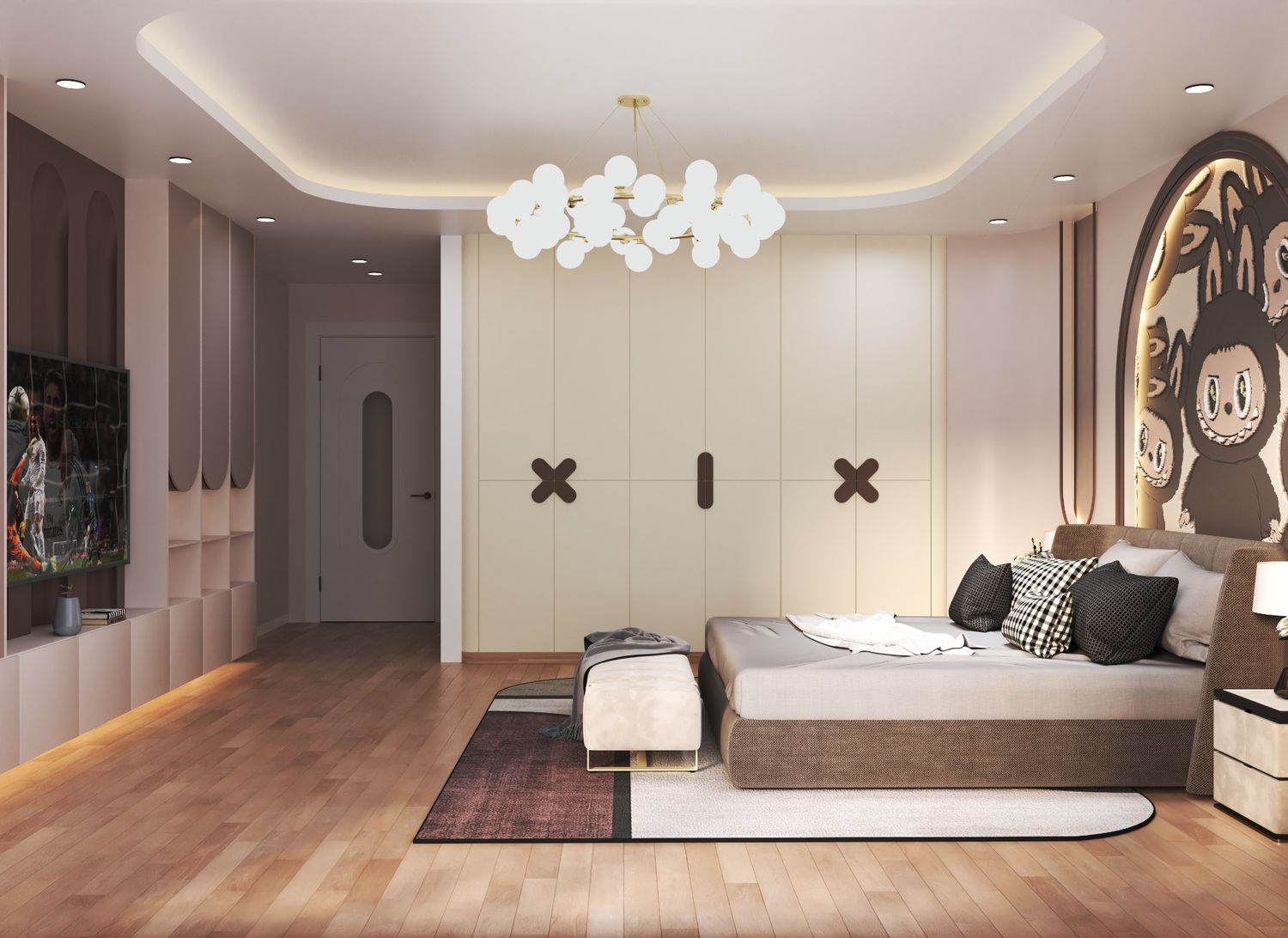
Eden Valley, Dubai
November, 2024
No projects in this category yet.
Our interior design process

Initial consultation to understand your vision.

Concept development for cohesive design.
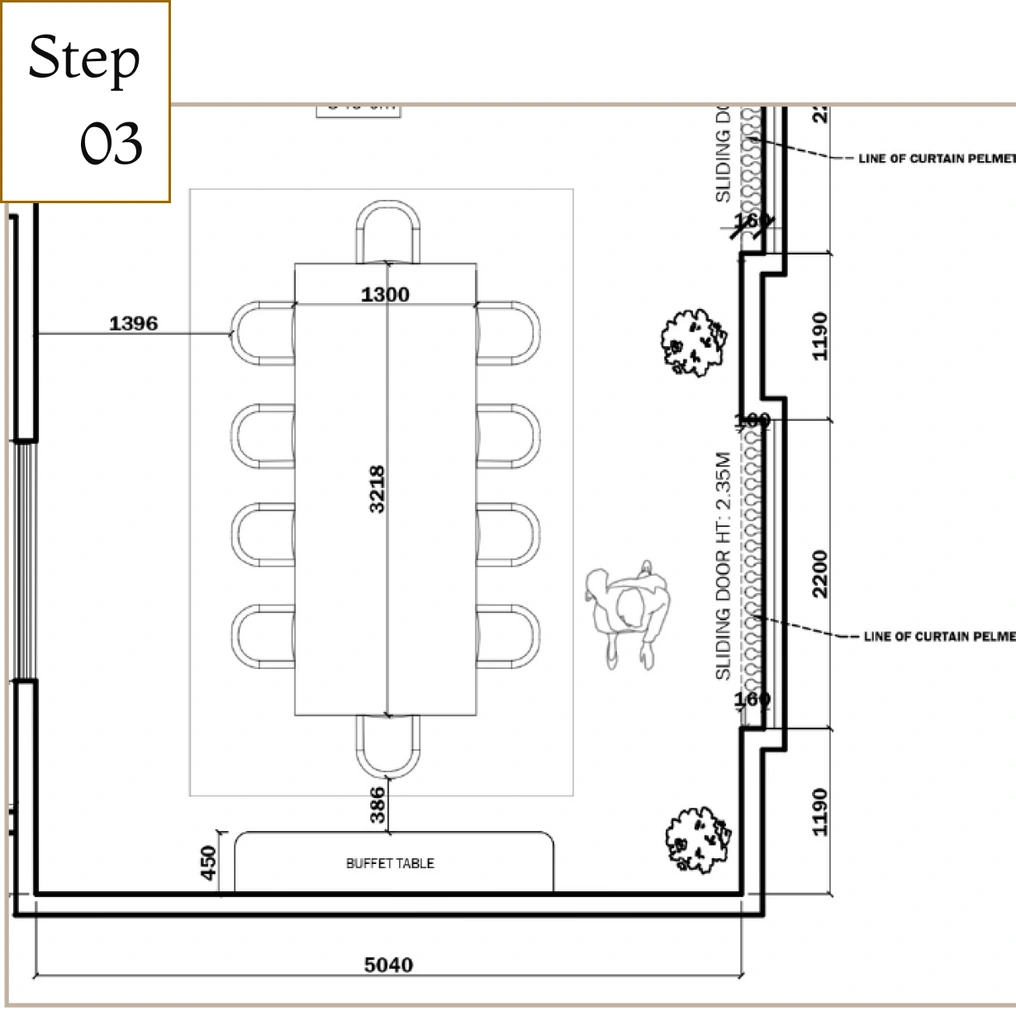
Space planning creating functional flow.
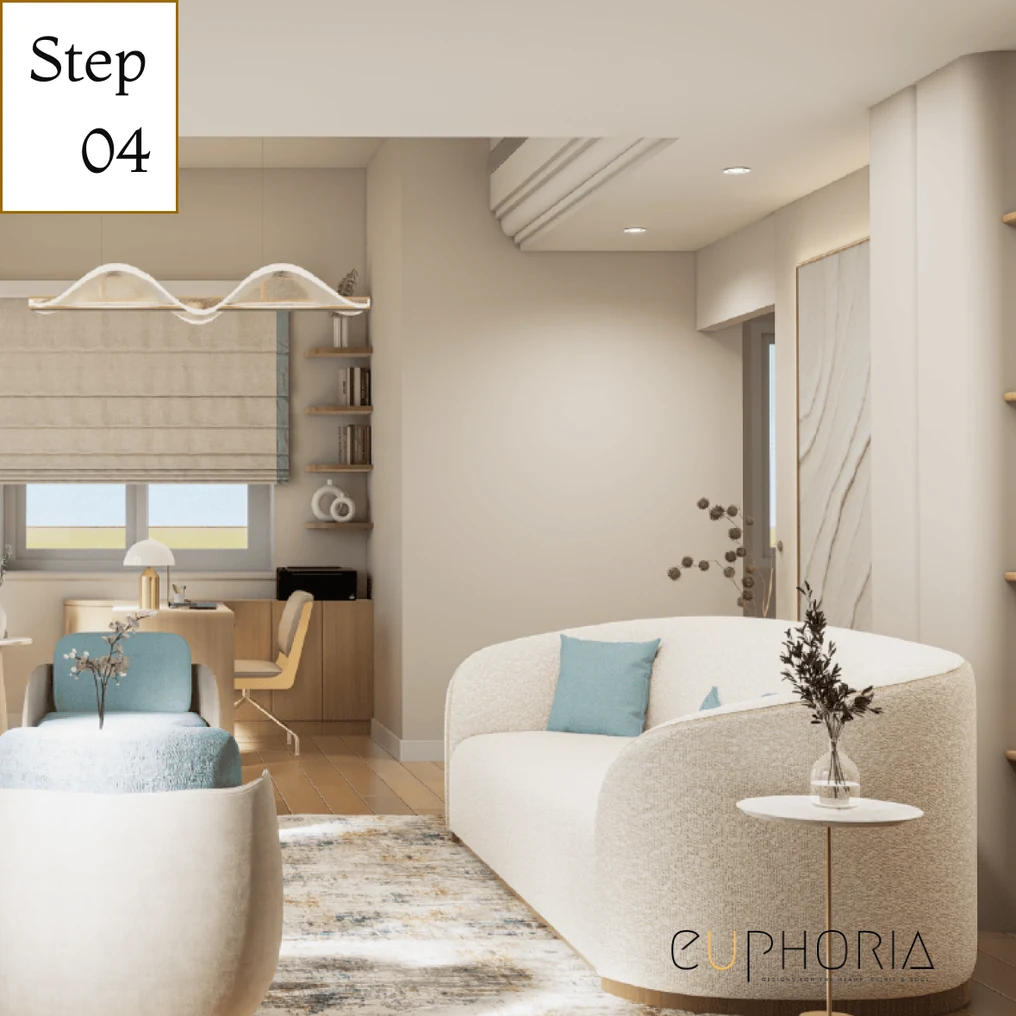
3d Visualisation of your space before execution

Creating BOQ & budget planning

Project management

Get your space designed,
without the stress.

Because true luxury isn’t just what you see —, it’s what you feel every day.
Creek Harbour towers offer two distinct view orientations: the waterfront Creek corridor to one side and the Downtown Dubai skyline to the other. Most buyers choose their unit for the view. Most designers then ignore that choice once they start planning the layout.
As an interior design company in Creek Harbour, the first thing we do on any project is map which rooms face which view and at what floor level. A living room that misses the Creek entirely is not a living room — it is a corridor with furniture.
East-facing units in towers like Creek Gate and Harbour Gate capture morning light off the water. West-facing units get the Downtown backdrop at sunset. Corner units at Address Harbour Point can capture both — and they need the most careful planning to honour both exposures without diluting either.
Floor level matters as much as compass direction. The same east-facing plan reads completely differently at floor 8, where the water fills the glass, and at floor 30, where the view opens into a panorama that includes the skyline beyond. We assign rooms by what each one genuinely receives at your floor, not by what the marketing render promised the stack.
The most common mistake is a kitchen positioned where the living room should be. The developer’s original layout is a default, not a directive. We have reversed kitchen-living orientations in Harbour Gate and Creek Gate units where Creek exposure was being wasted on a utility space — the kind of change that transforms how a unit lives without adding a square foot. Interior design consultants who know Creek Harbour’s towers can tell you where to challenge the brief and where to accept it.
Before any interior discussion, map which cardinal direction each room faces. That map is the first design document on every Creek Harbour project we run.
The majority of Creek Harbour’s residential inventory was sold off-plan. If you are one of those buyers, you may have been waiting 18 to 36 months. The handover email arrives — and suddenly the timeline pressure is real.
Engaging an interior design studio in Creek Harbour after handover is the most expensive mistake you can make. Not because design fees increase — but because storing furniture, delaying occupancy, and managing contractors under pressure costs far more than early engagement would have.
Owners who wait typically face a three-to-four-month gap between receiving keys and actually living in the unit: weeks to brief a designer, weeks more for concept and specification, then procurement lead times that could have been running while the tower was still finishing. All of that time is rent paid elsewhere, or occupancy lost.
The right time to start is four to six months before your expected handover date. We use that window to finalise the concept, specify every material and FF&E item, and lock in contractors. When the keys arrive, execution begins immediately.
Working from the developer’s floor plan and unit specification is standard practice for us in Creek Harbour — the design is complete and the contractor packages are priced before you ever hold the keys. Pre-handover clients move in within weeks of possession rather than months.
Creek Harbour’s Emaar-managed towers require NOC submissions for structural or major fitout work. Submitting early gives you revision time that late starters simply do not have.
If your handover is within 12 months, the conversation should start now. A free site visit costs nothing and saves a significantly more difficult timeline later.
Creek Harbour sits on the edge of a tidal waterway. Most buyers think about the view. Interior design firms in Creek Harbour think about the humidity gradient — and the material performance difference between a unit on floor 5 and floor 30.
Solid timber joinery is the first casualty in waterfront environments. In lower-floor units, it can show visible movement during Dubai’s humid seasons (September to November). Engineered timber — correctly specified and sealed — performs significantly better. This is baseline specification for a waterfront address, not a premium option.
The floor-level gradient is real: the closer the unit sits to the water, the harder the humidity works on everything organic in it. A specification that would be perfectly serviceable on floor 30 can disappoint on floor 5, which is why we specify to the unit’s actual position rather than to a tower-wide standard.
Metal fixtures in bathrooms and kitchens follow the same logic. PVD-coated and marine-grade finishes resist tarnishing in ways standard chrome plating does not. The difference becomes visible by year three if you specified wrong.
Fabric upholstery in rooms with regular natural ventilation benefits from performance-grade weaves. Salt-tolerant fabrics are not just for outdoor furniture at a waterfront address — a living room whose balcony doors stand open through the pleasant months is taking in the same air as the balcony itself. None of this restricts the aesthetic: the waterfront palette can be as warm or as refined as any inland scheme. It simply has to be built from materials that can live beside water.
Ask your interior design agency to confirm the humidity specification protocol for any timber, metal, or upholstery specified in your Creek Harbour unit. If they have not raised this topic, raise it yourself.
Creek Harbour is an Emaar master-planned development. Any fitout work beyond basic decoration requires a No Objection Certificate from Emaar community management before works can begin. This catches many new owners off guard.
The NOC process has specific documentation requirements, processing timelines, and scope definitions that vary by tower. An incomplete submission adds weeks to your start date. Scope outside approved parameters can result in on-site works being stopped after they have already begun.
The common rejection triggers are consistent: incomplete drawings, ambiguous scope descriptions, and finishes outside the approved palette. Each returned package restarts the processing clock, which is how owners who self-submit lose a month or more before a single trade sets foot in the unit.
Items typically requiring NOC: partition changes, plumbing and electrical rerouting, flooring changes from developer standard, and certain ceiling modifications. Painting and basic furniture placement do not require NOC.
That line matters at briefing stage, because it shapes both the budget and the programme. A refresh that stays on the decoration side of the line can move almost immediately; the moment scope crosses into partitions or services, the approval belongs at the front of the plan — not discovered halfway through it.
As an interior design agency operating across Creek Harbour towers — including Harbour Gate, Creek Gate, and Address Harbour Point — we manage NOC submissions as part of our project intake. You do not need to understand the paperwork. You need to know it is handled.
Before engaging any contractor, confirm which elements of your scope require NOC. Or ask us — we have navigated this process across multiple Creek Harbour towers.
Creek Harbour attracts two distinct buyer profiles: end-users who plan to live there long-term and investors who intend to short-let. The interior design brief for each is fundamentally different — and confusing the two produces a result that serves neither.
An end-use brief prioritises the way you actually live. Storage that works for your household. Kitchen functionality over photogenic styling. Light management for the hours you are home. Material choices that hold up over ten years of daily use.
In a Creek Harbour end-use brief, the view work goes deepest: the layout is tuned to how your household actually occupies the unit through the day — where breakfast happens against the morning water light, where the evening sofa faces the lit skyline — because you are the one living with those decisions every day.
A short-let investment brief is almost the inverse. You are designing for a guest who does not know you, will spend 3-7 nights in the space, and will judge your property against competitors at the same price point. Lighting scenes, bathroom finish, and furniture placement are where the reviews get written.
The Creek view is the listing’s hero image, so the design has to photograph as well as it lives: furniture scaled and placed for the camera as well as the guest, durable finishes that survive frequent turnover, and a space a stranger can understand within minutes of walking in.
We operate as interior design consultants for both brief types in Creek Harbour. But we always begin by establishing which one applies — because a design made for long-term living performs poorly as a short-let, and vice versa.
Define your primary use before the first design conversation. It shapes every decision that follows and is the first question any good interior designer should ask you.
Areas we serve across Dubai