Design Service
2-4 wksComplete design package from drawings to site coordination

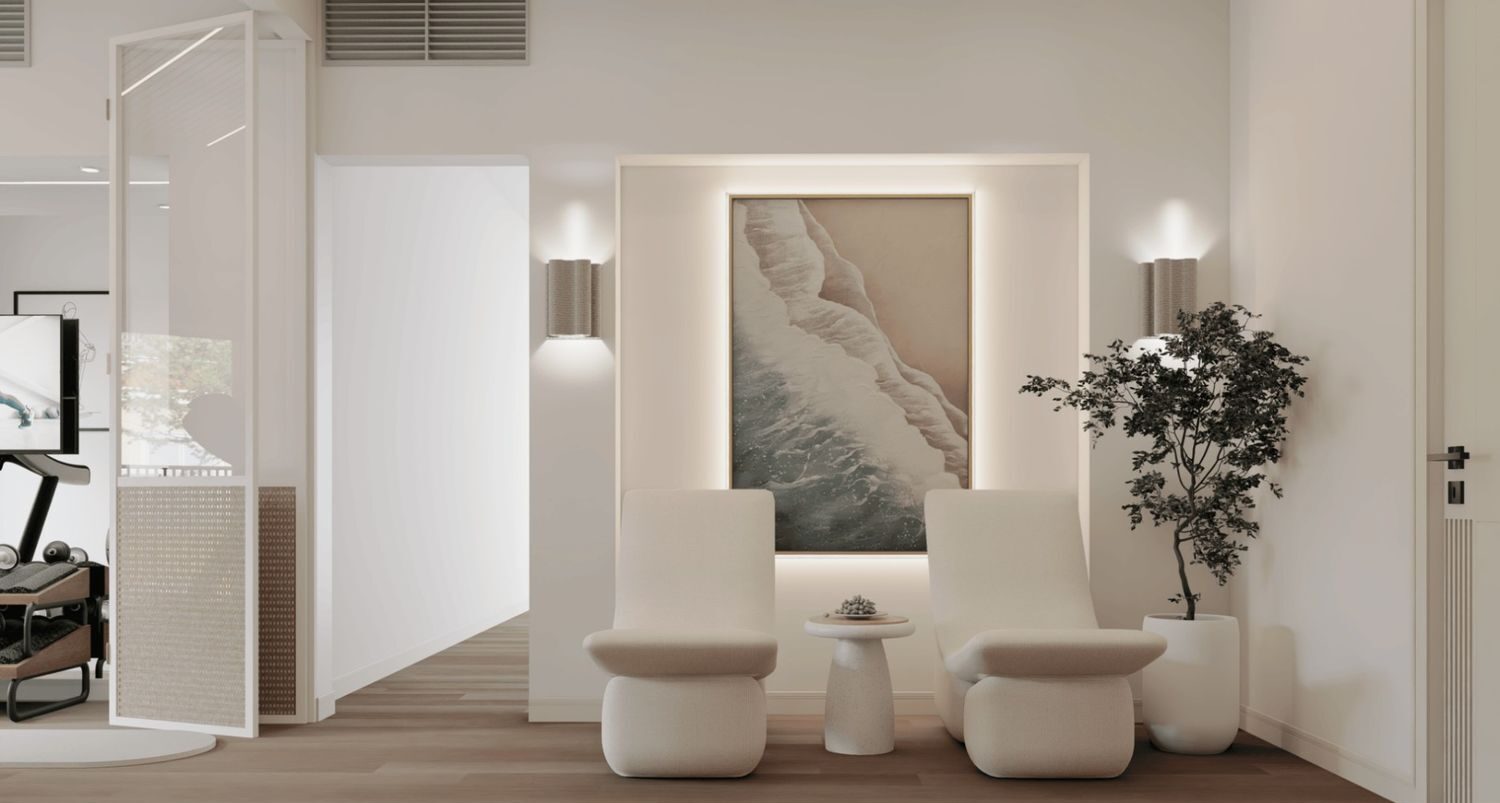
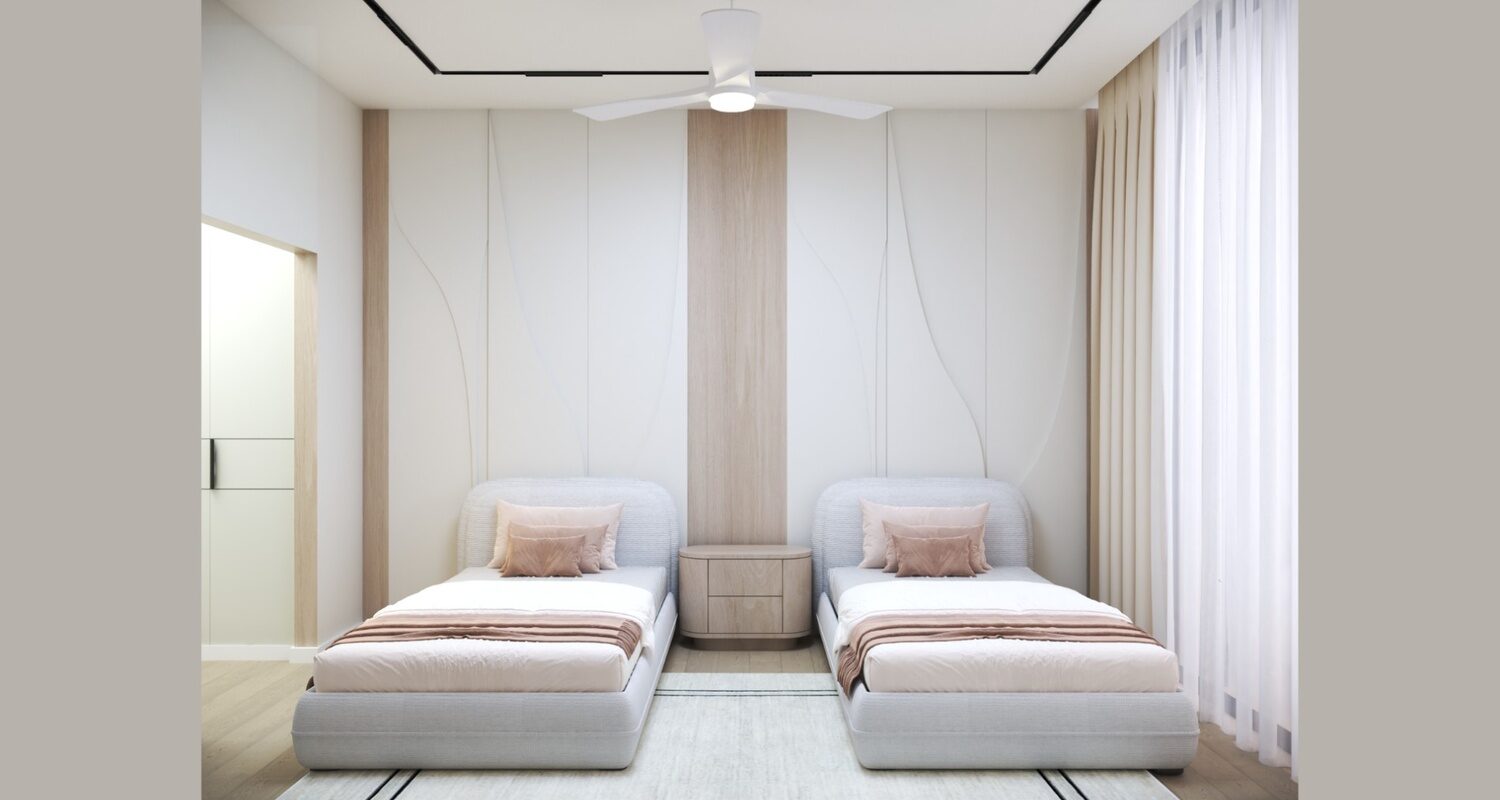
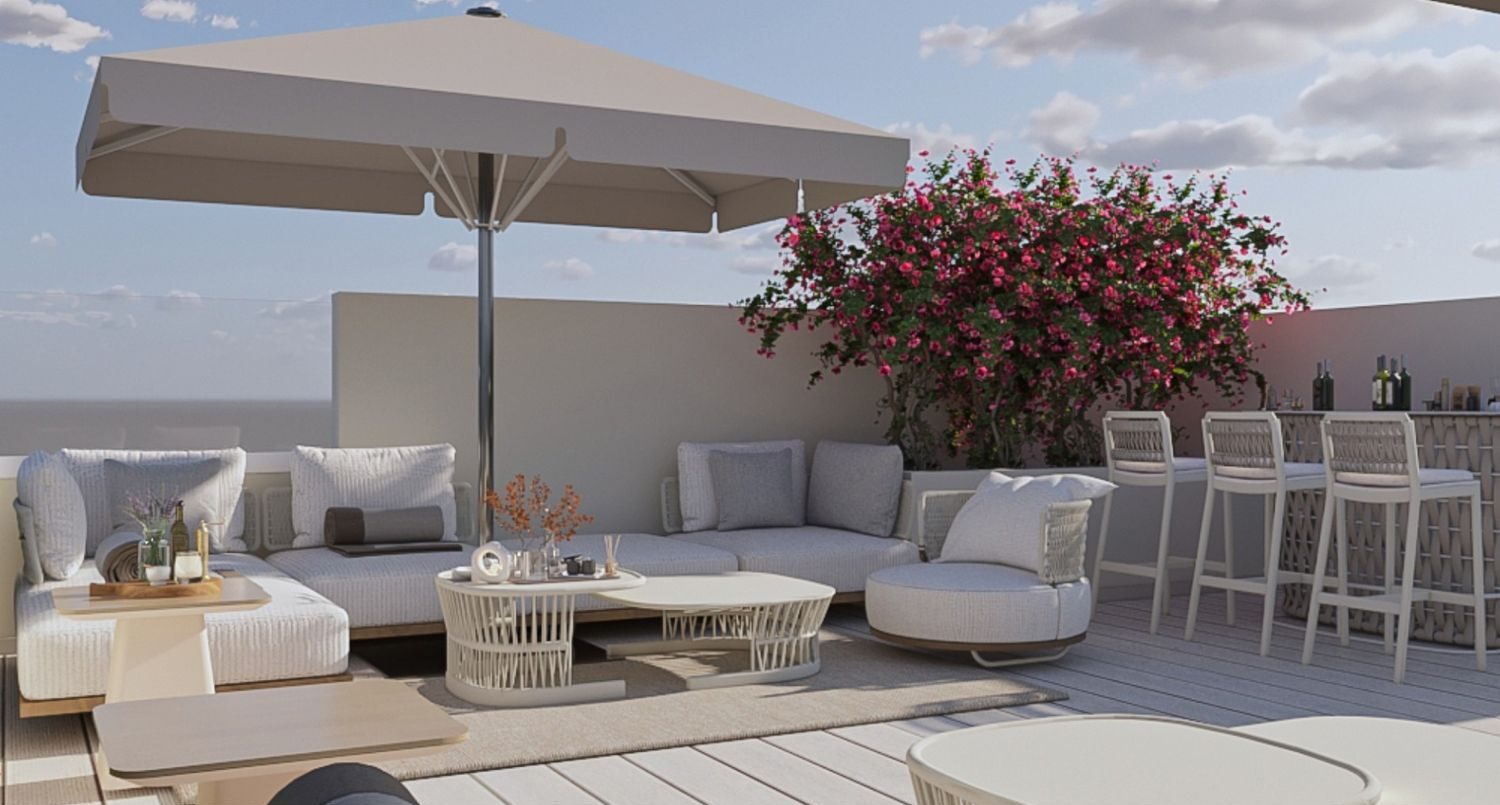

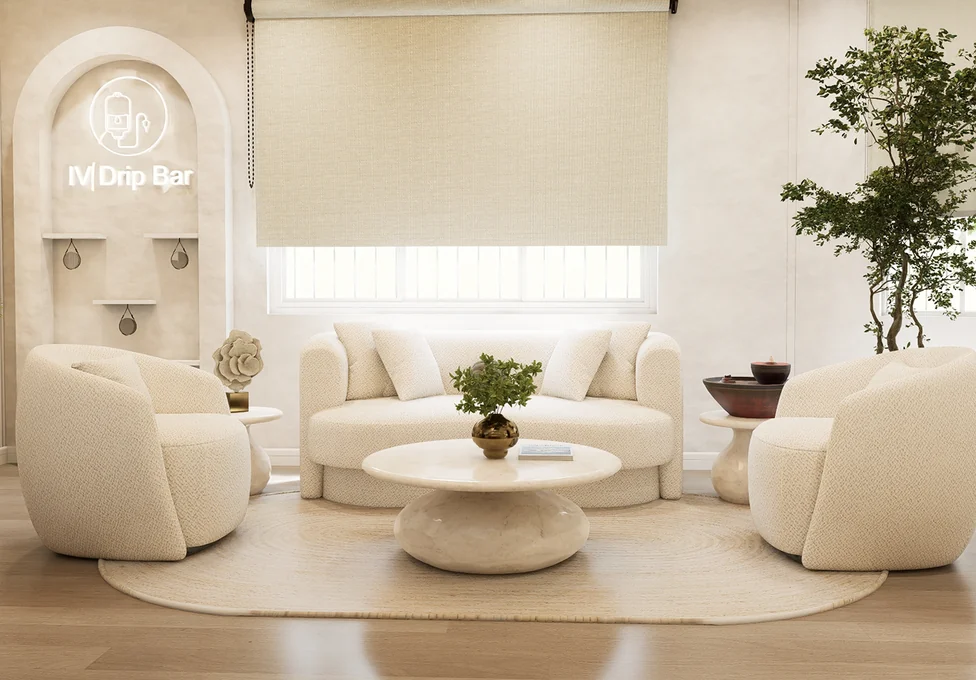
Canal-frontage villas, lagoon-view residences and garden-facing homes across The Oasis by Emaar — interiors specified for water adjacency, reflective light, and the calm register this address demands.
Get your custom budget & design plan











Who we are
“The Oasis is the only Dubai residential community built around a real water network canals and lagoons that run through every neighbourhood. When the water is that present, the interior cannot afford to ignore it. We design homes here that earn their water view calm, grounded, and connected to the blue-green landscape outside.”
Amanda Dsouza
Founder & Principal Designer of Euphoria Interiors

Designed around you
As an interior design company in The Oasis, we begin every project with the water brief: how close is the canal or lagoon, which rooms face the water, and how must materials account for the humidity and reflective light that water adjacency creates? The Oasis by Emaar is a master-planned villa community built around a network of lagoons, canals and waterways, and every villa has a relationship with that landscape — direct canal frontage, lagoon views, or the blue-green corridor beyond the garden. An interior that ignores it contradicts its own address. Ours honour it.
Your taste leads, our craft follows.
Measured and considered, never imposed.
Quality is something we see, not report.

For residential & commercial spaces
Complete design package from drawings to site coordination
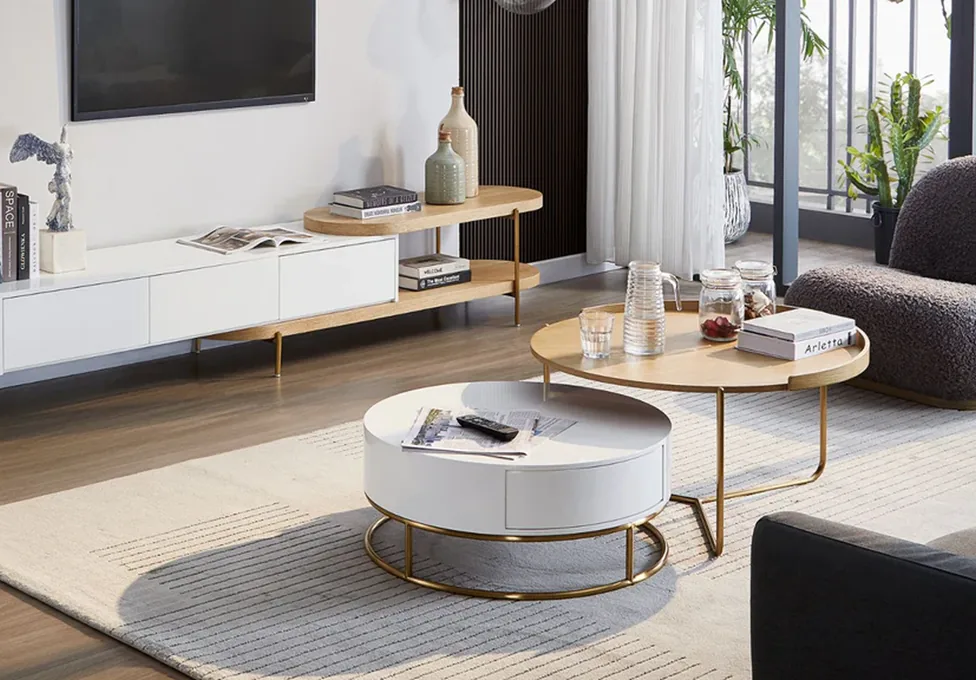
Complete furnishing including décor and styling.
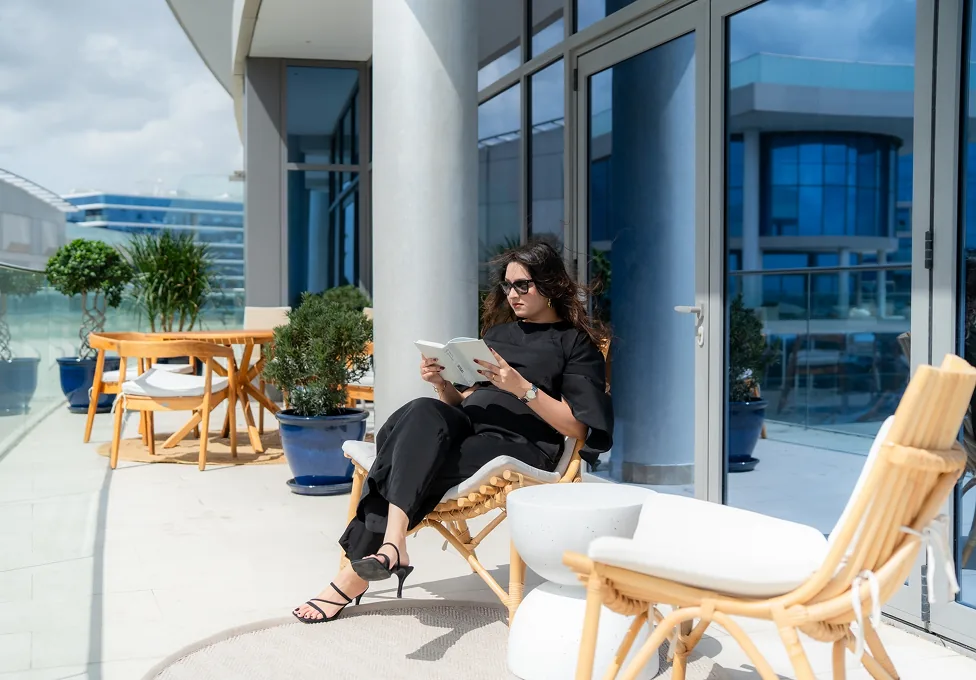
Complete design-build solution from renovation to commissioning.
100+
Spaces Designed

ISO Certified
10+
Years of Experience
98%
Happy Clients
Package calculator
Explore custom package feature and get customised personal budget and design plan with all including and excluding
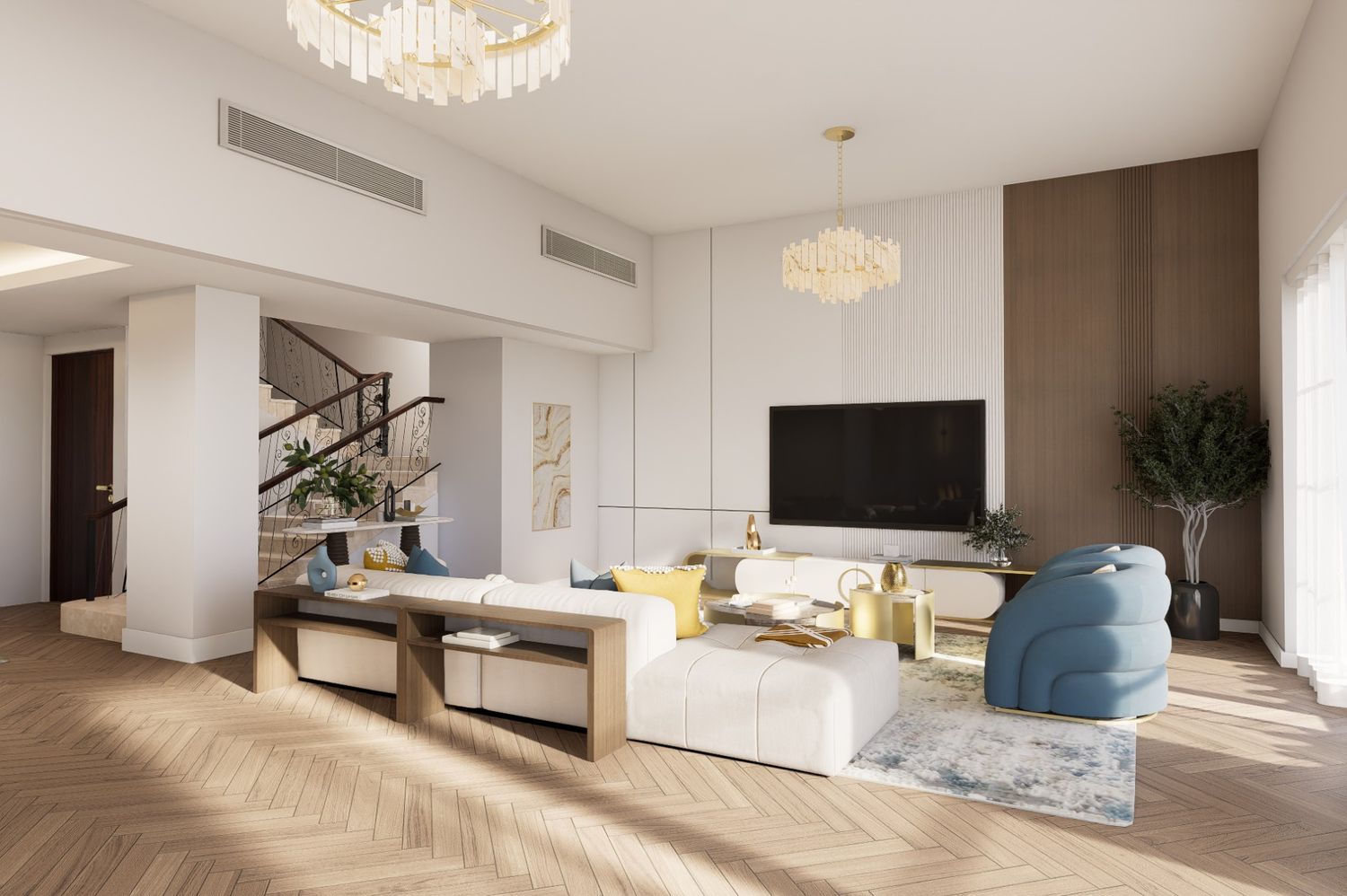
Al barsha, Dubai
December, 2025
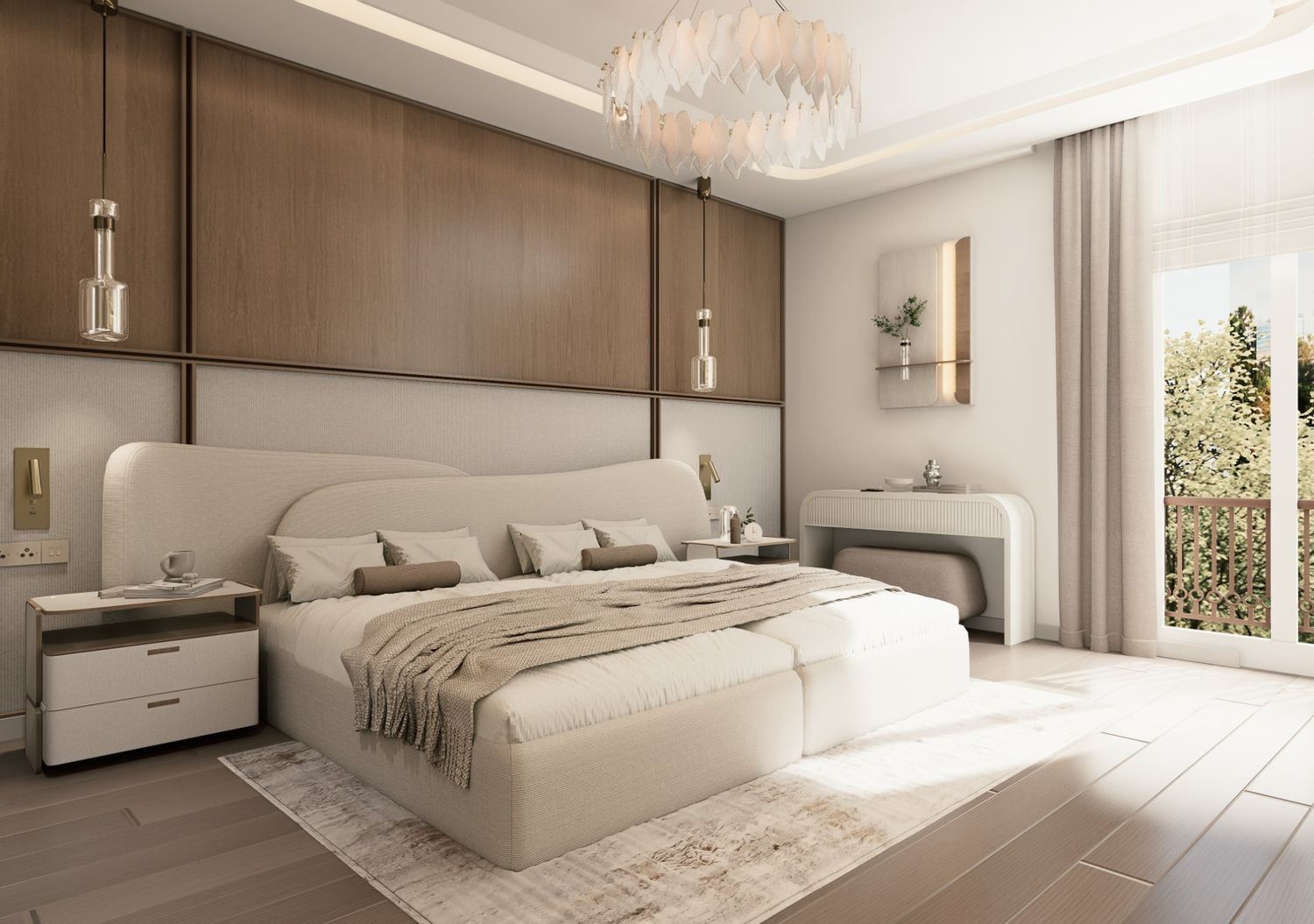
Jumeirah Bay Island, Dubai
April, 2026
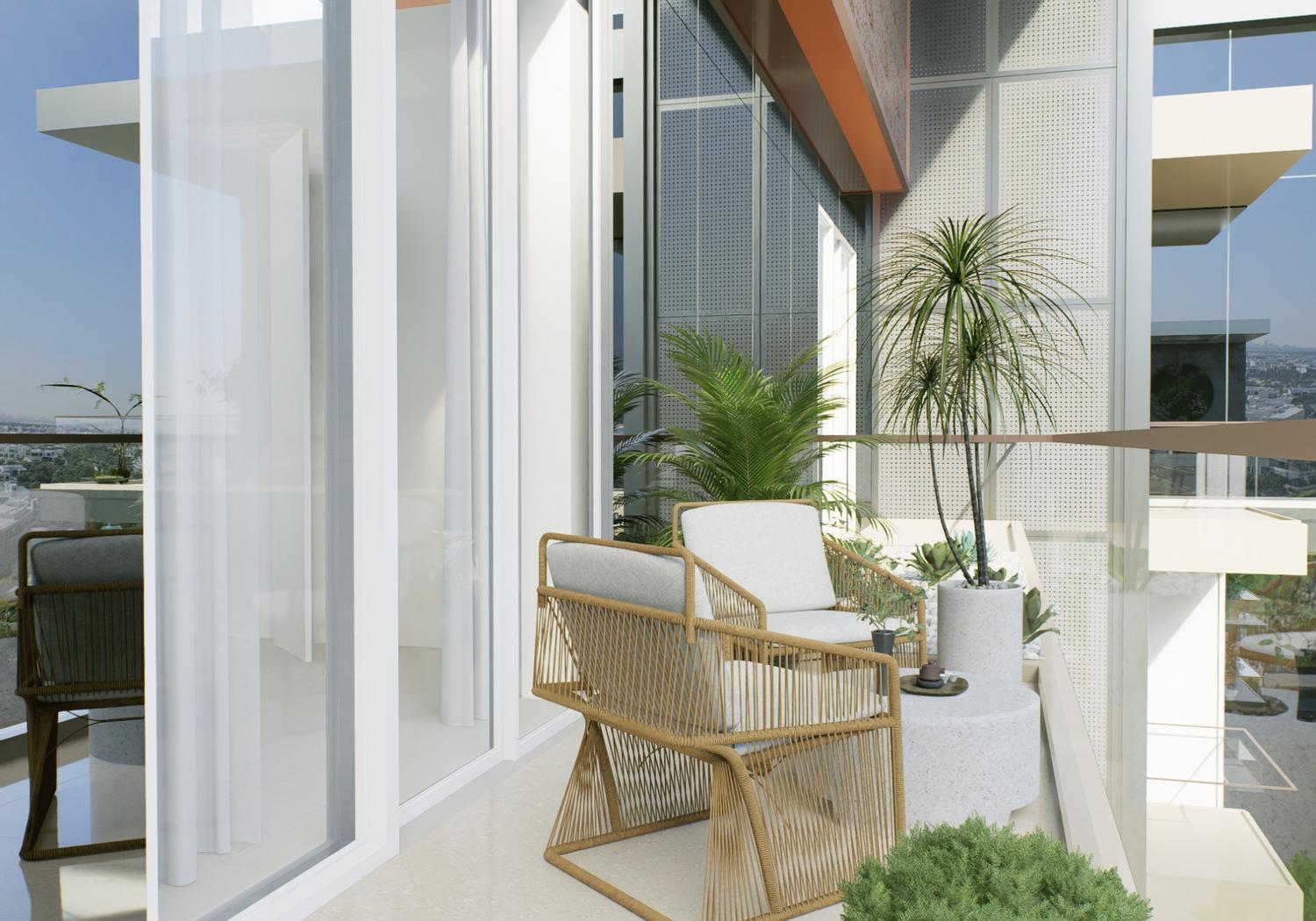
Emirates Living, Dubai
June, 2026
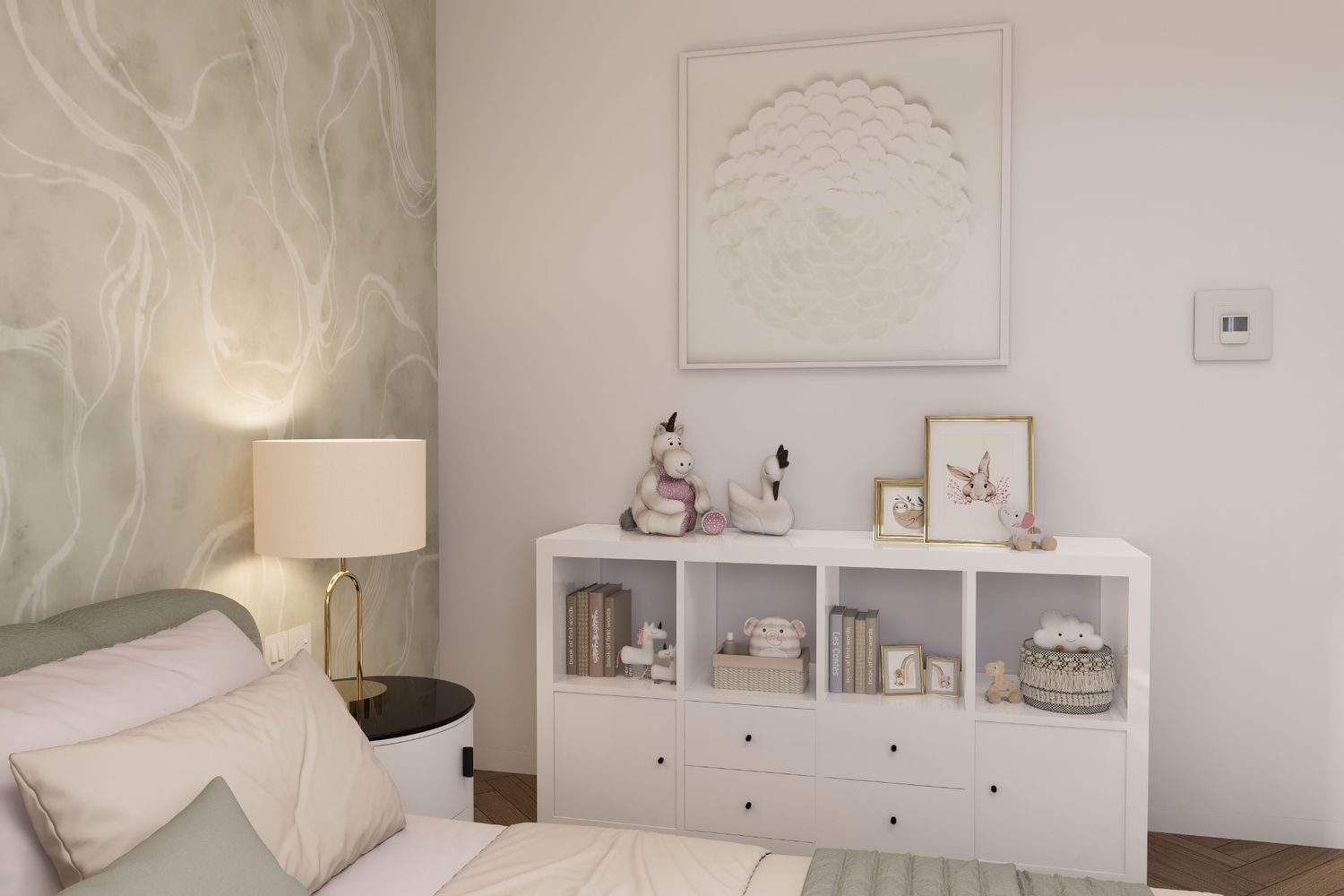
Victory Heights, Sports City
April, 2026

Downtown Dubai
November, 2025
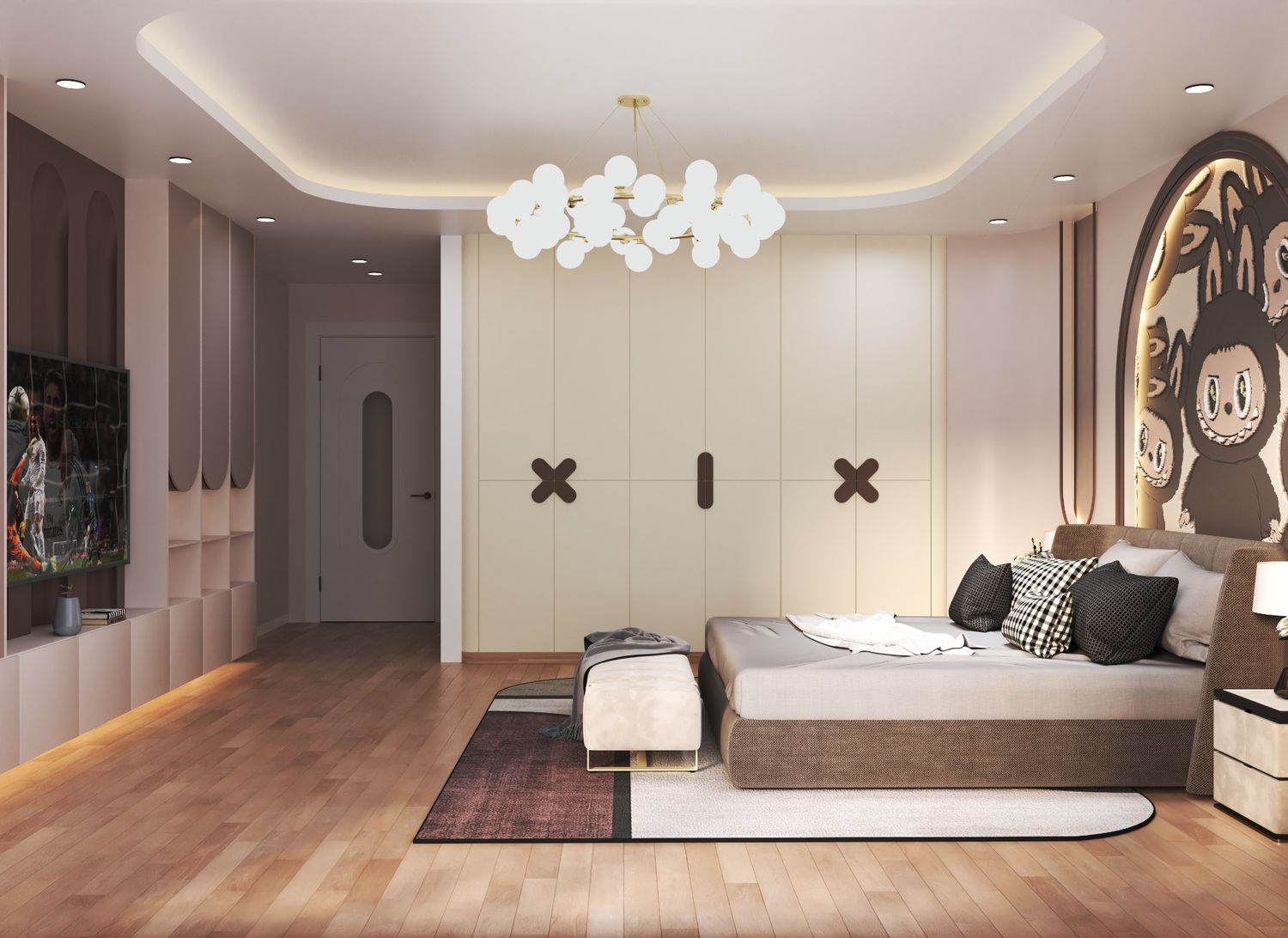
Eden Valley, Dubai
November, 2024
No projects in this category yet.
Our interior design process

Initial consultation to understand your vision.

Concept development for cohesive design.
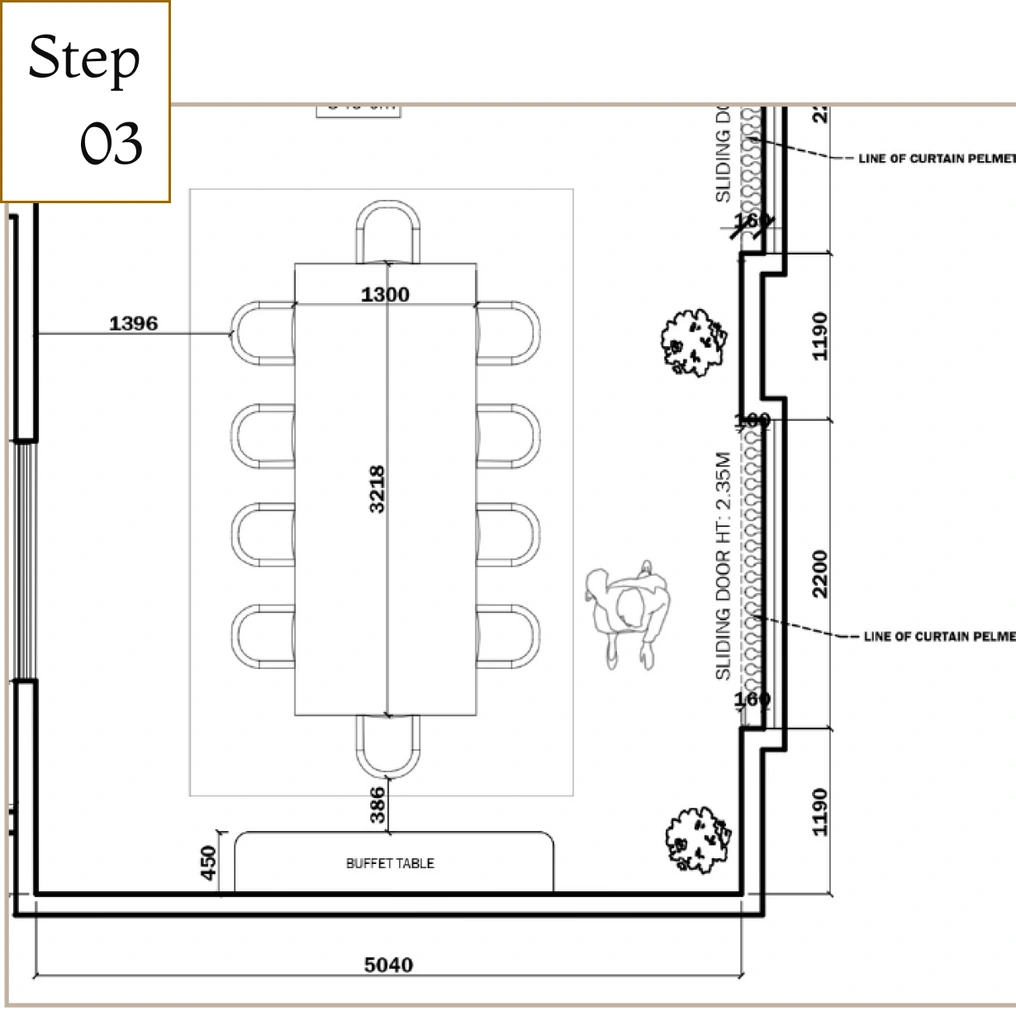
Space planning creating functional flow.
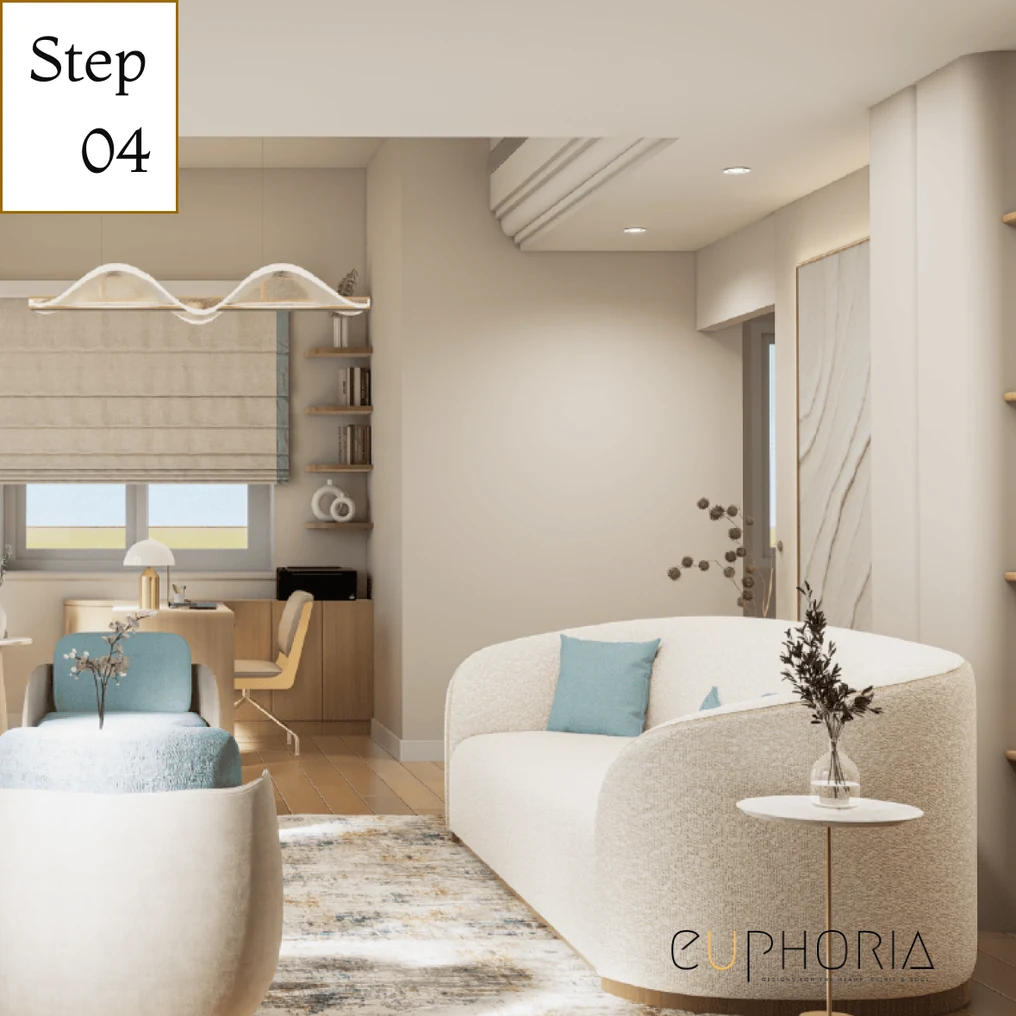
3d Visualisation of your space before execution
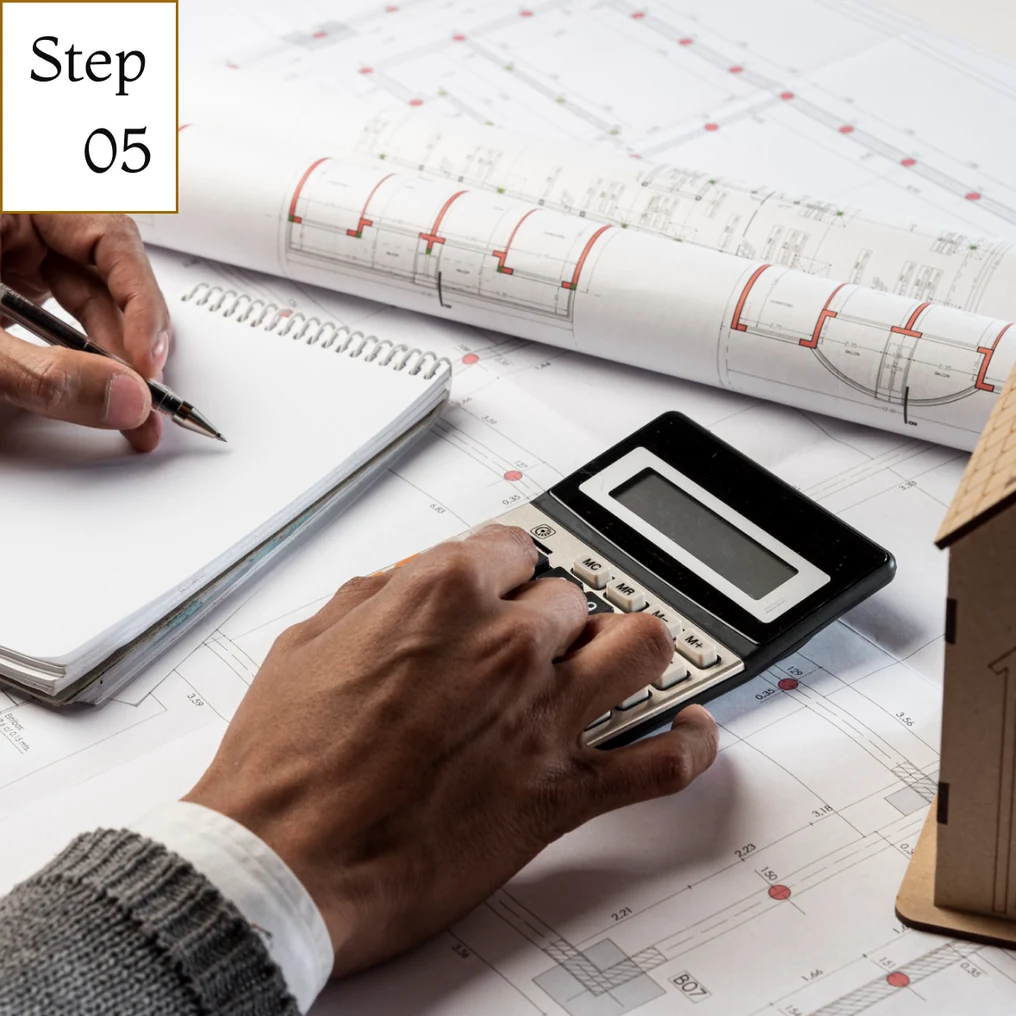
Creating BOQ & budget planning
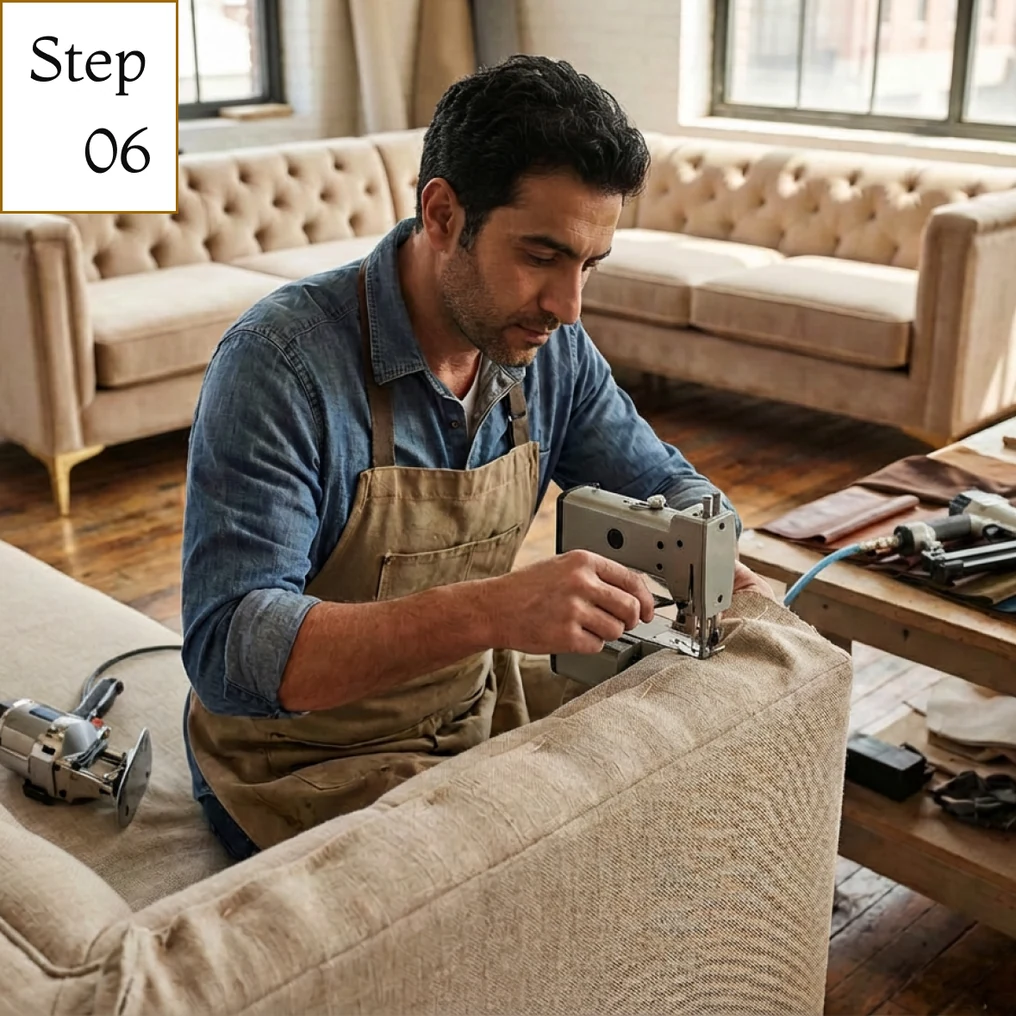
Project management
Get your space designed,
without the stress.

Because true luxury isn’t just what you see —, it’s what you feel every day.
Buyers choose The Oasis over inland communities for one reason: the water. Lagoons, canals and waterways run through the 7 km² master plan — Dubai’s largest lagoon-integrated villa community — and that choice should shape every interior decision that follows. Four factors make the brief here genuinely different.
At the water’s edge, ambient humidity runs meaningfully higher than in inland villa communities like Arabian Ranches or Dubai Hills. Solid timber joinery that performs perfectly inland can show movement within 12-18 months here. The correct baseline — not the upgrade — is engineered timber for joinery and flooring in water-facing rooms, PVD-coated or marine-grade metals for kitchen and bathroom hardware, and humidity-resistant finishes throughout the exposed zones.
Rooms facing open water receive a distinctive light: bright, reflective, and directionally dynamic as it bounces off the moving surface. Colours and finishes chosen from a showroom read differently under it — which is why samples belong in the villa, assessed at different hours, before anything is approved.
The community has a hierarchy of orientations: direct canal frontage, lagoon views, green-corridor views, and internal community views. Each drives a different furniture arrangement, curtaining strategy, and palette. Mapping the views room by room comes before any layout conversation.
These villas carry large living volumes, private pool terraces, and gardens that run toward the water. Catalogue-sized furniture looks lost in them; large-format stone of 1200x1200mm and above, and lighting designed for 3.5-4m double-volume ceilings, are the kind of decisions the scale demands.
Walk your villa with the four factors in mind — humidity, light, view, scale — and note which rooms sit closest to the water. Any designer you brief should raise all four unprompted; that is the fastest test of whether they understand the address.
The Oasis is new enough that glossy renders are everywhere and completed local track records are rare. That makes your questions — not the portfolio — the real filter. Ask these five, in writing, and compare the depth of the answers.
A serious answer names engineered timber over solid in water-facing rooms, PVD-coated or marine-grade hardware, and humidity-resistant finishes as baseline. If the answer is a style adjective, the humidity will find the shortcuts within the first couple of years.
Structural modifications and significant fit-out works at The Oasis need an Emaar no-objection certificate before anything mobilises. The right firm prepares the package — scope documents, material specifications, engineering drawings — and manages the submission end to end. A firm that leaves the NOC to you is leaving you the riskiest part of the project.
Canal frontage, lagoon view, green corridor, internal plot — each is a different brief. Listen for view mapping from seated height, sight-line protection in the furniture plan, and palettes that complement rather than compete with the water. A designer who has not asked which orientation you own is designing a different villa.
These villas live across their terraces and gardens. The strongest answer describes continuity — related floor materials in the same colour family with different finishes, no jarring stop at the glass — so the interior, terrace and garden read as one environment.
Recent references reveal current execution quality. Ask the reference two things: did the approvals go smoothly, and did the promised timeline survive contact with reality?
Send the five questions to every shortlisted firm and compare answers side by side. Specificity about water, NOC and scale is what you are hiring; everything else can be taste-matched later.
Most Oasis owners are taking delivery of new villas, which changes the usual renovation question. You are rarely repairing an old interior — you are deciding how far to take a new one, and how much of the developer’s finish to keep.
For a fresh handover, the highest-return work usually keeps the shell: lighting design beyond the builder specification, fitted joinery, wall finishes and texture, window treatments engineered for water light, and furniture at the scale these rooms actually need. This scope avoids structural approvals, moves quickly, and turns an anonymous handover into a personal home.
Some briefs genuinely need more — a kitchen reconfigured for serious cooking, bathrooms upgraded beyond developer grade, or a layout adjusted around family life. At The Oasis, anything structural or significant runs through the Emaar NOC first. A complete, well-prepared package typically processes in 3-5 weeks; an incomplete one gets returned and the clock restarts. The honest sequencing is design first, NOC second, mobilisation third — never trades on site while approval is pending.
For a comprehensive villa project here, design development runs 8-12 weeks, fit-out 16-24 weeks, and the NOC adds 4-6 weeks before mobilisation on structural scopes — a 7-10 month commitment end to end. Anyone promising a full villa in a fraction of that is planning to skip either the approvals or the supervision.
If you know the layout will need to change eventually, the cheapest moment is now, while the villa is empty and no finished interior has to be protected or undone. Consolidating ambitions into one properly sequenced project beats living through two.
List what the villa must do in year one and what you suspect by year five. If both lists fit the personalisation scope, start there. If year five needs walls moved, brief the full scope now and let the NOC run while the design develops.
Villa budgets at The Oasis move for reasons that are specific to this community. Understanding the four real drivers puts you in control of the number before anyone quotes it.
These are Emaar’s most generous footprints, and scale is a multiplier: more floor area, taller volumes, larger joinery runs, more terrace. Large-format stone, double-height lighting, and furniture proportioned to the rooms all cost more than their standard-villa equivalents — and all look obviously wrong when under-specified. The scale is not where to economise.
Engineered timber, PVD-coated or marine-grade hardware, humidity-resistant finishes: the water-adjacency baseline costs more than inland specification, and it is the difference between an interior that holds its lines and one showing movement within 12-18 months. Treat it as insurance priced into the build, not an upgrade to debate.
Pool terraces and gardens running toward the water are the address’s promise, and specifying them properly — flooring, shade, lighting, weather-rated furniture — costs real money and returns it daily. The indoor-outdoor threshold, done with continuous materials, is consistently the spend owners say they would repeat first.
The Emaar NOC process is not a cost line so much as a cost protector: works mobilised before approval risk rework, and rework at villa scale is the most expensive material there is. A firm that sequences design, submission and mobilisation correctly saves you more than any discount.
Interior rooms away from the water carry simpler specifications gracefully. Guest bedrooms, service zones and climate-controlled internal spaces do not need the full water-facing baseline — and the palette that suits this address is calm and naturalistic anyway: travertine and limestone tones, warm timbers, linen and cotton, matte finishes. Restraint here reads as luxury, and it prices like restraint.
Ask every firm you shortlist to show the specification split between water-facing and internal rooms in their proposal. If the spec is uniform across the villa, you are either overpaying inside or underprotected at the water.
A strong brief at The Oasis is written from the villa, not from a screen. The water, the light and the scale are the raw material — your brief tells the designer what they are for.
Walk every room and note what it sees: canal, lagoon, green corridor, garden, or another villa. Sit down while you do it — views read differently at seated height, and furniture plans are built around sight lines. This map is the single most useful document you can hand a designer at the first meeting.
Who lives here, and when? Full-time family, weekend retreat, multi-generational visits, serious hosting? The answers drive storage depth, kitchen ambition, terrace furniture, and how robust the finishes need to be. Style vocabulary can wait; occupancy cannot.
Some owners want a terrace for quiet coffee; others want the garden hosting twenty people beside the water. The gap between those two is a different lighting plan, a different threshold detail, and a different budget line. Say which you are early — it is the hardest thing to retrofit later.
Handover condition, any developer options you selected, and whether you anticipate structural change — because that last answer starts the Emaar NOC conversation on day one rather than week ten. If you are briefing before handover, share the floor plans; real design work can begin while you wait for keys.
A good first site visit here walks the villa, maps the water adjacency and the light, tests your brief against the rooms, and returns an honest scope and timeline before any commitment. If the conversation starts with a moodboard instead of the water, you have learned something important about the firm — for free.
Write the one-page brief — view map, household, outdoor ambition, practical facts — and book the visit. The villa will tell the rest of the story better than any reference image can.
Areas we serve across Dubai