Design Service
2-4 wksComplete design package from drawings to site coordination

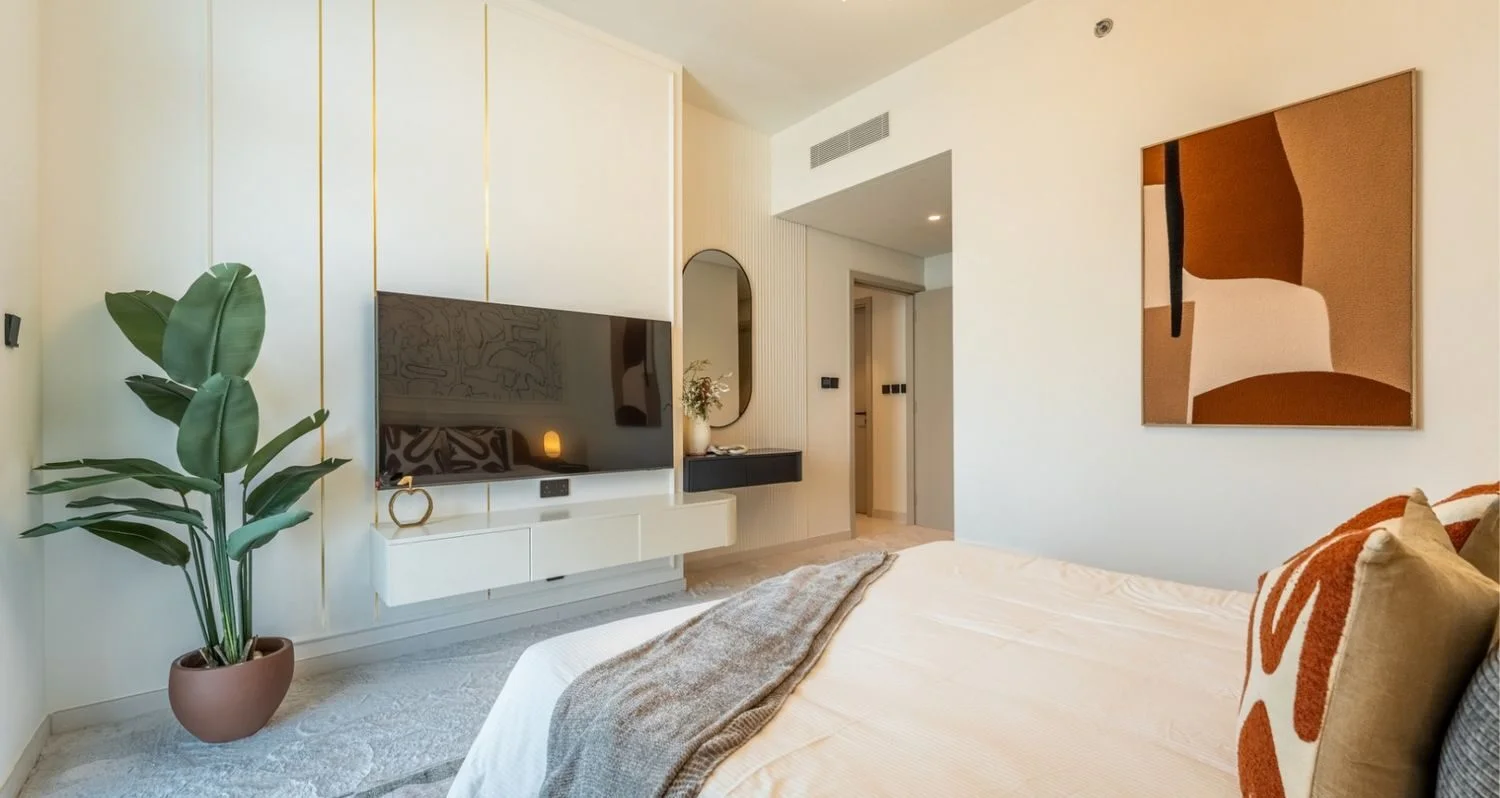
Marine-grade materials. Acoustic reality. Six clusters with six different orientations. We design for the apartment that actually lives at this address.
Get your custom budget & design plan











Who we are
“The first thing I do in a JBR renovation is walk onto the balcony. Not to see the view everyone sees the view. I walk onto the balcony to feel the wind, to hear The Walk below, to understand what the sea and the sun and the salt are actually doing to this apartment every day. That is the brief. Everything else the moodboard, the materials, the palette follows from those five minutes.”
Amanda Dsouza
Founder & Principal Designer of Euphoria Interiors

Designed around you
As an interior design company in JBR, we treat coastal exposure as the first brief, the cluster orientation as the second, and the floor plan as the third. JBR was completed between 2007 and 2010 — 6,917 apartments across six named clusters on 1.7 kilometres of Arabian Gulf beachfront — and most of that stock is now entering its renovation window. The brief isn’t simply ‘upgrade the finishes.’ It’s ‘upgrade the finishes for an apartment that lives directly on the sea.’ Salt air, beach-club acoustics, balcony design and marine-grade material spec are not upgrades at this address — they are the minimum specification.
Your taste leads, our craft follows.
Measured and considered, never imposed.
Quality is something we see, not report.

For residential & commercial spaces
Complete design package from drawings to site coordination
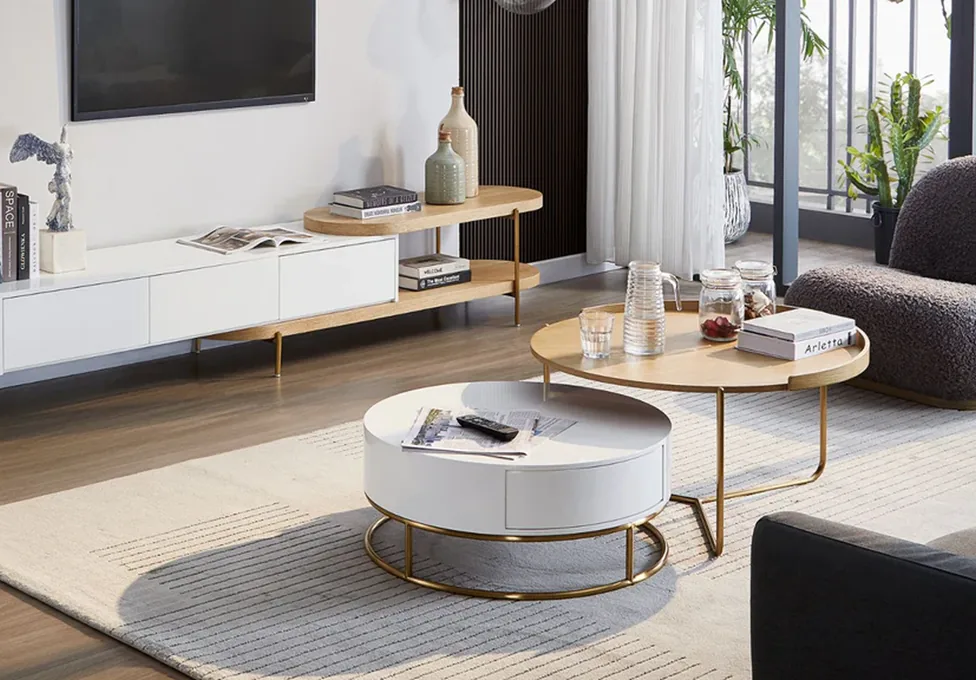
Complete furnishing including décor and styling.
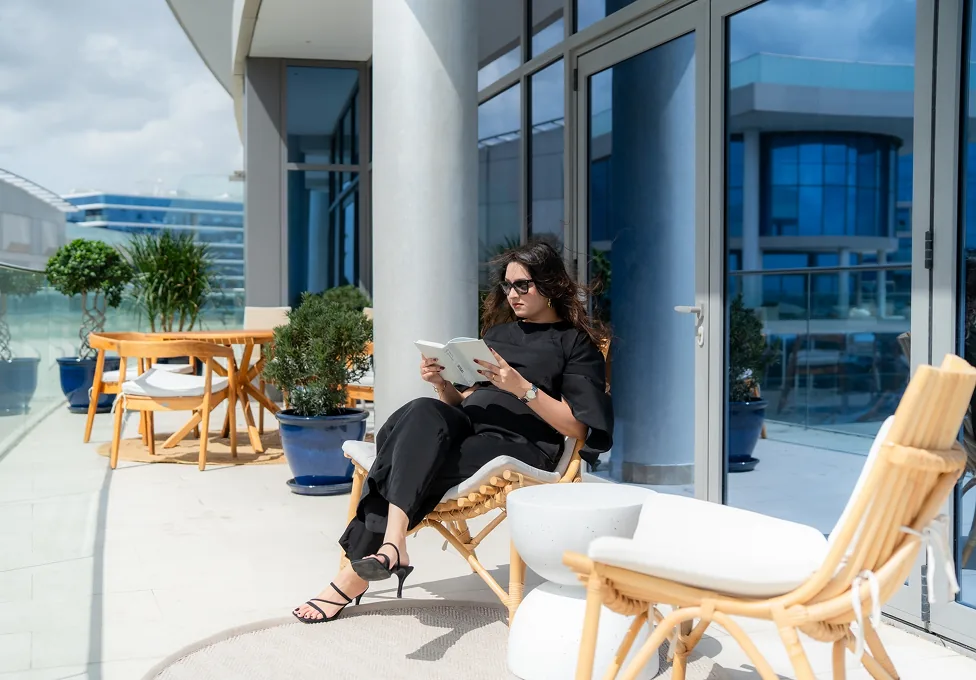
Complete design-build solution from renovation to commissioning.
100+
Spaces Designed

ISO Certified
10+
Years of Experience
98%
Happy Clients
Package calculator
Explore custom package feature and get customised personal budget and design plan with all including and excluding
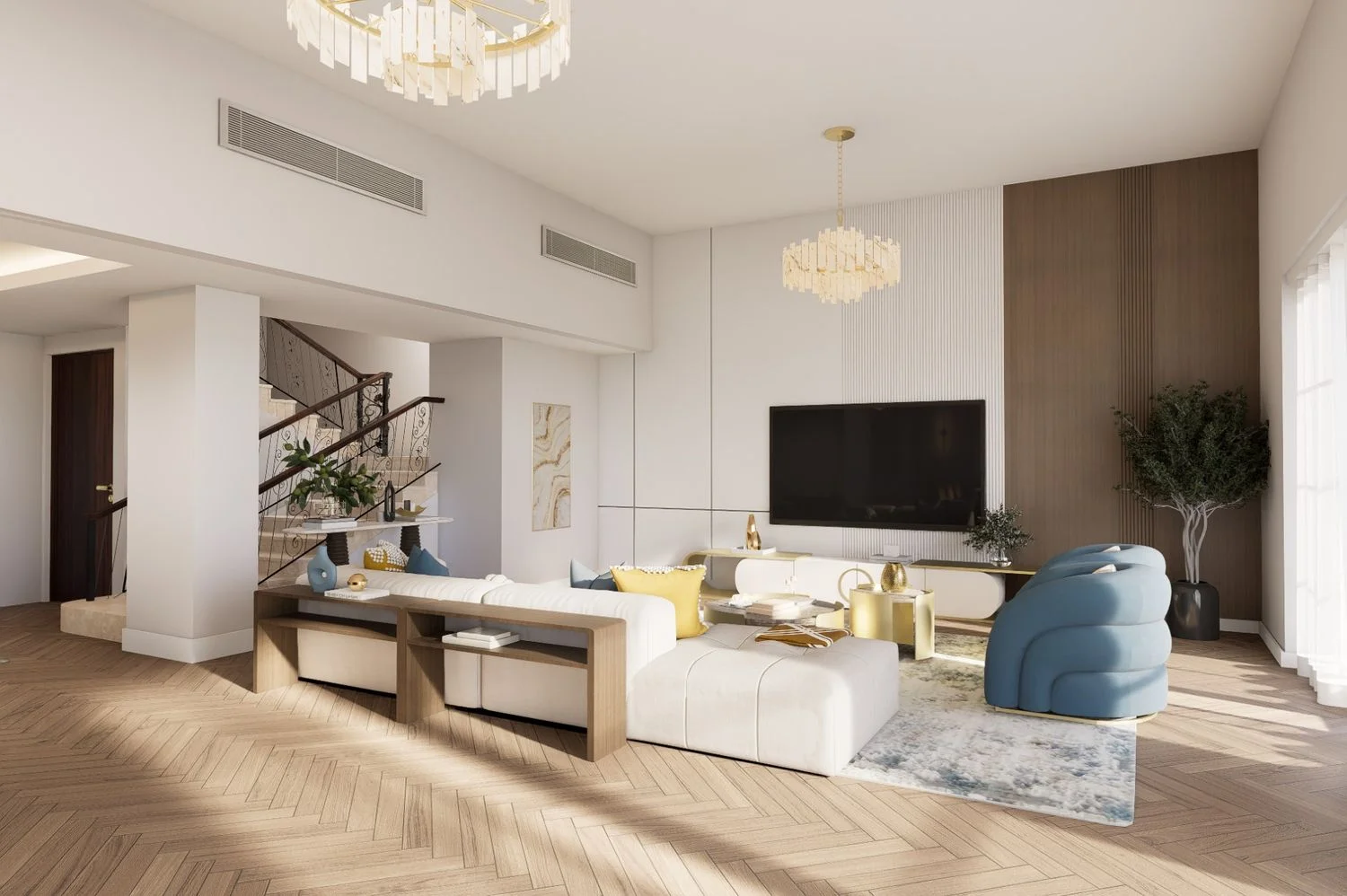
Al barsha, Dubai
December, 2025

Jumeirah Bay Island, Dubai
April, 2026

Emirates Living, Dubai
June, 2026

Victory Heights, Sports City
April, 2026

Downtown Dubai
November, 2025
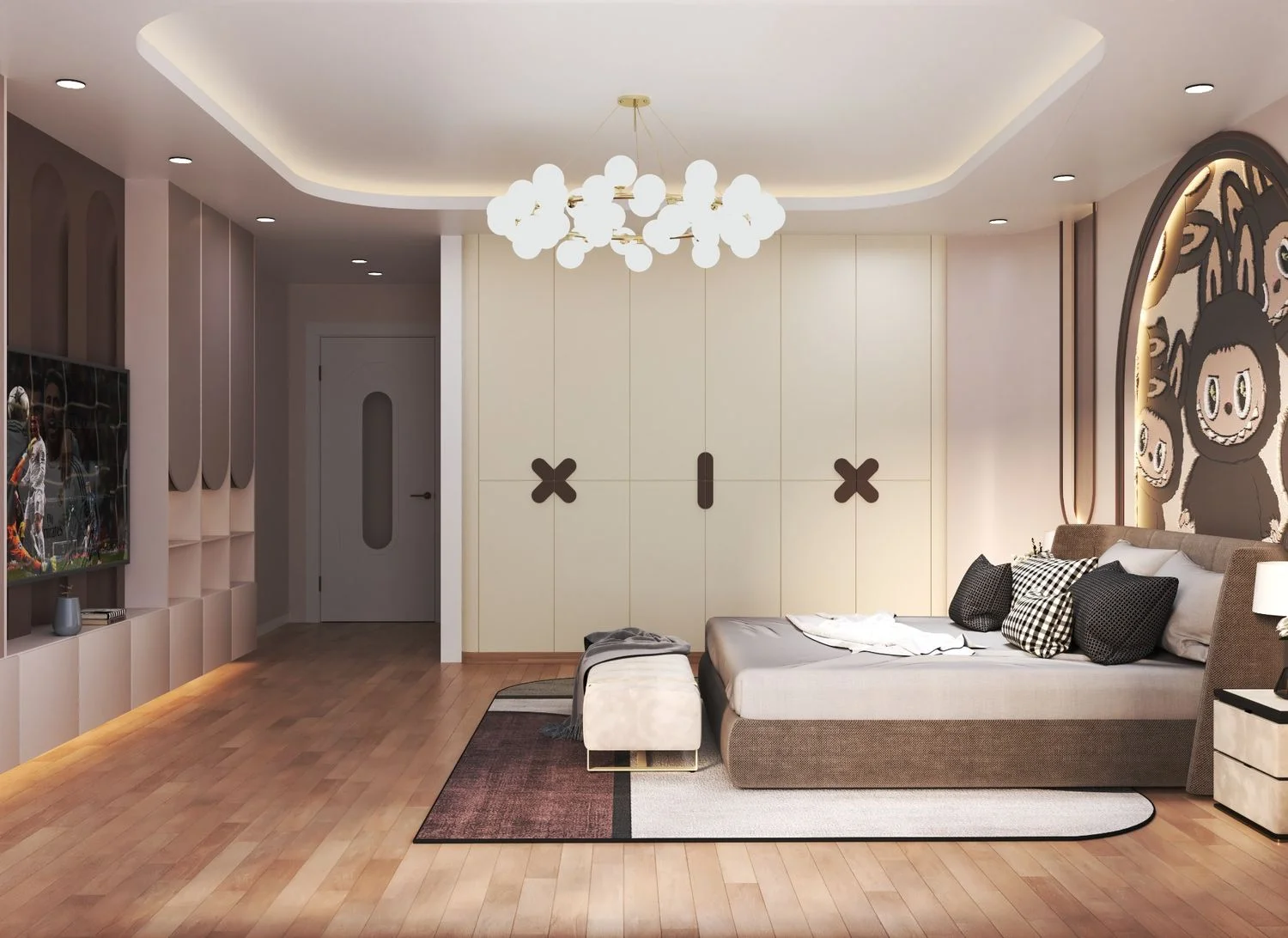
Eden Valley, Dubai
November, 2024
No projects in this category yet.
Our interior design process

Initial consultation to understand your vision.

Concept development for cohesive design.
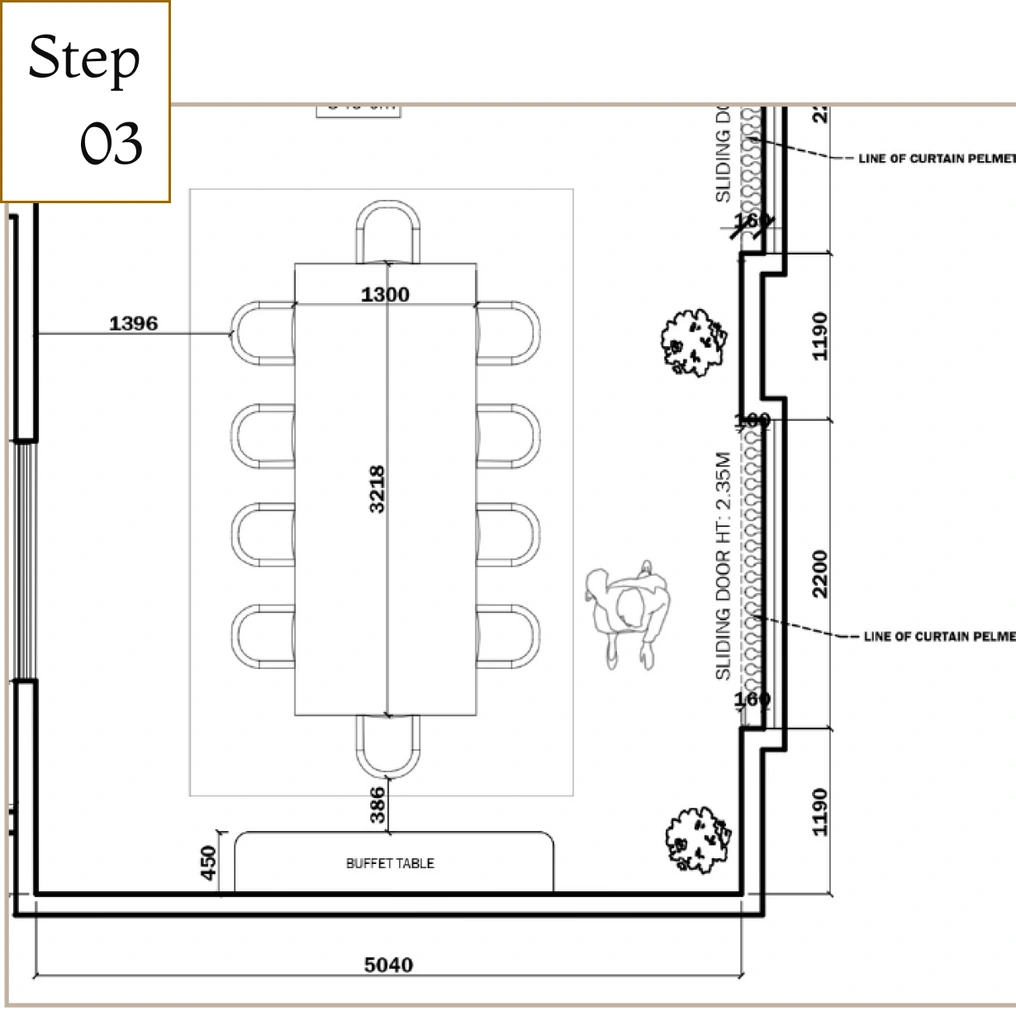
Space planning creating functional flow.
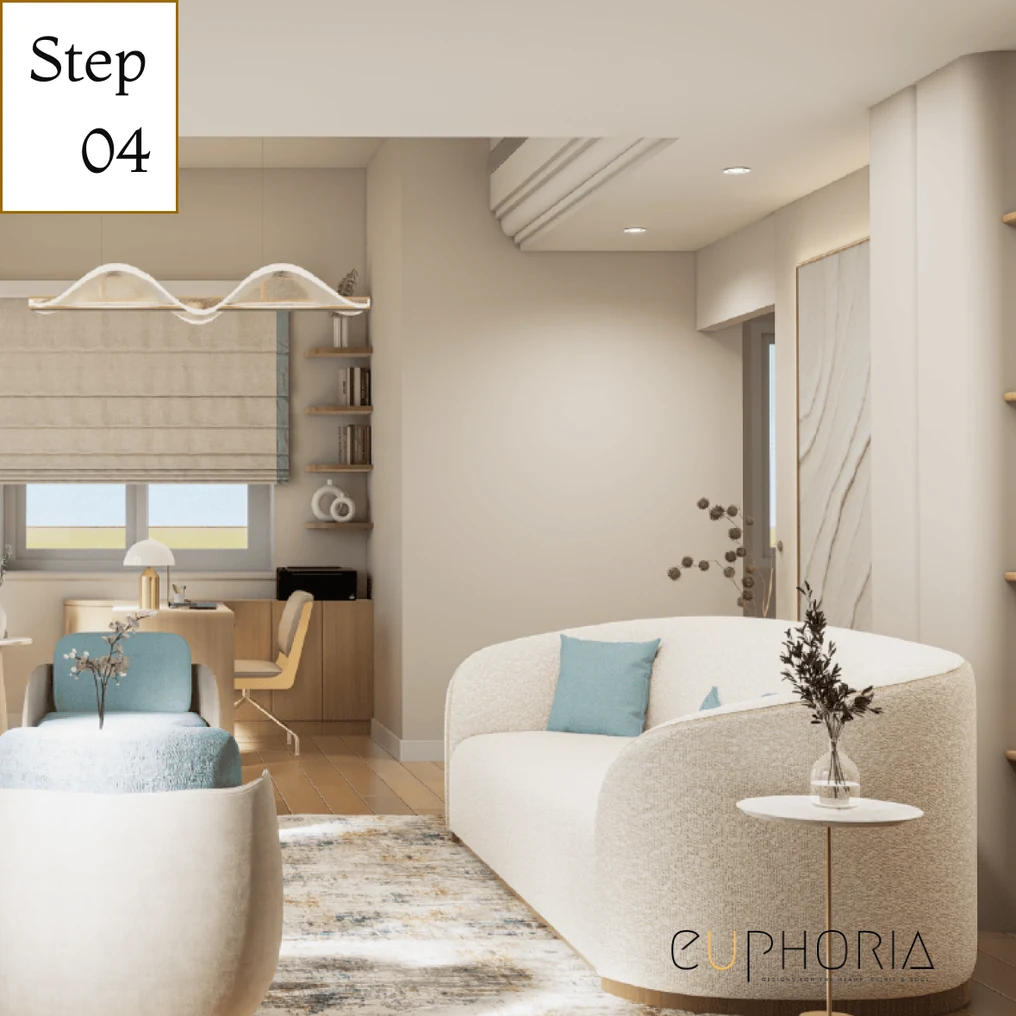
3d Visualisation of your space before execution
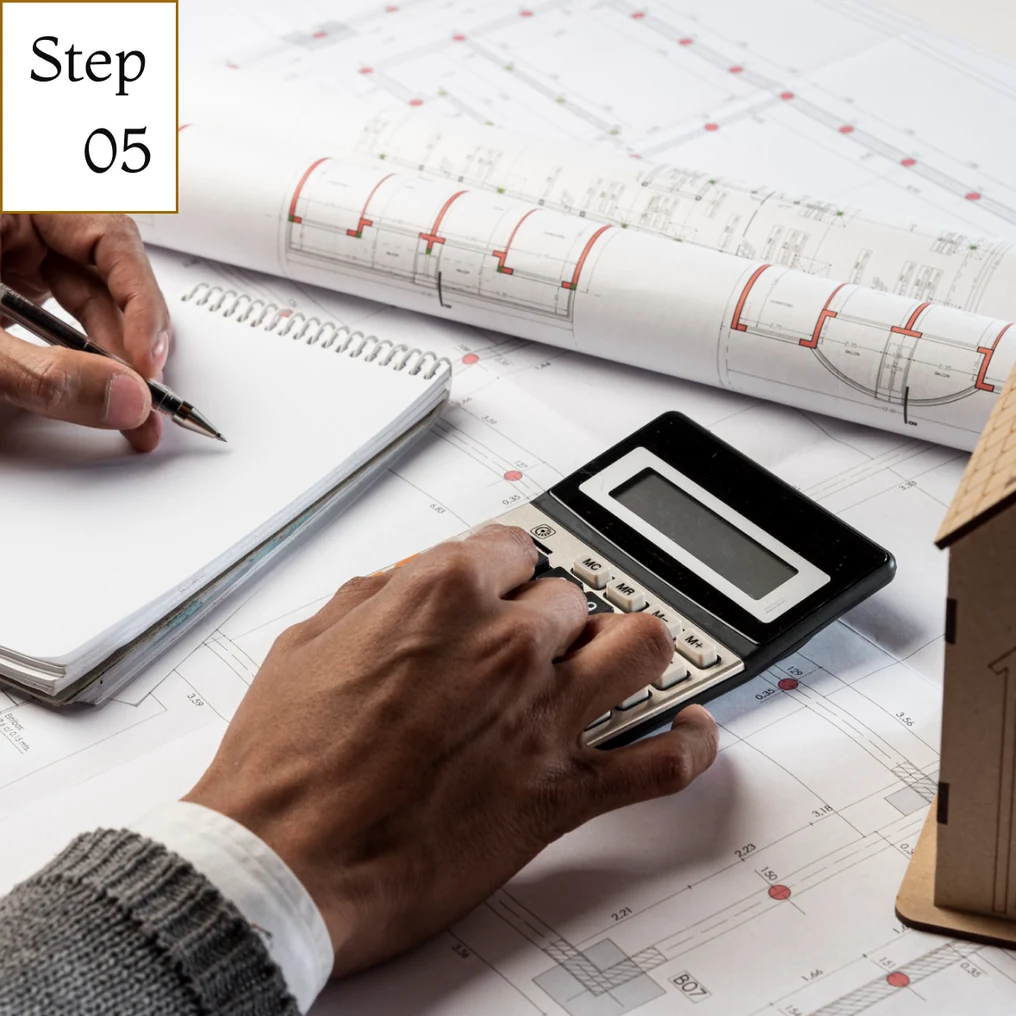
Creating BOQ & budget planning
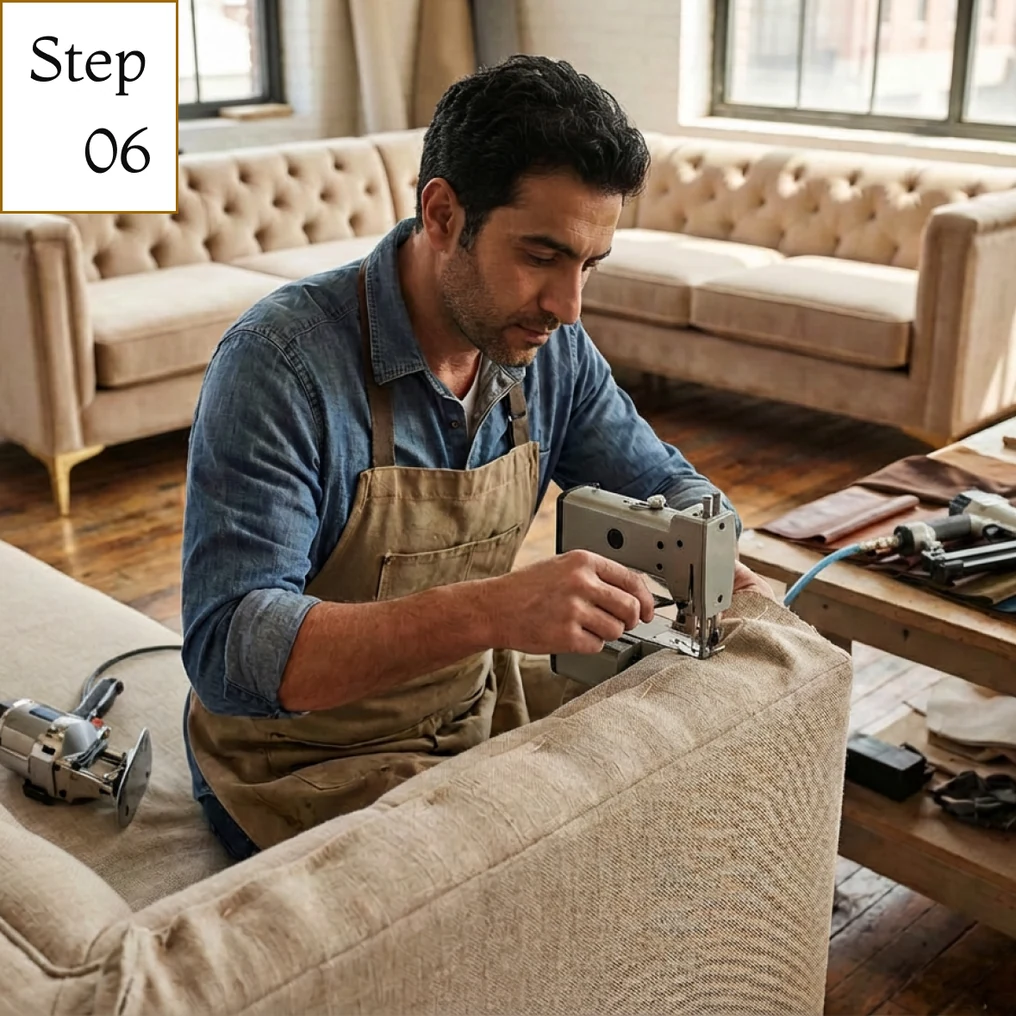
Project management
Get your space designed,
without the stress.

Because true luxury isn’t just what you see —, it’s what you feel every day.
JBR sits directly on the Arabian Gulf. The apartment stock faces the sea, backs onto The Walk, and has 15-20 years of coastal exposure built in. The interior renovation brief here carries a material challenge that no inland Dubai community faces at the same intensity.
Any honest interior design firm in JBR will tell you: the materials that work in a Downtown tower or a Greens apartment often fail within two to three years in a JBR unit. The coastal specs are not the same.
Standard chrome bathroom and kitchen hardware pits and discolours within 18-24 months in sea-air exposure. Standard brushed nickel follows within 3 years.
JBR spec: solid brass or marine-grade 316 stainless steel on all hardware, including bathroom, kitchen, and door furniture. The cost premium over standard chrome is 30-50%. The replacement-cycle saving over ten years is several multiples of that premium.
Standard MDF joinery cores absorb coastal moisture over time. In lower-floor JBR apartments with direct sea exposure, the process accelerates. Joinery that looks fine at year three begins to show in year six warped drawer fronts, failed hinges, swollen bases.
JBR spec: marine-grade plywood cores as minimum, or moisture-resistant MDF (MRMDF) with fully sealed edges and back panels. Combined with good HVAC to manage relative humidity below 60%, this extends joinery life from 5-8 years to 15+ years.
West-facing JBR balconies get intense afternoon UV. Balcony floor materials must be UV-stable not just weatherproof. Standard composite decking fades and delaminates under Gulf sun within 3-4 years.
JBR balcony spec: large-format porcelain with a non-slip grip finish, or Cumaru/Ipe hardwood with regular oiling maintenance. Avoid composite or standard timber decking.
Inside: engineered timber performs better than solid timber in coastal humidity environments. The multi-layer construction handles dimensional movement better under fluctuating moisture conditions.
Outdoor upholstery on JBR balconies needs marine-grade performance fabric Sunbrella or equivalent. Salt spray, UV, and humidity combined destroy standard outdoor fabric inside one season.
Indoor fabrics on window-adjacent seating also face UV stress from direct Gulf sun. UV-stable fabrics on window-facing upholstery extend the first replacement cycle from 3-4 years to 8-10 years.
| Category | Inland Dubai Default | JBR Coastal Spec |
|---|---|---|
| Hardware | Chrome, brushed nickel | Solid brass or 316 marine stainless |
| Joinery cores | Standard MDF | Marine-ply or MRMDF with sealed edges |
| Balcony floor | Composite decking | UV-stable porcelain or Ipe hardwood |
| Outdoor upholstery | Standard outdoor fabric | Sunbrella marine-grade |
| Indoor timber floors | Solid timber | Engineered timber handles humidity better |
The coastal spec premium across these five categories runs 12-18% above inland Dubai default. Over ten years, it pays back several times in avoided replacement and maintenance costs.
A JBR interior design service that quotes standard inland Dubai spec is either inexperienced in coastal renovation or cutting corners. The coastal brief is not optional at this address.
Before commissioning any JBR renovation, ask your designer to show you their hardware specification sheet and joinery core spec for their last JBR project.
If they specify chrome and standard MDF, ask them why. Their answer will tell you everything you need to know about their coastal renovation knowledge.
The Walk at JBR is Dubai’s most popular beachside boulevard — 1.7 kilometres of restaurants, cafes, retail, beach clubs, and regular outdoor events. It runs directly below the lower floors of the clusters fronting the beach.
For residents of floors 2 through roughly 12 on the Walk-facing and sea-facing sides, weekend nights and events are audible without acoustic treatment. This is the JBR renovation brief that most guides don’t mention.
Any JBR interior design agency worth shortlisting treats acoustic specification as a renovation priority, not an optional upgrade. Here’s what the acoustic brief actually involves.
Laminated acoustic double-glazing on Walk-facing and sea-facing windows reduces external noise by approximately 8-12 decibels compared to original single-glazed 2007 spec.
This single upgrade transforms the livability of Walk-facing lower-floor apartments. The cost: approximately AED 1,200-2,200 per sqm of window area replaced. For a typical 2-bedroom JBR apartment, total window replacement budget runs AED 25,000-55,000.
If there is one acoustic upgrade to prioritise in a JBR renovation, it is this one.
Walk-facing and sea-facing bedrooms on lower floors need solid-core internal doors with perimeter acoustic seals. Standard hollow-core internal doors allow significant sound transmission from living areas and from outside.
Acoustic internal doors typically run AED 2,500-4,500 per door installed. For a 2-bedroom apartment with two bedroom doors, budget AED 5,000-9,000.
Combined with the window upgrade, this creates a true quiet bedroom environment on floors where external noise is active.
JBR apartments use district cooling. The system itself is quiet — no external condenser unit noise. But the fan coil units inside older apartments can be audible if the units have not been serviced or replaced.
During renovation, fan coil units should be cleaned and serviced. Replace any units showing bearing noise — the replacement cost (AED 1,500-3,500 per unit) is trivial relative to the ongoing noise impact.
On higher floors (approximately 15+), The Walk noise attenuates significantly. Acoustic spec can be lighter — standard window spec may be sufficient, with acoustic treatment focused on HVAC and internal door quality only.
A JBR interior design studio worth briefing knows which floor threshold changes the acoustic prescription for your specific cluster and orientation. This is not a one-size-fits-JBR calculation.
Before commissioning any JBR renovation, spend a Thursday evening in the apartment with all original windows and doors closed.
Note what you hear from The Walk, the beach, and neighbouring apartments. That observation defines your acoustic renovation priority — before any moodboard conversation starts.
JBR’s building stock spans roughly fifteen years of development and three distinct specification tiers. Any honest interior design consultants in JBR brief will tell you the renovation approach changes completely across those tiers.
Here’s how the tiers break down and what each means for a renovation.
The six original clusters. Developer: Dubai Properties. Completed 2007-2010. Now 15-20 years old. Original spec: standard laminate kitchen fronts, basic chrome fittings, 30x30cm floor tile, original bathroom fittings.
Average 2-bedroom size: 1,300-1,736 sqft — genuinely large by Dubai standards. The floor plans are spacious and well-proportioned. The finish layer needs complete replacement.
Renovation strategy: full second-generation reset. Kitchen replacement mandatory. All bathrooms reset. Flooring replaced throughout. Hardware upgraded to coastal spec. Balcony redesigned as a usable room.
Budget for a full 2-bedroom reset: AED 220,000-480,000 depending on finishes and whether acoustic glass is included. Timeline: 8-12 weeks including Dubai Properties OA permit coordination.
Better baseline finish than the 2007 clusters. Higher specification original developer kit, more sophisticated floor plans. Jumeirah Gate Tower in particular represents a significant step up from the original Dubai Properties spec.
Renovation strategy here is more selective. Original finishes may be retained in some areas — primary bathrooms and kitchens typically still need resetting, but flooring may be acceptable depending on condition. Focus on coastal spec compliance and acoustic enhancement rather than wholesale replacement.
Completely different product tier. High-end developer specifications already in place. La Vie 2-bedroom units sell for AED 7.45M-8.5M. ONE JBR three to five-bedroom units come with five-star amenities.
Renovation strategy here is personalisation, not reset. The original developer spec is already premium. Owners customise — replace developer-selected tiles with personal preference, add integrated smart home, customise joinery finishes to personal taste.
Budget for personalisation in new-generation stock: AED 150,000-400,000 depending on scope. Full replacement is rarely justified unless the owner’s taste is significantly different from the developer’s register.
A JBR interior design company that arrives with the same brief for a 2008 Rimal 3 and a 2022 La Vie apartment has not actually assessed either property.
Before commissioning any JBR project, confirm your building’s completion year and developer. Then ask the designer to describe the renovation approach that corresponds to that stock tier.
If they describe the same scope for all three tiers, they’re quoting from a template, not from knowledge of your specific building.
JBR’s six clusters run west to east: Shams, Amwaj, Rimal, Bahar, Sadaf, Murjan. Within each cluster, individual towers face one of three orientations: sea-facing (Arabian Gulf), Marina-facing (Dubai Marina), or Walk-facing (The Walk promenade and inland).
Each orientation carries a different combination of noise, light, salt exposure, and view quality. Any skilled JBR interior design studio designs from orientation first.
The premium orientation. Unobstructed Arabian Gulf views from higher floors. Sunset and late afternoon light from the west. Highest salt exposure — these units face directly into prevailing sea winds.
Coastal material spec applies most strongly here. Marine-grade hardware mandatory. Balcony furniture must be 100% marine-grade. Window glass benefits most from UV film or laminated spec to protect interiors from afternoon sun.
Design response: let the view dominate. Minimal, restrained interiors that serve the Gulf outlook. The sea does the work — the interior should not compete.
Views over Dubai Marina — the water channel, the marina towers, Ain Dubai on Bluewaters. Typically quieter than Walk-facing units at lower floors. Less direct salt exposure than sea-facing, but still coastal enough for upgraded hardware spec.
Design response: the marina skyline at night is a different aesthetic from the Gulf horizon. More urban, more active. Interiors can be slightly bolder — the view is more varied and dynamic than the open sea.
Lowest premium pricing of the three orientations. Views over The Walk retail strip and towards Dubai Media City and the inland skyline. Lower salt exposure than sea-facing units.
Highest noise exposure on lower floors (floors 1-12 approximately). Weekend nights, beach club events, and Walk activity audible without acoustic treatment.
Design response: acoustic spec first, then aesthetics. Lower salt exposure means hardware spec can be slightly less aggressive — brushed brass rather than marine 316 stainless is often sufficient for Walk-facing kitchens and bathrooms. But window acoustic treatment is the priority investment.
Shams (westernmost): closest to Jumeirah Gate Tower and the newest developments. Newer additions have blocked some sea views that were previously unobstructed at lower floors.
Murjan (easternmost): Marina-facing views over Bluewaters and Ain Dubai. Generally considered slightly quieter than Shams and Rimal at equivalent floors due to distance from the primary beach club and event concentration.
Rimal and Bahar (central): the most symmetrically positioned in the JBR strip, generally considered reliable all-round performers for both yield and liveability.
Before commissioning, stand on each balcony of your JBR apartment and note the orientation, the view, and the noise level at different times of day.
That three-balcony observation gives the designer the acoustic and material brief before any moodboard conversation starts.
Every JBR apartment has multiple balconies — typically two to three, sized generously by Dubai standards. The sea breeze makes them genuinely usable for seven to nine months of the year. And yet the balcony is the most commonly ignored room in a JBR renovation.
The original 2007 Dubai Properties balcony spec was minimal: concrete floor, standard balustrade, nothing else. Most renovations replace the interior and leave the balcony exactly as it was. This is the single most common JBR renovation miss.
Any serious interior design service in JBR treats the balcony as a designed room with a brief, a budget, and a specification. Here’s what a properly designed JBR balcony involves.
Original concrete is cleanable but harsh. Most JBR balcony renovations install large-format non-slip porcelain or Ipe/Cumaru tropical hardwood decking.
UV-stable porcelain: AED 85-150 per sqm installed. Low maintenance, lasts 20+ years, handles Gulf sun. Ipe hardwood: AED 200-350 per sqm installed. Warmer feel, requires annual oiling, lasts 15+ years with maintenance.
Avoid composite decking on JBR balconies — most composite products delaminate under Gulf UV within 3-5 years despite marketing claims.
Marine-grade teak or powder-coated aluminium frames with Sunbrella marine fabric cushions. Nothing else belongs on a JBR sea-facing balcony.
Standard residential outdoor furniture fades and degrades within one season on a sea-facing JBR balcony. The replacement cycle — buy cheap outdoor furniture, replace it every 2 years — costs more over ten years than buying proper marine-grade once.
Budget for a well-specified two-chair-plus-table JBR balcony seating: AED 8,000-22,000. A full outdoor dining set for a larger balcony: AED 18,000-45,000.
West-facing JBR balconies get intense afternoon sun from roughly 2pm to sunset. Without shade, they’re unusable from April through October during afternoon hours.
Tensioned shade sail in UV-stable HDPE: AED 3,500-7,000 installed depending on balcony size. Motorised retractable screen: AED 8,000-18,000. Fixed architectural canopy: AED 15,000-35,000.
Each solution requires Dubai Properties OA approval before installation. We handle all submissions as standard on JBR balcony projects.
Balcony lighting in JBR should be IP65-rated minimum — dust and moisture resistant. Standard interior recessed downlights fail within 12-18 months in outdoor coastal conditions.
Marine-grade outdoor wall lights and in-floor illumination: AED 4,000-12,000 depending on scheme complexity. The evening atmosphere created by well-lit JBR balconies — sea breeze, outdoor seating, Gulf view at night — is one of the best things about living here.
An JBR interior design consultants team that ignores the balcony has missed the most distinctive room in a JBR home.
Photograph your balconies at three times — midday, 4pm, and 9pm. The midday photo shows the shade challenge. The 4pm photo shows the sun angle. The 9pm photo shows what the balcony could be with proper lighting.
Bring those three photographs to your first design meeting. A JBR interior designer who doesn’t have strong opinions on all three has not actually designed a JBR balcony before.
Areas we serve across Dubai