
Your child may want a dinosaur room today, a football room next year and something completely different before the furniture has begun to show wear. Toys keep accumulating, school routines change, and the storage meant to organise everything must also be safe for a child who climbs, pulls and explores. Working with a trusted interior design company in Dubai makes it easier to create a room that adapts as your child grows.
This is why planning a child’s bedroom becomes more complicated than choosing a cheerful colour or favourite character. Parents want the room to feel personal, but it also needs to support sleep, play, dressing and eventually study without requiring a complete redesign every few years.
When I discussed these concerns with our design team while researching bedroom design ideas for children, I learned that the bed, storage, and movement space usually need to work before the decorative idea is developed.
Continue reading to see how each design idea can function in a real room, which features should remain easy to change, and what needs to be settled before safety or practicality becomes an afterthought.
Kids Bedroom Design Ideas for Sleep, Play and Storage
These ideas focus on how the room can look and feel. Each one also considers what happens after the toys, books and decorative cushions are no longer perfectly arranged.
1. Keep Their Favourite Theme Easy to Change
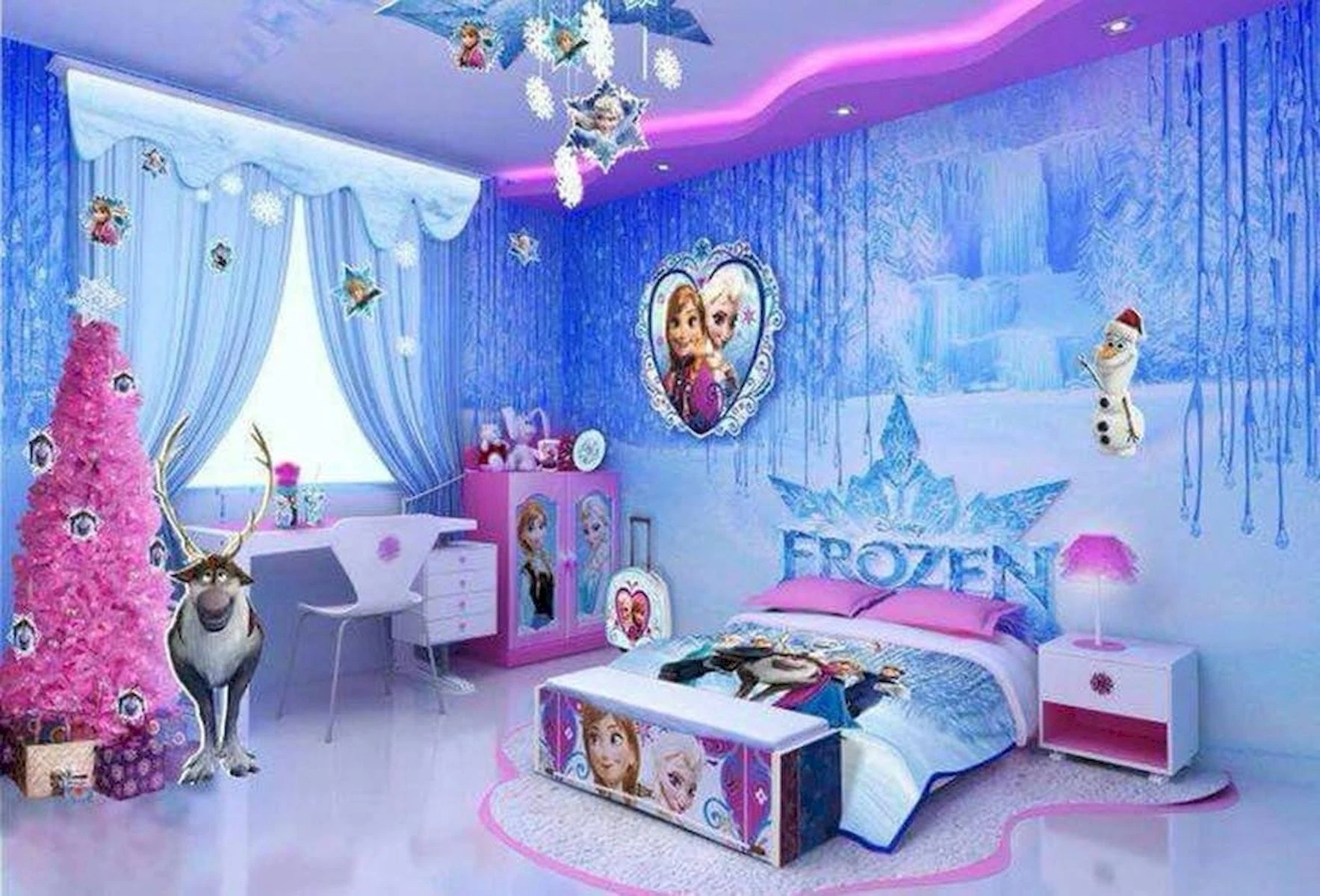
A theme can help a child recognise the room as their own, but it does not need to control every permanent feature. A character bed, themed wardrobe and full-room mural may feel exciting now but become difficult to update when that interest changes.
Keep the larger furniture adaptable, then introduce the theme through bedding, artwork, lampshades and one removable wall detail. These kids’ room colours and decor ideas can help you compare playful combinations without building the whole room around one character.
Offer your child two or three suitable directions. They still influence the room, while you protect the pieces that need to last.
2. Create a Play Zone Without Blocking the Room
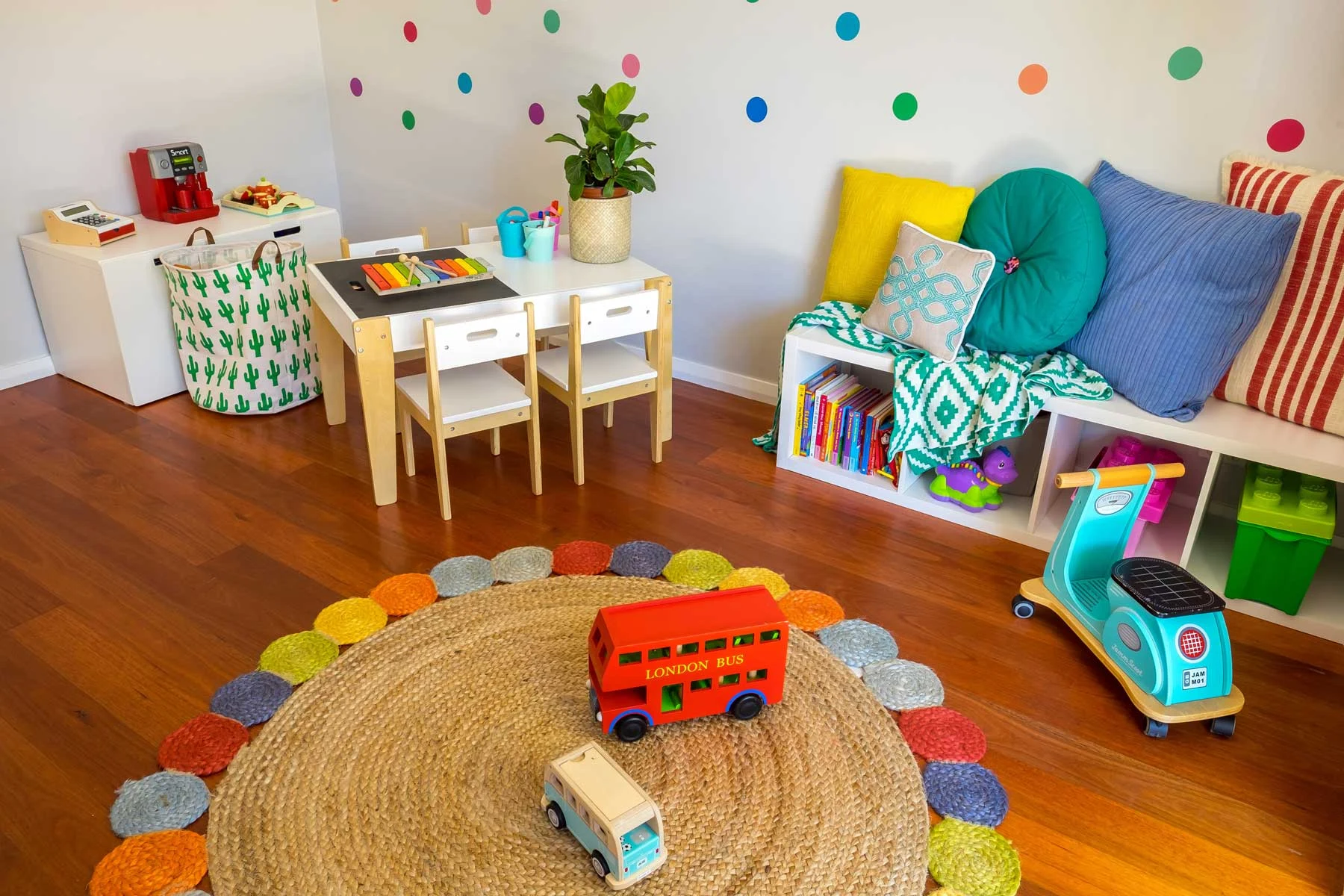
A play zone does not require a separate playroom. A washable rug, low activity table or clear section of flooring can give drawing, building and imaginative play a recognisable place.
Keep frequently used toys nearby in open baskets or low cupboards. Art materials that need supervision can remain higher or inside closed storage.
The route between the door, bed and wardrobe should remain open. Your child should be able to begin playing without first moving chairs, storage boxes or decorative furniture out of the way.
3. Choose Bedding That Is Comfortable and Easy to Maintain

Bedding should suit the child’s age, the room temperature and the household’s washing routine before it completes the colour scheme.
Start with a supportive mattress, breathable sheets and covers that can be removed easily. Too many decorative cushions may look attractive in photographs but create another task at bedtime and another pile on the floor.
Bedding is also one of the simplest places to introduce a strong theme. When the child’s interests change, a duvet cover and a few accessories can be replaced without altering the bed or wall finish.
4. Let One Wall Carry the Main Design Idea
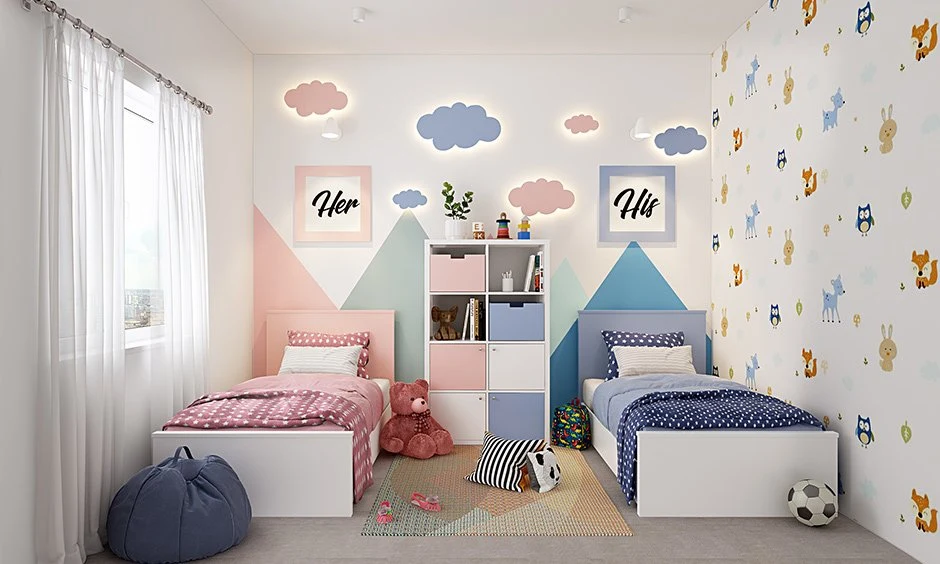
Walls can introduce imagination without turning the entire room into one permanent scene. A mural, wallpaper panel, painted arch or group of framed illustrations may be enough to define the sleeping or play area.
For a design with more staying power, consider a broader idea such as a forest, sky, landscape or geometric pattern. Current characters and interests can then appear through smaller removable pieces.
Keep the other walls quieter when toys, books and artwork already introduce plenty of colour. One stronger surface usually has more impact than several patterns competing for attention.
5. Plan Storage Your Child Can Actually Use

Storage only reduces clutter when the child can understand and use it. Low open bins work well for everyday toys, while front-facing shelves make favourite books easier to see and return.
Clothes, occasional items and visual clutter can move into closed cabinets. The internal arrangement matters as much as the wardrobe exterior, so compare drawers, hanging space and adjustable shelves through these kids’ wardrobe design ideas.
Leave part of one basket, drawer or shelf empty. Filling every storage space immediately leaves new clothes, school supplies and toys with nowhere to go.
6. Combine Playful Fixtures With Practical Lighting
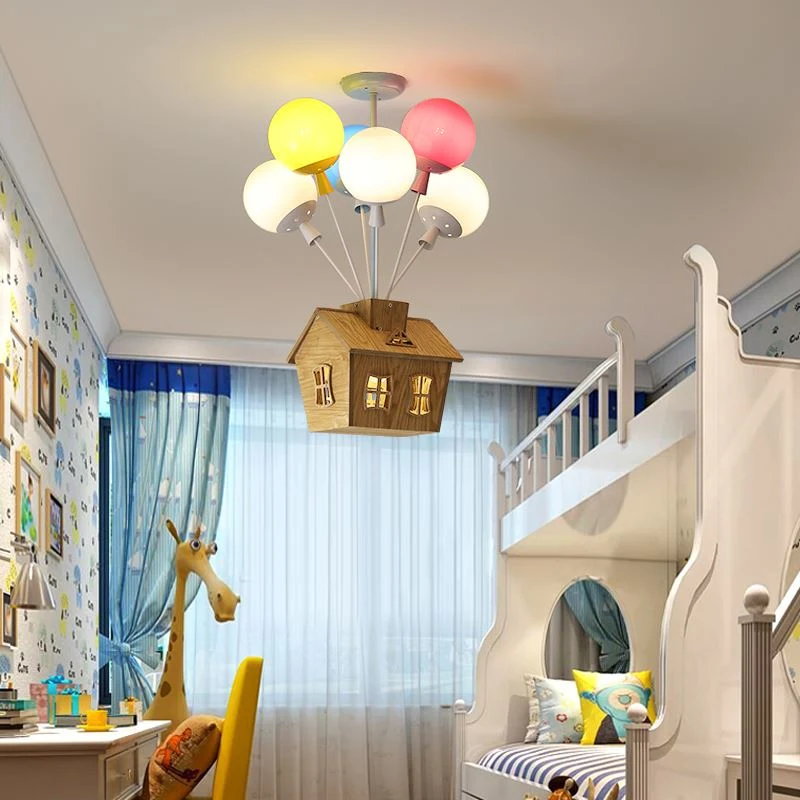
A cloud-shaped pendant or animal lamp can strengthen the room’s character, but one decorative fixture should not be expected to support every activity.
Use general ceiling light for the whole room, a focused lamp near the study or reading area and a soft night light when the child needs one. Portable fittings and loose cables should remain outside the main play route.
Check brightness and placement before choosing the shape. A playful fixture earns its place when the room remains comfortable for dressing, reading and tidying.
7. Add Personal Details They Help Choose
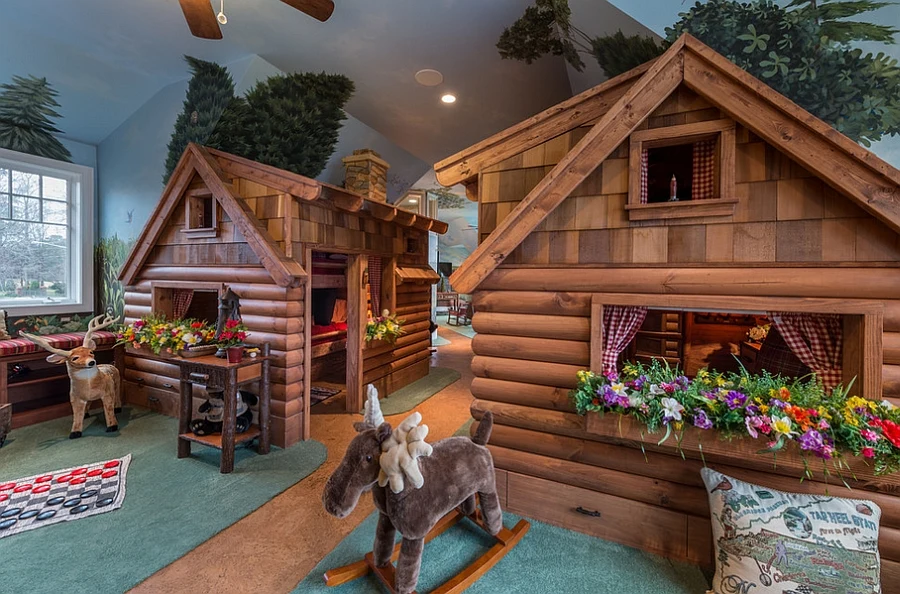
Personalisation does not require covering every surface with the child’s name or favourite character. A display shelf, framed drawing, photograph or small collection can create a stronger sense that the room belongs to them.
In an exploratory study of children’s special places at home, Carie Green began with book discussions involving 20 preschool children, followed by home visits with four children and their parents. Bedrooms were the places mentioned most often, while smaller areas within homes were used for hiding, dramatic play and emotional retreat.
The study was small and focused on preschool children, so it does not establish one design rule for every family. It does suggest that children can attach meaning to places they recognise as their own.
Let your child choose a few visible and replaceable details, while adults remain responsible for safety, furniture and long-term planning.
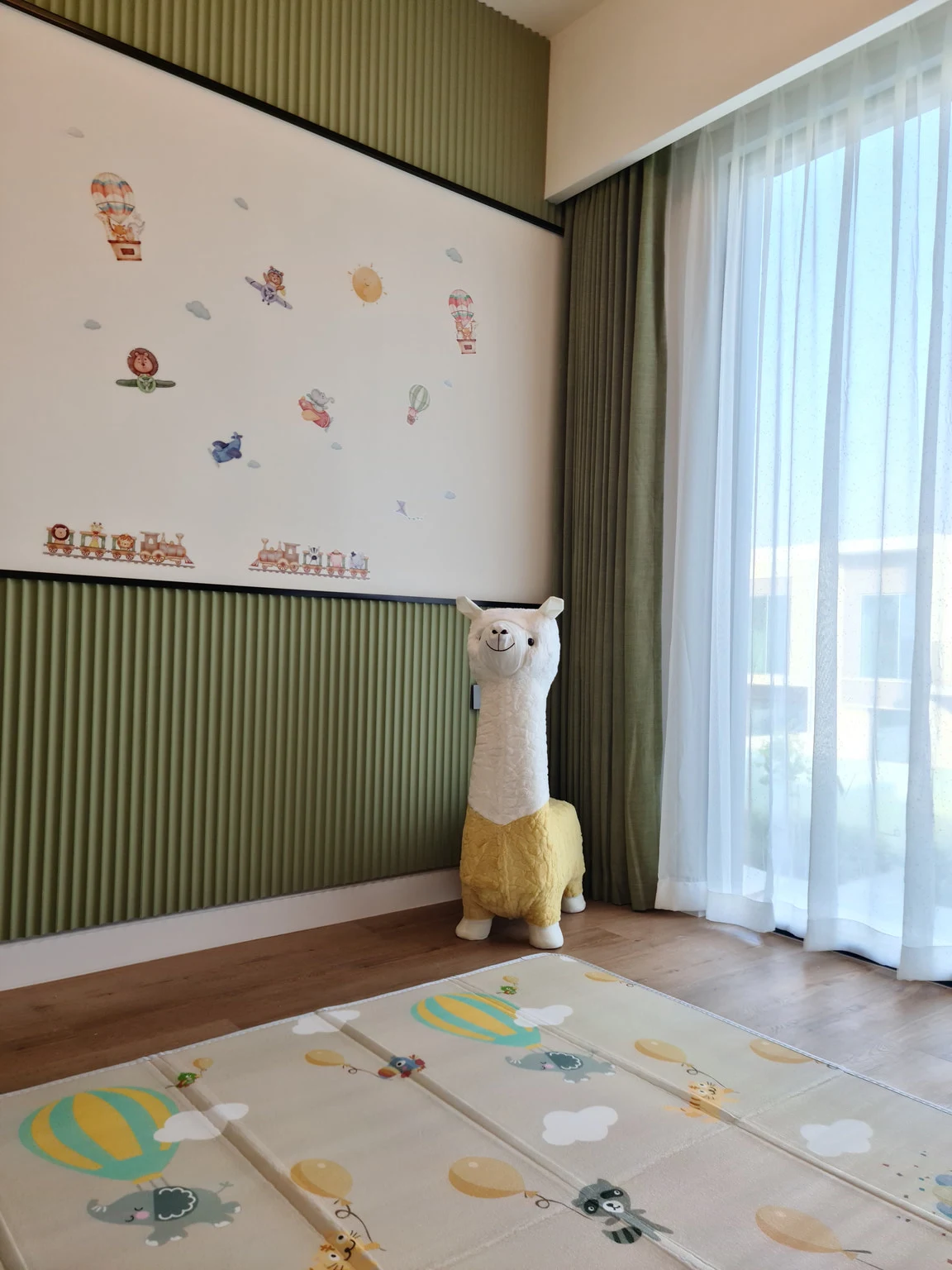
I noticed a practical version of this balance in the Wabi Sabi children’s room. A green tea-coloured panel, yellow floral wallpaper and llama stool give the room personality, while the mirrored study arrangements keep its everyday use visible.
What to Consider Before Finalising a Kid’s Bedroom
The first section looked at the visible ideas. These 11 considerations determine whether those ideas will continue working as the child’s routines, belongings and interests change.
1. Start With What Your Child Actually Does in the Room
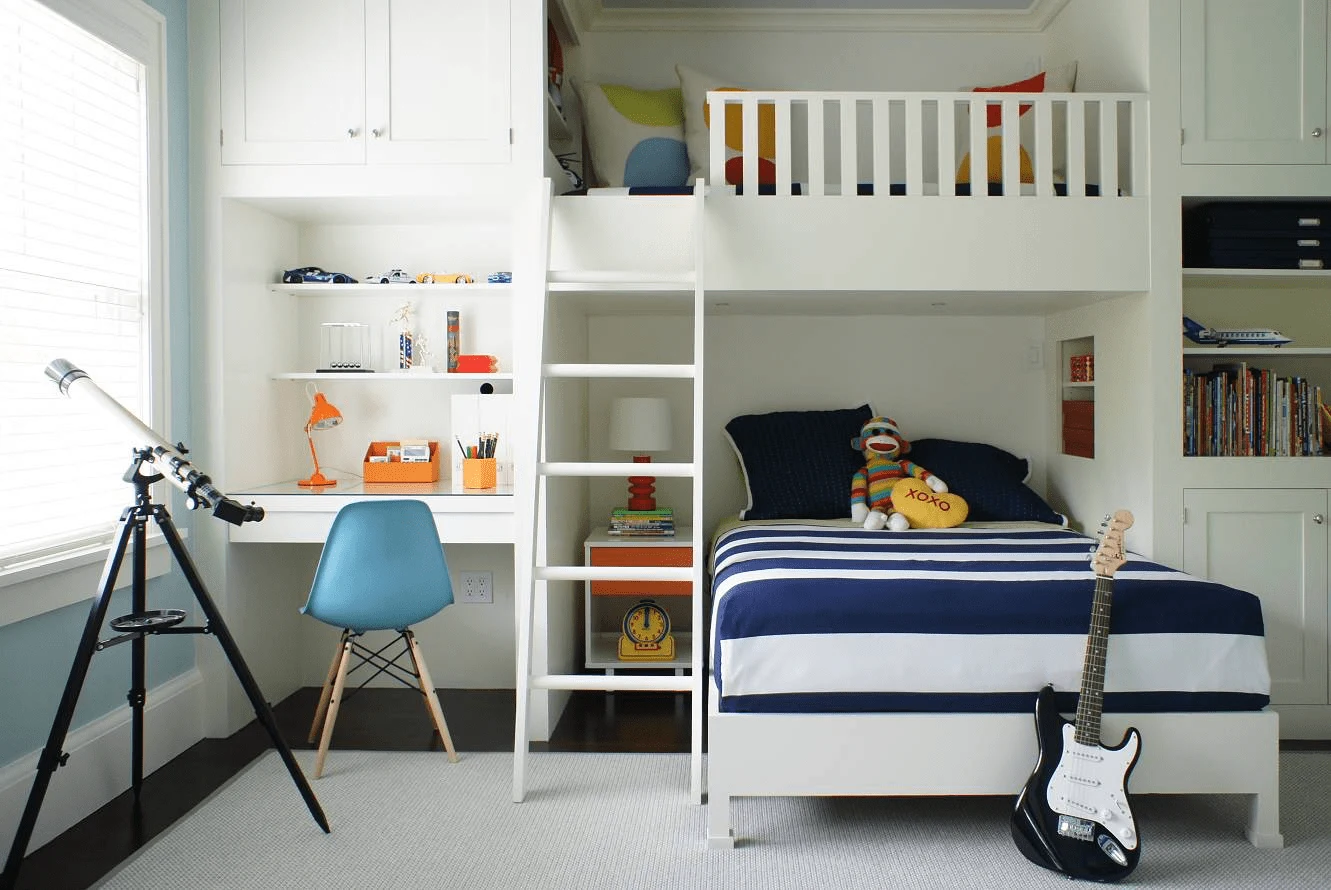
Image Source: Christopher Burns Interiors
A theme represents something the child likes. Their interests also reveal how they need to use the space.
One child may spend hours building on the floor, while another prefers drawing at a table or reading beside the bed. A child who enjoys books may benefit more from an accessible shelf than from a large decorative playhouse.
Look beyond the temporary obsession and identify the underlying activity. An interest in astronauts may disappear, but drawing, collecting and reading could continue for years. The room should support those lasting habits while the surface decoration changes.
2. Match the Design to Their Current Age
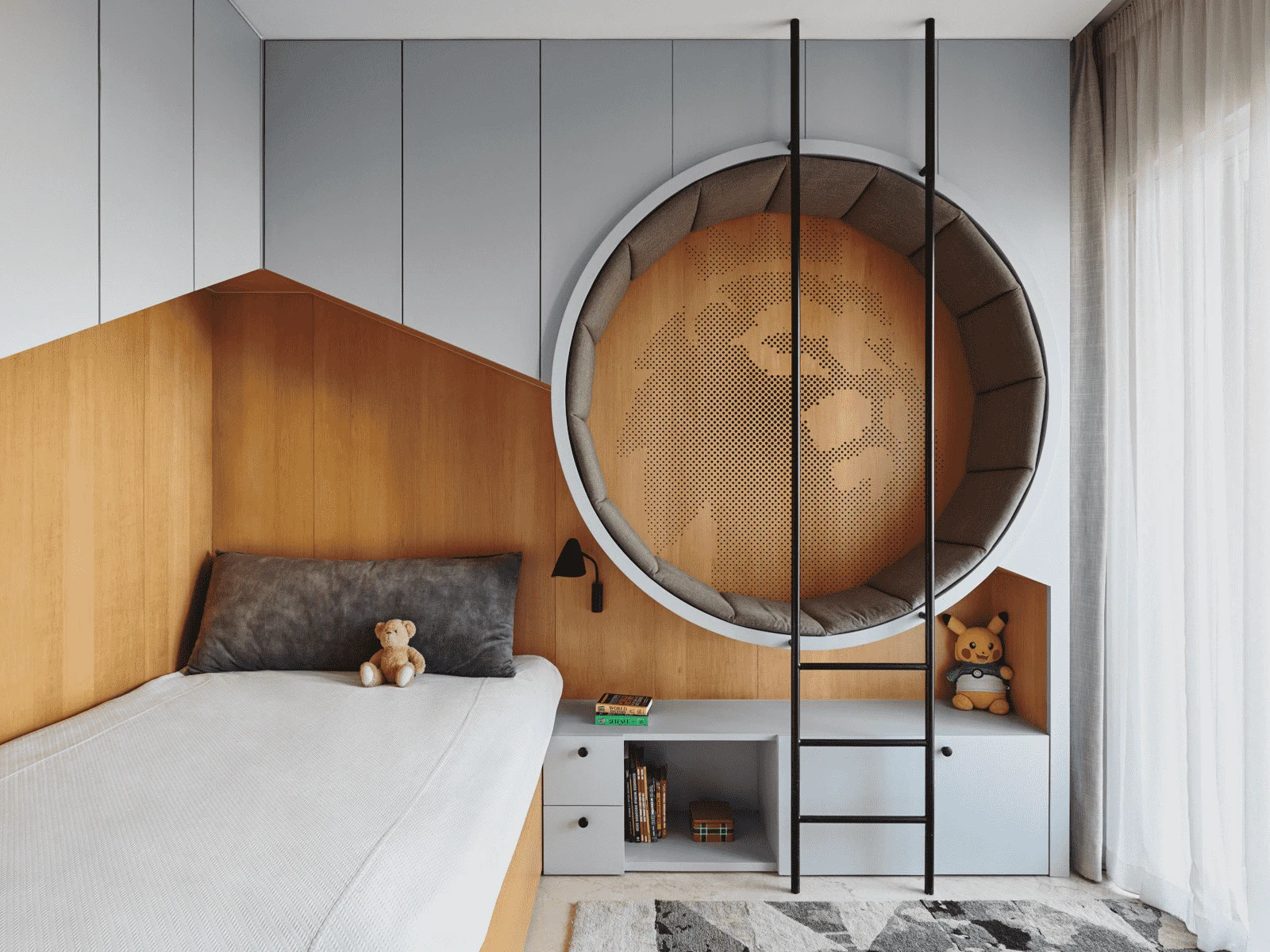
Image Source: Houzz
A toddler, school-age child and tween use a bedroom differently. Planning for every possible future need at once often leaves the present room crowded with furniture that serves no immediate purpose.
Toddlers need clear movement, supervised play and furniture that does not encourage climbing. School-age children may need accessible clothing, books and a simple activity area. Older children often want more privacy and greater control over how the room looks.
Add a formal desk when regular schoolwork makes it useful rather than sacrificing play space several years too early.
3. Make Every Piece of Furniture Earn Its Place
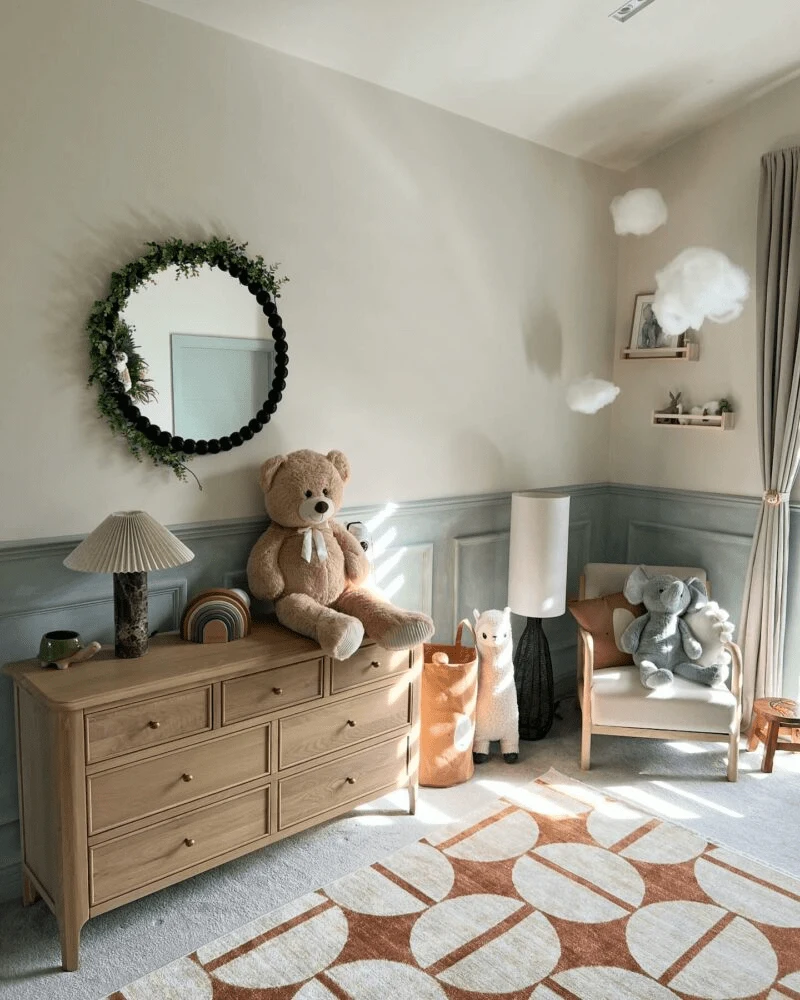
Image Source: Oak Furniture Land
A functional bedroom allows sleeping, dressing, play and storage to happen without one activity constantly interrupting another.
Measure the bed, wardrobe and open drawers before ordering additional furniture. Walk from the entrance to the bed and test every cabinet door. Everyday items should be reachable without climbing or squeezing between sharp corners.
Multi-purpose furniture can help, but only when both functions are useful. Under-bed drawers may replace a separate chest, while a low activity table can support creative play and early learning.
4. Give Each Child Personal Space in a Shared Room
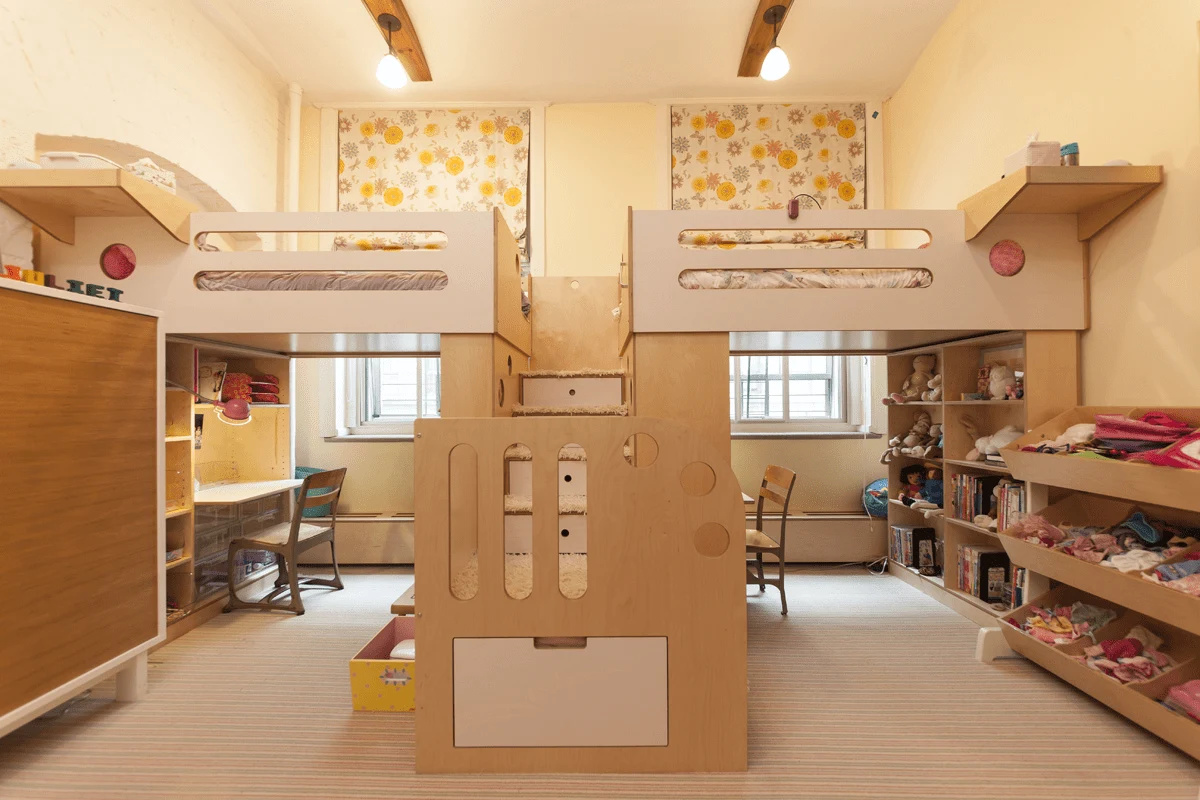
Image Source: Decoist
Shared bedrooms need more than space-saving beds. Each child should have somewhere that feels individually theirs, even when the main furniture is used together.
This could be one drawer, bedside pocket, reading light, display shelf or section of the wardrobe. Different bedding or artwork can create distinction without dividing a small room physically.
The shared floor area still needs clear rules. Decide which toys belong to both children and which items require separate storage, particularly when their ages or interests differ.
Bunk beds may preserve more floor space, but they are not suitable for every age. The American Academy of Pediatrics’ bunk-bed safety guidance advises that children younger than six should not sleep in the upper bunk. Guardrails, ladder attachment, mattress fit and ceiling clearance also need checking.
For younger siblings, two low beds or a trundle arrangement may be easier to use safely.
5. Choose Colours That Work in the Actual Room
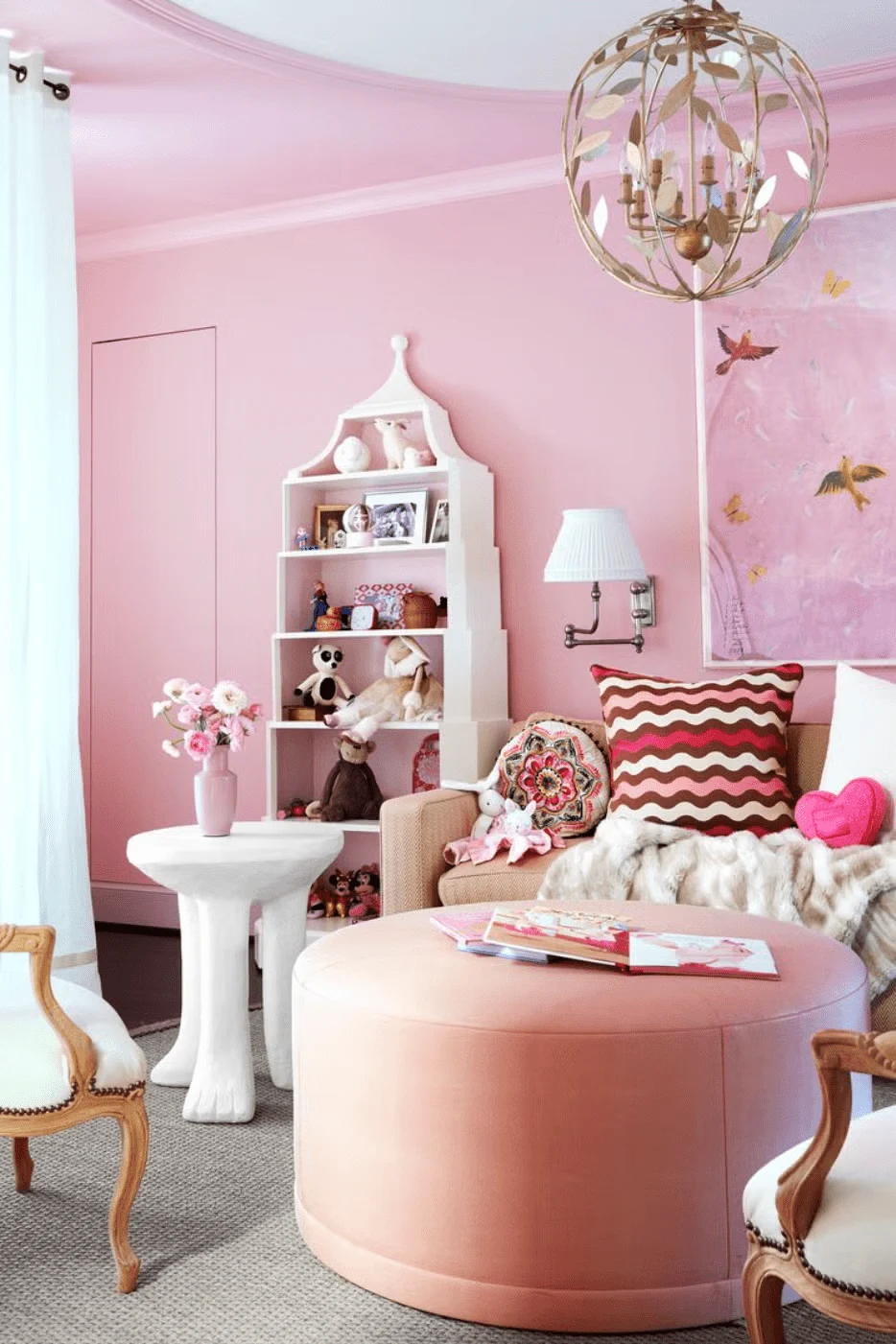
Image Credit: luke white
Colour can change how bright, busy, quiet or enclosed a room appears, but it should not be used to promise a particular mood or behaviour.
Soft blues, greens and warm neutrals may create a visually quieter background, while stronger reds, yellows and oranges draw more attention. Daylight, artificial lighting, room size and the amount of colour used can all alter the result.
Test a sample on the wall instead of choosing from a small card. Offer your child a limited selection that works with the flooring, furniture and available light.
6. Select Materials for Durability and Responsible Use
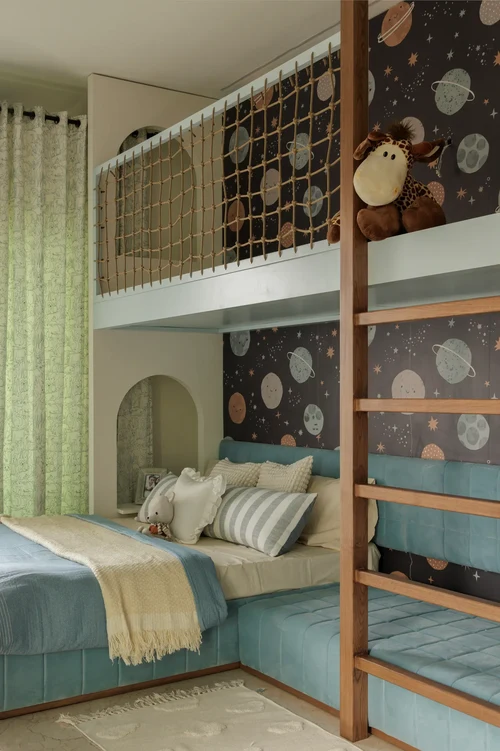
Image Credit: Janvi Thakkar
A more responsible children’s room does not begin and end with products described as natural, sustainable or eco-friendly.
Furniture that lasts, adapts and can be repaired may reduce the need for frequent replacement. Adjustable shelves, a simple bed frame and removable decorative layers can remain useful through several stages.
Material names alone do not establish safety. Bamboo, MDF, plywood and recycled fabrics may contain different adhesives, coatings and finishes. Ask for material specifications, emission information and cleaning guidance instead of relying on a broad “non-toxic” label.
7. Plan Lighting for Play, Reading and Bedtime
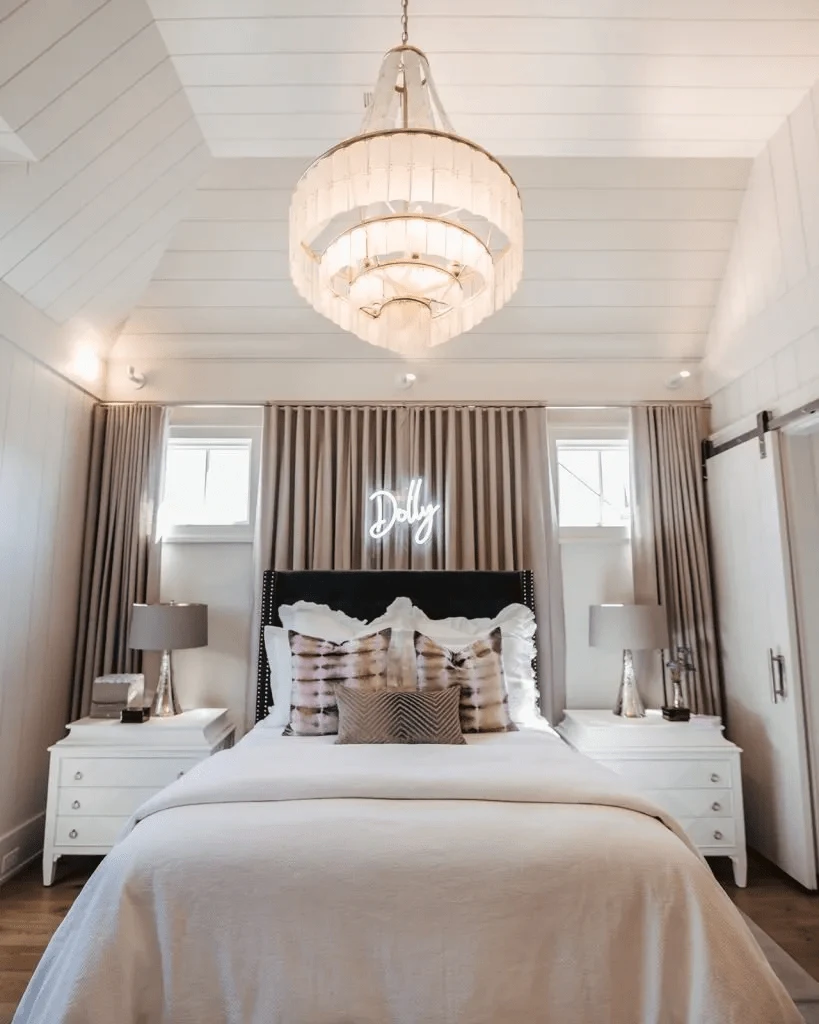
Image Source: Graham’s Living
The decorative light establishes character, but the lighting plan needs to respond to specific activities.
General light should illuminate the room safely. A desk or reading area needs focused light positioned so the child does not cast a shadow across the page. A bedside or night light can remain softer during the evening.
Natural light also affects the layout. Avoid placing a desk where direct glare reaches the child’s eyes or where tall storage blocks the window.
8. Resolve Safety Before Styling the Room
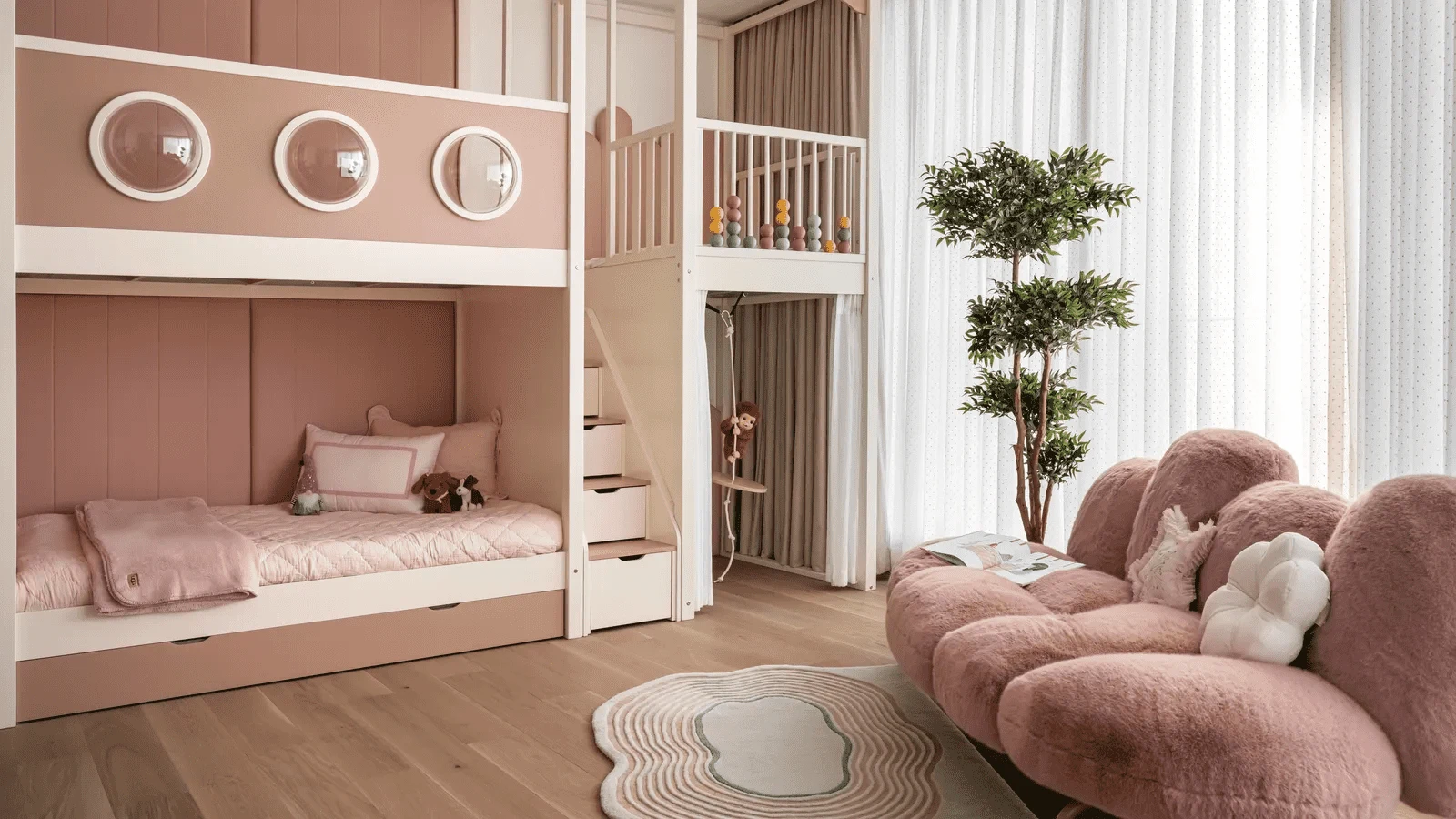
Image Credit: Arth Architecture
Furniture stability should be addressed before books, toys and decorations are placed on shelves or dressers. A unit may appear secure when closed, but open drawers and climbing can alter its balance.
The US Consumer Product Safety Commission’s clothing-storage-unit safety report recorded 234 deaths involving tip-overs between January 2000 and April 2022, including 199 children. These figures relate to incidents reported in the United States, but they show why furniture stability cannot be treated as a minor finishing concern.
Anchor wardrobes, dressers and suitable tall shelves according to the manufacturer’s instructions, using hardware that matches the furniture and wall. Keep tempting toys away from the top, where they may encourage climbing.
Window safety, blind cords, sharp corners, socket access, loose rugs and heavy objects also need checking.
9. Give Technology a Defined Place

Image Source: Geeky Minded
Technology may support homework, communication or entertainment, but the room does not need to revolve around a permanent screen setup.
Decide what the device is used for, where it will be stored and how charging cables will be kept away from movement areas. A small desk may accommodate supervised computer use without turning the whole room into a gaming space.
For younger children, regular screen use may be easier to manage in a shared family area. Older children can have clearer charging and storage rules so devices do not take over the bedside area. A few years on, the brief becomes dorm room ideas for students where the student takes over the choices.
10. Choose Finishes That Make Cleaning Easier
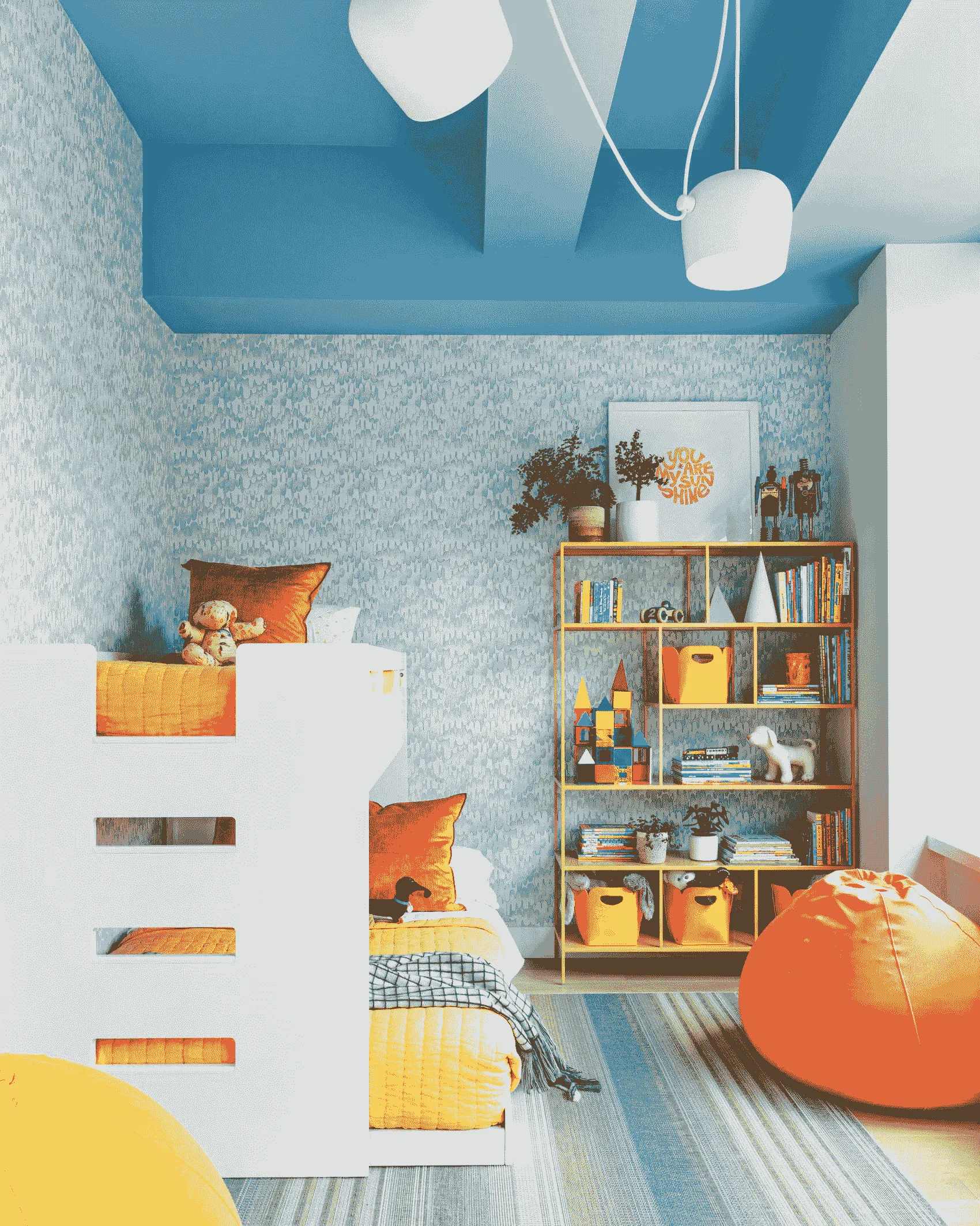
Image Credit: Hulya Kolabas
A children’s room should expect spills, marks and changing collections. Materials that can be cleaned or repaired are usually more practical than surfaces that need constant protection. For the earliest years, these nursery ideas set the room up before themes take over.
Washable paint, removable cushion covers, wipeable furniture and rugs suited to the household’s cleaning routine can make maintenance less demanding. Test pale upholstery and textured finishes before ordering them for heavily used areas.
The organising system also needs regular editing. Remove outgrown clothes, incomplete toys and unused items every few months instead of adding another storage unit.
11. Keep the Permanent Features Flexible for the Future
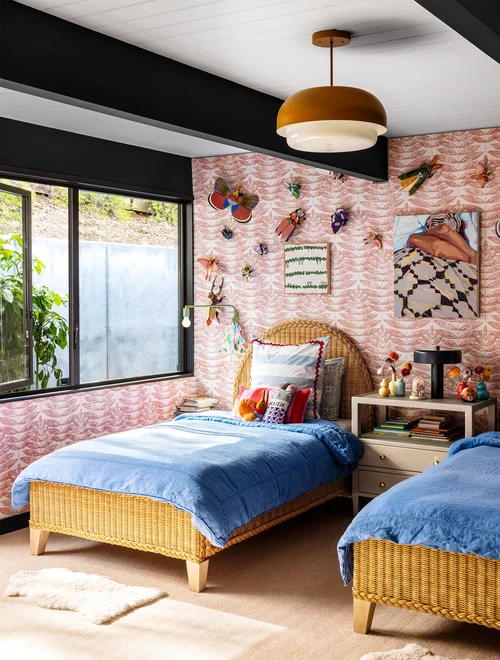
Image Credit: Alanna Hale
The bed, wardrobe, flooring and fixed joinery will probably remain longer than the child’s current favourite theme. Keeping these features adaptable makes future changes easier.
This does not mean the room needs white walls and beige furniture. A green wardrobe or blue bed may remain suitable for years when the colour is not tied to one character or narrow age group.
Concentrate changeable details in the bedding, rug, artwork, lampshade and display shelf. These bedroom ideas that grow with a child offer more examples of furniture and decorative layers that can evolve.
Before confirming a permanent feature, ask whether it would still make sense if the child’s favourite subject changed next month.
Create a Room That Lasts Beyond One Phase
Good kids bedroom design ideas balance personality with the way the room needs to work each day. Settle the bed, movement space, storage and safety first, then decide where colour, lighting and personal details can introduce excitement.
The child should have a genuine role without being responsible for decisions they cannot yet evaluate. Let them select from suitable bedding, artwork or display options while adults settle furniture stability, materials and long-term use. It helps to plan a bedroom layout that leaves clear floor space before choosing any theme.
The room does not need to remain unchanged throughout childhood. It needs a reliable base that allows the visible layers to evolve without requiring another complete redesign.
For coordinated layouts, custom storage, age-appropriate furniture and a room developed around your child’s routines, Euphoria Interiors offers kids’ room interior design services in Dubai.