Choosing flooring tiles for a new house feels exciting at first. Then you see hundreds of colours, finishes, sizes and materials, and it becomes confusing.
Homeowners spend weeks choosing sofas, wall colours and bathroom fittings, then select flooring in a hurry. That is risky. A sofa can be replaced, a vanity can be changed, curtains can be updated. Your floor usually stays for years.
The wrong tile makes a room feel smaller, darker or harder to clean. Once fixed, changing it means time, dust, labour and cost. That is why the team at Euphoria Interiors always settles the room’s function before its fashion.
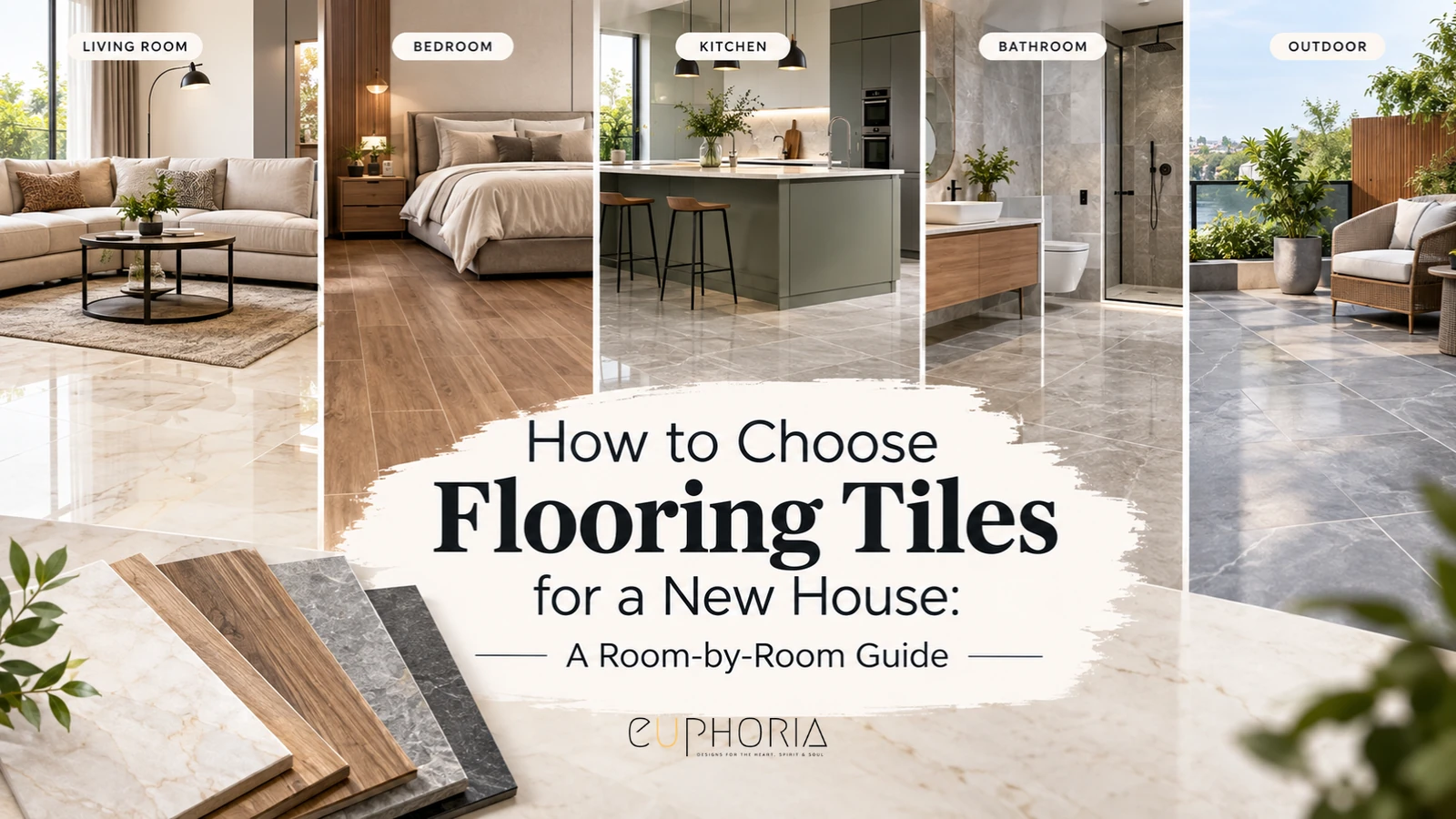
This guide goes room by room, covering which surface materials work in living rooms, bedrooms, kitchens, bathrooms and hallways.
Quick Comparison: Which Tile for Which Room
| Room | Best choice | Why it works | Avoid |
|---|---|---|---|
| Living room | Large format porcelain | Makes the space feel open and seamless | Too many grout lines |
| Bedroom | Wood look tile | Adds warmth without high maintenance | Very glossy finishes |
| Kitchen | Vitrified tile flooring | Strong, smooth and easy to clean | Slippery polished tiles |
| Bathroom | Textured porcelain | Gives better grip in wet areas | Glossy floor tiles |
| Hallway | Durable porcelain | Handles heavy foot traffic well | Delicate light duty tiles |
1. Living Room Flooring Tile Ideas
Your living room floor quietly controls the mood of your home. Before someone notices the sofa or curtains, they feel the floor through space, colour and light.
Size is the first decision, because it changes how broken or continuous the floor looks. That is where format matters more than colour.
1.1 Large format porcelain for open plan rooms
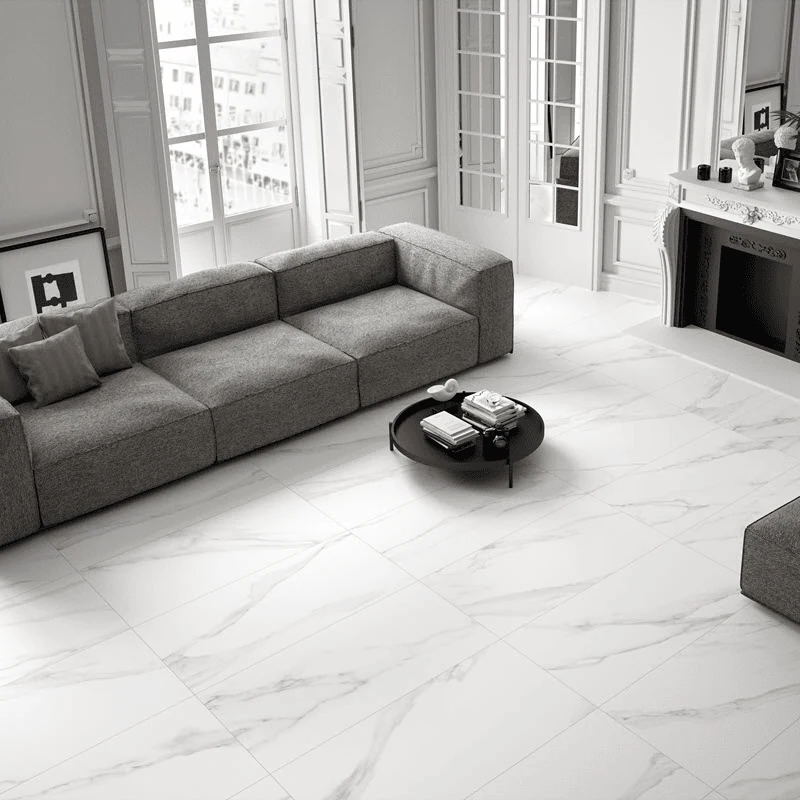
If your living room connects to the dining area or hallway, large porcelain tiles make the whole space feel more open. Fewer grout lines mean the floor looks cleaner and less broken, helping the eye move smoothly across the room.
1.2 Marble look tiles for elegance without heavy maintenance
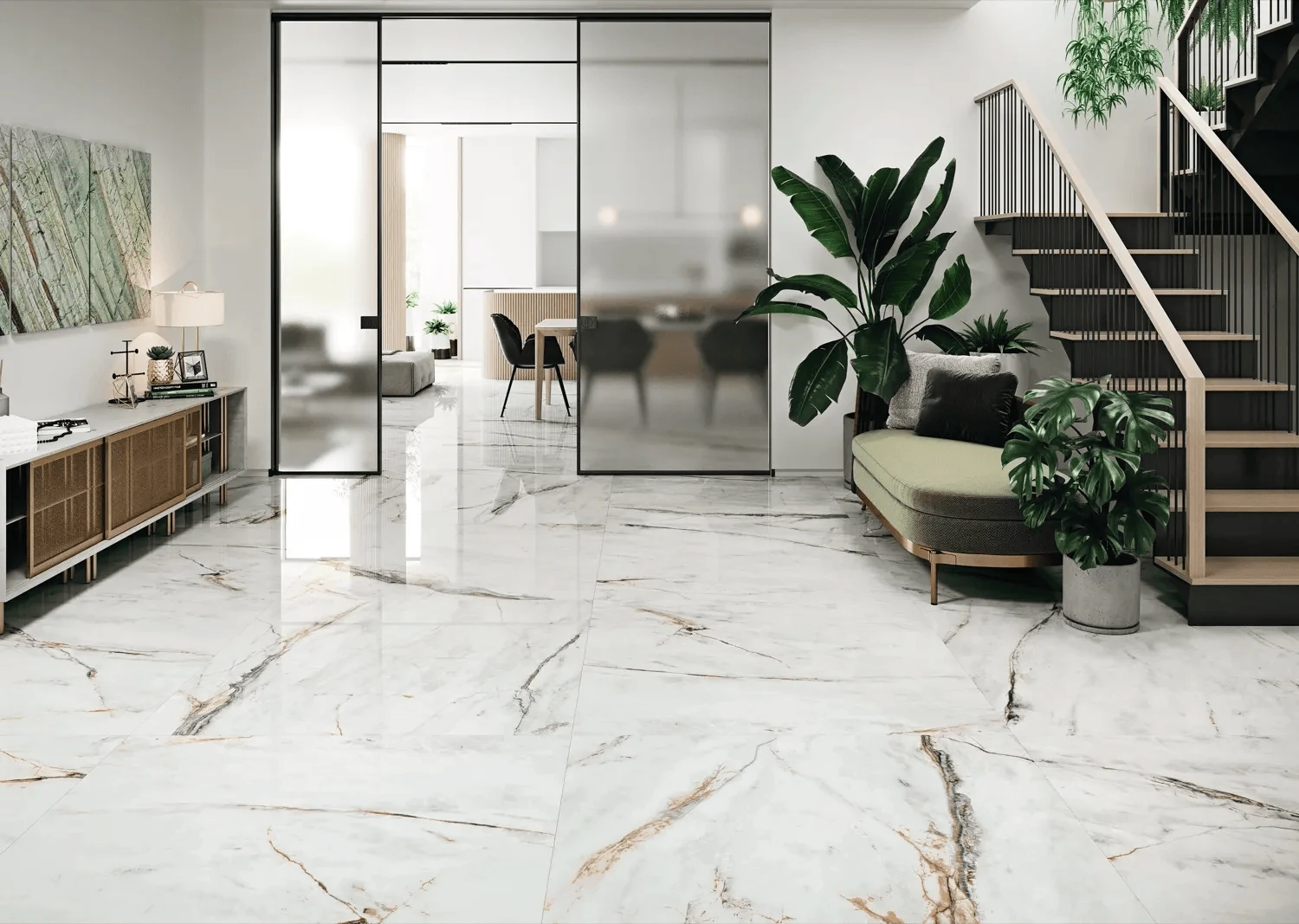
Real marble needs more care. Marble look tiles give a similar luxury feel with easier maintenance, and pair well with soft beige walls, gold details and warm lighting.
1.3 Warm beige for a family friendly room
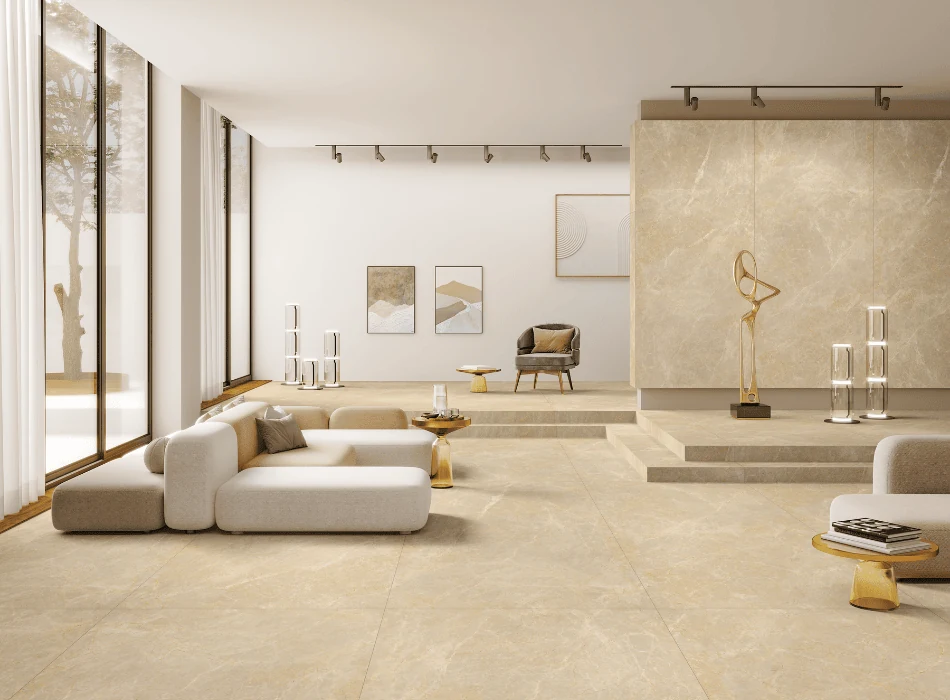
A warm beige floor is a safe choice when you want the room to feel welcoming. It does not dominate the furniture, hides light dust better than pure white, and works across modern and classic styles.
1.4 Concrete effect for contemporary homes
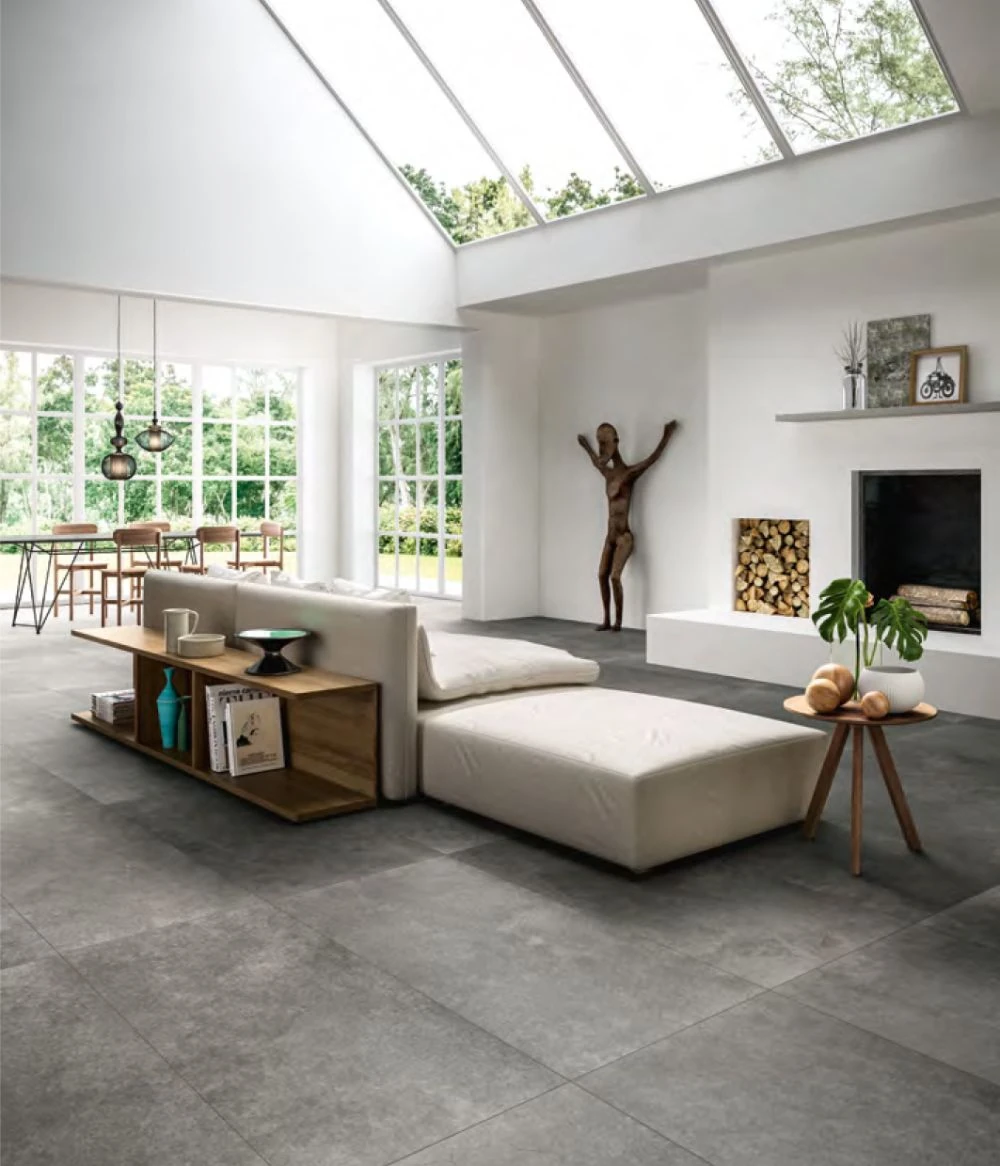
Concrete effect surfaces suit a modern, slightly bold room. They work with black metal, wooden furniture and white walls. Choose a softer grey if the room is small, since very dark concrete feels heavier without enough natural light.
1.5 Wood look porcelain for a cosy room
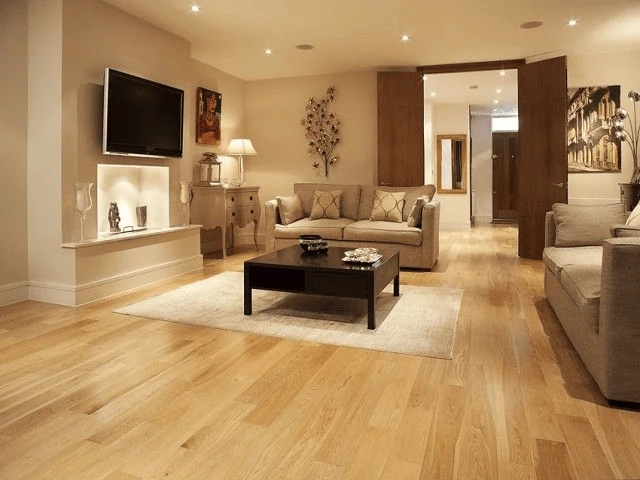
Wooden flooring feels warm but may not suit every home because of scratches and moisture. Wood look porcelain gives the visual comfort of timber with the durability of tile. For a fuller comparison of timber species, see our guide to the best types of wood for home interior design.
1.6 Soft grey for small living rooms
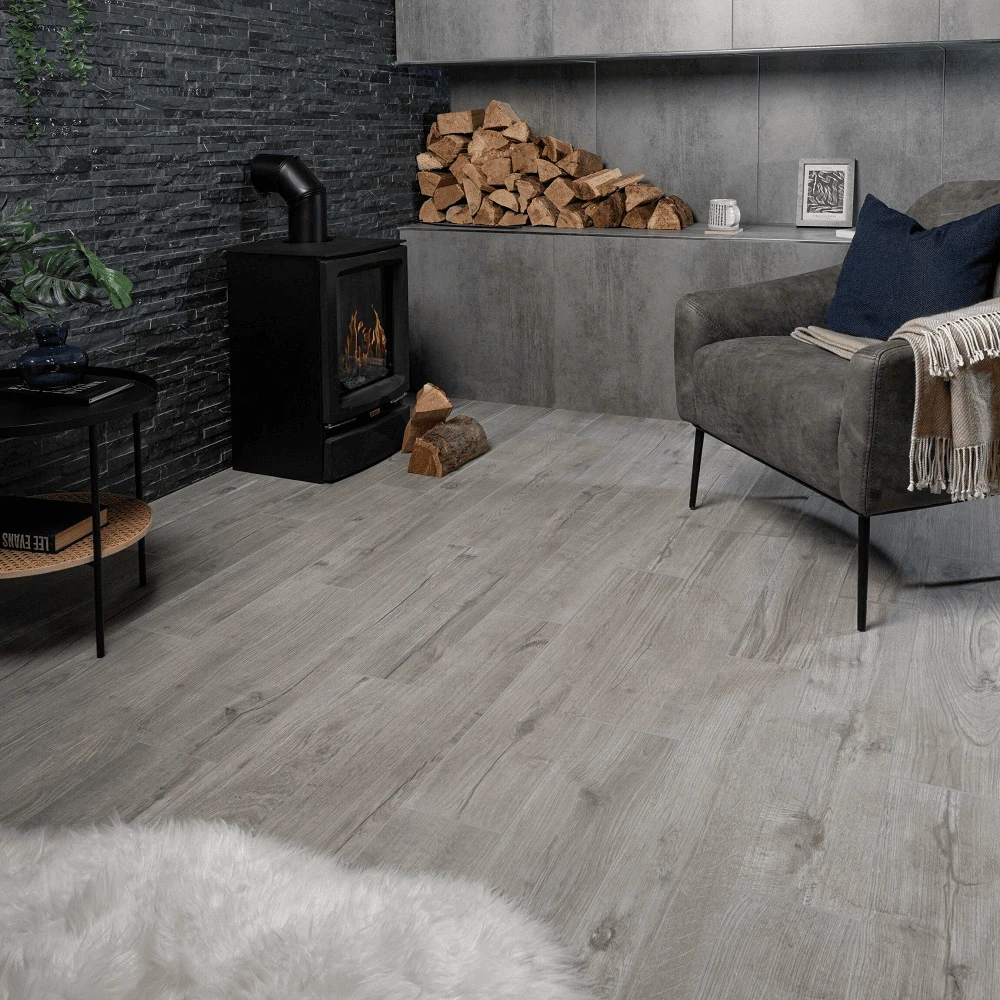
Soft grey makes a small room look neat and airy. Avoid very dark grey unless the room has strong light. It also gives a flexible base, so you can add colour through cushions, rugs or art later.
Window treatments change how floor colour reads at different times of day, which our roundup of the latest curtain designs covers.
2. Bedroom Flooring Tile Ideas
Your bedroom floor should not fight for attention. Comfort matters more here than first impression.
2.1 Wood effect for warmth without the maintenance
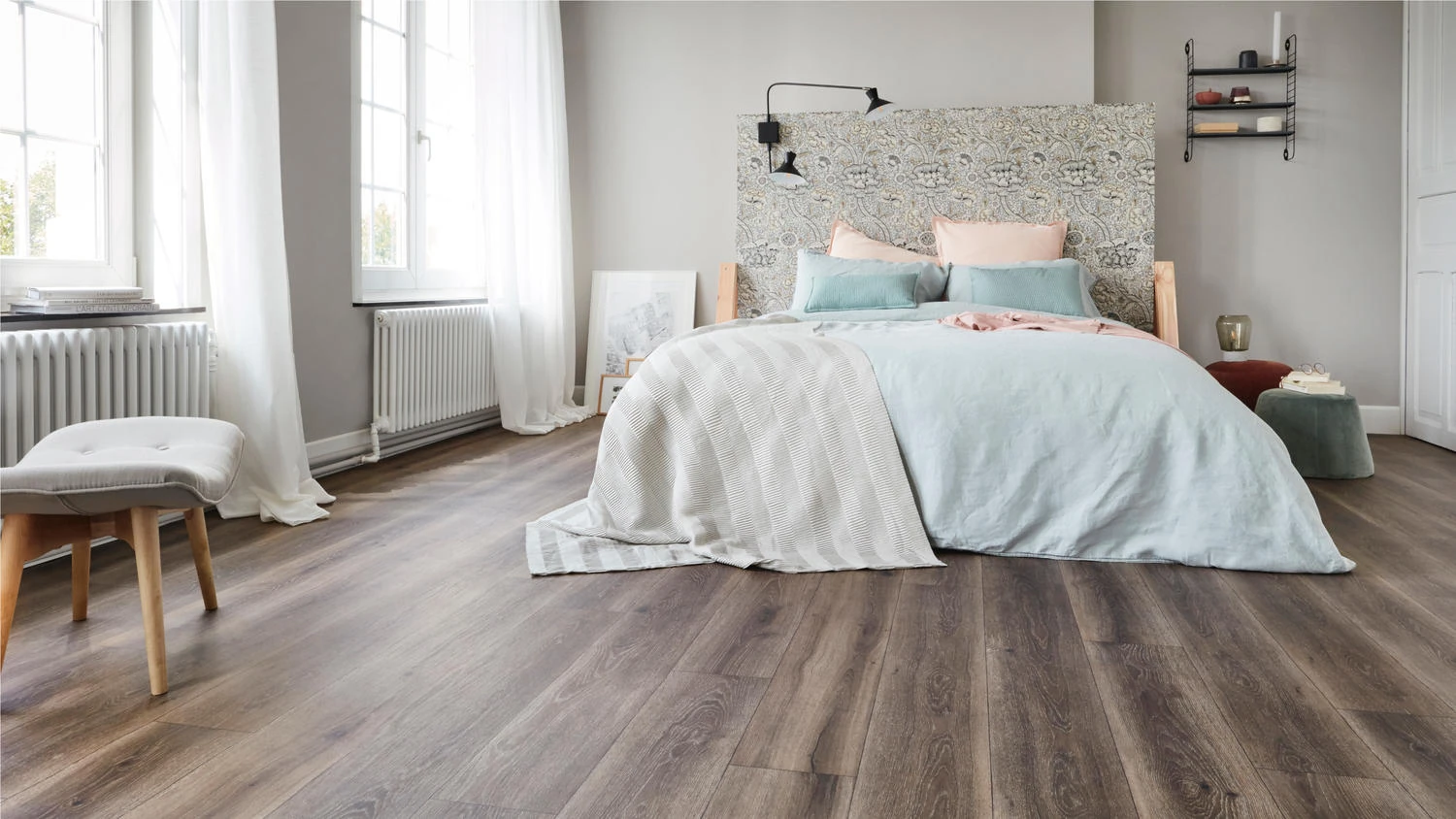
Wood effect tiles are among the safest bedroom choices. They look like timber but resist scratches, stains and moisture far better. They work with cream walls, linen curtains, soft rugs and neutral wardrobes.
Getting the wardrobe to agree with the floor matters, which our wardrobe design ideas for bedrooms address.
2.2 Light beige for a calm sleep space
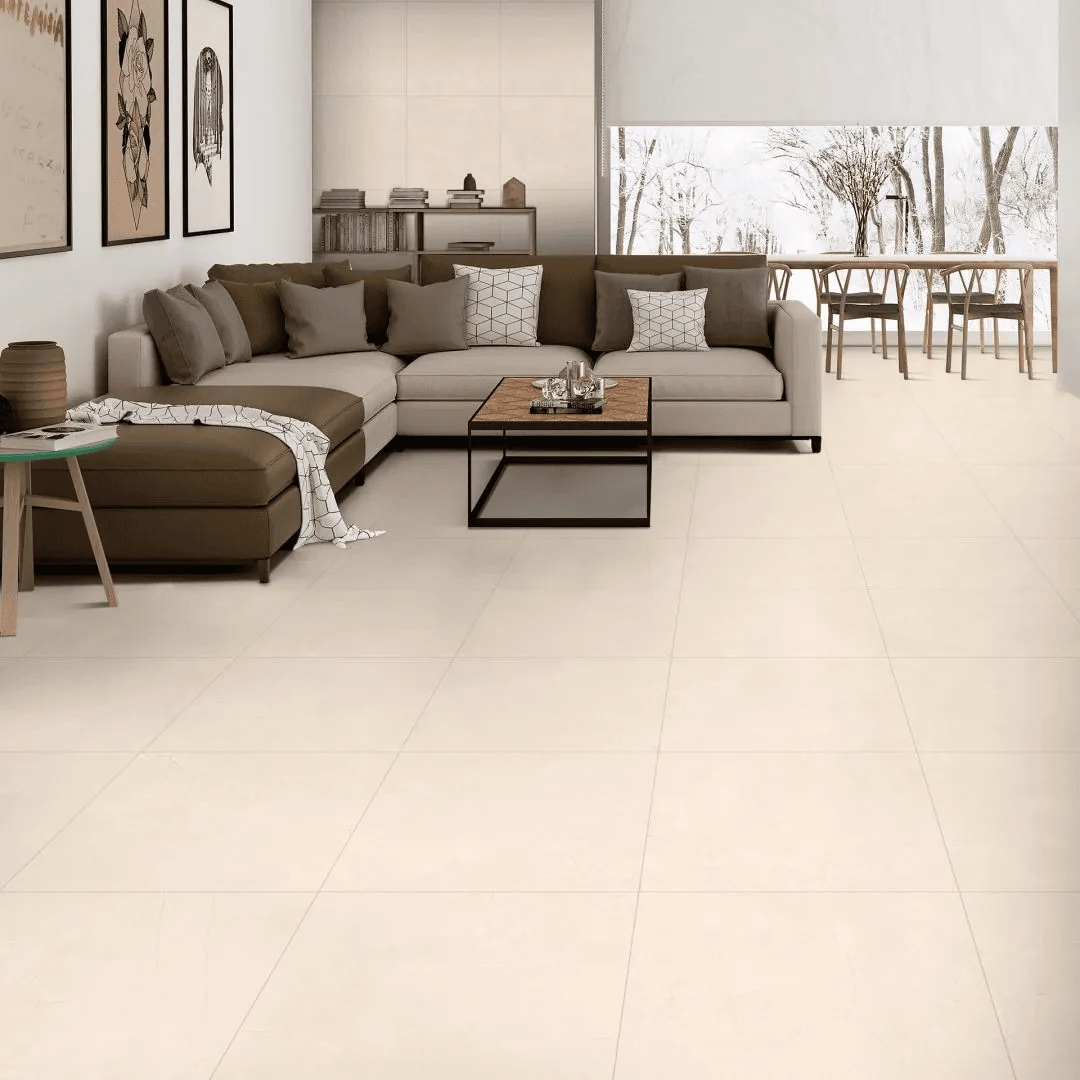
Soft beige creates a warm base without looking dull, and reflects light better than dark flooring so smaller bedrooms feel more open. It also works with white, wood, grey, olive, brown and black accents, which saves design confusion later.
2.3 Matte finish for softer daily use
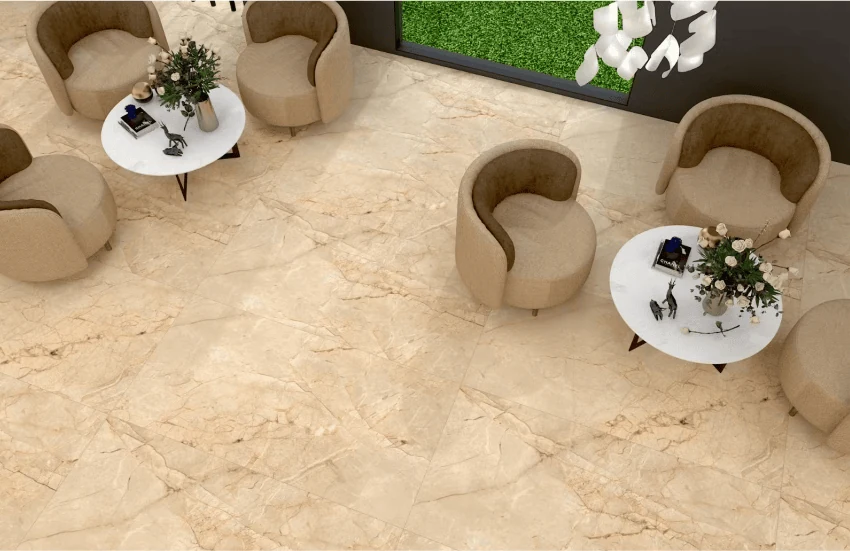
Glossy tiles look attractive in a showroom but feel too shiny in a bedroom. Matte reduces glare from lights and creates a more relaxed mood, which helps if the room gets strong sunlight.
2.4 Large format for a clean, clutter free floor
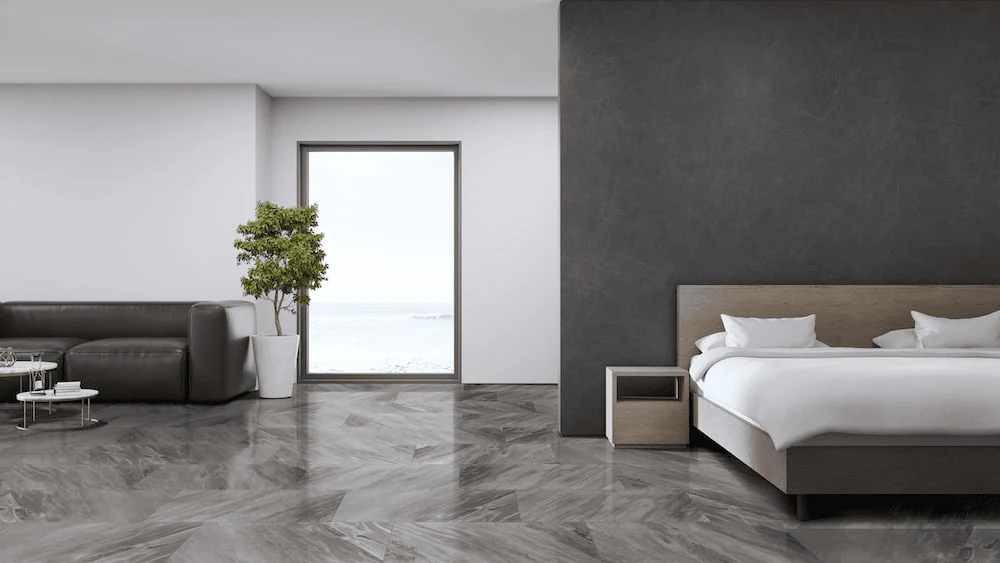
Fewer grout lines make the space look smoother, so the room feels larger and less busy. Choose light beige, soft grey or warm ivory for a neat hotel-like finish.
2.5 Stone look for a natural feel
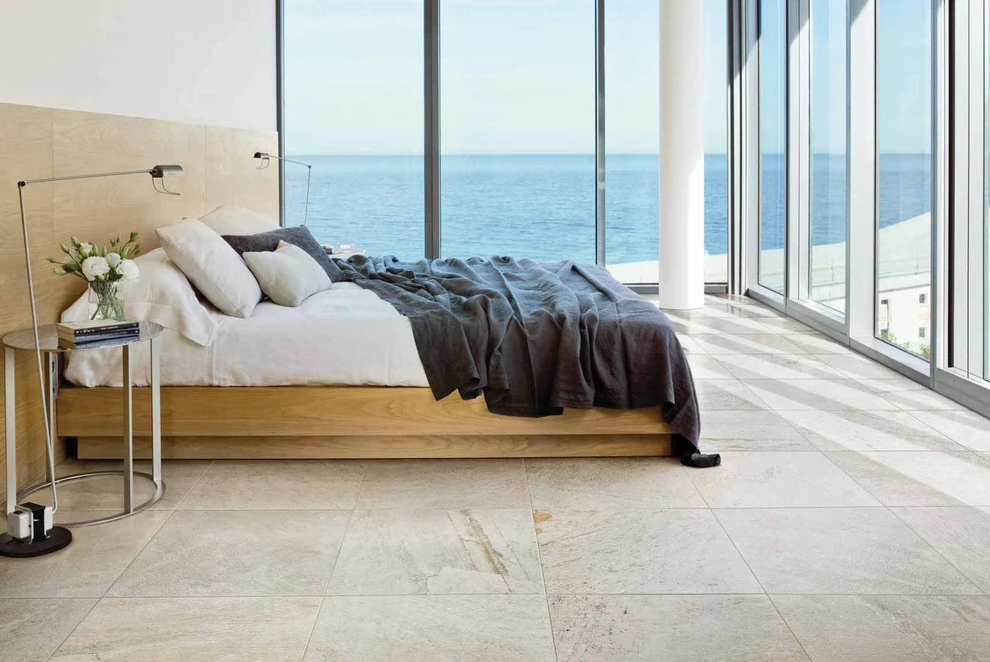
Stone look surfaces add natural texture without making the room heavy. Limestone, travertine or sandstone finishes pair well with wooden beds and textured walls. Avoid very rough finishes, since the floor should still feel comfortable barefoot.
In a compact bedroom the storage decision comes first, and our wardrobe designs for small bedrooms and two-door wardrobe ideas both work around a tight floor area.
3. Kitchen Flooring Tile Ideas
Kitchen flooring has a harder job than most rooms. You cook here, spill water here, and clean daily. A beautiful kitchen floor is only useful when it is safe and strong.
3.1 Anti slip porcelain for busy kitchens
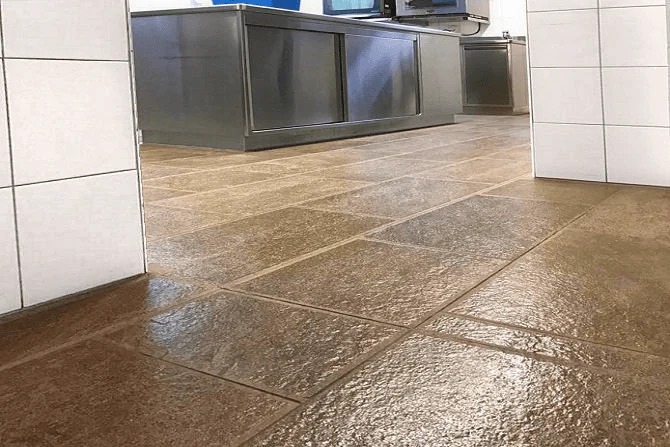
Anti slip porcelain gives better grip when the floor gets wet, which matters near the sink, cooking counter and dishwasher. A glossy kitchen floor looks bright but becomes risky with water or oil on it.
3.2 Large vitrified tiles for easy cleaning
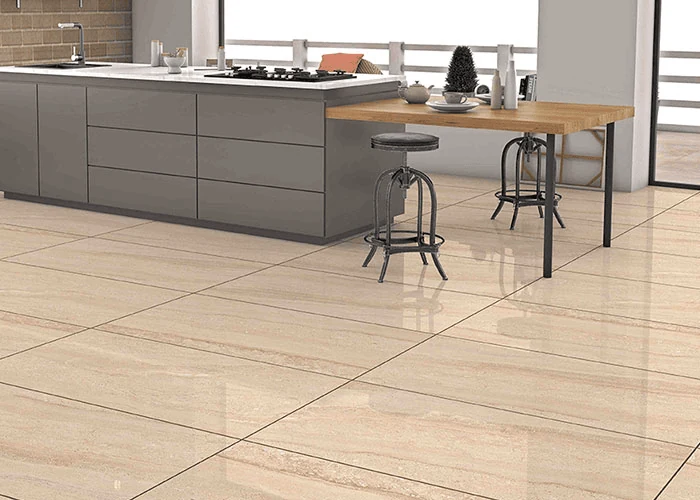
Vitrified tile flooring works when you want a kitchen that looks neat without demanding much cleaning. Fewer grout lines mean fewer places for dirt to settle.
3.3 Patterned tiles for character
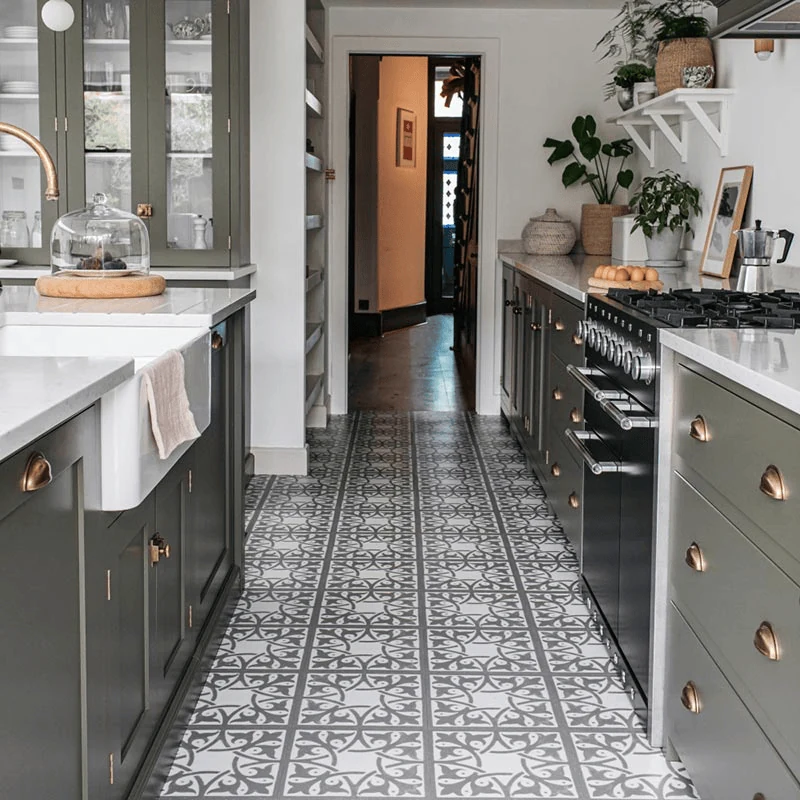
If your cabinets and walls are simple, pattern adds life. It works in compact kitchens and breakfast corners. The trick is balance: if the floor has pattern, keep the backsplash, countertop and cabinets simpler.
3.4 Stone inspired for a timeless look
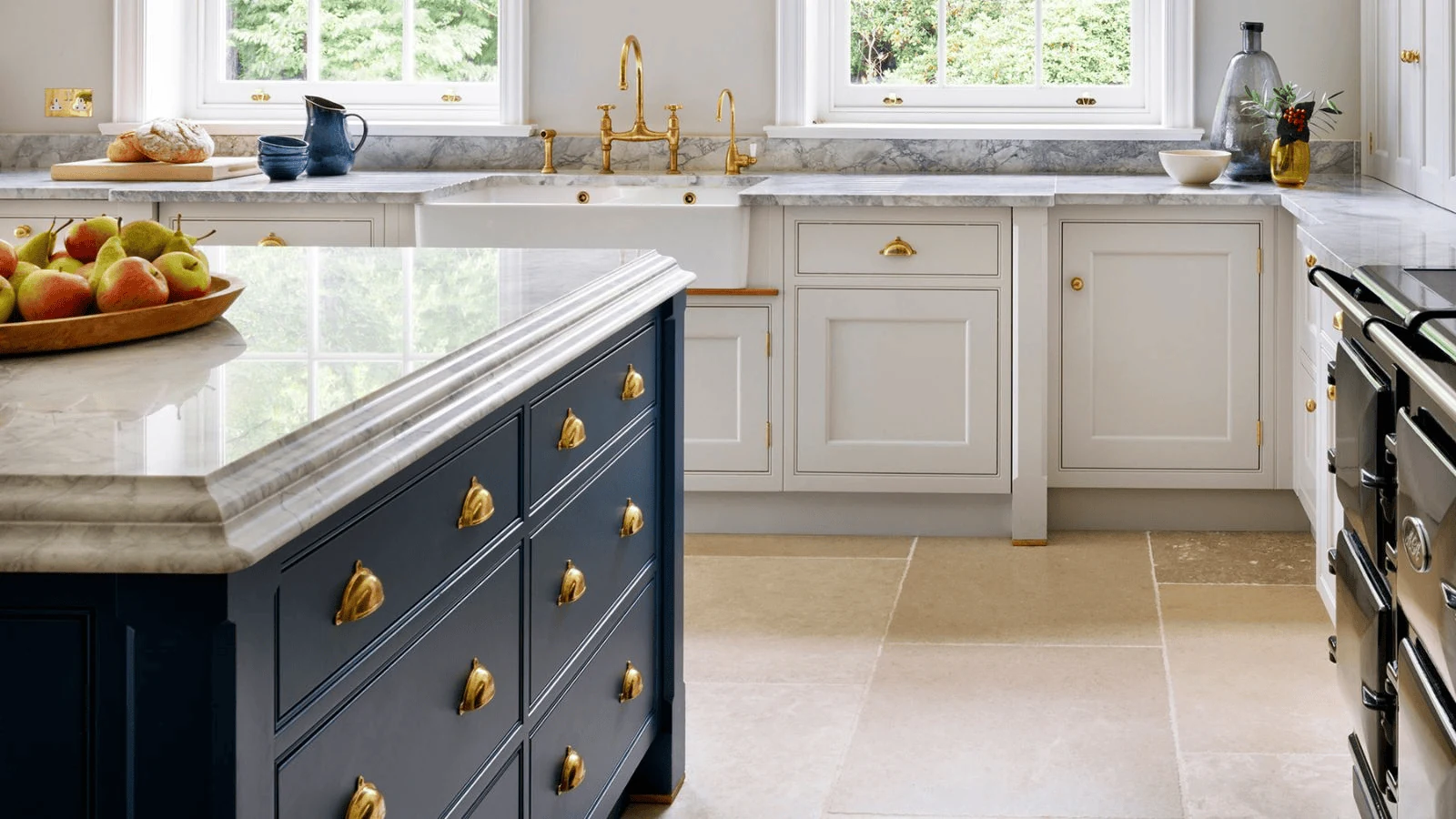
Stone inspired surfaces bring depth and work with wooden cabinets, white counters and black handles. Make sure the finish is not too rough, since kitchen floors need to mop easily.
3.5 Matte grey for a clean modern kitchen
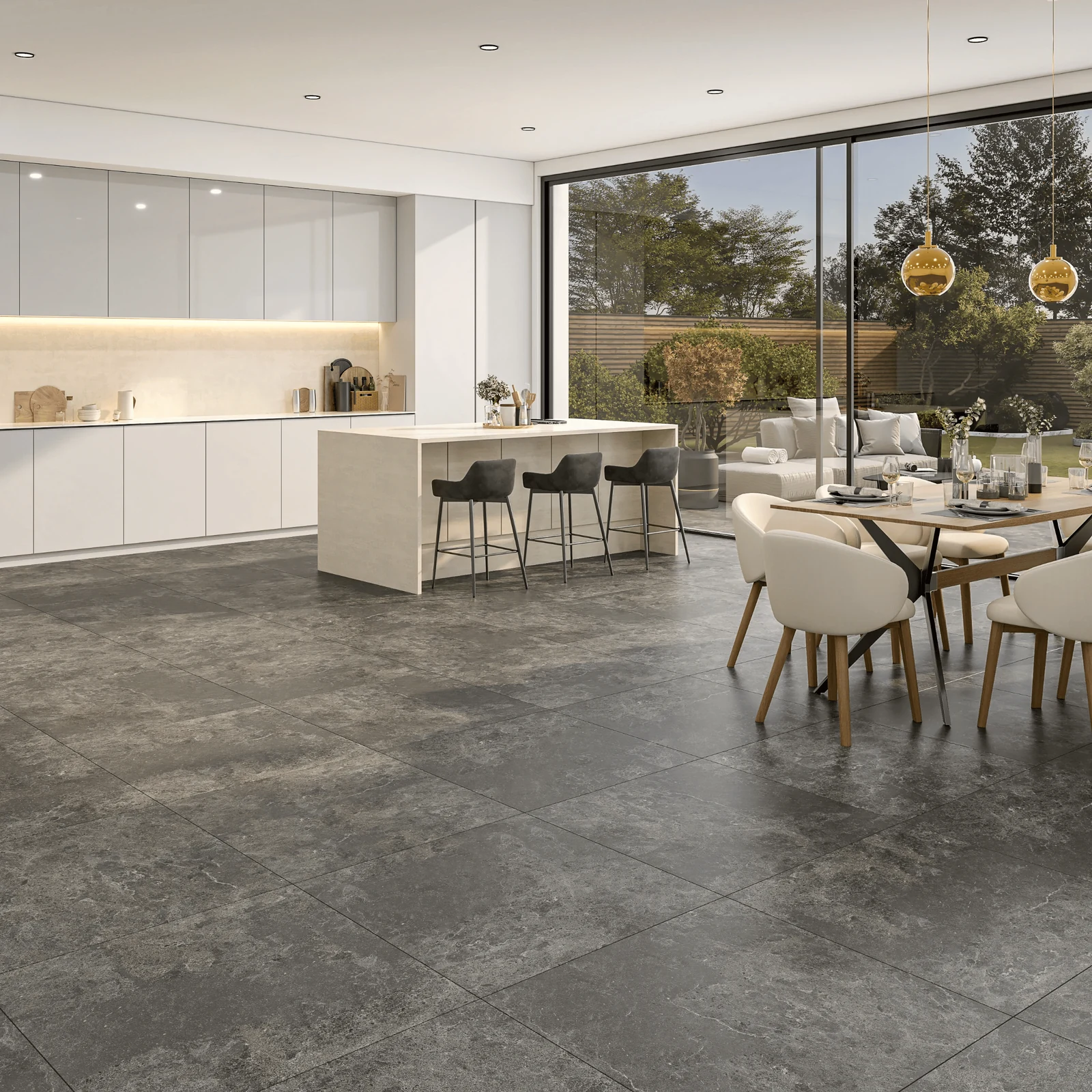
Matte grey hides light dust and small marks better than pure white, and creates a clean base for white, walnut, beige, charcoal or navy units. For darker kitchens, choose a softer pale grey.
4. Bathroom Flooring Tile Ideas
This is the room where water, soap, steam and daily movement all meet. Bathroom flooring should look good and help you avoid slips, stains and moisture problems.
4.1 Textured tiles where grip matters most
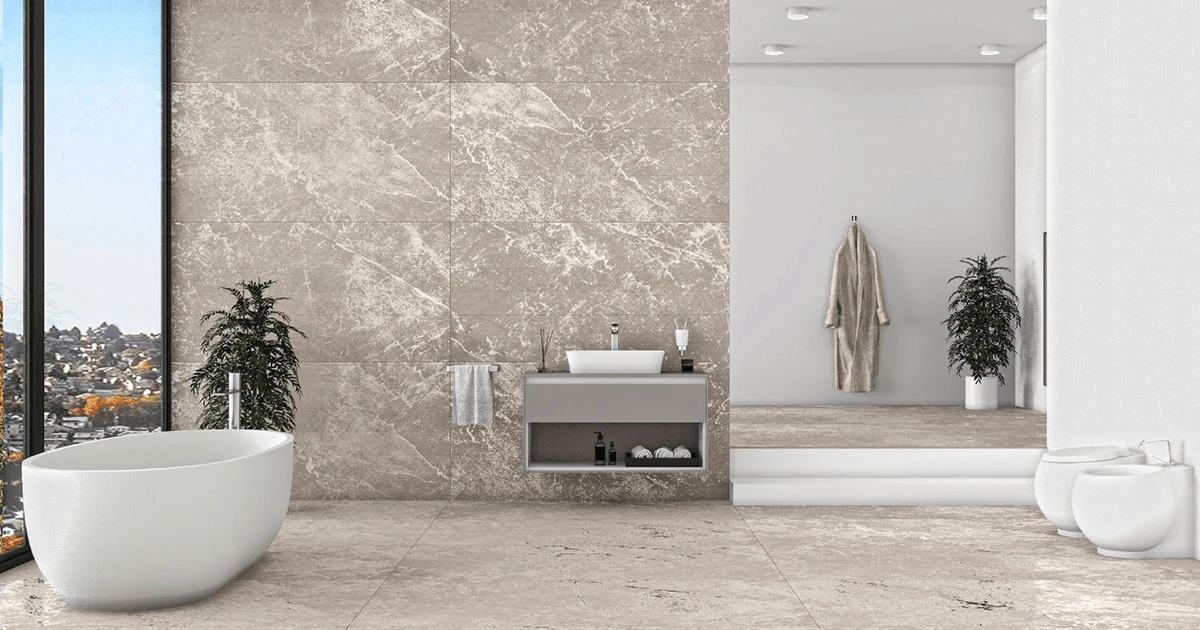
Textured surfaces give better grip when wet, which matters near the shower, bath and basin. The texture should not be too rough, or cleaning becomes harder.
4.2 Porcelain for everyday moisture
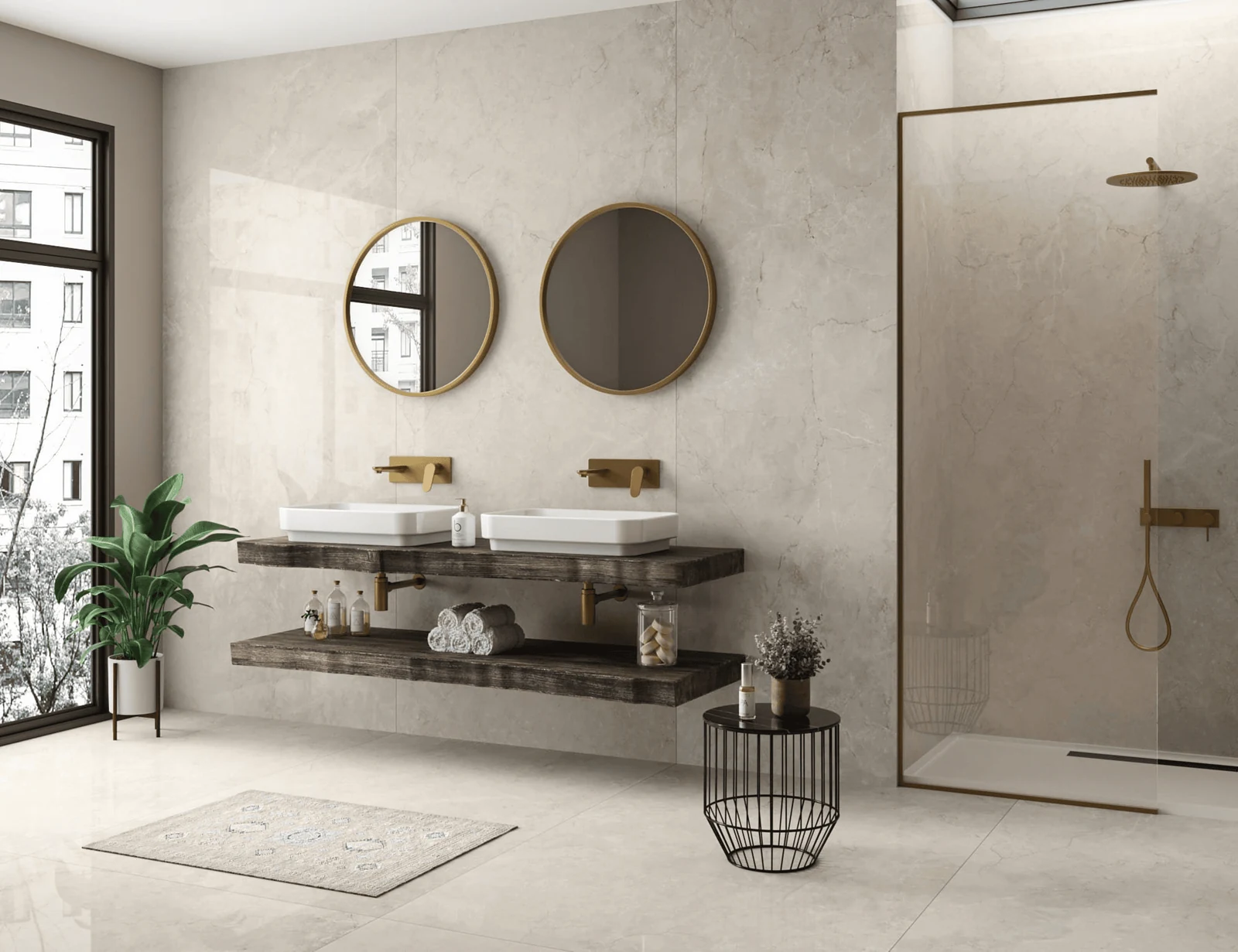
Porcelain tiles for bathroom spaces are dense, durable and suitable for wet areas when installed properly. They also offer marble look, stone effect, concrete finish and wood look options.
4.3 Mosaic for shower areas
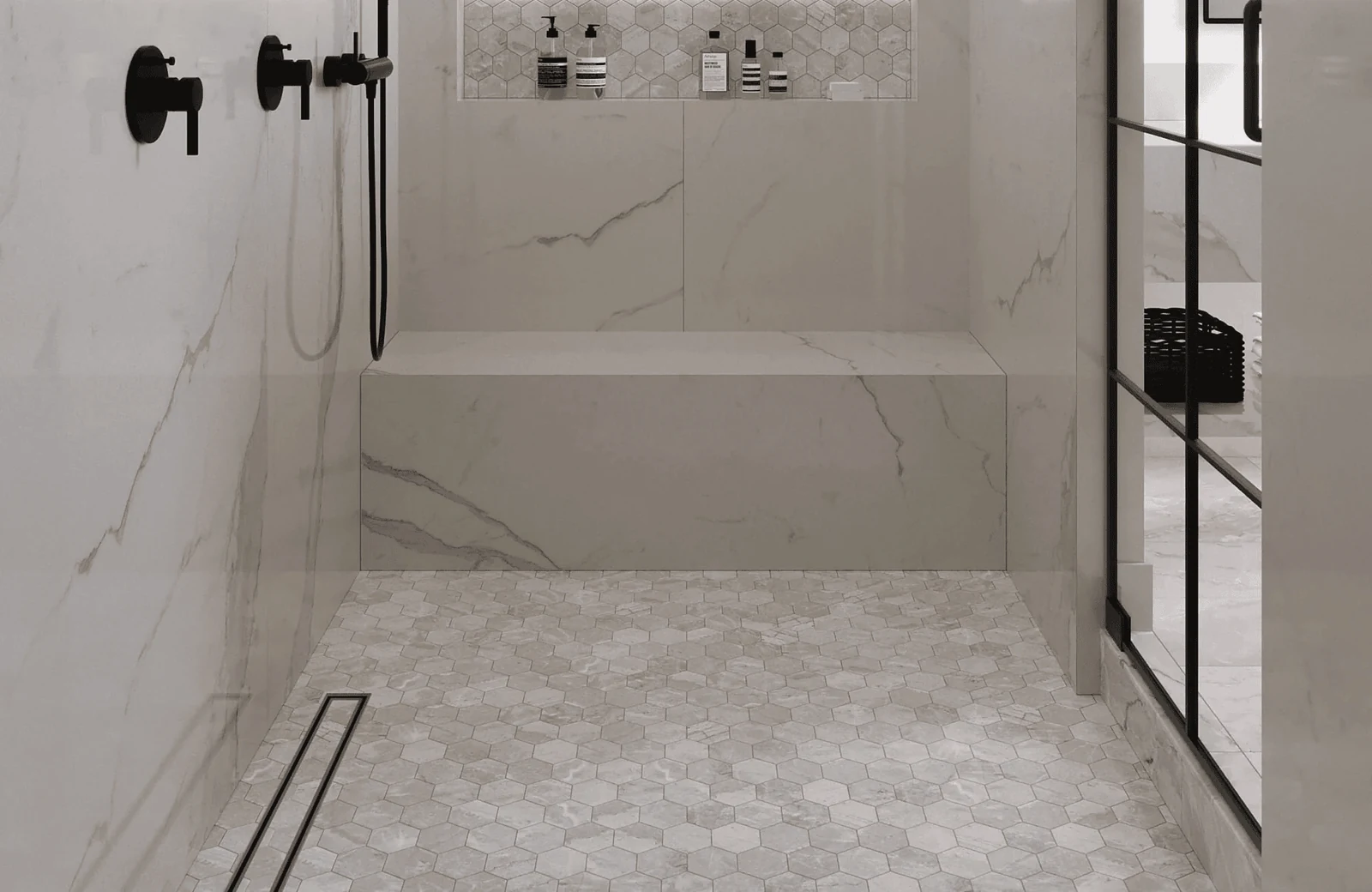
Smaller tiles make it easier to follow the floor slope, and the extra grout lines add grip. Use mosaic only in the shower area and keep the rest of the bathroom floor simpler.
4.4 Spa inspired earth tones
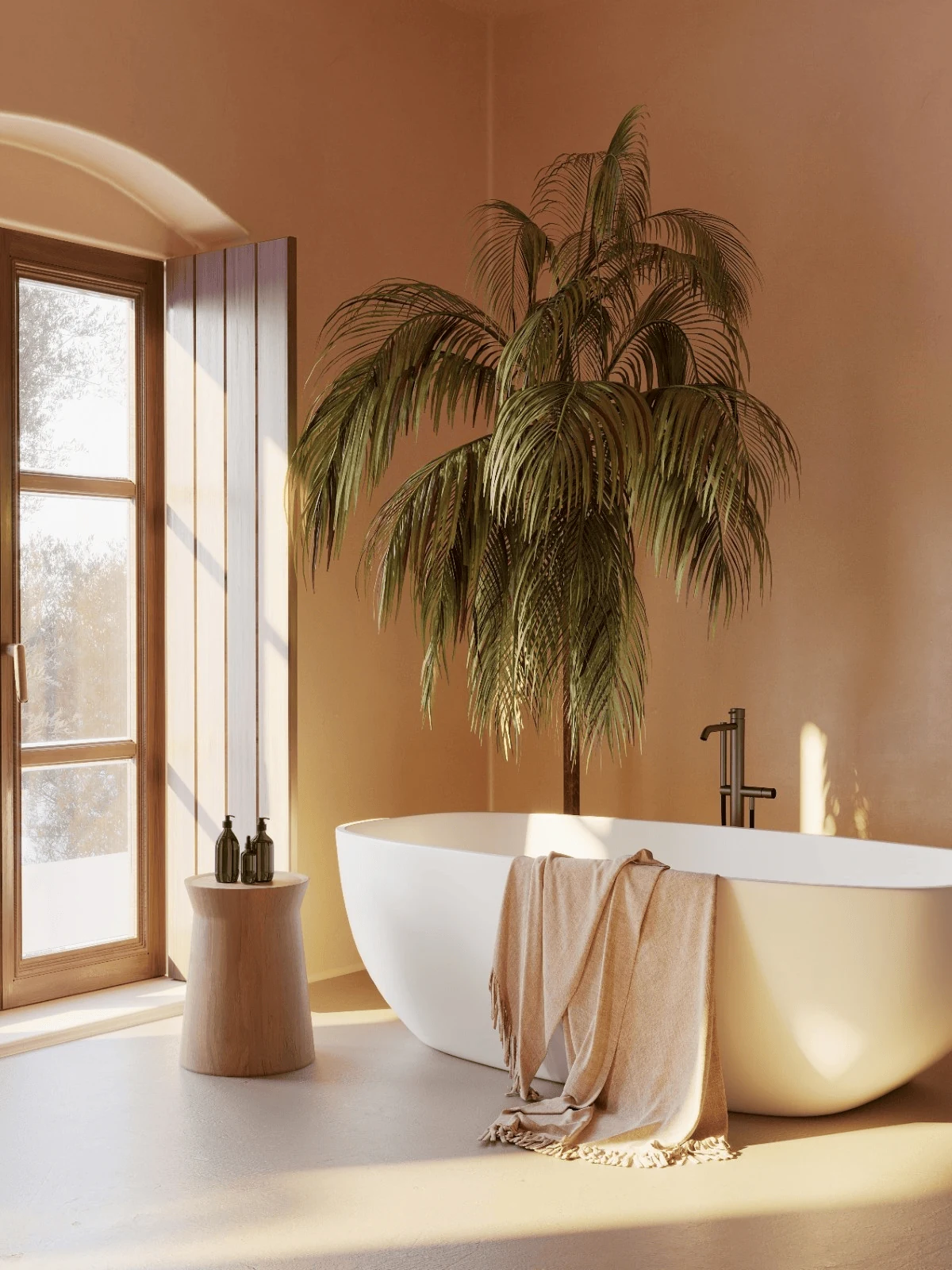
Soft beige, warm grey, sand and taupe make the space feel relaxed without looking plain, and work with white sanitaryware, wooden vanities and brass fittings. Easier to live with than very dark flooring, which shows water marks.
4.5 Large format for a hotel like finish
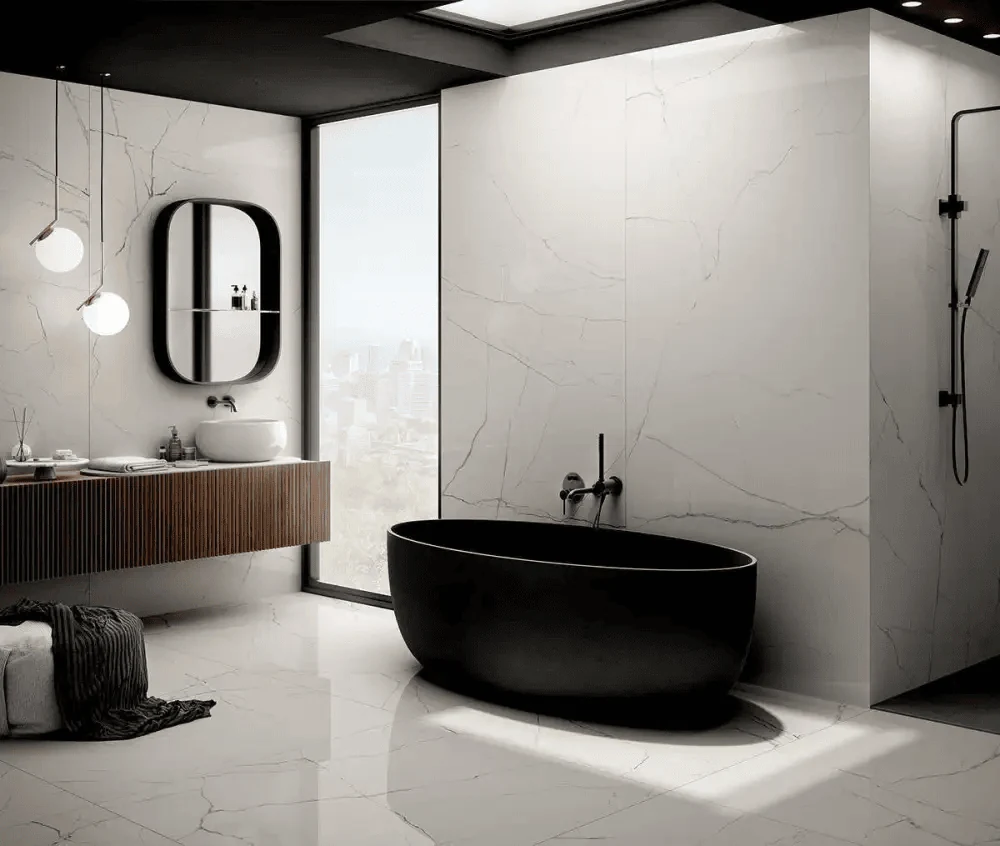
Fewer grout lines make a bathroom look more open. Check the slope though: in shower areas very large tiles may not suit detailed drainage, so use larger tiles outside the shower and smaller textured ones inside.
4.6 Natural stone look for a premium finish
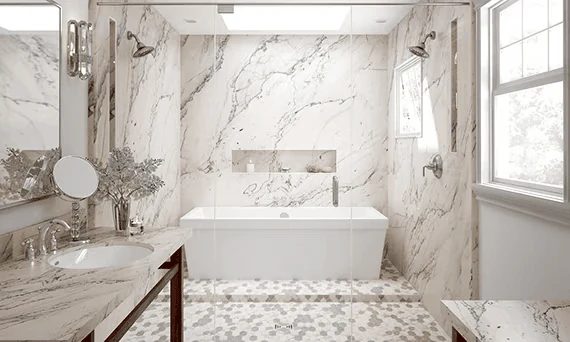
Real stone needs sealing and careful maintenance. Stone inspired tiles give a similar look with easier day to day care. Bathroom flooring should feel safe before it feels dramatic.
Colour choice matters more in rooms with little daylight, which is what our basement paint colour ideas deal with, and our skylight interior design ideas cover bringing light in.
5. Entryway and Hallway Flooring Tile Ideas
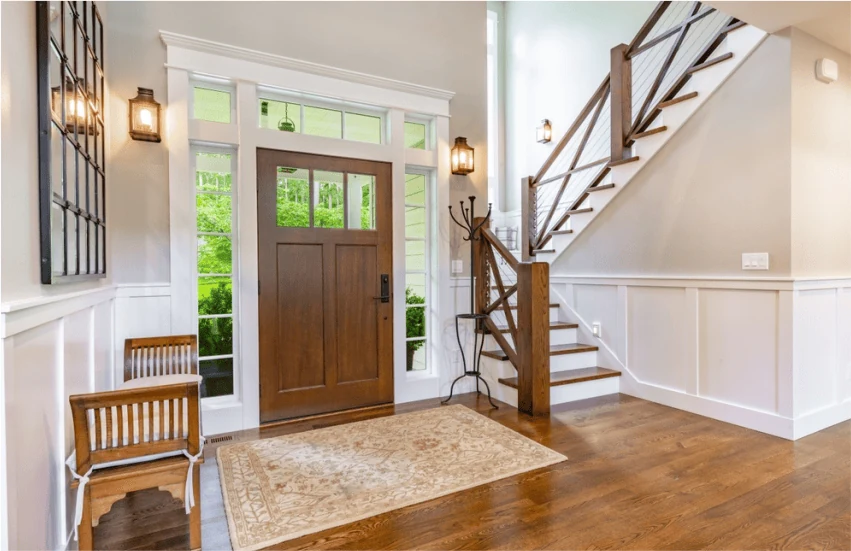
Your entryway works harder than you think. Shoes, dust, bags, guests and daily movement all pass through, so the floor has to stay strong after regular use.
5.1 Durable porcelain for high traffic
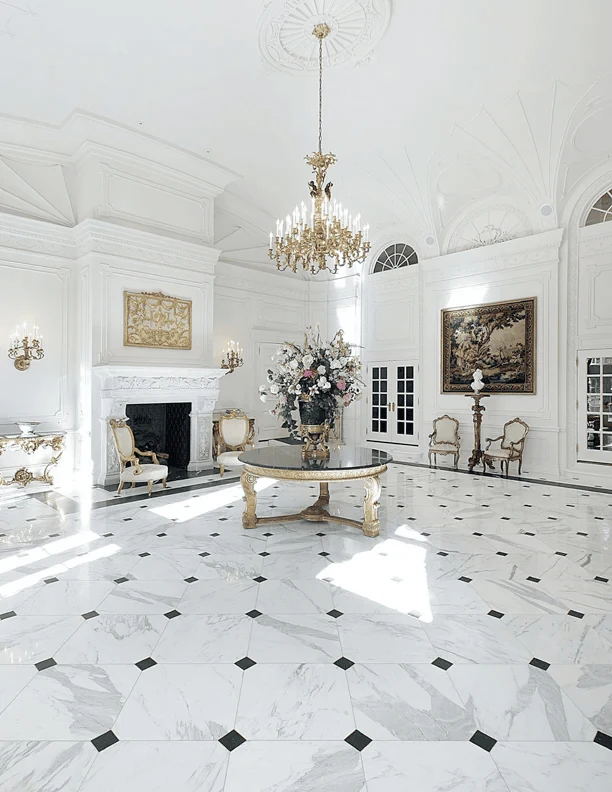
Porcelain handles heavy movement better than delicate finishes and comes in stone effect, concrete, beige, grey or wood look. A matte or lightly textured finish beats gloss here, giving better grip and hiding small marks.
5.2 Patterned entrance tiles
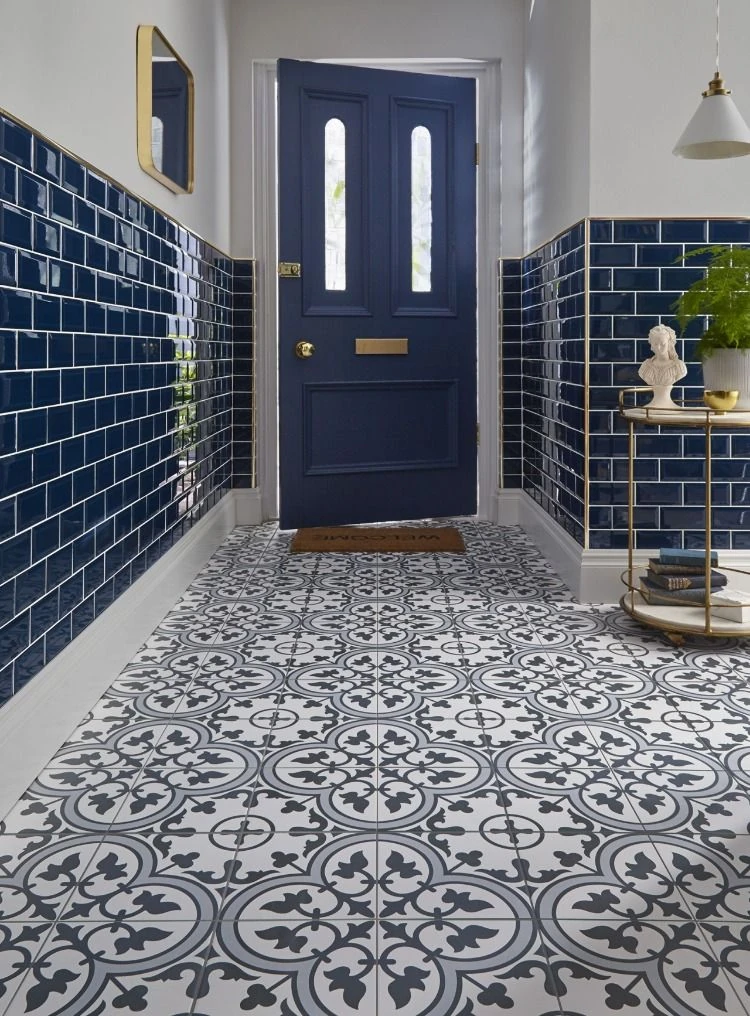
Pattern gives a strong first impression without changing the whole interior, and helps define the entrance zone when the main door opens into the living room. Keep the walls, console and rug simple in response.
5.3 Seamless flooring across rooms
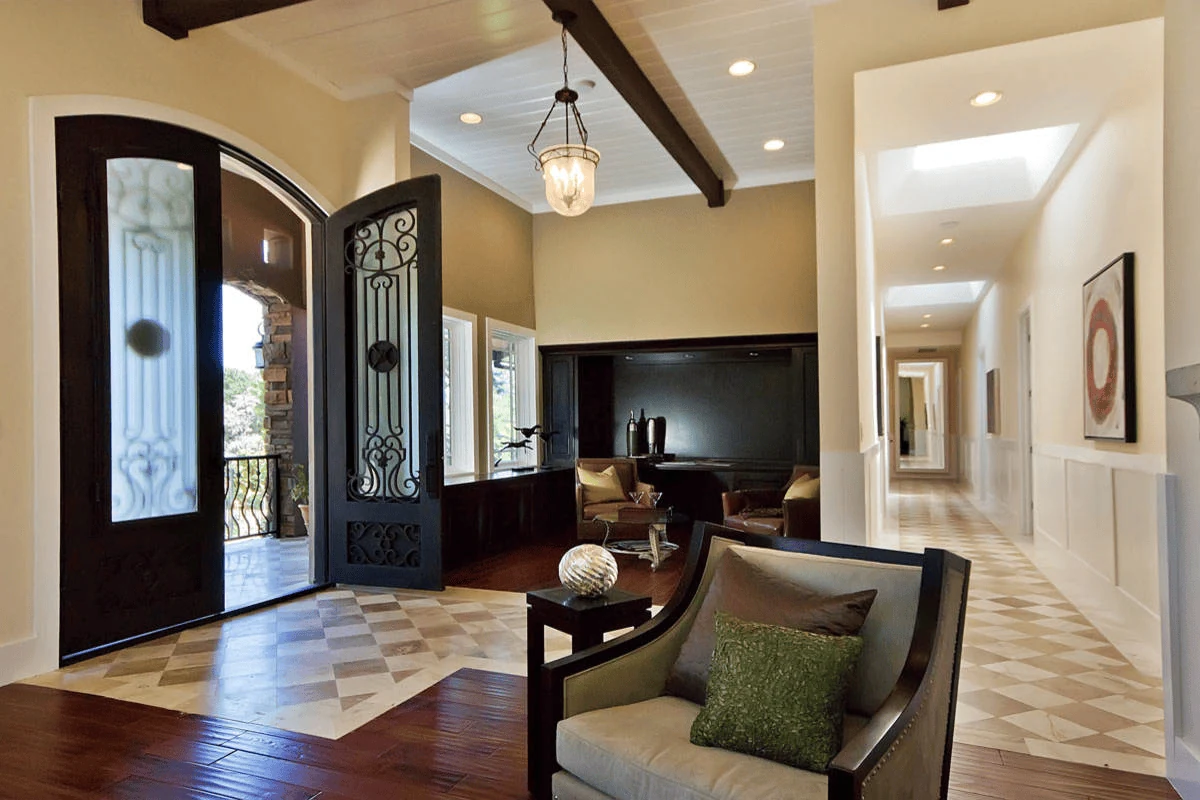
If your hallway connects the living room, dining area and bedrooms, one continuous floor makes the home feel larger. Too many flooring changes break the visual flow. Choose a neutral tile for long term flexibility.
6. Flooring Tile Trends for Modern Houses
Trends are useful only when they make your home easier to live in.
6.1 Large format tiles
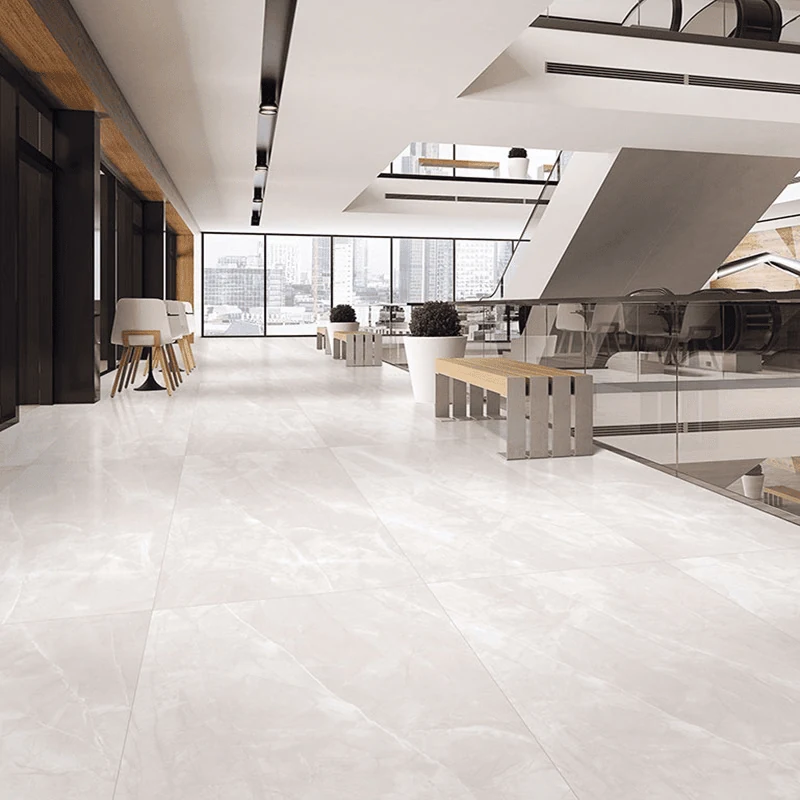
Fewer grout lines make a cleaner floor, so the space feels wider and calmer. Works in living rooms, open dining areas, hallways, bedrooms and large bathrooms outside the shower zone.
6.2 Warm neutral colours
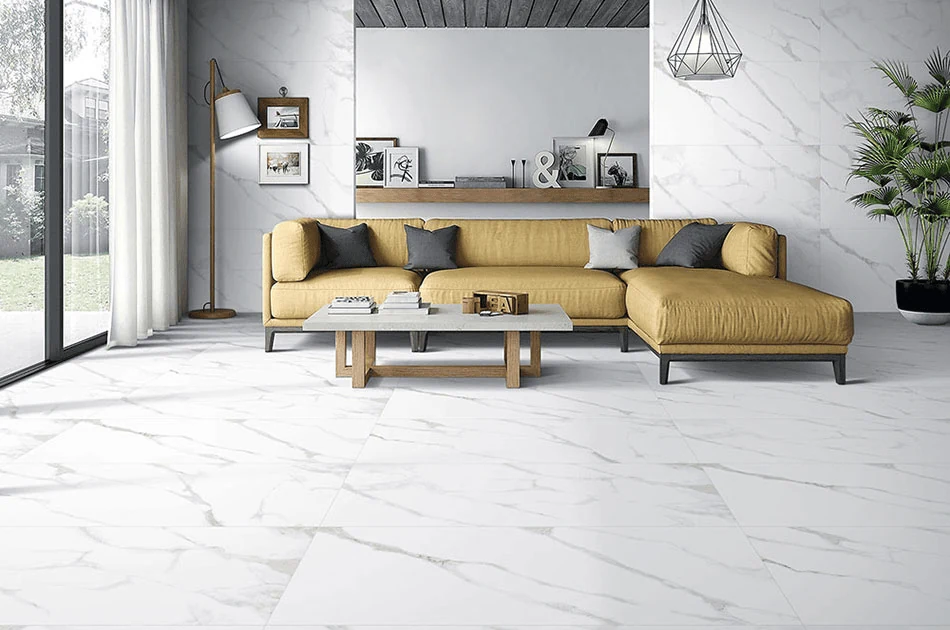
Instead of cold whites or very dark greys, homeowners now choose beige, ivory, greige, sand and warm stone. These are easier to pair with furniture, so you can change the sofa or wall paint later without the floor clashing.
6.3 Stone inspired surfaces
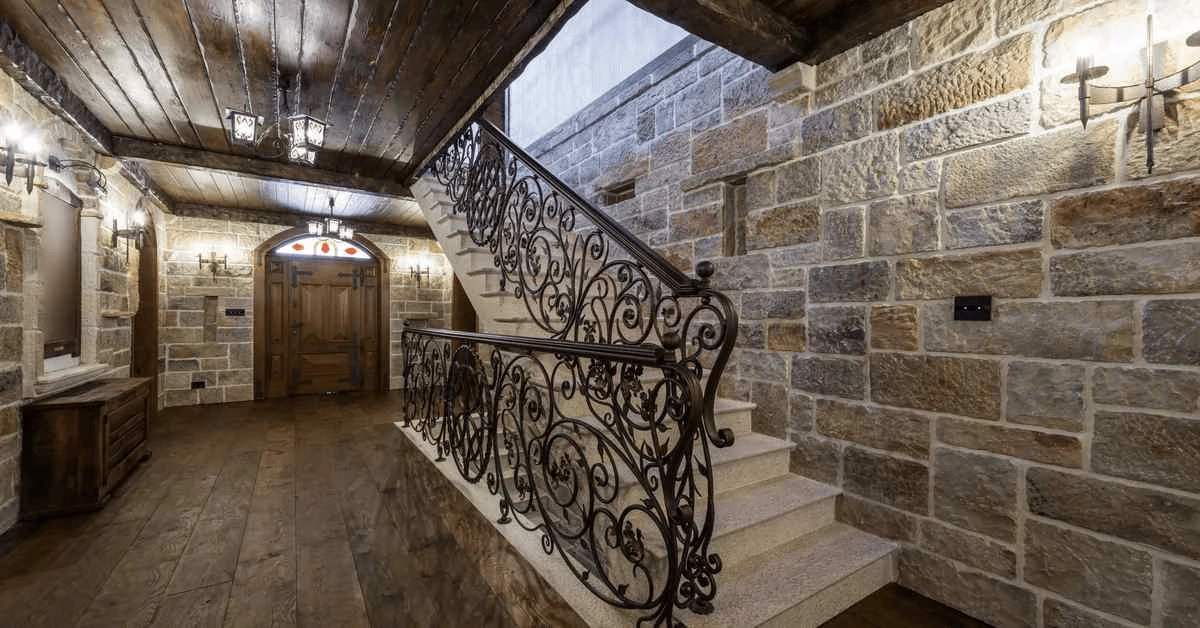
Natural character without real stone. Limestone, travertine, marble, slate and sandstone finishes all add depth quietly. Choose light tones if your home is small.
That same craft-led texture is what our piece on royal texture paint ideas applies to walls.
6.4 Wood look porcelain
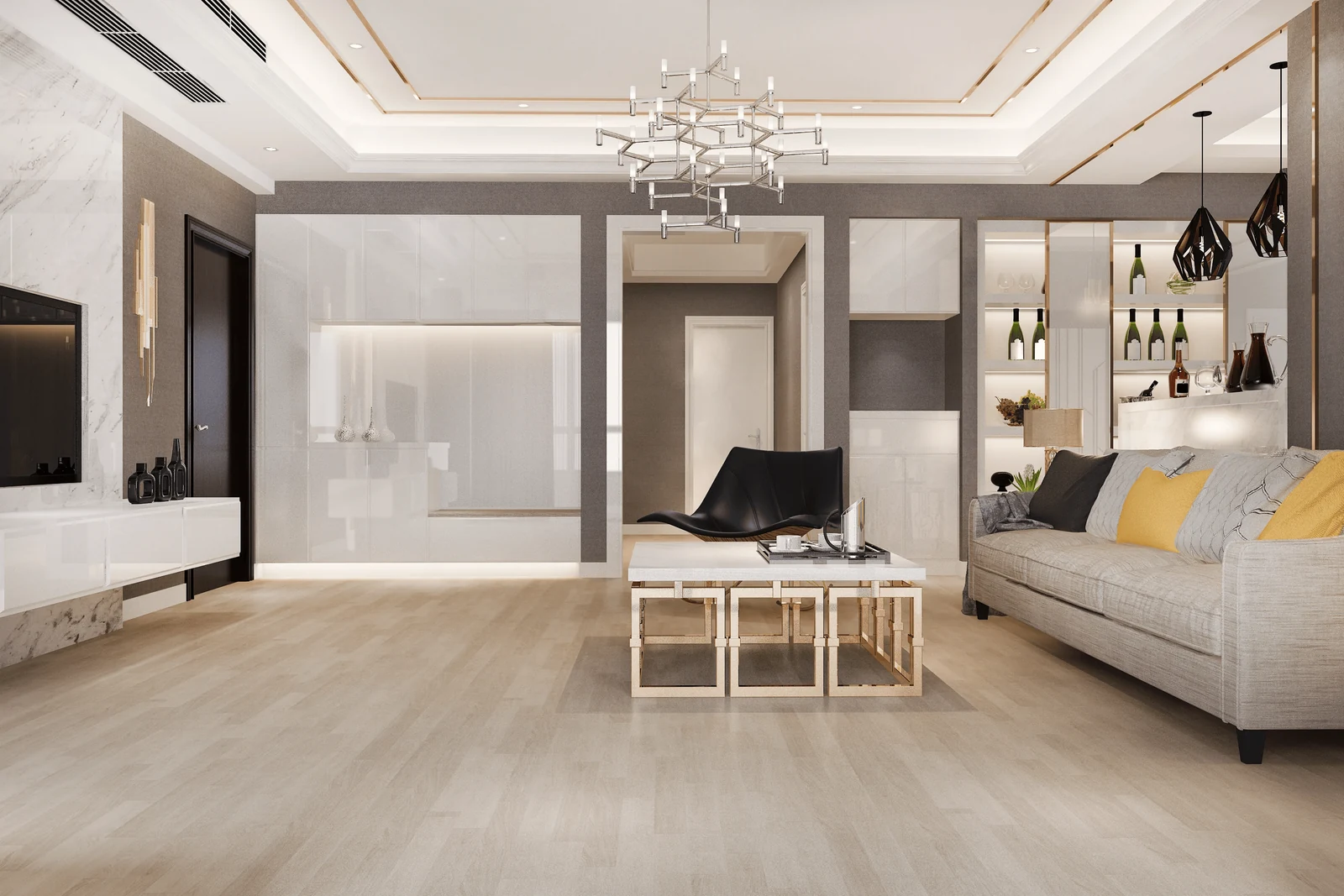
Wood look porcelain gives the feel of timber with better durability, working in bedrooms, living rooms, hallways and open plan areas. It pairs with cream walls, rattan furniture, indoor plants and warm lighting.
6.5 Indoor outdoor continuation
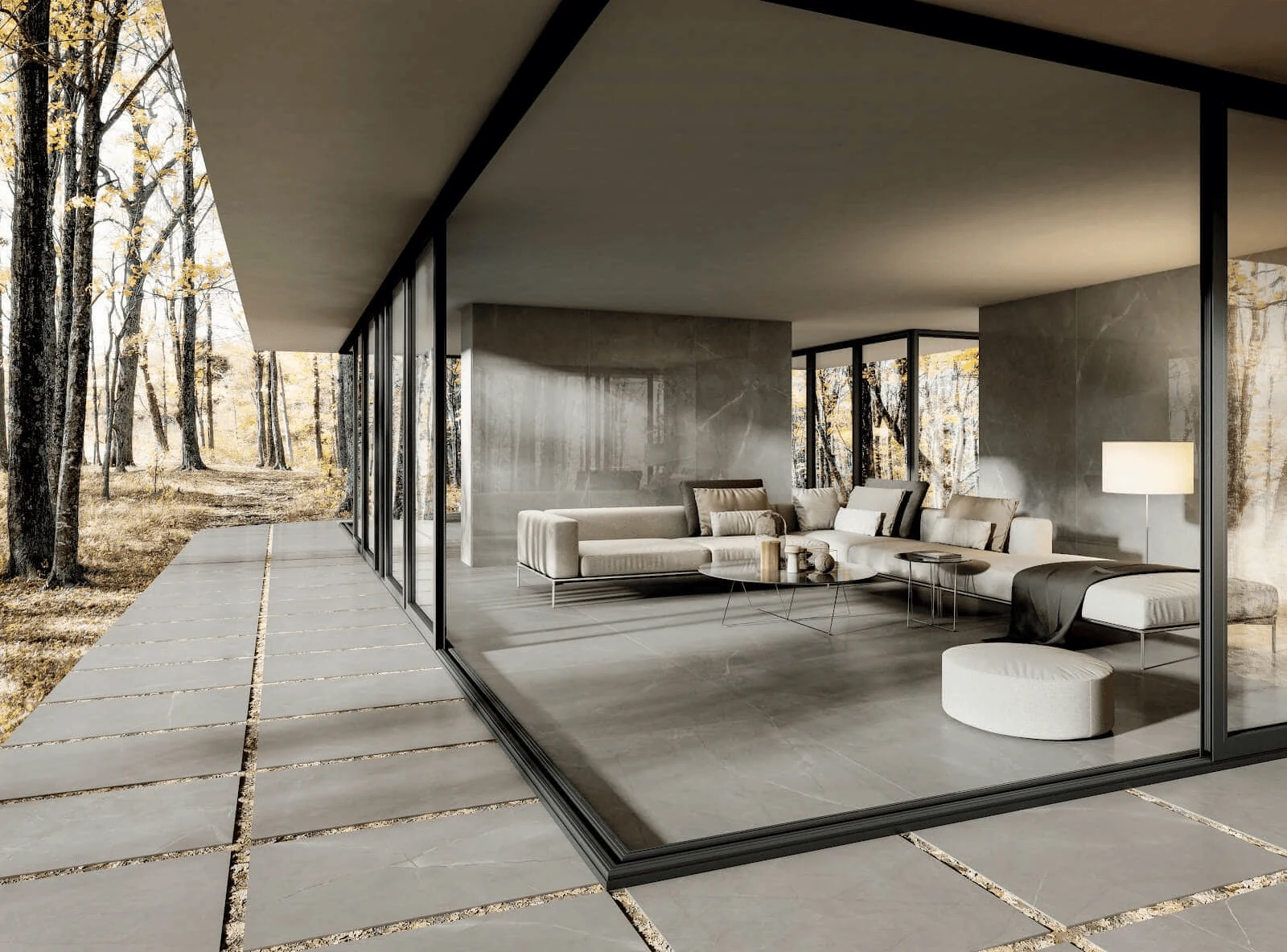
Using similar surfaces in the living room, balcony or patio creates a smooth visual flow and makes the home feel larger. For outdoor areas always check grip: the tile outside should be more slip resistant than the one inside.
7. Flooring Tile Mistakes That Ruin a Renovation
The most common mistake is choosing a design only because it looks beautiful in a showroom. A good floor should look suitable for the room, feel safe underfoot, stay easy to clean and support your lifestyle for years.
| Common mistake | Why it becomes a problem | Better choice |
|---|---|---|
| Glossy tiles everywhere | Feels slippery and shows marks easily | Matte or low sheen in wet and busy areas |
| Ignoring slip resistance | Raises slip risk in bathrooms and kitchens | Textured or anti slip tiles for wet zones |
| Following trends blindly | The floor may not suit your lifestyle | Match tiles to room use and cleaning habits |
| Different tiles in every room | Makes the home feel broken and smaller | Keep main flooring consistent across connected spaces |
| Choosing colour before function | A beautiful colour may still be unsafe | Check finish, grip, size and maintenance first |
| Forgetting long term care | Some tiles show dust or grout dirt quickly | Choose practical tiles that stay easy to maintain |
7.1 Glossy tiles in every room
In wet areas a shiny floor becomes slippery and shows water marks, footprints and dust. Use matte in bathrooms, light texture in kitchens, low sheen in hallways, and gloss only in dry low risk areas.
7.2 Ignoring slip resistance
Bathrooms, kitchens, balconies and entrances deal with water, oil, soap and outdoor dirt. If the tile is too smooth it becomes unsafe in daily use. Always ask whether the tile suits that specific room.
7.3 Following trends without considering lifestyle
Dark flooring shows dust quickly. Very light flooring needs frequent cleaning. Heavy texture traps dirt. Ask whether the room is used daily, whether children or elderly people use it, and whether you can maintain the finish weekly.
7.4 Different flooring in every room
Too many changes make a house feel smaller and less connected. Use one main tile for the living room and hallway, practical tiles for the kitchen and bathroom, and keep bedroom flooring calmer.
7.5 Choosing colour before function
Kitchen floors need easy cleaning. Bathroom floors need grip. Hallways need strength. Bedrooms need comfort. Check finish, grip, tile size, maintenance, room use and natural light before finalising colour.
7.6 Forgetting long term maintenance
Deep black shows dust, pure white shows stains, rough textures trap dirt, small tiles create too many grout lines. Choose for the next five to ten years, not the first week.
Conclusion
Choosing flooring tiles gets easier when you stop treating tile as only a design choice. Your living room needs flow, your bedroom needs warmth, your kitchen needs easy cleaning, your bathroom needs grip, your hallway needs strength.
Before you finalise, ask one question: will this floor still feel right after five years of daily use? The best choice is rarely the most expensive or the trendiest. It is the one that matches your lifestyle, room size, natural light and cleaning routine.
For the rest of the house, our collection of home decor ideas puts flooring in sequence with everything else.
Planning a new house? Talk to our design team about your flooring.