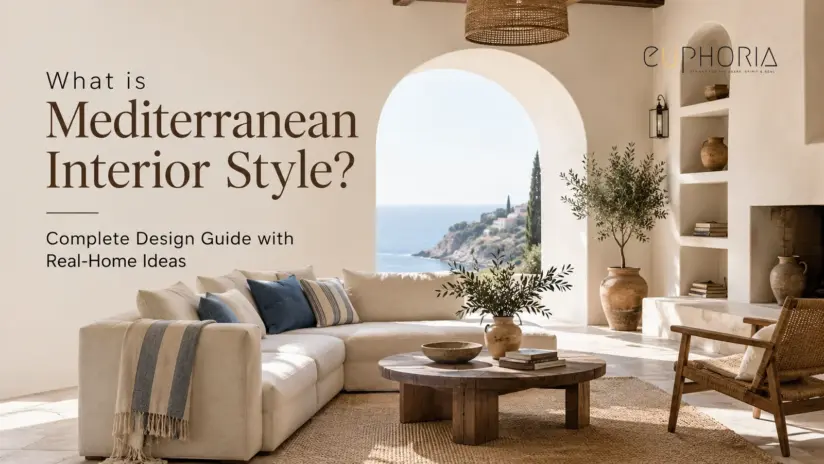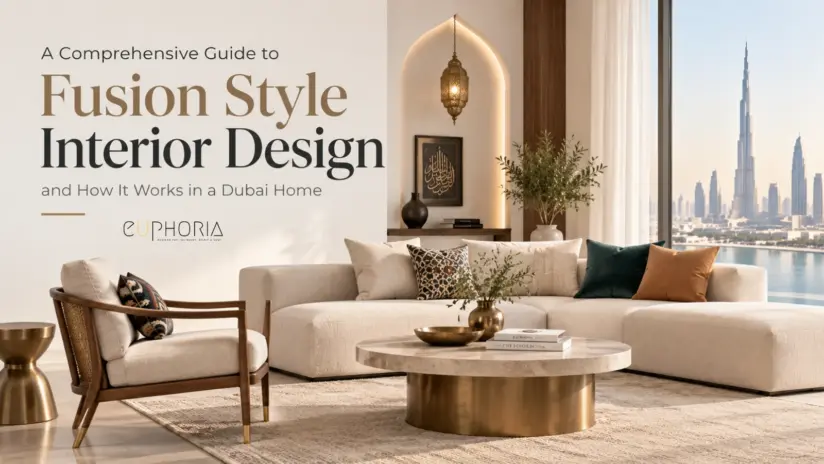

You can often feel that a room has a clear style before you know what to call it. It may feel calm, formal, raw, polished, dramatic, or collected, but naming that look is where most people get stuck. And that confusion is completely fair. Pinterest labels are often contradictory, and the same room can be called Japandi, minimalist, Scandinavian, organic modern, or quiet luxury depending on who posted it. Euphoria Interior sees this play out constantly, and restraint is almost always the answer.
This interior design style guide helps you slow that feeling down and read the room through color palette, furniture shape, materials, surfaces, lighting, decor density, patterns, and mood. Research published in Frontiers in Psychology, based on 443 students living in similar residence buildings, found that interior color influenced how people perceived brightness, comfort, and even how well a space supported focus.
Continue reading, and you will learn how to spot those clues in any room, from a saved photo to your own home, recognize the closest interior design style; understand what you are drawn to, and explain your taste with more confidence before choosing furniture, finishes, or decor.
How Do You Identify An Interior Design Style?
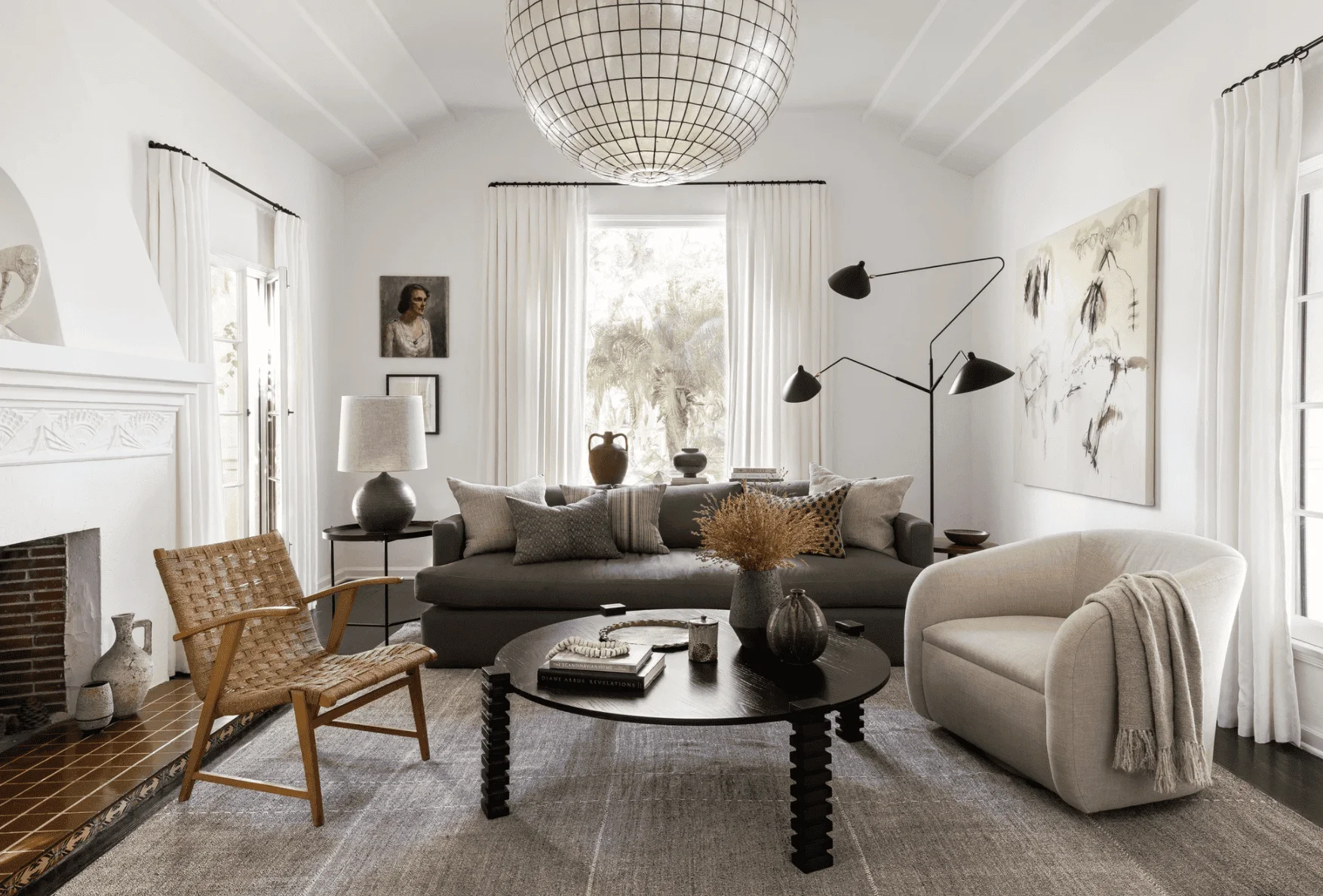
Image Source: MyDomaine
An interior design style can be identified by studying repeated visual clues across the room. Start with the color palette, then look at the furniture shape, materials, walls, floors, ceiling details, lighting, decor density, pattern use, and overall mood. One sofa, lamp, or rug does not define the style alone. The repeated design language is what tells you which style the room is closest to.
If you are trying to move from saved inspiration to an actual home plan, our interior design services by Euphoria Interiors can help turn your preferred style into a clear design direction.
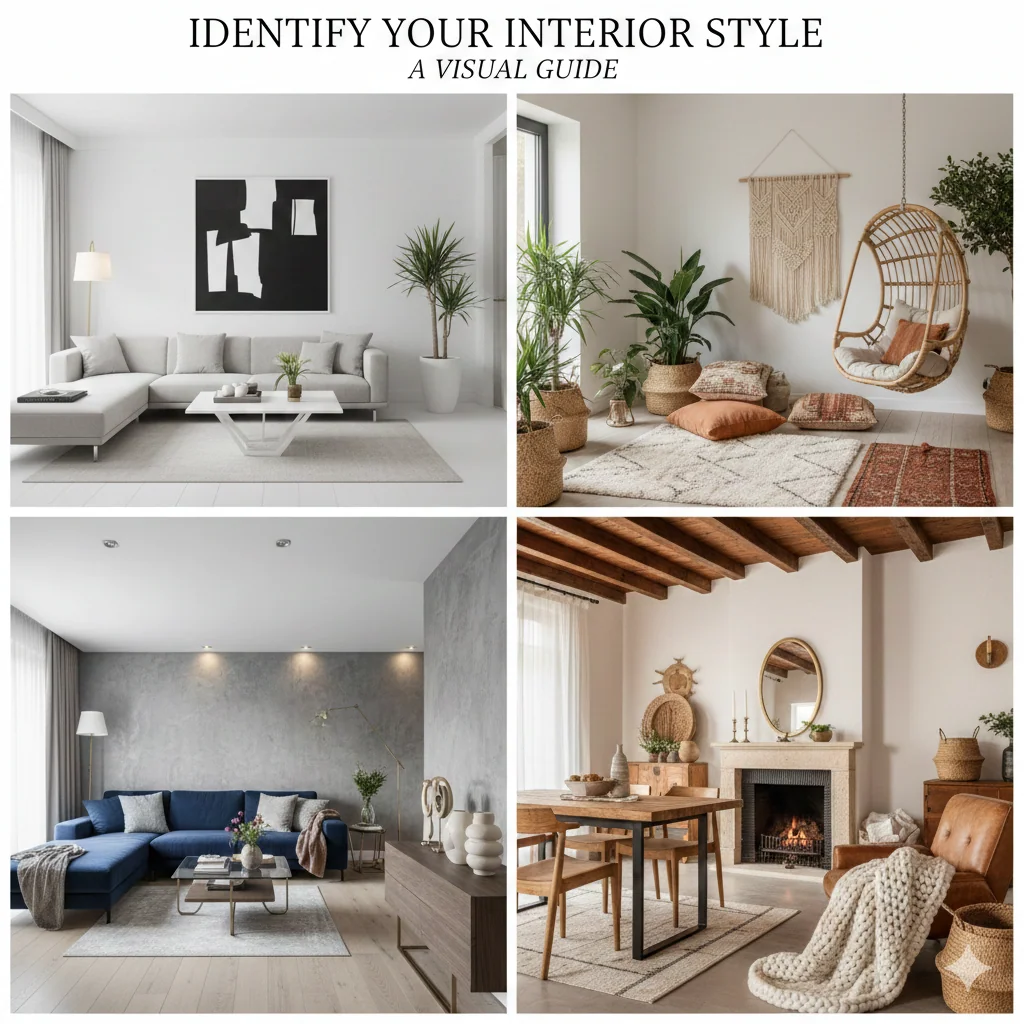
Can You Tell What Style This Room Is?
Before you start reading a room in detail, look for the first clue your eye naturally picks up. It could be the color palette, the sofa shape, the wall finish, or the lighting. That first clue will not give you the full answer, but it will point you in the right direction.
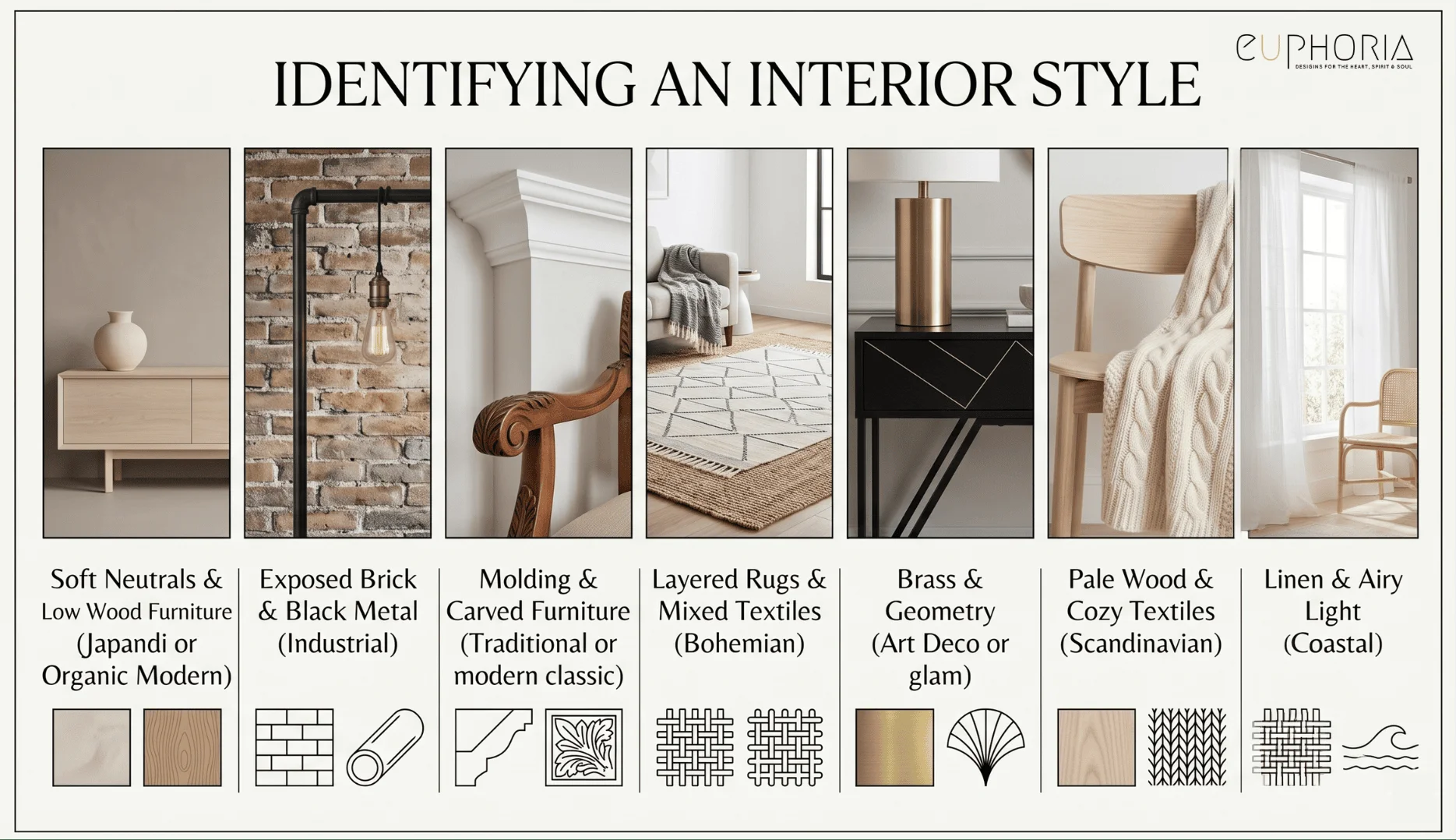
Think of this infographic as your first filter. Once you have a possible direction, the rest of the guide will help you confirm it.
Recognizing Interior Design Styles Through 7 Visual Clues
Every room, no matter how unique it feels, gives away its style through seven repeated markers. Once you start checking for these on purpose, recognizing interior design styles gets a lot less confusing.
Each clue on its own can point in a few directions. A beige sofa says almost nothing by itself. But once you line up the color, shape, material, lighting, surfaces, and mood side by side, a clear pattern starts to appear. That pattern is the style.
Designer Tip: If two styles look similar, ignore the small decor pieces first. Start with the larger permanent choices like flooring, wall finishes, ceiling details, built-ins, main furniture, and lighting. These reveal the style faster than cushions, vases, or artwork.
1. Start With The Color Palette
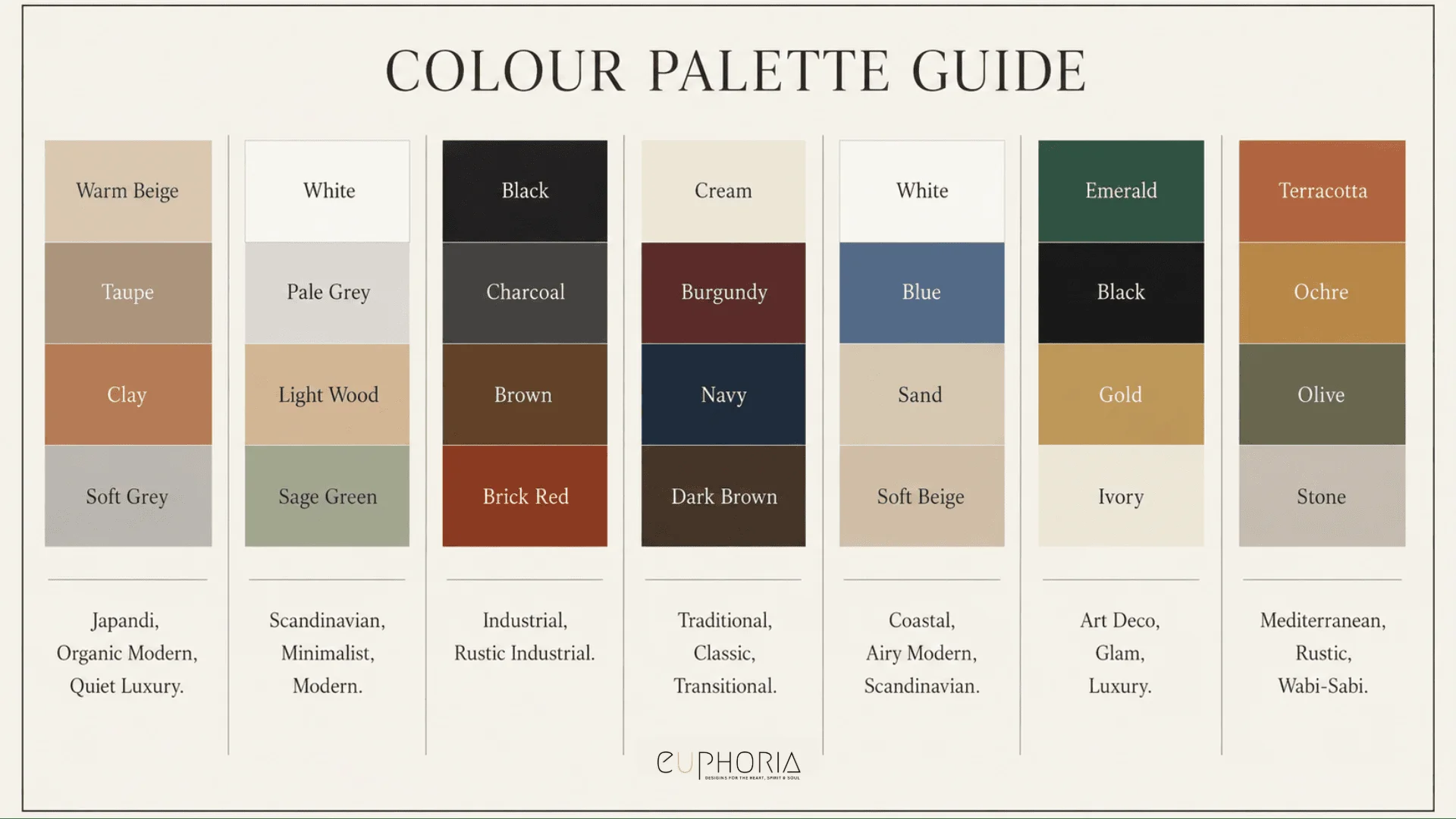
Color is usually the first clue your eye reads. It sets the mood before you notice furniture or decor. But color alone never confirms a style. A beige room could be Japandi, Scandinavian, minimalist, or quiet luxury. The next step is to check what sits beside that color: wood tone, furniture height, texture, decor density, and lighting.
Warm neutrals often point toward calmer, nature-led styles. Cool neutrals lean cleaner and more pared back. Jewel tones and high contrast usually suggest drama. Earthy tones often lead toward rustic, Mediterranean, Wabi-Sabi, or organic modern interiors.
| Color Palette | Possible Style Direction | What To Check Next |
| Warm beige, taupe, clay, soft grey | Japandi, organic modern, quiet luxury | Wood tone, furniture height, texture |
| White, pale grey, light wood | Scandinavian, minimalist, modern | Decor density and softness |
| Black, charcoal, brown, brick red | Industrial, rustic industrial | Metal, leather, concrete, exposed structure |
| Cream, burgundy, navy, dark brown | Traditional, classic, transitional | Symmetry, molding, carved furniture |
| White, blue, sand, soft beige | Coastal, airy modern, Scandinavian | Linen, rattan, pale wood |
| Emerald, black, gold, ivory | Art Deco, glam, luxury | Geometry, brass, marble, velvet |
| Terracotta, ochre, olive, stone | Mediterranean, rustic, Wabi-Sabi | Arches, plaster, stone, aged texture |
Once the color family is clear, do not name the style too quickly. Check the furniture shape and material mix next, because those clues usually confirm the direction.
2. Read The Furniture Shape Before The Decor
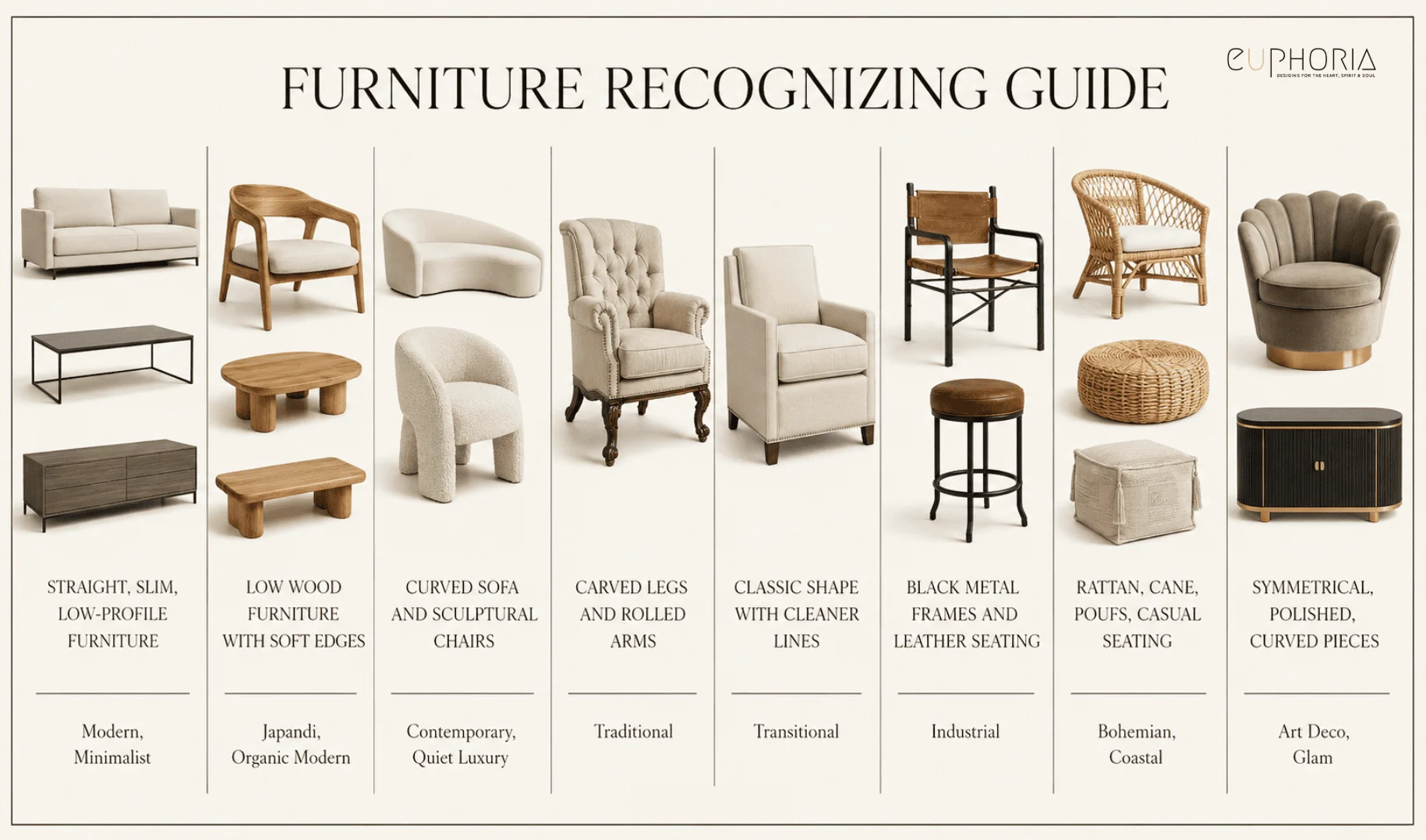
Furniture shape is one of the fastest ways to decode a room. Large pieces control the visual language before smaller styling elements even get noticed. A sofa with straight arms and slim legs reads completely different from one with rolled arms and carved wood, even if both sit on the same rug.
Low, soft, rounded forms tend to feel calm and grounded. Carved legs and formal proportions feel traditional. Sharp angles and black metal frames feel industrial and urban. Furniture shape acts like the skeleton of the style, while materials, lighting, and decor build the rest of the look around it.
| Furniture Shape | What It Usually Suggests | Visual Clue |
| Straight, slim, low-profile furniture | Modern, minimalist | Clean and controlled |
| Low wood furniture with soft edges | Japandi, organic modern | Calm and grounded |
| Curved sofa and sculptural chairs | Contemporary, quiet luxury | Soft but polished |
| Carved legs and rolled arms | Traditional | Formal and detailed |
| Classic shape with cleaner lines | Transitional | Balanced and softened |
| Black metal frames and leather seating | Industrial | Raw and urban |
| Rattan, cane, poufs, casual seating | Bohemian, coastal | Relaxed and layered |
| Symmetrical, polished, curved pieces | Art Deco, glam | Decorative and dramatic |
Before judging the decor, look at the largest furniture pieces first. They usually carry the strongest style signal in the room.
For more room-specific furniture and layout inspiration, you can also explore our guide on living room design ideas.
3. Look For The Material Combination
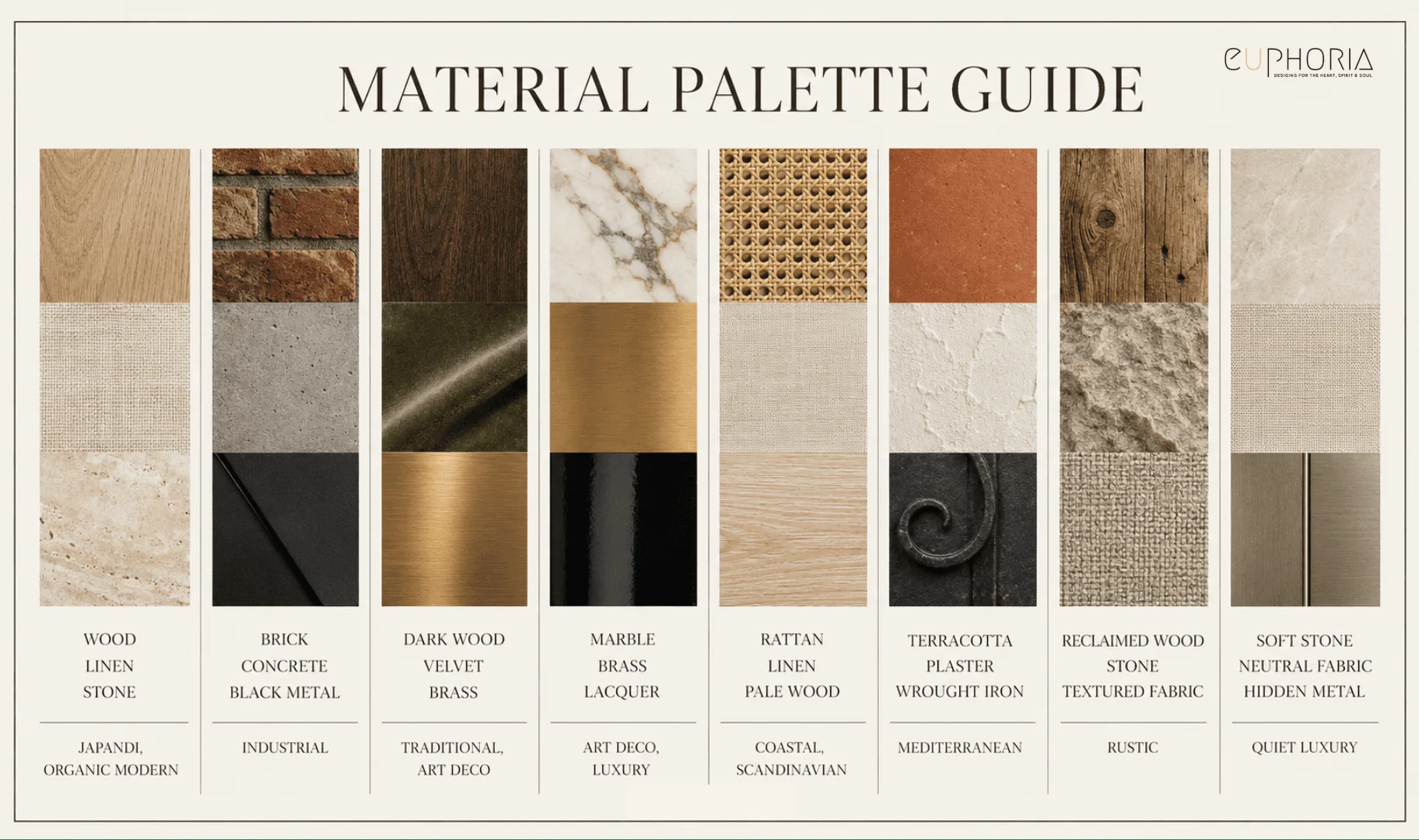
Materials almost always reveal style faster than accessories, and the trick is to stop looking at one material on its own. Wood by itself shows up in dozens of interior design styles. Wood paired with linen and raw stone tells a much narrower story than wood paired with brass and lacquer.
One material can appear in many styles, but repeated material combinations create stronger style clues. Wood alone is not Japandi, rustic, or Scandinavian. The style becomes clearer once wood is paired with a specific color, furniture shape, lighting style, and texture.
| Material Combination | Style Clue | What It Feels Like |
| Wood + linen + stone | Japandi, organic modern | Warm, calm, natural |
| Brick + concrete + black metal | Industrial | Raw, urban, unfinished |
| Dark wood + velvet + brass | Traditional, Art Deco | Rich, formal, polished |
| Marble + brass + lacquer | Art Deco, luxury | Glamorous and refined |
| Rattan + linen + pale wood | Coastal, Scandinavian, bohemian | Light, relaxed, airy |
| Terracotta + plaster + wrought iron | Mediterranean | Warm and architectural |
| Reclaimed wood + stone + textured fabric | Rustic | Earthy and lived-in |
| Soft stone + neutral fabric + hidden metal | Quiet luxury | Subtle and expensive-looking |
Look for material pairs instead of single materials. The combination is what gives the room its real design direction.
4. Read The Surfaces Before The Accessories
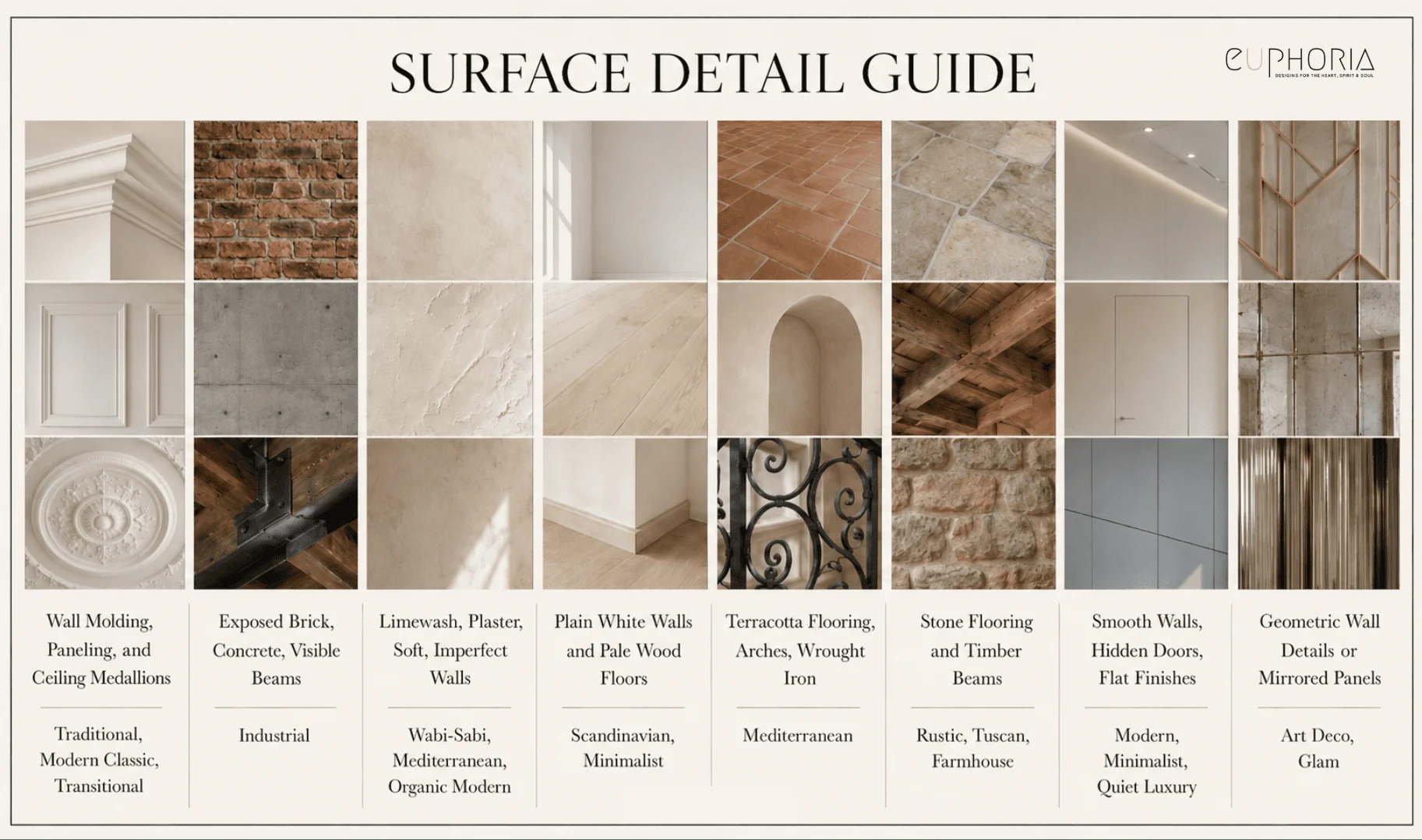
This is where most people miss the real clue. Accessories can be swapped out in a single afternoon, but walls, flooring, ceiling details, and built-ins usually stay for years. They carry the actual design decision, which makes them one of the most honest clues in the room.
Molding, paneling, and ceiling medallions point toward something traditional or classic. Exposed brick and visible beams lean industrial. Soft, imperfect, lime-washed walls can suggest Wabi-Sabi, Mediterranean, or organic modern interiors. Once you check surfaces before styling, the room becomes much easier to read.
Frank Lloyd Wright’s view of interiors supports this idea. The V&A notes on Frank Lloyd Wright show that architecture, interiors, furnishings, and setting were meant to work as one complete design language, a principle also seen in projects like DY Patil Stadium Architecture, where structure and spatial design work together to shape the overall experience.
That is why walls, floors, built-ins, furniture, and lighting should be read together when identifying a room style.
Designer Recognition Tip: Accessories can be replaced in a day, but walls, flooring, ceiling details, and built-ins usually reveal the actual design direction. When you are trying to identify a style, read the surfaces before the styling.
Walls, floors, ceilings, and built-ins should be read before cushions, art, and styling pieces because they are the harder-to-change clues.
5. Use Lighting To Confirm The Style
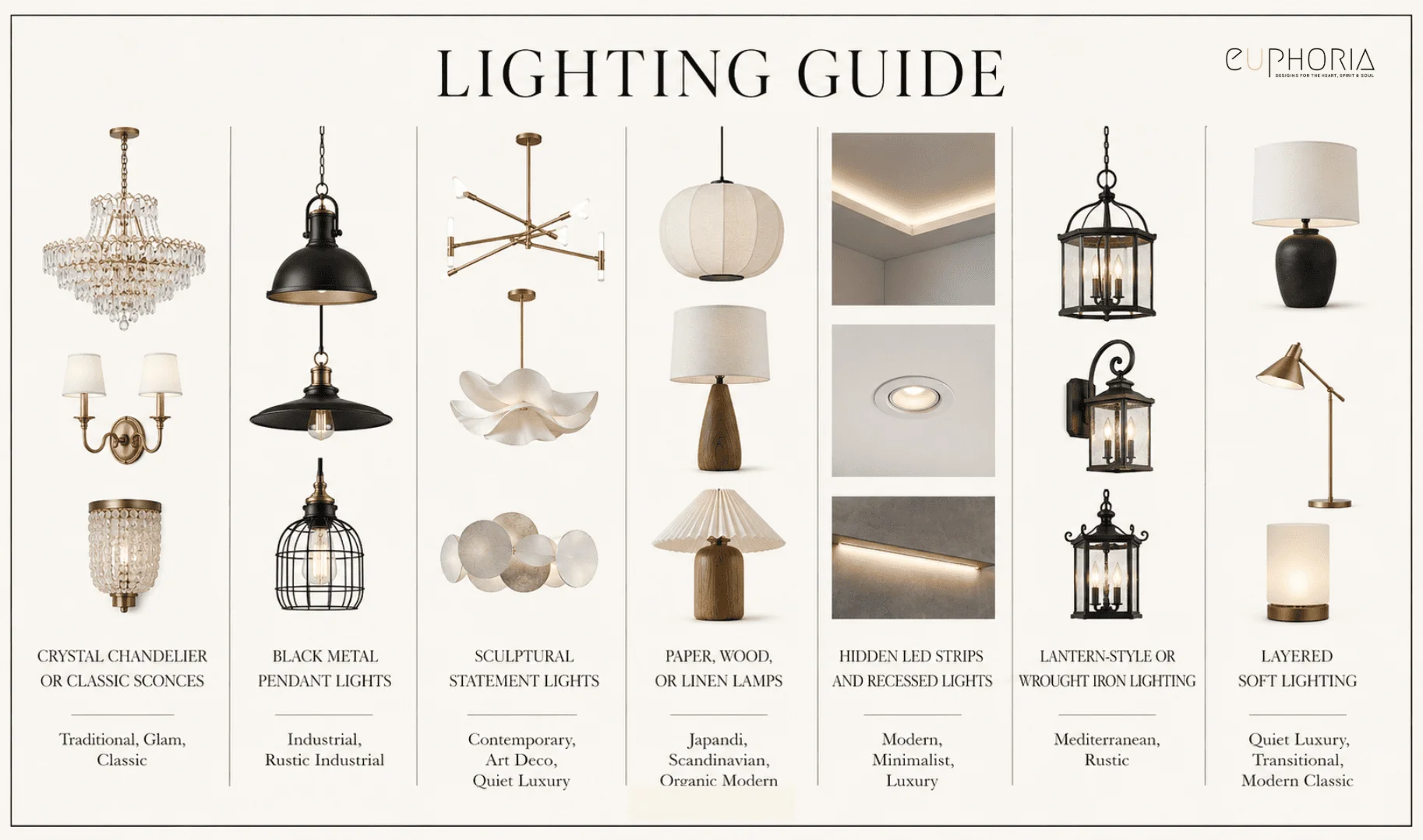
Lighting rarely starts a style conversation, but it almost always confirms one. A crystal chandelier hanging in a raw industrial loft can look out of place unless other classic or glam elements are already supporting it in the room.
If the lighting is hidden and architectural, the room may lean modern, minimalist, or luxurious. If the lighting is decorative and visible, it often points toward traditional, glam, Mediterranean, or Art Deco influences.
Lighting also shapes how a room feels. A Northwestern Medicine and University of Illinois study found that workers with windows received 173% more white light and slept 46 minutes longer per night, showing why lighting is a real design clue, not just a finishing detail.
Designer Note: Lighting should confirm the room’s style, not fight it. If the fixture feels disconnected from the furniture, materials, and surfaces, the room may be mixing styles without a clear direction.
A room’s lighting should make the style easier to understand. If it pulls in a different direction, look for other clues before naming the space.
6. Check How Much Decor The Room Allows
The decor amount has nothing to do with good or bad taste. It simply tells you how much visual energy a particular style is built to handle. A minimalist room is not unfinished, and a maximalist room is not automatically cluttered. They simply follow different rules for visual energy.
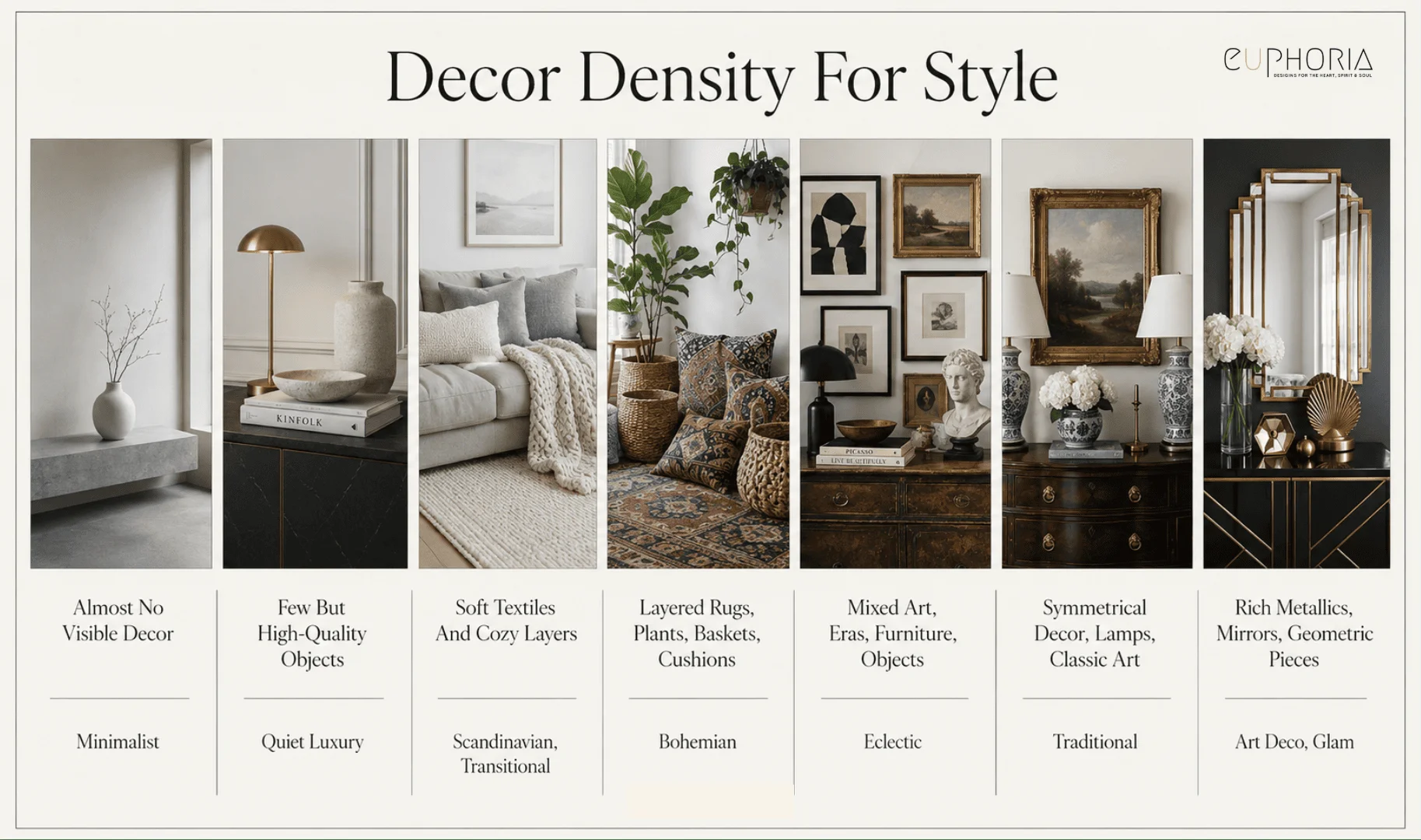
A near-empty surface reads as minimalist. A handful of high-quality pieces with nothing extra reads as quiet luxury. Rugs, baskets, plants, and cushions stacked in layers read as bohemian. Mixed eras and objects read as eclectic.
Pattern works the same way. Geometric shapes lean toward Art Deco or contemporary. Florals and damask lean traditional or French country. Plain texture with almost no pattern at all lands you back in minimalist, Japandi, or quiet luxury territory.
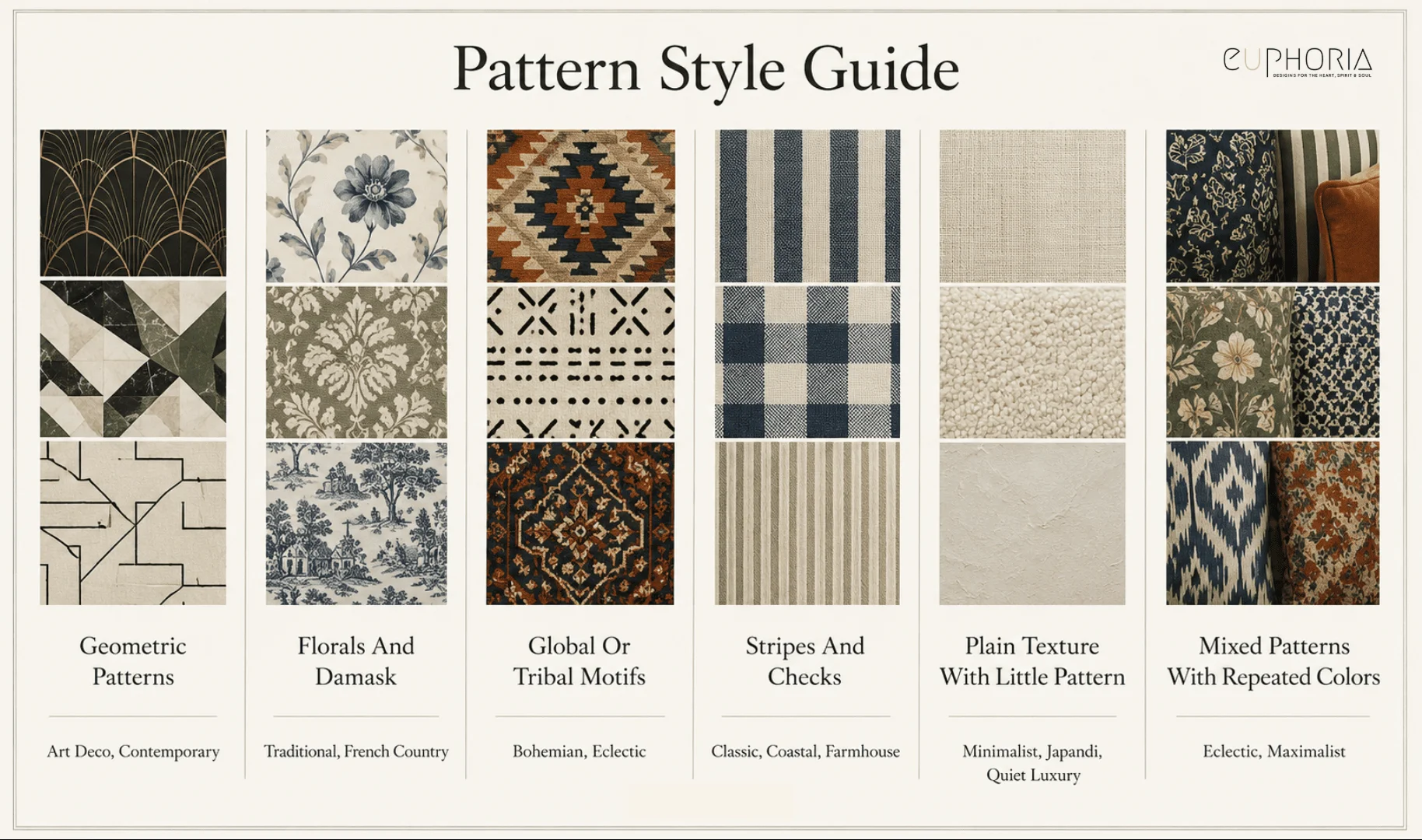
The amount of decor should confirm the mood, not fight the furniture, surfaces, and materials around it.
7. Finally, Name The Mood Of The Room
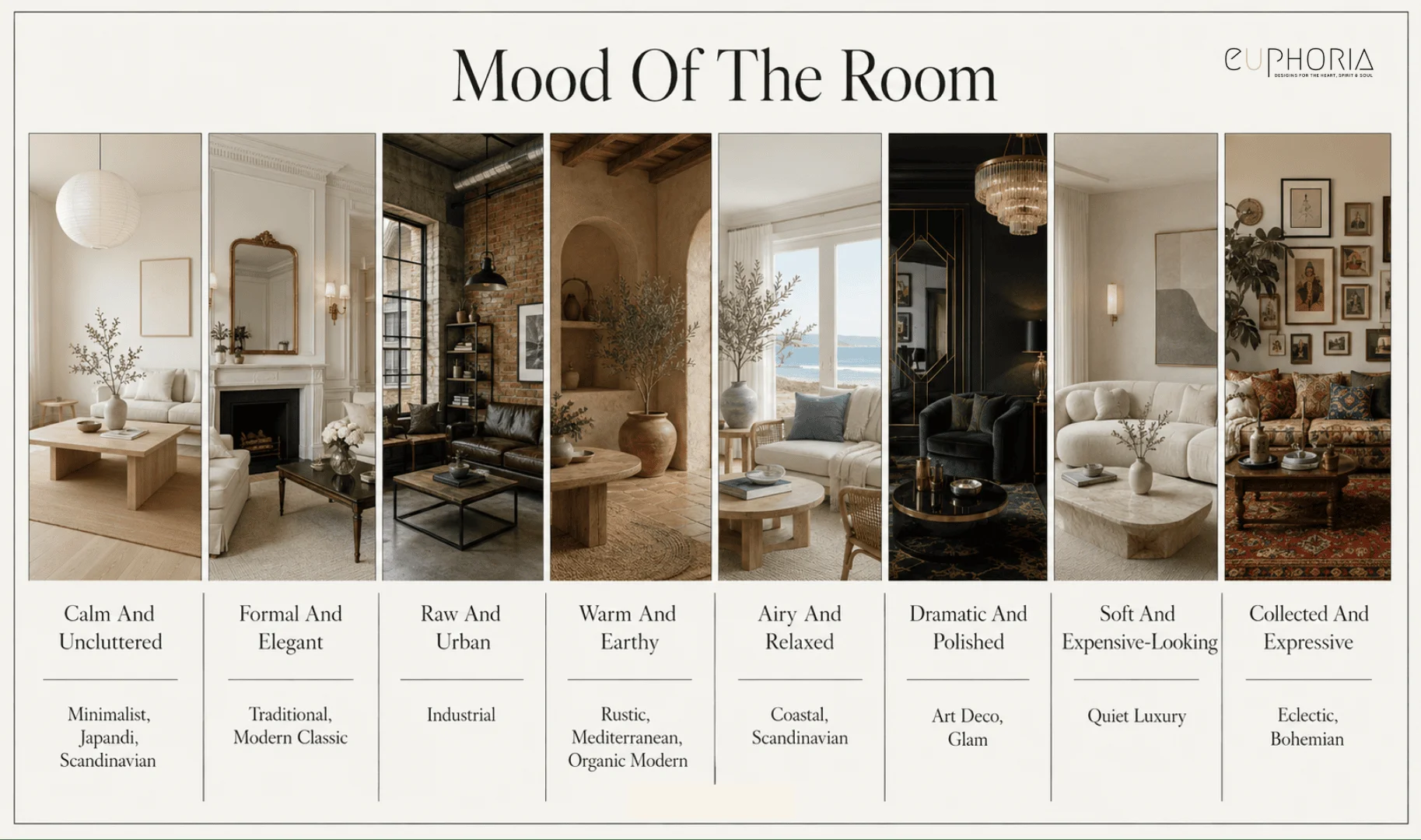
Style is not only about objects. A room is also an emotional experience, and most people respond to that feeling long before they think about furniture or color names.
A space can feel calm, formal, raw, warm, airy, dramatic, refined, or expressive. That feeling helps you connect the visual clues with your personal interior design style. Once you name the mood, the style direction becomes easier to narrow down.
Designer Insight: A room’s mood is often what clients respond to first. They may not know the style name, but they know they want the space to feel calm, grand, warm, dramatic, or refined. Mood helps connect visual clues with personal taste.
Once you name the feeling of the room, compare it with the visual clues. The closest style is usually where the mood and repeated design details meet.
If you want to understand the design foundation behind these clues, our guide to the 7 elements of interior design explains how color, line, form, texture, light, space, and pattern shape a room.
What Style Is This Room? Use This Quick Flowchart
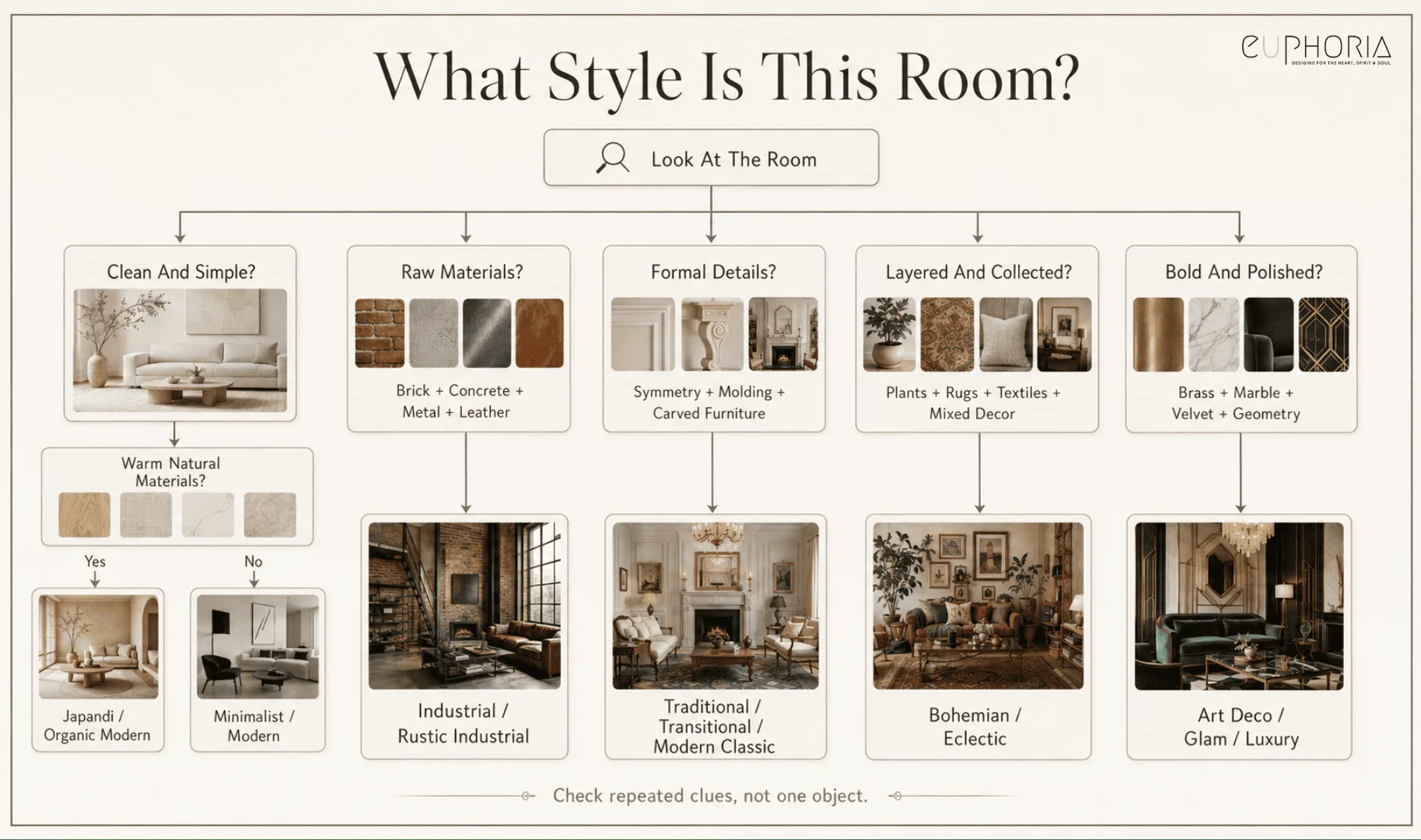
If you want a faster shortcut than working through every table, run the room through this short flowchart. Start with the mood and the biggest materials in the space, then let the answers narrow things down.
Question 1: Does the room feel very clean and simple?
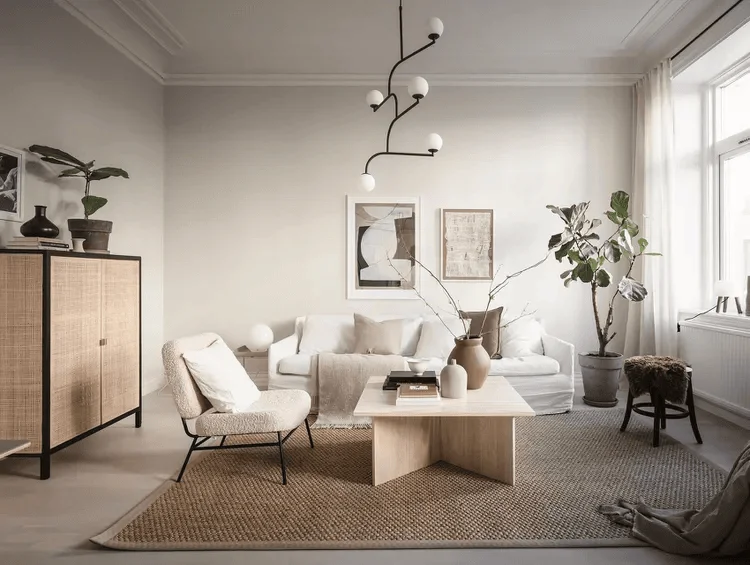
Image Credit: Alvhem
If yes, check if the materials are warm, natural, and textured. If they are, you are likely looking at Japandi or organic modern. If not, you are probably looking at minimalist or modern.
Question 2: Does the room have exposed brick, concrete, metal, or leather?
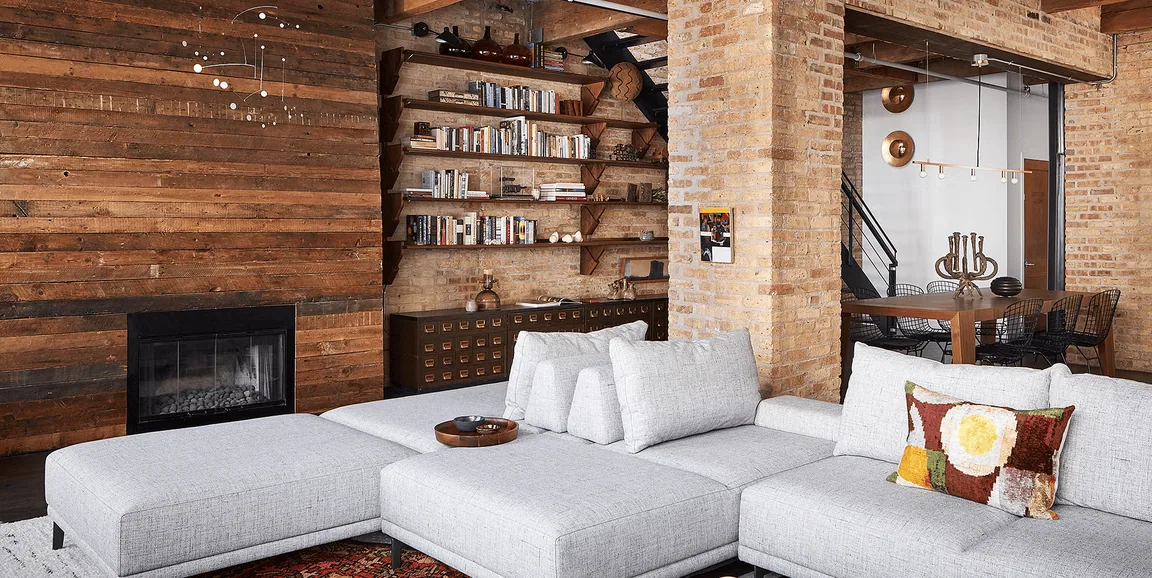
Image Source: Ryan McDonald
If yes, you are likely looking at industrial or rustic industrial.
Question 3: Does the room have symmetry, carved furniture, molding, or rich fabrics?
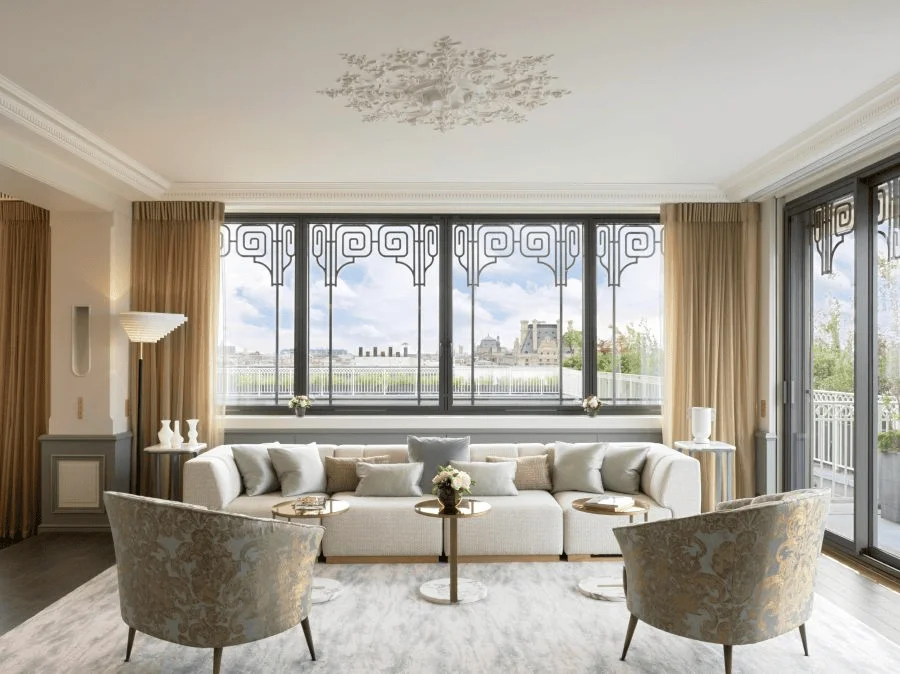
Image Source: Brabbu
If yes, you are likely looking at traditional, transitional, or modern classics.
Question 4: Does the room feel layered with plants, rugs, textiles, and collected decor?
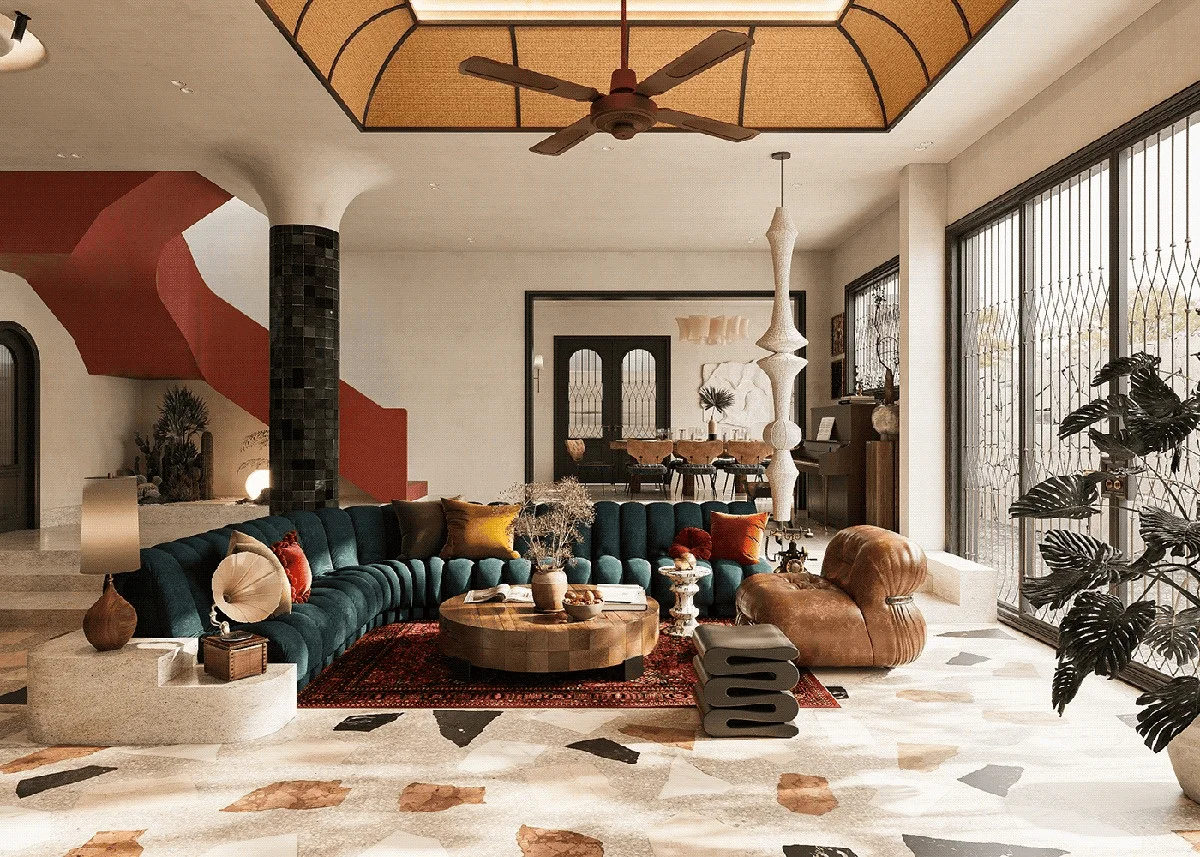
Image Source: Mai Trang Nguyen
If yes, you are likely looking at bohemian or eclectic.
Question 5: Does the room have brass, marble, velvet, geometry, or jewel tones?
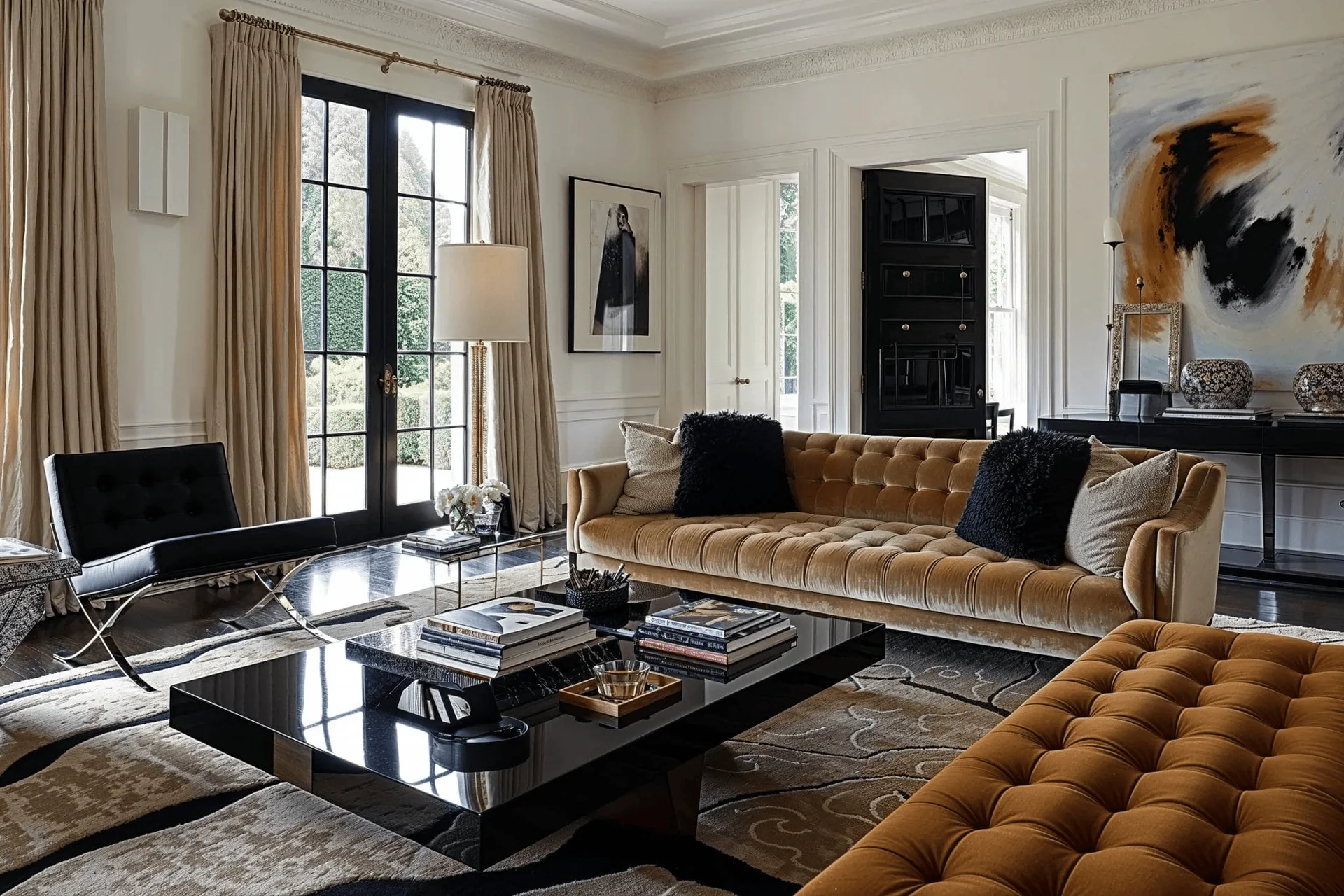
Image Source: Decorilla
If yes, you are likely looking at Art Deco, glam, or luxury.
Use the flowchart as a quick first pass. If two answers feel close, return to the tables and check the larger repeated clues again.
Common Style Confusions And How To Tell Them Apart
Most style confusion happens when people judge a room by one item. A black metal lamp does not automatically make a room industrial, and a beige sofa does not automatically make it minimalist. Look for repeated design choices instead, and a lot of this confusion clears up on its own.
| Confused Styles | Main Difference | Quick Recognition Tip |
| Modern vs Contemporary | Modern has a more fixed, clean-lined identity. Contemporary reflects current design preferences and shifts with trends. | Check the furniture shape and trend-led details. |
| Minimalist vs Japandi | Minimalism removes visual noise. Japandi adds warmth, wood, craft, and natural texture. | Look for handmade texture and warmer materials. |
| Scandinavian vs Japandi | Scandinavian feels brighter and cozier. Japandi feels earthier and more restrained. | Check brightness, furniture height, and color warmth. |
| Traditional vs Transitional | Traditional is more formal and detailed. Transitional is cleaner and softer. | Check ornamentation and color restraint. |
| Bohemian vs Eclectic | Bohemian is relaxed and textile-heavy. Eclectic is more curated and mixed across eras. | Check if the mix is casual or carefully balanced. |
| Rustic vs Industrial | Rustic is warmer and nature-led. Industrial is rawer and more urban. | Check wood, stone, metal, brick, and lighting. |
| Coastal vs Mediterranean | Coastal feels light and breezy. Mediterranean feels warmer and more architectural. | Check arches, terracotta, plaster, and iron. |
| Quiet Luxury vs Minimalist | Quiet luxury uses restraint with premium texture. Minimalism focuses on reduction. | Check material quality and layered softness. |
| Art Deco vs Glam | Art Deco is geometric and structured. Glam is broader and more decorative. | Check geometry, symmetry, and architectural detailing. |
If you are stuck between two styles, do not pick the one with the trendier name. Pick the one that appears more often through color, furniture shape, material rhythm, surfaces, lighting, and mood.
For a deeper room-by-room application of modern design language, you can also read our guide on modern home decor. This is the balance struck at The Legal Pad- Home Office.
How To Find The Dominant Style In A Mixed Room
Real homes rarely match a single style on a list. A living room can be modern with Japandi touches, traditional with transitional updates, or industrial with rustic warmth running through it. We come across this kind of mixing in many homes, and the easiest way to make sense of it is the 70-20-10 rule. The bigger fork in the road is minimalism or maximalism, and it decides half your choices.
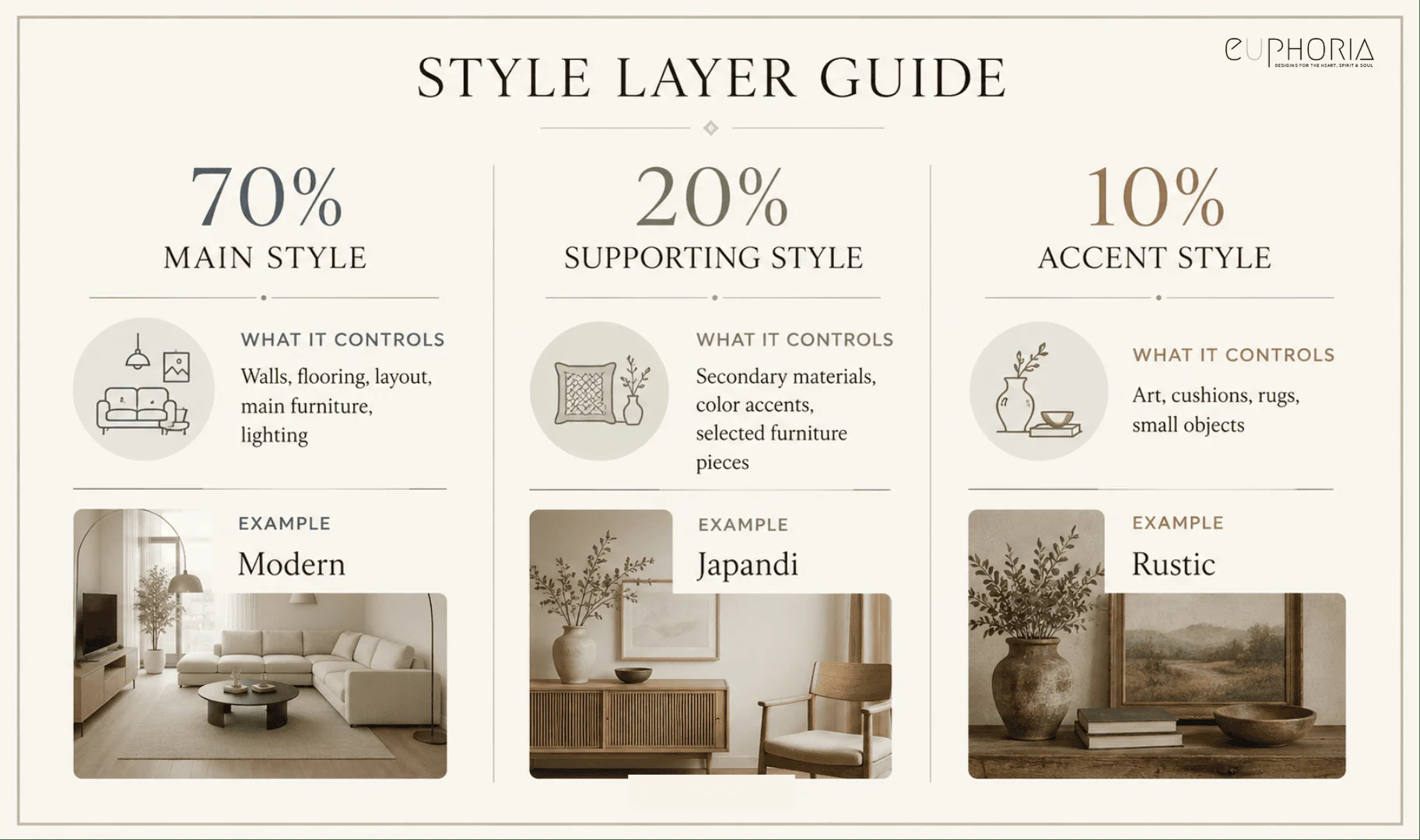
A room might be 70% modern, 20% Japandi, and 10% rustic if it has clean furniture, warm wood, handmade texture, and a few natural accents scattered through it. Once you can spot the percentages, naming a mixed room gets much easier.
The dominant style is the one controlling the largest design choices. The accent style is usually the one showing up through smaller, easier-to-change details. Two of the most confused looks get their own Tuscan and Mediterranean styles breakdown.
The Mistake We See Most Often
The most common mistake that can make you regret paying for interior design is trying to name a room based on one object that you bought for the space. A black lamp does not make a room industrial. A beige sofa does not make it minimalist. A brass table does not make it Art Deco. The style becomes clear only when the same design language repeats across the room.
This is why two people can look at the same image and name it differently. One person may focus on the sofa, another may focus on the wall finish, and another may focus on the lighting. The clearest answer usually appears when you step back and read the whole room as a pattern.
Mistakes That Make A Room Style Hard To Identify
A room can look expensive in one photo and feel disconnected in person, and that usually comes down to a handful of recognition mistakes people make over and over.
- Judging the room by one decor item. A single rug or lamp never tells the full story.
- Starting with cushions or artwork instead of surfaces. Walls, floors, and ceilings give the real direction first.
- Calling every neutral room minimalist. Plenty of neutral rooms are actually Japandi, quiet luxury, Scandinavian, or organic modern.
- Calling every mixed room eclectic. A mixed room with a clear dominant style is not always eclectic. It may be transitional, modern classic, or another blended direction.
- Ignoring lighting. A room’s fixtures often confirm or contradict everything else in the space.
- Ignoring architecture. Arches, moldings, ceiling height, and built-ins shape the style before furniture even enters the room.
- Forgetting scale and proportion. Oversized furniture in a small room can make the style feel heavier than intended.
- Using a Pinterest label without checking the actual clues. A saved caption is not the same as a verified pattern.
A room often looks disconnected when furniture, lighting, materials, and decor get chosen separately instead of as one design language. To avoid a space that feels poorly finished, you can also read our guide on things that make your home look cheap.
Interior Design Style Recognition Checklist
Before you commit to a style label, run through this short list.
- What colors repeat across the room?
- What furniture shapes dominate?
- Which materials appear more than once?
- Are the walls, floors, and ceiling simple or detailed?
- Is the lighting classic, sculptural, raw, hidden, or decorative?
- Is the decor minimal, layered, collected, or ornate?
- What mood does the room create?
- Which style controls most of the space?
Keep this list handy the next time you save a reference photo, and you will start spotting the pattern within seconds.
Use The A-Z Guide When You Need More Style Names
Once you understand how to read a room visually, explore our A-Z guide to the most popular interior design styles to compare more style names and find the one that best suits your taste. This guide provides the recognition system, and the A-Z library gives you the full range of names to match against it.
Now You Can Read The Room, Not Just Look At It
Once you stop looking at individual pieces and start reading repeated clues, interior design style becomes much easier to recognize. The colors, furniture shapes, materials, surfaces, lighting, decor density, and mood all work together to reveal the design language of a room. The interior design firms Dubai homeowners shortlist for work like this all plan this stage first.
This Interior Design Style Guide gives you a simple way to understand what you are looking at, name what you like, and explain your taste with more confidence the next time you sit down with a designer.If you want your home to feel clear, cohesive, and true to your own taste, Euphoria Interiors can help translate your preferred style into a complete design direction, from moodboard and materials all the way to final execution with our interior styling services Dubai. For a full project, our Office Interior Design Service in Dubai plans this in from the start.
Read more about Tuscan-inspired design for added inspiration.