

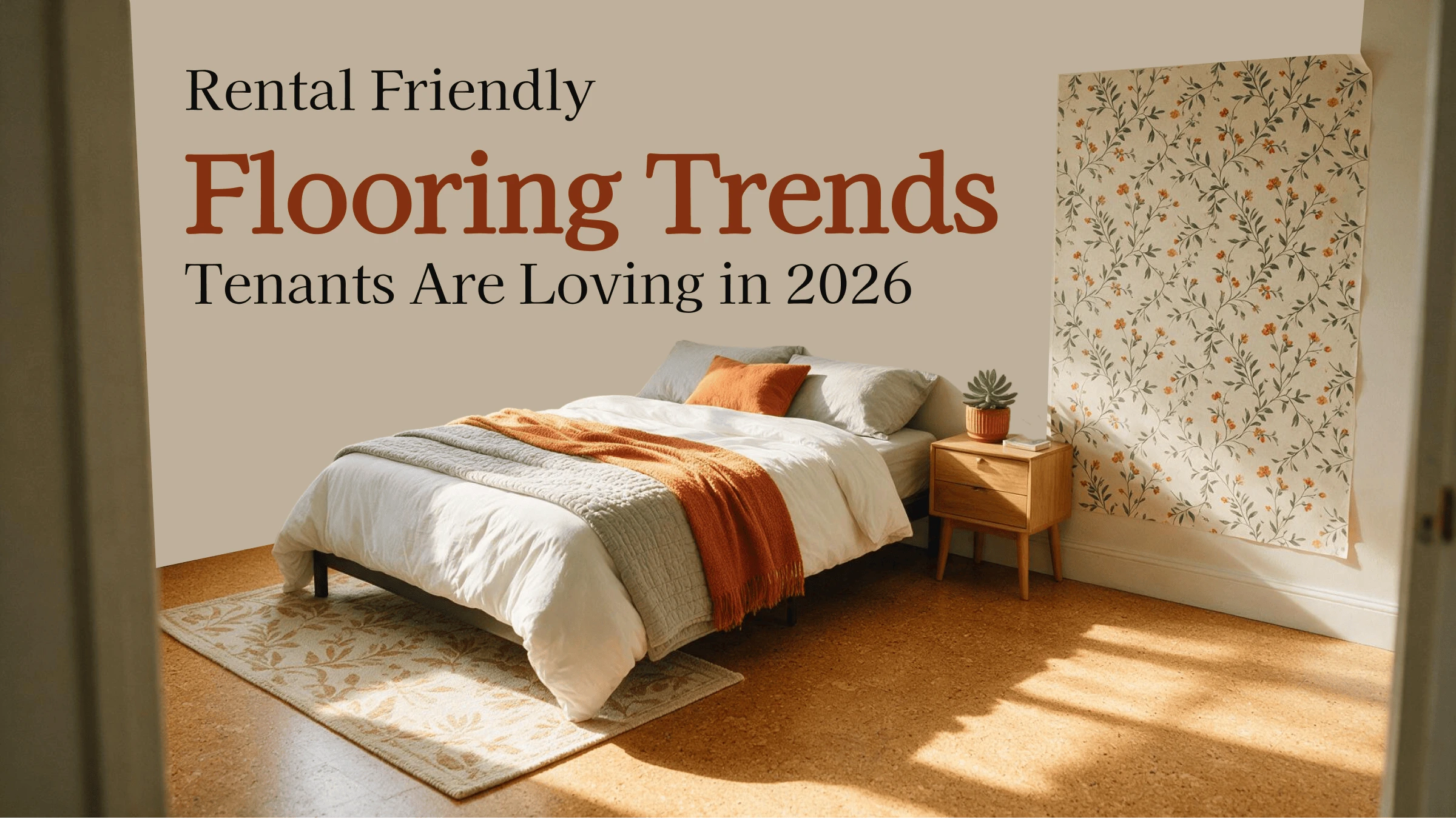
I realised how much bad flooring affects a home the moment I moved into a rental apartment with scratched tiles, faded laminate and cheap vinyl that made every room feel tired. That is exactly why rental friendly flooring has become one of the biggest interior trends of 2026.
Researching how renters were transforming outdated spaces without making permanent changes, one thing came up repeatedly. Most people were facing the same frustration. They wanted stylish interiors, but they also worried about damaging the original floor or losing their deposit.
What surprised me most was how much modern vinyl plank flooring and removable flooring have improved. Some options now look almost identical to natural wood or stone while staying affordable, waterproof and easy to install without professional help.
Even small flooring upgrades change how a space feels. The right texture, colour and layout can make a small apartment feel brighter, cleaner and visually larger without expensive renovation work.
What follows is the flooring renters are actually choosing in 2026, a checklist to run before you buy anything, and the mistakes that cost people their deposits.
Why Rental Friendly Flooring Is Trending in 2026
Renters are no longer treating apartments as temporary places to sleep and leave. More tenants are investing in interiors that feel stylish, comfortable and personal even when they do not own the property.
One reason the trend is growing so quickly is rising rental costs. Research from the Joint Center for Housing Studies of Harvard University shows affordability pressure continues to affect renters, encouraging more people to improve existing living spaces rather than relocate.
Social media has played a part too. Apartment makeover videos have shown renters that simple upgrades using temporary flooring solutions can transform a room without renovation work.
Why Renters Are Choosing It
- Rising rental costs are encouraging tenants to upgrade rather than move.
- Modern peel and stick flooring looks far more realistic than older versions.
- Vinyl plank flooring is waterproof, durable and easy to install.
- More renters want interiors that feel personal without permanent changes.
- DIY apartment makeovers are driving demand for affordable upgrades.
The Floor Is the Surface Everyone Forgets
Renters focus heavily on furniture and wall decor while ignoring the floor underneath everything. Outdated flooring quietly makes an apartment feel darker, smaller and less modern.
That is why 2026 interior trends lean towards lighter wood tones, matte textures and waterproof vinyl that visually opens smaller spaces while staying practical for rented homes. If your apartment is short on natural light to begin with, our skylight interior design ideas cover the other half of that problem.
Check These Four Things First
Before buying any flooring for renters, check:
- your lease restrictions
- the condition of the existing floor
- moisture exposure in the room
- daily foot traffic levels
This one step avoids peeling adhesive, uneven installation, and spending money on flooring that does not suit the apartment.
The Flooring Trends Renters Are Choosing in 2026
The biggest shift is that renters are no longer choosing flooring on price alone. They want flooring that looks modern, feels durable and improves the apartment without creating problems with the landlord later.
Peel and Stick Flooring Is Looking More Realistic

A few years ago most peel and stick flooring looked obviously fake. The textures felt plastic, the patterns repeated too often, and cheaper options peeled quickly.
That has changed. Newer designs mimic oak, walnut, stone and concrete finishes convincingly, and some premium peel and stick floor tiles include textured surfaces that imitate real wood grain underfoot. Tenants are now using them in living rooms and bedrooms rather than hiding them in utility areas.
Best for: rooms between 50 and 250 sq ft, especially bedrooms, studio apartments, kitchen corners and small living rooms. In a compact bedroom the floor is only half the job, so it is worth reading our wardrobe designs for small bedrooms alongside it.
Why it is growing: affordable, easy to install yourself, modern finishes, suits small apartments, and removable without major damage.
What to do: choose thicker planks with waterproof coatings rather than ultra-thin budget versions.
Vinyl Plank Flooring Continues to Dominate

Today’s vinyl plank flooring looks far more premium than older vinyl. Many options replicate natural wood so convincingly that most people would struggle to spot the difference immediately.
The other reason it keeps winning is practicality. Modern waterproof vinyl flooring handles moisture, pets, spills and heavy foot traffic much better than renters expect.
Best for: medium to large spaces between 150 and 800 sq ft, including open plan apartments, living rooms, kitchens and entire studio layouts.
Why renters prefer it: waterproof surface, realistic wood appearance, easy maintenance, suitable for high traffic, and available in floating systems.
What to do: use underlay beneath floating vinyl systems to protect the original floor underneath.
Light Wood Flooring Is Replacing Dark Floors

Dark flooring is disappearing fast from smaller rental interiors, because dark floors make compact apartments feel smaller, heavier, darker and more visually cluttered.
Renters are choosing light oak finishes, ash wood tones, soft beige flooring and Scandinavian-inspired textures instead. If you want to understand which species actually deliver those tones, our guide to the best types of wood for home interior design breaks them down.
Best for: compact apartments between 200 and 600 sq ft where natural light is limited, particularly studios and narrow layouts.
What to do: pair lighter flooring with warm lighting and soft window treatments for a more open look. The latest curtain designs are worth a look here, since curtains are the other upgrade that needs no landlord permission.
Removable Flooring Is Becoming More Design Focused

Removable flooring used to be purely practical. It worked, but it rarely looked good. In 2026 renters want both.
Manufacturers are now producing temporary flooring solutions built for modern interiors: matte stone finishes, textured wood effects, minimalist patterns, and removable floor tiles with cleaner seams. Some systems install without glue at all, which matters if you are worried about your deposit. Owners with more freedom can go further with tile combinations for floors that commit.
What to do: look for adhesive-free or floating systems if your lease has strict renovation restrictions.
Budget Friendly DIY Flooring Is Growing Fast

DIY apartment makeovers have made budget flooring ideas more popular than ever. Renters are realising they do not need expensive renovations. Removable floor tiles, foam flooring systems, layered rugs and temporary vinyl all change how a room feels.
Best for: smaller areas between 30 and 200 sq ft on a tighter budget.
What to do: start with one high impact area like the living room or bedroom before upgrading the whole apartment. The same logic applies to walls, where our royal texture paint ideas show how much one surface can carry.
Rental Flooring Checklist Before You Buy

The most common mistake renters make is choosing flooring on appearance alone. A floor may look beautiful online, but if it does not suit your layout, moisture levels or lease conditions, it becomes an expensive problem. Run this checklist first. If you are planning a wider upgrade, our home design planning guide and checklist covers the rest of the apartment in the same way.
1. Check Your Lease Restrictions
Before installing any removable or temporary flooring, confirm whether adhesives are allowed, whether floating floors are permitted, what condition the floor must be returned in, and whether landlord approval is required. This saves deposit disputes later.
2. Measure Your Floor Space Carefully
Measure room length and width, awkward corners, doorway gaps, and kitchen and bathroom edges. Order at least 5 to 10 percent more flooring than your measured area to cover cuts and mistakes.
| Apartment area | Recommended flooring type |
|---|---|
| 30 to 100 sq ft | Peel and stick flooring |
| 100 to 300 sq ft | Removable floor tiles |
| 150 to 800 sq ft | Vinyl plank flooring |
| Small studio apartments | Light wood effect flooring |
| Moisture prone rooms | Waterproof vinyl flooring |
3. Identify High Moisture Areas
Not every flooring type survives bathrooms, kitchens, laundry areas or entryways. Cheap flooring starts curling when exposed to moisture repeatedly, which is why waterproof vinyl keeps trending in rentals. The same damp-first thinking applies to walls, and our basement paint colour ideas deal with the finishes that hold up in the dampest rooms.
What to do: use waterproof flooring in any room exposed to spills, humidity or wet shoes.
4. Consider Your Daily Foot Traffic
Flooring that works in a quiet bedroom fails quickly in a busy living room. Account for pets, children, heavy furniture, frequent movement, office chairs and shoe traffic. Heavy pieces are the usual culprit, so if you are also planning storage, our wardrobe design ideas for bedrooms are worth reading before anything gets moved in.
| Traffic level | Best option |
|---|---|
| Low traffic | Peel and stick floor tiles |
| Medium traffic | Laminate flooring |
| Heavy traffic | Vinyl plank flooring |
5. Decide How Long You Plan to Stay
This matters more than renters realise. Under a year, choose a low cost temporary floor covering. One to three years, choose mid-range renter friendly flooring. Long term, invest in higher quality vinyl plank. I learned this the hard way after overspending on flooring for an apartment I left within months. Owners starting from scratch should read this flooring tiles guide before the shops.
6. Be Honest About Installation Difficulty
Online tutorials make installation look easier than it is. Ask whether you have basic tools, whether you can cut flooring accurately, whether the subfloor is level, and whether you can move heavy furniture.
What to do: if you want the easiest possible install, start with peel and stick flooring, removable floor tiles or click lock vinyl planks.
7. Choose Colours Based on Apartment Size
Lighter tones reflect more natural light, make rooms feel larger, reduce visual heaviness and suit modern apartment interiors. Dark flooring looks dramatic but tightens smaller apartments.
What to do: for apartments under 600 sq ft, choose warm oak, beige wood tones, soft grey finishes and matte textures. Getting the furniture to agree with the floor is the next decision, and our guide to what colour furniture goes with your flooring works through the pairings.
Conclusion
The right flooring changes how a rental apartment looks and feels without renovation work or permanent changes.
What stands out about 2026 is that renters are no longer settling for flooring that feels temporary or cheap. Between modern peel and stick, realistic vinyl plank and genuinely stylish removable systems, there are far more practical options than most people realise.
Whichever route you take, the goal is not perfection. It is a rental space that feels comfortable to live in every day. Start with one room and explore practical design inspiration from Euphoria Interiors to create a stylish rental without risking your deposit.
If you want a second opinion on what suits your apartment, talk to our design team.